
The Emotional Burden of Chronic Illness w/ Kate Zera Kray LCSW
Have you ever noticed yourself saying "part of me wants to rest, but another part feels guilty about canceling plans again"? If you're living with a chronic illness, you probably experience these internal conflicts daily. Today, we're exploring Internal Family Systems (IFS) therapy with clinical social worker Kate Zera Kray, and how understanding our inner "parts" can transform the way we relate to our bodies and our conditions.
What Are These "Parts" Anyway?
Kate explains that we all have sub-personalities – and before you worry, this has nothing to do with multiple personality disorder or dissociative identity disorder. Think of it this way: you're aware of all these different aspects of yourself, kind of like the movie Inside Out (which actually consulted with IFS experts for the second film).
In IFS, we have three main categories:
Managers - The first line of defense
They carry the clipboard and to-do lists
They try to prevent bad things from happening
People usually like them because they keep us organized and on time
With chronic illness: they might track every symptom, research every treatment, manage all the medical appointments
Firefighters - The emergency responders
They jump in when managers can't handle things
Their methods might look destructive (drinking, anger, Netflix binges)
They'll "take a bullet" for your system
With chronic illness: they might make you skip important medical care or lash out at loved ones
Exiles - The vulnerable ones
They hold our trauma, shame, and deep sadness
Both managers and firefighters work to keep them hidden
They carry the feelings we're afraid to feel
With chronic illness: they hold the grief, fear, and "why me?" feelings
My Own Dance with Over-Identification
When I was first diagnosed with Lyme disease, I became the illness. Every conversation, every thought, every Google search – it all centered around Lyme. Looking back, I can see my manager part was in overdrive, desperately trying to control the uncontrollable through information gathering and hypervigilance.
Kate and I discussed how this over-identification actually serves as protection during acute treatment phases. When you're fighting for proper diagnosis, trying different treatments, and advocating for yourself in a medical system that might be dismissing you, that manager needs to be fully activated. It's keeping you alive.
The challenge comes when you've found your treatment plan and the crisis mode isn't necessary anymore, yet your protective parts don't know they can relax.
When Protection Becomes a Prison
Kate shared an example of someone with diabetes whose manager part meticulously tracks blood sugar with multiple devices, plans every bike ride with military precision, and tells accountability partners their exact route and return time. This manager is doing important work – blood sugar management is serious business.
But it’s also exhausting work, and it’s even more exhausting when the efforts it’s taking isn’t producing desidered results. So then the firefighter shows up: "I'm so sick of this. The medical team dismisses me anyway. What's the worst that could happen if I ignore all this for once?"
Sound familiar?
For those of us with chronic conditions, our managers often work overtime trying to create safety through control. Track every symptom. Research every treatment. Never miss a supplement. Follow the diet perfectly. Meanwhile, our firefighters are exhausted and ready to burn it all down.
Finding Your Way Back to Self
The goal isn't to get rid of these parts – they're all trying to protect you in their own ways. Instead, IFS helps us "unblend" from them. When you're completely blended with a part, you become the anxiety, you are the sadness, you embody the rage. Unblending means creating just enough space to notice: "Oh, there's a part of me that's terrified right now."
Kate describes the ultimate goal as accessing your core Self – spelled with a capital S in IFS. This Self is characterized by eight C's:
Curiosity
Compassion
Calm
Clarity
Courage
Confidence
Creativity (my personal favorite)
Connectedness
Why Creativity Matters in Chronic Illness
I'm particularly drawn to creativity because living with chronic illness demands creative problem-solving constantly. The standard approaches rarely work for us. Traditional pain management fails. Typical medications cause unusual reactions. Standard boundaries need creative adaptation.
When your body changes daily, when symptoms shift unpredictably, when old solutions stop working – creativity becomes survival. It's finding new ways to maintain friendships when you can't be reliable. It's discovering modified exercises that work with your limitations. It's reimagining what a good day looks like.
Working with Your Parts
Start by simply noticing. When you feel that familiar overwhelm about medical appointments, can you recognize it as a manager part trying to keep you safe? When you want to throw your pill organizer out the window, can you acknowledge the firefighter who's exhausted from the fight?
Kate emphasizes following our clients' lead on language. Some people identify strongly with their diagnosis as part of who they are – especially those born with genetic conditions like Ehlers-Danlos Syndrome. Others need to create distance from their illness identity. There's no right way, only your way.
The key is recognizing when your protective parts might be working harder than they need to. Are they responding to current reality or past trauma? Are they keeping you safe or keeping you stuck?
A Compassionate Path Forward
Living with chronic illness means your protective parts have very real, very valid reasons for being on high alert. The medical gaslighting, the dismissive doctors, the failed treatments – your system remembers all of it.
Understanding IFS gives us a new language for these internal experiences. Instead of "I'm being difficult," we can recognize "there's a part of me that's protecting me from disappointment." Instead of "I'm broken," we can see "my exiled parts are carrying so much grief."
This isn't about positive thinking or minimizing real challenges. It's about developing a more compassionate relationship with all aspects of yourself as you navigate an incredibly difficult journey.
Moving Forward
If this resonates with you, consider exploring IFS with a trained therapist who understands chronic illness. The combination of parts work with medical understanding can be transformative. Look for someone who won't treat your medical vigilance as pathological – sometimes our managers really do need to track those symptoms carefully.
Remember: your parts developed to protect you. They've kept you going through medical trauma, dismissive providers, and daily uncertainty. They deserve gratitude, even as we help them understand they might not need to work quite so hard anymore.
Want to find an IFS therapist who understands chronic illness? Check out my directory at thechronicillnesstherapist.com/directory.
Disclaimer: Everything we discuss here is just meant to be general education and information. It's not intended as personal mental health or medical advice. If you have any questions related to your unique circumstances, please contact a licensed therapist or medical professional in your state of residence.
Destiny Davis, LPC CRC, is solely responsible for the content of this article. The views expressed herein may or may not necessarily reflect the opinions of the guest.
The content in this blog post comes directly from a real, human interview between Destiny and her guest on The Chronic Illness Therapist Podcast. This written version was formatted using AI. Listen to the full episode to hear the actual conversation.
Listen to Kate’s interview with me, Destiny Davis, on Ep 104:The Emotional Burden of Chronic Illness
-
Episode transcribed with AI and may contain errors that are not representative of the actual word or meaning of the sentence.
Destiny Davis LPC CRC: Hello everyone. I am hoping to see you all tomorrow, uh, October 25th, 2025. And if not, please feel free to still sign up with the link in the show notes and you'll be able to get the replay for financial wellness while living with chronic medical conditions with Certified Financial Social worker. Megan Stevenson, it's gonna be a really fantastic workshop. I cannot wait to provide this as a resource for you all because finances and medical conditions are obviously a huge intersecting problem, especially if you're in the United States.
And therapists and other licensed medical professionals. I can't wait to see you all in March. This is only for licensed medical professionals. Um, but there will be continuing education. 11, continuing education hours for therapists, social workers. Um. Okay, and then we'll also try to help you get them approved for physical therapists.
We do think that each and every one of the talks that are going to be at the conference [00:01:00] will be applicable to your profession, no matter which profession you're in, mental health therapy, physical therapy, even for registered dieticians. While we won't be going over any kind of nutritional education for you, we will be going over the psychosocial aspect of living with chronic medical conditions.
I'm very much looking forward to this. Ticket. Sales are now live. We have launched. I cannot wait, so please check that out in the link below. Okay.
The Chronic Illness Therapist Podcast is meant to be a place where people with chronic illnesses can come to feel, heard, seen, and safe. While listening to mental health therapists and other medical professionals talk about the realities of treating difficult conditions, this might be a new concept for you, one in which you never have to worry about someone inferring that it's all in your head.
We dive deep into the human side of treating complex medical conditions and help you find professionals that leave you feeling hopeful for the future. I hope you love what you learned here, and please consider leaving a review or sharing this podcast with someone you love. This podcast is meant for educational purposes [00:02:00] only.
For specific questions related to your unique circumstances, please contact a licensed medical professional in your state of residence. The Chronic Illness Therapist Podcast is meant to be a place where people with chronic illnesses can come to feel, heard, seen, and safe. While listening to mental health therapists and other medical professionals talk about the realities of treating difficult conditions, this might be a new concept for you, one in which you never have to worry about someone inferring that it's all in your head.
We dive deep into the human side of treating complex medical conditions and help you find professionals that leave you feeling hopeful for the future. I hope you love what you learned here, and please consider leaving a review or sharing this podcast with someone you love. This podcast is meant for educational purposes only.
For specific questions [00:03:00] related to your unique circumstances, please contact a licensed medical professional in your state of residence.
Kate Zera Kray is a clinical social worker and psychotherapist joining us today from Atlanta, Georgia. She technically started her career as a social worker in junior High when she began volunteering with her mom at an emergency shelter for foster children on the north side of Chicago and never looked back.
She has both a bachelor's and master's in social work and her training at hospitals and cancer wellness centers have equipped her with knowledge to help those with medical needs, while also supporting their caregivers and loved ones. Kate now sees individual adult clients using the nurturing modality of internal family systems. Thanks so much for being here, Kate.
Kate Zera Kray, LCSW, GA, IL: Thank you [00:04:00] Destiny.
Destiny Davis LPC CRC: Yes. Um, so we've talked a little bit about Internal Family Systems on this podcast, but I'm excited you use it as your main modality. And so I'm excited for you to maybe provide a little bit of education around it and how it helps people with chronic illnesses as well as their loved ones.
'cause you do a lot of caregiver support. I think it might be great to kind of go over a little intro to things like protectors and exiles and maybe like what that all means, and then we can talk about how you work with that, with people who have chronic illnesses, cancer, as well as, you know, whatever else is kind of, um, coming up in your, in your therapy office.
Kate Zera Kray, LCSW, GA, IL: Absolutely. So yeah, it is such a great modality and I am, I'm so like encouraged or excited that it's kind of gaining this pa, you know, growing in popularity And, I was an early adopter of it,
Destiny Davis LPC CRC: Yeah. What do you find is the most impactful kind of first bit of education that you give clients that really helps them get on board with understanding this [00:05:00] modality?
Let's say a client comes in and does your first session kind of involve explaining what if FS is, or do you, do people tend to find you and just already know what it is, but
Kate Zera Kray, LCSW, GA, IL: You know, I think a lot of times, as you know, I mean, you do. You do this work, and a lot of times people come to us and they're not really at their best. You know, maybe they're really blended with a part who's very sad, perhaps even depressed over the loss of a pet or a loved one, for instance.
Or maybe they have highly anxious parts because their child's going to college. Uh, my, that's me. So I have that coming up in the next couple weeks. Um, for the first time my oldest is going to college. So, that might not be the best time to kind of that I could help facilitate someone, um, to get to know, to kind of unblend from the anxiety in that example I gave.
And then to do some psychoeducation about parts work and then kind of go into a session. I think that would be a [00:06:00] lofty goal and probably Ill-advised.
Destiny Davis LPC CRC: that makes total sense. Yes. Um, maybe we can start by defining the parts and then I would love to go into a little bit of what blended means and then also. I'll follow up from that with how do you know when it's your part versus your client's part?
Kate Zera Kray, LCSW, GA, IL: Yes.
Know, sometimes people shudder at the word parts, it throws them, and again, people listening can find if they're, if they want to do more, you know, research or they're like, oh, this internal family systems kind of sounds interesting. And you'll hear.
Um, a big kind of disclaimer is that this is not suggesting that somebody has, you know, like multiple personalities, dissociative, identity disorder, anything like that. This is not, this is like, I think right off the bat it's important to kind of, um, normalize and really just say, I like the example of, know, if I'm meeting a client for the first time, maybe, you know, as we kind of maybe do some of the history, I'm getting to know them.
[00:07:00] I say. Perhaps there was a part of you that was eager to start this, this has been something on your to-do list and you're like kind of excited to, you know, uncover some things, maybe hope, ideally feel better or incrementally better than you do now if there's an illness, for instance. So there could be maybe some hope there. then there could also be a part that's like, you know, you told me over the phone you had a hard past experience with a type of therapy and you wanted to make sure I don't do that modality, for instance.
Destiny Davis LPC CRC: Yeah.
Kate Zera Kray, LCSW, GA, IL: there could be a part that might be more protective or reticent, and then there could be a part that's, you know, aware of the time and you hit traffic and you're worried about, you know, the session.
And, and right off the bat, I wanna assure that part that. I have a buffer. So we, you know, we have those five minutes that your system's worried about missing. We will, we will get those five minutes in today. So I kind of write away and showing [00:08:00] a little bit of compassion, if you will, which is one of the C words we'll get to.
But, you know, and just kind of role modeling that. But yes, to answer your question, there are three, um, main components of internal family systems or some affectionately refer to it as parts work, P-A-R-T-S. the idea is that there's sub personalities, again, not, not multiple personalities as I know that's an outdated term, but that used to be something in therapy speak, right?
Destiny Davis LPC CRC: Sure. Yes. Yeah.
Kate Zera Kray, LCSW, GA, IL: but it's, yeah,
Destiny Davis LPC CRC: So important. Like I, I agree that disclaimer is so important that. We are gonna talk about, there's different personalities inside of you, but yeah, it's not a, a personality disorder. It's not a dissociative identity disorder. It's not, um, that you are, are splitting from yourself. You're aware of all these different parts inside of you.
You're, yeah, and it's just, I mean, everybody says it, oh, part of me felt this way about this, and a part of me felt [00:09:00] that way. So I think we, we can definitely understand it from that level.
Kate Zera Kray, LCSW, GA, IL: exactly, exactly. That's just it. And, and sometimes it's like we don't even know we're doing it. And it could be something innocuous, like, oh, a part of me wishes I took 2 85 because now I'm stuck on, you know, I 20 or whatever, you know, so it's just those parts come up and like decision making over what to order off of a menu or, you know, so I sometimes, again, I think that can be like a good lead in to what the parts are kind of struggling with. But yeah, so they're, they tend to be, sometimes they're personified, but they carry experiences in our body, hence the internal name of it. And they can be divided into protectors and exiles. So there's two branches, if you will, of protectors. Ultimately there's three parts. So the first line of defense, if you will, or protectors, they're called managers. Examples of managers could be the ones [00:10:00] that, you know, I almost picture, you know, this person with a clipboard, the one that might have our to-do list. , Like for instance, I have some sticky notes to, to remind me of topics.
That was clearly my manager that was like, you know, this is important. Talk about this with destiny.
Destiny Davis LPC CRC: Yeah. And the manager's job, right, is to like try to prevent the bad thing from happening. Is that right?
Kate Zera Kray, LCSW, GA, IL: exactly. So they're like the first line of defense, the, the first of the two protectors.
Destiny Davis LPC CRC: Yeah.
Kate Zera Kray, LCSW, GA, IL: The other protectors are called firefighters in this modality. They're the ones who have like a thankless job.
Usually people in our lives, external people, like actual people don't really like the firefighters. They will do can be, um, construed or possibly misconstrued as destructive behavior and an effort to protect. So that might look like, they might have suicidal ideation. They [00:11:00] might, um, drink or, or do drugs, use substances to numb pain, for instance. Um, they might have like a te like, you know, a, temper or something.
Destiny Davis LPC CRC: Yeah.
Kate Zera Kray, LCSW, GA, IL: I, I think of it as like anger can be the bodyguard to sadness. So sometimes that firefighter will act out in such a way because of what's beneath the surface. So if it was like this upside down triangle, we have the protectors on the top line managers. The first line of defense, they, they're kind of like championed in our system. People, again, people in our lives like them, they're like, you, you were on time, or thank you for making this color coded, I don't know, manual for the new employees, whatever it is. So people, yeah, so they, and then, but ultimately what they're both protecting at the bottom of that triangle, the third and final part is called the, the subgroup category is called exiles. And they're the ones that tend to carry the burden or the trauma or the [00:12:00] hurt in the system. So exiles, like, meaning, like maybe they got pushed down. Um, people in our lives, um, maybe don't, didn't want like a crying child that they couldn't, like maybe a parent had a part that could not deal with that. already overwhelmed for whatever reason. Um, so it, so they tend to have things that like we're not so proud of, right? Like, so they tend to hold shame, like extreme sadness, guilt. So again, they're not celebrated externally and they're certainly not like, appreciated in our internal system, if that makes sense.
So they're, they're, you know, these two protectors are, they're doing in their, their own unique ways. They're doing all they can. So the exile one doesn't come out and disrupt the system, for lack of a better term. And again, those
Destiny Davis LPC CRC: you don't.
Kate Zera Kray, LCSW, GA, IL: aren't my words. Yeah,
Destiny Davis LPC CRC: Yeah, you don't feel it, you know, I don't wanna feel sad and in order to not feel [00:13:00] sad, I will do everything I can to make sure I get my entire to-do list done. Because if I don't get it done, I will feel sadness or shame or whatever. And then if I couldn't do it, the firefighter comes out to protect even more.
And now I might be yelling at my partner because I didn't get the to-do list done, and I don't wanna feel the shame around it. So now I'm yelling at him to be like, well, it's your fault because I can't feel that shame, or I can't feel that sadness or whatever it is. I'm trying not to feel,
Kate Zera Kray, LCSW, GA, IL: Exactly. Yeah,
Destiny Davis LPC CRC: yeah, I don't know anything about that personally.
So.
Kate Zera Kray, LCSW, GA, IL: That's funny. Yeah. We're sometimes our own best teachers and, and one thing they, they say is like, they're big into this word tour mentor, like the root word. They break it down like TORE and then mentor. So like how people in our lives. It's funny you say that. I think most notably like our partners are spouses and sometimes they're kids.
Destiny Davis LPC CRC: Yep.
Kate Zera Kray, LCSW, GA, IL: boys, so sometimes they're, you know, it's like I, on a good day and when I'm not blended and we can get [00:14:00] into blended,
Destiny Davis LPC CRC: Yeah.
Kate Zera Kray, LCSW, GA, IL: oh my gosh, he worked late last night. He's so tired. He doesn't, part of him doesn't mean to be yelling at me to get the heck out of his room, however, and so sometimes I can have more grace and. However, if I'm blended with a part that's like, oh my gosh, I've been up for four hours. He's just rolling out of bed. Like, what? You know, I
Destiny Davis LPC CRC: Yeah.
Kate Zera Kray, LCSW, GA, IL: breakfast. Now the breakfast is cold. You know, so that, so if I am blended with a part that's frustrated and doesn't quite frankly wanna get, you know, talked to in a certain way by a child or teenager in this case, then yeah.
So it's true. I think that the tour mentors, the one that can teach us a lot, tend to be in our own family or our own homes.
Destiny Davis LPC CRC: Yes, absolutely. So let's talk about that blended aspect and, and bring in some, you know, especially with the chronic illness community. I think this is why. So like there's, so there's the modality of IFS, which is fantastic. Um, if I were to be doing this [00:15:00] work right with a client, I were to kind of bring in a lot of psychoeducation around maybe the, the why, why a manager feels it's so important to get the to-do list done, or why you feel so shamed when you can't.
I would be bringing a, bringing in a lot of like. Um, discussion around ableism, discussion around capitalism, discussion around society, and just how we kind of, what we value in society, things like that. Is that also a part of, can you tell me how you might practice with, um, yeah. If that's similar for you or if that you, you work at, at that, you work that at a different angle.
Kate Zera Kray, LCSW, GA, IL: Yeah, no, it's a great question. I mean, I agree with all that you said. There's so much that goes into Yeah. Societal norms or, you know, our language. And I, I'm thinking most notably of, um, an example, so I've, I've worked at children's hospitals in Atlanta and Chicago and adult populations in both, um, states, um, sorry, in Georgia and Illinois, both states. So I say [00:16:00] that because I'm very, as we are, I'm very into like HIPAA compliance and you know, whenever I talk about an example, maybe I'm talking about. A 65-year-old gentleman from my group, but maybe I couch it as, you know, um, know, non-gendered 40-year-old who's suffering from something because I, I just, you know, I, it's really important to protect the confidentiality and people's individual story.
So that's a long caveat that it, you know, I, um,
Destiny Davis LPC CRC: Yeah.
Kate Zera Kray, LCSW, GA, IL: a reference to that, but when I was working at one of the hospitals, early on in my career, I started to see that some providers would say the brain tumor, um, kid is in room, you know, 0 1 um, the leukemic, um,
Destiny Davis LPC CRC: Oh yeah.
Kate Zera Kray, LCSW, GA, IL: a bone marrow transplant is down the hall and the mom wants to talk to you. I pretty quickly could tell, and, you know, had really great, um. Mentors, supervisors that really taught me [00:17:00] like, this is a human being. This is a person with a diagnosis. This is a person, you know, named Kate. I'll just say, and they have this going on and they also, you know, struggle with a chronic illness.
So I, I really, that to me was invaluable. That was before I knew what parts, language or work was. It was just like seeing the human that they were first and foremost.
Destiny Davis LPC CRC: Yes. De-identifying from, and this is actually just a side note. This conversation in the disability world is pretty big because some people with a disability are like, no, being disabled is an identity, and that's coming from a, an okay healthy place.
Kate Zera Kray, LCSW, GA, IL: Hmm.
Destiny Davis LPC CRC: Um, and so it's, there's a big discussion in the disability world about person first language, um, versus not.
And now to say something like the brain tumor kid in that room, I think everybody would agree that that is not okay now. Um, but that is a child who's [00:18:00] struggling with a brain tumor. Somebody, however, who has Ehlers Danlos syndrome, which is a genetic condition from birth and may or may not require a wheelchair, may or may not require other mobility aids, may or may not, um, bring about, uh, digestive issues and, and other kind of issues.
They may identify with EDS in a way that is helpful and appropriate to their growth and development. And it also says it allows you to then ask for accommodations because this is just me as a human. This is not something that's wrong with me, it's just my being.
Kate Zera Kray, LCSW, GA, IL: Uh,
Destiny Davis LPC CRC: I just wanted to put that kind of side note in there for anyone listening.
'cause it's a huge, huge topic of discussion in the disability world. People fight about it online all the time. I think that, and it's the same with autism. People either say, I am autistic or a person with autism. And I will say people now, like in, I think most everyone now agrees that [00:19:00] autistic individual is appropriate.
Um, it's more so like the old school kind of way of saying with autism, which again says there's this like pathological kind of something wrong with you. So just side note on that.
Kate Zera Kray, LCSW, GA, IL: an important distinction. And you know, one that, uh, like I think as we do, we follow the lead of our clients. You know,
Destiny Davis LPC CRC: Exactly.
Kate Zera Kray, LCSW, GA, IL: had, yeah. Somebody say like, you know, I have Lyme disease, or My son is autistic, versus my son has, you know, I just kind of follow people's lead because it's, it's important.
Totally.
Destiny Davis LPC CRC: Yeah, yeah. Yeah. And so with that disclaimer kind of out of the way, I think we can have a discussion around in, I actually, Lyme disease was one of my first diagnoses. So I'm very, um, very well versed in this world and know that you can, you can make people kind of mad in this conversation as well.
But, um, I actually very much had to learn to de-identify from that
Kate Zera Kray, LCSW, GA, IL: That's a
Destiny Davis LPC CRC: because
Kate Zera Kray, LCSW, GA, IL: from what I've [00:20:00] learned from people. It's
Destiny Davis LPC CRC: it's so hard, because there's so much lack of understanding around it and, um, misinformation around it and like snake oil stuff around it. Dismissal around it. So you either get told nothing's wrong with you from your doctors, or you get told from like holistic medicine that every, everything, everything wrong with you is because of this and we have all of the things to make it go away.
So anyway, it, it can be, it can be like that.
Kate Zera Kray, LCSW, GA, IL: absolutely.
Destiny Davis LPC CRC: that when you are in it, when you're in the thick of treatment, I think in a way, and this, we can get into this, this is why it's a protector and this is why protectors are not a bad thing. I over identifying with your illness keeps you safe and the, the thick of treatment, it's all consuming.
It is all you think about because, and honestly to survive and to find the right treatment, you kind of, it kind of has to be. I find that the de-identifying work in my experience with clients cannot start to happen [00:21:00] until they at least have a solid medical plan.
Kate Zera Kray, LCSW, GA, IL: Ah.
Destiny Davis LPC CRC: They're no longer in the trying to figure it out phase.
It's the, I know what I need to do now I just have to do it.
Kate Zera Kray, LCSW, GA, IL: Yes. That's so interesting. Yeah. No, and I'm so glad to hear from your perspective, like, you know, because you do, and I mean, what, what a great gift I'm sure you are to your clients because you
Destiny Davis LPC CRC: Thank you.
Kate Zera Kray, LCSW, GA, IL: you
Destiny Davis LPC CRC: Thank you.
Kate Zera Kray, LCSW, GA, IL: and you have the professional training. Like that's such a , important blend, .
Destiny Davis LPC CRC: Thank you.
Kate Zera Kray, LCSW, GA, IL: Yeah, that's, and I, but I think you're right. 'cause going back to when you asked about the groups, you know, occasionally people will say, I wish I found this group sooner. It would've been helpful, you know, maybe to ask about, um, having, um, a bilateral mastectomy or not, you
Destiny Davis LPC CRC: Yeah.
Kate Zera Kray, LCSW, GA, IL: to have that knowledge and other people say kind of just what you said, like, I had to do one thing at a time.
It's just the way my mind works, my system. I mean, from a parts perspective, maybe that was their part saying like. do these, do the, you know, [00:22:00] six weeks of radiation, get through, like head down and then process the emotions. So I, I mean, again, no right or wrong, but people come to support and at different stages of their, um, diagnoses, I find.
Destiny Davis LPC CRC: Yeah. Yeah. Yeah. And I think, you know, again, like if once you're starting to come out of it, you might not have as much fear around will this work or not work? Am I going to die or not die? Um, which would would of course be the exiled feelings. I, that's, I think anybody would have the exiled feeling of
Kate Zera Kray, LCSW, GA, IL: I agree.
Destiny Davis LPC CRC: the thought of potentially not making it
Kate Zera Kray, LCSW, GA, IL: Yes.
Destiny Davis LPC CRC: so it's, it's so protective.
I think, uh, it is such an important part of this conversation in. I'm trying to understand because I think we can also talk about it on the other side where the protective parts are doing their job. However, they're now causing external damage like the firefighters because they, and I don't know if overprotecting is even [00:23:00] the right word, 'cause it's, that's still has a connotation that it's wrong, right?
That they're doing too much. Um, the thing is, it might be doing its job to keep you feeling from what you need to, from what you wanna be feeling, but you might actually be resourced enough to actually feel that thing and be okay. And the firefighter just doesn't know that yet. That's kind of how I see it.
Kate Zera Kray, LCSW, GA, IL: Oh, that's, I, yeah, absolutely. No, it seems like you have such a good grasp of it, and it's, you know, I think of a, a person, an adult I know with diabetes. Um, I think, you know, I, I think if I was going to break it down, which I wouldn't probably, don't think I would use this language in a session per se, or maybe not until I got to know the person, or they had a basic understanding of parts work and they were on board with it.
Destiny Davis LPC CRC: Yeah.
Kate Zera Kray, LCSW, GA, IL: I would think, kind of to your point, like the managers, to me, again, that's, that can be a hard diagnosis that I have seen the medical community just kind of like, oh, you just changed your lifestyle. It's, you can eat whatever you want. You just have to [00:24:00] account for it. Like al to me, that feels like so dismissive.
Like it's a major thing. I've had relatives and you know, in my own family with it, but when I think of, you know, a young adult getting diagnosed, like kind of their whole life changes. And what I didn't realize, um, until I learned from this person is like, you know, they, they were very in depth. They are very in exercise, so they have to have like an additional tracker.
But my understanding is that, you know, some people have like the pump, you can have a pump, but, or you can have like, um, something
Destiny Davis LPC CRC: The continuous, the continuous glucose monitor. Yeah.
Kate Zera Kray, LCSW, GA, IL: Thank you. The monitor.
So what I didn't realize is that sometimes the monitor can lag a little bit.
Destiny Davis LPC CRC: Yeah,
Kate Zera Kray, LCSW, GA, IL: you're, and I don't know, time-wise, maybe it depends on the latest model or
Destiny Davis LPC CRC: sure.
Kate Zera Kray, LCSW, GA, IL: but um,
Destiny Davis LPC CRC: And your body.
Kate Zera Kray, LCSW, GA, IL: yeah,
Destiny Davis LPC CRC: Yeah.
Kate Zera Kray, LCSW, GA, IL: but if you're like, you know, doing like, let's go with psych. You're doing a triathlon and you're like, cycling, cycling. if that's lagging, it's, I mean, it, [00:25:00] it's very dangerous. Like on the extreme it could be life or death, right? So it's like, then there's additional like. Monitors, watches different things to account for
Destiny Davis LPC CRC: Yeah.
Kate Zera Kray, LCSW, GA, IL: you're like working with your medical provider in advance to say, I'm going to, I plan to do this 20 mile bike ride, this rigorous bike ride.
You know, how do we prepare working with a nutritionist, like to me, that is so many extra steps for
Destiny Davis LPC CRC: Yeah.
Kate Zera Kray, LCSW, GA, IL: call the manager, since we're talking about parts. The one that, that first protector that's like, oh my gosh, like they might see it as life or death. Like sometimes it becomes that black and white. For our parts, and we can talk about that, but it's like, keep you alive or you die and I didn't do my job. Like,
Destiny Davis LPC CRC: Yeah.
Kate Zera Kray, LCSW, GA, IL: example, right? So
Destiny Davis LPC CRC: Yep.
Kate Zera Kray, LCSW, GA, IL: yeah, so the diligent manager's like, get all the gadgets, you know, maybe tell a, an accountability partner, a friend, I'm going to be on the Silver Comet trail?
I'm just thinking
Destiny Davis LPC CRC: Yeah.
Kate Zera Kray, LCSW, GA, IL: reference. I'm going to be on this trail. Um, [00:26:00] if you don't hear from me in two hours, you know, just kind of again, so that manager is on it.
Destiny Davis LPC CRC: Yeah.
Kate Zera Kray, LCSW, GA, IL: firefighter might be like, I'm so sick of this. I've been dealing with this a couple years. Like the medical, you know, team dismisses me and says like, oh, it's not a big deal.
It's just change your lifestyle. So dismissive from stories I've heard
Destiny Davis LPC CRC: Yeah,
Kate Zera Kray, LCSW, GA, IL: and the firefighter's like, you know what? Screw this. Like, what's the worst that can happen? I might, my levels might dip. I, I'll have to be hospitalized. That happened a year ago. It all worked out. Um, or, you know, again, life or death.
It's like, oh, what? You know, I mean an, an extreme example. I'm not saying all firefighters do this, but one might say like, oh, that would be the alternative, then having to deal with this. Right? So those are an examples of, you know, the first line of defense, the manager, and then some people call the firefighter. Um, I don't love this terminology, but they say like, they would like take a bullet for your system.
Destiny Davis LPC CRC: Yeah.
Kate Zera Kray, LCSW, GA, IL: like inserts something like the one [00:27:00] that like it's a true emergency. Like, oh gosh, this exile, this one that's like, upset that I have this. Nobody else. I know nobody else my age has diabetes to use our example.
And like, so that one starts to come up. And this one's like, I have an idea. Just like literally leave your extra monitor in the car for your bike ride.
Destiny Davis LPC CRC: Yeah.
Kate Zera Kray, LCSW, GA, IL: call that front. Does that make sense? So you
Destiny Davis LPC CRC: That helps you not feel, yeah, because your manager is trying to help you feel safe. All of the monitors, all of the things. But at the end of the day, you're living with diabetes, whether it's diabetes or even something like chronic fatigue syndrome or something like, um. Long COVID or anything, right?
You're, you're trying to track so that you can feel safe and then you don't feel safe. So your firefighter comes and says, manager, you are not doing good enough job. So I'm like, I have to now take over and the only way I know how to do it is to to die or to, um, so that's the most extreme case where we're talking about [00:28:00] suicidality, and I'll put a disclaimer at the, the front, the front of this, uh, episode.
Um, and on another case, you tell me, I'm actually, as I'm hearing you explain it, I'm wondering can the, it's almost like maybe the, it's like a level, right? And so maybe manager can start to kind of act like a firefighter by getting a little bit angry, and then they just find, then finally it turns into firefighter where it's like.
We don't care what gets damaged,
Kate Zera Kray, LCSW, GA, IL: Yes.
Destiny Davis LPC CRC: as I don't feel that thing hopelessness or, um, fear or not good enough. Right. Especially with diabetes. I changed my diet. I do the exercise, I do all these things, and it's still not good enough because my blood sugar is not stabilizing, which, no, because you have an autoimmune condition.
Kate Zera Kray, LCSW, GA, IL: It's so true. And,
There's this one book I like, um, there's a couple J early. And Bonnie Weiss, um, I believe they're, um, uh, husband and wife team, and they both, you know, they are [00:29:00] big endorsers of internal family systems. Um, and one of the books, I believe it's a blue cover and early, maybe we could look it up, but I think it's E-A-R-L-E-Y. I think it's a slight difference than like
Destiny Davis LPC CRC: Yeah,
Kate Zera Kray, LCSW, GA, IL: for something.
Destiny Davis LPC CRC: it looks like self therapy for your inner critic. Is that it? Okay.
Kate Zera Kray, LCSW, GA, IL: Thank you. So that, um, I, I like that and I honestly haven't read it in a little while, but what spoke to me is that he kind of breaks down the different types of managers. Um, and I guess this is a good segue into, um, they're critics. So he breaks down like the perfectionistic critic, which again, is a subcategory protector.
Um. So that I think is helpful to see like how hard these parts work for us. Like
Destiny Davis LPC CRC: Yeah.
Kate Zera Kray, LCSW, GA, IL: are very hard in different ways. The the managers over here, like you said, the ones that, you know, try, try, try. And then the firefighter's like, I have an idea like [00:30:00] that didn't work. Let's just drink a lot. Or let's
Destiny Davis LPC CRC: Yeah,
Kate Zera Kray, LCSW, GA, IL: know, watch a whole day of Netflix and not go to work.
You know, it's like
Destiny Davis LPC CRC: absolutely.
Kate Zera Kray, LCSW, GA, IL: us.
Destiny Davis LPC CRC: Yes. So how do we start to move out of that? What is the what? Yeah,
Kate Zera Kray, LCSW, GA, IL: Yeah, absolutely. So I would say the ultimate goal is to find some balance. Um, you know, at times our systems, my myself included, it can get a little bit chaotic. So there is this notion that, like I think of you are trying to engage with a manager or a firefighter, again, they're both protectors. They feel like critics, right? They feel very critical of us. And sometimes we've even internalized someone's voice. Maybe a parent. I've seen people do it with a coach, um, in sports, a teacher, a boss, you know.
So it's actually like, you know, it's kind of like, oh, you're [00:31:00] late again. Like, you know, this is your third warning. You're on this like improvement plan. You're gonna get fired. And relative to like a diagnosis or an illness, it's like, again, it doesn't feel like a soft place to land, that it's not like. this system or this person is just blowing off, you know, the 8:00 AM start.
Maybe it's like their system doesn't kick in, or like maybe they woke up and they have severe joint pain or whatever, you know, the diagnosis is, or autoimmune. I know a lot of times you can't predict the symptoms, like, that sounds so hard. So it's like, do they do, do they try to appeal to the boss and remind them, like, remember I have this intermittent FMLA because of this diagnosis? Or is it like they've tried, they've even talked to HR and nobody really seems to understand or embrace this, so then they're just like, sorry I'm late. I don't know if that
Destiny Davis LPC CRC: Yeah,
Kate Zera Kray, LCSW, GA, IL: sense. You
Destiny Davis LPC CRC: AB a hundred percent. That's a perfect example. Yeah. Yeah. And or even if it's, you know, on paper it's okay, you get the, [00:32:00] the looks at the office or you get this, the little bit of a silent treatment when you needed it. And it does, it makes, so then your firefighter's like, well, manager, you're not doing good enough.
Like, let's just, maybe people please by saying like, sorry I'm late. And just kind of keep, so then, but then eventually that's gonna stop working. You're still gonna feel what you're feeling.
Kate Zera Kray, LCSW, GA, IL: Yes.
Destiny Davis LPC CRC: then that's where we kind of can really spiral into such a state of hopelessness and, yeah.
Kate Zera Kray, LCSW, GA, IL: Exactly. And that's so when we're, um, you know, blended with a part, so like maybe we become the anxiety, and I have, I do have some pictures. If it's help for like visual learners, we can do that. But you know, or you're, it's like you are the sadness If, you know, some people do reference, um, the movie Inside Out the Pixar movie and, and I don't know, we have to fact check it, but I heard that the second movie, they actually did Cons consult with some
Destiny Davis LPC CRC: They did. Yeah, they did. I,
Kate Zera Kray, LCSW, GA, IL: think that's so cool.
Destiny Davis LPC CRC: I love Inside Out one and two. They did a phenomenal,
Kate Zera Kray, LCSW, GA, IL: too. Me too. I, I kind of wanna watch 'em back [00:33:00] to back now. I've seen 'em like so far, so many years
Destiny Davis LPC CRC: yeah,
Kate Zera Kray, LCSW, GA, IL: wanna
Destiny Davis LPC CRC: totally.
Kate Zera Kray, LCSW, GA, IL: they're both great. But,
Destiny Davis LPC CRC: Yeah. I think the second one did so much of a better job with anxiety, like it was just so spot on. But anyway.
Kate Zera Kray, LCSW, GA, IL: so funny. Yeah. But that like, you can picture it and like you, you're like, oh my gosh, that is sadness. So if we are the sadness, it's hard to kind of go about our day or if it's like, when people get so, you know, to stick with our topic. It's like when they're just so defeated, it's like, all I wanna be able to do is go on this one mile walk with my neighbor.
I've had to reschedule it twice. Like if, if it's just like they're so sad and upset about it, it might be hard to have access to like, oh, okay, well this neighbor is so understanding. They've also gone through something. Medically, like, I'm going to share this and that. It's not about them. Could we please sit on my couch instead of doing that walk today?
So it's, you know, so unblending is getting a little bit of space [00:34:00] from whatever that main, like in the movie, the anxiety, whatever it is. Right.
Destiny Davis LPC CRC: Yeah.
Kate Zera Kray, LCSW, GA, IL: it's easier said than done,
I can't wait for this Saturday's workshop Tomorrow, October 25th, 2025. We're hosting Megan Stevenson. She's a licensed, certified financial social worker, which means she has a whole bunch of additional training in financial therapy to help people. Work through money problems. As you know, when we live with chronic illnesses, the medical bills only pile up, and so not only will she be going into some of the kind of money mindset kind of stuff that's important, but because of her social work background and because we really wanna bring in a sense of, you know, understanding what you can control, but validating what's outside of your control, and then hopefully giving you some resources for how you can manage that. So I hope you'll join us tomorrow. The workshop is Financial Wellness for Chronic Illness and Medical Conditions, uh, [00:35:00] and it's at noon eastern.
If you can't make it live, that's totally fine. You'll catch the replay.
And as always, the workshops are $27 or pay. What you can link is in the show notes to sign up
and if you're in the welcome to the Waiting Room membership, of course, they are always included with your membership as well as our almost weekly Friday support group. Our every other Thursday Sex and Chronic Pain Support Group, a mindfulness group on Tuesdays, and all of that is for one cost of $17 a month, and you don't have to feel obligated to go to everything.
My hope and goal is that just one of those things will feel appealing and that the price point feels worth it for even if you just come to one thing.
And therapist. I'm so [00:36:00] excited to let you know that the March, 2026 Chronic Illness Therapist conference is officially live and you can actually buy tickets now. So please find that link in the show notes as well. PS that conference is only for licensed medical professionals, so sorry, people who are not a part of.
So I'm so sorry to everyone else, but you can still enjoy all of the workshops that I host every month, as well as some really fun and exciting things that I have coming up next year, like an online summit, as well as some retreats. So stay on the tune, stay tuned for some of that.
okay. Now I'm sad to say that I did lose some audio with Kate. Um, but in the rest of our conversation, what we were talking about were the eight C's of internal family systems. Really the eight C's of [00:37:00] your kind of inner self, your core self, the, this is what is referred to as who you are when all of your parts are cohesively working together.
No parts are shunned. No parts are overreacting, no parts are going rogue or anything like that.
And the eight Cs are curiosity, compassion, calm, clarity, courage. Confidence, creativity, and connectedness. And Kate was saying that her favorite Cs are curiosity and compassion, and my favorite C is creativity. And that's not because I'm particularly artistic. I cannot draw anything more than a stick figure to save my life.
But what I do love about creativity is when you solve problems creatively, when you think outside of the box to make something work for you that you know is, is true to you, it works for you. And it's not just [00:38:00] this kind of mainstream answer, or you're trying to just do what everybody else wants you to do.
And I think that that goes hand in hand with finding your core sense of self. So. You know, when it comes to chronic illness, being creative is really not even an option because the typical pain management techniques often don't work. The typical medications often don't work. Um, typical boundaries with friends and family that you know, you might.
You might learn and, and take it, try to, and try to apply them at face value and it just won't work. For those of us living with complex medical conditions,
you know, a lot of our conditions are dynamic in nature, so they're constantly changing, which again, takes this. Ability to be curious and creative in how we go about solving a problem that maybe we used to have a solution for. [00:39:00] And then that solution no longer works as well. So if you take nothing else away from this episode, I hope that you will play around a little bit with the concept of creativity and use it as a way to find some sense of curiosity and compassion for yourself.
And your situation, and if you need a therapist to help you with that, then I hope you'll check out the directory that I have on my website, the chronic illness therapist.com/directory. I hope you can find a therapist in your state who understands chronic illness and is someone that you don't have to explain some of these concepts to.
Thank you so much for listening, and I'll see you next time.
Destiny Davis LPC CRC: Thanks for listening. If you learned something new today, consider writing it down in your phone notes or journal and make that new neural pathway light up. Better yet, I'd love to hear from you. Send me a DM on Instagram, email me or leave a voice memo for us to play on the next show. The way you summarize your takeaways can be the perfect little soundbite that someone else might need.
And lastly, leaving a review [00:40:00] really helps others find this podcast, so please do if you found this episode helpful. NPS Clicking, subscribe ensures you'll be here for the next episode. See you then.
Listen to Kate’s interview with me, Destiny Davis, on Ep 104: The Emotional Burden of Chronic Illness w/ Kate Zera Kray LCSW
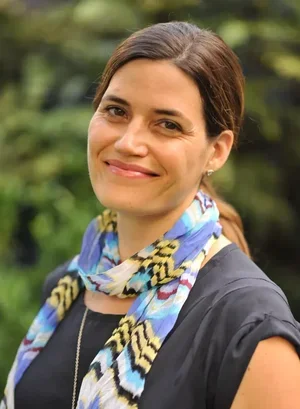
Kate Zera Kray, LCSW, is a licensed clinical social worker practicing in Georgia and Illinois with extensive experience supporting individuals through life transitions, chronic illness, grief, and relationship challenges. Drawing from her work in hospitals, cancer wellness centers, and social service agencies, Kate brings a collaborative, compassionate approach that honors each client's unique journey.

Meet Destiny - The host of The Chronic Illness Therapist Podcast and a licensed mental health therapist in the states of Georgia and Florida. Destiny offers traditional 50-minute therapy sessions as well as therapy intensives and monthly online workshops for the chronic illness community.