
Finding Joy While Chronically Ill w/ Dr. Brentia Caldwell-Smith Ph.D., LPC, NCC, ACS, CPCS
When you get diagnosed with a chronic illness, it can feel like your whole world just shifted. And honestly? It did. So this might come as a shock to some, but… You can still have fun. You can still feel connected and joyful. It will just look a different than it did before.
I sat down with Dr. Brentia Caldwell-Smith, founder of The UP Center, to talk about what it really means to live well with chronic illness. Brentia has lupus and interstitial lung disease, and she's also a licensed professional counselor who specializes in chronic illness navigation. This conversation was full of real talk about grief, community, joy, and how to prioritize yourself when the world doesn't always understand what you're going through.
When Loss Doesn't Look Like Loss
One of the first things we dove into was disenfranchised grief. This is grief that people don't really recognize or validate. Like when you lose a pet and people are like, "Why are you so upset? It's just a pet." But you loved that pet, right? And it was a major part of your life.
The same thing happens with chronic illness. You're grieving the loss of your old self, the loss of abilities you used to have, the loss of the life you thought you'd be living. But people around you might not get it because you're still breathing, you're still here. Brentia explained that this kind of grief is complicated because you're feeling all these feelings, but society doesn't really make space for them.
And culturally, there are even more layers to understand. Dr. Brentia talked about how being a Black woman in the South, there's this pressure to just push through, to be strong, to not give the illness "too much credit." Add in religious messaging about praying it away, and suddenly you're carrying shame on top of grief on top of your actual symptoms.
The work in therapy, Brentia said, is helping people own their diagnosis and their feelings about it. It's okay to feel however you feel about this. You're allowed to have a crappy time for a little bit while you adjust. Because getting diagnosed with a chronic illness is like starting a new job you never applied for.
Community Is Everything
Here's something that came up over and over in our conversation: community matters.
Dr. Brentia's dissertation research found that unmarried women without children who still had strong communities actually felt really good about their lives. They had friends, hobbies, and connection. And that sense of belonging made all the difference. This shouldn’t be shocking, it should just be a normal understanding, but I think we all understand that the society we live in makes this seem abnormal.
So how do you build community when you're dealing with chronic illness? One thing Dr. Brentia does is asks her clients identify their top two interests or hobbies and then connect with people around those things. Maybe it's weekly, maybe it's monthly, maybe it's quarterly depending on your energy levels and personality. The point is to find your people, and show up.
And sometimes that means trying something completely new. One of Dr. Brentia's clients decided to take up golf even though she'd never played before. It's about finding connection points, whether that's a shared interest, a shared identity (like being a Black woman in tech), or even just a "maybe" you've been curious about.
But here's the thing: you also need community with people who get what it's like to live with your specific condition. Brentia calls people with lupus "lupies," and she talked about how important it is to connect with other lupies who want to enjoy life, not just the ones who are in the depths of despair. You need people who understand what you're going through AND who can show you that joy is still possible.
You Can Still Have Fun (Really)
This is one of Dr. Brentia's core tenets in therapy: you have to have fun. If you're not having any joy, any fun, then your life is going to feel like it sucks.
Dr. Brentia doesn't let her illnesses hold her down. She's out living her life, going to concerts, trying new recipes, and even going to bars with her oxygen machine. At first, she used one of those rolling oxygen machines and felt self-conscious about it. So she found a portable one that she could strap on and still feel confident while getting oxygen support.
That's the mindset shift she helps her clients make: you can still do a lot of the same things you used to do. You just have to do them differently. If you're really into fashion, bedazzle your mobility aid. If you need a cane, get a cute cane. Make it work for you.
And people are going to look. And remember that while some people might be judging, most people aren't. They're curious. They're inspired. They're thinking, "Wow, she's out here living her life." When Dr. Brentia started being more vocal about her lupus, other people started coming to her saying they'd been wondering if they had it too, or thanking her for the inspiration.
The more you show up as yourself and do the things that bring you joy, the more you give other people permission to do the same.
Choosing What Matters
We also talked about what it means to prioritize your own opinion and needs over everyone else's. Because at the end of the day, you're the one living with this condition. You're the one who has to make it work for you.
That means tuning out the outside noise. That means deciding what's going to make you feel most like yourself. That means accepting that some people aren't going to understand, and that's okay. You don't need everyone's approval to live your life well.
And right now, with everything happening politically and all the uncertainty around healthcare and disability rights, it can feel really overwhelming. Dr. Brentia's approach is to find the pockets of joy wherever you can. Control what you can control. Choose one thing to focus on instead of trying to fix everything. And then go enjoy your weekend.
You didn't ask for this. You're navigating it like everyone else. And you deserve to have some fun along the way.
Disclaimer: Everything we discuss here is just meant to be general education and information. It's not intended as personal mental health or medical advice. If you have any questions related to your unique circumstances, please contact a licensed therapist or medical professional in your state of residence.
Destiny Davis, LPC CRC, is solely responsible for the content of this article. The views expressed herein may or may not necessarily reflect the opinions of the guest.
The content in this blog post comes directly from a real, human interview between Destiny and her guest on The Chronic Illness Therapist Podcast. This written version was formatted using AI. Listen to the full episode to hear the actual conversation.
Listen to Dr. Brentia’s interview with me, Destiny Davis, on Ep 106:Finding Joy While Chronically Ill w/ Brentia Caldwell-Smith Ph.D., LPC, NCC, ACS, CPCS
-
Episode transcribed with AI and may contain errors that are not representative of the actual word or meaning of the sentence.
Destiny Davis LPC CRC: [00:00:00] As self-care is the best care being her life's mantra, Dr. Brentia Caldwell Smith founded the UP Center as a means to provide effective and meaningful mental health services to individuals. The founding of the Up Center was in the efforts of assisting individuals with life healing on their own terms, while simultaneously empowering them to prioritize and maximize their mental wellness.
With over a decade of clinical experience, Brenta is a certified school counselor, licensed professional counselor, approved clinical supervisor and certified professional counselor supervisor. She utilizes a thoughtfully challenging and integrative therapeutic approach to assist individuals who are experiencing life challenges and tradi.
And, and transitions. Depression, anxiety and grief. Specifically disenfranchised grief. Brecia has a therapeutic specialty in chronic illness. Navigation. Women's issues, cross-cultural and identity issues, stress management and relational skill building. Brecia, thank you so much for being here. Um, let's start with disenfranchised [00:01:00] grief.
What does that mean? And I'm sure that will lead us into our conversation about chronic illness.
Dr. Tia: Sure, sure. So disenfranchised grief would be grief where people generally, like the general public, wouldn't expect you to feel any type of way about, um, and that could be like losing a pet, right? People, people are like, why are you sad about losing a cat? Right? It is like, well. I love that candidate. Right. Um, so it's typically like anything outside of the realm of like losing a person. and so yeah, when you lose ability from chronic illness
Destiny Davis LPC CRC: Yep.
Dr. Tia: kind of lose your old self, all of that would be like disenfranchised grief because you're feeling your feels, but you know, in the public eye it's not really understood.
It's really expected. Yeah.
Destiny Davis LPC CRC: Yeah, how does that start to impact people? What is the, what are some of the things you see people coming in with? And, um, maybe we can just continue describing that for the audience, and I'm sure they'll feel really heard and seen as you describe it.
Dr. Tia: [00:02:00] Yeah, so when somebody comes in and they're experiencing disenfranchised grief, sometimes it's a internalized guilt, like, should I feel sad or feel a way about. Feeling away. Right? And so that can impact, um, like a mental health client with. Just some of those internalized feelings. Um, maybe shame too, feeling sad about losing like an ability or getting a diagnosis of a chronic illness autoimmune disorder. Um, and so those are things we have to navigate in the therapy space First of all, like owning the diagnosis in terms of like, Hey, it's here. Let's navigate it, and it's okay to
Destiny Davis LPC CRC: Yeah.
Dr. Tia: kind of way you feel about it. So really, um, ownership in those feelings and then learning how to accept, um, what that diagnosis is and what that means for your life. Um. And then, yeah, how to move forward and I don't wanna say ignore people, [00:03:00] but prioritize yourself and your needs and not let that outside noise make you feel like you shouldn't feel a way about just some of the newness your life is about to experience
Destiny Davis LPC CRC: No, I like the word prioritize because it's even like. Prioritizing whose opinion matters? Whose opinion? Yeah.
Dr. Tia: Yeah.
Destiny Davis LPC CRC: Why is this such a hard topic? Why do we even have to be here explaining this right now?
Dr. Tia: Probably a lot of reasons. Um, whenever you're dealing with the masses, um, it's a lot of misinformation and like, uh, miscommunication. And so, if people don't understand grief and like its complexity like broadness. Yeah, they're not gonna understand that, hey, you could experience grief just from losing a person, but it's a loss in general.
So loss of ability, loss of a job, loss of a certain status, right? All those [00:04:00] things can encompass grief components. And so, because. not a lot of like generally known information. People don't understand that and so that's what brings us here to us having to explain it deal with it and you know,
Destiny Davis LPC CRC: Yep.
Dr. Tia: mess.
Yeah.
Destiny Davis LPC CRC: Do you find that you're having to like even help clients explain it to themselves when they first come in?
Dr. Tia: absolutely. Absolutely. Because they'll come in, like I said, with like some shame or guilt, like, know, I'm still breathing, I like nobody died, but, um, we are talking about a sense of death or loss and just having to explain that. And they're like, oh, you know what? That does make sense.
Destiny Davis LPC CRC: Yep.
Dr. Tia: Um, but yeah, it happens all the time.
Destiny Davis LPC CRC: Yeah. And culturally, can we talk a little bit about that? What are some of the barriers to the different cultures that you work with? And we're, we can talk everything from ethnicity to nash, like American being American to [00:05:00] what state you're from.
Dr. Tia: Sure, sure. So a cultural component that stands out to me is really religion. So, um, especially like being in the south, right? Um, we're kind of taught to like not harp I don't wanna say the negative per se, but, you know, to like, give it to God, right. To pray about it. Um, which is all fine and dandy, right? Um, but they're also just like really like tangible tools that we can employ to navigate grief, loss, chronic illness. Um, and it can incorporate religion, uh. but these tangible tools can be used to like navigate like such a tough space, such a transitional space. And so that comes up often where clients may feel like, okay, well they're just not praying enough.
Destiny Davis LPC CRC: Yeah.
Dr. Tia: you praying enough, you just, we gotta use some other tools too, you
Destiny Davis LPC CRC: Yeah.
Dr. Tia: Um, and then like, culturally, like me being a black woman, right? So growing up black, it's like, you know, we're [00:06:00] giving too much, uh. Credit to the illness. Right. Just be, be strong, navigate it, push through it, I mean, it's alm it's only so much pushing through you can do when you can barely walk.
Right. Barely talk. Right. You need other you need support yeah. Yeah. So those some cultural components that come up for me.
Destiny Davis LPC CRC: So interesting. I, yep, go ahead.
Dr. Tia: no, no, no. Just in general. Yeah. That's.
Destiny Davis LPC CRC: And my mind goes to like, why do we still have these, like with religion or within the black community or within even like, even, um, the difference between high earners and low earners. Like there's different narratives about what it means to take care of your own self. And for some cultures there's a lot more communal support, a lot more like.
So what has been your experience with communal, communal support? Because I think that's actually, it's an interesting, within you, you tell me about the experience within growing up black in the south. There is a [00:07:00] communal aspect, but then there's also this aspect of, but maybe not too much. Or maybe. Or maybe you need, yeah.
Can we go there?
Dr. Tia: I mean, 'cause that's where we live in America. That's why. So we, we have, uh, so like, I know for me, like being black, like ancestrally, we're very communal, but in America we are not, you know, we're westernized and so. Yeah, it's that combination of both of those that kind of put us in a, in a tough spot.
Um, I even think about like women, like womanhood, right? Like in some cultures, like, know, women are just highly regarded and, uh, if we're, you know, in a low space, even like during our cycle, we're like, we're meant to be like catered to and
Destiny Davis LPC CRC: Yes,
Dr. Tia: of that. Not in America. You better put on a tampon and like go to work like, like.
Destiny Davis LPC CRC: better pay for the tampon and then use.
Dr. Tia: So, right, so we're talking about like these westernized values that don't really uphold that space. And it's just like a [00:08:00] lot of conflicting cultural components. Um, and so yeah, you really gotta choose like, what am I gonna abide by so that I can be healthy? And again, that's a thing.
Destiny Davis LPC CRC: So that, okay, so that's one of the tools then I would imagine that you use is like instilling choice and maybe
Dr. Tia: Yes,
Destiny Davis LPC CRC: messed up as our system is. Are you also saying that there's some beauty in the effect that we can choose if you navigate that path?
Dr. Tia: yes, yes. Um, we talk a lot about, um, you know, personal choice, autonomy, In therapy and just how you navigate things. Um, and, but one of my most important things I can, I talk about in therapy is community. Um, I always recommend that my clients get community in whatever, whatever, like facet. And like even in my dissertation, that was a core theme that came up. Um. that women who had community better about their lives, you know, being unmarried and without [00:09:00] children. 'cause they, I mean, they had that sense of belonging. And I think that's important for all aspects of mental health, regardless of what you're going through, is that you have community, you have support. So that's major for me in my therapeutic practice.
Destiny Davis LPC CRC: Yeah. Were you just saying that you found that, that women without, um, not married and without children, were not as happy as those who were in, in a mar? Is that what you.
Dr. Tia: no, it was the opposite. Which, you know, is okay. I, I, I, and I know I'm laughing 'cause I, but I am married. Um, but it, it was actually the opposite of what I expected because I was running into. Um, a lot of clients, you know, some with chronic illness and then just some without, but like one of their core issues was that, okay, I don't have a man, I don't have, I'm not partner, I don't have children. And so that, that's what intrigued me to do my dissertation study. But yeah, I'm thinking that like I was about to [00:10:00] encounter a lot of women who were just distraught. But they were like, girl, what?
Destiny Davis LPC CRC: Yeah.
Dr. Tia: this, this. have friends, like I have hobbies. hang out and it's not, it's not too bad,
Destiny Davis LPC CRC: Yeah.
Dr. Tia: And if to get married and have children eventually that's cool. I'm, some didn't want, some didn't even care if it happened or not. Some are like, you know, I'm still hopeful, but life right now is cool. Like community is cool.
Destiny Davis LPC CRC: That's that American religious, like, uh, like you, you're only worthy if you're in a relationship. And then as a woman, if you have kids.
Dr. Tia: yep. It was a, that was a theme that came up. It was that, um, perspectives, like societal perspectives, socialization of like, know, once I really think about it, I don't even think I want a husband. I think I've just been told to have one.
Destiny Davis LPC CRC: yeah, yeah. Yeah.
Dr. Tia: You know, because you think like, like some of our, um. Uh, like study participants were [00:11:00] fifties almost. Well, one was 60. It's like, wait, I've lived my whole life without a husband. Like I don't even know sometimes why I'm in this space of thinking I want one or need one, but it's society.
Destiny Davis LPC CRC: Yeah. Yep. Yep. What are some of the ways that you see folks build community, um, outside of their, because yeah, I actually think like when you are married, especially, you know, obviously right now I'm in a season of, my kids are very, very young and it's very easy to be isolated. I do make, like, I make a very strong, intentional effort to connect with the other moms at my daycare too.
Like, and that has been really, really, um, helpful and good for me. Um, it was an intentional effort. And if I didn't have kids, it would've been a different intentional effort. So what are some of the intentional efforts that people might have to make regardless of what camp they're in?
Dr. Tia: Yeah. And so, so one thing with my clients, I have them identify like their top two interest hobbies. And I don't, I don't wanna say I make them go out, [00:12:00] but I therapeutically task them with, um, trying to connect, um. And it depends on what type of personality they have. I might say connect on weekly, connect on biweekly, connect on a monthly, quarterly, um, with people of those same interests.
Okay. and it could be, and when I say interest, um, it could be also like involvement. So like, it, it may not necessarily be an interest, but like say I have a client who is like a black woman in tech. They might not be full on interested in technology per se, but just to connect the connection and like involved as a black woman in tech, connect with other black women in tech.
Right? Um, and then maybe y'all could develop some interests, personal interests together.
Destiny Davis LPC CRC: Yeah.
Dr. Tia: but yeah, just. Points of interest, points of involvement, or if there's even like a maybe that you been thinking about. Like, I got one client who just decided to try to do [00:13:00] golf, played golf a day in her life, but she's like, you know, let's do it.
Let's,
Destiny Davis LPC CRC: Yeah.
Dr. Tia: try something new. So I always encourage my clients to try something new,
Destiny Davis LPC CRC: Yep.
Dr. Tia: build community. That connectedness, um, that just makes you just feel better, makes you feel like you belong and not as, not as isolated.
Destiny Davis LPC CRC: Yeah, this is something I often work with with clients too, and some of the pushback that I get is like, but I basically, I'm, because I'm consumed with my illness, I am no fun to be around and therefore I like it. It's this like vicious cycle of. The more isolated you are, the more you only think about your illness, the more, the more sick you are without an, there's a lot here, but if you don't have answers with your sick, with your illness, then that I think creates some of that, um, ruminating.
You can't stop thinking about it because your brain is like you, you need, you need a solid medical team so that you can feel safe enough to like stop thinking about it for a little while. So.
Dr. Tia: Sure, sure. Um, and I think there's some acceptance there too, especially when you first, [00:14:00] get diagnosed or if your illness is severe. It, it's expected that you're gonna think about it a lot. You know what I'm saying? So I leave space for that. like, sure, in this moment, it's okay if that's on your brain, right?
Even like maybe you just become a new mom, you're gonna be thinking about being a mom all the time, right? Exactly. You know what I'm saying? You just get a, like a, a new job. Like you're trying to adjusted, right? But we just don't wanna stay there. And so I think that's where the work comes in of like really reframing, like how we feel about our diagnosis and then how we can navigate. Um, but I do wanna leave space for
Destiny Davis LPC CRC: Yep.
Dr. Tia: just to be like a crappy time for a little second. Like of just, ugh, I don't want this, I don't want this diagnosis. Right. Yeah.
Destiny Davis LPC CRC: No, you're uh, exactly. Yes. Yeah, it is like starting a new job. We talk about it all the time, like it's a job to keep up with the medical appointments. It's a job to go to them at the job, like, but I don't think we've really talked about that. There's an adjustment period to every job.
Dr. Tia: Yep.
Destiny Davis LPC CRC: I think the difference here [00:15:00] is like, we don't want this job, so that's what makes it a little bit harder to, to maybe go through that adjustment process.
Yeah. What else kind of comes into the office for you? Um, you know, around maybe overarching themes that you are, you tend to work with people on.
Dr. Tia: Yeah. Uh, having fun. I'm so one of like my core tenets of therapy, I'm always gonna ask my clients about their social life and what they're doing for fun. Um, because yeah, if you're not having any fun, any joy, yeah. My expectation is that you're gonna feel like your life sucks. Um, and I always. Try to embody that in my own life.
As someone who has lupus, interstitial lung disease, you are never gonna catch me. Not out having no good time, okay, out having fun. That's, that is what I do. This, this illness, as severe as it is for me, is not gonna, it's not gonna hold me down. And so I try to help my clients reframe their thinking that. [00:16:00] You can still do fun things, have a good life, you're just gonna have to do it in a different way. Right. and I believe that I have shared this with you, destiny, and I shared it with my clients too, that like, you know, I have to use the Oxygen machine. Um. And at first, you know, I was down in the dumps. I used to have to use the one that rolled around.
I was like, wait, Uhuh, I'm too cute for this. I need to find, I need to find something that's more compact. where I can still, you know, go out, turn up and not look too, you know, sickly in my opinion. Right. So I found me a portable oxygen machine and it helps me to be able to work out. Um, it helps me be able to like, to hang out if I need, like, need to use oxygen and I just strap it on. Um, I can still be cute. I ain't gotta push it around, but I just found a way to navigate my illness so I can still like, do my thing. And I recommend to my clients is that you can still do some of the same things. You just gotta do it in a different way,
Destiny Davis LPC CRC: Yep. [00:17:00] Do you
Dr. Tia: So, yeah.
Destiny Davis LPC CRC: it up or Have a cute bags for it.
Dr. Tia: Um, so I did. 'cause I was like, that's doing too much. But, but you know, but it, it, it's, it's doable. Like, you know, we, we, we try to make it work, you know?
Destiny Davis LPC CRC: Yep. Yep. No, I, um, I, whenever my clients have to start engaging with, it depends on the personality too. Like if you are the type of person that really, you know, you're very bubbly, you like to have a lot of fun, you like to, then glamming it up might be the thing that actually like it, you know?
Dr. Tia: Absolutely. Yeah. Like if I have a client that's like really into designer or whatever, like, yeah girl, jewels on it, you know? Do. You know, do a little thing. If you gotta walk with a cane, let's, let's, let's get a cute cane. Right? Like, you know,
Destiny Davis LPC CRC: Exactly.
Dr. Tia: maybe with MS or whatnot, they're, concerned about having to use a cane.
I was like,
Destiny Davis LPC CRC: Mm-hmm.
Dr. Tia: it don't have to be like, no granddaddy cane. We can, we could, we can make a,
Destiny Davis LPC CRC: Yes. That's.
Dr. Tia: yeah. Just them. Mm-hmm.[00:18:00]
Destiny Davis LPC CRC: Yep. Yeah. And that's, I mean, community comes back into, in my mind because, um, depending on the community that you're just in, not, not your chosen community that, you know, is, you know, top tier, they're gonna lift you up in there. But the, the community that you have no choice to be around, like maybe your coworkers or your neighborhood or, and depending on where you are, especially maybe like rural versus city or then it's gonna play with your comfort level around it's gonna.
Like mess with your ability to get into that mind frame or not.
Dr. Tia: sure, sure. Um, but I think it goes back to what we were just talking about, about prioritizing your opinion and your, and your needs over others. Um,
Destiny Davis LPC CRC: Yep.
Dr. Tia: of the day, I mean, you have an illness, right? You have a condition and it's gonna be you, it's on you to make it what it is, right? Um, and you can have all this outside, outside noise.
You can get opinions, other insights, but at the end of the day, you have to choose. what's gonna work for you? What's gonna make you still feel more like yourself? [00:19:00] Most like yourself? And so, yeah, we have to learn how to tune out
Destiny Davis LPC CRC: Yes.
Dr. Tia: all, yeah, that outside noise, which can be difficult, but key.
Destiny Davis LPC CRC: I think too, like even if your community around you feels very, like they're not gonna be accepting of that, et cetera. Being able to put yourself in that position where you do like one small thing to your mobility aid or you know, your, the thing that's visible, that you don't want it to be visible. If you glam it up a little bit, make it you and you're gonna attract people.
Yes, you might attract some negative judgmental eyes again, depending on the area you're in. I think I'm lucky in that in Atlanta, I feel like. I don't know. I see stuff like that all the time. It feels very like a part of our culture, but I'm trying to like, bring in perspective of maybe more rural areas or just other cities or whatever.
Um, you are still gonna attract the, like one other person in your, in your community that you might not have known was actually into the same things you are by showing a little bit more of your personality.[00:20:00]
Dr. Tia: Yeah. Yeah. Um, I, I remember, um, like going out, and this is when I had my role in oxygen and I just had like a couple of guys, they just, at a bar and I was like, leave it out. And they, you were just like, I'm like, yes, I'm cute with oxygen. And they was like, yeah. I was like, So like, but I think they were like, wow.
Okay.
Destiny Davis LPC CRC: Yes.
Dr. Tia: Like, and I, you know, and I was in there, you know, getting my drink all, you know what I'm saying? I, they were like, oh. I was like, yeah, you know, it's a lung issue. Okay. I'm not dying. Like, you know
Destiny Davis LPC CRC: Yeah.
Dr. Tia: I'm not dead. I still wanna enjoy life, but I, yeah, that inspires others. And so I know when I started to be more vocal about my illness, other people came out.
They were like, how did you know you had lupus? I've been thinking I have it too. So I explained and then like since then I think I've had like two, three people tell me, Hey, I found out I have lupus. And just thank you for the inspiration. And so yeah, you can [00:21:00] inspire others as well, um, just by being yourself, doing your thing, living in your light, um,
Destiny Davis LPC CRC: That's another thing too, like, yeah, you might think people are looking at you with judging eyes, and of course I'm not gonna ever deny that that happens, but yeah, I think sometimes people are curious or they, yeah, they're like, wait, she's sick, but she's out at a bar. Is she good for her? Like she's, you know, she's living her life.
Not like, oh my God, why is she here? It it, you know. The more you give the world the opportunity to engage with you that way by actually doing these things, the yes, again, you might bump into some negative experiences, but if you don't do it, you'll never get those positive experiences. Um. Yeah, my daughter, she's three and a half, so we were at a like family friendly like therapist event this weekend, and luckily I, I knew the therapist there and she has a prosthetic leg and so my daughter was just staring and I, again, luckily just knew she was so, I was able to like without [00:22:00] much.
If I didn't know her, I would've probably said, Hey, my daughter's three. Like, can, is this something you're open to talking about? Um, and so yeah, she got down and was like, yeah, you've probably never seen one of these before. Like, she was super good with her and we were just like, yeah, she got a brand new leg.
And, you know, there's ways to like make this into a non-issue. It's, it's a non-issue. Yeah.
Dr. Tia: Because at end you're still a person. Um, and that it was cool too. Um. It was the Paralympics last. Last year? Yeah, last year. And just seeing all these people with like disabilities and like they're doing the interviews and I'm like, see these are regular people. Y'all like just some more exposure. Like super flying people. Super cool People like people in commercials, right? With prosthetics. Um. Maybe they're in a wheelchair. Right. Um, some type of, um, like v vision, disability. Right. [00:23:00] I love the exposure because, you know, we're just people. Right. we're just a little bit differently abled. Right. And I,
Destiny Davis LPC CRC: Yep.
Dr. Tia: So yeah. More exposure. Um, and just normalizing, uh, that, that, yeah. Just people are different. Yeah.
Destiny Davis LPC CRC: Absolutely.
Dr. Tia: Yeah.
Destiny Davis LPC CRC: I hope with this, uh, new cultural era that we're heading into under this administration, there's a lot that's being rolled back around like disability rights and things that we fought really hard for. And so I'm wondering if you're feeling that too, and a sense of like, there's a fear that happens inside of me of like, will this not be normalized anymore and will we have to fight this fight again?
Which is fine if we do, I'm, I'm well, I'm here for it, but. Or do you think we've made enough progress that while there's setbacks, we're never going back Still?
Dr. Tia: See, I, I don't know, because so many things are happening right [00:24:00] now
Destiny Davis LPC CRC: I.
Dr. Tia: didn't, I didn't expect to happen. So like now, I don't know, I'm like in the middle. I'm like, it could, I don't know, it could go either way. Um, but I always say like, even to my clients, we just wanna be prepared for either or. Right. Um, so that's like garnering resources. Um,
Destiny Davis LPC CRC: Yeah.
Dr. Tia: Having like some backup plans with, uh, healthcare, finances, things like that. Um, but yeah, I don't know. I'm in such a weird space
Destiny Davis LPC CRC: Yeah,
Dr. Tia: political climate. I don't even, girl, I don't even know where to it. it is not a real place right now. Like America, America is like a make believe video game right now.
'cause I'm like, what?
Destiny Davis LPC CRC: it's true.
Dr. Tia: I'm like, I'm like in the middle right now. It could, it could swing either way.
Destiny Davis LPC CRC: This was like all the way back in March where, where this is, we are recording this in August, back in March, there was like jokes about like this season of America, like a real trash reality TV show.
Dr. Tia: yes,
Destiny Davis LPC CRC: I'm like, dang, it's [00:25:00] only gotten worse. And people are tired of watching.
Dr. Tia: yes. Yes. It, yeah, it's, I, yeah, I'm in the middle. 'cause I don't know. I don't know what that is going on. Okay,
Destiny Davis LPC CRC: Yeah, and this is what we call parallel process.
Dr. Tia: sure. Yeah. Yeah.
Destiny Davis LPC CRC: as therapists, we are dealing with all of this just like you all are. And you know, I think that the, that doesn't mean you can't come into the office with it. Please do. Um, you don't have to worry about our feelings around it. But that's kind of, I think what, when I look at my role in this time, is to stay grounded.
In reality, whether it's good or bad,
Dr. Tia: Yeah.
Destiny Davis LPC CRC: and hold that groundedness. Um, and not, and, and my, and not flail because that, like, that's what I see my role as. I'm curious. Yeah. What comes up for you around that?
Dr. Tia: yeah, yeah. All of that. Um, and I, I, look, I feel like going back to like being social, being fun, but like finding the joy in pockets of like, [00:26:00] enjoyment, like in the midst of everything. Um, because I think that's something that we could, like. Like tangibly grasp is like just moments of like, you know what?
I just wanna, I'm gonna smile today regardless. Right? I'm gonna get up with a friend, or I'm gonna hang out, or I'm gonna rest right in the midst of going on. Especially when I don't have any control over. Okay? Um, because I'm of the percentage who did not, uh, vote for this
Destiny Davis LPC CRC: To be clear, I'm with you there.
Dr. Tia: Yeah. So I, in essence, I have done my part and I can't, I can't like, get down fully about something I have no control over. Like, I didn't do this. Um, I hate that it happened, you know? And so I just can only navigate what I can navigate, you
Destiny Davis LPC CRC: Yeah, I know
Dr. Tia: So, yeah.
Destiny Davis LPC CRC: there's a, um, I, I'm with you there and I'm always trying to [00:27:00] think of still what. Whenever something pops up or when these conversations happen, I try to take advantage of the in with that. And that's hopefully by doing that over and over and over again, the answers come and we start to figure out how to work through some of this.
And it's not as simple as, oh, just, you know, wait four years and vote differently. Like, we can't rely on that. So, um, these conversations are important even if they don't have like a tangible, here's what we're, what we can do about it right now.
Dr. Tia: Yeah. And I think that's important too. Um, I think especially like when you're like, like super woke or into social justice, you wanna try to fix everything and everything is not fixable by solely you. Some
Destiny Davis LPC CRC: Yeah.
Dr. Tia: fixable, honestly, just like in the smallest like scheme of things, like it takes like a lot.
So being mindful of. Like not feeling like you have to attack every
Destiny Davis LPC CRC: Yeah.
Dr. Tia: that's going wrong in this current. Climate, like [00:28:00] choose one thing, right. And then just try to like get, go at it. But yeah, 'cause that's another thing like, 'cause I myself pretty woke, like pretty, like, socially informed, very socially social justice oriented. at the end of the day, it's like, girl, go to Chili's and get you a, a Triple Dipper and just, and a Dr. Pepper, no ice and just enjoy your weekend. Like you don't have to take on everything.
Destiny Davis LPC CRC: Yeah. Yeah.
Dr. Tia: I didn't ask for this,
Destiny Davis LPC CRC: No.
Dr. Tia: and I, just, I'm trying to navigate it like everybody else is, so, yeah.
Destiny Davis LPC CRC: Yes. Um, there's another thing that came to mind around you. You said something like mutual aid and, um, I, I, yeah. I'm finding myself like, oh, well, should I bring this up if I don't have a solution? But again, conversations, right? Like as far as healthcare goes and not knowing what's gonna happen with.
Premiums next year. I mean, we think we already know what's gonna happen. I think it's already been told. Um, we don't know. Yeah, we don't know what people are gonna have access to around [00:29:00] medical equipment, around not. So what I've been hearing is just stock up on anything that you get on a monthly basis, even if you don't need it, just get it and then you stockpile that and when people need it, even if you don't, you have it to offer.
So that's one. I wish there was an organized way to do that, like some, but I think it's just gonna come down to local communities and just. Everybody doing their part?
Dr. Tia: Um, and even, you know, as somebody who's been hospitalized several times, um, for lupus, um, I remember my mom, you know, rest her soul. Like, she be like, okay, when you leave, take all that take, take everything that's in the room. I'm like, no,
Destiny Davis LPC CRC: Yes.
Dr. Tia: I'm like, no, that's still it. She like a girl. She was like. Yes. She was like, put all this stuff in your bag and let's go. I'm like, okay. And then after like my second, third hospitalization, I'm like, I'm like, I'm like gathering all it's stuff I don't even need. And it's stuff like, it's like in my little, little medical closet [00:30:00] that are like years old, still good stuff, right?
So maybe somebody I can give to somebody in my community, but a whole bunch of stuff like, because
Destiny Davis LPC CRC: You just dunno.
Dr. Tia: Exactly, and I'm not gonna go get on my soapbox about the hospital system. They, they don't need it. Like I got it for the, for the people. For
Destiny Davis LPC CRC: That's right.
Dr. Tia: yeah,
Destiny Davis LPC CRC: That's right. All of it. Yes. Um, yep, yep.
Dr. Tia: yeah.
Destiny Davis LPC CRC: So mutual aid is gonna be, I think, yeah, just starting to, um, keep that in mind. Get what you can. And I'm not, I'm not usually an advocate for like a, a hoarding mentality, you know, taking what you don't need and whatnot. But this is within the con the idea of mutual aid that you're taking it to give back and, um.
Whatever you can get now, you should call. You get it.
Dr. Tia: I.
Destiny Davis LPC CRC: Anything else coming up for you around community, around, um, your work with chronic illness? Anything else that we haven't touched on yet?[00:31:00]
Dr. Tia: One thing too getting in community, um, with people with light conditions too. And it is a little bit of a, I don't know if caveat is the right word, but, um, part of that community, it can be a downer, but. There's all, there's also like some goodness of like just being in a community with people who are experiencing the same thing. Um, and I think within that community, like connecting with like-minded people, um, because yeah, you, you like say you join a group for lupus and you got people in there. are like, yeah, I just feel like dying. It's like, wait a minute, I didn't wanna join this group for this. Right? But then you meet other people in the group, they're like, you know, I just, I went to two concerts over the past month and know, I've been trying new recipes and stuff like [00:32:00] that.
And so those are probably going to be the people I connect with. Um, because yeah, it's cool. I love my friends. We are tight like this, but if you don't have lupus baby, you just do not know.
Destiny Davis LPC CRC: Yeah.
Dr. Tia: You don't know what that looks like, feels like. And so that's why when I'm able to connect with other lupies I call them, um, who are like super cool, they like to hang out, they like to, they still want to enjoy life. Um, think that's important.
Destiny Davis LPC CRC: Yeah.
Dr. Tia: and I think it's important too that when you have a personality like mine that you share your life with maybe some of the Debbie Downers within your community
Destiny Davis LPC CRC: Yeah.
Dr. Tia: that they can see and know that like, Hey,
Destiny Davis LPC CRC: Yep.
Dr. Tia: still like. Can be cool, enjoy your life, feel fulfilled. Um, it's just gonna feel and look a little differently.
Yeah. And I
Destiny Davis LPC CRC: Yeah.
Dr. Tia: I wanna drive that home, that, that's super important to be in community, um, with likeness, um, from the, uh, diagnosis [00:33:00] end, and then just from the life navigation end. so yeah, that's probably something else I would add on.
Destiny Davis LPC CRC: Yeah, I think that's really important. I think, you know, we all have different personalities and I think about it through like a nervous system lens. If you tend to have like a nervous system that's able to kind of. Be like heightened and like excited. And like for some people that's not like, that's exhausting and that's not like their, even, even their idea of fun, like their idea of fun is like, you know, like book club and knitting and that's fine too.
Like that you need to, you need to be in the spaces that lift you up, but lifting you up doesn't have to look a certain way. It's whatever makes you feel up for you. So.
Dr. Tia: I agree. Yep.
Destiny Davis LPC CRC: Yep. Well, good. Um. Where, can you tell me what your work right now? I, I think you're not accepting new clients, but tell me about like where people can find you and what, if you do have any current offerings.
Dr. Tia: Sure. Um, well, people can find me at the local Chili's. Um, I.[00:34:00]
Destiny Davis LPC CRC: Oh.
Dr. Tia: I just playing. Um, so yeah, so, um, people can visit me at my site, um, up center counseling.com. I, um, we're planning to start to restart our free chronic illness support group this fall. But yeah, I'm not currently accepting new clients. However, um, I do have two clinicians at my practice who are accepting clients, new clients, so there's still some availability there. Um, but yeah, just looking forward to doing like, you know, more workshops and, you know, things of this nature. Just spreading chronic wellness awareness. Um, and yeah, you know, I'm a professor, so still counselor development, counselor education, um. All of that I'm still doing. So I'm at Agnes and Mercer. Um, and yeah, just loving to like, I don't wanna say groom, but I feel like groom sounds bad.
It sounds like and order. SVUI don't know, but like, really like developing like emerging clinicians [00:35:00] to, um, and encouraging them to even wanna work with the population's, chronic illness, um, you know, grief, loss, all of those things. So yeah, that's the round I'm in right now. Um.
Destiny Davis LPC CRC: Awesome. Awesome. Well, thank you so much. This has been great.
Dr. Tia: You welcome. Thank you for having me. I appreciate you.
Destiny Davis LPC CRC: I'm good.
Listen to Brentia’s interview with me, Destiny Davis, on Ep 106: Finding Joy While Chronically Ill w/ Brentia Caldwell-Smith Ph.D., LPC, NCC, ACS, CPCS
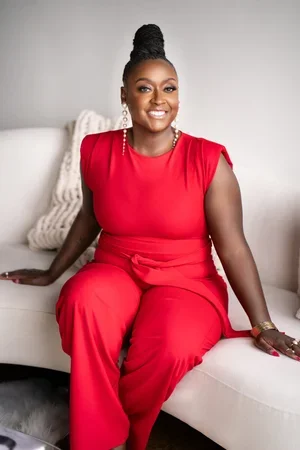
Dr. Brentia Caldwell-Smith is a Licensed Professional Counselor and Certified Professional Counselor Supervisor who founded The Up Center with the mission of empowering individuals to prioritize their mental wellness and heal on their own terms. With a Ph.D. in Counselor Education & Supervision from Mercer University and over a decade of clinical experience specializing in chronic illness navigation, women's issues, grief, and military family support, she now focuses primarily on Clinical and Licensure Supervision, mentoring emerging clinicians in Georgia and Colorado toward independent licensure.
Connect with Dr. Brentia:
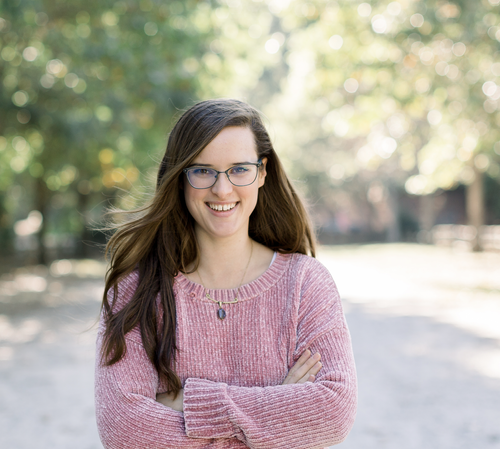
Meet Destiny - The host of The Chronic Illness Therapist Podcast and a licensed mental health therapist in the states of Georgia and Florida. Destiny offers traditional 50-minute therapy sessions as well as therapy intensives and monthly online workshops for the chronic illness community.