
Finding Safety Despite Medical Trauma w/ Sarah Stasica LMSW
When something goes wrong medically, whether it's with you or someone you love, there's this thing that happens that nobody really talks about: you stop trusting your body. And maybe you stop trusting the people who are supposed to help you too.
I sat down with Sarah Stasica, a therapist and trauma-informed yoga teacher who specializes in medical trauma, to talk about what happens when medical experiences leave lasting marks on our nervous systems. Sarah's journey into this work started when she was pregnant with her first child and found out there were medical complications. What followed was years of navigating a medical system that wasn't built for emotional processing, parenting a child through medical challenges, and slowly learning that healing doesn't happen on anyone's timeline but your own.
Why We Don't Tell People When We're Scared
When Sarah first found out about her child's medical issues during pregnancy, she and her husband didn't tell anyone. Not their families. Not their friends. They kept it quiet because they were terrified.
And when she reflected on why, it came down to this: she was afraid someone would say the wrong thing. That someone would blame her. That someone wouldn't be gentle enough with information that she was barely able to hold herself.
Sound familiar?
When you're already tender about something, when you're scared or grieving or just trying to survive, the thought of having to manage someone else's reaction on top of your own feelings can be too much. So we stay quiet. We isolate ourselves during the exact moments we need support the most.
As we discussed in the episode, sometimes we don't reach out because we're trying to protect ourselves from people's ignorance or lack of empathy. And that's valid. But it also means we end up carrying things alone that were never meant to be carried alone.
The Privilege of Having Words for It
For years, Sarah didn't have the language for what her family was going through. She knew something was hard. She knew her child was struggling developmentally after medical interventions. She found a play therapist, but that therapist didn't understand medical trauma because Sarah didn't even have that phrase yet.
Medical trauma is what happens when medical experiences overwhelm your nervous system's ability to process them. It's not just about the procedures or the diagnoses. It's about feeling unsafe in your own body. It's about walking into hospitals and clinics and feeling your nervous system scream danger even when you're supposedly there to get help.
Once Sarah became a doula and started learning about advocacy in medical settings, things shifted. She learned to ask questions. She learned that she could show up differently in appointments. And eventually, she started connecting the dots between her child's experiences, her own experiences, and the work she's now doing to help other people recover from medical trauma.
What Healing Actually Looks Like
Sarah's been doing this work personally for 20 years. Twenty years of slowly, gently learning to trust her body again. And she's honest about the fact that it's not fast. It's not linear. And it's definitely not something you can force.
She shared a practice called orienting that she uses in medical appointments and anytime she feels her nervous system getting activated. Here's how it works:
Open your eyes a little wider than usual, trying to take in more peripheral vision
Look at the horizon (not the ceiling, not straight ahead)
Slowly scan the room by looking over your right shoulder, even behind you
Come back to center and scan over your left shoulder
What you're doing is letting your nervous system see where you are right now and recognize that you're actually safe. You're not rushing to soothe yourself before your body has had a chance to assess the situation.
But here's the thing Sarah said that really stuck with me: not everyone is ready for these practices. If you've experienced significant trauma, even something as simple as taking a deep breath can feel terrifying. It can feel like if you slow down enough to feel what's there, it will kill you.
And that's where the slow and gentle part comes in.
You Need Safety Before You Need Skills
Sarah worked with a somatic experiencing therapist for years before she could even begin to slow down. They started with a weighted ball. That's it. She would just hold it in her lap while she talked.
Because you can't do nervous system regulation work without first establishing some sense of safety. And that safety doesn't have to be in your body at first. It can be in a relationship with a therapist you trust. It can be in a community of people who get it. It can be in small rituals that help you feel grounded.
But you have to trust the person or the process before you can do the deeper work. And for a lot of us, especially those of us who are people pleasers, we've spent years in situations that didn't feel safe but we kept showing up anyway because we thought we were supposed to.
Sarah's message is this: you deserve to go slowly. You deserve to be gentle with yourself. And maybe there are parts of you that think you don't deserve that, but there are other parts of you that know you do. Listen to those parts.
The System Is Broken, But You're Not
One thing we talked about that I think is so important: the medical system is set up in a way that harms both patients and providers.
Doctors are overworked, burned out, and often don't have the capacity to sit with the emotional side of what you're going through. That doesn't make it okay when they're dismissive or when they miss things, but it does mean that their lack of capacity isn't about you.
Understanding this doesn't fix the problem, but it can help you walk into appointments with a little more clarity about what to expect and what you might need to bring in terms of your own support system.
Sarah mentioned following Dr. Elizabeth Potter's work challenging insurance companies, and we talked about how speaking up and pushing back against broken systems requires privilege. It requires resources. And even when you have those things, it's exhausting and often comes with significant personal cost.
But people are doing it. And the more we talk about medical trauma, the more we normalize that these experiences are real and valid, the more space we create for healing.
Final Thoughts
Medical trauma is isolating. It's confusing. And it often doesn't look like what we think trauma "should" look like.
But if you've had medical experiences that left you feeling unsafe in your body, if you walk into doctor's offices and your nervous system starts screaming, if you've been trying to heal but keep hitting walls—you're not broken. Your nervous system is doing exactly what it's designed to do.
Healing is possible. It's just slow. And it requires finding the right support, going at your own pace, and learning to befriend your body one careful step at a time.
Listen to my full conversation with Sarah Stasica on The Chronic Illness Therapists Podcast. Not medical advice—just one chronically ill counselor sharing what I've learned about trauma and the nervous system.
Disclaimer: Everything we discuss here is just meant to be general education and information. It's not intended as personal mental health or medical advice. If you have any questions related to your unique circumstances, please contact a licensed therapist or medical professional in your state of residence.
Destiny Davis, LPC CRC, is solely responsible for the content of this article. The views expressed herein may or may not necessarily reflect the opinions of the guest.
The content in this blog post comes directly from a real, human interview between Destiny and her guest on The Chronic Illness Therapist Podcast. This written version was formatted using AI. Listen to the full episode to hear the actual conversation.
Listen to Sarah’s interview with me, Destiny Davis, on Ep 107:Finding Safety Despite Medical Trauma w/ Sarah Stasica LMSW
-
Episode transcribed with AI and may contain errors that are not representative of the actual word or meaning of the sentence.
Sarah Stasica - Medical Trauma Support: [00:00:00] maybe there are little parts of us that think that we don't deserve to be treated gently and slowly.
And, and I hear that and I understand that. But maybe there are other parts of you that are like, you know what, let's just try it. Let's like, let's, let's see what happens if we go slowly and gently.
Therapists join us at the Chronic Illness Therapist Conference this March 6th and seventh, 2026 in Atlanta, Georgia, or virtually. This will be an interdisciplinary CE based conference that's bringing together mental health professionals, physical therapists, registered dieticians, and allied health professionals who wanna deepen their skills in chronic illness informed care.
Which goes way beyond just trauma-informed care. Earn continuing education credits while connecting with colleagues who truly get it, and your early bird special pricing is open right now until November 15th, 2025. Registration is open now and you can visit chronic illness therapists, plural chronic illness therapists.com to sign up and also [00:01:00] read all about the accommodations that we've built into this conference to make your in-person experience as comfortable as it can be.
The chronic illness therapist conference is where clinical excellence meets community, and we are so excited to have you.
Destiny Davis LPC CRC: The Chronic Illness Therapist Podcast is meant to be a place where people with chronic illnesses can come to feel, heard, seen, and safe. While listening to mental health therapists and other medical professionals talk about the realities of treating difficult conditions, this might be a new concept for you, one in which you never have to worry about someone inferring that it's all in your head.
We dive deep into the human side of treating complex medical conditions and help you find professionals that leave you feeling hopeful for the future. I hope you love what you learned here, and please consider leaving a review or sharing this podcast with someone you love. This podcast is meant for educational purposes only.
For specific questions related to your unique circumstances, please contact a licensed medical professional in your state of [00:02:00] residence.
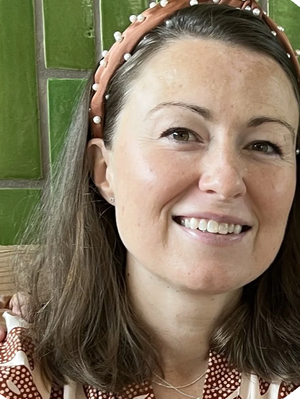
Sarah Stasica is a therapist, trauma-informed yoga teacher, peer support specialist, and doula who helps individuals and families heal from the lasting effects of medical trauma. She's the founder of medical Trauma Support, a business with a growing online community dedicated to supporting people who have experienced medical trauma, whether directly as caregivers or as parents of children going through medical experiences. Sarah's professional background is in social work combined with additional training in somatics, polyvagal theory, internal family systems and trauma-informed yoga, she's the host of Medical Trauma Support Podcast, where she shares educational tools, healing conversations, and stories of resilience from survivors and professionals. She's the founder of a membership community for people healing from medical, medical trauma called Befriend Your Body Community. She [00:03:00] lives in Austin, Texas with her husband and three children, and her work is. Infused with deep empathy, lived understanding, and an unwavering belief that healing is possible even after the most painful chapters of our medical stories.
Thank you so much, Sarah, for being here. today we're gonna get a little bit
Sarah Stasica - Medical Trauma Support: Mm-hmm.
Destiny Davis LPC CRC: a little bit about your personal story and how you started. Doing this work. So you be up for starting there?
Sarah Stasica - Medical Trauma Support: Yes. Well, thank you for having me. First of all. I'm really excited to be here. Um, yeah, when, when you and I spoke before, I shared a little bit about why I even do this work because there aren't a huge amount of people doing this work. Um, and my journey started when I was pregnant with my first child. And actually was told that there were some medical things going on in the womb.
And so we, um, were totally unprepared for that emotionally. Like we, we didn't really know what [00:04:00] to expect. And, um, something that's really stood out to me recently, especially because of the work I'm doing and I talk about support and community and the importance is. My husband and I were so scared that we actually didn't tell anyone.
And I know, I think we all know like what we need in these moments more than anything is support. But because it was so sensitive to us, we kept it quiet and so we were alone in it. And, um, and that's, that's, that's just standing out to me a lot right now because I talk so much about community.
Destiny Davis LPC CRC: I know it, it, it is. I'm curious actually, if we can go there a little bit
Sarah Stasica - Medical Trauma Support: Mm-hmm.
Destiny Davis LPC CRC: I think it's important to normalize some of the fears and the reasons why people don't share.
Sarah Stasica - Medical Trauma Support: Yeah.
Destiny Davis LPC CRC: maybe I can ask you a little bit about that. Like, are you able to remember exactly, like [00:05:00] yes, it's,
Sarah Stasica - Medical Trauma Support: Mm-hmm.
Destiny Davis LPC CRC: it's scary, but, but why is that hard for people to, to let people in on that?
What's
Sarah Stasica - Medical Trauma Support: Something I remember very vividly about it actually is that I was afraid that I would share it with somebody and they would say the wrong thing, and it would almost like, maybe I was afraid that I would feel blamed because, you know, as moms we often feel guilt for things that we have no control over.
Um, if our kid gets sick, we may think of all the things we could have done differently to stop them from getting sick. Even a basic cold, right? So I think there, I think there was a little bit of that, right, of, um, is somebody gonna blame me? And then I'm already, I think I was already probably blaming myself thinking, oh my gosh, did I do something during the time that this little valve was being, you know, built?
You know, so there was that, and there was also that we didn't tell our, like, families of origin either, because [00:06:00] we didn't know if they'd be sensitive about it. We were already so tender about this and so scared about it that we just thought, well, we can't, we can't take that on top of the thing that we've gotta deal with.
We can't take the additional, it's almost like burdens of other people's, like ignorance and, and maybe lack of, um, empathy.
Destiny Davis LPC CRC: Absolutely. Yeah. You didn't want to be faced with a response that either wasn't helpful or supportive or
Sarah Stasica - Medical Trauma Support: Mm-hmm.
Destiny Davis LPC CRC: at worst, extra harm by blaming and shaming.
Sarah Stasica - Medical Trauma Support: Yeah. Yeah.
Destiny Davis LPC CRC: I think sometimes that even stops people from being helpful to friends. I know I've actually caught myself like. I wanna help this friend, but I'm, if I, it's not that I'm worried about being wrong and saying the wrong thing, it's that if I say the wrong thing, now they have to explain to me.
Now I'm putting them in a position where,
Sarah Stasica - Medical Trauma Support: Right.
Destiny Davis LPC CRC: you know, and so it can really cause such a, [00:07:00] um, so, so much distance in our relationships. So.
Sarah Stasica - Medical Trauma Support: Yeah, I, I, um, we lost a friend at a young age. Um, it's been about over 10 years now, and I remember not having the words to say to her husband, and so I just hugged him and sometimes. It's like the words aren't the things people need. They need like the hug, or they need just the steady presence of somebody who shows up to bring you some food and sit with you or to show up and do your dishes or your, you know, it doesn't have to be words.
And I think a lot of us kind of miss that words feel safer sometimes than just being with somebody.
Destiny Davis LPC CRC: Yeah, and I don't know maybe experience, but my experience is I moved away from my family. I, you know, moved to Georgia from Connecticut, [00:08:00] like. My friends here, if you live in Atlanta, you live in Austin. I don't know what traffic is like there, but Atlanta traffic, like all of my friends live an hour to an hour and a half away.
Sarah Stasica - Medical Trauma Support: Mm-hmm.
Destiny Davis LPC CRC: our relationships are heavily text-based. Um, and when something bad does happen, we make the drive out.
Sarah Stasica - Medical Trauma Support: Mm-hmm.
Destiny Davis LPC CRC: even still, it's like planning and when can we do that and when can I take. Seven hours to go, you know, hang out because now it's an hour and a half drive there and back.
Sarah Stasica - Medical Trauma Support: Yeah.
Destiny Davis LPC CRC: I wouldn't, that speaks to a larger problem I think, in our country, around non walkable cities and, um, just, uh, community deserts.
We
Sarah Stasica - Medical Trauma Support: Yes,
Destiny Davis LPC CRC: have accessible community.
Sarah Stasica - Medical Trauma Support: absolutely. And that is, while I do have a lot of complaints about technology, I will say that. I love that now we have the capability for you and I to be having this conversation and to share it with other people. Um, you know, you shared in my bio that I created a community [00:09:00] so that we can create peer support with each other, even though we live all over the world, actually, not only in the US but um, you know, people from other countries are part of it.
So. Yes, it would be so wonderful to be able to walk to a friend's house and sit with them on the couch and hold their hand, but at least we do have these options where we can at least connect and like, feel that support from other people who, who get it and who are there to, to be supportive.
Destiny Davis LPC CRC: Yeah. I know one of the things I talk about in my own communities as well is this community serves this purpose of being able to come and talk about the thing that, people in your life just don't seem to understand. then how do you figure out what you need from the people in your life so that you have that in-person support, even when they're not the ones who understand your chronic illness or your medical trauma.
Sarah Stasica - Medical Trauma Support: Yes. Yes. And I love that because it's almost like these communities [00:10:00] of peers are places where you can practice a little bit and you can also hear what other people have done that has helped them get some support from loved ones. That's such a beautiful point.
Destiny Davis LPC CRC: Yeah. Thank you. Yeah, it's um, such a learning curve in trying to build community, um, especially as adults, but
Sarah Stasica - Medical Trauma Support: Yes.
Destiny Davis LPC CRC: you know, you have to be really into. Intentional and seek these relationships
Sarah Stasica - Medical Trauma Support: Mm-hmm.
Destiny Davis LPC CRC: Which again, going back to how we've been talking about it, is scary. I mean, it's scary enough talking to people we've known our whole lives because of how they might respond, let alone how somebody we know very little about they're new, they're, you know, so yeah.
How do you start to navigate some of these conversations, either in your, in your personal life or in, um, like in your communities? What are some of the things that come up for you as we're talking about communicating your needs and sharing vulnerably.
Sarah Stasica - Medical Trauma Support: Mm-hmm. It's been a journey. Let me just start there. So for people listening who, [00:11:00] um, are, are in a hard place with that, it has been a long. Journey and there were in, in our, in our journey, our medical journey, and then the emotional healing that we've been on as a family. Um, there have been some times where we've been hurt when we've tried to communicate our needs.
Um, I don't think there's a perfect answer that, you know, works for everyone, but I do think that, um. Kind of getting to know yourself a little bit better and getting more comfortable in your own skin to where you can ask for something and know that you may not be met in the way that you wanna be met, but that's not your fault,
Destiny Davis LPC CRC: Yeah,
Sarah Stasica - Medical Trauma Support: I think is a really important part of it.
But again, that's not an overnight kind of thing that happens.
Destiny Davis LPC CRC: yeah. I think, um, one thing that we can really stand to get a lot better at is hearing things that we don't like. Ironically, I think that that, [00:12:00] and, and when we learn to be okay with it, it doesn't mean you're tolerating it and you're saying nothing. It means that you don't get super reactive and then you can actually say to the other person, doesn't sit well with me.
I
Sarah Stasica - Medical Trauma Support: Yeah,
Destiny Davis LPC CRC: when you respond that way, or, know, but. That requires, like you just said, knowing yourself and
Sarah Stasica - Medical Trauma Support: yeah, yeah. And you know, I shared with you that the nervous system is like a topic that I. I've done a lot of training in because it resonates so deeply for me and the people that I've shared it with. And so I think like when we learn about our own nervous systems, we also learn, everyone else has a nervous system and we all have varying levels of capacity.
And so now that I know this, if somebody reacts in a very bizarre way, whether it's hostile or shut down, I'm like, oh, they don't have the nervous system capacity for that. So that's not about me asking for too [00:13:00] much or me doing something wrong. So. I guess that is something that I, you know, we did talk about there not being one universal answer, but I will say, and this is me so you know, I'm a little biased 'cause I'm a big nervous system like fan.
I do think when we learn what's going on in our nervous system and we understand that every other human has a nervous system and we understand about capacity, you know, window of tolerance.
Destiny Davis LPC CRC: Yeah.
Sarah Stasica - Medical Trauma Support: That is gonna be helpful to every single thing you do in life, whether it is parenting your child. Like my kids know when I'm over here doing my vagus nerve stimulating and doing my straw breath, that I need a little break.
I'm getting dysregulated. Um, so it helps with parenting, but it also, I find helps with people stepping into the medical system because, and this is one thing that I talk a lot about is that. We're walking into a medical system that [00:14:00] doesn't take care of its providers, and when somebody is just it, it feels like a lot of these medical systems are squeezing everything they can out of the providers.
Destiny Davis LPC CRC: Yes.
Sarah Stasica - Medical Trauma Support: And then as patients, we walk in and these, these providers have just been depleted.
Destiny Davis LPC CRC: Yep.
Sarah Stasica - Medical Trauma Support: So for us to be able to walk in and understand that going in and understand that it's really hard to be, have a really regulated nervous system and a full, a full well to then connect and have this like capacity of co-regulating with a patient.
I think that really helps too understand what's going on and why there may be a medical provider that. In a way that is a little hurtful. I'm not saying it's okay,
Destiny Davis LPC CRC: Totally. No. Yeah.
Sarah Stasica - Medical Trauma Support: but it
Destiny Davis LPC CRC: get our support. Unfortunately, like yeah, this is the system we're in
Sarah Stasica - Medical Trauma Support: Yes,
Destiny Davis LPC CRC: complain about the system that we're in [00:15:00] without acknowledging that the doctors are in that same system.
Sarah Stasica - Medical Trauma Support: absolutely.
Destiny Davis LPC CRC: Doctors for the most part, do not go into, um, sure. You do get doctors I think, who go into the field who have maybe a little bit of a narcissistic
Sarah Stasica - Medical Trauma Support: Mm-hmm.
Destiny Davis LPC CRC: They're kind of wanting to play God.
Sarah Stasica - Medical Trauma Support: Mm-hmm.
Destiny Davis LPC CRC: and so that happens for
Sarah Stasica - Medical Trauma Support: Mm-hmm.
Destiny Davis LPC CRC: I think for the most part, people go into the health and the health field, uh, to help
Sarah Stasica - Medical Trauma Support: Mm-hmm.
Destiny Davis LPC CRC: And like, exactly like you said, when they're depleted, they don't have the patience and the energy for, that's where we come
Sarah Stasica - Medical Trauma Support: Mm-hmm.
Destiny Davis LPC CRC: and while it, I think on one hand it sucks to have so many different places that you have to go, like,
Sarah Stasica - Medical Trauma Support: Yes.
Destiny Davis LPC CRC: to my therapist for this and I have to figure out what I'm supposed to talk to my therapist about and then what I'm supposed to talk to my doctor about. It can be, especially if you have a DHD or anything of Neurodivergence,
Sarah Stasica - Medical Trauma Support: Yep.
Destiny Davis LPC CRC: um, the executive functioning of it all can is just one more barrier to this, but. Unfortunately. Yeah. If your doctor's trying to figure out what's going on in your body and he's now having, [00:16:00] he or she, they have to listen to emotional side of what's
Sarah Stasica - Medical Trauma Support: Mm-hmm.
Destiny Davis LPC CRC: They're, they just like, for the most part, given the system that they're in, they just can't, they can't hold it. and also do the job of trying to figure out what's going on inside of you.
Sarah Stasica - Medical Trauma Support: Yeah.
Destiny Davis LPC CRC: With insurance constraints, with like, it's so fucked up.
Sarah Stasica - Medical Trauma Support: Yeah,
Destiny Davis LPC CRC: a system.
Sarah Stasica - Medical Trauma Support: is. It's har, it's heartbreaking when you start to really think about it and you, you see the harm that it's doing for ev doing to everybody in it. And there's actually, um, I've been following this doctor in Austin where I'm based, Dr. Elizabeth Potter, you may have seen her. She's been challenging UnitedHealthcare.
And like I love the way she talks about it too, because she acknowledges it's that it's harming her, but it's also harming her patients. And I will say, having talked to like hundreds of people about medical trauma and their stories, the insurance piece. Is just [00:17:00] this, it's a, it's horrible what people have gone through.
I mean, horrible, the stress that people are put under because of debt that they're in for things that really insurance should have paid for. This is a whole other episode though. I mean, I could, we could talk about this for an hour, so, uh.
Destiny Davis LPC CRC: I wanna just give a plug for dollar $4 four.org. Um, FORI did a podcast episode with them a while back, but they help people basically get rid of their medical bills
Sarah Stasica - Medical Trauma Support: Wow.
Destiny Davis LPC CRC: Um, they, it, they're fantastic. Definitely go reach out to them if you are struggling with medical debt, especially if it's under a year old.
But regardless, still reach out, um, dollar FO r.org. And yeah, I, um, there was someone on the medical board in Texas who did a response on TikTok to Dr. Potter. Did you see this?
Sarah Stasica - Medical Trauma Support: I'm kind of afraid [00:18:00] to know, honestly.
Destiny Davis LPC CRC: He was like, he started off with your very typical Southern, like, we thank you for the work that you're doing. Like, but very like, and now you need to get in line
Sarah Stasica - Medical Trauma Support: Yeah.
Destiny Davis LPC CRC: been going about this the right way. And it's like, what kidding? She's been respectful. She hasn't sworn, she hasn't raised her voice.
She hasn't called anybody any names. She's just put. life phone calls out on the internet to say, look at what we're dealing with.
Sarah Stasica - Medical Trauma Support: Right. And you know what's funny is, um, that caveat of like, she hasn't raised her voice. She hasn't sworn like. I hate that that's a thing because you know what? This woman has every right, like I the phrase righteous rage, this woman, and so many of us have every right to be angry and to yell and to show our anger, but it's this dance we have to this, this [00:19:00] dance.
Especially for women. You know, people who identify as women, like it's, um. It's, it is, it's hard. And so it, that's funny. Yeah. She definitely is following the rules in the sense of like, you know, keeping steady. But I love that she's breaking the rules, the societal rules by calling out what is broken. We will always, it, it's, this happens in micro and macro ways every day, but when we step out of the story or the rules, we will have this, we will have, um, I can't even think of what the word is, but we will have pushback when that happens.
And oftentimes the pushback can be pretty brutal. Really?
Destiny Davis LPC CRC: It is for her right
Sarah Stasica - Medical Trauma Support: Yes.
Destiny Davis LPC CRC: you're going through right now
Sarah Stasica - Medical Trauma Support: Yeah.
Destiny Davis LPC CRC: um, and then to lose support of your, your board,
Sarah Stasica - Medical Trauma Support: [00:20:00] Yeah.
Destiny Davis LPC CRC: is just awful. But she's also gaining a lot of support in really fantastic ways too.
Sarah Stasica - Medical Trauma Support: Yes,
Destiny Davis LPC CRC: um, yeah, we, unfortunately, fighting is, is what's important, um, fighting the system
Sarah Stasica - Medical Trauma Support: yes,
Destiny Davis LPC CRC: back and there's, you know. I think it takes some privilege too to be able to do that.
Sarah Stasica - Medical Trauma Support: yes.
Destiny Davis LPC CRC: which I think she, she acknowledges, and even still, like, her privilege is not, and it's not, she's not rolling in money. Like she's got
Sarah Stasica - Medical Trauma Support: Right.
Destiny Davis LPC CRC: put a post out about like water, like coming through her roof and she's like trying to, you know, sometimes, um. Privilege is really important in this fight. We need resources, is
Sarah Stasica - Medical Trauma Support: Yes. Yes.
Destiny Davis LPC CRC: enough, but it's not enough Either. We need collective, uh, action.
Um, and so I'm curious for you, when you were. Going through this to begin
Sarah Stasica - Medical Trauma Support: Mm-hmm.
Destiny Davis LPC CRC: kind of talking about, you know, not sharing and, um, kind of going through it alone and, what started to [00:21:00] change?
When did that change? What happened next?
Sarah Stasica - Medical Trauma Support: Basically my child was born and we had testing that we, we knew there would be some things that needed to be done. There was actually an additional issue that we found out at birth. So we had some specialists that we needed to see. And I think that was probably when, um.
We let our families know a little bit, but we still didn't actually go, uh, into detail. We still, we still kind of dealt with this alone for my child's first two years. And then, um, at two years, that's when things shifted medically. Um, and I think once we knew we were out of like the danger zone, um. With, with what was going on.
That's when we finally felt like we could share, which is really so counterintuitive, right? Like when we were in this [00:22:00] really hard part, is when we really needed community to like wrap their arms around us and support us. But, um, it's interesting, and this is, you know, obviously pretty common with medical trauma, but like when we're in the.
When we're in the crisis period or the acute period, it's like, um, it's almost like we're just kind of trying to get through it. And then it's after that period where the feelings start to arise. Like, you know, there was obviously fear, there were feelings, there were strong feelings of fear. And um, of course as a parent, some guilt shame, could I have done something different?
Did I do something wrong? Um, but it was. After that, I think some of the emotional processing for me and my husband and my child, and so we did actually see some shifts at two years old, like we were on the path to, to these [00:23:00] developmentally appropriate things happening, and that got, um, stopped, pushed backwards.
There was a lot of regression. Um, and then we, we started play therapy at four. And this is where, this is, I think, really important because I know there are so thousands of people who've had this experience, but found a therapist who didn't understand medical trauma. And so we tried it for a few years.
And honestly, I didn't have the phrase medical trauma yet.
Destiny Davis LPC CRC: No.
Sarah Stasica - Medical Trauma Support: I, I didn't know that yet. And so, um. Part of my journey was actually becoming a doula. So in 2014, I became a doula, and part of that is questions, just asking questions as part of learning about your client, learning what they want, but also telling them, uh, when we're there and we're in the hospital, a lot of my clients were birthing in the hospital.
Um, [00:24:00] reminding them that part of my advocating for them would be to ask them questions that they could ask their provider because I'm there as a support person, but I'm not speaking for the client. Um, and so. Once I got that experience and I also had more experience advocating or being a part of an advocating team in a hospital,
Destiny Davis LPC CRC: Mm-hmm.
Sarah Stasica - Medical Trauma Support: then was able to show up a little bit differently in doctor's appointments with my child and ask questions that I wouldn't have thought to do previously.
And so it's been, it's been this really interesting journey and of learning and it's almost like I feel a little bit. Led by whatever, you know, phrase you wanna use, source god, whatever, universe.
Destiny Davis LPC CRC: Yeah.
Sarah Stasica - Medical Trauma Support: It's all, it's been this journey that now when I look back on it, I'm like, oh my gosh, all of it led me here.
Destiny Davis LPC CRC: Yeah.
Sarah Stasica - Medical Trauma Support: It's been pretty amazing. Lots of hard times, [00:25:00] um, figuring it out. But, um, it was,
Destiny Davis LPC CRC: can I add in
Sarah Stasica - Medical Trauma Support: yeah.
Destiny Davis LPC CRC: we start to talk about, you know, trauma leading to positive things, you know, I think it's important to note that, um, we, a part of, we should never rush to that. And that's a
Sarah Stasica - Medical Trauma Support: Right?
Destiny Davis LPC CRC: someone's journey.
Sarah Stasica - Medical Trauma Support: Yes.
Destiny Davis LPC CRC: get to the other side of it and then you can kind of look back and make the meaning of it.
Sarah Stasica - Medical Trauma Support: Mm-hmm.
Destiny Davis LPC CRC: while you're going through it, all you need is total validation, total
Sarah Stasica - Medical Trauma Support: Yes.
Destiny Davis LPC CRC: No, no positive oversight, like, um, you know,
Sarah Stasica - Medical Trauma Support: I, I love, love, love that you pointed that out, because I think that is so important. When somebody is in a, a phrase I will use is a healing well. So when someone's in that deep, dark place, we climb in and we sit with them, right? And we say, yeah. Like we, oh man, shit, I've been here [00:26:00] this. This is hard. Oh man, this is hard.
But they know that we came down from the light. They know that we were up there and we've seen the light since we've been down here. And so, um, uh,
Destiny Davis LPC CRC: to follow us or we can show them You grab this brick and then
Sarah Stasica - Medical Trauma Support: exactly.
Destiny Davis LPC CRC: yeah.
Sarah Stasica - Medical Trauma Support: And I think you and I are both in agreement that one of the first bricks is support.
Destiny Davis LPC CRC: Yeah.
Sarah Stasica - Medical Trauma Support: like a support group, whatever support group it is, whatever it could be just joining a group at your church or your school or, you know, there are so many different ways to find support and it doesn't even have to be super specific to what you're going through.
Um, we just, we do, we need that, like, support that actually sees us, hears us and validates where we're at at that time without, like you said, like that toxic positivity of like. Well, at least blah, blah, blah, or everything happens for a reason. It's like, you [00:27:00] know, if somebody had told me that, and that's, that's the fear, right?
That's really like if somebody had told me that when I was scared for my child's health and life, if somebody had said everything happens for a reason, I would've wanted to punch them in the face, honestly.
Destiny Davis LPC CRC: Yes. Yeah.
Sarah Stasica - Medical Trauma Support: You know, and it's, in a way it can also seem like blaming somebody. Everything happens for a reason.
What's a reason? Are you saying that? You know, so, um, yeah, I I love that. It is so true. It is so true that it has been. Probably, yeah, I guess about 15 years now since that first, you know, ultrasound
Destiny Davis LPC CRC: Yeah.
Sarah Stasica - Medical Trauma Support: we found out that we'd be on this, this journey. Um, and so yeah, I'm looking back 15 years and honestly when I started doing the medical travel work, I had to look back longer than that at some of my own stuff.
Um, yeah, because that's one thing you and I, uh, talked about [00:28:00] previously is, um. A lot of times it takes something going on with our kids to take the time and make the space to investigate it. And, and that's what happened to me. And then we realized like, oh wow, I had these experiences that I've kind of tucked away to, you know, be processed now, I guess.
Um, yeah. So, yeah. But, um.
Destiny Davis LPC CRC: I think, I think that's too why a lot of times I, I think this is a, this is a caveat, another tangent, but it's important when we start to talk about. A lot of, a lot of women who don't want children will hear things around like, but it's, you know, the greatest blessing. Or it's, you know, purpose like this.
What else is your purpose, if not this? And like, it's really awful messaging to hear when you, that's not the only purpose for a woman on this planet. Um, but I think the reason why people feel so strongly about it and someone who didn't want kids when I was in my young, earlier [00:29:00] twenties, I, I did want them by the time that I had, like I planned and prepared to have my kids, but. It was, um, it, there was this realization of like, wow, there's a lot of stuff here I'm learning
Sarah Stasica - Medical Trauma Support: Mm-hmm.
Destiny Davis LPC CRC: never could have imagined because my kids are here. But that still doesn't mean that everybody like that. There aren't other ways to learn those things. That just happens to be how I learned those things.
But
Sarah Stasica - Medical Trauma Support: Absolutely.
Destiny Davis LPC CRC: can get stuck and then thinking like, Nope, that's the only way, and so therefore you must,
Sarah Stasica - Medical Trauma Support: Mm.
Destiny Davis LPC CRC: our duty. It's our, you know, all of the really toxic messaging that people hear around that.
Sarah Stasica - Medical Trauma Support: Yeah. Oh my gosh, yes. There's so many beautiful ways to find purpose in life, and we all have our own little journeys and. Again, to go back to the nervous system when somebody's trying to put their journey onto someone else and say, this is the right way. It's like, oh, you're struggling. I, I don't know what's going on with you, but you're struggling.
You do. You do your thing. That's, you [00:30:00] know, yeah.
Destiny Davis LPC CRC: it's that cognitive dissonance is too much for them to handle. Like if my truth is different than your truth, that's too much for me to handle.
Sarah Stasica - Medical Trauma Support: Right. And then maybe they start questioning. Did I do this because I wanted it? Did I? Maybe I didn't want this. Yeah, it's, it is, it's, it's, their nervous system doesn't have capacity to sit with those bigger questions.
Destiny Davis LPC CRC: yeah. Well, let's talk a little bit about what the. system work looks like. I'm always really cautious around how we make it sound mystical and magical. So, um, it's really, it, it's in its essence, it's it's coping skills, but I think the language, the nervous system, understanding things on a, that, that deep of a biological level takes away some cognitive dissonance.
So then there, it's a little bit easier to kind of buy into the concept of a coping skill and then to actually benefit from it. So
Sarah Stasica - Medical Trauma Support: Yeah.
Destiny Davis LPC CRC: I think about it. I'm curious, you know, we could talk about nervous systems skills specifically that you [00:31:00] teach or just generally talking about it.
Sarah Stasica - Medical Trauma Support: Yeah. Um, yes. So I will say I personally, just my view of it is that we are magics. I think we are magic. Like when you think about the body and when you learn, like I remember taking a physiology and anatomy class and thinking,
Destiny Davis LPC CRC: It's
Sarah Stasica - Medical Trauma Support: this is magic the way this little ion does this, and then this happens and it's like these.
So I do actually think we're magic, but I think in a different way than what you're saying. And, you know, the nervous system is a, it's a real tangible thing in our bodies. It's, you know, we talk about the vagus nerve, which is the 10th cranial nerve. These are things that, that you can see and study and experience.
But I think, um, for me, the most important part about the nervous system is for people to understand that. Our nervous system is always scanning for safety [00:32:00] or danger, and really it's scanning, it's scan, looking for danger, right? Because the point is it wants to keep us alive. And so when we have just that basic understanding.
It's like, oh, okay. And when my nervous system thinks that I'm in danger, and we'll talk a little bit more about, I, I wanna go into that a little bit more, but when my nervous system thinks that I'm in danger, these things are going to happen. And we all have, um, Deb Dana, who I, um, done some training, uh, under her, her stuff is, um, she calls it the home away from home.
So some of us, and I'll share myself, my home away from home is flight. Okay. When I feel danger, I wanna get the hell out of the room. And because I know this, when I walk into a new space, I know where all the exit are exits are not only the door, the windows, you know. So, um, that's my home away from home.
But, uh, for, for us to understand that, like, okay, well when that happens, what happens in my [00:33:00] body? So for some people, they start to feel their heart pound. Uh, they may get, uh, feel heat, they may feel a hot face. Um, some people may get a little bit shaky, and these are all things that can be explained by like science and understanding all the little mechanisms that happen.
When we, when our nervous system senses that we're in danger. Um, for some people they go so quickly through fight or flight that they don't even realize it, but that hyper arousal will kick them into like collapse. And I have to, I have to say freeze is a very common response when we've experienced medical trauma.
So freeze feels like you're immobilized, but you have that sympathetic. Charge in your body. It's incredibly uncomfortable. Um, so that's, those are some of the things that happen when the nervous system feels like it's in danger. Now I wanna talk about like trauma and our sense [00:34:00] of safety in danger. And so trauma can make us feel like the world is an unsafe place.
Medical trauma, a lot of times can feel like our bodies are an unsafe place, and that's really hard because. This is our home in this life. So, um, when we learn these things, first of all, I think it just kind of makes us go, oh, I'm not broken. I'm not the only one. I'm not the only one. And I remember years ago in a training and they talked about needing to know where the exits are when you've experienced trauma.
And I remember thinking, I'm not the only one, you know, so for me, um. That's just the step one of, of learning This is like, it helps people realize there's nothing wrong with them.
Destiny Davis LPC CRC: Yes.
Sarah Stasica - Medical Trauma Support: Their nervous system is trying to keep them safe. And so, um, then the other thing we've already talked a little bit about this is it helps [00:35:00] you understand that other people are walking around in nervous systems that may get triggered into danger more easily.
Um, and, and so. That information, which obviously we could talk about for 12 hours, and it takes a long time to fully understand that, I think. Um, but that information I think helps us to have some compassion for ourselves and then to understand that we can shift it. And it is never an overnight process
Destiny Davis LPC CRC: Yep,
Sarah Stasica - Medical Trauma Support: sometimes.
The trauma is an overnight. Sometimes the trauma is a 15 minute, which really sucks, right? But it's never 15 minutes to switch back to that feeling of safety again. It's, it's really a process.
Destiny Davis LPC CRC: Yeah. And it's protective because once
Sarah Stasica - Medical Trauma Support: Mm-hmm.
Destiny Davis LPC CRC: knows of harm that can be done, now it knows. And so it's gonna be looking out for that constantly.
Sarah Stasica - Medical Trauma Support: [00:36:00] Yeah.
Destiny Davis LPC CRC: you know, when we talk about nervous system, deregulation, we talk often about looking, we have to. To train our brains to look for
Sarah Stasica - Medical Trauma Support: Mm-hmm.
Destiny Davis LPC CRC: We don't have to train our brains to look for
Sarah Stasica - Medical Trauma Support: No, that that's what they're made for, right? Like, that's like we wouldn't still be alive as a species if our brains didn't look for danger or nervous systems like that's. It has kept us here, but, but yes, like you said, um, we do, we have to train ourselves to look for safety and, um, there's a practice that I would love to share if that's okay.
Um, that's really, really coming up for me right now as we're having this discussion. And this is orienting, so we're doing visual orienting. And this is something that I've used many times in medical appointments. Um, I have. I do wanna go into like talking about your little preparation for, you know, having a, a preparation, um, for it.
But this is one that I use and so with orienting, and I learned this from one of my, um, teachers [00:37:00] who I love very much. Um, she was my yoga teacher and she also does nervous system training as well. So she, um, so I just wanna give a shout out to Jen Wooten, learn this from Jen. Okay. So, um, when you're orienting, what you're gonna do is open your eyes a little bit wider than you would typically have them trying to take in a little bit more peripheral vision than you typically do, and have some compassion for yourself here too.
All right, let's, let's take it slow. Be gentle. Um, so I'm gonna look up at the horizon. So I'm not looking at the ceiling, I'm not looking straight ahead. I'm looking at the horizon. And what I'm gonna do is just slowly start to. Scan the room. By looking over my right shoulder. I'm even gonna look a little bit behind my shoulder.
And now I'm gonna go back to center as I now start to look over my left shoulder.[00:38:00]
So what I'm doing here, there are a few different things going on, but one of the things I'm doing is I'm slowing down and I'm letting my nervous system see where I am in this present moment and see that I am actually safe. So I'm in my office, in my home. Um. I'm safe. And then there's more with like the social connection system too, of turning the head.
Um, the other thing that this is really helpful for, like, like I said, when you're in a medical office or you're in a place where you're feeling unsafe, and take the time to let your nervous system see where you are. Right? Take that time. Let yourself see that you are safe before you go on to trying to soothe yourself.
Right, because if we were out in nature and we felt unsafe, it could be because there was a tiger hiding in the bushes and our bodies picking up on that. So we're letting ourselves see what's [00:39:00] safe. Um, and the other thing that this can be really helpful for is ruminating. So if you are ruminating, it may be a thought that's ruminating.
It can also even be a sensation, you know, a lot of medical trauma memories or sensory memories. And so, um, if there's something that's like hanging around, hanging around, hanging around. Orient and like, what did that take? 45 seconds? I don't think it even took a minute to do that. Um, it will, it'll stop rumination.
Destiny Davis LPC CRC: Do you remember the first time you learned this skill? Was it an immediate success for you or did you struggle with it?
Sarah Stasica - Medical Trauma Support: Most of these things are not immediate successes. There have been a couple things for me that have immediately, I have felt, um, like almost like I drop into myself a little bit more, but absolutely not, and that's like, I think given a few tries, first of all. You know your body better than anyone else knows your [00:40:00] body.
You know your history better than anyone else knows your history. There are going to likely be nervous system practices or any kind of practices that can be triggering for you. Okay? So trust yourself and don't do the ones that feel wrong.
Destiny Davis LPC CRC: Yeah,
Sarah Stasica - Medical Trauma Support: in a year you'll be ready, but, but trust yourself.
Destiny Davis LPC CRC: Yeah. I'm glad you added that part too, because I think fear can make us feel like. That must mean it's wrong.
Sarah Stasica - Medical Trauma Support: Yes.
Destiny Davis LPC CRC: if you're scared, then do it with somebody that you trust, like a therapist or a trained somatic practitioner who you trust. And
Sarah Stasica - Medical Trauma Support: Yeah.
Destiny Davis LPC CRC: person is trustworthy just because of their credentials.
It takes so many other things, um, to start to develop a, a relationship of trust.
Sarah Stasica - Medical Trauma Support: Absolutely like that is a huge part to the healing journey is to be able to start to establish like the tiniest feeling of safety. And it may not be in your body at first, like that's been my experience [00:41:00] is, um, I had to find safety in a therapist that I saw for years, like. I didn't feel safety after a number of months.
Okay. It was a number of years before I could even think about slowing down enough. And I remember her name's Sally and she retired, which was so hard. But, um, I remember she had this weighted ball and that was how we first started. And she didn't start it at the beginning, right? She, she kind of tracked this, this girl needs some, like I was in my twenties.
This girl needs some time. This girl needs to find some safety. And so, um, she's a somatic experiencing practitioner, retired now, but. I, I love somatic work. Um, obviously, uh, but it started out with me just holding a weighted ball. That was it. I would hold that in my lap as I was talking. And so this has been, again, years of work.
And, um, there are years that [00:42:00] if somebody had told me even to, to do orienting, I think I would've been terrified because I would've thought. Well, what's gonna come up? What am I gonna feel? You know, the bracing against feeling, the things that were so scary that it felt like they would kill me if I felt 'em again, right?
Destiny Davis LPC CRC: Yes, really does. I remember my own experience with a therapist. Um, she actually wasn't super safe. Not, she wasn't evil or, or bad, but just wasn't a good
Sarah Stasica - Medical Trauma Support: Mm-hmm.
Destiny Davis LPC CRC: and one of the things that she was trying to help me learn at the time was just breath, like, just taking a breath in. And I, I remember I was sitting in my office at an intensive outpatient facility, so. high fa, like
Sarah Stasica - Medical Trauma Support: Mm-hmm.
Destiny Davis LPC CRC: lots of danger around, nothing safe about
Sarah Stasica - Medical Trauma Support: Yeah.
Destiny Davis LPC CRC: Um, and I was pregnant and, um, like so many things and so the, it was like I felt that breath made me feel like I was going to just. Die right there, like [00:43:00] lose, explode.
Sarah Stasica - Medical Trauma Support: Mm-hmm.
Destiny Davis LPC CRC: And then I was angry at her for, for, and that it wasn't really, actually, she didn't really do anything wrong.
I think there wasn't enough resourcing before we
Sarah Stasica - Medical Trauma Support: Mm-hmm.
Destiny Davis LPC CRC: harmful. It just was such a bad match. And sometimes it's like that. Um,
Sarah Stasica - Medical Trauma Support: Yeah, and, and this also reminds me of what you said earlier about there are some narcissists that go into medical work. Every single profession is going to have humans that are emotionally immature. Like it doesn't matter the profession, it thera, there are gonna be therapists that are totally not self-aware.
They haven't done any of their own work. And to me, when I meet a helping professional, whether it's a therapist, a massage, like a body worker, like I'm reading. Has this person done their own work and I, now I can feel it, right? I, I know right away. But you talked about safety and [00:44:00] like, I wanna really normalize that experience for people waiting until they feel safe because.
It's funny, I went to this little retreat with a friend just last weekend and it was so wonderful, but I was like, I'm not gonna go to the spa. I'm gonna massage. Like I need to see somebody multiple times before I feel safe enough to relax in their care. And I've been doing this work for a long time. And so yeah, like I wanna normalize that, that it's um, it's okay for people.
To take their time before they feel safe enough to, to do anything. To do the orienting, to do the breath work.
Destiny Davis LPC CRC: Yeah, I think this is especially hard. Also, I wanna cap, I know that we are going totally off topic, but I, at the end, I will invite you to do a workshop. If you wanna do a workshop that's like, we can talk about orienting, we can talk about like preparing for medical, uh, appointments. I
Sarah Stasica - Medical Trauma Support: Yes.
Destiny Davis LPC CRC: if you wanna do
Sarah Stasica - Medical Trauma Support: Yeah.
Destiny Davis LPC CRC: Um, [00:45:00] but. sometimes, especially for people pleasers, um, if we wanna use that language. But, uh, know like I was under chiropractic care for 10 years and terrified every time someone touched me.
Sarah Stasica - Medical Trauma Support: Yeah.
Destiny Davis LPC CRC: and yet I still kept going and, um, it, it actually, it went, it was like towards the end where I was like. None of this was ever safe,
Sarah Stasica - Medical Trauma Support: Mm-hmm.
Destiny Davis LPC CRC: putting their hands. And I started off seeing students 'cause I went to a chiropractic university for my undergrad. I wasn't a chiropractor, but went to that, that university and everyone needs to learn somewhere. But I was hurt the first time I did it, but I was so, I thought that like chiropractic was the only way to like heal my chronic pain.
Sarah Stasica - Medical Trauma Support: Mm-hmm.
Destiny Davis LPC CRC: going. I kept thinking something was wrong with me
Sarah Stasica - Medical Trauma Support: Yeah.
Destiny Davis LPC CRC: a good experience or for getting hurt or for. And no, it just, it was never a safe intervention for me.
Sarah Stasica - Medical Trauma Support: Yeah.
Destiny Davis LPC CRC: are things that I benefited from, from having, I'll say [00:46:00] from having Chi, what chiropractors are really good at is typically like being with you.
Sarah Stasica - Medical Trauma Support: Mm-hmm.
Destiny Davis LPC CRC: them are in high, fast paced clinics where it's like, in, out, in, out, in, out. But the ones I was seeing were really good at like being with you, and it was more of like this personal relationship,
Sarah Stasica - Medical Trauma Support: Mm-hmm.
Destiny Davis LPC CRC: helped me over time learn to trust my own body. Mm-hmm. Which then led me to say, chiropractic is no longer for me.
Sarah Stasica - Medical Trauma Support: Mm-hmm.
Destiny Davis LPC CRC: know, it worked like it just was not maybe the way a chiropractor might, uh, have wanted it to,
Sarah Stasica - Medical Trauma Support: Yeah.
Destiny Davis LPC CRC: it did lead me to this place of like, know what feels right and wrong on my body, and,
Sarah Stasica - Medical Trauma Support: Mm-hmm.
Destiny Davis LPC CRC: adjustments are not it.
Sarah Stasica - Medical Trauma Support: Yeah.
Destiny Davis LPC CRC: yeah.
Sarah Stasica - Medical Trauma Support: Yeah. Yes.
I have the experience you just shared. Not specific to chiropractic, but I have the experience of my body being a foreign land that I wanted nothing to do with nothing.
Destiny Davis LPC CRC: Yeah.
Sarah Stasica - Medical Trauma Support: But over these years, 2020 [00:47:00] years, yes. 20 years. Okay. Of slowly doing this work. Now I know, and I'm gonna say the word magic again. There is so much magic when we can get to a place of trusting and feeling safety in our own bodies, there is wisdom hidden there.
Is it easy? No. Do we feel discomfort? Yes. But um. Just what you said about your body and getting to know it to the point where you knew what it, what you know what it needs and you know what it doesn't need. To me, that's like the thing.
Destiny Davis LPC CRC: That's the work. Yeah, I know. know That's, I, you know, I'm, I am also a somatic um, therapist. I have trained in somatic experiencing and. I really have a gripe with in, in this, in the somatic world is when I start to see marketing around healing and curing,
Sarah Stasica - Medical Trauma Support: Mm-hmm.[00:48:00]
Destiny Davis LPC CRC: there's, it's so multifaceted. trauma work is such an important part of it, but there's other things medically that, that we need and socially and, you know, and so it's just, it's a, it's a facilitator for healing.
Yes.
Sarah Stasica - Medical Trauma Support: Yeah.
Destiny Davis LPC CRC: The, the skills and the, the techniques themselves are not to cure you. They are going to be a tool along the way to help you regulate and help you be able to sit with, uh, we were talking about sitting with feelings that
Sarah Stasica - Medical Trauma Support: Yeah.
Destiny Davis LPC CRC: order to sit with you need to have skills and tools and support, and, and that's what somatic work does.
Sarah Stasica - Medical Trauma Support: Yes. And nervous system capacity because you can have the greatest therapist. But if you don't have the nervous system capacity to sit with something that was so big that you don't even remember it in your brain,
Destiny Davis LPC CRC: yep.
Sarah Stasica - Medical Trauma Support: And so yeah, I, I think it's relationships and just gently, gently, I [00:49:00] am like slow and gentle.
Building that capacity to, to start to turn back toward the body. That's why. So my community's called befriend your body, and like any marketer would be like, that doesn't make sense. And I'm just, I feel so strongly about this. This, like I said, this is, it is like when you can become friends with your body, it changes everything.
And I think that phrase sounds so scary, especially when you've experienced medical trauma, um, and also complex trauma. I think there's so much overlap between complex trauma and medical trauma. And there's also so many of us with medical trauma also have complex trauma. You know, that's, that's, that's my journey.
Um.
Destiny Davis LPC CRC: That's one of my next trainings for therapists is on complex medical trauma.
Sarah Stasica - Medical Trauma Support: Oh my gosh. I need to go to that training with you because I think, like, I was like, how can I research [00:50:00] this without having to go back to school to get a PhD?
Destiny Davis LPC CRC: yeah,
Sarah Stasica - Medical Trauma Support: I don't wanna do that. Alright. Like, um, wow.
Destiny Davis LPC CRC: I don't need more trauma,
Sarah Stasica - Medical Trauma Support: No, no. Um,
Destiny Davis LPC CRC: but yeah. Yeah,
Sarah Stasica - Medical Trauma Support: yeah.
Destiny Davis LPC CRC: Great. Sarah, is there anything else you wanna leave our audience with today that about, you know, just to summarize what we've talked about.
Sarah Stasica - Medical Trauma Support: Yeah, I think what I really wanna say is this is not fast overnight work. This is, um, it's like making a commitment to slowly get to know yourself
Destiny Davis LPC CRC: Yeah.
Sarah Stasica - Medical Trauma Support: And I think that when we try to do it really quickly, we can retraumatize ourselves. Um, sometimes when we. There, maybe there are little parts of us that think that we don't deserve to be treated gently and slowly.
And, and I hear that and I understand that. But like, um, maybe there are other parts of you that are like, you know what, [00:51:00] let's just try it. Let's like, let's, let's see what happens if we go slowly and gently. So that's, I think my message, like our nervous system wants us to, to be gentle and loving and slow, and we all deserve that.
Destiny Davis LPC CRC: Thank you. That was a perfect ending. Yes. I couldn't have said it better myself, so was so great, Sarah. Thank you.
Sarah Stasica - Medical Trauma Support: Yeah.
Thanks for listening. If you learned something new today, consider writing it down in your phone notes or journal and make that new neural pathway light up. Better yet, I'd love to hear from you. Send me a DM on Instagram, email me or leave a voice memo for us to play on the next show. The way you summarize your takeaways can be the perfect little soundbite that someone else might need.
And lastly, leaving a review really helps others find this podcast, so please do. If you found this episode helpful, NPS clicking subscribe ensures you'll be here for the next episode. See you [00:52:00] then.
Listen to Sarah’s interview with me, Destiny Davis, on Ep 107: Finding Safety Despite Medical Trauma w/ Sarah Stasica LMSW
Sarah Stasica, LMSW, is a therapist, trauma-informed yoga teacher, peer support specialist, and doula based in Texas. She is the founder of Medical Trauma Support and The Befriend Your Body Community, where she helps individuals and families heal from the lasting effects of medical trauma through nervous system education, Polyvagal Theory, and body-based peer support. Guided by the belief that healing begins with understanding and befriending the body, Sarah empowers people to reconnect with their innate sense of safety and agency after medical trauma.
Connect with Sarah:
Meet Destiny - The host of The Chronic Illness Therapist Podcast and a licensed mental health therapist in the states of Georgia and Florida. Destiny offers traditional 50-minute therapy sessions as well as therapy intensives and monthly online workshops for the chronic illness community.