
Burnout Is Predictable - But Prevention Requires More Than Willpower w/ Kamilah Jones
Recovery Requirements
The bottom line: Burnout isn't a personal failing - it's a predictable response to chronic stress, and recovery requires both internal awareness and external resources. Burnout follows recognizable patterns, especially for healthcare professionals. While we can anticipate the conditions that lead to burnout, prevention requires more than just knowing what to do - it demands access to real resources and systemic support. No amount of personal resilience can compensate for broken systems and lack of practical support.
I recently had a conversation with Kamilah Jones, a pharmacist turned therapist, that hopefully changes how you think about burnout. Kamilah shared her personal journey through severe burnout while transitioning careers and building her private practice. Kamilah shares that she felt a lot of guilt around the fact that she’s a licensed mental health professional who specializes in trauma responses, yet she still could not recognize or prevent her own burnout until she hit a wall.
Her story illustrates something I have observed consistently in my six years of working with chronically ill clients. The people who recover faster from burnout or chronic illness are not necessarily the most motivated or the strongest. They are the ones who have access to more resources - financial safety nets, supportive relationships, quality healthcare, and the ability to make changes without risking everything.
This is an uncomfortable truth to sit with, but it is essential for understanding why burnout happens and what actually helps people recover.
The Difference Between Stress and Burnout
Understanding the Difference Between Stress and Burnout
Most people misunderstand burnout by thinking it is simply an extreme version of stress. This misunderstanding prevents them from recognizing burnout in themselves until they are already deep in it.
Stress, as Kamilah explained, is acute and situation-specific. When you are stressed, you maintain your underlying sense of optimism about finding solutions. For example, Kamilah described discovering holes in her yard and immediately panicking about snakes. Once her lawn care provider explained it was just chipmunks and the grass would recover, the stress resolved. The problem had a solution, and her overall outlook remained intact.
Burnout operates differently. It develops from chronic, unrelenting stressors that persist over months or years. These might include managing a progressive chronic illness, caring for aging parents, working in a toxic environment, or - as in Kamilah's case - trying to build a business while working a soul-draining job without adequate support systems in place.
When stress becomes chronic, your cortisol levels remain elevated over extended periods. This damages your resilience and fundamentally changes how you perceive the world. The cynicism that comes with burnout is not limited to one area of your life - it pervades everything. Kamilah described getting angry at the grocery store over the price of eggs, becoming short-tempered with her teenage son, and scrolling social media for hours because her thoughts felt like "papers in the wind" that she could not catch or organize.
This distinction matters because burnout requires different interventions than stress management. You cannot positive-think your way out of burnout, and you cannot resolve it by simply taking a vacation or practicing better self-care. Burnout signals that the conditions of your life need to change fundamentally.
Why Healthcare Workers Are Sitting Ducks
Healthcare professionals experience a perfect storm of conditions that make burnout not just likely, but almost inevitable without significant systemic changes and personal boundaries.
The training itself creates vulnerability. Medical schools, pharmacy programs, and nursing schools are deliberately designed to be intensely competitive and demanding. Students learn early that showing weakness or asking for help is unacceptable. They develop strategies to keep going at all costs - relying on caffeine, prescription stimulants, or sheer force of will to push through exhaustion. This creates patterns that persist throughout their careers.
The work demands constant emotional labor. Healthcare providers are expected to show up with empathy and compassion for every patient, every day, regardless of their own emotional state. But when you’re burnt out, accessing compassion for others becomes nearly impossible when you can barely find it for yourself. This creates a painful gap between who you are supposed to be professionally and who you actually are in that moment.
The stakes feel impossibly high. Many healthcare workers carry the weight of knowing that their decisions directly affect someone's health or survival. This responsibility can become crushing, especially when systemic constraints prevent them from providing the quality of care they know their patients need.
Broken systems create moral injury. Kamilah described wanting to spend meaningful time with patients but being forced to function primarily as an insurance adjudicator. Retail pharmacists want to provide thorough medication counseling but are limited by the volume demands of their stores. Therapists want to collaborate with other providers but everyone is working in isolated silos. Healthcare workers consistently face situations where they know what patients need but cannot provide it due to systemic barriers. This disconnect creates a specific kind of trauma called moral injury - the psychological wound that comes from being forced to act against your values.
The savior mentality prevents seeking help. Healthcare education reinforces the idea that competent professionals should be able to handle everything themselves. Referring a patient to another provider or admitting you do not know something can feel like a professional failure rather than appropriate boundary-setting and collaboration.
These factors combine to create conditions where burnout becomes not a personal failing but a predictable outcome of how healthcare work is structured.
The Uncomfortable Truth About Resources and Recovery
After six years of specializing in therapy for people with chronic illness, I have developed an intuition about which clients will make faster progress. During initial phone consultations, I am listening for specific indicators. Do they have family support? Can they afford the self-pay specialists who actually spend time listening and investigating the issues? Do they have the financial safety net to take medical leave or reduce work hours while focusing on healing? Can they hire help with daily tasks so they can redirect their limited energy toward recovery?
This pattern holds true for burnout recovery as well. Having resources does not make chronic illness or burnout easy to navigate. But resources create the conditions that allow for the kind of reflection, risk-taking, and life restructuring that genuine recovery requires.
Kamilah's story demonstrates this clearly. She recognized she was burnt out and knew intellectually what she needed to do - she teaches these concepts to her own clients. But knowing was not enough. She needed the financial ability to draw from her savings without immediately becoming homeless. She needed to be able to take a week-long trip to gain perspective. She needed the option to gradually reduce her pharmacy hours while building her practice, rather than having to make an immediate all-or-nothing choice.
When she returned from that trip in January, she described feeling noticeably lighter - and then feeling the weight begin to layer back on as she returned to her unchanged circumstances. That moment of contrast helped her recognize that her burnout was not about being perimenopausal or hungry or under-rested. She was burnt out because she was forcing herself to fit into a space that no longer suited her, and recovery would require changing those external conditions, not just her internal response to them.
This reality creates a painful inequality. People without financial resources, family support, or access to quality healthcare face the same conditions that cause burnout, but they have far fewer options for creating the changes necessary for recovery. Telling someone to "just quit your toxic job" or "prioritize self-care" becomes meaningless when they are living paycheck to paycheck with no safety net.
We need to acknowledge this out loud: having resources when you are trying to recover from burnout or chronic illness is often what makes the difference between staying stuck in harmful patterns and being able to make the changes that healing requires. This does not mean people without extensive resources cannot recover. It means we must stop pretending that willpower and resilience are sufficient, and start building the communal and systemic support structures that everyone deserves access to.
Stop Being Atlas
The solution isn't to try harder or be more resilient. The solution is to stop trying to carry the world on your back alone. Recovery from burnout is not about developing better coping skills or stronger mental fortitude. It is about fundamentally changing the conditions that created the burnout in the first place. This requires both individual actions and systemic changes.
For healthcare providers, this means:
Learn when to refer out. Your job isn't to be everything to everyone. Build a network of professionals you trust and use it.
Collaborate across disciplines. That pharmacist has a wealth of information. That dietitian might solve what months of therapy couldn't. That physical therapist understands chronic pain in ways you don't.
Recognize the signs of burnout in yourself. If you're cynical about everything, exhausted no matter how much you sleep, detached from your relationships, or using substances more than usual - that's not normal stress.
Get help before you're in crisis. Don't wait until you're having thoughts of self-harm or feeling completely numb to reach out.
For everyone else:
Build your community before you need it. Whether that's online support groups, professional networks, or just friends who get it - don't try to figure everything out alone.
Understand that burnout is systemic, not personal. You're not weak if you can't handle chronic stress indefinitely. You're human.
Advocate for the resources you need. Whether that's accommodations at work, support at home, or professional help - ask for what you need.
The Real Recovery Plan
Recovery from burnout isn't about positive thinking or better time management. It's about changing the conditions that created the burnout in the first place.
Sometimes that means leaving a toxic job. Sometimes it means getting financial help. Sometimes it means finally addressing the chronic illness that's been draining your energy for years. Sometimes it means building the support network you should have had all along.
Kamilah put it perfectly: we need to "reflect, assess, and adjust." But you can't do the adjusting part without resources - whether that's money, time, support, or professional help.
Stop trying to be the person who has it all figured out. Start being the person who knows when to ask for help.
If you're a healthcare provider struggling with burnout, or if you're dealing with chronic stress that's affecting every area of your life, you don't have to figure this out alone. The signs that you need professional support include: increased substance use, feelings of hopelessness, relationship problems, difficulty sleeping, or feeling detached from yourself and others.
For more resources on recognizing and recovering from burnout, check out Kamilah's self-care guide atInTouch Wellness.
Disclaimer: Everything we discuss here is just meant to be general education and information. It's not intended as personal mental health or medical advice. If you have any questions related to your unique circumstances, please contact a licensed therapist or medical professional in your state of residence.
Destiny Davis, LPC CRC, is solely responsible for the content of this article. The views expressed herein may or may not necessarily reflect the opinions of the guest.
The content in this blog post comes directly from a real, human interview between Destiny and her guest on The Chronic Illness Therapist Podcast. This written version was formatted using AI. Listen to the full episode to hear the actual conversation.
Listen to Kamilah’s interview with me, Destiny Davis, on Ep 102: Burnout Is Predictable - But Prevention Requires More Than Willpower w/ Kamilah Jones
-
Episode transcribed with AI and may contain errors that are not representative of the actual word or meaning of the sentence.
Davis LPC CRC: [00:00:00] Thanks for being here, Kamilah. I'm really looking forward to talking to you again. And today we're gonna be talking about stress and burnout, um, from the perspective of a woman in healthcare.
Destiny Davis LPC CRC: You have a lot of experience with that from both pharmacology as well as, uh, now mental health therapist role. And so I'm looking forward to this. Um, tell people a little bit about you and your practice and anything that feels relevant for today.
Kamilah Jones, PharmD, LPC, CRC: You know, I kind of wanna flip it around a little bit. Tell me, have
Destiny Davis LPC CRC: Sure.
Kamilah Jones, PharmD, LPC, CRC: weighed down by all the roles that you play?
Destiny Davis LPC CRC: Yes,
Kamilah Jones, PharmD, LPC, CRC: Yes. Me too. Right? And so I
Destiny Davis LPC CRC: yes.
Kamilah Jones, PharmD, LPC, CRC: this one is actually one of the hardest questions for people to answer when I'm thinking like, career counseling, right? Tell me a little bit about yourself.
Kamilah Jones, PharmD, LPC, CRC: And people go, uh, well, what do I say? Right? And so in that space, it's more directive. It's talk to them why you're, why tell 'em why you're there. Right? Talk about things that help while you're there in this broad [00:01:00] space. It's kind of like for someone like me who is introverted a little bit more, well, hmm. Am I bragging? And yes, I wanna talk to you about my practice, but do you, you wanna know about me, right? And maybe I want to share more who I am and less about these roles, right? So I'm gonna try something a little different.
Destiny Davis LPC CRC: Yeah, please, please do. I'm, I love it. Please do.
Kamilah Jones, PharmD, LPC, CRC: And so we do that 'cause we wanna present, well we wanna talk about accomplishments, we right. But sometimes when we do, when we talk about a specific role, we kind of drift away from who we are at our core, right? me, I'm someone who, I'm Camila, um, and I'm somebody who like to understand myself. In the way of, let's see how I hold space, right? So I hold space well for others. I think that's one of the things that drove me into therapy, into counseling. And even more so now, holding space for myself is [00:02:00] become really, really important to me. I'm in my late forties. Uh, I'm more curious than ever, right? I was always one to wonder and ask questions maybe more internally than externally or out loud, but, I'm uber curious. I'm very reflective. I'm someone who will like sit and look back and, you know, how was that? What was that like for me? Um, and I'm not even being funny, like I really do. Sometimes maybe I am a little too reflective. I love to laugh If someone. knows me will tell you she's easily amused. And it's not that I'm easily amused, I just really love to laugh and I laugh loudly, right? I'm always thinking, meaning, I'm always wanting to just know. I think kind of existentially, not so much what does this all mean, but just looking at things deeper. And I think I got the moniker granny pretty early in life because of that. I would, [00:03:00] it's hard for me to just be at the surface, right? Um. I have walked through burnout, reinvention, deep love, deep grief, and I carry all these lessons with me. You know, it's how I live, it's how I work, you know? So that's kind of me, the core of me professionally, I was of. Pharmacist, I can't say was 'cause I still am, but a practiced pharmacy for 20 years.
Kamilah Jones, PharmD, LPC, CRC: Right. Um, exclusively for 18 years. And then the, in two years I kind of titrated off a pharmacy and titrated up in therapy and in counseling. Right. Um. a pharmacist, I was in a hospital or clinical pharmacist type role a therapist. I'm so excited to say that I've opened up my own private practice. Um, much of my work or my sweet spot with work is, um, navigating people and trauma responses, right? And so who those people look like. That's couples. That's couples, um, struggling with conflict, [00:04:00] struggling with intimacy. That's individuals who have sustained. Personal injury or work injury and trying to understand themselves, you know, juggling that, managing that, and how they re reincorporate into life. Um, so much of my work centers around guiding people back to themselves, back to trust, back to intimacy and groundedness, especially after things that are familiar have been kind of shaken up and thrown on top of its head. Mm-hmm.
Destiny Davis LPC CRC: Yeah. Thank you. That's so wonderful. I, yeah. Um, my brain is going into like, yeah, that personal injury piece and how that changes. And, um, I'm wondering if for you, that work always, uh, looks one, like within a certain domain, like always physical or if you're also talking about emotional, mental ima uh, injury that.
Destiny Davis LPC CRC: Can kind of, you know, flip your life upside down. Um, can you say a little more about that?
Kamilah Jones, PharmD, LPC, CRC: Absolutely I, that's probably one of [00:05:00] the core that people are with when they come to see me. It's this idea of you were walking and you were moving in a particular way for however many years you've been on this earth. And then something that you didn't choose, you didn't plan, you didn't orchestrate, happens to you, it takes away a physical ability.
Kamilah Jones, PharmD, LPC, CRC: It takes away a cognitive ability. So a mental ability, but you're still trying to move how you did before. Right? And then, so then now, well. I'm here because I drink a whole lot more now and I find myself using, you know, um, I smoke way more weed than I used to. Right. Or me and my spouse. We just cannot seem, we cannot get on the same page.
Kamilah Jones, PharmD, LPC, CRC: We don't see eye to eye. We don't even sleep in the same room anymore. Right. So it's kind of. Not connecting the dots of, yeah, you know, what, what might have springboarded that or cascaded into some [00:06:00] mental, um, more emotional, more behavioral pieces is that incident, you know, is, is the injury, is this kind of physical thing and you're trying to push through or you're just trying to get back to normal, but now what is that?
Destiny Davis LPC CRC: Yeah, absolutely. Um, do you work with couples on this or you just do individual work?
Kamilah Jones, PharmD, LPC, CRC: work with couples and individuals on this. Um,
Destiny Davis LPC CRC: Yeah.
Kamilah Jones, PharmD, LPC, CRC: recently, not so much injury, this is, uh, maybe more addiction, but I've invited, um, a teen to work with me and I say invited a teen because. said I was not working with kids. I was gonna leave adolescents to who, who I felt was more inclined or more suited for them.
Kamilah Jones, PharmD, LPC, CRC: But they sought me out and when I spoke to her I said, you know what? I can help. I'm definitely the clinician to help.
Destiny Davis LPC CRC: Yeah,
Kamilah Jones, PharmD, LPC, CRC: Yeah, it, it.
Destiny Davis LPC CRC: I have a couple of those too. Like I don't work with kids or [00:07:00] teens, but I do work with a couple who specifically have chronic illnesses and our personalities seem to match well in the beginning. So it's like, okay, let's, 'cause I think that's. You know, kids require so much play and they require a lot of, um, family work because you can't really change much for the child if the family isn't involved.
Destiny Davis LPC CRC: And so it's really difficult specialized work. Um, so yeah. I, I'm with you there.
Kamilah Jones, PharmD, LPC, CRC: Absolutely. Absolutely. And I mean, say that five more times. It's, you know, the who sought me out was a family member that I was already working with, um, them managing PTSD, you know, so, yeah. I think you and I have this conversation. say who we, we specialize or who we, who we work with. Right. But in that. seem to be others that will come and gravitate towards us too. So, yeah. Um, specialty, being in trauma work, [00:08:00] specialty being in, how do I roll that into couples, right. Or how do I work or navigate couples? Um, but I seem to be catching, you know, catching more because we we're not one dimensional. We, we kind of deal with multiple intersections at once.
Destiny Davis LPC CRC: Yeah, absolutely. Um, I wanna go into kind of the, the stress and burnout part of this 'cause that's what, you know, you had written about. But I'm trying to find a good segue. I'm actually gonna cut this part out, but I'm trying to find a good segue, but I actually realized, I'm like, I know you kind of have some things written, so how can we segue into what you, you want to talk about?
Destiny Davis LPC CRC: So I don't ask, but just veer us off.
Kamilah Jones, PharmD, LPC, CRC: track. Um, and maybe that last piece would be good to kind of cut out. 'cause I think I even lost my train of thought. trying to
Destiny Davis LPC CRC: Okay.
Kamilah Jones, PharmD, LPC, CRC: that, you know, we set ourselves to talk to one people, one person, and then other people come. Um,
Destiny Davis LPC CRC: Yeah.
Kamilah Jones, PharmD, LPC, CRC: it could be where it's just named, you know, stress and burnout is such an interesting [00:09:00] topic.
Kamilah Jones, PharmD, LPC, CRC: Tell me what drew you, drew you to this conversation or something like that.
Destiny Davis LPC CRC: Okay. Okay.
Kamilah Jones, PharmD, LPC, CRC: Yeah.
Destiny Davis LPC CRC: Okay. So today I know we're talking more about stress and burnout, and I think specifically you're wanting to bring up kind of being a woman and also a healthcare provider. Let's move into that. What comes up for you first around that?
Kamilah Jones, PharmD, LPC, CRC: Absolutely. And you know, it's funny because it is not stress. Burnout too, but is it not always evolving? So I, when I, we originally talked about it, I said, you know, I kind of wanted to focus on woman and the healthcare professional. Recently, it's been less about the woman piece or a gendered piece.
Kamilah Jones, PharmD, LPC, CRC: Definitely the healthcare professional piece, but just everybody, I feel like.
Destiny Davis LPC CRC: Yeah.
Kamilah Jones, PharmD, LPC, CRC: Everyone is catching stress, right?
Destiny Davis LPC CRC: Yes.
Kamilah Jones, PharmD, LPC, CRC: Reoccurring doses of stress. Um, so that's kind of what drew me to it, is that it's pervasive and it's all around, it's, it's everywhere. It's on the TV, it's on social media, it's in the home, it's, it's everywhere. Then the healthcare piece. We as healthcare professionals in the helping space, so mental health therapists, we are to support these people, but we're not robots, right? Like we're, we didn't just kind of just drop down outta the sky. We are also lived individuals who are dealing with our own stressors, right?
Kamilah Jones, PharmD, LPC, CRC: And more universal stressors. So things that are political. Uh, things that are more health driven, right? Coming out of a pandemic, um, hearing that maybe there is a rise in certain viruses, the chikungunya virus is on the rise, and what does that mean? And, um, so, such a—
Destiny Davis LPC CRC: What does that mean? Especially without the support of the government.
Kamilah Jones, PharmD, LPC, CRC: Ex.
Destiny Davis LPC CRC: Even just as simple as tracking what's happening and, um, you know, sending warning messages and just doing the bare minimum that a government does for their citizens.
Kamilah Jones, PharmD, LPC, CRC: Right. And the lack of trust, like I would even extend that conversation further and say the lack of trust because for some people who don't trust the government anymore and have pulled their attention, maybe there is still a section of the government that's doing something, they're just not loud enough, like we're just not hearing it, or—
Destiny Davis LPC CRC: Um.
Kamilah Jones, PharmD, LPC, CRC: Know because we stopped looking for it. I no longer trust what information you're putting out. I don't trust that you have my best interest at heart. I trust that it is about the gross profit.
Destiny Davis LPC CRC: Yeah.
Kamilah Jones, PharmD, LPC, CRC: What I do understand about the government is that it's about, you know what? We already knew this kind of system was about capitalism, but gosh, it used to feel baked in that there was a concern and care for your citizens component too.
Destiny Davis LPC CRC: Yeah.
Kamilah Jones, PharmD, LPC, CRC: Yeah.
Destiny Davis LPC CRC: Yeah, I agree. That's what it feels like too, is like we, I, um, there's no delusion that the government wasn't always involved in some corrupt thing somewhere. Everything that we were doing was at least still in pursuit of science. And with that being dismantled the way it's being dismantled now, um, it's really scary, especially for those of us with a chronic illness who are relying on these new technologies and these new sciences to help make us feel better.
Kamilah Jones, PharmD, LPC, CRC: Absolutely. So in trying to get more tech savvy, I'm doing like, you know, the SEO search. So if I am kind of taking in the information that I'm getting from their, VOX being one of the sources, but some of the, you know, data—
Destiny Davis LPC CRC: What is—
Kamilah Jones, PharmD, LPC, CRC: VOX.
Destiny Davis LPC CRC: You said?
Kamilah Jones, PharmD, LPC, CRC: VOX. It was a—
Destiny Davis LPC CRC: Okay.
Kamilah Jones, PharmD, LPC, CRC: A source that kind of displays SEO data and trends, right.
Destiny Davis LPC CRC: I see it. Okay.
Kamilah Jones, PharmD, LPC, CRC: And amongst other sources are telling me that stress, burnout is like the fourth searched topic, right? Under it's, there's depression, anxiety, ADHD, and narcissism. And then stress and burnout. So meaning like we, we're wanting to know about it, is this something that people are searching, people are wanting some support around it. People are wanting to understand it. What can they do?
Destiny Davis LPC CRC: Yep.
Kamilah Jones, PharmD, LPC, CRC: Here, it's here.
Destiny Davis LPC CRC: Absolutely.
Kamilah Jones, PharmD, LPC, CRC: And we need to be able to provide some support around it as helpers. Um, we need to know what to do for ourselves, how do we recognize it, right? My belief is I can't support you, give to you if I'm not whole or if I'm not—
Destiny Davis LPC CRC: Yep.
Kamilah Jones, PharmD, LPC, CRC: As possible, right.
Destiny Davis LPC CRC: Absolutely.
Kamilah Jones, PharmD, LPC, CRC: That, that's why—
Destiny Davis LPC CRC: Yeah.
Kamilah Jones, PharmD, LPC, CRC: Sticks out.
Destiny Davis LPC CRC: Yes. Yeah. Where, where does that bring us next in, in the conversation around this?
Kamilah Jones, PharmD, LPC, CRC: So, um, I think maybe me kind of talking about it personally, like right.
Destiny Davis LPC CRC: Sure.
Kamilah Jones, PharmD, LPC, CRC: How it lands personally. So why—
Destiny Davis LPC CRC: So, yeah. Yeah. I am curious then how that lands for you personally, what's happening for you in your life around this, and how are you managing it?
Kamilah Jones, PharmD, LPC, CRC: So it is creepy. So first, let's do a thing to kind of help people understand stress versus burnout, right? So stress, it's acute, right? And when I say acute is, it's, it's short-lived in the moment thing that really doesn't rob your optimism about it, right? So a stress that I had the other day when my long guy came, he said, "Hey, I wanna show you these holes in your yard." And I'm like, holes and not hole. Not this little tiny big burrow hole. It was two, it's not all over the yard, but it's two. And so it's a entrance and an exit, right? And you know, we had all those days of rain and I was sitting in my office and I saw this beautiful hawk, you know, coming to do his or her thing in my yard.
Kamilah Jones, PharmD, LPC, CRC: And I was like, yes, thank you. You know, the circle of life. Uh, and I guess the chipmunks were like, "Hey, well we gotta get outta here." And the ground was soft enough, the grass was high enough, they felt like a home was, and—huge. Right? So that's a stress. It's because the guy was like, well, I don't wanna say the S word—
Kamilah Jones, PharmD, LPC, CRC: So the snake. And I was like, I'd actually be okay if it was snake, but these burrowing things, you know, they just won't leave me alone. So that was a stress, but I didn't feel like there was no way out of that. I didn't feel like there wasn't an answer for it. You know, so he's like, "Yeah, just watch it for about a week. The grass will come back. You know, it's cut. It's cut low so they won't feel so safe using this anymore 'cause they're more exposed," you know, stress gone.
Destiny Davis LPC CRC: Yeah.
Kamilah Jones, PharmD, LPC, CRC: And then when we think chronic stress now, right? So let's say injury illness, right? Um, to take on more responsibility than once was before. Maybe I'm now the caretaker of older parents, older family members, right? So something that is gonna stick with me or provide the stressor. For a long period of time, I'm dealing with higher cortisol. We can understand on a separate occasion what cortisol can do in the moment is protective over a long period of time, unproductive, right? And that can be damaging. Now I am losing my optimism. I do not as resilient. The bounce back is hard because it is that everyday unrelenting stressor, right? Leading into burnout. Kind of the vast difference. There is a cynicism that kind of takes over you, right? It's just there's no hope, right? It's pervasive, it's init’s reflective. It’s a way for you to pause and look at where you are. And from there, it provides actionable strategies—small, practical steps you can start incorporating immediately. It also has suggestions for building your support network, finding professional help, and creating routines that protect your energy and mental health.
Kamilah Jones, PharmD, LPC, CRC: So, whether you’re a healthcare professional, a caregiver, or someone navigating chronic stress in your personal life, this guide is a starting point to notice the signs early, prevent burnout, and build sustainable self-care habits. Destiny Davis LPC CRC: Yeah, I think that’s such a critical point. Recognizing that it’s a spectrum, it’s not binary—you’re not “burned out” or “not burned out.” It’s a journey, and you need tools and support along the way.
Kamilah Jones, PharmD, LPC, CRC: Exactly. And finally, I want people to remember that asking for help is strength, not weakness. Creating networks, leaning on colleagues, seeking therapy, or even just having someone to talk to—these are not indulgences. They are essential.
Destiny Davis LPC CRC: Perfect. And that, I think, is the heart of what we’re talking about today: self-awareness, support, and sustainable practices to manage stress and burnout. Thank you so much, Kamilah, for sharing your insights and your journey so openly.
Kamilah Jones, PharmD, LPC, CRC: Thank you, Destiny. It’s been a pleasure. I hope listeners can take something tangible from this conversation and begin to prioritize their wellbeing without guilt.
Destiny Davis LPC CRC: Absolutely. And for those listening, make sure to check out Kamilah’s self-care guide at intouchwellness.com. It’s a great first step toward understanding and mitigating burnout.
Kamilah Jones, PharmD, LPC, CRC: Yes, thank you! And remember, small steps consistently applied create meaningful change. You’re not alone in this.
Destiny Davis LPC CRC: Amen to that.
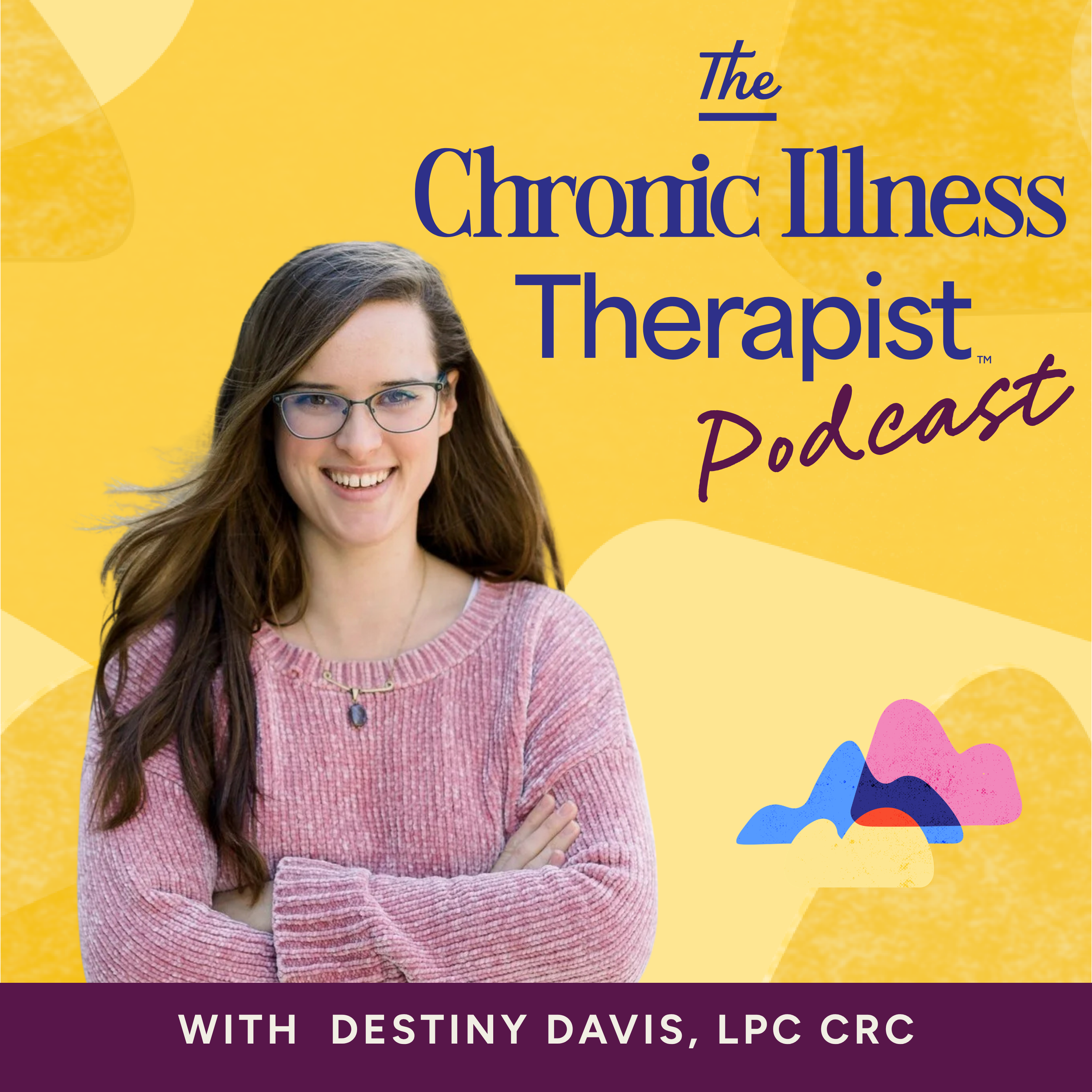
Listen to Kamilah’s interview with me, Destiny Davis, on Ep 102: Burnout Is Predictable - But Prevention Requires More Than Willpower w/ Kamilah Jones
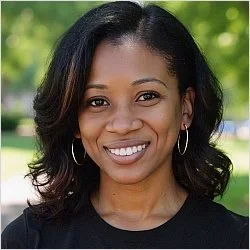
Kamilah Jones, PharmD, CRC, LPC, is a Licensed Professional Counselor and Certified Rehabilitation Counselor dedicated to helping individuals and couples across Georgia heal and grow through telehealth counseling. With expertise in trauma-informed care and a passion for fostering meaningful connections, she empowers clients to overcome challenges, transform relationships, and build healthier, more fulfilling lives.

Meet Destiny - The host of The Chronic Illness Therapist Podcast and a licensed mental health therapist in the states of Georgia and Florida. Destiny offers traditional 50-minute therapy sessions as well as therapy intensives and monthly online workshops for the chronic illness community.