
Beyond Restrictive Diets: Real-World Nutrition Tips for EDS, POTS, and MCAS
When you're living with complex chronic conditions like Ehlers-Danlos Syndrome (EDS), POTS, or Mast Cell Activation Syndrome (MCAS), the nutrition advice you find online can feel overwhelming—and contradictory. Should you eliminate histamine forever? Are leftovers really that dangerous? And why does everyone keep telling you to wear compression socks that are impossible to put on?
I recently had the pleasure of speaking with Louisa O'Grady, a registered dietitian who specializes in these exact conditions, and her approach completely challenges some of the rigid thinking I've seen in our community. What I loved most about our conversation was how practical and individualized her recommendations were.
The Low-Histamine Diet Myth
Let's start with the big one: the low histamine diet. If you've been diagnosed with MCAS, you've probably been told to follow this elimination diet. But here's what Louisa wants you to know—it's meant to be temporary. I love when multiple experts are saying the same thing, just like when Samina Qureshi and Annika Angelo told us to eat food without fear in their interviews as well.
"These elimination diets like a low-histamine diet are really intended to be two to four weeks," Louisa explained. The goal isn't to restrict forever; it's to reset your system and then slowly reintroduce foods while tracking your symptoms.
But here's the kicker: food might not even be your main trigger. Louisa listed off other common MCAS triggers that we often overlook:
Barometric pressure changes
Environmental odors
Light sensitivity
Poor sleep quality
Stress (one of the biggest triggers)
Mold exposure
This is why she recommends keeping a detailed food and symptom journal that includes these environmental factors. You might discover that your reaction to tomatoes last Tuesday had nothing to do with the tomatoes and everything to do with the argument you had with your spouse that evening.
And I want to give a caveat here - the food journal is better at helping you realize there is no pattern, utlimately reducing your anxiety about what you can and cannot control.
The Belly Band Game-Changer
One tip that reall surprised me was Louisa's recommendation for abdominal compression during meals. If you have POTS, you know that eating can sometimes trigger symptoms because blood gets diverted to your digestive system. (Again, it would be easy to attribute this to a specific food even when it’s simply about anything you’re digesting.)
Instead of those impossible-to-put-on compression stockings (seriously, who designed those things?), try a simple belly band or even high-waisted Spanx-like product. You might consider wearing it before eating and for an hour or two afterward.
"The belly ones are actually a lot more valuable to many people than the socks," Louisa shared. It's such a simple, inexpensive thing to try, and if it doesn't work for you, you're only out twenty bucks.
Small Frequent Meals That Actually Work
For both EDS and POTS, Louisa recommends the classic "small frequent meals" approach, but with a twist. Instead of creating more work for yourself, she suggests making your regular portions and then splitting them throughout the day.
Each meal or snack should include:
A source of protein (chicken, fish, nuts, beans, dairy)
Complex carbohydrates aka: fiber (sweet potato, fruit vs. juice or desserts)
Healthy fats when possible (avocado, olive oil, nuts)
The protein and fat help stabilize your blood sugar, preventing those energy crashes that can worsen brain fog and dizziness.
Fiber Without the Fear
For those dealing with the gut issues that often come with EDS (and let's be real, most of us have gut issues), increasing fiber can help, but it needs to be done strategically.
Louisa suggests starting with soluble fiber if you're prone to bloating. Think oatmeal and apples, but here's the key: how you prepare them matters. Instead of chomping on a raw apple with the skin, try cooking it and removing the peel initially. Add some cinnamon and gradually work your way up to tolerating more fiber.
And please, for the love of all things holy, increase your water intake when you add fiber. I learned this the hard way, and I don't want you to make the same mistake.
Why I Love This Approach
What struck me most about Louisa's philosophy is that she focuses on addition rather than restriction. "I love anything where we don't have to restrict," she told me. "I want to do things that are adding and benefiting people's lives rather than taking things away."
This is so important when you're already dealing with the restrictions that chronic illness places on your life. The last thing you need is a diet that makes you feel even more limited.
The Nervous System
We can't talk about managing these conditions without addressing nervous system regulation. Louisa often starts simple with her clients who are skeptical about holistic approaches:
"If you took three deep breaths beforehand with a longer exhale each time, that will put your body into this parasympathetic or rest and digest state and your body will be prepared and ready to accept that food."
Sometimes the most powerful interventions are the simplest ones.
Finding Your Own Path
Throughout our conversation, Louisa emphasized that there's no one-size-fits-all approach to managing these conditions. What works for one person might not work for another, and that's completely normal.
Her approach starts with what you're already doing and what feels comfortable for you, then makes small, sustainable changes from there. No dramatic overhauls, no impossible-to-follow meal plans—just practical modifications that fit into your real life.
The Bottom Line
If you're living with EDS, POTS, or MCAS, you don't have to choose between managing your symptoms and enjoying food. Yes, these conditions require some nutritional considerations, but they don't have to completely dictate your relationship with eating.
Work with a qualified professional who understands these conditions, focus on what you can add rather than what you need to eliminate, and remember that small, consistent changes often have more impact than dramatic restrictions.
And seriously, try the belly band thing. Twenty dollars and you might just find your new favorite management tool.
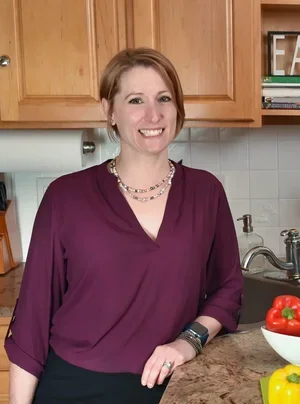
Louisa O'Grady is a Registered Dietitian – nutritionist, certified diabetes educator and certified integrative and functional nutrition practitioner. She's deeply committed to empowering individuals navigating chronic conditions, including Dysautonomia, POTS (a form of dysautonomia), Ehlers-Danlos Syndrome, Mast Cell Activation Disorders, chronic pain, and their associated challenges.
You can connect with Louisa O'Grady at louisaogrady.com or follow her on Instagram @louisaogrady.rd for more practical nutrition tips for complex chronic conditions.
This blog post is based on an interview with Louisa O'Grady, registered dietitian, on The Chronic Illness Therapist Podcast. For more resources on navigating healthcare challenges, subscribe to our newsletter and follow us on social media.
Disclaimer: Everything we discuss here is just meant to be general education and information. It's not intended as personal mental health or medical advice. If you have any questions related to your unique circumstances, please contact a licensed therapist or medical professional in your state of residence.
Listen to Louisa’s interview with me, Destiny Davis, on Ep 97: Beyond Restrictive Diets: Real-World Nutrition Tips for EDS, POTS, and MCAS
-
Episode transcribed with AI and will contain errors that are not representative of the actual word or meaning of the sentence.
Destiny Davis LPC CRC: [00:00:00] Therapists who listen to this podcast. If you are continually trying to learn how to do your best work with chronically ill clients, I want you to know that starting.
September 23rd to August 28th. Every Tuesday we have a. Six week educational and consultation program for therapists.
Victoria Rodriguez is a therapist out of Louisiana who does all of the same work that I do, and she and I have been getting a lot of questions about how we built our expertise in working with this population. And the thing is, she and I were both very lucky enough to get structured training in our grad school programs, and then we both have combined experience of I think 10 years of practice.
So we've been doing this work each of us for quite a while now, and this will be our first go around at really teaching the essentials of what we do in session with our clients to help clients get out of that fight or flight and that stuckness that happens. When they're living with a chronic illness.
So if that's what you're looking for, the [00:01:00] show notes will have the link to sign up. There's an early bird special through August 31st, 2025. That's $300. And then after that, the price will be going up to three 50 for the total six week program. After the six weeks, there'll be an alumni group where you all can stay in touch with each other, and this will be a closed group.
And I can't wait to see you all there.
The Chronic Illness Therapist Podcast is meant to be a place where people with chronic illnesses can come to feel, heard, seen, and safe. While listening to mental health therapists and other medical professionals talk about the realities of treating difficult conditions, this might be a new concept for you, one in which you never have to worry about someone inferring that it's all in your head.
We dive deep into the human side of treating complex medical conditions and help you find professionals that leave you feeling hopeful for the future. I hope you love what you learned here, and please consider leaving a review or sharing this podcast with someone you love. This podcast is meant for educational purposes only.
For specific questions related to your [00:02:00] unique circumstances, please contact a licensed medical professional in your state of residence.
Destiny Davis LPC CRC: Louisa O'Grady is a registered dietician, nutritionist and founder of louisa O'Grady Nutrition, A practice dedicated to empowering individuals with complex chronic conditions. Louisa has over 16 years of experience with various healthcare settings and integrates evidence-based approaches with holistic, personalized care
through her firsthand experience with Dysautonomia mast cell disease, hypermobile ER's down low syndrome. She has developed a profound empathy and insight into the challenges encountered by those living with chronic conditions. She's delivered educational workshops and community outreach programs, sharing her expertise with both clients and professionals, and her [00:03:00] commitment to advancing patient care.
Extends to her volunteer work with organizations like her local EDS support group, and her involvement with the Northeastern US ELLs, Don Lewis Society Network of Excellence. Some like really great, resources. Uh, Luisa, thank you for even just sharing that. We have a couple resources down here in, in Georgia for EDS, but um, and I've heard of other larger networks, but that one I haven't heard of.
So it's always good, as I'm sure we'll talk a little bit about today. Finding resources can be really difficult and really confusing. So it's good to have these larger organizations that are doing this work,
Louisa O'Grady: Definitely for sure.
Destiny Davis LPC CRC: Yeah. Thank you for being here. I'd love to hear a little bit from you about, your practice, where you practice, who you work with, and what's kind of, most prevalent right now with the, the clients that you see.
Louisa O'Grady: Absolutely. Yeah. Thanks for having me. I'm excited to be here. Um, I'm in Connecticut though I do see, um, people throughout the country. Um. [00:04:00] About half the states in the country do not have strict licensure, so it's sort of reciprocal. Um. And I also help people on a coaching basis as well. So I typically see folks one-to-one with hypermobility, um, people that are, uh, either diagnosed or not yet diagnosed and suspected. Uh, folks living with long covid dysautonomia and more specifically, uh, type of dysautonomia pots or postural orthostatic tachycardia syndrome, as well as mast cell activation syndrome. Um, I am seeing. of trends, um, with, uh, the post sort of pandemic era we're in now, I'm seeing a lot more folks, um, with, uh, pots and maybe they know it or maybe they suspect it or maybe they're not, uh, sort of putting the pieces together because some of the symptoms can be so, um, widespread throughout the body and [00:05:00] seemingly un unrelated. Um, they're also. Concurrently experiencing mast cell activation symptoms as well. And also, um, maybe they've realized they have pots at that point, or been diagnosed with it, but not making the connection that maybe their face is flushing or they're itchy all over. Um, that that might be a sign of mast cell activation or, or misbehaving mast cells.
So that's what I'm seeing
Destiny Davis LPC CRC: Yeah. Yeah. How does. There's a few different directions my brain wants to go. One is like just thinking about how complex and hard it is to get a diagnosis. I'm curious if you often are finding that people are coming to you with a diagnosis already, or if you're, if you tend to be referring out more saying, Hey, you need to get a diagnosis.
I think this is what you have.
Louisa O'Grady: I'd say it's 50 50 or maybe they're coming with one of the three sort of conditions I just [00:06:00] mentioned and, uh, not yet diagnosed with the other two or one, or, or not realizing that maybe at play as well. So I might see someone for Aler, Stan, low syndrome and hypermobility, but they haven't been diagnosed with pots, but they're getting dizzy when they're standing.
They're having, you know, um. Exercise intolerance. They're having a lot of the symptoms that we see, maybe blue hands and feet because their blood's not circulating well. Um, and we're sort of making the connections together. A lot of what I do too is helping patients advocate and find providers, honestly, because it is such a difficult landscape and, and trying to find people that are knowledgeable.
Um. Specifically too, and sometimes in our own area, um,
Destiny Davis LPC CRC: Yeah.
Louisa O'Grady: on where we are in the country, the rural areas tend to have a lot more difficulty.
Destiny Davis LPC CRC: Yeah.
Louisa O'Grady: um, you know, the bigger cities like New York or Boston, but frankly you'd be even surprised some of those doctors. It's hard to get into. They have wait lists [00:07:00] for a long, long time, or providers are cash pay and it's difficult to be able to afford that.
For many of us who have had. Potentially, you know, a, a change in our work environment or, or, you know, we're not able to work full time anymore. So that's a, a component as well. Um, so, or. You know, what we, I'm sure we'll talk about more as well is, um, people are getting gaslit, you know, um, come to me and they'll say, yeah, I, um, got diagnosed with let's say, um, a or St.
Low syndrome, but my doctors don't think I have pots or mast cell issues. And some of the criteria for these, or, you know, especially if doctors aren't fully aware of what to look for it, it can be a little bit, uh, tricky trying to get that diagnosis.
Destiny Davis LPC CRC: Yeah. Yeah. So what do you do in those cases in your practice, particularly, let's say they are seeking a diagnosis, they don't quite have one. [00:08:00] Um, you know, does it, does it matter a great deal for your work if they have a diagnosis versus if they don't? Or do you just, you know, you, you're just looking at symptoms and just trying to mitigate where you can, what does your work look like in that way?
Louisa O'Grady: Yeah, I think it depends. I think there's a huge value in, into, in getting a diagnosis, because it's not only validation, um, but also it, it helps fine tune, like guiding how your treatment is gonna go. Right. You know, it's not. other connective tissue disorder or some other issue that's going on that might take you in a different direction, you know, than if it, it were Aller syndrome and then you know what you have and, and we can sort of, and a lot of that's kind of a misconception, like there's no treatment for it.
Well, there is, there's things we could do, there's nothing, you know, necessarily on label or, uh, specific, but there's plenty of things that. You know, and symptom management that we can do. So regardless if the person has a diagnosis or not. [00:09:00] Yes, to your point, I'm gonna help, um, them manage their symptoms and for all three of the conditions, mast cell activation syndrome or MCAS, uh, pots, or pastoral orthostatic tachycardia syndrome, or hypermobility, we can do plenty of things to help through nutrition and lifestyle even way before they get the diagnosis.
I would say two th the one. Condition where, I mean, would say all of the conditions there is a, a benefit because some of the, um, symptoms can't be fully managed without medications in some circumstances. And Aler, Sandlos, you know, there's an, it's. All of them. In fact, there's widespread, um, symptoms that can occur because they affect our entire body.
We have connective tissue in our entire body. We have mast cells in our entire body. Um, pots because it affects our autonomic nervous system. You know, that can affect anything from our guts [00:10:00] to again, you know, um, we can get brain fog, which many of us do, myself included. Um, and so, uh, there are things that. I think can be beneficial for people, especially with like, say mast cell, um, where maybe they can try H one, H two blockers over the counter. But those and, and different things we do with nutrition and lifestyle, but that's only taking 'em so far. They might need other mast cell stabilizing medications. So I think that's where the value kind of comes in. in addition to that validation and kind of getting you that direction.
Destiny Davis LPC CRC: Yeah. I'm just curious, what are some of the other mast cells stabilizing medications that are out there?
Louisa O'Grady: Yeah. Um, one that I commonly see, and frankly I'm on as well, is, um. Uh, Chromin. Um,
Destiny Davis LPC CRC: I.
Louisa O'Grady: that can help with, uh, gastrointestinal symptoms associated with, uh, mast cell activation syndrome. [00:11:00] Um, us a lot, a lot of times it's given in these little ampules and you'd have to take a, depending on your dose and what your doctor gives you, two or, or more ampules before you eat, a half an hour before you eat. Um. So that's one of them. There's leukotriene inhibitors, um, like mono monolo cast, um, if I'm saying that right, hopefully. there's, uh, other stronger, um, H one blockers like keto defin, which sometimes or typically needs to be compounded. So if you're not responding to the typical like Allegra, Zyrtec or, um. What's the third one? one of them. Um, Claratin. Then maybe the Dr. May, uh, feel like that's something that's more appropriate to help manage your symptoms. Um, there's probably more that I'm for, there's even newer things that some, some of the doctors I've heard rumblings about, um, are trying, like those GLP ones that we [00:12:00] all hear so much about, um, for, uh, for. Weight loss. Um, hear mostly in that arena, it's believed to also help with stabilizing mast cells or I think still researching sort of where that, how that works.
But it's typically like microdose from what I'm hearing, and this is more like coming on the horizon type stuff, but I think because. It's, it can be a very wide spectrum of how people, um, this, uh, condition presents for people. Some people have it more on the mild side. Some people are going into like anaphylactic reactions, um, and, and need a lot more medication management or need more interventions. Um, so it, it's definitely a spectrum. So I think providers are kind of looking outside of the typical things to try and see how to help. Manage
Destiny Davis LPC CRC: Yeah.
Louisa O'Grady: condition.
Destiny Davis LPC CRC: No, I'm, I'm really excited to see what new [00:13:00] research comes out, um, with the GLP ones because we are real. I mean, yeah, the thing is everyone thinks it's a weight loss drug, but I just am so interested in why it's a weight loss drug and all of the mechanisms that happen in the body that are, that it's helping in the body.
That probably then lead to the weight loss rather than it just being, oh, it made you shed some pounds and now you're healthier. No. Like we know that that's not the case. We typically heal something internally, and that's why the weight loss is coming off. So curious if you have thoughts about that.
Louisa O'Grady: Yeah, and it slows gastric motility. So I definitely should note that for some of us with, you know, POTS and um, Ehlers Danlos Syndrome syndrome specifically, sometimes we can already have altered gut motility. So that could be in a concern for someone that's already having slowed motility and then that can slow it.
Further that can exacerbate symptoms, um, for, for them. Again, you know, I'm not a doctor, [00:14:00] just things I see and practice as a dietician, but, um, you know, it, it's something that you and your doctor would want to talk about to see if it would be a good for fit for you as well in, in that respect. So that can make it so people have less of an appetite.
And then we've all heard about, you know, how people have loose skin and. Different things, loss of muscle mass. It's because in the bigger doses that are typically given for weight loss, it's, it's, um, exacerbating some of those side effects and it's quick and sometimes people lose weight quickly, don't have enough protein on board.
So I think. Not only working with your doctor, but perhaps if you are on those medications, shout out to, uh, working with a dietician too so they can help guide you, you know, manage managing those side effects as well as preserving lean mass.
Destiny Davis LPC CRC: Yeah, definitely. I think being so, so clear that like, I think we can see so much benefit at such small do doses, but yeah, [00:15:00] you're right. Like when it's, when it's being advertised for weight loss and it comes off quickly. Like, and I, you know, I was actually just talking about this with somebody today earlier, like the.
The science around a medication. And then the companies that monetize that medication, they're, the companies are gonna do whatever they wanna do, whether it's ethical or not ethical or completely aligned with the science or not like. And so we have to, I think especially right now in our current like administration and political context, we really have to be able to separate.
The actual science from what the pharmaceutical companies are saying, or from the media and what they're saying, like they don't understand the science. And so, um, that's where it gets conflated. 'cause then it's like, look at all this damage the GLP ones are doing. Yes, but it's not the GLP one, it's the dosage and it's the amount and it's the lack of education.
And so I think this is a really important conversation.
Louisa O'Grady: Definitely, and the fi, the pharmaceutical companies have that financial interest, so even if [00:16:00] they're the ones performing those particular studies versus like someone that's a third party, you're gonna see a different, potentially a different spin on it. Than if, if, you know, it is that third party in that like sort of more objective than subjective point of view.
So definitely, and our doctors, you know, that are, are savvy in these areas are tend to be the ones that could be a good resource if they're familiar and work with these drugs.
Destiny Davis LPC CRC: Yeah. So I think, um, the biggest question on my mind when it comes to, of course, diet dietetics and um, MCAS, you know, the first thing that's gonna come up is tell me about a low histamine diet. Is it necessary? Is it important? Is it not? What is the myths and, and facts about a low histamine diet?
Louisa O'Grady: and you're right, there are a lot of myths. Um, so. I a lot of people, I'll just back up and say, [00:17:00] a lot of people come to me and they are on this low. Their doctor told them to be on a low histamine diet. In all fairness, doctors barely have enough time to get through all the medical stuff, let alone eight to 15 minutes, let alone any of the nutritional stuff.
So they've been told to go on a low histamine diet and they've been on it indefinitely, or they think a lot of people feel like they need to be on it indefinitely. It's great to help. Calm down the mast cells, but it's a, not the only thing that's going to impact, you know, our, our mast cell activity. So I'll, I'll kind of come back to that.
But these elimination diets like a, a low histamine diet or a low fodmap, if you guys have heard of that, probably, um, are really intended to be temporary, like two to four weeks, you know. a little bit longer depending on the situation. And then the intent is kinda reset things, then reintroduce, one food at a time, maybe in a small amount. [00:18:00] And then increasing as as you're tolerated. And, and even better if you can do a food and symptom journal we can kind of track it objectively. That's the intention. So, um. The other things, a lot of times we're immediately blaming the food. But the other things that can impact, there are so many of them, um, environments like is it change of season?
Is it like it is here in Connecticut? Is it, um, barometric pressure changes? Are there odors that trigger your symptoms? Is light sensitivity? Triggering your symptoms. Uh, sleep quality. If our sleep is off, that can throw everything off. Um, stress is one of the biggest triggers for mast cell activation. is there mold in your house or does mold trigger you and it just rained outside.
So not to say these things to freak anybody out, but just um, to give you some perspective that there are other things besides the food and if you're doing a food symptom journal. [00:19:00] Including some of those things that are relevant at the time. Like I just got in a, a, you know, fight with my spouse, you know, last night and oh, I had an increase in my symptoms, so it wasn't the tomatoes that I ate last night, you know, and, and so we can look at these over a, a couple a week, two weeks, whatever.
You're able to track and kind of see if there's any patterns. And the intent isn't really. Uh, fear, it's really empowerment to try and figure out what those triggers are because they're gonna be different from person to person. sometimes I don't even start with a full, like, especially if somebody's already like, maxed out on everything in the sense like they're overwhelmed, they're, you know, uh, what's the word?
Burnt out because of all the health things going on, which is totally in, completely understandable. Um. To, to, and there may be restricting other things already because they can't tolerate it, to eliminate this entire chunk of things might feel or be too overwhelming. So to [00:20:00] kind of take out some of the heavy hitters like fermented foods and maybe leftovers and, and we come up with maybe a strategy to. Take, you know, any of these meals you've made, and if they're freezable, freeze little portions, they have these great little silicone containers that they're little, like, almost like big ice cube trays. Um, and you could just throw some of your leftover, your leftovers in there, freeze 'em off and freeze, kind of halts that histamine production.
And then you can, it's win-win because then when you're fatigued, you can just pop 'em out and make, you know, um. A leftover meal and you don't have to worry. So it, it isn't, I don't even take a one size fits all approach for that, for like managing mat cell and, and histamine issues. And especially given the gamut of sort of, um, and symptoms and everyone sort of in a different place with it.
Destiny Davis LPC CRC: Yeah. Yeah, it is. It is really scary. It's [00:21:00] scary to like make some of these diet changes because it does require such a lifestyle overhaul. Um. I was never really able, like, you know, we all, and, and, and there's so much, um, push for, uh, what the word is, slipping, meal prepping, and, you know, um, that's my family.
Like that's how we get through the week. But I've also never tried to calm my symptom down, symptoms down by limiting leftovers. And I. I get scared with, um, some of the restrictive or like the rigid kind of, because it's a very slippery slope into like just eating Chick-fil-A every day because like you don't have anything in the house and like, yeah, I don't know.
It's, it's, it's difficult. Um, and that's why I'm curious about the, the diet lifestyle changes like, and what is absolutely necessary and what is not. But what I'm hearing is like, it's really different from person to person.
Louisa O'Grady: It is because maybe their [00:22:00] presentation or, or the way that their symptoms are showing up is very mild in mast cell symptoms, but it's, it's heavier. The other thing is. If your pot symptoms aren't well controlled, and there's even plenty of nutrition and lifestyle things we can do on that arena, and your body's like sort of fighting for like hemodynamic stability, like stabilizing our blood pressure or heart rate, things like that, trying to get things back into gear, then that can trigger a mast cell response.
So sometimes it's coming at it from a different angle, like maybe it's something as simple as saying. When you're eating, why don't we do some belly compression? It's 20 bucks. Like get one of those wraps, kind of like a pregnancy, um, uh, c-section wrap, or, um, you know, an abdominal binder or, you know, uh, waist high shorts, something easy. wear that during your meal. See if that helps some of your symptoms. 'cause sometimes we can mistake a reaction. Um. To a food for sort of a pot's reaction [00:23:00] or, or, you know, our body sort of misbehaving for other reasons,
Destiny Davis LPC CRC: Yeah.
Louisa O'Grady: us, but misbehaving in a way for other reasons. So it's, it might be doing, I, I love anything where we don't have to restrict, like that
Destiny Davis LPC CRC: Yeah.
Louisa O'Grady: my wheelhouse.
Like, I wanna do things that are adding and benefiting people's lives rather than taking things away. So I'm
Destiny Davis LPC CRC: That's fascinating. Can you explain a little bit more about how a belly band would help someone with pots in their digestion?
Louisa O'Grady: Yeah, great question. So when we eat a lot of our blood's diverted to our abdomen or our belly. And when that happens, you know, um, it's not circulating back out to where it needs to go. So. can have an increase in symptoms. So by squishing it a little bit with the compression, kinda like we always talk about those, you know, um, lower extremity, like the socks and things.
But honestly the belly ones are actually a lot more valuable to many [00:24:00] people, um, in, in symptom management. And it's not to say there's no benefit to the, the socks or, or, or anything, but there really is they're finding, um, and I can't quote an exact study at this point, but um, I think it's a little bit more anecdotal. Um, but I've heard it on from numerous providers in listening to sort of other podcasts and definitely seen it in my practice where people find it tremendously valuable to wear, um, abdominal um, compression. It does not need to be those crazy. Like when I first got diagnosed, they're like, you need to wear tights waist high.
And I, I got those like, and it said 30 to 40, uh, milligram, uh, can't remember, millimeters of mercury per whatever. so. got those are the, like the really stiff, like hard to put on. I got those things and my heart rate only got up to like one 60 putting them on and it was like so exhausting just putting them on.
So I'm like, this can't be helpful. [00:25:00] So I think it's, it's modifying that in a way. And some people even wear, um. You know, uh, running, you know, like compression comfortable athletic gear and that works for them. So it's finding a way that like works for you. 'cause it's better to do it in a sort of modified way
Destiny Davis LPC CRC: Yeah.
Louisa O'Grady: all.
Um,
Destiny Davis LPC CRC: I love that. And, um, would you put the belly band on before you eat, and then how long would you leave it on for?
Louisa O'Grady: I would keep it on for at least like an hour or two after you eat.
Destiny Davis LPC CRC: Okay.
Louisa O'Grady: you know, while you're digesting, if you're feeling like pretty good afterwards, you don't have to keep it on all day. I mean, the biggest benefit would be if you could wear it all day. If you can't. The most important times are when you're eating and then if you're doing activity,
Destiny Davis LPC CRC: Okay. That's really great. I've never heard that tip before. So I love, I always love a new tip that I haven't heard. Um, and it's so easy too. And you're right. Like I couldn't even put the compression socks on. I was like, screw this, and I'm not doing this.[00:26:00]
Louisa O'Grady: Absolutely. And we tend to kind of like, 'cause we don't know what other options are out there. We're like, all right, the doctor told me to do this. Whoa, that's really hard.
Destiny Davis LPC CRC: Yeah.
Louisa O'Grady: what would I think to go get like a C-section, you know, abdominal buying her in that. Gonna help me or, or, you
Destiny Davis LPC CRC: Right.
Louisa O'Grady: a waist cire, you know, I, I
Destiny Davis LPC CRC: Yeah.
Louisa O'Grady: wouldn't immediately think that as an alternative or, or a athletic pants or shorts, you know, that are waist high.
I, I wouldn't immediately think of that. The other thing is,
Destiny Davis LPC CRC: Right.
Louisa O'Grady: Spanx, like even Tarjay, uh, sells some good, like cheaper Spanx that are waist high and they have like
Destiny Davis LPC CRC: Yeah,
Louisa O'Grady: and stuff, so that's another option.
Destiny Davis LPC CRC: that's, that's awesome. And yeah, such an easy thing to try. And if it doesn't work, it doesn't work. It just means that wasn't your particular issue and it's a cheap way to, to do some trial and error. Cheap and, um, and not dangerous.
Louisa O'Grady: Yes,
Destiny Davis LPC CRC: Yeah.
Louisa O'Grady: risk. I agree. Um, and I love things like that, you know, and I'll make the suggestion [00:27:00] people, but you know, it's entirely up to what they're comfortable with. And most, most people I meet with, they're like, oh, that's an easy, you know, that's a
Destiny Davis LPC CRC: Yeah,
Louisa O'Grady: thing to try. Um, you know, with without the risk, like you said.
Destiny Davis LPC CRC: yeah, yeah. Um. What are some other, so we kind of actually talked a little bit about some MCA tips like freezing your leftovers and you gave a specific, those silicone molds I think are, are really, is it like a, is it the mold where it's almost like, kinda like the Popsicle mold or is there a different Okay.
Yeah.
Louisa O'Grady: They have different sizes, but they're like square. Um, and, and again, like they could be just, uh, you know, a cup or two, two cups where you can get all different sizes and get the size that you feel like you want for your portion. sometimes
Destiny Davis LPC CRC: Yeah,
Louisa O'Grady: like, you know, a super stew or something like that, or just an entire like. I use bigger containers. If I wanna do like an entire dinner, like make my own TV dinner, like when I make anything, I [00:28:00] usually make extra just with the intention of like something for those days when I do not feel like cooking.
Destiny Davis LPC CRC: absolutely. Yeah. So we've got MAS pots, and then I'm curious if there are some, um, allers downlow syndrome specific. I mean, I know these are, it's a trifecta. They all kind of go overlap, but is there something specifically, and, and there's so many different presentations of EDS, so I know it might not be a simple answer, but what, what are some of your go-tos for EDS patients around nutrition and, and eating?
Louisa O'Grady: I think because many of them do, many people with a or st have some degree of, um, dysautonomia, not, maybe not everybody, but many do some of the pots, uh, sort of strategies. Will be integrated into that. Like for example, the small frequent, um, meals and snacks versus going a long time to try and like mitigate that blood sugar rollercoaster where we eat something and it's huge and we have this huge spike and [00:29:00] then, you know, that subsequent drop afterwards. Um, and then we're starving or we're going a long time between eating and that can increase the brain fog and dizziness and um, you know, a number of different symptoms. Um. So that's really super helpful. I usually suggest like every three or four hours having something kind of. Taking it. And if, if you have those bigger meals and kind of splitting it and then spreading it through the day, um, and that could help keep the energy level stable. and then those meals and snacks, making sure you're having, uh, a source of protein like chicken, fish, Turkey, nuts, beans, dairy, depending on what you can tolerate. Um, a source of like complex carbs. So thinking like a sweet potato or. A piece of fruit versus like juice or, you know, a dessert type food.
Not to say you can never have them or you should never have those. Um, and then having, um. [00:30:00] Uh, a healthy fat if you can, to like an avocado or a little bit of olive oil or, um, something that's sort of, those fat and protein pieces are gonna take the, um, carb and your blood sugar and kind of steady it a little bit more 'cause they're slower absorb, more slowly absorbed than the carbohydrates are. So that's sort of the other piece, um, sort of shift. It's not like this overnight thing or sometimes people are like, give me a list of foods I can and can't have. And it's like, let's start with what you are doing and what, what is comfortable for you? And maybe there's different areas of opportunity or different little swaps we can make that can make it nice and comfortable so it integrates seamlessly into your life. Um, so. Like, you know, again, more fruits, vegetables, a whole, um, grains, more fiber in your [00:31:00] diet. more, uh. What am I missing? Probably healthy fats, I think I said. Um, so sort of trying to eat things a little bit closer to nature whenever possible. Of course, with fatigue, sometimes we need to rely on some convenience foods and that's okay too. but those, um, foods are gonna tend to help your body with inflammation and that's huge within all of these. And especially like if you're experiencing pain and issues, um, with inflammation, with aler stand lows. Um. The, uh, the, what was it gonna say? Here's the brain fog. It was just there. Thank you. Um. The biggest thing I see with a lot of folks I meet with, with Aler St. Lows is gut issues, and it's true with POTS as well and, and ma, but, um, I feel like to, uh, a larger degree sometimes with my folks [00:32:00] with Aler St. Lows. So it might look like bloating, it might look like nausea, it might look like that altered motility, whether it's too slow or too fast or kind of comes and goes with those symptoms. Um, it might be loose stools or. Often, honestly, I'm seeing a lot of, um, the opposite constipation. Um, so slowed, motility, trouble moving things out, things aren't moving. You have more, um, sort of fullness feeling and more potentially more nausea. So navigating around that, it's of course like anything else gonna look different for each person, like sort of where we intervene.
But some go-tos I love are ginger ginger's like one of my favorite things ever because you can do ginger tea. Or, um, ginger chews, you know, and it can help with, uh, motility to a, a little bit lesser degree, but it can nausea, it helps sort of settle things out, I feel like. Um, and it's accessible. You don't have to take more pills. [00:33:00] Um, so. It's just trying to find like those little things that are dual purpose and it has a ton of other benefits, like anti-inflammatory, anti, you know, I think viral antibacterial. So it's, it's definitely super, um, a superstar I think in, in the food category. So it's trying to find things like that that will help people manage their symptoms.
And then sometimes it's a matter um. You know, increasing the fiber, but the right types of fiber. So, um, soluble fiber sometimes if you're having bloating, is a little easier to tolerate than insoluble. Um, so that might be oatmeal, that might be apples. Um, and the way that we eat them can also be helpful.
Like, for example, if we just wanna chomp on an apple that might not be as easy tolerated, um, as if we. Um, the skin, maybe cook it at first until, you [00:34:00] know, heat it up, throw some cinnamon on it, um, to kind of get our bodies used to having more fiber.
Destiny Davis LPC CRC: Yeah. Can we talk a little bit more about that? Because I always, my brain always goes to food rules and things that people hear over time, so we. Hear things like all the vitamins are in the peel. Uh, when you boil your vegetables, uh, you lose all the vitamins, uh, you know, and so it can make people scared to then do the thing that their body needs them to do for their condition.
Can you talk a little bit about that?
Louisa O'Grady: Absolutely. So even if we think about, like, this is kind of like a side detour for a second, but if we think about like the low histamine foods too, like there. Tomatoes, they're spinach, they're like healthy foods, you know? It's not that they're bad, there's no good or bad foods, it's just that even though some of these foods are healthy, like the skin or different preparations. It, it doesn't necessarily mean it's the right thing thing for you in that moment. And, and we're all gonna need different things. And I, I try so hard to steer away from like, [00:35:00] this food is good, this food is bad kind of thought because nothing's really good or bad. It's just what's gonna help you move the needle forward or, um, sort of, uh. your symptoms sort more prominent and we wanna help accentuate the things that help move you forward. And I always try, oh, sorry. I was going to just say, I always try to like work with people and what their preference, like what do you love eating? What do you miss eating? What do you, you know. Wanna include more in your diet.
And we sort of work from there as our blueprint. So it's, it's not like, Hey, this is what I had in mind for you. And then it's like, Ooh. So
Destiny Davis LPC CRC: Yeah, I love that. And the funny part is I would not have loved that 10 years ago because I would've wanted you to tell me exactly what I should be eating because there was a right and a wrong. And that's the only thing. And now I'm like, wait, like if I have a bad reaction after I ate apples, it might have [00:36:00] nothing to do with being allergic or a sensitive, it may, it might caveat like make sure people, but it might just be like too much fiber.
And if I ate stewed cinnamon apples, like. I can enjoy my favorite fruit again. I mean, that's what, what? What is better than that?
Louisa O'Grady: Absolutely, and I think you raise a good point that I wanted to make. I didn't remember a minute ago about, um. know, fiber is something, it, it is the type like we were have been talking about, but it's also the amount, like you don't wanna today be like, all right, I haven't been evening fiber, but I'm gonna have, you know, 10 servings or even maybe three servings.
You wanna start very low and slow and increase your fluid intake to help move things along. Um, and
Destiny Davis LPC CRC: Yeah. Yeah. There's so many pieces that I feel like people we just don't know. 'cause we're not really taught. But yeah, if you're increasing your fiber, you need extra water to [00:37:00] help, um, move the fiber along. And that's, yeah, something I learned along the way. That was an epiphany to me when I first learned it.
It's like.
Louisa O'Grady: know.
Destiny Davis LPC CRC: Oh, and it's so simple when you go to school for it and you learn all of this stuff. Um, and I think that's why people are so flocking to social media for these education bits because, you know, our doctors don't have time to tell us this stuff, plus they might not know what we don't know, and it's just hard.
So, um, to that point, you know, we've been talk, we talked briefly earlier about gaslighting and like, um, I think before we hit record, we were talking a little bit about social media and. It's important for this information to be on social media because people are craving this information and they're getting a lot of wrong information from somebody who, like for example, let's say somebody had no idea about any of their diagnoses and.
For whatever reason, they figured out that when they were wearing compression, something compression wise, you know, they, their gut felt better. They could, [00:38:00] I mean their digestion felt better. And then they go on social media and they're like, guys, I found the cure for like gut health. And that's like what social media sounds like.
It's like it's just one person with their experience found this like little thing that improved their life. And then they get on social media in a sensationalized way and they say, I found the answer. And then like. 20 people get on board and they copy it, and before you know it, it's just a, a fire of misinformation being spread.
Um, and so we, I just think we as professionals really owe it to ourselves and to everyone in society to be on social media, trying our best to dispel misinformation. Give helpful tips where possible, where there are, you know, sometimes there is an easy tip to be given, but again, that easy tip may or may not work for you based on.
Hundred of other factors that are happening in your body at that moment.
Louisa O'Grady: For sure. And I think, you know, a lot of it relies on, like you said, that sensationalism to grab these people's attention, but it's just one little like blip in time or one [00:39:00] piece of the story, and it's not like giving the whole picture. So, and, and. I would be leery of anything for these conditions that says, you know, this is going to cure.
I, I've gotten those advertisements that are like, you know, the cure. It's literally, I think called the cure for pots, and I'm like, Hmm,
Destiny Davis LPC CRC: Yeah.
Louisa O'Grady: I haven't seen that in the literature. And if that were the case, like all of us would be doing that. Like if there
Destiny Davis LPC CRC: Yep.
Louisa O'Grady: cure. So I mean,
Destiny Davis LPC CRC: Yes.
Louisa O'Grady: great to, to hope for those things.
And they're probably, you know, somewhere down the line, but we're, we're not there yet. And anybody promising that is probably selling snake oil.
Destiny Davis LPC CRC: Yeah. Yeah.
Louisa O'Grady: for
Destiny Davis LPC CRC: That brings me back to. Yeah. Yeah, exactly. Yeah. That brings me back to a question, um, around MCAS. Is MCAS something that we have to manage for the rest of our lives, or is there a way to quote, get rid, I realize we all have mast cells, right? So I'm imagining they can be [00:40:00] highly activated at any time.
But what is the trajectory of MCA is? Yeah.
Louisa O'Grady: Yeah, I it, that's a great question. And you know, I'm sure the, the doctors that like specialize in it may. Feel differently or, or have more insight onto it. But from what I've seen, I think it can be well managed. I feel like, you know. So we all have mast cells, right? To, to rewind and to kind of tag dovetail off of what you said. And they're there to protect us. They're good. We don't wanna get rid of them. Um, but they're sort of misbehaving or overreacting to things. So there are things that we can do to help manage them better. In addition, we talked about medications a a few moments ago. There's definitely things from a nutrition standpoint, not only. The food stuff we talked about, but also sometimes supplements, which I kind of use just in that vein as a supplement to help add [00:41:00] on and sort of, um. When we can't meet certain needs through food or there's certain symptoms that are flaring, they can sort of help, um, uh, move the needle a little bit. So I, I do use them strategically. On top of that, I think things like, um, activity that is gentle and personalized as well as, um. Uh, nervous system regulation, I think is incredibly valuable to helping to tamp these these down and then making sure if your environment does have something like mold, um, or. There's things that you, you know, can control and improve on in, like say, you know, fixing mold in your house, which I had in my office.
It turns out, um, it's one of the top things that can really be an underlining cause for the mast cells to continue to sort of misbehave. So it's kind of a addressing some of those root cause and I think you [00:42:00] can really tamp it down. I'm not sure that you, I, I, I don't know that you can cure it. I,
Destiny Davis LPC CRC: Yeah. Yeah. And
Louisa O'Grady: kind of bring it down to a like
Destiny Davis LPC CRC: yeah, so you bring it down to a manageable level and then you kind of have to manage it forever, but maybe you don't have to be as rigid. Is that, or do you think you kind of always have to be that rigid?
Louisa O'Grady: I don't know. I don't think you do. I think once you get things in a good place, um, I've seen where people are, you know, able to sort of like, you don't need to follow a restrictive, and not that I would advocate for a long-term restrictive diet anyway, but people find they can add more foods in and they, it's sort of this healing process.
I think nervous system regulation is. So valuable in that process. 'cause sometimes our body is in this like loop where, you know, we're like almost hyper. Our, our brain is almost hypervigilant in, in trying to respond to these threats and, and activating those mast cells. So just [00:43:00] doing the, some of those practices, um, can really help be a good sort of, for some people, even first step to helping just tamp them down a little bit.
And then it allows you to have enough. Um, sort of energy and, and, and ability to maybe take another step and, and figure and do another sort of, um, intervention. Uh, the medications are also extremely value for that, valuable for that too. So,
Destiny Davis LPC CRC: Yes. Yeah.
Louisa O'Grady: wanna discount that. I don't mean that nutrition, uh, the um.
Destiny Davis LPC CRC: Nervous system regulation. Yeah.
Louisa O'Grady: I don't
Destiny Davis LPC CRC: Yeah.
Louisa O'Grady: that that is more important. I'm just saying each one of these is a good element. And
Destiny Davis LPC CRC: Yeah.
Louisa O'Grady: sort of layering things on at a comfortable pace and an appropriate pace for you can, can help.
Destiny Davis LPC CRC: Yeah, that is my soapbox for sure. As a, as a mental health therapist. And,
Louisa O'Grady: Definitely.
Destiny Davis LPC CRC: know, I do get a lot of questions about nervous system regulation. I am even trained in somatic experiencing. Like I, [00:44:00] I'm all on board for some good, I. Nervous system regulation. However, sometimes just saying yes to the things you wanna say yes to and no to, the things you wanna say no to is enough to regulate your nerve, your nervous system.
So it doesn't always have to be, but I am curious, do you have specific nervous system regulation exercises that you tend to give clients? Or is it, do you more so refer that conversation out? Or how do you approach that conversation with clients?
Louisa O'Grady: That's a great question. I think it depends on their willingness. Some people are like, whoa, that's way too woowoo for me. So then I kind of start with the like, Hey, you're mentioning you have digestive issues. know, by the way, you have pots, your body's probably in a sympathetic or fight or flight phase or state, and you're going to eat. not gonna digest as well if you're in that state. I. if you took three deep breaths beforehand with a longer exhale each time it, it can't hurt. Right. [00:45:00] and, and that will put your body into this parasympathetic or rest and digest state and your body will be prepared and ready to, to accept that food.
So let's start there. You know, just do that
Destiny Davis LPC CRC: Yeah.
Louisa O'Grady: whenever you remember. And, and sometimes that, like, is that first building block? It doesn't have to be, you're like in this whole program.
Destiny Davis LPC CRC: Yeah. I love that.
Louisa O'Grady: yeah. But if people are willing and they're like, oh my gosh, I am interested in learning more about this, I love, you know, some of the programs that are out there and, and I think different strokes for different folks.
Like some people might, I, I've tried a couple of them at this point and one really resonated with me. So I think, you know, between like. Dn RS or Gupta, or Primal Trusts or, you know, there's even more than that. Um, but, you know, some of those big ones, one might resonate way more for some one person and, and another person might find a different one.
So I think if
Destiny Davis LPC CRC: Yeah.
Louisa O'Grady: I, I do recommend nervous system regulation as some part of their puzzle in some [00:46:00] capacity for
Destiny Davis LPC CRC: Yeah.
Louisa O'Grady: patients.
Destiny Davis LPC CRC: Yeah, absolutely. Yep. Yeah, those are the three big names for sure. Um, if people are have, if my audience is hearing you, they know I'm, I always roll my eyes at Deanna or ask 'cause I had such a bad experience with it. But Gupta and Primal Trust, um, you're right. I. I find Gupta to be a little bit better for like the type A type people who like, like a very rigid kind of, although, you know, I think they can learn better in that environment.
But then we usually do some work in the therapy sessions. We usually have more work to do, like. Of why they couldn't quite get the Gupta program or why they couldn't sometimes, even with Primal Trust. So it is interesting, they all offer kind of a different flavor, a different style of it all. And yeah, I'm a fan of, of trying different things and taking what works for you and leaving the rest and not feeling like this program is it.
And if you failed this program, then you're doomed or anything like that.
Louisa O'Grady: Definitely, and I, I should also add I almost every case, make sure that [00:47:00] because everyone I'm working with has a chronic, know, condition in most cases, a chronic invisible condition, which has such a, a, a stress on our. bodies, our minds, our existence. So I think everyone, you know, maybe this is too much of a blanket statement, but I think everyone should have a therapist.
So I really do, um, try to align people with therapy as well, because I think it's a valuable and extremely valuable, um, piece of the healing process.
Destiny Davis LPC CRC: Yeah, absolutely. Um. As a therapist, we have our own therapist as well, and we all just need that outside support. Like there's only so much you can do in your own head. I think sometimes you just need to give up a little bit of control and let somebody else guide you in that way. That was a big piece for me as well.
Yeah.
Louisa O'Grady: Definitely.
Destiny Davis LPC CRC: I feel like we really hit on. Everything I was hoping to. You gave really actionable tips as well as dispelling [00:48:00] some bigger kind of myths that are out there. So that was my biggest thing.
Louisa O'Grady: Oh, awesome. Okay, cool.
Destiny Davis LPC CRC: Where can people find you?
Louisa O'Grady: Sure. Um, I have my own website as well as an Instagram, um, website is ww dot Louisa, L-O-U-I-S-A-O Grady, O-G-R-A-D y.com, or my Instagram is at louisa o Grady dot Rd. so I'd love to, you know, and you could direct message me or, um, my website has my email as well.
I'd love to connect with you.
Destiny Davis LPC CRC: Awesome. Well, I so appreciate you being here. Thank you so much for your wisdom, and I look forward to sharing.
Louisa O'Grady: me.
Destiny Davis LPC CRC: Yeah.
Louisa O'Grady: Thank you.
Listen to Louisa’s interview with me, Destiny Davis, on Ep 97: Beyond Restrictive Diets: Real-World Nutrition Tips for EDS, POTS, and MCAS
Louisa O'Grady, MS RDN CDCES IFNCP, is a registered dietitian – nutritionist, certified diabetes educator and certified integrative and functional nutrition practitioner. She's deeply committed to empowering individuals navigating chronic conditions, including Dysautonomia, POTS (a form of dysautonomia), Ehlers-Danlos Syndrome, Mast Cell Activation Disorders, chronic pain, and their associated challenges.
Meet Destiny - The host of The Chronic Illness Therapist Podcast and a licensed mental health therapist in the states of Georgia and Florida. Destiny offers traditional 50-minute therapy sessions as well as therapy intensives and monthly online workshops for the chronic illness community.