
Have you ever noticed how you slip into familiar patterns when visiting family? Or felt dismissed by a doctor despite knowing something was wrong with your body? These experiences might be more connected than you realize.
In our latest podcast episode, I spoke with Dr. Jackie Williams-Reade, a licensed marriage and family therapist with a PhD in medical family therapy. Our conversation explored how childhood family roles can impact everything from your health to how you navigate difficult conversations decades later.
The Hidden Patterns in Family Systems
"Our training is very clear that [patients] are holding the symptoms of a much larger problem that's going on in their family life or social context," Jackie explained early in our conversation.
Unlike individual therapy that might focus primarily on what's happening inside you, family therapists look for patterns in how people interact. These patterns often begin in childhood but continue shaping our relationships—including with medical providers—throughout our lives.
The Family Roles We Play (Whether We Know It or Not)
Families naturally seek balance, or what therapists call "homeostasis." To maintain this balance, family members take on different roles:
The Hero – The achiever who brings positive attention to the family
The Clown – The one who defuses tension with humor
The Scapegoat – The person who gets blamed for family problems
When Your Voice Wasn't Welcome: The Lasting Impact
The scapegoat role can be particularly damaging. Children who were blamed for family problems often grow up doubting their perceptions and feelings.
"Almost a hundred percent of the time, [women with chronic illness] were also really a scapegoat in their family as a child," Jackie observed. "They were seeing things and wanting to be honest... and they get in trouble for it."
This pattern can follow you into adulthood, affecting how you:
Advocate for yourself with doctors
Set boundaries in relationships
Trust your own experiences and feelings
Check In With Yourself
The next time you feel reluctant to speak up about physical symptoms or emotional needs, ask yourself, "Am I worried about being 'too much' or 'causing problems'?" This awareness is often the first step toward change.
Agency & Communion: The Balancing Act We All Need to Master
One of the most powerful concepts Jackie discussed was the balance between agency (voicing your needs) and communion (maintaining relationships):
This balance is crucial in medical settings.
You need agency to ask questions and advocate for yourself, but also communion to maintain a productive relationship with your healthcare team.
In Practice
Before your next medical appointment, write down your top three concerns. Practice saying them clearly and directly: "I've noticed [symptom] and I'm concerned because [reason]. What can we do to address this?"
Setting Boundaries Without Cutting People Off
Many people assume boundaries mean distance or cutting people off entirely. Jackie offered a more nuanced approach:
Instead of "Don't ever talk to me about that again," try: "When you talk about that, it really bothers me. Can we leave that out of our conversations going forward?"
This approach maintains connection while protecting yourself—but there is important nuance here. Sometimes, the difficult conversations are exactly what is needed to happen for healing.
For instance, setting a boundary about how your mother criticizes your parenting choices ("I need you to stop commenting on how I discipline my children") is different from avoiding important topics entirely ("Let's never discuss our conflicting political views").
The Key Distinction
Is this boundary protecting you from harm, or is it preventing necessary growth? A healthy boundary might sound like: "I can discuss our past conflict, but I need you to listen without interrupting when I share my experience."
This creates safety while still allowing for meaningful connection. In contrast, "Let's just pretend that never happened" might feel safer in the moment but prevents the authentic connection that true healing requires.
The goal is to create enough safety that genuine conversations become possible, even when they're difficult.
The Help Paradox: Why Accepting Support Is So Hard (And So Important)
If you were scapegoated as a child, asking for help might feel dangerous. Your needs may have been treated as burdensome, creating a lifelong reluctance to seek support.
Jackie offered a brilliant starting point: "Sometimes you don't even have to ask for help. You just have to not say no when people offer you help."
Small Step Challenge
The next time someone offers assistance—even something small—practice saying "Yes, thank you" instead of your automatic "No, I'm fine."
Redefining Healing: It's Progress, Not Perfection
Perhaps the most liberating insight from our conversation was about healing itself.
As Dr. Jackie Williams-Reade put it:
Healing isn't about never reacting poorly again. It's about noticing when you do, understanding why, and trying a different approach next time. It’s about making these decisions from a place of how you want your life to look, NOT from a place of fear.
Your Turn: From Insight to Action
Understanding these patterns is just the beginning.
Here are three ways to apply these insights this week:
Notice your family role. In what situations do you slip into being the peacemaker, the problem-solver, or perhaps the scapegoat?
Practice balanced boundaries. Choose one relationship where you'll practice setting a boundary while maintaining connection.
Accept one offer of help. When someone offers assistance this week, simply say "yes" and notice how it feels.
What family patterns have you noticed affecting your health or relationships? Share your reflections in the comments below, or join our community discussion in our private Facebook group.
Connect with Dr. Jackie Williams-Reade at www.kardiacounselingcenter.com.
Buy Jackie’s Textbook for Therapists: Self of the Therapist in Medical Settings: A Sociocultural and Systemic Perspective
Disclaimer: Everything we discuss here is just meant to be general education and information. It's not intended as personal mental health or medical advice. If you have any questions related to your unique circumstances, please contact a licensed therapist or medical professional in your state of residence.
Listen to Dr. Jackie’s interview with me, Destiny, on Ep 90: The Medical System Wants To Scapegoat You - Don't Let Them w/ Jackie Williams-Reade, PhD, LMFT, LCPC
-
Episode transcribed with AI and will contain errors that are not representative of the actual word or meaning of the sentence.
Jackie Williams-Reade
Destiny Davis LPC CRC: [00:00:00] A few episodes back I interviewed Samina Qureshi. She is a dietician in the state of Texas and she primarily works with people with IBS and she and a few of her colleagues just put out. A really phenomenal book for other dietitians.
But if you're like me and you like to nerd out about the body and you just wanna know all of the things and be up to date, then you can order this book too. But specifically for dietitians, it has also been approved for 12 CPUs for dietitians by the committee on dietetic registration and. This book is being put out by the Ed GI training project.
It's a joint venture created by experienced clinicians who specialize in treating co-occurring gastrointestinal conditions and eating disorders. The expert team who authored comprehensive nutrition therapy for co-occurring GI and eating disorders includes Alyssa Lavy, Beth Rossin, Brittany Rogers, Emily Arkin, Janelle Smith, Kelly Les,
[00:01:00] lauren Adler. Dear Megan Donnelly, Samina Qureshi and Jordan Shapiro, up to 45% of patients with GI conditions display disordered eating behaviors, and up to 98% of patients with eating disorders also present with some type of GI condition. And very few clinicians feel confident in their abilities to treat these patients.
So even if you're a therapist and you also are interested and you work with clients with GI disorders or eating disorders or both? Personally, I think that the, in my clinical experience, I've also noticed that both tend to co-occur a lot, and it's not even always the way you think it would be.
It's rarely around like weight, although that can often come up. I mean, it's usually more about fear of food because people have experienced really negative things from eating food. So I'm just really excited to get this book and once I've been able to take a look through it, I am going to [00:02:00] share everything that I can with you all
and hope that you all would like to buy it and support the EDGI training program. You can follow them on Instagram, you can follow samina on Instagram,
and if you have any questions, you can shoot them her way on Instagram or through email.
Destiny Davis LPC CRC: Additionally, I wanna remind you all that the welcome to the Waiting Room membership is live and active, and I would really love to meet some of y'all in there. We have a free, we have a few different things going on in there. One is our general support group every Friday at noon Eastern, and coming up, starting in May.
We're gonna have every Thursday at 2:00 PM Eastern a Sex and Chronic Pain Support group. So this support group is going to be really beneficial for those of you who are engaging sexually with your partners, or even just with yourself. And if that is something that is hard for you because of pain, but you [00:03:00] want to learn more and to be able to tap into that, my good friend and colleague, Jessica Sullivan Sanchez is gonna be running that group.
Aside from those two support groups, we also have a co-working group, Mondays at 4:00 PM Eastern, and this co-working group is just a silent place where you can kind of come for the hour and do things that are traditionally hard for you to do on your own. Something that you kind of want accountability with like.
Journaling or somatic work or physical therapy exercises or cleaning your house. Something that just, you know, you want like another human next to you to help you stay motivated. It's that whole body doubling concept. So I love that part of the week. Um, there's usually one other member who joins me each time and I'm usually doing my PT exercises as well as catching up on client notes because that is always the bane of my existence.
Um, so yeah, I hope that you'll join us. If you join us, you also won't have to pay for the workshops that I do every month. Um, April, we did not have one, but we [00:04:00] will have one in May and.
Yeah, I think that's it. Um, right now the members in the group are kind of focusing on organizing lifestyle stuff. One is, um, working on trying to organize her days and get her schedule more consistent and hopefully allow her to add in a lot of the things that she's been trying to add in, like health promoting behaviors.
And another one is kind of working on. Just learning to not fear her pain signals so much anymore, um, because she already has the answers and she knows what's going on with her. And now she's just working on kind of reducing some of those pain signals. And if either of those things. And so you can come in if you resonate with either of those things or if you wanna come in and bring a new topic for everyone to potentially resonate with.
Um, that's the beauty of this group. It's general, it's ongoing, and it is here for support. Um, and mostly right now, everyone in the group is [00:05:00] experiencing things like M-C-A-S-E-D-S, pots, things like that.
So that link to join is in the show notes.
The Chronic Illness Therapist Podcast is meant to be a place where people with chronic illnesses can come to feel, heard, seen, and safe. While listening to mental health therapists and other medical professionals talk about the realities of treating difficult conditions, this might be a new concept for you, one in which you never have to worry about someone inferring that it's all in your head.
We dive deep into the human side of treating complex medical conditions and help you find professionals that leave you feeling hopeful for the future. I hope you love what you learned here, and please consider leaving a review or sharing this podcast with someone you love. This podcast is meant for educational purposes only.
For specific questions related to your unique circumstances, please contact a licensed medical professional in your state of [00:06:00] residence.
Jackie Williams Reed is a marriage and family therapist licensed in California and Montana. She holds a PhD in medical family therapy and is a professor and private practice owner. She trains and supervises students in integrated behavioral health settings and presents regularly on her specialties of medical family therapy, grief and loss and palliative care in her private practice.
She sees primarily patients with cancer and those living with grief and loss and utilizes components of medical family therapy, and mind body awareness with her clients.
Jackie, thank you so much for coming on today.
Jackie Williams-Reade, PhD, LMFT, LCPC: Yeah, happy to be here. I'm really looking forward to talking having this episode revolve around this concept of marriage and family therapy Because while I do like to talk about systems a lot as much as I can on this podcast We do always end up going back into like the individual Um, because i'm an lpc and that's kind of our framework is more [00:07:00] individualistic Even though we take into consideration the systems at large that impact the individual So you come from?
Destiny Davis LPC CRC: Um, marriage and family therapy and specifically, uh, you use a lot of the Bowen family systems. Can you just tell us for like the lay person who's not a therapist, what that all means and kind of think about it almost like what they could expect you to be doing in session with them based on your theoretical orientation.
Jackie Williams-Reade, PhD, LMFT, LCPC: Yeah, you know, I think it is kind of funny. All we have all these mental health disciplines, right? And that's like a Venn diagram. There's lots of overlap. And I think it is confusing for the average person to figure out who to go to. Um, and so our title, our profession, our license is called Marriage and Family Therapy, but we obviously see a ton of individuals.
We do a Yeah. Yeah. You know, we all do kind of the same thing, all of us, um, in the mental health world, but we have some specialties that are just ours in a way. So definitely in my training, I got a lot more training on working with couples and families, and a lot of our theories [00:08:00] take into account multiple people being in the room.
So my training is definitely family systems. Um, and Murray Bowen was an MD who was foundational in some of the theories of family systems. And he. Came up with the idea of differentiation. And so we learned a lot about, um, about that theory. But what I, I see a lot of individuals, I have a virtual practice right now.
And so I see a lot of individuals. It can be, it's doable, but it can be hard to see couples or families. Um, but marriage and family therapists see a lot of individuals, couples and families, and we learn sort of all the different roles people play in the relationship. And so, you know, we all know how to talk about a problem.
Like if a person comes in, they're kind of identified patient, like they carry the symptoms. It looks like something's wrong with them. They feel like something's wrong with them. Um, and. Our training is very clear that they just are holding the symptoms of a much larger problem that's going on maybe in their family life, in their [00:09:00] social context, whatever.
And so we're very trained to look for the problem in the interactions between people rather than what's going on within you. That said, when we do individual work, we do work that way. We work individually. Um, so that's marriage and family therapy. Yeah.
Destiny Davis LPC CRC: Yeah. can you expand a little Bit on the identified patient and when somebody comes into your office and you're having, you've had a few sessions with them and you're starting to realize like they are the identified patient, can you define what identified patient means and then what. You tend to see as a presentation when you when it finally clicks for you like that That's what's going on here.
You are the identified patient.
Jackie Williams-Reade, PhD, LMFT, LCPC: Okay, how we think of it I think it comes from probably health care billing right or insurance billing a lot of these things kind of come from our billing Structures so identified patient is sort of like whose insurance is it under like you do always have to identify the patient So like if a teenager comes in and they're having a lot of symptoms at school, it's like, okay They're the identified patient Um, they're the one that we're going to bill [00:10:00] under, that the notes are going to go under.
But is the problem just with the teen? Usually not. Usually you bring in a parent, you bring in a couple, you know, multiple parents, family members, and you start to see like, oh, this whole family is under a lot of stress. So you call them the identified patient. Um, that's just sort of lingo in the, in the system.
Destiny Davis LPC CRC: I'm thinking more of the, I'm, I'm thinking more of the. Patient, the patient is in there, but they play the role in the family. They're the scapegoat. That's actually the word I was looking for, but we, yeah, oh, I see. Yeah. Yeah. I was thinking more around scapegoat. Um, so yes, identified patient is more like, yeah, who's, who are we billing under, but you're right.
Yeah. You have to, we put that down on paper, but we want to look at the whole, whole system, but within families, right. There tends to be a scapegoat. And so I am curious if you can maybe define, And then give me a presentation of, yeah, when it finally clicks for you, like, oh, your family thinks you are the problem or, and you've internalized that as well.
And, and that's kind of what we are working with now.
Jackie Williams-Reade, PhD, LMFT, LCPC: And [00:11:00] when I'm in a session, um, I think we. I'm trying to think if it takes a few sessions for us to, to realize it because we just know it's there, you know, and sometimes I guess sometimes it does take us a while to figure out, you know, the differences or what is happening because people can present, um, in all sorts of ways.
So there are a few different roles. I don't have them. I don't think I have them all memorized, but there can kind of be the golden child. Um, that can be the hero of the family. Um, there can be the clown of the family. Um, and the scapegoat, there's lots of roles people play usually to reduce tension, reduce anxiety in the family.
And so, you know, as a child, if your parents are stressed or having conflict, if you make jokes, um, it can reduce conflict. Uh, if you do excellent in school and you're perfect, it can, you, you think it can help reduce the conflict in your family. So you take on these roles because you're trying to reduce conflict in a way, reduce tension.
Um, we kind of say in family systems that the goal is homeostasis. And so a family [00:12:00] is trying to find homeostasis, which is kind of a balance to stay in balance, but they'll find a balance that is not healthy. They'll find a very tense balance or a very like low energy balance or an angry balance. And so, um, and the family will stay stuck there.
It kind of, that's kind of how we think of relationships that they'll, they'll want to balance out sort of where they are. So you have to do some things to get them to rebalance onto a different you know, kind of plane of interaction. But yeah, the scapegoat usually carries, in some ways, they can look different.
I always used to think it looked like black sheep, that they, it would be obvious who the scapegoat was, that they were like, not well liked in the family, and kind of attacked and criticized. But sometimes you don't get to Those attacks and criticisms until you talk to a family for a little while, and then they'll kind of start to share their resentments, or, um, the siblings will kind of talk, start to talk negatively about this one sibling, and you're like, Oh, that's interesting.
Why suddenly this, this person presents very like a part of the family. Everything's going [00:13:00] well. So you'll find that, um, yeah, that there are, there is often a family member who kind of carries the blame. The rest of the family can, um, blame them for something or put, um, you Focus on them a lot. Focus the problems on that one person.
And so, we will try to address that. Um, that's a, it can be tricky. All this stuff can be tricky. Yeah. But sometimes, yeah, educating parents about roles and families can help. Um, even just deconstructing the views of the scapegoat and why it is like that can make people reconsider what they were thinking and how they were acting and realize what they're saying and doing.
So, We do, we do use those roles, um, in our work.
Destiny Davis LPC CRC: Yeah, I mean, even, like you said, sometimes it's not always, it doesn't look over, I think, an example that comes to mind is like, the chronically ill. person in the family and gets like all the attention in a way that's like, you know, well, I can't do this for you, um, partner or other sibling [00:14:00] because, you know, sister is sick and everybody understands that because yeah, your sister's sick and we got to go to these places, but it also allows mom to maybe mom or dad or caregiver to escape other responsibilities that they really didn't want to do anyway, but then it gets put on like, Okay.
Yeah. And I think that's a really good way of describing it. So that's, that's, that's kind of a way of describing, you know, this child who's sick or the partner who's sick or something like that. And so that is that. An accurate way of kind of describing a scapegoat situation.
Jackie Williams-Reade, PhD, LMFT, LCPC: Yeah, you're kind of, um, looking for.
Yeah, people can, it can be all, but yeah, it can be all those things. It can be the person who's the child. Who's ill. Um, a lot of siblings have a lot of resentment, you know, because it does take up a lot of time and attention and so they will carry a scapegoat. Identity that way, or sometimes there's a child who acts, a sibling who acts out because this sick child is so Revered and all in central to the attention of the family So then they'll act [00:15:00] out and then suddenly that child is a scapegoat that they are all the blame of like Everything would be fine, but you're acting, you know terribly rather than thinking like oh what's happening Why are you acting that way and what can we do to help balance things out?
Um And parents can be scapegoats. Um, I, I have worked a lot with children with cancer and those families, and I have seen the scapegoats being in the sibling dynamics, but also in like the father. Um, it's very typical for when children get treated for cancer. Sometimes people like in more rural areas have to move to a bigger city and the usually a father, um, stays back and works and keeps the health insurance.
And so a mother and their children are in, like, at the Ronald McDonald house or in the city getting the treatment. And it can be kind of quickly determined that the father, you know, he's not available. He's not up to date on what's happening. So he'll come into the picture every few weeks, every couple of months and try to like, You still have the family they had before they moved here, but he doesn't know anything about [00:16:00] the medical things.
And so he has opinions that aren't informed. Um, and there can be a lot of resentment and then he's kind of the scapegoat of like, he's carrying all the problems of the family and I'm being blamed for a lot of the trouble. So, and yeah, I can switch around. That's the thing too. It can switch. Um, so yeah, it's an interesting role.
I found out in like, in my own life, I was like, Oh, I was like, who's the scapegoat. I can't quite tell. And then I was like, Oh, it's me. Oh, it's me. So it even took me a while to recognize it in myself. I mean, it took me years because I was like, Oh, I think it's this cousin, you know, or whatever. And then I was like, Oh, and a few people can play the role in a big family.
But I was like, Oh, I can see I'm scapegoated for a certain number of a certain things. It's not like every, every moment you're the scapegoat, but there's certain problems that, you go through a scapegoat. It's like, oh, if you wouldn't be so X, everything would be fine. If you didn't ask so many questions, if you didn't tell, if you weren't quite so direct about what you think, so that can, you can be scapegoated in just one way of acting.
Really. Um, you can get a lot of attention and good attention overall, but [00:17:00] sometimes there's one part of you that's sort of scapegoated almost. And so I can be kind of sometimes tricky to identify. Yeah,
Destiny Davis LPC CRC: that's really important because I think when you're first learning about family roles, I know. I used to work in an intensive outpatient, and we would use this a lot, and like, the clients loved learning about this, but the way we're describing it today is like, your roles can shift, different parts of you can be given different roles, um, and yeah, it might change within the family, and I think that, yeah, most people kind of, they try to determine, well, which one was I, and you're right, if it's You know, you think about it as like this singular, like you're, you're the escape, you're the scapegoat.
You always will be, but it's not like that. So that's a good, really good point to point out
Jackie Williams-Reade, PhD, LMFT, LCPC: here. And you know, honestly, what I see, we, we've talked about this before in some of our other meetings, but when you see someone who has a chronic illness, especially women, you know, and there's a lot out there right now, kind of connecting trauma and chronic illness.
So I see that in a lot [00:18:00] of my population. Um, a lot of women come to me and they'll have like an illness that they're dealing with. And almost a hundred percent of the time, they were also really a scapegoat in their family as a child. And they were blamed for a lot of things. And they were. hurt. Um, and in that sense, they often were seeing things and you know, wanting to be honest as a, as a child, we're all born kind of wanting to be ourselves, to be loved, to feel connected.
And so they might point out something of like, they feel hurt or they don't feel connected or something and they get in trouble for it. Right. And a parent will say like, Stop whining. Um, you have everything you need. Um, or they'll say like, I'm noticing this about so and so. And they'll be like, no, that's not true.
That's not happening. They don't want you to see. Parents sometimes don't want you to see the problems. And children see a lot of this stuff. And so, in that way, they can be blamed for it. the problems in the family. Because if that child didn't see the problems in the family, the family doesn't have problems.
But if [00:19:00] you see the problems, then you're to blame. Um, so that's a very common one, is that if you see things and want to talk about things, uh, that is not always welcome. Uh, so I see that a lot with patients, that that was their role in the family. And it really makes them blame themselves and not trust themselves.
Um, because they're thinking like, Oh, I was wrong all the time. I saw things and my parents said, No, you, you don't see that. I felt things and my parents said you shouldn't be feeling that and so they've bottled up a lot and that's a lot of the work is trying to sort of free them up to be themselves and feel like they can trust themselves and I find the ripple effects really amazing because it can go into their medical care and how they advocate for themselves and take care of themselves and so it's a really important point.
concept that I think is kind of crucial for talking about people who are living with a chronic illness and have any kind of childhood trauma or abuse or conflict in their childhood.
Destiny Davis LPC CRC: Yeah. I was, I was just going to ask how scapegoating affects the emotional development [00:20:00] of the person who is kind of scapegoated.
And you really just answered that. Are there any other emotional developments? Issues or not even maybe not issues, but even maybe strengths that unfortunately do come out of having this experience.
Jackie Williams-Reade, PhD, LMFT, LCPC: Yeah, I always talk about it like that, because sometimes learning how you were treated or going back in time and uncovering things is really hard.
Because a lot of people carry with them really positive notions about their parents, even if their parents were cruel. They'll carry positive feelings towards that parent. Children don't have a choice, you know, like if a parent is hurting them, that child feels like it's, it's imperative that that child trust that parent and stay connected to that parent because they can't, you know, survive in the woods by themselves kind of a thing.
And so they'll carry that into adulthood and kind of defend the parent and say like, well, they would do X to me sometimes, but They were great. They were a good person. They were a good parent. They're a good parent. Um, and so kind of talking with people [00:21:00] about trying to bring them to the, to have them see their childhood through their adult eyes is, is a sort of a slow process because they won't do it immediately.
Uh, if you try to show it to them upfront about how they were scapegoated or some of the dynamics in their family, they can't see them. They really can't. You have to slowly kind of warm them up to it so they can start to look at their parents and let them know. Those, um, let those lenses, those childhood lenses kind of fall off and let the adult perspective take over.
It does, it does take a little while. Um, but then when it does happen, they can sort of understand that scapegoat role and the blame that they took, and they can see it apart from themselves. That's why they can't see it because it's so close to themselves because they're blaming themselves because they were blamed.
And so to separate the blaming of themselves from their parents and see that their parents were actually, that was their parent's reaction was to blame them, not that the child was at fault, but that the parent blamed because they were [00:22:00] angry, because they didn't want things to be seen, to see that delineation, that like, oh, it wasn't my fault.
That's my parent's reaction to stress, to whatever I was doing. That's my parent's reaction. It can take just a little bit of time to start that separation. Um, but then really it can be magic after that. Once they can kind of see it as like, Oh, that's what the parent did when they were stressed. That usually can cause a lot of like differentiation.
Differentiation is about like being enmeshed with people, um, or being overly distant from people. And so I'm kind of talking about like that enmeshment part where you're sort of like, oh, they blame me. I'm blamed. I can't, I can't accuse them of anything. I can't see them as, um, less than. My respective parent, like you're kind of enmeshed in their mindset and enmeshed in the way they want the relationship to go.
So it takes a while to kind of, um, break that down and be able to independently. That's the goal of differentiation is to be able to have [00:23:00] your authentic voice, stay connected to people, but see things your own way and stick with your. own opinions. Of course you take in, um, opinions from others, but it's not like you just don't believe everybody.
You believe yourself first and then take in others opinions as needed. But to get to that point, um, takes, takes some work, uh, but that's getting out of the scapegoat role basically for yourself that you will, they might try to blame you. Um, so in some ways you could still be the role to them, but you yourself don't identify and don't act like the scapegoat anymore and aren't affected by that role as much as you were.
Destiny Davis LPC CRC: Yeah, you're, you, yeah, you just don't take exactly. You don't take on that role anymore. You behave. It's hard when people see you a certain way to not behave in that way. Like we, you know, and that's why I think when it's really interesting to you, like when, when you, when you started doing this work with someone and then they have family, especially out of state and they kind of like.
Um, and then I go back to see them maybe once a year or twice a year and they're like, everything I [00:24:00] did in therapy is just gone. Like I reverted right back in and like, that's so normal because we, one, you're back in that environment. All of the cues externally and internally are there to remind you that this is how you're supposed to act.
That's what you grew up with and we fall back into that. So it takes a lot of time. The other thing that came up as you were talking was when we're doing this work. Um, The reason why it can be so slow and so hard is because as you're untangling this and people are trying to find their own voice or their own, like, inner selves, there could be anger that pops up and then if anger wasn't allowed as a kid, now that's like another thing that you have to unravel and explore and, and get acquainted with before you can really fully feel it.
Otherwise, it's, it's too much, um, Things like that.
Jackie Williams-Reade, PhD, LMFT, LCPC: Yeah. And for enmeshment, it's like the opposite of enmeshment is distance, since you'll hear a lot about cutoffs. And often that's a question that comes up for people of like, once they see their family clearly and kind of the [00:25:00] actions the family took against them or the protection that they didn't get, they sometimes often want to cut off and be like, I'm done.
I'm not going back anymore. And that's a valid choice, but we also want to explore like. Is it possible for you to be kind of strong enough in your inner self to be able to go back in and maintain yourself while you're there? Of course, if it's like extremely abusive, violent, you know, there's there, you know, we're not asking you to take abuse, going in and take abuse, but we're asking you to go in and see if you can be yourself, if you can put up boundaries, if you can find ways to take care of yourself, so you can still be connected to your family, if you want to.
Or, or what's possible there. Um, you hear a lot about cutoffs now, like children cutting off from parents and all of this. And I think like, yeah, cutoff is a good option, but I do wonder, I'm like, are people getting the chance to explore if they can stay connected? Cause that's the goal of differentiation.
It's not just be your authentic self. It's also stay connected to people. [00:26:00] So a boundary is a great example. It's like a boundary can't just be like. Don't ever talk to me about that again. Um, I mean, it can be, but ideally the boundary is like, Hey, you know what? When you talk about that, it really bothers me and makes me kind of sad.
Can we just leave that out of our conversations going forward? You're saying connected to the person, you know, you're, you're warm, but you're also boundaried. Like I will not do this rather than just like a cold boundary, which they have their place, but rather than also, you're
Destiny Davis LPC CRC: saying, I won't engage in this conversation with you.
And that's my choice and I have then have complete control like if you continue to still bring it up that is not okay with me and so therefore I'll remove myself from the situation, rather than, you know, you now it being because sometimes yeah that's another thing I grapple with too in my work is like, How do we set these boundaries without it being like if you don't follow this boundary I set now you're attacking me or you're punishing or I have to punish you or and so it's just getting clear about Boundaries are what [00:27:00] you can control and we just can't control other
Jackie Williams-Reade, PhD, LMFT, LCPC: people
and medical family therapy there's a lot of ways that talk about these this like duality right of like Being totally independent, totally connected.
There's lots of spectrums like that. authenticity and relationship are connected, but like medical family therapy uses agency and communion to talk about it, that you have agency, and especially in the medical world, you need agency to be able to connect.
Thank you. An agency is kind of like being able to share your voice, to be able to voice yourself, voice your concerns. You need agency in a medical system because you have to ask doctors questions, you have to advocate for yourself. And then communion is being in a relationship. You need support in your personal life and you need some sense of connection to your medical team.
Ideally, you can do it without that, but you're also, that's also a goal is to try to keep that relationship. clear as much as you can. Um, so that then duality is like agency versus communion. And if you go, you know, a little too far one or the other, you lose that middle strong self. That's like [00:28:00] authentic, the whole, the kind of the whole self, the core self that can be both independent and also be in relationship.
Um, but in medical family therapy, we call it agency and communion, but it, that was informed by Bowen and also some feminists. Um, concepts as well, but that's an important thing that I, so Agency and Communion fit with Medical Family Therapy and Bowen fits with that really well with that idea of differentiation.
So I tend to use that a lot in my work with, um, people and families with illness, because I do find if they can voice what they need to voice, um, and stay in relationship, be connected while they're voicing hard things and, um, stay connected in that way, then relationships become so much If you can be your true self and also stay in connection, um, and you'll just be so much more happier that you can do that.
And then you see others behavior as others behavior. That's the beautiful thing about learning how to balance, um, agency and [00:29:00] communion, authenticity and connection, is that you find that once you, like, in setting the boundary, if you can set the boundary in a way that you know is calm and kind, then and respectful towards yourself, respectful towards others, then their reaction is their reaction.
And so you don't, often don't take it quite as personally. You don't, it's not as stressful for you when people are responding to you because you know, you knew it was important for you to say what you needed to say. You said it in a way that was kind and respectful. And so other people then their response is their response.
It's just much easier to go through the world when you can trust yourself and trust what you say to other people. is living by your values. And so then what, how they respond to you, you can, you can separate yourself from it more and just carry a lot less stress I find. So that's, uh, yeah, a lot of the work I do is in that, in those regards.
Yeah.
Destiny Davis LPC CRC: Yeah. I think, you know, in the context of medical, the [00:30:00] medical world, um, you know, when you're going into a seven minute doctor's appointment and there's also this time pressure to get. More out than what seven minutes allows. Um, there, there are now all these external factors that are going to want to encourage us to like revert back.
Kind of like we were talking about going home to your family. We revert back. I think it's in really stressful situations. We can revert back to if we haven't had enough practice with agency, um, before we then try to be in communion. With people and have our agency as well. And so I know it's hard. It's hard when it comes to the medical world because yeah, the appointments are fast.
They're not doctors don't really have the time to care about the emotional aspect of it for you. Um, even though that is a really important part of our care, uh, and it's more effective when the emotional part is brought in. But. Yeah, I think there's just a lot of [00:31:00] forces at play that that will prevent us from really showing up as like who and how we want to show up in a doctor's office.
And most of those things are not our fault. But with that, there's still there is still work we can do. It's just important to note that. The, cause when you are, when you're working on yourself over and over and over again, especially when you have something that's out of your control, like a chronic illness or something like that, or your past traumas, it's really hard to do this work into, and maybe this is also, if you grew up as the scapegoat to constantly do that work and then not feel like it's you, who's the problem.
And that's why you have to do this work. So maybe we can speak to that a little bit.
Jackie Williams-Reade, PhD, LMFT, LCPC: Yeah. I find that's a. A big part of it, like, you know, we talk about. Going home, you do the work and then you go home to your family. And you're like, wow, all that work I did. I was in therapy for a year and it has made no difference.
Yeah. It's like, well, that's where the problem started. Sort of like what. How does your family push your buttons? Why are there so [00:32:00] easy? How can I so easily push your buttons? It's like, well, they installed the buttons. Like they, they are the experts at those buttons. They made those buttons. And so, um, yeah, when you, That's like the final frontier to be able to go home and be able to use all these skills.
So that, that takes years to still accomplish. And that's the thing you can kind of gain this like differentiation in one area, like maybe with a partner, um, or with a friend. And then you go to another friendship, another relationship, and you can't be differentiated there. Some, you can't do it there. It's like, Oh my gosh, why I thought this would kind of.
Solve all my relationship problems. And it's, it's kind of like, it's a relationship at a time that you have to work on yourself, that you're not like people pleasing or distancing yourself or whatever it is, the things you're doing. Um, feeling like you're stupid all the time, whatever those that come up, you often have to work on them relationship by relationship.
And same like in the medical system, it's like, um, if you were blamed for all the problems, then you definitely don't want to talk to a doctor on a 30 figure about, um, how you didn't really like how, what they [00:33:00] said, or you're really not sure about what they're saying. You're not sure they're listening to you.
Um, you have more concerns, you're out of time and he's, they're walking out the door, but you have three more important things you wanted to talk about. Like if you haven't resolved things with your but we don't have time to address that. If you have a good family or that identity of like, Oh, I don't deserve to take up space.
What I say is bad. Um, people don't like me to talk about my feelings. The medical system will reinforce that in a way, not every, not every doctor, of course, but, um, the medical system will reinforce that we don't have time for what you're saying. Um, what you say doesn't really matter because we're the experts.
You can find that. Um, If you're looking to be invalidated in a hospital system, you can find a lot of invalidation. you have to look hard to not be validated and to advocate for yourself in order to get that validation. But, um, so yeah, when you're, you're used to being invalidated in your family, and then you go into a medical system that invalidates, it's like, Yeah, that's a big, it's a big, um, area to work on.
It's complex. It's [00:34:00] complex. Yeah, it's all connected. Yes. Yes.
Destiny Davis LPC CRC: Yeah. And I think it's important to note too that I think you could grow up having a pretty functional family, but then if you go through the medical system for 15 years saying, this is anxiety and stress and they missed your MS diagnosis, EDS, PCO, endometriosis, like if they missed all of that and they constantly told you it's anxiety, go see, um, Therapist that alone can cause this kind of attachment trauma that really talking about here.
Jackie Williams-Reade, PhD, LMFT, LCPC: Yeah, like distrust, right? Like then you don't trust them. So, um, Oh, yeah. And that's, uh, yeah, that's its own area. But yeah, that's almost like, um, the medical system wants to scapegoat you, like you're the, you're, you're the problem here and you're like, well, I have a problem and I'm coming to you to help me, but you're making me feel like I am the problem and it's like, that's not how it's supposed to go.
But that's there then. But then, you know, part of the work there too, is to see that, oh, this is their reaction. Um, this is their reaction to not knowing what to do. [00:35:00] And so some of the work too, is like looking at the medical team like that and people aren't used to, Oh. Kind of deconstructing the medical team.
They kind of think like, oh, doctors are here to help people. And I've actually trained doctors. Um, and as when they're students and a lot of doctors do want to help people, but a lot of doctors were just good at science. I've actually had doctors say this to me. So I'm not trying to disparage doctors.
I've had doctors say like, we were the science geeks. We liked science. Like we weren't people, people, we were nerds. Like we didn't even have good relationships in general. And then now we're expected to like have this way with people. And it's like, how are we supposed to do that? And so when you kind of.
can understand sometimes why they are the way they are. And then, you know, there's a spectrum, of course, right? Some of them that can are excellent clinicians and excellent at talking to you. And then it's like, they're not even excellent clinicians. They're terrible at talking to you. Like all those spectrums exist, right?
So trying to figure out like, who am I with right now? Is this excellent care? So I can handle some of their not so excellent, Um, communication skills or am I being [00:36:00] invalidated and enough that it's like stressing me out to go even see them? So it's a lot of trying to figure out like what to see them for who they are rather than feel that blame that they're kind of trying to put on you because they're uncomfortable also I've trained physicians and when They don't want to hurt Um, patients, they don't want to invalidate, that's not their goal, but they also don't get treated well, you know, over time, and they have problems in front of them they can't solve, and they don't have a lot of places to talk about that, where it's like, oh, I didn't really know what to do, and so they get very like, uh, I'm nervous, I'm anxious, so I'm just gonna tell you what you need to do, and maybe not listen fully, but it's because I, it's too complex for me, but rather than be able to kind of, you know, like, you know, okay, you've come back a few times, let's think what else it could be.
Let me have you see this person. Sometimes it's like, that's a threat to them and who knows what their family history is too, that they were supposed to know everything. And so it's all just like a mess. We're all just humans and it's all a mess. But, [00:37:00] um, if you can kind of handle yourself, you can learn how to handle other people.
Um, and so that. That's, yeah, that's a fun part of the work is when they can go in and have different opinions about their medical team and actually stay at a boundary, but with kindness and respect and See if they can get better care, which sometimes they can, or sometimes they are like, okay, I have to go to a different, uh, doctor, you know.
Destiny Davis LPC CRC: That was perfectly summed up. Yeah. It's, it's hard when we're struggling with our, um, medical care to, to look at the doctor and have, I think, especially if you were scapegoated to have grace for the other person. I think if you haven't yet learned that. skill of how to have grace for them when they're doing something wrong without blaming yourself.
Because again, as a kid, if you were scapegoated, mom yelled at you, dad yelled at you, whatever, you know, someone did something to you. It was totally their reaction, but you were then blamed in some way, shape, or form. So it's really like unlearning that [00:38:00] so that you can then do that. in the medical space as well, which is again harder because this is like your life in their hands.
So your stress levels are high. Your needs are high. And if Neediness stresses them out. The doctor, because like you said, they weren't really, they weren't even like some, you know, were really more just really good at science and I want them to be my surgeon. I want them to look at my blood work. I want them to do all that.
But, um, if they don't know how to hear my story, then they might also miss something in the blood work. Right? And so it's just, it's very, it's very nuanced and complex.
Jackie Williams-Reade, PhD, LMFT, LCPC: Yes. And that's why more and more, you know, you see integrated care, which is really integrating multiple professionals in the same kind of under the same roof.
And so integrating mental health with medical care is usually so helpful because I also train students to work in medical settings. And a main question we'll ask those patients is, how's your relationship with the medical team going? You know, do you feel like you're getting clear [00:39:00] communication? Do you feel like they're listening to you?
And we certainly don't want to be in the position where we're running. to let people know they have the information. And I think that's where we're at as well. if you're going to a physician, they're listening to a client complain about all their medical care and then we're going to the physician and saying like, you know, they're really not feeling heard.
They really don't feel like you're listening. We don't really want to be in that spot. Because that's, no, no physician wants their, another professional to be come running to them all the time saying like, you're doing it wrong, you're doing it wrong, you're doing it wrong. There's a place for that. But in general, our main goal is to get that patient to speak up.
It's like, how can we help you speak up with that physician? Because what you're saying is valid. If you're not being listened to, then you're not being heard. Um, that's a problem. And so we might do some psychoeducation about, um, physicians and how they're trained and the culture of being a physician and how it might occlude some good communication skills, but not to excuse it, but to understand it and then say, how can we say what you need to say, um, to them in a way that they can understand, because sometimes people are.
You know, extremely long winded. And so we might say like, they're, they don't have time. That [00:40:00] is tough. Could we write it down? Um, can you, you know, some of that stuff is just kind of basic. Can you have your list, um, of things and even hand it to them? Sometimes it's better to let them read it rather than talk.
Um, and, or just, you know, different ways that we try to brainstorm how to help this patient feel comfortable actually talking to the physician. And usually physicians are willing, they just sort of need Um, so it's, it's, it's a hard position to be in to feel like you have to do so much work to be heard by your physician and not again, not that this is all physicians, but I just know the struggle and some of you can never really get through to and you just kind of have to accept the care for what it is.
So the medical system in general, I mean, who can do anything in seven minutes. I know it's really and then it's the health insurance really that's who I blame that's my scapegoat is health insurance that won't won't pay for longer visits so and then doctors are caught in the middle right they look like they're insensitive they look like [00:41:00] they don't care um they are double booked sometimes triple booked that's what I'm hearing now people are getting triple booked um so they have no time they're not treated well in in their system and so they're It's all, it's all a mess, really.
It really is. Um,
Destiny Davis LPC CRC: yeah. And part of what you were just describing, I think, was how, basically, you know, if we're kind of going into like how does, what does healthy healing and like recovery look like, you kind of just described a lot of that. Basically, it's I think this whole episode has been a lot of that, like setting boundaries, but knowing who you are in those boundaries, responding from, from who you are, rather than from someone else's reaction toward you.
Um, what might be some other couple of tips around that, that we can share before we wrap up today?
Jackie Williams-Reade, PhD, LMFT, LCPC: I think the medical team is their own thing. I think what I What a lot of us are working on, and a lot of us need work on, is getting help from people, um, [00:42:00] and asking for help, you know, can be so stigmatized, often because in the family, asking for help was an inconvenience, and so sometimes you were yelled at for asking for help, or, um, your parents were, um, overloaded, didn't have time to help you, so when you did need help, it was just exhausting to them, so you just learned, okay, I don't, I don't ask for help, because people don't like it when I do that.
Um, um. But to add, to get help from your support system, because so many people now are being, are more alone and more isolated and just having trouble in general with relationships. The medical team is just one set of relationships. Um, but learning to ask for help, that's basically what you have to do with the medical team.
You have to learn to ask for help. You think it's obvious that you're there and they're helping you, but you kind of have to learn how to ask, um, how to ask in their language, how to be your. Authentic self, but also stay in, stay connected to them, which might not be the same as staying connected to your friend, which is a different kind of statement.
Staying connected to them might mean talking more concisely, staying connected to your medical team might mean talking more concisely, having a [00:43:00] list of symptoms that you can give to them, living in their world a little bit. That might mean that might be what it takes to stay connected to a medical team, but to stay connected to other relationships will look a lot different.
Um, and I, I heard a tip that I loved that was like, Sometimes you don't even have to ask for help. You just have to not say no when people offer you help. Cause you know, so many people will be like, let me know if I can help you, which we know is sort of too general and not helpful. But I have asked. Um, patients to say, like, if people are saying that, write their name down on a list, keep it on your phone or whatever, and then when you need something, how about texting this group who have offered to help and say, you know, I could really use some help with lunch pickup or something that's helpful for me, would anyone be available, and I said, one, you'll find out who actually means it when they say, let me know if I can help you, um, And two, it's a bit, you can have agency by asking for help and then see who does show up and who does say like, oh yeah, I'll go grab your lunch on Tuesdays or I'll pick up your [00:44:00] kid or I'll babysit.
So, um, it's sort of like you don't even always have to ask. You just say, you don't say no. So when people are like, let me know if I can take your dog on a walk or something and you're like, no, no, I'm fine. Can we bring a meal over? No, it's okay. I see that all the time too. And I'm like, just try to not say no.
That's the first step. If someone says, can I bring you dinner? Say yes and just see and then let's talk about it. Let's see how it feels when you say yes and they bring the dinner. Let's, let's see. Cause that's a lot of what we do too, is people are offering. We're just saying, no, it's time to ask for help.
We're like, well, who's there to help me? It's like, well, let's start with. Not saying no and see who is there.
Destiny Davis LPC CRC: I, so much, yeah. That was a huge learning lesson for me along the way too. I remember postpartum, I had a friend ask if she could come over and help with anything. And, you know, it was my first time kind of just not saying no.
I was like, yes, I don't know what, but like please come over. You were
Jackie Williams-Reade, PhD, LMFT, LCPC: desperate.
Destiny Davis LPC CRC: You're like anything and she came over and was just like, where's your cleaning supplies? I'm cleaning your bathroom and I was like, you can't clean my bathroom. That is disgusting. And she was like destiny [00:45:00] and she cleaned my bathroom.
And then when my other friend had her baby, I went and cleaned her bathroom because I think I would have before even just been too uncomfortable to even offer that because I didn't want to make them feel uncomfortable by even offering that whole interaction. Right. So. Yeah, we get to like be the change basically by offering and receiving and it just, it keeps rippling over.
So, yeah, just saying yes is really, really important. And, and two, you know, you might find in these different relationships who is willing to do what? Like,
Jackie Williams-Reade, PhD, LMFT, LCPC: yeah,
Destiny Davis LPC CRC: yeah, I had another friend help me when my dog died. The dog, my dog had parvo. And so when we had another dog, it was, the second dog was vaccinated, but still you got to be really careful with parvo.
And so, um, she came and like helped me bleach my whole house and it's just, yeah, you know, you just learn like maybe, maybe she wouldn't have come to clean my bathroom on a random Wednesday, but when there was a more emergent at matter, she was more than willing to come and help and different people just will have different.[00:46:00]
Thresholds for what they can and what they want to do, and that's totally okay.
Jackie Williams-Reade, PhD, LMFT, LCPC: Yeah, and that's part of the work, like when I was saying you go back into the family and kind of see what kind of relationships you can make. You don't want to go in and get abuse, but you can start to appreciate what people can offer.
Once you see people clearly, it's like, oh, if I have an emotional need and I tell, um, this person in my family that I'm struggling, they're not gonna respond well. They're gonna tell me to So I'm going to stop telling them about my emotional needs. But what are they good at? Well, they're good at having a good time.
Um, if I sit down and tell a joke, they'll laugh the hardest of anyone in the group. So that's who they are to me. So can I work within that capacity? And it's the same like with Friends asking for help or getting help from friends. Sometimes if a friend won't show up, doesn't text you regularly, um, and check in, you want to cut that friend off.
Be like, well, what kind of friend is this? And it might be a friend worth cutting off. Um, but it also might be a friend who's not a check in by text friend, or have you asked them. That it would be [00:47:00] helpful that that's one thing that would be helpful is to hear from people just like once a week that you're thinking of me you can ask people to do that or it's like oh what are they good at yeah they're they're actually good at take if I am feeling good enough they're good at going out with or they're good at Complaining like if I call them with a complaint they will get into it with me So yeah trying to give people The ability to be themselves and not feel so hurt by when people can't be there for you but not like pretending everything's fine being very aware of like who are my people for this need who are my people for that need what can this person handle because when friends say no or when no one's there to help you feel like no one cares about me my friends don't even care about me and it's like they do they just have different abilities and so trying to figure out who's good at what can then make you help feel it help you feel more supported um you um, rather than feel like none of my friends are here for me.
But if they have the task that they're good at, um, sometimes it's disappointing too, to realize a certain friend can't do the thing you thought they could do. Um, and, [00:48:00] but it's helpful to know what they can do, and see if you can figure out a way to make that, keep that friend in your circle, um, Um, that still is a support to you, but you realize, like, stop telling them your deepest, darkest fears because they do not respond well.
Um, because sometimes we go back to the well, the empty well, and we're like, if I just said this differently, I bet they would respond well, because we were doing that with our parents. I bet if I just said I need help without whining, I bet if I asked this way, I bet if I, then maybe my parent would respond.
So we keep doing that. We keep thinking, I'll just go back to this empty well, because certainly it's not that the well's empty, it's that it's me. It's the way I'm asking. And so, um, trying to learn that like sometimes things are just empty wells. Uh, and it doesn't matter what you do to ask. You're not going to get from that person what you need.
And so to ask another person for that and let this person Give you what they can. So there's a lot of learning in that too, of just letting other people take their roles, who people are, who they are, you are, who you [00:49:00] are, and trying to negotiate it, um, from that like centered self, that authentic self that can take in reality with compassion, but doesn't put itself in positions to be abused or mistreated and doesn't cut off and run away anytime it's disappointed, but to be able to kind of negotiate that, um, with people, including your medical team.
Destiny Davis LPC CRC: Absolutely. Yes. I love that. This was really great. Um, is there anything else you want to leave people with before we end today?
Jackie Williams-Reade, PhD, LMFT, LCPC: Um, I think, uh, what did I just hear? Um, the idea, because when you hear about this, sometimes I, I was on my own journey, you know, of doing a lot of this work and it's like a mountain to climb, several mountains to climb, and it feels really daunting. And then I think the most disappointing thing is you do so much work and you still can be really reactive, and you can still not be, you know, This idealized, centered, authentic, calm, cool, collected self that you think is the goal.
And I heard it said that like, um, we have healing wrong. [00:50:00] We have what healed means wrong. And that it doesn't mean your nervous system doesn't ever get dysregulated. It means that you're aware. And you know what happened and or you, or you're like, Oh, something happened and I got super stressed or I definitely told her, you know, did something that I don't like that I did and you can reflect on it and figure out what was going on and then try again the next time it might, it might keep happening, but that's healing.
That's healed, you know, is knowing. That you reacted in a way that you didn't like and that you're working on it and you're going to keep trying. That's kind of the goal. That's the end point, but we think the end point is like perfection. Um, that we can just handle ourselves in every situation. We never get intimidated by the medical team member again, but it's like it happens over and over again, but the healing is we notice it.
Um, we try to figure it out and then we try again the next time.
Destiny Davis LPC CRC: Yeah. And yeah, exactly. Oh, I love that. Thank you so much, Jackie. Um, this was really great. Yeah, thank you.
Thanks for listening. If you [00:51:00] learned something new today, consider writing it down in your phone notes or journal and make that new neural pathway light up. Better yet, I'd love to hear from you. Send me a DM on Instagram, email me or leave a voice memo for us to play on the next show. The way you summarize your takeaways can be the perfect little soundbite that someone else might need.
And lastly, leaving a review really helps others find this podcast, so please do. If you found this episode helpful, n ps clicking subscribe ensures you'll be here for the next episode. See you then.
Listen to Dr. Jackie’s interview with me, Destiny, on Ep 90: The Medical System Wants To Scapegoat You - Don't Let Them w/ Jackie Williams-Reade, PhD, LMFT, LCPC
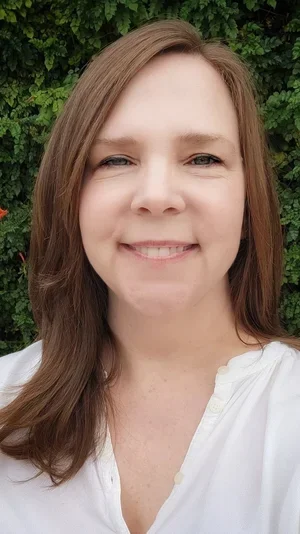
Dr. Jackie Williams-Reade is a licensed marriage and family therapist in California and Montana with a PhD in medical family therapy. She specializes in helping patients with cancer and those living with grief and loss, utilizing medical family therapy, Bowen family systems, and mind-body awareness approaches in her private practice.
Connect with Dr. Jackie:

Meet Destiny - The host of The Chronic Illness Therapist Podcast and a licensed mental health therapist in the states of Georgia and Florida. Destiny offers traditional 50-minute therapy sessions as well as therapy intensives and monthly online workshops for the chronic illness community.