
In America, a medical emergency usually means a financial emergency. Medical debt remains the leading cause of bankruptcy in the United States, with an astonishing 78% of those people having medical insurance. Even more surprising, about 85% of medical debt bankruptcies involve bills under $10,000. This is a stark reminder that for many families, a $5,000 medical bill might as well be $100,000 when you simply don't have the funds, says Jared Walker of DollarFor.
But what if there was a solution hiding in plain sight? What if millions of Americans are paying medical bills they legally don't have to pay?
That's exactly what Jared discovered when he founded DollarFor, a nonprofit organization dedicated to eliminating medical debt by making hospital charity care known, easy, and fair.
The Hidden Secret of Hospital Charity Care
Most hospitals in America are nonprofit organizations and are therefore tax-exempt. When the Affordable Care Act passed, it required these hospitals to provide "community benefit" in exchange for their tax-exempt status. One major way they fulfill this obligation is through charity care programs–offering free or reduced-cost care to patients who meet certain income requirements.
The problem? Most hospitals don't tell patients these programs exist.
"The reality is we have millions of patients declaring bankruptcy or going on payment plans for bills they don't have to pay because they're eligible for these programs," Walker explains. "Hospitals do not tell people about these programs."
Who Qualifies for Charity Care?
Many people disqualify themselves before even applying, assuming charity care is only for those in extreme poverty. In reality, the income thresholds are much more generous than people think.
Most charity care programs cover households earning up to 250% of the federal poverty guidelines. Jared even says, “I've seen policies go all the way to 800% of the federal poverty guidelines if you're in a higher-cost area like New York or San Francisco.” This means a family of four making $90,000 a year could still qualify for significant discounts.
In the Pacific Northwest, hospitals are required to provide a 100% discount to those at or below 300% of the federal poverty guidelines, with a sliding scale up to 400%.
The Process Is Hard on Purpose (When You're Already at Your Lowest)
While the law states that charity care must be "widely publicized" and "widely available," most hospitals interpret this loosely. Many simply place a poster in the ER and hide information deep on their websites.
If you do manage to discover these programs, the application process itself can be a barrier:
Hospitals often mail paper packets that you must return by mail or fax.
Applications frequently get "lost" in processing.
Documentation requirements can be substantial.
"It is hard on purpose," Walker notes.
This bureaucratic maze comes at precisely the moment when patients are least equipped to navigate it. Imagine trying to compile financial documents, make repeated phone calls, and decipher complex policies while recovering from surgery, managing chronic pain, or caring for a sick family member. The emotional toll compounds as medical bills pile up, collection calls begin, and the fear of financial ruin looms—all while your body and mind are already taxed by illness.
Many patients describe the billing process as more traumatic than their medical procedures. They're forced to relive their medical crisis with each new bill that arrives, each confusing statement to decode, and each dehumanizing conversation with billing departments. The shame and anxiety of medical debt can delay necessary follow-up care and worsen health outcomes, creating a vicious cycle.
How DollarFor Is Changing the Game
After discovering charity care's existence, Jared tested it by helping his close friends, family, and local community with medical bills. Within a few months, he had eliminated over $1 million in medical debt for people in the Portland area.
Wanting to spread the word, Jared created a TikTok video in 2021 explaining charity care. It immediately went viral with over 30 million views. This overwhelming response led to the creation of today's DollarFor.
The organization has:
Created a database of approximately 8,000 hospitals nationwide, capturing their charity care policies and eligibility criteria.
Developed a free online tool that instantly tells you if you're eligible for charity care at your hospital.
Mostly automated the application process so patients can apply directly from their phones.
Helped eliminate nearly $90 million in medical debt for patients across America.
P.S. 90 million dollars TOTAL is pennies compared to the $14 BILLION PER YEAR they are hiding from us. Jared put it much more kindly in his interview with me -
“ $90 million of medical debt relief is awesome, but every year hospitals are failing to distribute over $14 billion of charity care. So, there is plenty to go around if you are eligible.”
Important Tips for Managing Medical Bills
Even if you're not eligible for charity care, Walker offers several valuable strategies depending on your situation:
When Dealing Directly with Hospitals:
Ask for an itemized bill: About 80% of medical bills contain errors. Sometimes just requesting an itemized statement will lower your bill because hospitals remove questionable charges.
Negotiate early: Use the magic words "What is the settlement amount?" Call providers multiple times if necessary—different representatives may offer different discounts.
Consider cash pay: Sometimes paying cash upfront (without involving insurance) can be cheaper than paying your deductible. Ask about this option before treatment when possible.
Know your timeline: You have 240 days from your first bill to apply for charity care. Don't rush into payment plans without exploring all options.
If Your Bill Goes to Collections:
Don't panic (right away) about your credit score: Medical debt cannot impact your credit until a year after your first bill. This gives you time to negotiate or find assistance.
Collections may offer better terms: Sometimes, collection agencies are more willing to negotiate than the original hospital. Walker shares that one time a hospital refused to negotiate with him, so he waited for it to go to collections, and then got 30% off that bill.
Be persistent: Call the collection agency and use the same settlement amount question. They often have authority to significantly reduce the debt.
Get agreements in writing: Before making any payments, get confirmation in writing that your payment will resolve the debt completely.
There's No Shame in Seeking Help
Walker emphasizes that medical debt isn't a reflection of personal failure: "This has nothing to do with something you did incorrectly. This has everything to do with a bad system."
With over 42% of GoFundMe campaigns dedicated to medical bills and roughly 45% of Americans unable to afford a $500 emergency, these programs exist precisely for everyday people struggling to make ends meet while facing healthcare costs.
How You Can Help
DollarFor is a 501(c)(3) nonprofit funded entirely through donations and grants. While $90 million in debt relief is impressive, hospitals fail to distribute over $14 billion in charity care annually. Walker encourages people to:
Spread the word about charity care to friends and family
Consider supporting DollarFor with even a small monthly donation
With medical debt affecting millions of Americans, this information could be life-changing for someone you know.
VisitDollarFor.org to check your eligibility for charity care or learn more about eliminating your medical debt.
This blog post is based on an interview with Jared Walker, founder of DollarFor, on The Chronic Illness Therapist Podcast. For more resources on navigating healthcare challenges, subscribe to our newsletter and follow us on social media.
Disclaimer: Everything we discuss here is just meant to be general education and information. It's not intended as personal mental health or medical advice. If you have any questions related to your unique circumstances, please contact a licensed therapist or medical professional in your state of residence.
Listen to Jared’s interview with me, Destiny, on Ep 91: Eliminating Medical Debt: How DollarFor Is Helping Patients Access Hospital Charity Care w/ Jared Walker
-
Episode transcribed with AI and will contain errors that are not representative of the actual word or meaning of the sentence.
Jared Walker DollarFor
Destiny Davis LPC CRC: [00:00:00] Hi everyone. I wanted to just remind you that the welcome to the Waiting Room membership is open. We have a support group, a general support group, almost every Friday at noon Eastern, and we are starting a new group Sex and Chronic Pain Support Group, um, on May 8th, on Thursday. So the link to sign up for that is in the show notes.
And for my therapists who work with people with chronic illnesses, especially GI conditions, as well as any of you who work with folks with disordered and eating disorders, please check out Samina Qureshi's new book, comprehensive Nutrition Therapy for Co-Occurring Gastrointestinal and Eating Disorders. Link is in my show notes
The Chronic Illness Therapist Podcast is meant to be a place where people with chronic illnesses can come to feel, heard, seen, and safe. While listening to mental health therapists and other medical professionals talk about the realities of treating difficult conditions, this might be a new concept for you, one in which you never have to worry about someone inferring that it's all in your head.
We dive deep into the [00:01:00] human side of treating complex medical conditions and help you find professionals that leave you feeling hopeful for the future. I hope you love what you learned here, and please consider leaving a review or sharing this podcast with someone you love. This podcast is meant for educational purposes only.
For specific questions related to your unique circumstances, please contact a licensed medical professional in your state of residence.
Destiny Davis LPC CRC: jared Walker is the founder of DollarFor, a nonprofit dedicated to eliminating medical debt for low income patients by making charity care known.
Easy and fair. He launched dollar four in 2012 in Portland, Oregon. Inspired by his own family struggles with medical debt. What began as a small initiative has grown into a nationwide movement, and today dollar four has helped erase [00:02:00] over $75 million in medical bills, ensuring thousands of patients receive hospital financial assistance they never knew existed.
Under Jared's leadership, the organization has simplified charity care applications, advocated for policy changes, and held hospitals accountable for their legal obligations. Amazing. Thank you Jared, for the work that you're doing. I would love if you shared a little bit of your origin story and how you got this thing started and, um, then we can kind of get into how you help patients.
I.
Jared Walker: Awesome. Yeah. Thank you so much for having me. I, um, so we're just saying, I'm, I'm in the Pacific Northwest. I grew up in, uh, Portland, Oregon, and I a moment in 2012. My wife and I were sitting at home and she received a phone call. Her aunt had passed away from cancer and then. A few minutes later I got a phone call and my cousin had gone into labor seven weeks premature, and the baby needed a heart surgery to live.
So it was like [00:03:00] day, same hour. Both of our families are hit with these medical emergencies and I remember the conversations were. You know, centered around how are we gonna pay for it? Like, what are we gonna do? And that was really frustrating to me. Um, I was young, 23, 24 at the time, and it was kind of that realization that America, if you have a medical emergency, a lot of times you have a financial emergency at the same time.
And, um, I just was really frustrated by that. So I wanted, I. To help people. Uh, I looked at a whole bunch of stats at the time, um, still medical debt is the number one cause of bankruptcy in America. Um. These are the stats. Not sure that they have remained the same, but I'm sure that they are pretty close.
But 78% of those people have medical insurance. and it is usually, uh, I think 85% [00:04:00] of the people that declare bankruptcy because of medical bills, it's on bills that are less than $10,000. that was stat that like really stuck out to me because I was thinking. Oh, if you're declaring bankruptcy, it's, you know, hundreds of thousands of dollars.
And it just this realization of if you are a young family or wait, and you, you know, you get a $5,000 medical bill and, and you don't have it, it may as well be a hundred thousand dollars. Right. So especially when you have, it's like, well, you have this medical bill because. You had some type of ER emergency, so maybe that is going to impact your ability to work in the future or maybe, you know, so there's like all of these factors um, I, I wanted to help people in that situation, hopefully the financial burden of it.
And I started in 2015. Dollar for Portland. So I grew up in Portland and it was a crowdfunding platform in Portland, Oregon that helped people pay medical bills. So every month [00:05:00] I would do all these grassroots organizing and coffee shops and breweries and music venues. And um, every month we would find a family that needed help and pay medical bills for them. and it was fun. It was a, you know, small community effort, very grassroots. And, um, I did that for years and. In about 2019, found out, uh, about something called hospital charity care, or hospital financial assistance. this was earth shattering to me because, uh, I had no idea. I. But hospitals in America, most of them are nonprofit.
They are tax exempt. And when the Affordable Care Act passed, these nonprofit hospitals, which is most in America, to have, uh, charity care to provide community benefit. So basically it's like, hey, if we're going to allow you to be tax exempt. You have to provide community benefit. And how do they do [00:06:00] that?
Through charity care, um, which is free or reduced care if you meet certain income requirements. So I had been paying medical bills for families that all would've been eligible for. You know, for, for this program. Um, and that is kind of the reality is we have millions and millions of patients that are declaring bankruptcy or going on payment plans for bills that they do not have to pay because they're eligible for these programs. And surprise, surprise, hospitals do not tell people about these programs. So, uh. I have been yapping for a, a while, but that is kind of like how it got started, where Dollar four, uh, came from. Uh, you know, we were local. It went national and, uh, yeah, happy to dive in more,
Destiny Davis LPC CRC: Yeah.
Jared Walker: it.
Destiny Davis LPC CRC: Yeah. No. Amazing. Um, my only question is that income threshold, is it like only for like the lowest poverty threshold [00:07:00] or is it also beneficial to folks in the next income bracket, like lower to middle, to upper middle class? What is that kind of, or does it change state by state?
Jared Walker: Um, oh man. I wish it was that easy. It is different at every single hospital, so, uh, there are some states that have, that have put minimums on it. but every hospital is allowed to make their own policy around this and. I would say that most of the time people disqualify themselves. It is much more generous than people think. Um, a lot of people think, okay, well I didn't qualify for food stamps, so I'm not gonna qualify for this. Or I, I, you know, I got denied for Medicaid. Usually these programs will go up to about 250% of the federal poverty guidelines, so can be a family of four and making. a year and still be eligible for some type of discount. [00:08:00] Um, can be, you know, and you're in New York or if you are in San Francisco or like, it's usually based off of the cost of living in the area. What is the average cost of a home? Like all of these different factors. And so I've seen, I've seen policies go all the way to 800% of the federal poverty guidelines if you're in a higher income area. Um. Here in the Pacific Northwest, the, uh, every hospital's required to give you a 100% discount if you are at or below 300% of the federal poverty guidelines. And then they have a sliding scale up to 400. So more generous than people think. Um, I think a lot of times you, you have like, uh, what do they call that?
Like the benefits cliff kind of thing, where it's like, okay, well, um, I. Make just too much money to qualify for these other programs. Um, and I feel like [00:09:00] Charity Care is exactly for those people. The people that are like, uh, you know, lower middle income households.
Destiny Davis LPC CRC: Well, that's really relieving to know and hear and yeah, that was my thought too. Like a lot of people are in this, it's like wild, but they're just in this position of I actually make more than what is considered considered poverty, yet I. I have to pay for exponentially more than other folks might have too.
And it's just, yeah. Um, yeah. I'm curious, uh, has anything do you know, been deregulated further? For example, this is kind of wild, but due to. Due to a CA Reg reg deregulations in Trump's first presidency. Um, this past summer I was denied a non a CA plan for preexisting condition of anxiety, and I'm like.
Come on now. Like everybody, I mean, so many people in this country have been given that diagnosis just [00:10:00] to like get therapy covered by insurance. So, I mean, not that it's a false diagnosis, but just it's on a lot of documentation. So I'm curious if you have, like, if anything else has changed. Um, not necessarily.
I know insurance is not like your area of expertise, but just in your work, has anything else been changed as a result of a CA deregulations or other policies?
Jared Walker: So far I have not seen anything. Um, I, I think that. There is the law and the, the Affordable Care Act. So Section 5 0 1 R of the Affordable Care Act saying, okay, you have to have charity care, but there are, um, that, you know, that is for nonprofit hospitals and almost every for-profit hospital also has these programs.
Um, so I think that, know, if, let's just say even if they were to abolish the a CA and you know, it. I know that there's been talks about that. [00:11:00] It's like, I still think that most of these hospitals, they wouldn't be able to afford, they wouldn't be able to afford like the PR mess that that would be of like, oh, we're gonna get rid of our charity care programs.
So I still think Charity Care is gonna be here for a while.
Destiny Davis LPC CRC: Okay.
Jared Walker: and it just so happens, I mean, we've had this for over a decade and hospitals have been able to. Kind of double dip, right? They get all of the benefits of being tax exempt, yet they're not fulfilling. The one thing that is what gives them their tax exemption
Destiny Davis LPC CRC: Yeah.
Jared Walker: care.
So, most hospitals are, are doing a very, very poor job of telling patients about these programs. Um, we are just trying to make it more known and accessible. Um, and we can get into that. I mean, hospitals do wild on, you know, keeping this from patients and all of that.
Destiny Davis LPC CRC: Yeah. Um, do you want to talk about that a little bit? That might just be an an interesting. Yeah. [00:12:00] Tidbit of like, because maybe in talking about it, it'll also exemplify, give people a lot more tangible stories of like, okay, this is happening and then this is how I can circumvent that or go for that. Yeah.
Jared Walker: Yeah. So what we see and, and I try to not like I. Just totally rip hospitals apart. But I, I, I will say like, um, these are not like outliers. I'm not talking about like, oh, there's like one or two hospitals that are, you know, playing by the rules. Like almost every hospital is doing a poor job of, of this.
And, uh, you know, the law says that the language in the law is that these programs must be widely publicized. available. That's pretty much it. you have to have a policy. It has to be widely publicized, it has to be widely available. What does that mean? Most hospitals have said, okay, well we put a poster in the er and now it is widely publicized and it is widely available because we have it [00:13:00] hidden somewhere on our website.
So, uh. How, you know, how do you apply? Let's pretend you're a patient and you find out about these programs, uh, and you say, okay, well I'd like to apply for charity care. What do I do? Most hospitals will send you a packet in seven to 10 business days through the mail, and then they will ask you to mail it or fax it back to them. it
Destiny Davis LPC CRC: Yeah.
Jared Walker: a process that is like, oh, here, it's this like, easy thing. You have to jump through the hoops and provide all the documentation and, and all of that. So. It is very like. know, we say we, we try to make charity care known. Easy and fair. One. No one knows about it. Hospitals don't tell people about it. Even if you do know about it, it's not easy. These applications are not easy, like even finding the application or sending it back or whatever. They lose the applications all the time. They, you know,
Destiny Davis LPC CRC: Yeah.
Jared Walker: things. Uh, no one has a fax machine. No one, like, it's just a wild, and [00:14:00] then at the end of the day, it's not fair. I could get into that, but it is, yeah, there's, um, you know,
Destiny Davis LPC CRC: So they're, they're using the same tactics as the insurance companies.
Jared Walker: I mean it's, it's very much a, um, you know, uh, yeah, it's, it's, how do I say that? It's like, it is hard on purpose, right? So.
Destiny Davis LPC CRC: Yeah, exactly.
Jared Walker: That's where, and I think, you know, dollar four. What's funny is, so I found out about Charity Care and I'm still, you know, Portland, Oregon.
I'm, I wanna like test it out. I'm like, does this actually work because it sounds too good to be true. So I, you know, go to, like, I knew people that had medical bills 'cause I was doing, you know, the crowdfunding piece. So I'm. You know, trying to find people, Hey, can I test this out? Can I see if I can get your medical bills waived?
And, um, in a few months I got over a million dollars of medical debt to be cleared for [00:15:00] people in the Portland Metro area just by jumping through the hoops and diving into these policies and trying to figure this out. I, I realized like this is something pretty big, uh, that nobody knows about.
And. From there, I was trying to get the word out and to journalists and news stations and like, there wasn't a whole lot of interest around running, you know, a big story on charity care. Um, so my little sister was like, Hey, get on TikTok and just make TikTok videos. So at the beginning of 2021, like right in the middle of, you know, covid lockdown kind of stuff, it was. I made my first TikTok video and it just was, is what charity care is and this is how you find your hospital's application. Um, and it went crazy viral,
Destiny Davis LPC CRC: Of course, of course it did.
Jared Walker: so it was just.
Destiny Davis LPC CRC: on those news, shame on those news channels and news stations. It's like, [00:16:00] just shame, because that obviously would go viral even if you went traditional media route, um, because this affects so many people. So it just begs the question, not that I'm asking you to answer it, but like why, why would they not run that story?
Jared Walker: I, I was scratching my head about the same thing because it was really like, what, what we had is we had a couple, I mean, even at the time, like I, uh, time, time reached out and they're like, Hey, we would like to do a, a story on this. And I was like, oh, this is it. This is like the big break. what people wanted, and still, I feel like what media wants is they want. Uh, either like a sob story or something to, to make people angry. So they are always looking for, us a patient that has a really, really big medical bill. And we had a patient that had about a $230,000 medical bill we were able to get it waived, but the article focused [00:17:00] solely on. The bill and how annoying it was that it was so big.
And obviously that's like, yeah, that's a part of the story, but the bigger part is we got this waived, we got the entire bill to, to disappear for this patient. and it was kind of like in, you know, oh, and the patient was able to get it waived through dollar four, blah, blah. And it was like a side note where in it should have been like the main Like, Hey, charity Care exists and you don't know about it. And, um.
Destiny Davis LPC CRC: Yeah,
Jared Walker: I had to go to, had to go to TikTok.
Destiny Davis LPC CRC: so thankful for that. Um, oh yeah. And so what does your work look like these days?
Jared Walker: So the work is, so after 2021, I mean, at the end of this video I tell people, Hey, you know, I have zero followers. This is my first video, so I'm expecting 10 people to see this video. Um. And at the end of it, it was like 30 million people had seen it. So it was like we were in trouble because Dollar four was just [00:18:00] me at the time, and I told people if they needed help to DM me.
So it was like one of those moments, uh, I got on a podcast called An Arm and a Leg, uh, with Dan Weisman where they talk about, you know, healthcare and, and all of that. And. Because of that podcast, we got a bunch of volunteers and from that we created a database of every single hospital in the country. We have about 8,000 hospitals.
And, um, we captured all of their charity care data, all of their policy, uh, information in eligibility criteria. So a patient, because what was happening is people were DMing me saying, I have a bill at this hospital. am I eligible? And it's like, well, I need to know more information. So I'm, you know, trying to go back and forth with people. Uh, so we created a tool where if you go to dollar four.org, you can put in your household size, your income, and what hospital, [00:19:00] uh, and how old the bill is. Those are the questions. And then it will tell you if you're eligible at your hospital. So immediately get an answer to see if you are eligible.
And then we've taken it a step further where we have. Mostly automated all of the applications. So we found all of the hospital applications and then we mapped all of their information so that we created a digital form where you can fill it out on your phone, tablet, computer, and it will take your data and map it into the correct hospital form.
'cause again, hospital has a different form, different application, all that. Um. So then our patient
Destiny Davis LPC CRC: Wow,
Jared Walker: submit it to the hospital and advocate, uh, on their behalf. And we've been able to eliminate now almost $90 million in medical debt for people.
Destiny Davis LPC CRC: that is phenomenal. Um, can a bill be, can you apply for a bill reduction after it's gone to collections?
Jared Walker: Uh, yes, but so the, uh, probably the most popular [00:20:00] question we get, uh, yes. Collections. So the rule is. You? Well, the federal law is that you have 240 days to apply for charity care from the time that you receive your first bill. So you get that bill in the mail clock is ticking. You got 240 days. there are some hospitals in some states that have extended that deadline, but just for averages and all that 240 days, usually get sent to collections after. days. 120 days. Right. can be in collections but still be eligible for charity care. Uh, so we have gotten, yeah, they will pull it out of collections and, you know, apply the discount or waive it if you are within the 240 days. Um, great question. Collections are, um, really annoying. Obviously they're going to call you and pester you a whole bunch, but there is. [00:21:00] it is not the end of the road. It's not game over when you are sent to collections, uh, it's just, you know, it, most of these collection agencies are either owned or, I mean, they're, they're contracting out with the hospital. So it's like you tell collection agency, Hey, I'm gonna go apply for charity care, uh, the hospital can very easily take that over and hopefully apply the discount.
Destiny Davis LPC CRC: Gotcha. Okay. And do you happen to know, I think the, the law has changed a couple times over the last year around like medical debt and collections is the current law that, um, they can only, uh, put it on your credit one year after it goes to collections or one year after the first bill has been given.
Jared Walker: Yes.
Destiny Davis LPC CRC: And then I think there was another aspect to that. Hmm. Oh, and then if you pay it off, even after it's on your credit, if you pay it off at no matter what time, how long timeframe they have [00:22:00] to delete it from your credit. Is that accurate?
Jared Walker: Um, yeah, so there's, it is frustrating because this has been like, so the CFPB came out just a few months ago and said, Hey, medical debt will no longer impact your credit at all. And I believe that they're still fighting, that that is not being been implemented. We are hoping
Destiny Davis LPC CRC: I
Jared Walker: will be implemented.
Destiny Davis LPC CRC: that they actually like, were like, Nope, that's, it's like no longer allowed, but I could be wrong on that
Jared Walker: I, I know that there, don't know what I'm allowed to say on
Destiny Davis LPC CRC: or, oh.
Jared Walker: well, I'll, you can cut this or whatever, but, um, there is a lawsuit happening right now that, and we, like, we helped provide patient stories and stuff for that. So we are hopefully like. We'll see what happens. But, um,
Destiny Davis LPC CRC: Okay, I'll cut that and yeah, we can just not talk about it.
Jared Walker: the rule at the rule that happened before that though, was, yes, you have one year from the time that you get that [00:23:00] first bill until it can impact your credit. a lot of times people hear collections and they think, oh, my credit's gonna get tanked. Well. That is usually not the case because again, they're gonna send you to collections the year, and then it will not impact your credit score until a year of no payment. If you have a bill that is under $500, that cannot impact your credit, that is, that's been finalized. if you do have a bill in collections, that is impacting your credit score, if you pay it. It should restore the credit that has been damaged. Um, I have heard like that is the rule, but I've also heard where you, you kind of have to call and fight with them. Hey, I paid this, whatever. Um, you know, I, I always tell people like I. Take a deep breath. You know, you got this bill. Yes, but you, you do have, you have a year. You know, you could, you [00:24:00] can save whatever you can. You could, you know, like if you're not eligible for charity care, if like you can't get into these other programs, do have time before it will actually impact your life. Um, so you can kind of make a plan.
Destiny Davis LPC CRC: Yeah. Yeah. Um, and then a little side note that I learned along the way is that a lot of these collection agencies will, um, some are like only around tax time or, but if you call them, in my experience, you can like either slash your bill in half or 40% or 30% and just pay the collection off. Is there any like.
Is there any reason you would advise against that? Like say you're past that year, mark, you can't even apply for charity care. There's nothing. Is there anything else that you could do before you kind of go into negotiating a settlement fee? A settlement with the collections?
Jared Walker: Um, tell people step one, like, see if you're eligible for charity care. If
Destiny Davis LPC CRC: Mm-hmm.
Jared Walker: um, say, you know, 80% of medical bills have errors in them. So [00:25:00] you can, uh, if you want to really get into the weeds, like ask for an itemized statement, you can look at, you know, you can use a website, I think, uh, you know, healthcare Blue Book or something like that where you can put in. The CPT code. See, like, did this actually happen? The, the other thing that people talk about a lot is, you know, the, the $50 bandaid or the, you know, a hundred dollars aspirin type thing, like, you can, you can, uh, dispute those and try to get it lowered. Sometimes just the act of asking for an itemized bill will lower the bill because they,
Destiny Davis LPC CRC: Yeah.
Jared Walker: stuff. and then if you know that is too much or, or you don't have time for that, or it, or it comes out clean. Definitely the negotiations piece. And I always tell people like the magic words are what is the settlement amount like? They are willing to negotiate almost always, and whether it's at the hospital or the [00:26:00] provider or the collection agency, it, it can also, that can impact what they're willing to negotiate, so. One example I had, I had two bills from, uh, labs. I went and got like blood work and stuff. was $1,200 and I called the provider and I said, I. Hey, what's the settlement amount? I have cash. What can I get it down to? I got it down to like $380, so they will take a big chunk off of that. The second bill at the same place, um, was like $300 or something like that, and they refused to negotiate it. They just would not, so I said, okay, well, I will wait until it gets sent to collections. Maybe the collection agency will negotiate. And I know that it's not gonna impact my credit because I have a year. waited until it got sent to collections then I was able to get, I think 25 or 30% [00:27:00] off of that bill with the collection agency.
So I always tell people, you can negotiate. These are mostly fake numbers. Like almost always you can negotiate. Um, it is a pain in the ass.
Destiny Davis LPC CRC: Yep.
Jared Walker: have to set time aside because you will be waiting on hold for probably a long time, and you have to be that person. You know, Hey, I want to talk
Destiny Davis LPC CRC: Yep.
Jared Walker: Hey, I, you know, I'm like, I will. I will call a place usually three to five times and ask that question, what is the settlement amount? What will you take right now today? And if they say. You know, if they give me an amount that I don't like or if they're not willing to, I will hang up and call again next week and talk to somebody else that might be willing to.
So it is a
Destiny Davis LPC CRC: Yep.
Jared Walker: but it works.
Destiny Davis LPC CRC: Yeah, absolutely. Yes. I had a so wild. But, um, here in Atlanta, there's a really, I mean, I think some of these [00:28:00] hospitals are just better than others with this, but I, I had an ambulance trip and. They just sent me a bill for $50. They had, I think, I don't know if it was charity care or what, but like they already had just reduced it for being a non-insured, and then I called and gave them my insurance.
So you might guess what happened
Jared Walker: uh, I,
Destiny Davis LPC CRC: and that turned into $1,700. That went to collections.
Jared Walker: Yeah. That is the, um, oh, it's so frustrating. So. A little bit more context on those two bills that I was talking about, the $1,300 one, my insurance was not applied, so I got it down to 300. The reason why they wouldn't negotiate that other one is 'cause my insurance was applied
Destiny Davis LPC CRC: Yep.
Jared Walker: it was just like, it was a totally different scenario.
So sometimes, yeah, the cash pay rate. Can be cheaper than what the deductible would be if you had [00:29:00] So asking question on the front end, uh, can be very helpful. And obviously these are, you know, every scenario is so different because you might not have that privilege when you are running to the emergency room.
Like
Destiny Davis LPC CRC: Right,
Jared Walker: very, uh. Seldom do we see people that are like, oh, let me plan ahead for this, like, trip to the hospital, right? Like, it's hard to think ahead of, of these things. Uh, but if you can, know, you can do a little research. Maybe there's a clinic a couple more miles away that is a lot cheaper and, and all that.
But again,
Destiny Davis LPC CRC: Yeah.
Jared Walker: these things are not planned.
Destiny Davis LPC CRC: Yeah, absolutely. Yes. Um, what else feels important about Dollar Four's work? I'm curious how you all make your money. Like do you get donations from, what is, how do you make money to then do the work that you're doing?
Jared Walker: Yeah, so we are a, uh, nonprofit. We are 5 0 1 C3. We are fully funded through donations. Um, so [00:30:00] all through philanthropy we have, uh, individual donors. We have grants, foundations. Um, do not get any like government type funding, but it is all through philanthropy. Um, All of our services are completely free.
Like I think the most important thing, you know, to, to have people know is that like Charity Care exists and there's a nonprofit that will help you it and access it. Uh, and it's free. So dollar forward.org you can see if you're eligible. Um, I have saved my own family and friends, you know, tens hundreds of thousands of dollars just by. Letting them know this. So like even if you don't have a medical bill right now, one, you might have one in the future, or you most likely know somebody that does and could use this information. Um, we have all given GoFundMe for, you know, hospital bills. I was talking to people at GoFundMe. They were saying that over, I think it's like 42% of [00:31:00] all of their campaigns are for medical bills.
Uh,
Destiny Davis LPC CRC: That's great. Yes. So they even, they lobbied against, or I don't know, this is hearsay. Allegedly they lobbied against, I don't know, some policy bill, whatever, that would've helped with medical costs in the us.
Jared Walker: Oh yeah, it's, uh, it's a very, yeah, I mean, it's one of those, uh, yeah. I mean, you can, you can lose everything if you get sick and it's just, uh,
Destiny Davis LPC CRC: Yeah. Yeah.
Jared Walker: not aism. I always tell people, you know, there, there is no, there's no shame in this. Because I do feel like no matter what, just debt, like there's association, there's just shame associated with any type of debt. And, uh, I just tell people like, this has, this has nothing to do with something that you did incorrectly. This is everything to do with a bad system. And, um, charity care exists. [00:32:00] Has, you know, mo mostly been hidden, uh, from people, but like, it is exactly, it is exactly for you. Like if you are living paycheck to paycheck and like, you know, you get that medical bill, the, I mean, what is it, 40, 45% of Americans would not be able to afford a $500 emergency?
Like that is for you. This is a program that is for you. So, um, yeah, I'm trying to think. I mean, nothing else really super important about dollar four other than. It's free and you should see if you are eligible.
Destiny Davis LPC CRC: Yeah, so you have the tool that's on your website. Um, and then are there other services like phone services that you are like walking people through things or is it kind of just this app? Yeah. What else? Um, do, does Dollar Ford, what are all of the different things that Dollar Ford does for patients?
Jared Walker: Yeah, so we, unfortunately we do not have a, like a call center right now. We're, we're pretty small, uh, organization still. We, um. Everything is through text, email, um, [00:33:00] and we're we're, we're trying to see what it would be like if we were to open up a, a phone, a phone line. Um, but we're gonna help you with, with a hospital bill.
Uh, and again, charity care is like, it is for hospital bills. If you go to. Maybe a physical therapy appointment or something like that. Most likely they're not gonna have a charity care program. Uh, but if you are at a hospital and you get, you know, um, imaging, you have a sur a bill from the surgeon, anesthesiologist, any of these things, most of the time those can be, uh. Eligible for charity care as well. and that is like what we do best. And then if we are not able to help with that, we have the like, medical bill negotiation tips and tricks and videos and scripts, uh, on our website, uh, template letters for, you know, uh, hardship letter, appealing insurance. You know what?
Whatever it may be. [00:34:00] Um. Other resources, but I would say like charity care is kind of the, the bulk of what we do. Um, and I think you asked something else in there. Uh.
Destiny Davis LPC CRC: Just, yeah, that was just, I think if there were any roles that, any other kind of things that you dollar four does right now. It is, it is just kinda helping people with charity care through the forms on your website. But, uh, you also answered like, you also have these scripts so people can also do some of this stuff on their own.
Um, that feels doable. And then you guys are helping. I, I guess, yeah. Can you explain a little bit further around, like, they reach out to you guys through your website and are you actually doing some legwork with the. Between the hospital and that person, or are you kind of just saying, you know, here's the forms, this is what are you guiding them how to do things themselves or both?
Jared Walker: uh, uh, I would say both. Um, sometimes so. The most important thing that hospitals want to see when you apply for these programs is proof of income. [00:35:00] So three months of pay stubs, tax return, like all of that. Obviously some people don't wanna share that. So, uh, we have all of the, like, you know, self-service, you can do this all yourself here.
All the tools type of things for people that have, you know, might be more, uh, have more privacy concerns. Um. For, for people that do want us to help them through the process, we have all of the forms, all of that automated so that they can do that very easily on their phone, computer, tablet. And then once we get the application, we're gonna look it over and make sure that everything looks good.
We will send it to the hospital on their behalf, and then we will check in with the patient and the hospital for. think six weeks or, or whatever, until hopefully there's a resolution. So, um, we obviously will give the patient any information that they need. Like, Hey, here's the hospital number. Here's like, you know, look out for a letter.
You're probably gonna get some type of communication from the hospital. [00:36:00] If not, then we are, we are following up with the hospital and pestering them or whatever. And then in some cases we'll get. Pretty involved. If there, if we see that there's some fishy stuff going on, um, we will denials or, or whatever.
So, um, but hopefully that's not needed.
Destiny Davis LPC CRC: That's great. That's great. And how could people support dollar four? I.
Jared Walker: oh man. Uh, you can always spread the word. Again, medical debt is a huge problem, uh, in, in the US and I will say like. $90 million of medical debt relief is awesome, but every year hospitals are failing to distribute over $14 billion of charity care. So, uh. There is to go around if you are eligible.
So tell people about charity care. Um, and then obviously you can donate. Uh, you know, we have a, a pretty good community of people that are [00:37:00] just giving, you know, five bucks a month. Uh, and that is a tremendous help when you are doing this work and trying to provide a free resource to people, like a small army of donors, uh, really can be a game changer.
So, uh, that those, you know, two easy ways to, to support.
Destiny Davis LPC CRC: Yeah. Amazing. Thank you so much. Um, I really appreciate Yeah, you sharing this information, doing this work and, um, I'm looking forward to sharing this with everyone.
Jared Walker: Thank you so much.
Destiny Davis LPC CRC: Um, and I'll let you know, Jared, uh, when I'm, I'm actually, I think I'm gonna try and get this out next week or the week after. Usually I have a longer turnaround, but I think I'm gonna try to bump this one up in my list.
So we'll see. I do have two kids, so that's.
Jared Walker: No, no worries. Take your time. And we have, I mean, we're not like. Big influencers or something. But we do have, think, 60,000 people that follow us on Instagram and then like 90 on TikTok. So once, I get whatever assets you have or if
Destiny Davis LPC CRC: Mm-hmm.
Jared Walker: and you wanna do like [00:38:00] a, a co collab post or
Destiny Davis LPC CRC: Collaboration. Awesome.
Jared Walker: to do that.
And then, um, yeah, we'll, we'll promote it once it, once it comes out.
Destiny Davis LPC CRC: Love that. Yeah, I'll send you, I usually send like an email script, which you can edit, change how you want a few reels. Um, AI does a lot for us now, so it's a little bit easier. All right. Thanks so much, Jared. I'll see. I'll talk to you soon.
Jared Walker: Thank you. Appreciate it.
Thanks for listening. If you learned something new today, consider writing it down in your phone notes or journal and make that new neural pathway light up. Better yet, I'd love to hear from you. Send me a DM on Instagram, email me or leave a voice memo for us to play on the next show. The way you summarize your takeaways can be the perfect little soundbite that someone else might need.
And lastly, leaving a review really helps others find this podcast, so please do if you found this episode helpful. NPS Clicking, subscribe ensures you'll be here for the next episode. See you [00:39:00] then.
Listen to Jared’s interview with me, Destiny, on Ep 91: Eliminating Medical Debt: How DollarFor Is Helping Patients Access Hospital Charity Care
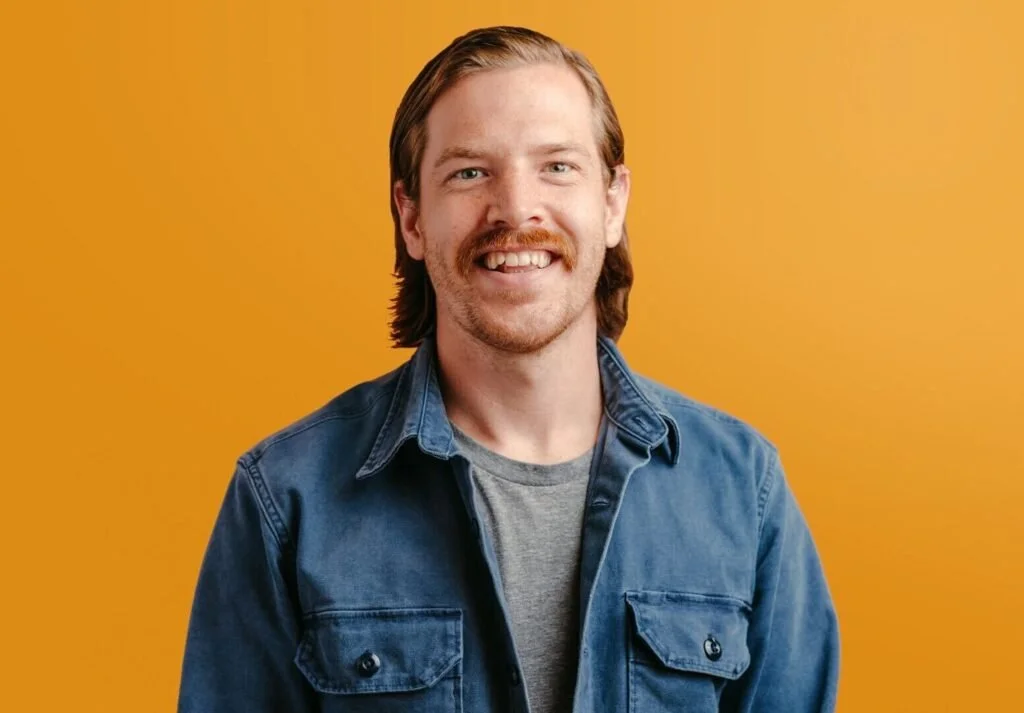
Jared Walker established Dollar For in 2012, based in Portland, Oregon. His inspiration came from witnessing his family's struggles with medical expenses, which ignited his passion to create change. Today, Jared leads with determination to eliminate burdensome medical bills while making charity care programs known, easy, and fair.
Connect with Jared:

Meet Destiny - The host of The Chronic Illness Therapist Podcast and a licensed mental health therapist in the states of Georgia and Florida. Destiny offers traditional 50-minute therapy sessions as well as therapy intensives and monthly online workshops for the chronic illness community.