
When Your Body Becomes a Problem to Solve: Navigating Endometriosis, Medical Trauma, and Identity
There's a particular kind of desperate hell that comes from sitting in a doctor's office and being told, again, that nothing is wrong. Or that what you're describing can't possibly be that bad. Or that maybe it's just stress, or hormones, or your imagination.
If you've lived this, you know what I'm talking about.
I sat down with Candice Craft, a licensed marriage and family therapist in California who specializes in complex chronic illness, to talk about something that doesn't get enough attention in our field: the layered, complicated reality of living with endometriosis and adenomyosis. Candice brings both professional expertise and personal experience to her work, and what she shared felt like exactly the conversation a lot of us have been needing.
The Gaslighting Comes First
Before any real therapeutic work can happen, Candice told me there's usually one thing that has to be addressed: the medical gaslighting.
So many people walk into her office with stories that begin with "this might sound weird" or "I know this can't possibly be true." And her response is simple but, honestly, kind of revolutionary in this space: "You tell me something and I believe you."
That sentence shouldn't feel groundbreaking, but it does. Because by the time someone gets to a therapist who actually understands chronic illness, they've often:
Seen ten or more doctors who couldn't (or wouldn't) help
Been told their pain was anxiety, IBS, stress, or just "bad periods"
Spent significant money trying to find someone who'd take them seriously
Started doubting their own experience of their own body
Candice pointed out something I keep coming back to: providers inside a broken system often don't realize the impact of that system on patients. So patients arrive carrying years of accumulated dismissal, and one of the first jobs of therapy is helping them untangle that dismissal from their own narrative.

Why Endometriosis Is Especially Hard
Endometriosis and adenomyosis sit at a particularly painful intersection. Historically, women's pain has been discounted, which means research, training, and clinical awareness have lagged behind. Add in the financial barriers to seeing specialists who can actually diagnose and treat these conditions, and you have a recipe for people falling through cracks that shouldn't even exist.
Then there's the treatment piece. For years, ablation was considered the gold standard for endometriosis, but we now know excision is far more effective. Which means a lot of people have been through multiple surgeries that didn't work, and now have to find their way to one of the few excision specialists, many of whom are out of pocket.
The grief that lives in that experience is enormous.
What I Hadn't Considered
One of the things that struck me most in our conversation was Candice talking about the overlap between endometriosis and sexual trauma.
Going into surgery means trusting someone with your body while you're unconscious. For people with sexual trauma histories, that can activate responses they may not even consciously connect to surgery itself. The body just knows something feels unsafe.
This is why she does so much somatic preparation before surgery, using Brainspotting (a sister modality to EMDR) and internal family systems parts work. The goal isn't necessarily to process every trauma. Sometimes it's just to help the nervous system feel safe enough to even have the logistical conversation about scheduling the procedure.
When we go straight into problem-solving mode, we tend to skip the body. And the body stays stuck.

The Identity Piece
Candice talked about how easy it is to lose your identity to chronic illness, especially when you're knee-deep in appointments, prescriptions, and research. There's so much to manage that "you" can disappear inside of it.
But here's what I loved about her take: integrating your diagnosis into your identity isn't a bad thing. There's a lot of content out there about not identifying with your illness, and there's a time and place for that. But the goal isn't to disown the experience. The goal is to do enough of the work that the illness doesn't have to take up all the air in the room.
When the work is done well, you don't have to talk about it as much because it's just integrated. It's part of who you are, but not all of who you are.
Candice put it this way: she wouldn't be the therapist she is without her own complex health history. We lose some capacities, and we grow new ones.
When Partners Are Involved
Candice does a lot of couples work, and she shared something that I think a lot of people need to hear: when one partner moves into a caregiver role, the other partner can start to feel like a problem to be solved instead of a person to be loved.
Her suggestion: create containers for the hard conversations. Maybe at dinner once a week, you talk about symptoms, treatment decisions, fertility, all of it. Outside that container, you intentionally find the next thing. The joy. The life that exists beyond managing the condition.
This doesn't mean you can only talk about it at prescribed times. It means everyone's nervous system gets to relax knowing there's space for it, and there's also space for everything else.
She also brought up consent, outside the sexual context. Asking your partner, "Do you have the capacity to talk about this right now?" before launching into a hard conversation. That little pause changes everything.
What I'm Sitting With
What I keep coming back to from this conversation is Candice's comment about sitting with suffering. She said she has a high tolerance for sitting in the room with things that can't be fixed, and she won't look away.
Trying to fix something that isn't fixable isn't actually helping. Sometimes the most therapeutic thing is just refusing to leave someone alone in their reality.
That's what good chronic illness work looks like.
Listen to the full conversation with Candice Craft, LMFT on the latest episode of The Chronic Illness Therapists Podcast.
Disclaimer: Everything we discuss here is just meant to be general education and information. It's not intended as personal mental health or medical advice. If you have any questions related to your unique circumstances, please contact a licensed therapist or medical professional in your state of residence.
Destiny Davis, LPC CRC, is solely responsible for the content of this article. The views expressed herein may or may not necessarily reflect the opinions of the guest.
The content in this blog post comes directly from a real, human interview between Destiny and her guest on The Chronic Illness Therapist Podcast. This written version was formatted using AI. Listen to the full episode to hear the actual conversation.
Listen to my full conversation with Candice Craft on Ep 127: When Your Body Becomes a Problem to Solve: Navigating Endometriosis, Medical Trauma, and Identity
Listen on Spotify
-
Episode transcribed with AI and may contain errors that are not representative of the actual word or meaning of the sentence.
Candice Craft LMFT: [00:00:00] the other thing that I didn't touch on yet that I was thinking about a moment ago when you were talking about identity is, I'm using the word or the term women a lot, but I wanna also acknowledge that lots of gender non-conforming folks.
Yeah, trans folks, they are experiencing endometriosis too. And the implications on identity are so hard.
The Chronic Illness Therapist Podcast is meant to be a place where people with chronic illnesses can come to feel, heard, seen, and safe. While listening to mental health therapists and other medical professionals talk about the realities of treating difficult conditions, this might be a new concept for you, one in which you never have to worry about someone inferring that it's all in your head.
We dive deep into the human side of treating complex medical conditions and help you find professionals that leave you feeling hopeful for the future. I hope you love what you learned here, and please consider leaving a review or sharing this podcast with someone you love. This podcast is meant for educational purposes only.
For specific questions related to your unique circumstances, please contact a licensed medical professional in your state of [00:01:00] resident.
Destiny Davis LPC CRC: Candace Craft LMFT is a licensed marriage and family therapist.
Practicing in the state of California via telehealth. She specializes in integrative therapeutic care for clients with complex trauma and complex chronic illnesses. Both professional and personal experience contribute to her deep knowledge of what life is like with chronic conditions like Lyme disease, long COVID, ME/CFS, PCOS, and endometriosis.
Before becoming a therapist, Candice was a medical assistant and case manager for an integrative physician treating Lyme disease and neuroimmune disease. Through this work, Candice discovered a significant gap in care and a lack of Lyme-literate and chronic illness-informed psychotherapists. She aims to fill that gap and provide affirming, somatically oriented and medical trauma-sensitive care.
Well, thank you so much for being here, Candace. Could you maybe tell us a little, a little bit about where you practice and how you got into chronic illness work in general?
Candice Craft LMFT: Absolutely. Um, so I'm Candace Kraft. I am a licensed marriage and family therapist [00:02:00] in California.
I live in the Sierra Foothills, but I entirely see clients online and my specialty is complex, chronic illness, um, mostly Lyme disease, ME/CFS. Uh, mold, illness and endometriosis. Mm. I kind of landed here, you know, it was a personal experience, a point of lived experience. Point of reference is my own experience in the whole journey of healing a body that is quite complex.
Destiny Davis LPC CRC: Yeah.
Candice Craft LMFT: Um. But I also worked for doctors for about seven years who were treating complex chronic illness, and I saw a significant gap in care. There weren't a lot of therapists who were well versed in chronic illness and medical trauma. Yeah. So, you know, there weren't very many referrals for the doctors to refer to, and it kind of solidified my decision to become one of the referrals.
So, yeah. Yeah, it's a makes sense, [00:03:00] personal and professional experience and that kind of dances together when I'm working with clients. Um,
Destiny Davis LPC CRC: yeah.
Candice Craft LMFT: And I think that helps because I think when we automatically do speak their language when they're coming to us, I think there's less of a risk of, uh, compounding that isolation, you know?
Destiny Davis LPC CRC: Yeah, absolutely. I'm curious, you know, as you've become part of the change, um, in this field of, you know, that it's true, there used to not be. A lot of therapists who, I mean, I've even, uh, talked to more seasoned therapists who are like, yeah, I, I have had a chronic illness my whole life, but I never once thought about it in the therapy room.
And I'm just curious, like if you have a, um, thoughts or ideas about how and why we, we were at that place and, and Yeah. Any, you know, why was it like that?
Candice Craft LMFT: Yeah. You know. It was interesting working for doctors. Um, and also at the same time having my own health challenges. I would pick up the phone and be talking to [00:04:00] patients, and I was a medical case manager and a medical assistant, and a lot of them would be disclosing what their day-to-day felt like emotionally, and I just felt like.
Okay. I'm not trained to hold this, but who is?
Destiny Davis LPC CRC: Yeah,
Candice Craft LMFT: why? Why are we, why is it me getting this information right now? Why don't they have other supports? But then also, why not me? Yeah. Why can't I be that person then? You know?
Destiny Davis LPC CRC: Absolutely.
Candice Craft LMFT: And I think that's really what. Made me realize, oh, this is so needed.
Because it started to spill out just in the work I was doing as a medical assistant. Like, Hey, I need a refill, but also I'm devastated that the symptom won't go away. You know, I'm devastated. I need this refill. And so it's like bleeding into the, the medical setting in a way that you really can't avoid.
I don't think we can
Destiny Davis LPC CRC: ease
Candice Craft LMFT: with this. Client population.
Destiny Davis LPC CRC: No, absolutely. What is it, like, what do you hear the most when, when clients first come in to see you without, of course, giving specific, you [00:05:00] know, client, client, uh, like exactly what clients have said to you, but what is the overarching theme that you tend to hear a lot in the beginning of treatment?
Candice Craft LMFT: Hmm, that's a really great question. I feel like at first, there are so many clients that come to see me that have been medically gaslit that often feel like they have to preface things with, like, this might sound weird, or, I know this sounds like it can't possibly be true. And oftentimes that's the very first thing we kind of have to process through.
You tell me something and I believe you.
Destiny Davis LPC CRC: Yeah,
Candice Craft LMFT: I just believe you, and I think that's the thing that hits me the most and breaks my heart every time I hold space for a new client. Just the undoing of the medical gaslighting every time. It's even making me feel emotional right now. Like. That piece of it shows up every time I'm holding space for a new client, and it just makes me realize how pervasive it is through our whole [00:06:00] healthcare system.
Destiny Davis LPC CRC: Yeah,
Candice Craft LMFT: and I don't think that, I mean providers that are part of the system, I think because they have to. Work as part of a system that is broken, they don't realize the impacts of it.
Destiny Davis LPC CRC: Mm-hmm.
Candice Craft LMFT: So by the time clients come to us, there's all these things, all these threads we have to pull to start to disentangle that gaslighting from their own narrative about their experience.
Destiny Davis LPC CRC: Yeah. What makes adenomyosis and endometriosis so, um, particularly prone to this kind of medical gaslighting.
Candice Craft LMFT: O Yeah. Yeah. Uh, I mean, for so long I think we know that, um, you know. Gender bias in healthcare, gender discrimination? I think, um, systemic oppression shows up in healthcare, and I think because we've often discounted women's pain, historically, there hasn't been enough research or medical awareness and knowledge to not gaslight women or to [00:07:00] not misdiagnose them or blame their pain on difficult periods.
Or maybe you have IBS. Or maybe you're not getting enough sleep, your stress is too high. And I think, you know, without that foundation, we don't actually have the capacity or the the backing to accurately diagnose women. I think it's also an access to care issue. A lot of the providers that are well trained now, the excision specialists, the people that know how to diagnose this aren't accessible to a lot of people.
The financial obstacles are immense. And so to even get in front of someone to diagnose you with aosis or endometriosis, you've often seen 10 doctors that have told you nothing's wrong with you or something's wrong, but we don't know what it is, and you have to have the financial resources to get to the one that can tell you what it is.
And so a lot of women just don't even end up there. [00:08:00]
Destiny Davis LPC CRC: Yeah, it's very true. So true. What, and I'm sure that plays out in, in your work with people, how do you start to navigate that in sessions?
Candice Craft LMFT: Yeah, I think that is one of the hardest things. I think as a therapist I sit with, I think sitting with the reality, um, for some clients is really hard.
The grief, um, the immovable barriers to access to care and being with FEM in it and seeing them in it. It's a really hard thing to know. I can't fix it. I think me first accepting that I can't fix it often helps my clients because I can see them in their reality. Instead of asking Did, but did you try this?
Did you look here? Did you go there? That's not my job. But also that's not gonna help therapeutically. They're depleted If I can just sit with them in the reality of. We don't have an option right now, and this is what day-to-day looks like [00:09:00] with undiagnosed endometriosis or lack of access to surgery or a surgeon.
It's far less isolating.
Destiny Davis LPC CRC: Yeah.
Candice Craft LMFT: Just like you're not entirely alone in knowing that's your reality, right? Mm-hmm.
Destiny Davis LPC CRC: Yeah. Yeah. What are some other kind of unique maybe. Even thinking through some of your other specialties, maybe what are some of the uniqueness? Um, what is some of the uniqueness that comes along with kind of endometriosis and, and related disorders versus something maybe like chronic Lyme, um, and, and other conditions that you work with a lot.
Candice Craft LMFT: Yeah. Yeah. I think because, um, we don't have a lot of solutions for endometriosis. It is surgery. I think that there is a very, um, specific way to go about supporting someone through treating their illness and what it means. There's implications for fertility, there's implications for just functionality through day-to-day life.
[00:10:00] Um, the barriers to access to care. Those exist for things like Lyme too, because Lyme has historically not been acknowledged by, you know, the IDSA and um, the CDC. So there are a lot of patients that have fell through the, fallen through the cracks there.
Destiny Davis LPC CRC: Yeah,
Candice Craft LMFT: it's a little bit different with endometriosis because we're often making huge life decisions.
While we're pursuing treatment, so I'm not just holding space for the pain and how hard it is to try to figure out how to treat this and get better and recover. I'm holding space for, okay, do we need a hysterectomy? Do we freeze our eggs and then do surgery? Can we tolerate hormones? Do we wanna try birth control?
But I had a bad reaction to birth control. Fear and confusion and trying to empower women to connect to what do you want and need. Um, because the relational aspect of it is huge too. These decisions impact [00:11:00] partners, families, and so. I think just bringing clients back to their voice and their agency, it can be really complicated in terms of endometriosis and osis because the implications are just so far spread.
Destiny Davis LPC CRC: Yeah. Especially, particularly with the decision to, um, or the desire to have children.
Candice Craft LMFT: Exactly. Yeah. Yeah. Or a very unique thing that often happens with women who have osis and endometriosis is women who do not wanna have children often become gaslit.
Destiny Davis LPC CRC: Yeah.
Candice Craft LMFT: Or made to feel they're wrong for that decision and asked multiple times, are you sure?
Destiny Davis LPC CRC: Yeah.
Candice Craft LMFT: Even when they've been sure their entire life. That's the flip side too, that I hold space for How frustrating it is to not be heard. Yeah. That this is not on the table for me. I want a hysterectomy or I want a treatment that is gonna impact fertility because it gives me a better quality of life or chance at quality of life.
And to not be [00:12:00] heard in that or to be questioned is hard too.
Destiny Davis LPC CRC: Definitely. Yeah. Yeah. Um, I'm wondering if we should talk a little bit about. What treatment does look like. Um, obviously you're, you're not the treatment provider, but, can you name some maybe specific emotional experiences that you see clients have in relation to some of the specific, um, diagnostic, uh, no, the specific treatment options that people have.
Candice Craft LMFT: Absolutely. So because we for a long time thought that ablation was the gold standard for endometriosis, we often had women, um, experiencing recurrence and the need for multiple surgeries because ablation doesn't completely eradicate the endometriosis lesions.
We found that excision. Does later on when we are starting to figure out how to actually treat this disease. So a lot of times the emotional, um, [00:13:00] implications of that is really what, how do you process that? You had a surgery that didn't work, maybe a woman had. Three surgeries that didn't work, and now they're going to finally have excision, excision surgery.
I feel like that often comes into the therapy room a lot. Um, some of the anger and resentment and some of the despair that comes from having to go through multiple life altering procedures that can sometimes take six months a year to recover from and them not working and. At that point, some women don't even have access to excision because at this point in time, most of the excision surgeons are out of pocket private practice surgeons.
Yeah. So I think that that history of ablation being the gold standard for a long time for endometriosis often, um, is something that we have to emotionally process for women who have had this for a long time.
Destiny Davis LPC CRC: Yeah. Yeah. [00:14:00] And, and knowing that, you know, this. Knowing that our work is so highly individualized and it, you know, we work on skills and tools and processing depending on who's in front of us.
But I'm just curious if you can give a snapshot of what that processing looks like for somebody who's going through exactly what you just described.
Candice Craft LMFT: Absolutely. So I use brain spotting, which is like a sister modality to EMDR based in REM sleep Science. We use eye movements, um, to process really what lives in the body.
And I like brain spotting. Um, I mean E-M-D-R-I, I wanna get trained in that too. Mm-hmm. But I like brain spotting because we don't actually have to know what we're processing. We can actually just name the feeling. And I think, you know, I'm finding that the feeling. Is really compounded, right? Yeah. It's compounded culmination of experiences relationally in the healthcare system.
You know, everything that's led up to the here and now. Mm-hmm. And so I'll use brain [00:15:00] spotting combined with some internal family systems, parts work to allow the parts that we're. Most impacted to be heard and to allow the body to start to unwind where this lives somatically. And so sometimes we have to do that before someone's even feeling like they can go back into an operating room because the fear is so profound.
The fear of what are they gonna find? What does recovery look like on the other side? Is it gonna work? What's this financially gonna look like? When can I go back to work? All these things. Sometimes processing it somatically first and then talking through what does it logistically look like actually makes that conversation more possible.
Destiny Davis LPC CRC: Hmm, yeah. Can you say a little bit more as to why, how it becomes more possible?
Candice Craft LMFT: Yeah, that's a great question. So I think if I were to go, um, top down, like we sometimes call it, we start talking about like, what does this look like? How do we plan for this? I often find that [00:16:00] some women have a paralysis when it comes to that.
It's like a freeze response, a trauma response to even talking about. Because imagining yourself there is imagining yourself walking back into the lion's den right back into where your trauma happened. So processing it first somatically with IFS parts work, really hearing the fears and sitting with them, pulling the threads of where all of that lives.
Disentangling, it allows for space for that conversation in a more regulated way.
Destiny Davis LPC CRC: Yeah. Yeah. When we're cognitive, we tend to go straight into problem solving and
Candice Craft LMFT: yeah,
Destiny Davis LPC CRC: just trying to skate past the emotions that are coming up. Uh mm-hmm. And then our body stays a little bit stuck, I think, in, in that fight or flight.
Candice Craft LMFT: Yeah. Or shut
Destiny Davis LPC CRC: down.
Candice Craft LMFT: Shut down. Yeah. I see a lot of shutdown because there's a lot of women too where when I start processing where this lives in the body, there's an interesting tie between, um, endometriosis and sexual trauma and [00:17:00] we don't know what that tie is really yet. There hasn't been enough research, but.
Um, a significant amount of my clients have both experiences as part of their history, and so when they are going to trust a provider with their body and not be conscious for that experience to go into surgery, be sedated, and have something happen to their body,
Destiny Davis LPC CRC: yeah,
Candice Craft LMFT: it brings up traumas that often do lead to freeze responses, you know.
Fight or flight dysregulation. And so really processing that so we can even feel safe considering these ideas is important.
Destiny Davis LPC CRC: Yeah, I think a lot of times people don't even realize that the, A lot of people do, but a lot of people don't realize that the sexual trauma piece is so prevalent in why they might be hesitant to get that surgery, not realizing, because they might not not be thinking anything about this surgeon possibly doing something to me, but it's just the body's.
The body feels unsafe being unconscious in a room [00:18:00] with people.
Candice Craft LMFT: Yeah, exactly. Exactly. And to know that what you are opting into while you're unconscious may lead to pain afterwards. Some of these things tie into the way certain traumas feel. Even the pelvic exam. There's a lot of work I do with brain spotting around even going to get a pelvic exam.
Yeah. There are a lot of things we don't do in the gynecology. Setting right to address women's pain. So trying to enter into a place where you know, this is gonna hurt, this is gonna exacerbate pain that already exists, or this is a procedure that's painful and for it to also be so vulnerable
Destiny Davis LPC CRC: Yeah.
Candice Craft LMFT: Is something that is helpful to process too, so you don't end up, you know, having a panic attack in the middle of a very difficult procedure.
Destiny Davis LPC CRC: Yeah. Yeah. That's like a really great point of kind of my next question is, you know. Why are we doing this? What is the point of the processing? And it is, I'm sure for some clients it's different, but for [00:19:00] some it might just be because I know I have to and want to get this done for the sake of my health, but I am panicking when it's happening or I am.
Um, what are some other kind of, uh, goals that clients have around this?
Candice Craft LMFT: Yeah, I think, um, depression is something that I work through a lot with my clients who are moving through this. How do you not also feel like, um, social withdrawal is the best option right now? Right. To feel profoundly misunderstood, depleted, exhausted in pain.
Um, processing the depressive symptoms is also really big to feel better at baseline in terms of that. And I think also figuring out how do you talk to your family and friends. How can we unlock some of the ways that you feel? Can we work on practicing expressing them so you can actually bring the people who love you into your experience a little bit more or in a different way?
Because I [00:20:00] think too, and I do a lot of couples work with partners too, where one partner has a complex chronic illness. Sometimes we get into this rhythm when one partner is more of a caregiver role, right? And the other has a complex chronic illness. The, the person who has the illness often feels like they are now a problem to be solved instead of a person to be seen and known and loved.
And so getting back to the point where you're feeling like a whole person in your relationships in your life, despite the illness is so important. And I, I also work with couples on How do you do that? I work with individuals. And how do you advocate for that? How do you show up in relationship? But I really love doing the couple's work of how do you do that together?
How do you see your partner and know your partner and show up in a different way? The caregiving support is so essential and that is love. But how do you love the whole person, right? And see the whole person.
Destiny Davis LPC CRC: Yeah. Yeah. Especially when you are, you know, knee [00:21:00] deep in it. Um, when you are the one who's chronically ill and it does for a little while, have to consume your life because that's how you find answers and that's how you Yeah.
You know, there, it just, it does take up so much time, all the doctor's appointments and the research and the prescriptions and the everything, so, yeah.
Candice Craft LMFT: You are making a great point because I think the other piece that I didn't touch on is identity. I think it's so easy to lose your identity to this experience.
Destiny Davis LPC CRC: Yeah.
Candice Craft LMFT: Especially when you know, we have to process loss too. You lose some capacities or access to certain things because of your condition. There is a loss of identity there. So how do you reshape that and reform that? So your identity exists outside of. Of this experience, and I'm a big believer that it doesn't mean that you have to disown your diagnosis in order to have a identity.
I do think it can be integrated in, I don't think that's a bad thing. I think we all learn so much from our illnesses what, [00:22:00] regardless of what they are right to integrate. Awareness that knowing the knowledge into your identity, I think that's beautiful.
Destiny Davis LPC CRC: Yeah. I was just talking with my co-facilitator. Um, we were on a six week chronic illness and medical trauma cohort for therapists, and next week we're doing grief and identity loss and
Candice Craft LMFT: Oh,
Destiny Davis LPC CRC: yeah.
Yeah. And it's, it, you know, we were just talking about this idea that. Um, when you are more kind of integrated, uh, when, when the illness or the identity piece that we're working through this goes through for any kind of identity, social, political identities, um, everything. But when it's more integrated, you don't have to talk about it as much anymore.
And I think what ends up happening in a lot of treatment, um, when it's not fleshed out enough, is that we can end up trying to force a client to. De-identify with their illness, um, because we think that that's the end goal, but that's not the thing we're striving for. But that's just the thing that naturally happens after the work [00:23:00] has been done.
And I think that's a really important disti distinction for, for people. 'cause on, on Instagram and, and, and, um, social media, there's a lot of stuff about like not identifying with your illness. Yeah. And there's a time and a place for that.
Candice Craft LMFT: Yeah. Yeah. You worded it so beautifully and I'm actually reflecting just on my personal experience from what you said, I, I wouldn't be a therapist.
I wouldn't be doing this work if I hadn't had a complex health history myself.
Destiny Davis LPC CRC: Yeah. I
Candice Craft LMFT: still have a complex health Yeah. Situation myself. I wouldn't be doing this work.
Destiny Davis LPC CRC: Right.
Candice Craft LMFT: I don't think I'd have the capacity. I think we lose some capacities. We grow new ones.
Destiny Davis LPC CRC: Yeah, very true, very true. I feel like between, um, between having children and a chronic illness, like your, your, um, your energy is so, so, so limited.
So it, despite living with A DHD and feeling like, uh, my executive functioning can just go down the drain many, many days, it [00:24:00] also does make me a lot more efficient and. I'm much better at prioritizing my time now than I ever was before. Yeah, because I have to do what matters and there just isn't time to do what Doesn't matter.
Candice Craft LMFT: Oh my gosh. Yes, yes, yes. Yeah. I think the other capacity, I don't know if you can relate to this or resonate with this, but I have this capacity for sitting with other people Suffering.
Destiny Davis LPC CRC: Yeah.
Candice Craft LMFT: And not trying to fix it or change it. Right. And I know that sounds, um, terrible, right? Like, why would I not try to fix suffering, but some suffering we can't.
Yeah. And I don't wanna leave a person alone in that. I think because I, I know what it's like to live in a body where waking up and pushing through symptoms to get through your day is just the reality. I have a high tolerance for sitting with suffering in the room. I'm not afraid of it. I will not look away.
Destiny Davis LPC CRC: Yeah.
Candice Craft LMFT: And I, that's an important thing to have as a therapist who's chronic illness informed. Yeah. Don't look away from the things that are really, really hard that you can't [00:25:00] fix.
Destiny Davis LPC CRC: Absolutely. I love that. Absolutely. So, so. You are right. It's like, yeah. Sometimes people really, um, get scared of, of sitting with because it's like, why wouldn't you wanna try to help or fix?
It's like because trying to help or fix something that isn't fixable isn't helping.
Candice Craft LMFT: Oh, exactly. Yeah. Yeah. Exactly. I feel the same way about grief too. I think a lot of times, especially when loved ones see another loved one go through a, a grief process mm-hmm. It's really hard to not wanna cheer them up and pull them out of their grief.
But I, I'm. I'm all here for sitting in it with someone.
Destiny Davis LPC CRC: Yeah. Yeah. I'm curious about your work with couples. Um, what about if a couple comes to you and says, you know, we actually are, like, we do talk about this together, but we don't wanna get stuck in it.
Like, we wanna live our life, we wanna Right. But living their life is also genuinely physically, uh, restricted from the condition. And so there's kind of a lot of layers here, essentially. How do [00:26:00] you kind of start to help couples work through? We're okay with talking about it, but we don't wanna get stuck here.
Candice Craft LMFT: Mm-hmm. Yeah, that's a big one. And I do this, um, with things like politics too. And um, yeah, a macro, what's happening on our. Macro level right now is really distressing and it's really easy to get stuck in those conversations too. So whether we're talking about micro, um, you know, our day-to-day experiences of illness or you know, the big stressors, the macro, I recommend creating containers for it.
Like maybe. For the hour at dinner, we're gonna talk about this, we're gonna talk about the illness, or we're gonna talk about, um, family planning. We're gonna talk about fertility, or we're gonna talk about politics and share Instagram posts we found.
Destiny Davis LPC CRC: Yeah.
Candice Craft LMFT: But outside of that, what is your next thing that you're gonna do?
Where's the joy? Right? Where's the next thing? The next step in moving forward from that container, so you can remind yourselves that that's more, [00:27:00] there's more to experience than what you're leaving in that container.
Destiny Davis LPC CRC: Totally. Yeah. I love that idea. Um, yeah, having a, a dedicated time so that also, especially for those of of us, I know a lot of, a lot of, um, people struggle with like being the person who is sick and it being all you want to talk about.
Right. And so there's this almost this guilt there this, there's this guilt there of I am talking about this too much. So not only does it allow them to not get stuck in talking about it, it also allows them to, their nervous systems to know there's gonna be a time and a place to talk about this. I don't have to just try to shut it away the whole time.
Candice Craft LMFT: Exactly, yes. Yeah. So you don't have to have that anticipation of when am I gonna get to share? How, how long do I have to sit with this before I can say it again? Then you can just exhale and know we're having a conversation at dinner.
Destiny Davis LPC CRC: Yeah,
Candice Craft LMFT: I can,
Destiny Davis LPC CRC: yeah. And just a, you know, quick little caveat for anyone listening to this like that doesn't mean you only can talk about these things at prescribed times.
That's
Candice Craft LMFT: right. [00:28:00] Yeah. No,
Destiny Davis LPC CRC: we're not trying to say that
Candice Craft LMFT: exactly. No, I think it's a great practice of then asking. I talk about consent a lot. Outside of the sexual context. Yeah. Asking, Hey, do you have the capacity to talk about this right now? I really need to talk about blank. Right. There's this symptom happening, it's new.
I want you to know about it. Do you have the capacity to talk about it? So asking first right. Doesn't have to happen in container time. Right?
Destiny Davis LPC CRC: Right.
Candice Craft LMFT: But asking your partner, do you have the capacity to show up for this conversation right now? I have a need.
Destiny Davis LPC CRC: Yeah.
Candice Craft LMFT: Um, it's a really great practice to get into.
We don't feel like it's all getting messy and believing into times where maybe we don't have the capacity.
Destiny Davis LPC CRC: Mm-hmm. Yeah. And then learning how to not take it personally if somebody doesn't have the capacity, but with the caveat there too, that that really only can work when you know you really do trust and believe that your partner or friends or family, they are supportive and they do want to be there for you.
Um, but if you're in a [00:29:00] relationship where you're not quite sure or you don't really feel like they want to be there for you, then this, this advice may not. May not land for you.
Candice Craft LMFT: Exactly. Yes. Absolutely. And I think too, you know, that really can compound isolation. It can feel like, okay. I have no choice but to live with the symptom.
I have to think about it. I have to address it. My loved ones don't, and they can choose not to. And that isolation, right, that can feel like abandonment sometimes in that experience. And that's where I think therapy and therapists that are chronic illness informed come, come in. I'm never gonna tell a client, I don't wanna hear it.
I'm just not going right.
Destiny Davis LPC CRC: Yeah.
Candice Craft LMFT: Bring it all to me. Tell me it's never TMII want you to tell me everything. Yeah. Right. Yeah. That, I think that's where we come in. I think that these are the spaces, especially if we're affirming, um, where you can do it all.
Destiny Davis LPC CRC: Yeah, exactly. What else comes to mind about this work that we haven't touched on yet?
Candice Craft LMFT: [00:30:00] Preparation for surgery is something that I also work with clients on preparation for a surgery. When you're opting in, you are gonna do it. I do a lot of guided imagery work.
Mm-hmm. And, um, a lot of somatic work. And how, how are we envisioning surgery going? What are we doing in pre-op?
Destiny Davis LPC CRC: Yeah.
Candice Craft LMFT: When we wake up in post-op, what are we doing? Right? Where's our mind going? It's interesting too, like trying to implant some imagery before sedation for surgery is a super fascinating, um, uh, thing to do with clients because a lot of times, you know, we're, we're coming out of surgery and it could be very disorienting, but if the last thing you remember.
Is thinking about planting a garden or imagery of a garden in your pelvis, you know? Yeah. It's a different experience.
Destiny Davis LPC CRC: Yeah. Yeah. And, um, that in my experience, you know, comes with, again, it's such a personal, individualized approach, like the [00:31:00] garden metaphor might be really great for one person and fall flat for another.
Candice Craft LMFT: Exactly.
Destiny Davis LPC CRC: It's all about what's like important and meaningful to the client. Yeah.
Candice Craft LMFT: Yeah. Yeah. And I think too, and the other thing that I didn't touch on yet that I was thinking about a moment ago when you were talking about identity is, I'm using the word or the term women a lot, but I wanna also acknowledge that lots of gender non-conforming folks.
Yeah, trans folks, they are experiencing endometriosis too. And the implications on identity are so hard. I mean, that is. Such a trigger for gender dysphoria. That is such a hard experience, and I don't wanna exclude that experience as well. And that's a complicated one to hold space for. Because the trauma is so layered, we then not only need an endometriosis specialist, we need someone who's going to honor someone's identity.
Destiny Davis LPC CRC: Yeah.
Yeah. It's hard enough to not be seen for one element of who and, and what you're going through, and then to add something that's [00:32:00] so, so much more clo at least with the chronic illness, we can, like, we can work on de-identifying that that's a part of the work, but that is not part of the work with, with trans folks or, yeah.
Gender nonconforming.
Candice Craft LMFT: Yeah, exactly. And it being so tied to hormones and gender and the way we talk about endometriosis and Adenomyosis, it is such a complicated experience for gender non-conforming folks moving through treatment.
Destiny Davis LPC CRC: Yeah, absolutely. Thank you for naming that. And, um, yeah, this work is, it's layered, it's complex and I always say I think we're just uniquely qualified to like therapists.
This is, this is what we do. We hold complexity, we hold layers, and, um. And there's all types of different ways to do therapy. You know, I, I know even in my own practice, sometimes clients come and they really are solution focused and that's what we do. Um, and other times it is a lot more of this, this depth kind of identity.
Um, going back into childhood, how did your [00:33:00] parents react to sickness? How did you learn to react to your body with other things as well? Um, all of that comes up in the therapy space, so. Yeah, it's good to know that there's so many tools out here. There's somatic work, there's more cognitive based interventions that can still work.
Candice Craft LMFT: Yeah. I think also, um, validation. Mm-hmm. I think that that being, um, I think it's an underestimated, uh, approach, right? Yeah. Because I think a lot of times, even if we're not trauma processing, maybe someone wants to come to me because they're alone in this decision making process, and they wanna know that the decision they're making is okay.
Destiny Davis LPC CRC: Yeah.
Candice Craft LMFT: And me saying, yes, of course. Tell me more about why you wanna make that decision. Why does that feel like the right thing for you? When you feel it's right, what are you thinking about? How does your body feel like going into, not just the validation, but tell me more. Tell me more about that decision.
You know, I think that that's also therapeutic in and of itself. If I'm not stepping into trauma processing, which [00:34:00] we don't have to do, it's not always about that. I like to step into the process of, okay, what are you walking through? Are you alone in walking through it? Alright, now you're not.
Destiny Davis LPC CRC: Yeah. Yeah.
Such a good, um, picture for the work that we do. I, I appreciate so much the, um, the descriptive nature and, and the care that you're bringing to this conversation. Um,
Candice Craft LMFT: thank you.
Destiny Davis LPC CRC: Yeah. It's been wonderful to talk to you about this. Anything that you wanna leave our clients, our, our are not our clients, our audience
Candice Craft LMFT: today, maybe clients, yeah.
Who know, right? Oh gosh. Well, I. I just wanna say that you know, any folks out there who think they might have endometriosis or they do, there are providers who are informed on the experience. We're also not going to assume that our knowledge applies to you, right? Yeah. But we're gonna affirm and understand and believe what you're telling us.
Yeah. When you tell [00:35:00] this. So, yeah. Um, welcome.
Destiny Davis LPC CRC: I agree.
Candice Craft LMFT: Welcome to the Therapeutic space,
Destiny Davis LPC CRC: right? Yes. Yes. I love that. Thank you so much. Um, and your website and all of that will be down below. Um, do you have public socials or just a website for now?
Candice Craft LMFT: I do. I have an Instagram soulcraft counseling.
Destiny Davis LPC CRC: Perfect.
Alright, all of that will go on the show notes and thank you so much.
Candice Craft LMFT: Oh, thank you so much, destiny. I so appreciate you and the work you do.
Destiny Davis LPC CRC: Thank you.
Thanks for listening. If you learned something new today, consider writing it down in your phone notes or journal and make that new neural pathway light up. Better yet, I'd love to hear from you. Send me a DM on Instagram, email me or leave a voice memo for us to play on the next show. The way you summarize your takeaways can be the perfect little soundbite that someone else might need.
And lastly, leaving a review really helps others find this podcast, so please do. If you found this episode helpful, NPS clicking subscribe ensures you'll be here for the next episode. See you [00:36:00] then.

Listen to Candice’s interview with me, Destiny Davis, on Ep 127: When Your Body Becomes a Problem to Solve: Navigating Endometriosis, Medical Trauma, and Identity
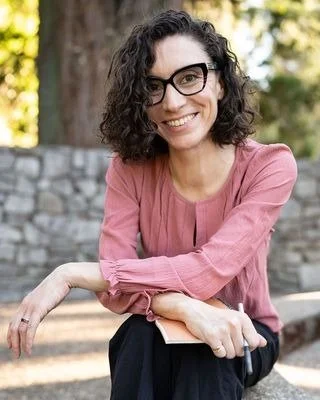
Candice Craft is a Licensed Marriage and Family Therapist, practicing in the state of California via telehealth. She specalizes in integrative therapeutic care for clients with complex trauma and complex chronic illness. Both professional and personal experience contributed to her deep knowledge of what life is like with chronic conditions like Lyme Disease, Long COVID, ME/CFS, PCOS and Endometriosis. Before becoming a therapist, Candice was a medical assistant and case manager for integrative physicians treating Lyme Disease and neuroimmune disease. Through this work, Candice discovered a significant gap in care and a lack of Lyme-literate and chronic illness informed psychotherapists. She aims to fill that gap, and provide affirming, somatically orientated, and medical trauma sensitive care.

Meet Destiny - The host of The Chronic Illness Therapist Podcast and a licensed mental health therapist in the states of Georgia and Florida. Destiny offers traditional 50-minute therapy sessions as well as therapy intensives and monthly online workshops for the chronic illness community.
Destiny Davis, LPC CRC, is solely responsible for the content of this article. The views expressed herein may or may not necessarily reflect the opinions of Dr. Heather Olivier.