
What Athletes and Chronically Ill People Have in Common
I don't have a sports background. Never played growing up, wasn't a big sports fan. But when I was in graduate school, sport psychology fascinated me. I remember thinking there was so much overlap between it and chronic illness, whether someone was an athlete or not. So when I sat down with Kelsey Ruffing, MS, LPCC, a therapist who specializes in sport and health psychology, I was curious to finally draw out those parallels on the show. Turns out, the overlap runs just as deep as I expected. Identity, grief, trust, dismissal, it's almost all the same terrain, just wearing a different jersey.
Kelsey tore her ACL three times before she turned eighteen. The first time, she just wanted to get back on the field. The second time, she trained harder, packed on muscle, tried to armor herself against it happening again. By the third tear, senior year, she had her bag packed for tryouts. She sat in the car in the driveway and drove back inside instead. She never went.
I recognized that moment immediately. Not the ACL part, but the part where your body makes a decision before your brain has caught up to it.
Who Am I If I'm Not the Person Who Does This
As Kelsey explained, when an athlete gets seriously injured, the crisis usually isn't the injury itself. It's what's underneath it. Who am I now, if I'm not the person who does this?
I've sat with that question in my own body more times than I can count. Not as an athlete, but as someone who used to move through the world a certain way and had to learn a new one. Swap "athlete" for "the person who worked full time" or "the one who never canceled plans," and you've basically written a chronic illness diagnosis.
Kelsey uses a lot of Acceptance and Commitment Therapy for this, and she made a distinction that’s something I find incredibly important. Acceptance doesn't mean you're at peace with a body that doesn't work the way it used to. It means acknowledging what's actually true right now, without judgment, so you can make your next decision from there instead of from the decision you wish you were making.
That's a hard sentence to sit with. It was hard for me too, and I say some version of it to people every week.
What the Body Holds Onto
One of my favorite parts of this conversation was how much Kelsey talked about the body specifically, not just as a place where symptoms show up, but as a place where the story itself gets stored.
She uses a modality called Brainspotting, which relies on fixed points in the visual field to reach the parts of the brain that talk therapy alone doesn't always get to. She told me about a client whose chronic calf pain traced directly back to a frightening medical event that had started in that exact spot in her body. I sat with that one for a while after we recorded. If you've lived with unexplained pain, that story probably doesn't surprise you at all.
What stuck with me wasn't only the technique. It was the autonomy built into it. Unlike EMDR, where the eye movement is usually guided by the practitioner, brainspotting lets the client decide when to stop, where to focus, how far to go. And chronic illness takes autonomy away from you constantly. Your body makes the schedule. A flare doesn't ask permission. So a therapeutic tool that hands even a sliver of control back isn't a small detail. It's kind of the whole point.
Defeat Deserves to Be Called What It Is
There's a word Kelsey used that I don't hear enough in this space: defeat. She works with a lot of high-achieving people, the CEO who can't run things the way they used to, the mom who can't show up for her kids the way she wants to, and underneath all of it is usually grief that never got named out loud. Her first move isn't to reframe any of it. It's to sit with the person in the feeling first, because most people haven't been given permission to do that anywhere else.
This is where the conversation around post-traumatic growth gets tricky for me. It's real. Kelsey's own research on injured athletes found that people did eventually land somewhere with genuine gratitude. But you don't get to skip the hard part to arrive at the meaning. I think about my own diagnosis and how long it took before gratitude showed up uninvited, on its own timeline, not because anyone told me I should be feeling it.
The Small Things Nobody Talks About
We also talked about isolation, how pain and illness pull people away from connection right when they need it most. Kelsey's advice wasn't really about joining a support group, though that matters too. It was smaller. Say hello to someone walking by. Actually taste your coffee instead of rushing past it. Let the sun on your face register as something instead of background noise.
None of that fixes anything on its own. But it interrupts the isolation loop just long enough to remind you that you're still a person, not only a diagnosis moving through your days.
Realizing Whose Team You're Actually On
Near the end, I asked Kelsey how she sees her role with clients. She said she's not the coach, and she's not the director. The client is. She's just the one on the sidelines, reminding them of what they already know.
I think about that every time someone tells me "I should already know this by now." My answer is usually the same. If you're overcompensating, someone else on your team isn't playing their position, whether that's a doctor, a family member, or a friend who checked out when things got hard. That's not you failing anyone.
Resilience is a skill, Kelsey said, not something you're born with or without. You build it slowly, usually while sitting in the exact part you'd rather skip.
Disclaimer: Everything we discuss here is just meant to be general education and information. It's not intended as personal mental health or medical advice. If you have any questions related to your unique circumstances, please contact a licensed therapist or medical professional in your state of residence.
Destiny Davis, LPC CRC, is solely responsible for the content of this article. The views expressed herein may or may not necessarily reflect the opinions of the guest.
The content in this blog post comes directly from a real, human interview between Destiny and her guest on The Chronic Illness Therapist Podcast. This written version was formatted using AI. Listen to the full episode to hear the actual conversation.
Listen to my full conversation with Kelsey Ruffing on Ep 129: What Athletes and Chronically Ill People Have in Common
-
Episode transcribed with AI and may contain errors that are not representative of the actual word or meaning of the sentence.
Destiny Davis LPC CRC: this summer has been wild, a little bit of, um, not practicing what I preach and not, not really pacing enough.
But also everything that I've been doing this summer has been completely aligned with my values and goals for this business and my family. And so this summer is all about getting things done and not perfect, um, but still, you know, quality and still with care and intention. And if that sounds like something that you also are aiming for in your life, and you're a therapist, then I would love for you to join us in the collective, which is my group for therapists, physical therapists, occupational therapists, and registered dieticians, who work with people with chronic illness.
This is meant to be a home base for you where we have clinical consultation, business consultation, skills classes, and continuing education specific to working with clients with chronic illness. And if you are not a therapist, if you are looking for a support group, my [00:01:00] membership that's $17 a month, Welcome to the Waiting Room, is waiting for you. We have our support group almost every Friday at noon Eastern, and this group is a place to talk about your medical odyssey, what's going right, what's not going so right, and the group is really good at helping each other with medical advocacy, learning new terms and language, and ways of communicating with your doctors, and all of those kinds of things. And if we get enough interest, I would like to open up another support group that's aimed toward parents. So parenting with a chronic illness, um, mostly for those of us who are parenting w- while living with our own chronic illness, um, more so than parenting a child with a chronic illness.
Unless, of course, you are dealing with both, then you, that's definitely welcome. But this group is specific to the experience of living with a chronic illness and needing to do our parenting responsibilities and learning how to ask for help and build community [00:02:00] and just get things done when the world isn't really always working in our favor.
So if that's of interest to you, please come join us in the waiting room. Let me know in a DM chat inside the platform that you would like a parent group, and I will be starting that up soon if we get enough interest
So without further ado, here's today's episode
All about what it's like working with a licensed professional counselor who specializes in sports psychology
Destiny Davis LPC CRC: Kelsey Ruffing is a licensed therapist and founder of Kelsey Ruffing Counseling, specializing in sport and health psychology, chronic illness and somatic healing. Her work focuses on helping individuals navigate medical trauma, identity disruption, and nervous system regulation through integrative mind body approaches.
In addition to her clinical work, Kelsey is a dedicated advocate for pediatric chronic illness awareness and policy reform, working to improve protections for medically fragile children in the legal system. Her professional expertise is deeply informed by her lived experience as both a person with chronic illness and the parent of a child diagnosed with type one diabetes.
Kelsey has had a clinical doctoral training in primary care and [00:03:00] behavioral medicine at some of Chicago's top hospitals, such as University of Chicago Medical Center, and she co-authored a book, soul of an Athlete, which focuses on various athletes and their retirement from sports, most of which include career ending injuries.
She has been a guest on various sports psychology podcasts and webinars discussing mental health and athletes and sports injury, and she serves on the advisory board for the university of Illinois at Chicago.
Well, Kelsey, thank you so much for being here. Um, I'm looking forward to talking about sports psychology because even though I, I really don't have any history with sports. I didn't play it growing up.
Not really a big sports fan. However, when I was in graduate school, um. Sports psychology was fascinating to me, and I thought there was so much overlap with chronic illness and the psychology of, of sports psychology, whether someone was or wasn't an athlete. Um, so I'm just curious, yeah, if you can start a little bit with how you got into sports psychology, what your background is like, and then we can maybe start to [00:04:00] draw some parallels between the two worlds.
Kelsey Ruffing LCSW: Yeah, so I was an athlete growing up. I played softball and soccer and basketball, and then at some point had to kind of focus on one. So soccer was my primary sport, and um, I, gosh, I lived it, you know, eight slept dream, drank soccer. So it was, um, it was definitely, you know, like my childhood, I can just remember.
Tournaments every weekend, like traveling everywhere. And, um, now that I am a parent, I'm kind of thinking to myself, how did my parents do that with three kids? Because we were all playing sports. Um, so I ended up, uh, you know, I wanted to play in high school and my. Freshman year I ended up tearing my ACL on my travel team.
Um, and that was my first like, injury ever. But it was, you know, [00:05:00] my first real serious injury. And of course, you don't really know what's in store for you when you have never been injured before. So, um, you know, you just go through the motions and you do what the doctor says. And, you know, I had, um, surgery, which, you know, I hadn't had surgery.
I mean, I was. 14 years old. Um, so that was all, you know, I was just motivated to get back to playing. And then, um, the next year I tore my other ACL so that was my sophomore year. And then, um, after that one I basically just. Train, train trained. I joined this training program I packed on muscle. I really wanted to stabilize my body and make sure, you know, I wasn't gonna get injured again.
And, um, then I played my junior year finally and had an amazing season. Um, was so happy with it. And then at the very end of that season. I tore my ACL [00:06:00] my right leg again for the third time, you know, three acls. And, um, that one was really devastating because you work so hard to come back and then, um, have a great season and then it just kind of is over in a second.
But, um. I think I had a lot of trouble after that. So that was like my longest recovery. It took a full year and they cleared me to play and mentally I knew I wasn't there to do that. Um, it seemed like things were just, interests were shifting and, um, I didn't feel like I did before about soccer, so I. Was going to go to tryouts.
They had my bag packed and I just decided, you know what, I'm, I'm gonna get in my car and go home instead. And I didn't even go to tryout senior year, so. Um, after that, I think I realized like there was a depression part, you know, for a while of like uncertainty of who am I now and, you know, so I had planned to go, well, I went to college, [00:07:00] um, at East Carolina University in Greenville, North Carolina.
I went for communications. I thought I was gonna do like sideline reporting, you know, wanting to be on ESPN and, um, while I was on an internship. Um, my first year in the summer. I grew up in Pennsylvania, so I had come back home and I was interning in New Jersey with the Trenton Thunder, uh, which is a double affiliate of the Yankees.
And uh, that summer I met the Yankee sports psychologist and he just looked super important. He was with the players, you know, everybody knew him. And I just kind of went up to him and asked him what he did. And when he was telling me what he was. Doing there and what a sports psychologist does. I was like, wow.
At the time I had intro to psychology. Really loved it and I felt so much empathy for athletes who got injured in wanting to help them. I thought, oh man, this really [00:08:00] resonates with me. Went back to school, changed my major. Got a sports studies minor. And decided I'm gonna be, you know, a sports psychologist and just kept going down the road of that 'cause I felt so passionately about it.
So it's funny 'cause you know, you don't really expect what happens to you as like a young team to come back full circle as an adult. But it's basically how I built my whole career, was off my injuries back then.
Destiny Davis LPC CRC: Yeah, that makes perfect sense. Uh, in hindsight. Yeah, it never. Feels the same. I had a similar experience from the dietetics world and then ending up here and yeah.
I love that, um, that you were introduced to somebody at such a young age and, and knew kind of this is a path that, that I can do and it's not physically demanding, but it still keeps me in this world of, of everything that I love. Yeah. Yeah. How does that translate into your work today? Tell me about your practice and what kind of clients you work with and, and how this all translates there.
Kelsey Ruffing LCSW: Yeah, [00:09:00] so, um. I started my practice in 2019 and it was actually right before the pandemic. It was like August, and then like a couple months later, all of a sudden we have to stay home and everybody's actually having a mental health crisis. So telehealth was like, you know, a godsend for everybody. Um, but basically what I do in my practice is I do see kind of.
The whole general, you know, anxiety, depression, um, but I guess I'm kind of more known for sport injury. I have a lot of, um, female ACL tears that come through the office and, um, really grappling with. Identity. Um, really wondering, do I continue? Am I gonna retire? I'm having trouble with the retirement piece.
Um, and when I was in my doctoral program, [00:10:00] I, um, teamed up with a colleague at UIC and he was doing, uh, research on. Um, severe sport injury and mental health. Um, so I took the female participants from that that had ACL tears and um, this was all qualitative. I went and basically studied, um, from beginning of being injured to end where they kind of reinvented themselves.
How long did that process take? What was that like? You know, what were the common, um. Factors between all of them. Um, basically when they were injured to, uh, doing all that meaning making to revamping their identity, what was going on there and. Man, that all comes full circle through the chronic illness too.
So, you know, I have a lot of, um, chronic illness and chronic pain that I see in my office, and it's, it's [00:11:00] still, these identity pieces are very heavy. Um, people are really struggling with adjusting to a diagnosis or adjusting to life with pain. Um, just like adjusting to an injury and, um. Although they're may be dealing with different things in their life, they're really dealing with the same thing, which is kind of this existential issue of like, who am I now?
What am I gonna do, you know, with my life and what does my future look like? And um. In reality, when we look at sport and performance psychology, that's all, you know, adapting to stress, um, adapting to pressured situations and using, you know, your mind to really, um, adjust what's going on cognitively to fit what's going on in your environment.
So that pretty much what I see and what I'm, what [00:12:00] I'm doing.
Destiny Davis LPC CRC: Yeah.
I'm curious what some of the techniques and skills are that you use kind of regularly with clients, um, in order to help with that stress related to identity disruption, figuring out next steps, things like that.
Kelsey Ruffing LCSW: Yeah. Um, I use a lot of acceptance and commitment therapy because this goes along with kind of the meaning making piece.
So, um, in acceptance and commitment therapy, as I know, you know, um. The, it's all, it's very much values based, right? So, um, what are your values? Are you living in alignment with your values? And if you're not, then you're probably, you know, having some distress. And when people really focus back on their values and a lot of people don't even realize what they are,
Destiny Davis LPC CRC: yeah.
Kelsey Ruffing LCSW: Once you realize what they are, um, you can. Better live in alignment with them. But, um, you know, a lot of times your physical capabilities right, become altered when [00:13:00] you end up with injury or chronic illness or pain. And, um, that's hard for people because they can't essentially live the way that they were living or would like to live.
So, you know, this acceptance piece I think is hard mm-hmm. For people to understand because it's not so much. I accept this and it's fine. You know, maybe it's not fine in reality. Yeah. You know, maybe you shouldn't be 25 years old with this crippling disease, but it's more so I accept that this is happening to me now.
Right now. And you know, it's this non-judgmental, this is what it is, you know?
Destiny Davis LPC CRC: Yeah.
Kelsey Ruffing LCSW: And
Destiny Davis LPC CRC: how do I make the next best decision based off of
Kelsey Ruffing LCSW: yes,
Destiny Davis LPC CRC: what is happening rather than I wish what was happening.
Kelsey Ruffing LCSW: Right. And I think when people really hone in on reconnecting with values or realizing what they are and how they can still live in alignment with those, it might look different than before, but they're still living in [00:14:00] alignment with them.
They realize, oh, like this is possible. Like, you know, my athletes who are thinking about retiring, whether it's injury or not injury, it's. Uh, hey, you know, you still are the same person you are outside of sport because you still will be implementing in your life leadership and, you know, uh, motivation and tenacity, all those things that make you who you think you are in sport, you can still be that person outside of sport and bring it to a career or your family or whatever, hobby or whatever it is.
Um, so I think when people realize that, you know, things get, um. A little bit easier for them, but I also do a lot of somatic therapies that bring that mind and the body together. Because what we know is that a lot of times people feel disconnected from their bodies. They don't trust their body anymore.
It hasn't worked for them. Um, you know, so we have to kind of mend it back together, that [00:15:00] connection. And a lot of times, especially with autoimmune diseases, I see, you know, a lot of. This is years and years and years of me not trusting my body and it not working for me. Um, and then medical trauma and then maybe childhood trauma and, um, all these things that really disconnect the mind and the body.
So I'll use one of them brain spotting, um, which is kind of my primary tool, which, um, you know. If you want me to go in on that, I can.
Destiny Davis LPC CRC: Yeah. We've talked about it a little bit, but I think sometimes hearing different people describe it is good because it, it gives you a little bit of different language to understand it.
Yeah. Tell me a little bit about brain spotting and, um, how that looks and works in session.
Kelsey Ruffing LCSW: Yeah, so, um, grain spotting basically works, um, while utilizing the visual field. So, um, I'll [00:16:00] have my pointer and, um, whatever is, I guess, bothering somebody will kind of. Tease that out a little bit, talk about it, and I'll ask them, you know, like, on a scale zero to 10, 10 being, um, the, the most activated ever, how activated does, does this particular subject make you feel?
And, you know, thinking about it right now, what's coming up for you? Give that a number. So people say, seven, eight, you know, relatively high. And then I will ask them, okay, where do you feel that in your body? Where can you feel that in your body? So now you're taking that sensation and you're putting it into a place.
So a lot of times I feel I get the head, neck, shoulders, chest, um. Which is, you know, those common stress areas and anxiety areas. And, um, I'll, I'll say, okay, that's seven or eight. You feel it in your chest. Now we're gonna [00:17:00] use, uh, my pointer and I want you just to, to. Keep your eyes on there and we just go across the visual field.
So if this is my pointer, you know, we're going very slowly across the visual field and they're just tracking with their eyes and I'll, you know, sometimes they'll blink a whole lot or there might be a twitch or, you know, I'll tell them, Hey, if you start to feel more activated at a certain point, let me know.
And a lot of times they do. They let me know before I pick up on it and they'll say, okay, my, you know, I feel this flutter in my chest right here, so we'll stop on that spot. And they just fix on the point. And I say, okay, now that's seven or eight. That feeling in your chest, that flutter. Just focus on the point and really just whatever comes up in your mind.
Let's process that out. And so I'm now quiet. People sit there and they'll start whatever's coming up for them. I'm thinking [00:18:00] about this now. I'm going to that. And, um, I might direct them a little bit, but I'm just letting them process. And it's pretty amazing to watch, um, to watch it unfold because they either get clarity or answers or, um, they will.
Kind of find the solution themselves. And it's like, you know the person, you always, you know you better than I know you, you have the answer. And this is a great way to process it out. And what's happening is that's a brain spot. So you can have multiple brain spots, but their brain spot there is allowing whatever's going on in their subcortical brain, the deeper part of the brain where trauma is held, it's allowing it to come up.
Rather than just talk therapy, which is wonderful, but sometimes doesn't get to those deeper problems. You know, that focus is kind of on the outer part of the brain where brain spotting gets to the, the real inner part of the [00:19:00] brain. So, um, we can do a couple spots during one session or sometimes they stay on one spot.
But I'm always checking in, okay, what's your number now? Where do you feel it now? What's it feel like now? And so you're taking their cognitive process. And you are, you know, meshing it with what's ever going on in their body and it's reconnecting those, um, pathways so that the mind and the body are getting united more into one than being so separate.
So it really works with like your central nervous system and, and reconnecting it, but also allowing it to kind of release what's in there. We all store emotions in our body somewhere. Yeah. And you know, it's really allowing it to get out. There's been some real, like, amazing, um, clients I've had who've, it's just been unreal.
I had one who had, um, a blood clot star in her calf and she had calf pain that morning and [00:20:00] then it traveled up to her heart and she actually had a hole in her heart she didn't know about, and it went through the hole and it went into her brain and she did pass out. She went to the hospital, but she ended up.
Being okay. She had to go physical therapy and, and everything, but we worked a lot on different, like medical trauma and the trauma from that day and the fear of this reoccurring. Um, and whenever we did brain spotting, like her, the calf was the point of area that would. Hurt and tingle and had all the sensations and that's where this trauma was stored and I just like find it so interesting.
You know that that's that area. Yeah. You know, things worked out really nicely for her and um. It's just amazing. And I don't do anything with my clients that I haven't already done myself. So I, you know, going through the trainings and stuff, get to do all this stuff. Yeah. So if I didn't know that it actually [00:21:00] worked on myself, yeah.
I, I wouldn't be doing it. But, um, so that it brings spot.
Destiny Davis LPC CRC: Yeah. It brings up a couple of different things. One, like, it feels like a really nice addition to, so I'm trained in somatic. Experiencing where we do a lot of, you know, the thought connected to the sensation. There's five different pieces in, in se where you're kind of looking at how thought, sensation, image affect be, uh, behavior and the just the like being able to have something that your eye.
Um, can focus on, and, which is a little bit different than I think an EMDR, which it's just going bilaterally and you have no control. I mean, sometimes you do have, uh, people will have kind of the handheld things where the client can control it, but for the most part, I, I kind of visualize EMDR as like the light going bilaterally back and forth.
And the client's not controlling that, whereas in brain spotting that you are allowing them to control when they stop, which I think adds to this layer of safety and autonomy and [00:22:00] Right. Um, so it gives it this extra tool to kind of focus on, in addition to the SE work, uh, which can, sometimes I think this is also making me like wrapping in A DHD and just for me, like needing this.
It's good to have something to focus on, otherwise my brain can go out all over the place. Um, but that has that element of control, unlike EMDR. Yeah, those are the thoughts that are coming up as you're explaining that.
Kelsey Ruffing LCSW: Yeah. And you know, autonomy, it's one of these. I mean, we know that when people have more autonomy, they perform better.
They feel better. They have, you know, their, their health and wellness is better. So I love Brainspotting for this autonomous part. Um, but also people who experience chronic pain and chronic illness, like that's something that's taken away from them, you know, especially in sport injury, like, you know, they have no control over that, you know?
And so this gives a little bit more of that control, but we're also moving. Different, different ways. Like we're going [00:23:00] this way, you know, this bilateral way, but we're also going up, we're going down, we're going near, we're going far. And I also have like eye coverings. It'll be one eye at a time, like there's a million different things to do with it, which is really cool.
And then we pair it with like bilateral beats, you know, the different, um, different, the different sounds that help people kind of process a little deeper. So it's. It's really interesting and in my practice I really try to focus on all the different senses, like smell matters, colors matter, you know, touch and feel matters like.
If you're not sitting somewhere that's comfortable, it's not going to be super therapeutic. So, you know, when we come to my, I like walking into my office 'cause I'm like, oh, okay. I like being here. And that's a lot of the feedback is like, you know, I feel really comfortable here. I feel like this is, you know, putting me at ease and your environment matters.
You know, if you're walking into somewhere that's very [00:24:00] sterile or, um, you know, the lighting's really bad. It, it affects your therapeutic process. So. I try to make sure that, you know, all of the, all of the senses are covered when you're, when you're coming into the office for therapy.
Destiny Davis LPC CRC: Yeah, absolutely. That was a really great, um, I think connection point to the brain spotting and how that one piece to how of, how that relates to chronic illness, the, the autonomy piece.
What other aspects of brain spotting come up that kind of is like this direct relation to the experience that we have as, uh, people with chronic illnesses.
Kelsey Ruffing LCSW: Yeah, so then this meaning making part is really important. So a lot of times if people don't necessarily have a particular experience that's activating them, they'll come in with like a question, and sometimes it's why me?
You know, like. Let's take that, you know, how strongly do you feel in that question of why me? What does that do to [00:25:00] you? And if people have these questions, I mean, sometimes I even have, uh, you know, someone who's like, what am I gonna do with my life? You know these real big questions. We, we try to tease them out with brain spotting a bit, but at by the end of the session, they have answered their question, like, there's some kind of solution of where I'm going from here or what this means for me.
And I think. What the Brainspotting does is I think it allows you to let go a little bit too, to let your brain kind of bring up the things that you push down or you think aren't possible or, um, maybe didn't even know were there. And it allows people to reconnect with their true selves to say, oh, you know what?
My purpose might be this, or we might, I might wanna, I find interest in this. Maybe I'm gonna go down this road, because that meaning making part. I think it's really hard for people, like if you're in a lot of pain and you [00:26:00] physically can't do a lot, what am I supposed to do? Right. And a lot of times that's, you know, either they're, they then join like virtual groups or there's advocacy.
There's a lot you can do from a computer, you know. So, um, I think it helps people really come up with some answers. They've been. They've been wanting for a long time with themselves, you know, so it's really interesting to see it work, but I think that's a, a big piece of the meaning making part in moving forward with your diagnosis.
Destiny Davis LPC CRC: Yeah, absolutely. Definitely. Um, what are some other themes that come up in the therapy room with clients? Um, whether it's sport related or parenting with a chronic illness? Yeah.
Kelsey Ruffing LCSW: Um, well there's ob obviously the biggest things are identity, um, and like future oriented things. [00:27:00]
Destiny Davis LPC CRC: Yeah.
Kelsey Ruffing LCSW: Um, it's really interesting to see like how the process works.
Like there's underlying grief behind all of it, right? There's always this grief and loss of who I was, who I once was, um, what I was doing before my diagnosis. Um, and a lot of times it's. I get really high functioning, high performing people like the, the CEO who can't be a CEO anymore, the, the athlete who can't be an athlete anymore or, you know, even like, um, you know, moms with small children who now have these chronic health issues who can't be as present.
Um, and that's a real, you know, these are really tough situations where there is a lot of defeat. And you know, that's a human process. You know, that's not poor adjustment. That's real life. And I think just even holding space for that, that nonjudgmental approach of just holding space for somebody and saying, [00:28:00] it's okay that you hate this and that you feel this way because they need somewhere to process that first.
That's always the first part is like, what are you actually feeling and. You know, validating that for them. Yeah. Because they don't a lot places.
Destiny Davis LPC CRC: Yeah. Defeat is a big one. And I can see how that, you know, just goes so hand in hand with the sports psychology piece, not being able to play. Um, yeah, being defeated is a, is a common terminology and, and, you know, team on team sports.
Um, and that's, can you tell me a little bit more about that kind of internal experience that happens for somebody who feels like. They're being defeated. So it's not just this game anymore. It's not a game that you've, but they're being defeated by some external force or internal happening.
Kelsey Ruffing LCSW: Yeah. Well, and that's where this autonomy part comes into play.
Like, okay, well what do you have control over here? Then, you know, it's [00:29:00] very easy to get hyper fixed on what's going wrong for you. Um, and then it just blocks out all these other things that might be opportunities. Um, so. Like, I think of, I think of this like process, you know, we always, we always think healing is like linear, but then there's these, you know, memes and charts and stuff.
It's like, it's all these zigzags and stuff. It's the same thing in therapy, right? And, um, being consistent is very important too, right? So you have to do the work outside of therapy. You have to be consistent. Um. And I think the hardest part for people is that first initial hump. Like, oh, I gotta talk about this really hard thing that comes along.
Right. Um, and once you talk about that, it feels kind of awful, right? You're opening this can of worms and kind of have to do something about it. But, um, you might have to sit in that discomfort for a long time, right? But I think like feeling defeated. You're losing, you feel like you've [00:30:00] lost something. So in reality, like how can we change that narrative to, okay, where's my opportunity here?
There's always opportunity for something. Whether it's to learn something new, do something new, think a different way. Um, and it's, it's odd because what I've learned in all the research is after the meaning making is done, after we've come out on the other side, there's. Always so much gratitude. Like I have so much gratitude for tearing my ACL three times.
Um, because ultimately, you know, it's led to so many things, right? Um, 'cause of opportunity. Like you, if you don't realize the opportunity's there, you're not gonna take it. It's not gonna lead to anything, right? So.
Destiny Davis LPC CRC: Yeah. And I think it's, you know, I think sometimes a no, sometimes a lot of people have a hard time with the, the concepts around this post-traumatic growth in which, you know, being thankful or seeing the silver lining and, and [00:31:00] for anyone listening when you're working with a therapist who understands like what Kelsey's already been saying around, um, it takes time.
And sometimes you have to sit in that grief and that discomfort for longer than you'd like. The, just like in how she described the brain spotting, um, like you come to your own conclusions, you also come to your own conclusions about. Gratitude or what you're getting out of this, and it's not this forced, uh, thing that we're doing in session of like, well, you should just see the bright side, or You should be grateful about X, Y, and Z.
You know, at least it wasn't this or it wasn't that. Like that is not what this sounds like. It really is. Through this process, you really just naturally, genuinely come to your own conclusions about how certain things. Led your life like without maybe Kelsey, if you're willing to share, like maybe without some of your ACL tears, you wouldn't have maybe what in your life?
Kelsey Ruffing LCSW: Yeah, like there's so much, it's actually ridiculous how much I feel like it's impacted my life. Um, [00:32:00] but I mean, it's the whole reason for going to grad school. It's the, you know, whole reason for, um, really doing anything that I've done professionally. Um, because I felt passionate about it from the get go because of that emotional connection to other injured athletes.
And that's why, um, you know, when we talk about. Just like social support and how much having social support. Affects your health and wellbeing for the better. I mean, that's been in research for like decades that that is a thing. And what we know is that injury isolates people, chronic pain, isolates people, chronic illness, isolates people.
But yet we have all these groups and uh, initiatives and organizations that are working to bring people. In the same experience together. Yeah. And it's hard to, I think, for people to reach out. To, to do that because [00:33:00] they think, well, what if I don't feel good that day? Or, you know, what if, um, what if, you know, I don't relate?
Or, you know, those what ifs. Um, but in reality, you know, those, those organizations, those groups exist for a reason. And if that's the way to find social support and even if it's an online platform, then do it, right. So, um, there's. You know, there's always that opportunity and connections to be made, but you know, I just think that that support part is so important for connection, healing, meaning making everything.
Destiny Davis LPC CRC: Yeah, I agree. Yeah, and I think oftentimes. Um, sometimes we miss that in, in these conversations about, um, grit and discipline and, um, you know, and hope and kind of them the more emotional resilience of it all. But the community aspect is, is so important. Um, [00:34:00] what are some of your favorite ways to help clients if they don't already kind of come to you with their own community?
Or if they do, like how do you help them really gain from their community? Uh, if they're not really seeing their community as a source of something that they can, they can pull from other, other than just the logistical help. I think people just think of community. Like they'll bring you dinner when you're sick or they'll, and that's great and all, but like people are also like, but I can't really ask for help when like, I need my bathroom cleaned and my arthritic joints are not letting me.
Or something like that.
Kelsey Ruffing LCSW: Yeah, I know asking for help is one of the hardest things for people to do. Um. Which is like a, you could go on forever about why that might be, but um, you know, I think. It's important to, to research a little bit what is out there because there's so much out there that people don't realize.
You know, there's an organization for every kind of illness, every kind of anything. You know, [00:35:00] chronic back pain is like the leading, um, one of the most lead the leading factors in, um, unemployment right now. So like. A lot of people are in pain and for a lot of different reasons, but there's a group for everything.
And if, you know people aren't on social media, it makes it maybe a little bit harder, um, to find those things. But I think that's why even just talking about. The issue you're having, what your experience is to whoever. There's, there might be somebody who knows something or if you're, you know, maybe it doesn't have to be around what your, your, your illness or your pain.
It could be around like a hobby you enjoyed that maybe you haven't done in a long time. Right. Like, there's knitting clubs, there's, you know, chess, there's all kinds of things that people are doing. And when the weather's nicer, it's a little bit easier to get outside, maybe sit for a little while. Um. Even just saying hello to somebody in a park as they're walking by, like it will make [00:36:00] you feel good because there are certain like endorphins that are released and hormones that are released when you're doing something nice.
So just like speaking to other people. 'cause you could go days or weeks without having any human interaction when you're in a flare up or you don't feel well and you know that. Keeps you in this kind of depression depressive hole and anxiety ridden state, and just breaking that is hard. I think people, you know, get consumed by that and don't know how to break that.
And it could be something like a simple conversation with somebody you see walking by going outside and getting the mail, opening a window and breathing the fresh air. You know, like little things matter. And I think that. That's not talked about enough. Like, yeah, you can do big things, you can join groups, you can, you know, advocate, whatever.
But the little things like, did you, did you taste your coffee this morning? You know? [00:37:00] Yeah. We're, we're racing by and we're not really focusing on the thing, but it, that mindfulness, you know, that gratitude goes a long way. Like, Hey, the sun's out today. It feels warm. Like, what's that feel like on my face? I mean, those moments keep people in a, in a better head space.
Destiny Davis LPC CRC: Yeah. Yeah. I think too with the, um, the community aspect, you know, a lot of times people, one of the things that I work on a lot with clients is this, like radical honesty. A lot of times the, the issue with not knowing how to show up is really not knowing how to show up with without. Getting caught up in like what other people might be thinking, the judgment they might be having or the right, and so I, I really think one of the skills that has been most impactful in my work is, yeah, like someone might have those judgments and what happens when they speak those judgments out loud?
How do you respond then? Do you shrink? [00:38:00] Do you get small? Do you get overly loud and overly angry? Like, you know, the drop of a hat, um, do you, how do you respond in the face of, uh, what's the word I'm looking for? Like adversity or, or just challenge. Um, and that's the part that I think is really nuanced as well.
Kelsey Ruffing LCSW: Yeah. You know, and it takes a long time, I think, to get to a place where you. Don't kind of cower in your, in your diagnosis. Um, because a lot of people do feel shame. They feel guilt, they feel less than, um, a burden. You know, that's, those are huge words that always come up. Um, and in reality it's like, well, like why?
Because we're worried about the other people in our lives who either actually know us or don't. Um, but. Again, like [00:39:00] who, who you are is not your pain or your illness. It goes way beyond that. So you know, not everybody respond to that.
Destiny Davis LPC CRC: Yeah. Yeah, yeah. And somebody might, I think that's the thing. Like I I, to get really, really micro, I think into this, somebody might think when you're talking about your illness, that you are looking for pity or you're looking for, um, or this is all you think about or Absolutely.
Especially in your own families. I think that's sometimes is the, the, the worst sometimes. Um. And so how, yeah, how do you respond when somebody is thinking poorly of you and, and do you have this sense of self? And that's part of what I think when we work so much on in therapy is to have this sense of self that doesn't get rattled.
It doesn't mean you don't care at all. Nobody likes when somebody thinks poorly of them. But how do you not let that then derail you into like 10 negative thought spirals or behavior [00:40:00] patterns because of what this person thinks or says. Um, and so yeah, it's, we care for sure, but we can't let it drive the bus.
Kelsey Ruffing LCSW: Yeah, and that just makes me think about, you know. CBT and core beliefs. And that comes up a lot is I work a lot with core beliefs, where those came from and how they're popping up now because chronic illness, chronic pain, you know, serious injury that will bring those up real quick. Yeah. So, you know, all those things that make you feel a little inadequate.
Um, it always pops up, you know, I think when you were talking to this other. Kind of thing popped into my head about, um, you know, when you have, when you have a chronic illness that you don't even understand, like you just know that your body feels awful or it's not working the way it should, but maybe there's no real rhyme or reason because they haven't figured that out yet, and [00:41:00] then you have.
Family and friends that don't understand, you're like, well, how are, you know, I can't expect them to understand it 'cause I don't understand it. And you know, there's just all these complexities there. When you're uncertain and you don't have answers and the answer you're getting doesn't make sense. Um, but then that's where it's more like, okay, well coming back to you as a person.
Right, like taking the label off of it or whatever the chronic illness experience is like, who are you as a person? What are your values? You know, coming back to identity, um. I think putting things into perspective sometimes like that helps people of not going down the rabbit hole of the, the medical diagnosis or undiagnosis or whatever it is, because, you know, by the time they come into the lab [00:42:00] it's like, well, I've seen eight doctors.
Nobody knows what's going on, and you know, the blood work comes back fine, but I know my body feels like crap. So, you know, it's, it's kind of the same story all, all the time, especially with these autoimmune disorders. Nobody knows what's happening, and that's a hard place to live in when there is so much.
I don't know
Destiny Davis LPC CRC: exactly. You know, to kind of bring it back to the sports analogies, um, when you are uncertain, I'm, I'm sure you can speak to this much better than me, but when you're uncertain and you're on the field, you look around, well, you have mul multiple ways in which you can do it.
Then I'm sure some of them, some of those ways lead to the demise of, uh, you know, a team or a, a play. And some of them, uh, work much better in the collaborative, cohesive nature of, of team building. And so I think about the person who's uncertain on a field looking around, and if they don't know who to trust, they're only gonna lean back on, on themselves.
And, and that might actually work out. I think sometimes [00:43:00] that works out in sports in the way that, you know, yeah, you like got the, you made the goal, you got the points, but like you still look around at the end of the, at the end of your game and then you don't know who you can even celebrate with now. So that's what's coming up for me around, around this.
What comes up for you there?
Kelsey Ruffing LCSW: Yeah, no, that's so true. I do a lot of, training with athletic trainers around this and coaches, because in the research it has come up that the person they trust the most is the athletic trainers because they spend the most time with them, especially during injury.
So when they have an athletic trainer that actually. Screws up that does a lot of damage to the process of recovery. And then when you have a coach who. Basically ignores you because you're the injured athlete, right? Which I could translate that to when you have a doctor who ignores what you're saying as a chronically ill person or doesn't believe [00:44:00] you, it's the same process.
There's a huge mistrust and a, a. Trauma that goes on there. Um, because this is somebody that you look up to, maybe you respect, that has a lot of power in the game, um, and your role in it, right? The doctor is gonna give you treatment, not give you treatment. The coach is gonna have you play or not play. Um, and when you are dismissed, that does a lot to you.
Um, and your confidence, your self-worth, um, and, and just your thoughts and how you feel. But um, yeah, I think that part, and that's why like I think there is a really important role to play and educating doctors on medical trauma, educating them on what goes on mentally for somebody who's are, you know, this is the.
12th doctor they've seen, what are you going to offer to them? [00:45:00] Um, and when their bedside manner sucks, you know that that's when I get people in the office that are like, I don't know what to do anymore. Like, I'm just gonna give up.
Destiny Davis LPC CRC: Yeah.
Kelsey Ruffing LCSW: Yeah. It's hard. That shouldn't be that way.
Destiny Davis LPC CRC: Yeah, absolutely. One last question before we wrap up today.
Who do you see yourself as in the therapist chair on their team? Are you the sports direct, the the director? Are you the coach? Who, who are you?
Kelsey Ruffing LCSW: It makes me feel, think of angels in the outfield. It's such an old memory that is, I feel like I'm like the person like fluttering on their shoulder while they're out there. You know, wherever you are and what you're doing. Like, Hey, remember what we talked about in therapy? Yeah. I, when I'm in the chair, I, you know, they're the coach, they're the director.
They are the person that, you know, is in charge of the game, whether they know it or not. You know, at the [00:46:00] end of the day, that's the goal for them to realize that and to do their own work, you know, in that realm. But, um, yeah, I feel like, no, they're like. Center of it, and I'm just playing in the background, like I'm just gonna sit over here and remind you of all the things you should know that you probably do know already.
Destiny Davis LPC CRC: Yeah. That you do know. But that requires a communal. Um, you know, relational, uh, in order for us, that's, I act actually think that's so, so huge, right? Because so many people come into therapy being like, I do already know this, or I should know this, or I shouldn't be back again with the same problem. And whenever I hear that, I think who's not playing on your team in the role that they should be playing in?
Because now you're having to overcompensate somewhere and that's why you can't, you know, can't quote, accomplish the thing that we are talking about on a week to week basis. Someone somewhere is failing on the team and you don't have the bandwidth to play their role and yours. Yeah. So yeah, that's, that's how I [00:47:00] see that.
Kelsey Ruffing LCSW: Yeah. Realizing your role and you know, what are those expectations of the role as
Destiny Davis LPC CRC: well. Yeah, absolutely. Any other thoughts you wanna leave people with as we end today? Hmm.
Kelsey Ruffing LCSW: Just that, you know, there, there is an that di other side to things, you know, and you do have to go through the really hard. You know, reckoning as I call it, in order to get there.
So like you do have to really reckon with the feelings and maybe the misfortune of a situation to get to this other side of that, of that meaning making and of that feeling gratitude for what has actually happened. And it just makes me think of, you know. Somebody who maybe was in like a tragic accident and then marries the nurse that took care of 'em, you know, like some things just happen for particular reasons.
Um, and you [00:48:00] either take the opportunity to make meaning out of it or, or you don't. And when you don't, you sit kind of, you know, wondering around like the why me phase. Um, you know, and, and in this, in the research, when. People got to the other side and they had all that gratitude. I mean, they were all kind of, um.
Unfortunate situations that had occurred, you know, during their, um, injury. It wasn't always just about the injury and the retirement. It was other life things that had gone on that, hey, you know what, while I was, uh, injured, my grandfather died and it actually allowed me the opportunity to be with him way more than I would have if I was playing.
So, you know what? Just noticing those. Those things and like, what is the universe trying to do here? You know, they, the universe keeps giving us some opportunities to grow and it'll keep giving you the same situations [00:49:00] to do that until you actually learn the lesson and grow. So, you know, there is, there's always hope.
Yeah. Um, but you know, resilience, resilience is a skill. You can learn it. And that is something that. Carries you through a diagnosis.
Destiny Davis LPC CRC: Absolutely. Yeah. Thank you so much, Kelsey.
Destiny Davis LPC CRC: This has been great.
Kelsey Ruffing LCSW: Yeah, thanks Destiny. It was awesome being here and talking with you.
Thanks for listening. If you learned something new today, consider writing it down in your phone notes or journal and make that new neural pathway light up. Better yet, I'd love to hear from you. Send me a DM on Instagram, email me, or leave a voice memo for us to play on the next show. The way you summarize your takeaways can be the perfect little soundbite that someone else might need.
And lastly, leaving a review really helps others find this podcast, so please do if you found this episode helpful. And PS, clicking subscribe ensures you'll be here for the next episode. See you [00:50:00] then
Listen to Kelsey’s interview with me, Destiny Davis, on Ep 129: What Athletes and Chronically Ill People Have in Common

Kelsey Ruffing, MA, MS, LCPC is a licensed therapist and founder of Kelsey Ruffing Counseling, specializing in sport and health psychology, chronic illness, and somatic healing. Her work focuses on helping individuals navigate medical trauma, identity disruption, and nervous system regulation through integrative, mind-body approaches. In addition to her clinical work, Kelsey is a dedicated advocate for pediatric chronic illness awareness and policy reform, working to improve protections for medically fragile children in the legal system. Her professional expertise is deeply informed by her lived experience as both a person with chronic illness and the parent of a child diagnosed with Type 1 diabetes. Kelsey has had clinical doctoral training in primary care and behavioral medicine at some of Chicago's top hospitals, such as University of Chicago Medical Center and She co-authored a book: Soul of an Athlete, which focuses on various athletes and their retirement from sport- most of which include career-ending injuries. She has been a guest on various sport psychology podcasts and webinars discussing mental health in athletes and sports injury and identity. She serves on the advisory board for the University of Illinois at Chicago (UIC) in the Psychology of Sport and Exercise Performance program and is an Adjunct professor and Lewes University- teaching Sport Psychology to undergraduates.
Connect with Kelsey:
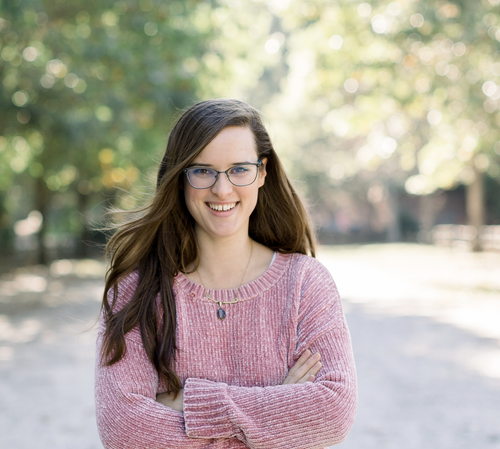
Meet Destiny - The host of The Chronic Illness Therapist Podcast and a licensed mental health therapist in the states of Georgia and Florida. Destiny offers traditional 50-minute therapy sessions as well as therapy intensives and monthly online workshops for the chronic illness community.