
Few topics make people in this community tense up faster than Social Security Disability. There are the forms, the waiting, the judgment, and the cost of every appointment, and then there’s the denial letter that arrives when you have nothing left to put into a fight.
Josh Worley has spent 23 years working inside that process. He’s a Social Security disability attorney who has represented thousands of clients and now works with people nationwide. I recently sat down with him on The Chronic Illness Therapist Podcast to talk about what he wishes chronically ill people knew before they walk away from a claim.
One pattern I see in my own practice kept coming up: many people will fight tooth and nail to avoid even considering disability, even when one day of work costs them two or three days of recovery. Here’s what I think is most important to know.
Most People Get Denied the First Time, and That’s Where Many Stop
A first denial is very common, and giving up at that point is the last thing you want to do. By Josh’s rough estimates, about 30% of people are approved at the initial application and about 15% at reconsideration, which is a second paper review. Around 50% are approved once they reach a hearing in front of a judge. Your odds get better the further you go.
You generally have 60 days to appeal a denial, so treat that as a firm deadline. If you let it pass and apply again later, you often start over from scratch.
I think of this as structural silencing, coined by Scholar Micha Rahder. The paperwork, the denials, and the drain on your time and energy all push patients out of a system that they have every right to use. Nobody actually tells you to stop pushing, but the process makes stopping the easiest option. Knowing that the numbers improve at each stage can be what helps you stay in it.
Appointments That Feel Pointless Still Count
This part is hard to hear. If you aren’t seeing a doctor consistently, Social Security tends to assume you must be fine. That isn’t fair, but it’s how the system reads a gap in your records.
I’ve worked with many people, myself included, who stopped going to appointments because “they said there’s nothing they can do for me” or “they believe me, but they said there’s no treatment.” That reasoning makes complete sense, and Josh hears it all the time. His advice is still to go, because every visit puts your reported symptoms on record. You can make those visits count by seeing a specialist when you can, since their records tend to carry more weight. It also helps to write down everything you want to mention before you walk in, so nothing gets lost when you’re tired or rushed.
If you leave an appointment realizing you forgot to say something, or you’re not sure if the doctor really wrote down what you did report, my advice is to follow up with an electronic message. This is best done in an electronic patient portal. You could send your doctor a written summary of what you talked about. They may not have included it in their note, but it will now be in your chart. That last strategy is one I often practice with clients, and it turns out to help a disability claim as much as it helps you feel heard in the exam room. I’m always a fan of achieving multiple things with one task.
Your Day Matters More Than Your Diagnosis
It might sound too simple, but what a typical day looks like for you often matters more than the technical name of your condition. Two people with MS can have very different limitations, and it’s the limitations that get evaluated. Social Security wants to know how long you can sit, stand, and walk, and how much you can lift or carry. They also ask about everyday tasks like cooking a meal or brushing your hair.
That’s why it matters to tell your providers everything, including the things that have come to feel routine. Josh has had clients who never mentioned to their doctor that they were getting three migraines a week, so their records said nothing about it. Most people applying also live with a mix of physical and mental health symptoms, such as anxiety, depression, or PTSD, and all of it belongs in the record.
Why Invisible Conditions Get More Scrutiny
Conditions like POTS, EDS, fibromyalgia, and long COVID often face a harder road because Social Security loves objective tests, like an MRI showing bulging discs. Judges often describe fibromyalgia as a diagnosis of elimination. That doesn’t mean these conditions aren’t real or that these cases can’t be won, because they can. They just take more documentation. As Josh put it, a stack of primary care notes can sometimes equal a single page of an MRI.
I feel the weight of that, because we don’t have universal healthcare in this country. Building that stack of records costs money at every visit, and it’s often being asked of people who can’t work.
A Few Rules Worth Knowing
Full-time work is a dollar amount. I asked whether it was about hours, and it isn’t. Josh believed the 2026 figure is roughly $1,650 a month but wasn’t certain, so check the current number.
Part-time work doesn’t automatically rule you out. If a workday means days of recovery, you can testify to that.
Under 50, you have to show you can’t do any full-time job. Over 50, grid rules consider your age, education, and work history, with another benchmark at 55.
Your condition has to last at least a year.
Hiring Help Without Fear of the Bill
Many people are too scared to call an attorney because they assumed they’d owe money if they lost. Josh says it’s one of the first questions he hears. Disability attorneys typically work on contingency. You pay nothing upfront, and if you win, the fee is 25% of your back pay, up to a cap set by Social Security. If you lose, you owe nothing.
Josh strongly encourages people not to go to a hearing alone. He also tells his clients to let his team handle the forms, since the wording matters more than most people realize, and to spend their own energy on getting to the doctor.
I also loved that Josh is willing to work with people from the start. I often hear from folks that attorneys won’t help until the first denial has been received, and I really like that Josh doesn’t ask that of his clients.
“I’m Not Looking for a Handout”
If that thought has crossed your mind, remember that Social Security Disability is money you paid in through your paychecks. It’s the FICA line on your pay stub. If you haven’t worked enough to qualify, Supplemental Security Income (SSI) is an alternative based on financial need, which matters more than ever now that so many people freelance. Disability also isn’t a life sentence. If your health improves, you can leave the program. And remember that Social Security does periodic reviews, which is one more reason to keep seeing your doctor.
Where to Find Josh Worley
Josh works nationwide, with hearings by phone or video. His website has a guide to submitting an application with a companion video, a tool to look up a judge’s approval rate, and free consultations.
If you’d like to hear the whole conversation, it’s Episode 132 of The Chronic Illness Therapist Podcast, “Before You Give Up on Disability: What a Social Security Attorney Wants Chronically Ill People to Know,” available on Apple and Spotify.
If you’re looking for a therapist who understands chronic illness, my directory is at thechronicillnesstherapist.com/find-a-therapist, and my workbook includes worksheets on building and trusting your medical team.
Disclaimer: Everything we discuss here is just meant to be general education and information. It's not intended as personal mental health, legal, or medical advice. If you have any questions related to your unique circumstances, please contact a licensed therapist or medical professional in your state of residence.
Destiny Davis, LPC CRC, is solely responsible for the content of this article. The views expressed herein may or may not necessarily reflect the opinions of the guest.
The content in this blog post comes directly from a real, human interview between Destiny and her guest on The Chronic Illness Therapist Podcast. This written version was formatted using AI. Listen to the full episode to hear the actual conversation.
Listen to my full conversation with Josh Worley on Ep 132: What a Social Security Attorney Wants Chronically Ill People to Know with Josh Worley
-
Episode transcribed with AI and may contain errors that are not representative of the actual word or meaning of the sentence.
Josh Worley disability attorney
Destiny Davis LPC CRC: [00:00:00] Josh Worley is Social Security disability attorney who has successfully represented thousands of clients for the past 23 years. He represents clients nationwide and finds great joy in helping those who are struggling with their health get Social Security disability benefits that they so badly need. Josh, I'm so thankful that you're here. This is definitely a conversation that is very hot. Um, it's very loaded. It's very, like, there's so much to explore here, and I'm gonna do my absolute best to give this conversation the justice that it deserves. But, first, I would just love to know, you know, how you got into disability law.
Like, what do you love about it, 'cause you've been doing it for so long? You know, tell me just a little bit about your work in that way.
Josh: Sure. Thanks for having me on. I appreciate it. Um, yeah, I've been doing this for 23 years. I started, um... The, the reason that I got into disability is I joined a, a law firm that had a lot of different attorneys that worked in a lot of different fields in, in the law, and [00:01:00] there was no one that was doing Social Security Disability at the time.
And so the, the, the law firm kind of came to me and said, "Hey," you know, "Would you be interested in, in, uh, pursuing this, looking into this?" I didn't know anything about it at the time, and I just kind of started from the ground up and started learning and just built a practice from that point on, and have been doing it ever since.
So, um, 23 years ago was when that started. So, um, it, it has been an incredibly rewarding practice, um, and the reason I say that is because when people usually contact me or reach out to my office, uh, they're typically at a really low point in their life. You know, their, uh, disability is for folks that are not working and not able to work because of their health, and so, uh, they're really stressed because of some aspect of their health is not good.
They're really stressed out because of their finances. Uh, they're not able to do the things that they want to [00:02:00] do, and so, um, that's a really tough point in y- in anybody's life. And so we get to help people from that point to the point of helping them through the disability process and then hopefully in the end, getting them approved for benefits.
And all of a sudden it's kind of this light at the end of the tunnel that's just been so dark for so long and, and they see, um, that there's good at the end. And so, um, and to help them go from that, that really low point to an, um, a successful case and getting them the financial help that they needed, um, is...
it's awesome. It's fun to s- to help people through that.
Destiny Davis LPC CRC: Yeah, that's amazing. Do you ever get, like, contact... Do, do your, do your clients ever contact you later on and tell you, like, that have improved in their life as a result of
Josh: Oh, yeah. Yeah, we have so many stories about people reaching out to us after the fact and just, you know, telling us how thankful they are for [00:03:00] us. So many of our ca- uh, clients that come to us are usually referrals from other people that we've helped. And so, um, yeah, I, I mean, we've, we've had many instances where people would reach back out to us later and just be, uh, so excited.
It's not uncommon for our clients when we make the call that says, "Hey, you've been approved and you're, you've got this lump sum coming," they're crying and it's just an emotional time. And, and so that, that is what is so rewarding. A- a- when... in our office when, you know, my staff gets calls like that, they're just beaming.
It's just such a... Because disability can be a journey. It's, it can be a long, drawn-out process and, um, you know, to get to the end and that be so good, that's, it's awesome. That's why we do it
Destiny Davis LPC CRC: Definitely. That, yeah, I could only imagine. Do you work on where you don't get paid until they get paid, or do you p- do people pay you up front? How does that
Josh: Yeah. The way [00:04:00] that it works is, uh, with disability attorneys, most disability attorneys do it this way, and that's because Social Security kind of sets out the framework for the way disability attorneys are supposed to charge. And it is a contingent fee, which just means when they hire us, they don't pay anything upfront to hire us.
We represent them because we think we can get them approved for benefits. When they do get approved, then typically most people are, um, entitled to back pay benefits, which is a, a lump sum of money they get. So, you know, if they had to wait, if it, if their lump sum is 12 months of back pay, then they'll get that, and our fee is a 25% contingent fee of that back pay that they recover.
So,
Destiny Davis LPC CRC: Okay
Josh: it is contingent on getting them approved. So, uh, you know, if they've hired us and we did not get them approved, then they don't owe us one penny for anything that we've done.
Destiny Davis LPC CRC: That's amazing. Um, I love that, and for [00:05:00] everyone that works with that model 'cause, you know, that's the biggest stressor. I've, yeah, I, I've worked with people so scared to even, um, you know, reach out to an attorney because
they were terrified that they were gonna owe them money if they didn't get approved, and it's like, yeah, it's, yeah
Josh: Yeah, exactly. That's, that's one of the first questions that kind of comes up when we're talking to someone that's a potential client, is they're just worried about, you know, how do I pay an attorney, um, in this search- circumstance? They, they just don't. They don't have to come up with anything upfront.
Destiny Davis LPC CRC: Yeah, that's great. what are some of the things, like some of the first things that you start to go over with clients around their history? Like, what are you looking for in their history, especially when you're thinking about that timeframe? And I think the max time is what, two years? Is that na- is that federal or just by state by state?
Josh: time as far as,
Destiny Davis LPC CRC: far
Josh: what,
Destiny Davis LPC CRC: they can
Josh: far back they, they can go. It's one year prior to the application date.
Destiny Davis LPC CRC: Okay.
One year
Josh: and that is specifically [00:06:00] for Social Security Disability. There's also SSI that's kind of an alternative disability plan. On SSI, they can't go any further back than the application date, but with Social Security Disability, it's one year prior to that application
Destiny Davis LPC CRC: Okay. Okay. So yeah, what are some of the things you, you are, yeah, looking for in the history and, and what, what does the state wa- the government wanna know? What do you wanna know? How,
Josh: Sure.
Destiny Davis LPC CRC: does that look like?
Josh: Sure. The, you know, when I talk to p- potential clients, the first question that I have, and really the thing that's going to be the most important is, um, what kind of medical treatment are they getting? Whatever they've got going on health-wise, are they seeing the doctors? Because it has to be documented in order for, to be able to get approved for Social Security Disability.
Um, we can make arguments for them, we can fill out forms, and we can do everything we can, but we have to have the medical proof of what's going on. And so, um, it's, a [00:07:00] lot of it is about n- not only ... I mean, certainly we've gotta know what the conditions are, what are, what are the health as- aspects that they're dealing with, but also what are the health aspects and then are you going to the doctor, are you getting seen consistently, um, those kinds of things.
Because it is, it is so critical to have a paper trail of documentation to support the claim because you could have, um, you could have, you know, something, some terrible issue with your health, but if you're not going to the doctor, then Social Security kind of looks at that and they would just kind of jump to the conclusion that, well, gee, they must be fine if they're not going to the doctor.
And that's not always fair to jump to that conclusion. You know, that is not fair at all, but that's just kind of speaking the truth from a Social Security standpoint. That's the way they, they think of things.
Destiny Davis LPC CRC: Yeah, which is, yeah, it is kinda sad because a lot of times when someone's sick, they, especially when they don't get the [00:08:00] care they need, um, maybe they have a harder to diagnose condition, um, they stop going to the doctor because
Josh: Yeah
Destiny Davis LPC CRC: "No one believes me anyway," or, "They believe me, but they tell me they have noth-..."
Like, I mean, I've worked with many people who are like, "Yeah, they believe me, but like they said, there's no treatment for this."
Josh: 100%. I hear that all the time, and we, we regularly will be talking to our clients and they'll say, "Well, gee, I, you know, I'm- I've done this. I've done everything they've told me to do. Nothing's helping. Nothing's getting better. You know, I just go, and they're doing the same thing over and over, or they're not really listening to me," or whatever it might be.
Um, and, um, you know, those are legit. I, I understand why you'd have that thought and why you'd, um, you know, not wanna continue to do that. But we're always preaching to our clients, you know, it's, it's incredibly important that you have that consistent treatment.
Destiny Davis LPC CRC: Yeah.
Josh: there are times we- where we will ... I'm sorry to talk over you.
There are times where we [00:09:00] will, um, uh, make that argument for our clients. Like, if I'm in a hearing before a judge, I can certainly argue that, you know, Mr. Smith has stopped going because ... for, for a variety of different reasons. Maybe he can't afford it, uh, can't afford to go to the doctor, and those are legit arguments that judges listen to.
Um, so we, we certainly make those arguments when we need to for our clients. Um, just, you know, when, when, when you're kinda laying out the guidelines or the framework for what we need to have a successful disability case, it really is that consistent treatment
Destiny Davis LPC CRC: Yeah. Let's say somebody goes to the doctor, they, you know, don't get a whole lot of answers that first time, but they're continuing obviously 'cause they are sick, they continue to have these symptoms.
Josh: Mm-hmm.
Destiny Davis LPC CRC: Let's say they go every six months. Is it better to go and have those, like the doctor at least has to document patient reported X, Y, and Z even if they [00:10:00] don't give a diagnosis and say, "This is exactly what's wrong with them." Is
Josh: Yes, you're, that's exactly right. I would absolutely say it's go to that appointment even though you think that may not be a very productive appointment. It's giving you that, that medical record that you can point to and say, "Okay, he went to this appointment. These are the things that he complained about."
Um, yeah, uh, absolutely critical, uh, to, to our case and building out our case is, is to have those, those things
Destiny Davis LPC CRC: Yeah. And then are there specific types of medical doc, um, medical professionals that the courts see as more, um, validated? Like MDs versus nurse practitioners versus chiropractors versus PT, physical therapists
Josh: Yeah, they, so they definitely will give more weight to as you get higher up in specializations. So, you know, if you've, um, if you've [00:11:00] got arthritis, then it sure helps to have a rheumatologist rather than just seeing your primary care that you're seeing or that's a nurse practitioner or, or whatever. So, um, every, every record matters and we will, you know, w- I won't tell, ever tell a client to, you know, not go to the chiropractor because they're helping them.
Um, but certainly, you know, if you, if you've got the opportunity and the ability to see a specialist in whatever area you're dealing with, then it, it carries more weight for, for Social Security disability purposes. So I would, I would definitely say that
Destiny Davis LPC CRC: Yeah. Does the diagnosis have to be very concrete for someone to win a case?
Josh: Um, it's n- not necessarily. It helps if you've got a very concrete diagnosis, but for Social Security Disability purposes, it's not just the diagnosis that matters, it's the functional limitations [00:12:00] that come with that diagnosis. Okay, so f- so for example, we might have someone that has, has been diagnosed with MS, and I might talk to one person with MS and it was caught early and they're taking medication, and they're a very high-functioning individual.
They're, they're very, you know, they're able to live a very normal life, um, as opposed to the next person I talk to that has MS that the disease is well progressed. There's major limitations as far as just, you know, typical symptoms that come with MS, and those functional limitations that affect just day-to-day life, um, those are the things that really matter because when you're filing for Social Security Disability, you are saying that you are not able to work a full-time job due to your health.
Okay? So you're, and it, and depending on your age [00:13:00] You have to prove that you're not able to do any kind of full-time job, okay? That's for anybody that's under 50 years old that is filing for Social Security Disability. You are having to prove that you cannot do any kind of full-time job. So I tell the people that I'm, that I'm talking to that are potential clients, imagine the easiest job that you can think of that's out there, whatever that might be.
Maybe that's a, maybe you're a, a door greeter at Walmart or maybe you've got a job that is a very sedentary job where you're sitting most of the day and you're answering the phone or what- whatever that might be. If you're under 50, you've gotta prove that you cannot even do those levels of jobs, okay?
So, um, so it's not, it's not an easy standard to meet. If you're over 50, the rules and the laws with Social Security get a little bit more favorable in your, um, to help you get approved for disability. It doesn't make it easy to [00:14:00] get approved, but it makes it a little bit easier. So, um, as you get over 50, there are, Social Security calls them grid rules, which just says they take into ca- into consideration your age, your education, your work experience.
And basically, those grid rules, um, help people like maybe there's someone that has been a, in construction all of their life and they're now, uh, having some issue with their back. Maybe they, maybe their back is a problem and they can't sit for more than v- you know, can't be on their feet very long, can't sit very long.
Um, their, those grid rules are going to, to find that that construction worker doesn't have to prove that he can't be a secretary 'cause he doesn't have those skills and those abilities and that training. So they're not gonna tell that construction worker that's over 55, "Hey, you should go get some new [00:15:00] training and you should go figure out how to be a secretary."
That's just, it's not realistic. And so there are some rules, guidelines in place that make it a little bit easier for anyone over 50, and then 55 is another benchmark that, uh, becomes a little bit easier to get approved.
Destiny Davis LPC CRC: Okay. And then that is the r- like, is that the reason the courts, why this rule exists, like that's really their thinking too, is like over 50 it's just harder to learn these new skills and okay.
Josh: Exactly. Yeah, that's exactly right. Whereas, but if you're under 50, then they have a tendency to look at ch- at that individual and they say, "You know, they're younger. They still have the ability to maybe find something else that's more in line with the limitations that they have." And, um, and so they're, uh, the standard is just harder for those under 50
Destiny Davis LPC CRC: Yeah. Are there specific chronic illnesses or invisible conditions? Um, what comes to mind for me is like POTS, EDS, fibromyalgia, [00:16:00] really like long COVID. I'm sure that one's hard. Um,
Josh: are there
Destiny Davis LPC CRC: certain conditions that are really harder, uh, or, or get more scrutiny?
Josh: You know, all those ones that you've just mentioned are harder because Social Security loves objective tests that you can point to and say, "Look at this result. This is a problem." Examples are an MRI. If your back is bad and you've got an MRI that shows you've got bulging discs, um, that's an objective test that you can specifically look at and say, "I understand why you'd have that, why that back would be causing you pain."
Um, you know, nerve conduct- conduction studies that have been done if someone's got carpal tunnel in their hands. Those are the kinds of things that, that you see specifically what's going on. The ones that are more subjective, like fibromyalgia and, um, any of those that you've just, uh, mentioned, those are harder because you [00:17:00] can't really point to something and say, you know, this person has, uh, fibromyalgia.
Now, there's some trigger point and, you know, tests and that kind of thing, but it's more of a
Destiny Davis LPC CRC: test. There's no clear black and white
Josh: Exactly
Destiny Davis LPC CRC: Like, at least with MS, we see lesions and...
Josh: Yes. Yes, exactly. And so because of that, like with fibromyalgia in particular, um, judges, they don't, they don't l- they don't look very favorably on fibromyalgia cases just because they're... I've heard this, uh, been said by many, uh, judges through the years, they feel like it's kind of a diagnosis by elimination.
They can't really figure out what else is going on, and so the doctor throws out fibromyalgia. So because of that, then, um, the judges just, it's harder just to win those cases. It doesn't mean they can't be won, they're just more difficult
Destiny Davis LPC CRC: Yeah. What are some things like that would be helpful to have in that kind of a case? Is it maybe some of those [00:18:00] additional like lots of physical therapy that maybe fails? Or like l- like lots of different kind of appointments where it's like, "Look, I have done all these things and the functional limitations remain the same."
Josh: and that kind of gets back to what I was saying earlier with just the consistent treatment. You know, if you've, uh, if you've kind of gone through and you've done physical therapy and it's cl- very clear that you've continued to have, um, all these, uh, issues, these p- the pain, then just with the, with the stuff that is more subjective, it just means the level of records needed to prove that just goes up, you know?
It, because it's, you know, it's, again, you can kind of... I can pull out one page of an MRI and prove something, and then I, I can pull out a stack of records from a primary that has helped somebody with fibromyalgia, and those, and it sounds weird to say, sometimes that stack maybe equals [00:19:00] that one p- page of MRI.
You know? It's just...
Destiny Davis LPC CRC: Yeah
Josh: and that's hard because certainly fibromyalgia is real. I, I have had many clients through the years with it. Um, a lot of times it kind of... And, and I see this across the board in many of our clients. It's not just one single thing that makes them disabled. It's typically kind of a, a variety of things that kind of work hand-in-ha-hand, um, both physical and mental.
We stro- we have many of our clients that struggle with anxiety and depression, PTSD. Those are very common symptoms to see. Um, and but, but it's very common for it to be both a physical issue as well as the mental
Destiny Davis LPC CRC: Yeah, it's, such ... It's so hard because a lot of these things, and we don't have universal healthcare in this country, so
Josh: Yeah
Destiny Davis LPC CRC: cost money every time you go. And
Josh: Yeah
Destiny Davis LPC CRC: if you [00:20:00] already are unable to work because, you know, you're in- unable to work because you're disabled, and then
Josh: Right
Destiny Davis LPC CRC: to get disability, so you really don't often have a lot of income, you
Josh: Yeah. Yeah, it's,
Destiny Davis LPC CRC: yeah
Josh: yeah, it's exactly right, and it is, um, it, it, it's, it's a struggle. That's why I said at the beginning, you know, when they call us, it has, um, you know, it's, it's ... Things are not good because they're not working, their health is not great, and then they're kinda staring at this process that can at times take, you know, anywhere from six months to two year- two or three years at times.
Um, it's a long, drawn-out process. And, you know, I, I tell my clients all the time, "I wish I could wave my magic wand and just kinda make this all happen for you quickly and, and push you to the end of the line and get you approved." The reality is that it's a, it's a process that takes time, [00:21:00] uh, requires patience.
It re- requires patience when it's really hard to find that patience in your life. You know? That's, that's the bottom line. Um, our clients do everything they can to get by, whether that's, uh, leaning on family members and friends and whatever to just
Destiny Davis LPC CRC: Yeah.
Josh: them get to the end, you know?
Destiny Davis LPC CRC: Yeah, that's what I find too, like community becomes so important and, yeah. Um, the other question I had was, I just had it, let me think for a second. Um, oh, are there, in these more difficult cases like fibromyalgia, EDS, POTS, all of that, are
there things that the doctors that they're going to, that they are...
So let's say they are going to their doctors, they are getting this medical documentation, but
are there certain things you have found that's more f- helpful, that, that makes the documentation more favorable to the courts? Like types of things that doctors report or talk about in their paperwork
Josh: I think it is, I, I think the things that mean the most on a Social Security disability claim are just the functional day-to-day limitations. So, and I was talking about this earlier, but [00:22:00] specifically, you know Is it hard for you to get out of bed in the morning? How long does that take you? Um, there's a l- there's very common kind of series of questions that are asked in Social Security disability cases.
How long can you sit before you need to s- you know, get up and move around? How long can you stand in one location before you need to move or go sit down? How far can you walk or how long can you walk? Um, and then how much weight can you lift or carry? Those are the sit, stand, walk and carry. Those are-- And again, those are just kinda getting to, you know, day-to-day things that you're dealing with.
So all those things that are just common daily occurrences. Do you have trouble cooking a meal for yourself? Um, are you able to, um, h- take care of yourself? Like, can you brush your hair? Like, if you've got arthritis, we have-- we-- I'll commonly ask my [00:23:00] clients, "Can you brush your hair?" Okay, you know, there's just things that, uh, are just...
I tell my clients all the time when I'm, when I'm talking to them, I don't necessarily need to know the technical medical y- diagnosis. That's helpful to know that, but I really care more about what's a typical day like for you. Or, you know, are you having to spend half of that day in a recliner with your feet up because your feet are swelling?
You know, those are the kinds of things. And I, I'm always trying to encourage my clients when they go to the der- their doctor to make sure they tell them all those things. Because a lot of times people, you know, you, you s- many are intimidated when they get into the doctor's office. The doctor's in a hurry and doesn't have, you know, he's kinda in there and out, and it's like you don't really have that much time to talk to him, depending on the doctor.
And so I tell my clients, "Just be prepared. Make sure you kinda got everything that you [00:24:00] want to mention. Make sure you t- you mention that." Because if not, and I've, I've done this before as well, where, you know, I've talked to my client, and I know they've got a particular issue going on, but then when I get a record, it mentions nothing about that.
They don't, they never even said anything about, um, they have, you know, three migraines a week. You know, tho- they, you know, those are the kind of things that, um, boy, it sure helps to, to have all of that documented. It's not always easy because, you know, if you're not feeling well, it's hard to, to remember everything that to tell the doctor.
But if you can kinda go into the doctor-doctor's appointment with a plan and kind of a, you know, have it, and even if you need to write it down beforehand, then I'd say do that, you know?
Destiny Davis LPC CRC: That's what I'm often helping clients with in our sessions as a therapist, like just how to communicate what you are needing to report to your doctor.
Josh: Mm-hmm.
Destiny Davis LPC CRC: and [00:25:00] then, you know, the doctor may or may not write all of those things down in the chart. Um, but sometimes it can help too if you email, like if you, in your chart, now everything's electronic, you email an attachment of a document.
So then it's like it's, maybe they didn't write it in their note, but it's in their chart that you did send this thing with your
Josh: Sure.
Destiny Davis LPC CRC: to your
Josh: great idea. Absolutely. Yep. Anything that i-, anything that you can do within your control to kinda help,
Destiny Davis LPC CRC: Yeah
Josh: that in that regard, yeah, 100%.
One thing that I will say about Social Security disability is that, you know, I mentioned earlier that it is a process. Um, it is-- it's very, very common to, to start the process. You start with an application, and, um, it's very common to get denied. And people get that denial in the mail, and it's so frustrating.
Obviously, this is very [00:26:00] important to them, and they get that denial in the mail, and they get mad, and they just think, "I guess I'm not gonna get it." And that is the absolute last thing that you wanna do when you're pursuing Social Security disability. Um, you go- you've gotta stick with the process. Stick...
There are-- So there, there starts an initial application. Um, that initial application can be filed on, um, on the Social Security website. Uh, there's quite a bit to that application, and I would encourage people to really, uh, research, uh, what's involved with that application before they do that. And you can talk to-- I mean, we, in our office, we represent people from the very beginning.
If they've never even started, we'll help them with an application. But I've also written a guide that is a guide to submitting an application, everything that is important, um, to know about that. Uh, we've got a video that goes with that guide. But it starts with that application, [00:27:00] um, and then if you get denied on that application...
And I wanna say, Destiny, I think that the percentage is somewhere around thirty percent get approved at that application. And then there's an appeal level that's called request for reconsideration, and that appeal level is just another paper appeal. You're just filling another form out. You're not talking to anybody in person.
You're just appealing that initial decision. Um, that reconsider- or reconsideration level is, I believe, it's roughly fifteen percent of those cases get approved. And so then if you get denied at that reconsideration level, that's the second level, then you go to a hearing level, which is before a judge. Um, the hearing level is the level where I would absolutely say you really don't wanna do that on your own.
You wanna find an attorney to, to help you with that if you can, [00:28:00] um, because it's just more, it's just more complicated at that point. You really-- It would be helpful if you had a representative. But at the hearing level, fifty percent, the latest is right around fifty percent, maybe just a little over, get approved at that level.
So, you know, if you kind of do the math on those, you realize, you know, if you, if you'll stick with it and you get to that hearing level, then your chances, that's your best shot at getting approved Okay, so
Destiny Davis LPC CRC: Yeah
Josh: wanna stick with it. Don't give up even though it's very easy to, uh, get frustrated. Um, you don't wanna do that.
Keep the process going, uh, and keep, keep appealing those decisions. There are levels even beyond the hearing level that are federal levels. Um, so it, you know, all of that's a, that's a process
Destiny Davis LPC CRC: Yeah. There's a term for this called, I d- tell me if you've heard this before, structural silencing
It's, it's really, like what you're [00:29:00] describing is there are structures in place like the paperwork, the d- uh, you know, um, the denials, the, the medical appointments, um, costing money and taking time and energy that we don't have always. Like,
Josh: Mm-hmm.
Destiny Davis LPC CRC: there are structures in place that are, like, kind of, is com- this is, uh, may or may not be the case, but necessary by design.
Like, we need structures in place, and
yet these structures inadvertently silence patients
Josh: 100%. There is absolutely no doubt about it. They-- I, I, I do my absolute best to get the word out to people that don't, don't let a denial cause you to just stop this. And you're exactly right. It's a perfect description of what happens with people that are going through Social Security Disability. Many give up, and they just kinda throw in the towel, and they go try to, to work.
And, and a lot of them do it unsuccessfully. You know, they're not able to. [00:30:00] And then they kinda get back into the disab- You know, it's like they give up, and then they later will say-- They'll call our office, and they'll say, uh, you know, "I applied a year ago. I got denied, but I didn't do anything about it."
And then unfortunately, in that situation, we just gotta start from the beginning, start over with a new application. And,
Destiny Davis LPC CRC: okay
Josh: man, it sure helps if, if, uh, you don't have to start over
Destiny Davis LPC CRC: Yeah, what's the timeframe from that first denial that you have to appeal it?
Josh: 60 days
Destiny Davis LPC CRC: 60 days
Josh: is the, uh, the limit on the appeal. They give you five days, five extra days for time that it takes to get the m- the decision in the mail, so, but it's best to just think 60 days.
Destiny Davis LPC CRC: That makes sense. Okay. It's... I'm curious what it's like for you kind of sitting across from folks who are... You've mentioned, like, you know, you, you do sit with them exhausted, scared, financially strained. What is that like for you, and what resources do you have either in your [00:31:00] office or that you refer people to maybe that help you deal with this?
'Cause I- it sounds like you've got a really strong hold on it.
Josh: Yeah. We, we really work very hard to communicate well with our clients. We realize that, um, when they're going through this process, you know, they might get a, a, a call from Social Security that's needing them to do something, or maybe they get a form in the mail that, um, that, you know, they're needing to fill out a form.
And, and, um, we really do our very best to take care of every aspect of that for them so that, um, when they call and they say, "You know, we got this functional report, what do we do with it?" We will just say, "We will take care of that for you. If we need information from you, then we will call you and get that information to complete that form."
And then we complete it. We make sure that it's worded in a way that's going to give them the best chance at getting approved, because the way [00:32:00] that you fill out the forms and the wording that you use matters. 100% it matters on how you put this information down. And so, um, we really try to tell our clients Or we really do tell our clients, let us take care of the, the burden of the paperwork and the process of going through the Social Security disability system.
The main, uh, thing that we need to do with you is occasionally we need to have a phone call to gather information from you, or we need an update on the latest, uh, medical re- uh, doctor that you're seeing. Or if you g- if you've got a new doctor, we need to know that because we wanna report that to Social Security.
Um, but we really tell our clients at the beginning when we take their case, "Let us handle all of that. Let us deal with the stress of that paperwork, and you get to the doctor." You know, that's what I tell them. Your job is to get to the doctor, get seen, get yourself taken care of for multiple reasons.
Number [00:33:00] one at the top of the list is get to the doctor because hopefully they're gonna help you feel better. You know, they're gonna help you get better. This is not-- I, I mean, I, I will tell people on a regular basis, Social Security disability is not kind of a, a short-term fix that is just kinda do some- do it for a couple of months and get you back on your feet, and then you're back to living life.
It is more of a-- The-- When it comes to Social Security disability, whatever's keeping you from working has to last at least a year. Okay? So it's, it's not a,
Destiny Davis LPC CRC: That's really
Josh: a...
Destiny Davis LPC CRC: know
Josh: Yeah. It, it has to be at least a year, so I'll tell pe- you know, kinda occasionally maybe someone's been in a car accident, and they've got really bad broken bones, but those bones heal, and you, you know, in theory would be able to get back to, to your life.
And in that situation, Social Security disability isn't ideal for you. But, um, but no, there are occasions where I'm talking to someone that is, [00:34:00] um, that's considering Social Security disability and that what- for whatever reason, the things that they've told me make me think they're not really a good candidate.
And if they're not, I just am up-- I'm honest with them up front. It doesn't do me any good or them any good to, to make them believe that they've got a good case when they really don't. And I don't wanna tell someone, "Hire me, and then we're gonna, you know, do our best to get you approved," but then they really don't have much of a shot, and they've invested two years of their life waiting for this, and then they don't get approved in the end.
It doesn't do any good to, to, to tell people that. So it is, um... There are times where it's just kinda like, "You're not a great candidate for this. Don't waste your time. I know you're struggling with some aspect of your health, but, you know, go out, try to get better, and get back on your, on your feet, and don't rely on Social Security disability to be [00:35:00] your source of financial income going forward for the rest of your life."
You know? And, and that's, you know, that's something to, to... I just-- It's hard. It is
Destiny Davis LPC CRC: it makes me think like you're kind of at this almost, you're almost this middle- You a- can act as a middleman between like, as the decision-maker almost. But I
think it, it's not because you're deciding how, um, you know, bad or not bad their health is, it's more so probably do they have the right paperwork and the right functional limitations that the government is going to require. And so it's saving them from the process that the, of something the government's gonna deny them from.
Josh: That's exactly right. Yeah, and I, and I, I will tell people if I've talk- done a consultation, and we do free consultations with clients all the time. They don't... They can just... We can set up a consultation. I can talk to them for 30 minutes, and I can, I will tell them, you know, "I just, I just don't think that you've got enough to get approved."
Destiny Davis LPC CRC: Mm-hmm
Josh: and I'll say, "You know, I'm [00:36:00] just, I'm just one person. I could be wrong. That doesn't mean that there's no chance that you could get approved. This is just based on my 23 years of doing this and seeing what works and what doesn't." Um, you know, so yeah, I'll tell people, you know, "The... I, I don't believe you've got a good case.
Talk to somebody else. Maybe they think you've, they think that, that, uh, you do. And if so, you know, go down that road if you want to."
Destiny Davis LPC CRC: Does the courts take into consideration, like, okay, this person is working their job, but, like, at the end of every single day and on every single weekend, the entire weekend is spent in bed recovering just to make it up, make, just to make up for the need to get up at Monday morning and go to work again.
Josh: Yeah.
Destiny Davis LPC CRC: they
Josh: Yeah.
Destiny Davis LPC CRC: about that at all? Or is it
like, nope, not until you're not even able to step in foot into foot, uh, step a foot into the
Josh: Yeah, it is. So you can-- So l- let [00:37:00] me make sure and, and make it clear. When you're filing for Social Security Disability, like I said earlier, you're saying that you're not able to work any kind of full-time job due to your health.
Destiny Davis LPC CRC: That's
Josh: Now, if that person that you just described, maybe they're not full-time work, maybe they're just- maybe they're working part-time.
And l- this is probably a good point to say how Social Security determines what is full-time work versus part-time work. Full-time work for Social Security purposes, I believe the number in two thousand twenty-six is six- one thousand six hundred and fifty dollars or somewhere right at, just over sixteen hundred dollars a month.
If you're making over that amount, then that is considered to be full-time employment.
Destiny Davis LPC CRC: So
Josh: Okay.
Destiny Davis LPC CRC: about the number of hours
Josh: It isn't. It is not. It's a dollar, it's a dollar thing. So you could work two, two hours a month, and if you made two thousand dollars in those two [00:38:00] hours, then you are considered full-time work, and Social Security Disability is not an option.
So then going the other way, let's say you're working part-time, and you are at a thousand dollars a month, um, and, you know, you're, and you're pursuing Social Security Disability. So you're working part-time. Um, what you just said about, you know, do you-- If you work a day, do you then need two days to rest at home because you're so exhausted from that work?
A hundred percent we o- we definitely would have our clients testify to that, um, to, um, just kind of fill in and fill in the information about, you know, this is how they get by, and they're barely able to function even doing this limited amount of work.
Destiny Davis LPC CRC: That makes sense.
Josh: Yeah
Destiny Davis LPC CRC: Yeah, lots of... It sounds like there's like, you know, these policies in place that make it a little bit black and white, but then there's all this gray [00:39:00] that makes it so not black and white at all.
Josh: That's exactly right. Yeah, that is, it is very true. There's, there's, there are some things that are black and white, like, you know, the, what defines s- full-time work versus part-time. But then when it comes to the actual proof of, um, whether someone is disabled or not, there's a lot of gray, a lot of gray areas.
And, and it's, it's sad to say, but when you get to a hearing level, um, you're before a judge, and just like we're all individual people, each judge is different, and some judges are more favorable than others. And you can go on, there's published information about judges' approval rates. We have a tool on our website that shows where you can look up your judge's name, and we, it'll
You can type in the judge's name, and then it'll tell you the percentage of cases that [00:40:00] they approve at a hearing level.
Destiny Davis LPC CRC: That's fascinating
Josh: you know, there will be, you'll, you can look up some judges, and kind of on the high end, they will approve 70, maybe even 80% of their hearings. And then you can go on the other end of things, and there are some judges that are 20 or 30%.
So i- it's, um, it has a ... Obviously, when you hear those numbers, that has a huge impact on whether a case gets approved or not
Destiny Davis LPC CRC: Yeah.
Josh: So
Destiny Davis LPC CRC: thing that comes to mind, you know, that I wanna ask you today is based... This is more on the emotional side of things, so not so much policy, but you've been doing this for so long. You've seen such a wide array of cases. I'm curious at what point somebody should consider... 'Cause, like, the people I work with, they will fight tooth and nail to never even think about being somebody who would possibly need to be [00:41:00] on Social Security Disability, let a- regardless of the fact that one day of work creates two or three days of, um, needing to recover from
it.
Okay? So at what point, and like the em- again, more from the emotional side of things, do you feel like somebody should start about going on disability?
Josh: You know, I've, I have, I've had people voice those concerns, um, where I'll... You know, they'll say, "You know, I'm not looking for a handout. I think this is just a, a handout, and I'm not sure whether I... You know, I've never even cons- thought of myself as disabled." And, and first off, one of the things that is important to know is that, that term disabled, you know, a lot of times people kind of, they picture in their mind their friend that's in a wheelchair or, or, you know, someone that's g- got very, very serious limitations.
Uh, and certainly those people are disabled. But for, for [00:42:00] disability purposes through Social Security, it's not that s- we're not having to prove that you are just totally unable to do anything for yourself. That's not the argument that we have to make. We're not having to prove that. So first off, that's... I j- I just try to clarify for people this is not that the term disabled just has, you know, people just get hung up on that at times.
What I will tell them is that for Social Security Disability purposes, and again, this is SSD that I'm talking about, Social Security Disability, not SSI. We haven't, I haven't really been talking much about SSI. But
Destiny Davis LPC CRC: Mm.
Josh: SSD, if you get approved for those benefits, the money that you would be receiving would be money that you've put into the system.
You have been working. You have been paying into Social Security, just like you're paying into it for Social Security retirement. I mean, everybody knows about Social Security retirement,
Destiny Davis LPC CRC: Yeah
Josh: same money that you're [00:43:00] putting in for Social Security retirement also goes to Social Security disability. And so if you have not worked, if you've not paid into the system, then you would not be entitled to those benefits.
So this is absolutely not a handout. This is the money that you have put into the system. You've put it in there for a reason. A lot of times people don't know that it's also includes disability when they're doing that. They know, obviously know the retirement. But it is not a handout. This is the money that they have paid in through many years of paychecks.
If you, if you look in, at your paycheck, most of the time it's listed as a FICA tax. That's, if you look at that, that is what's going into Social Security. That's the money that you've set aside for years and on many paychecks and, you know, it's not, it's not a handout. It's not a giveaway. It's your money that you've set aside.
Destiny Davis LPC CRC: Yeah
Josh: be hesitant to go, [00:44:00] uh, trying to collect that
Destiny Davis LPC CRC: Yeah. It makes me think about how many freelancers there are right now and how many... Like, we've had a, such a shift towards 1099
Josh: Yeah
Destiny Davis LPC CRC: that I'm sure hurts
Josh: Yeah, if for, for people that, and, and then I can quickly just speak to SSI. If you have not paid into Social Security and you've not had a, um, a, a past with work where you're paying into it like, like I just described, then you've obviously not put... You, you don't have credits that you've earned. So SSI is an alternative disability program that is the same qualifications from a medical standpoint on whether you're disabled or not.
You still have to prove all the things that we've talked about. The difference is financially you don't have to y- you, you did not have to work in the past and pay into it. It's based on financial need and y- and financial, what your finances are. If [00:45:00] your assets are below a certain level, uh, if your income is below a certain level, then you can be entitled to some SSI.
It's usually not a huge amount. I think the maximum that SSI can be, don't quote me on this, but around $1,100 a month. So it's, it's limited, but it is for those... It is a backup for those that don't have credits on SSD, if you've been a freelancer or stay-at-home mom or whatever it might be. You know, those are...
That's an option potentially at some point.
Destiny Davis LPC CRC: Okay. This has been really informative. I, I appreciate your time and, and dispelling some of the, you know, things that are, are really difficult. It sounds like you have a lot of resources on your website, which
Josh: Yeah.
Destiny Davis LPC CRC: thrilled about to put that in the show notes and, um, and people can ... Do you re- do you work in certain states or, or all states?
Josh: I, I work all over the country. Uh, when COVID came along, it kind of changed the Social Security disability practice because, you know, I mentioned to you, uh, hearings and being before judges. Uh, after COVID, all of our hearings are s- either by phone or by video, and so it opened up the opportunity for us to be able to practice nationwide.
And so we have a nationwide practice. We represent people all over the country. You know, all of the things that we have to do on a Social Security disability case, [00:46:00] whether it be completing forms, um, all of that can be done electronically now. And we, even when we've got a client that we represent that's across the street from our office, there are many times where we just do everything over the phone and by video.
And so it's, it's, the technology has changed things. Yeah.
Destiny Davis LPC CRC: That's amazing.
Josh: Yeah
Destiny Davis LPC CRC: there anything else that you'd like to share that we haven't gone over today?
Josh: You know, one other thing I just thought of is that I do think it's important for to n- for people to know that if you a- are on Social Security Disability, um, if you get better, I tell my clients this all the time, if you get better and your health improves and you get, uh, some stability as far as that goes, you can just get off of Social Security Disability and get back to life and get back to normal work.
Um, getting on it isn't a life sentence that you just say, "I'm doing this for the rest of my life." Many people do, but it's not, that doesn't have to be the case. And so [00:47:00] if you, if you get better, then, um, then you can certainly get off of it. And Social Security, the Social Security Administration, if you're on Social Security Disability, they will do occasionally reviews of your case, and they call that continuing disability reviews.
Uh, it kind of depends on your diagnosis and what you're, what is causing you to be disabled. Uh, but that kind of varies from anywhere from, like, uh, every two or three years to sometimes every four or five years, just kind of depending on what you've got going on. So, um, they will e- once you're on it, they will wanna know an, an update from you from time to time.
So it's important that even if you're on it, um, keep going to the doctor, keep doing the things that you're trying to do to get better.
Destiny Davis LPC CRC: That makes sense.
Josh: Yeah.
Destiny Davis LPC CRC: for sharing that, and
Josh: Yeah.
Destiny Davis LPC CRC: you for being here
Josh: You're welcome. Thanks for having me on. I enjoyed it.
Destiny Davis LPC CRC: Absolutely. Give me just one
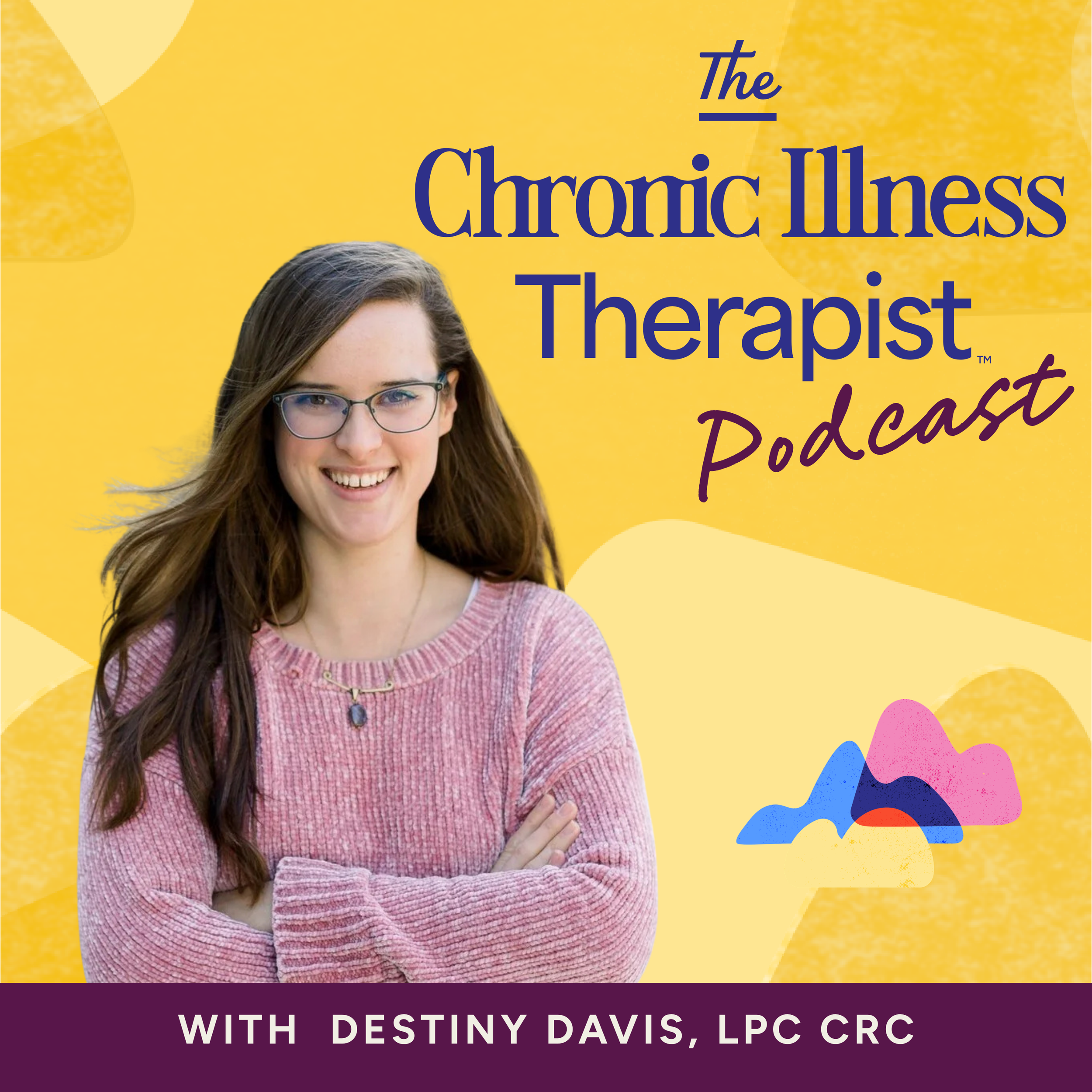
Listen to Josh’s interview with me, Destiny Davis, on Ep 132: What a Social Security Attorney Wants Chronically Ill People to Know with Josh Worley
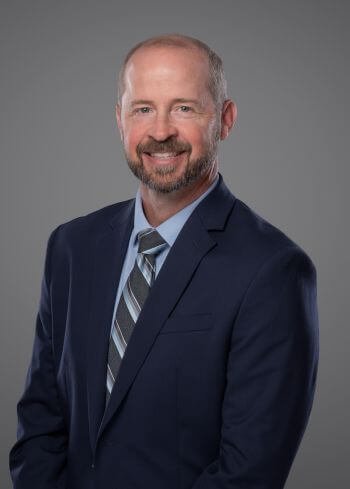
Josh Worley is a Social Security disability attorney who has successfully represented thousands of clients for the past 23 years. He represents clients nationwide and finds great joy in helping those who are struggling with their health get Social Security disability benefits that they so badly need.
Connect with Josh:
A guide from Josh for completing an application for SSD
https://www.idlawcenter.com/reports/online-application-for-social-security-disability-guide.cfm
How to know a disability judge’s approval rating
https://www.idlawcenter.com/reports/calculator-3-judge-approval-rate.cfm

Meet Destiny - The host of The Chronic Illness Therapist Podcast and a licensed mental health therapist in the states of Georgia and Florida. Destiny offers traditional 50-minute therapy sessions as well as therapy intensives and monthly online workshops for the chronic illness community.