
Content Warning: This conversation touches on orthorexia, restriction, and avoiding specific ingredients like dyes. If you've worked hard to loosen the grip of "clean" eating, please decide with care whether this is the right read for you today.
Dr. Jennifer Gaudiani is the founder and medical director of the Gaudiani Clinic in Denver, Colorado. She's board-certified in internal medicine, with an undergraduate degree from Harvard, medical school at Boston University, and residency and chief residency at Yale. Before founding her clinic in 2016, she was medical director of the ACUTE Center for Eating Disorders at Denver Health, an inpatient medical stabilization program for adults with anorexia nervosa. Her clinic offers trauma-informed outpatient care for eating disorders and undernourishment related to complex medical issues. The second edition of her book, Sick Enough: A Guide to the Medical Complications of Eating Disorders and Undernutrition, came out in late 2025.
I reached out to her because of her work on mast cell activation syndrome (MCAS), a diagnosis that so often arrives with a long list of things to avoid. What we ended up talking about was harder and more useful: how to take food reactions seriously without feeding the fear that turns eating into a minefield. That balance is hard to strike, because conversations about chronic illness tend to land in one of two camps. One camp dismisses any reaction that doesn’t show up on a test, which leaves so much of our lived experience to be discounted in the medical offices. The other camp says “natural is always better and anything artificial should be cut out, always.” That thinking has also hurt a lot of people, and I’m so cautious about perpetuating unnecessary suffering in the work that I put out into the world. Remember, plenty of natural things, like cyanide, are dangerous… natural doesn’t automatically equal better. I wanted a conversation that didn’t fall into either trap.
This topic is also personal for me. Orthorexia is an intense fear of eating, or putting on your skin, anything that isn't considered clean or natural. I grappled with it a lot in my twenties, and I still sometimes have to remind myself that food is safe and okay to eat. In fact, a lot of the “chemicals” I was scared of back then are actually things that keep our food safer because it prevents mold and dangerous bacteria from forming.
What Is Mast Cell Activation Syndrome?
Dr. G explained, everybody has mast cells, because they're part of the immune system. They live where nerve endings meet tiny blood vessels, and they cluster in the places where the outside of the body meets the inside, such as the digestive tract, eyes, skin, lungs, and genitourinary tissues. Mast cells hold hundreds of inflammatory mediators, including histamine, and ideally they only release them when something truly harmful gets in, like the welt that forms after a mosquito bite.
In MCAS, those cells are overactive and release their contents far more easily than they should. Dr. G first learned about MCAS while looking for ways to help her patients with POTS (postural orthostatic tachycardia syndrome), who felt terrible no matter what she tried. In the research, she found that many people with POTS also have MCAS, and that their POTS often can't improve until the MCAS is diagnosed and treated. If you've been told your symptoms are scattered and unrelated, overlaps like this are one reason a clinician might start to see them as connected.
How MCAS Can Turn Into an Eating Disorder
Dr. G walked me through a story she hears again and again from new patients, and it's one I've heard many versions of from people I work with. It starts with a girl who had chronic constipation as a kid, odd rashes that came and went, and more sensitivity to heat and food than her friends. By her early teens, someone has usually already told her she's too sensitive or overreacting. Then she gets her first period, and her health takes a turn. She feels achy and tired, her periods are heavy and painful, and eating starts to feel like coming down with a cold.
When she sees her pediatrician, her labs come back normal, so she ends up with a dietitian who isn't trained in eating disorders. That dietitian tells her to cut gluten, soy, and dairy, and because she's a rule follower, she does. Over time she restricts more and more, mostly because food has started to feel like a threat. As Dr. G put it, "If you end up feeling like you're allergic to food, that's just negative conditioning like any other negative conditioning."
That path can lead to anorexia, ARFID (avoidant restrictive food intake disorder), or what the DSM calls atypical anorexia, which Dr. G pointed out simply means anorexia in someone who isn't underweight. Once she has an eating disorder diagnosis, everyone tells her she'll feel better as soon as she eats enough. When, inevitably, she doesn't feel better, she starts to believe she's the problem patient and loses faith in the medical system. For clinicians, this is the moment to remember that undernutrition can be real and still not be the whole story.
Why MCAS Is So Hard to Diagnose
Part of what makes MCAS so hard to pin down is that doctors use two different sets of rules to diagnose it. The first group, called Consensus-1, counts only severe, recurring flares of a short list of symptoms. Their preferred test looks for a rise in tryptase, a substance mast cells release, during one of those flares. Dr. G pointed out the obvious problem: hardly anyone can get to a lab for a blood draw in the middle of a flare. The second group, called Consensus-2, believes the stricter rules miss many people. They count a wider range of symptoms and accept a wider range of lab tests, including histamine and prostaglandins. The catch, Dr. G explained, is that those samples have to be refrigerated and processed perfectly by a specialized lab, or the results often come back negative even when MCAS is there.
Because her clinic sees people by telemedicine across most of the country, Dr. G doesn't want patients paying for a large panel of tests that's likely to come back falsely negative. Instead, if someone has classic symptoms across several organ systems and improves on typical MCAS medications, she tells them they likely have MCAS. Some patients cry when they hear that, because they finally have an explanation. "It is dangerous to be a medical mystery," she said, because you carry the trauma of being told wrong things along with the harm of expensive treatments that don’t even help at best and do harm at worst.
When MCAS Advice Sounds Like Orthorexia
This is the part of the conversation where I got honestly uncomfortable. Dr. G tells most of her MCAS patients that there are two triggers that she believes are pretty much universal for everyone with MCAS. She says, alcohol will likely worsen their symptoms, and that synthetic FD&C dyes are also "almost always triggers for mast cell. Not always, though." Some patients realize that's why M&Ms gave them hives when a plain chocolate bar didn't.
I pushed back, because my history makes "remove this, avoid that, organic is better" lists feel loaded. We briefly discussed the bucket metaphor, which is a common way of explaining MCAS flares. The bucket metaphor pictures your body as a bucket that fills with everything your mast cells react to, like alcohol, dyes, scents, stress, heat, illness, or hormonal shifts. Each trigger adds a little more. You may handle any one of these triggers fine on its own, but when enough pile up at once, the bucket overflows and you flare.
I told Dr. G that this metaphor can be heard two ways. You can hear it as lowering your overall load so you stay below the overflow line. You can also hear it as needing to remove every possible trigger before you're allowed to heal, which is exactly where orthorexia takes hold. Dr. G agreed that tension is real, especially for people who already live with perfectionism and shame. Her answer is to name it honestly and with compassion, then treat each person's feedback as the best data available. One person might handle heat fine but crash around perfume, while another gets sick for weeks after visiting a relative's moldy house. Your own pattern matters more than any master list.
Why “Just Manage Your Stress” Is Bad Advice for MCAS
Stress is one of the things that fills the bucket, and I really appreciated how Dr. G talks about it with her patients. She called the advice to “control your stress” in order to feel better “just plain mean,” because hearing it is stressful in itself. I couldn’t agree more. Most of us with chronic illness have heard some version of that line, and it usually leaves us feeling like our symptoms are our own fault.
Dr. G takes a much more practical approach. She assumes stress is coming and plans for it ahead of time with her patients. She’ll say something like, “When it comes to exam time or the holidays, or if you get the flu, your mast cells are going to get worse. So let’s come up with sick day strategies, like bumping up your meds, so the flare isn’t as bad as it could be.” That approach doesn’t ask anyone to stop feeling stressed. It just accepts that hard seasons happen and gets a plan in place before they arrive.
That reframe made me think about travel. I love traveling, and I’m not stressed about it at all, but my body definitely is. It’s a distinction I talk about with clients all the time, because there are plenty of strategies that can help us let things roll off our shoulders a bit more. We still don’t get to control everything that stresses our bodies out, whether that’s travel, money, or the current state of healthcare.
Personally, I don’t think we’re meant to handle stress alone. If you hate cooking, the ideal world would be a community where you do the laundry and someone else does the cooking. We don’t live in that world, but I think it’s really important to work toward building more community and leaning on co-regulation instead of believing we have to get better at stress all by ourselves. If you’re living with MCAS, a plan for your hard weeks and people to share the load with will likely do more for you than another reminder to relax.
Re-Nourishing the Body When Food Feels Unsafe
For Dr. G, getting re-nourished is non-negotiable, but how someone gets there is wide open. She shared what she typically tells her own patients, while noting that it isn't formal medical advice. Many start with an over-the-counter, non-drowsy H1 antihistamine and an H2 blocker like famotidine, each usually taken twice a day. She prefers undyed pills, since the dyes and other inactive ingredients in medications can also trigger reactions. Alongside medication, she looks for a dietitian who understands both MCAS and eating disorders. Some patients also use hypoallergenic elemental shakes, and some choose temporary overnight tube feeds so their body has enough fuel to start bringing foods back.
Her goal is "the least restrictive life possible." If you never liked gluten and get enough carbohydrates from other foods, she doesn't care if you stay gluten free. If you love pasta, though, she'll work with you toward eating pasta again. When I asked how dietitians can tell whether the eating disorder or the mast cells are behind a reaction, she said, "You can't." Her advice is to believe the patient when they tell you their experience, and look at the whole day, not just the food. Were they dehydrated, overheated, underslept, or close to their period when the reaction happened? Then she asks whether they'd like to try that food again on a day when everything else is in better shape. Over time, we try our best to get enough data to develop an accurate clinical picture.
Why Going Slower Isn't Enabling
Dr. G's approach means believing patients, asking for their consent, and letting them decide when they're ready to try a food again. She said that some people would call this enabling, or say she isn't pushing patients hard enough. But she and I both agreed that this is hardly the case. She would rather go slower and gentler, because that's how she sees real progress over time. Then she said something I've rarely heard a physician say out loud. When some doctors don't see a patient improving in a straight line, they don't have the distress tolerance to sit with that uncertainty, and they start to feel bad about themselves. Instead of working through that discomfort, they hand it to the patient by saying "You're not doing it right" or "This is all in your head," which takes them off the hook.
That hit home for me, because I struggled with the same question as a newer therapist. I often wondered whether I was enabling my clients, because that’s what we are told, or simply listening to them and believing them. Now that I've been practicing for so many years, I've seen what can happen when someone stays in therapy with me for three or four years. That's a long time, but it creates a kind of change that white-knuckling or pushing past your limits never will. In the slower stretches, I've sometimes wondered whether a nervous system reset program had answers I didn't. When clients stayed long enough, the answer was usually no. If you're a clinician feeling that same pull, it may be your own discomfort with slow progress talking, not a sign that your client isn't trying hard enough.
Where to Find Dr. Gaudiani
You can find Dr. Gaudiani at the Gaudiani Clinic, which sees patients by telemedicine in almost every US state. The clinic's website also has her free blog series on MCAS. If you can't access her care, she suggests bringing the MCAS chapter of Sick Enough to a friendly nurse practitioner, physician assistant, or physician and asking them to learn it alongside you. She disclosed that she has no financial relationship with any drug, supplement, or shake company she mentioned, and that she earns only cents per book sale. Nothing here is medical advice, so please talk with your own care team before changing medications or your diet.
If you’re looking for a therapist who understands chronic illness, my directory is at thechronicillnesstherapist.com/find-a-therapist, and my workbook includes worksheets on building and trusting your medical team.
If you need a place to start, the directory on my website, thechronicillnesstherapist.com, lists therapists with lived or professional experience in chronic illness. No gaslighting allowed.
Disclaimer: Everything we discuss here is just meant to be general education and information. It's not intended as personal mental health or medical advice. If you have any questions related to your unique circumstances, please contact a licensed therapist or medical professional in your state of residence.
Destiny Davis, LPC CRC, is solely responsible for the content of this article. The views expressed herein may or may not necessarily reflect the opinions of the guest.
The content in this blog post comes directly from a real, human interview between Destiny and her guest on The Chronic Illness Therapist Podcast. This written version was formatted using AI. Listen to the full episode to hear the actual conversation.
Listen to my full conversation with Dr. Jennifer Guadiani on Ep 131: Both Can Be True: When Mast Cell Reactions and Food Fear Show Up Together
-
Episode transcribed with AI and may contain errors that are not representative of the actual word or meaning of the sentence.
Destiny Davis LPC CRC: This episode was so special to me because if you've been following the podcast for a while, then you know that I've often struggled with how to have these conversations around chronic illness without saying that anything without a, you know, 100 randomized controlled trials is the only way to practice medicine, you know, only evidence-based one hu- like 100%. And also the other side trying to be so aware and so cognizant of the fact that un-evidence-based medicine has also caused a lot of harm.
I think that's kind of the crux of it all for me is that in the kind of natural, like everything not natural is bad world, people really think that natural is better and natural is also very dangerous. Natural... Cyanide is natural. Um, too much water can kill you. Too much vitamin A can kill you.
Um, in nature, and this is something I learned, this c- this concept from robin Wall Kimmerer says in her book
braiding sweetgrass, you know, nature [00:01:00] is also as beautiful as it is. It's also horrendous and dangerous. Um, we have tornadoes and natural disasters and fires and things like that that happen in nature. So natural isn't always better. Um, and I really have a hard time having these conversations on the podcast because typically people are too much in one camp.
So I, I wanna give a little bit of a content warning here. We talk about some things that can trigger you if you have a history with orthorexia, which is whether you've been diagnosed... If you've been diagnosed with it, you know what it is, but if you've not been diagnosed with it, you might have still lived with it, and it's really kind of a fear of eating or consuming orally or through skin products, um, anything that is considered not clean or not natural, and it's a very intense fear.
It's one that, um, to be frank, I grappled with a lot in my 20s and [00:02:00] still have to kind of remind myself of, you know, like, things are safe, things are okay to eat. Um
And so this episode with Dr. Guadiani, you know, not only is she also a leader in this space, um, we were able to have that hard conversation and talk about some of those nuances in a way that I hope was balanced, but I al- but I do wanna give that content warning, um, that we do talk about things like, um, avoiding dyes and things like that, that again, if you have worked hard to overcome that, this episode could trigger some of that for you.
So just keep that in mind as you decide whether you wanna listen or not today
And I have not published an episode since July, and so there's some new things that are happening that I'd love to share with you, um, es- especially therapists
Therapists, as you might know, I have had a clinical consultation group for the last four years that I just moved into a paid membership. Um, I felt that after four years of providing that space for free, in order to continue doing that, um, and honoring [00:03:00] my time and my energy, I have had to start charging for it.
But my hope is that in the collective, in the membership, the monthly price that I chose, sixty-five dollars a month for fully licensed clinicians or thirty-five dollars a month for pre-licensed clinicians like therapists, um, or physical therapy assistants
my hope was that if you can only attend one event each month, that that price feels worth it to you. 'Cause I, what I didn't want was to price it kind of as the full cost of all five events, and then people feel like they have to come to every event, otherwise it's not worth it, or it's just, you know, um...
And, and our time is just as precious as our money. So my hope is that you can come to one thing at least every month or every other month even, and be with other clinicians who understand chronic illness. I try to keep the collective space
a really safe space to explore things like disordered eating and orthorexia and holistic medicine versus conventional medicine without falling down pseudoscientific [00:04:00] traps or
or anti-science traps So I like, I like for things to stay focused on what's already evidenced or in emerging evidence, and we have so much emerging evidence over the last five years, especially with COVID, sparked a lot of research for some of these other conditions like chronic Lyme disease or reactivated Epstein-Barr virus, um, shingles, chick- like chicken pox to, to shingles, um, pipeline, if you will.
Um, so that is a little bit about the collective. You can learn a lot more on the webpage. I hope you'll join us. Um, when you join, you do get discounted tickets to the Chronic Illness Therapist Conference and the six-week cohort that Victoria Rodriguez and I, host every spring.
So the next one will be spring 2027. and yeah, I also still have the Welcome to the Waiting Room membership for non-therapists, for people, just general public who's looking for a support group. We meet Fridays at noon Eastern, and that is alive and well. It's, um, $17 a [00:05:00] month, no matter how many support groups you come to.
You could come to one, none, all four. Um, and we meet most Fridays at noon. So everything I have to offer is for chronically ill folks and the clinicians who serve them, and I hope that you'll join us in whichever one is right for you
The Chronic Illness Therapist podcast is meant to be a place where people with chronic illnesses can come to feel heard, seen, and safe while listening to mental health therapists and other medical professionals talk about the realities of treating difficult conditions. This might be a new concept for you, one in which you never have to worry about someone inferring that it's all in your head.
We dive deep into the human side of treating complex medical conditions and help you find professionals that leave you feeling hopeful for the future. I hope you love what you learn here, and please consider leaving a review or sharing this podcast with someone you love. This podcast is meant for educational purposes only.
For specific questions related to your unique circumstances, please contact a licensed medical professional in your state of [00:06:00] residence
Jennifer Gaudiani is the founder and medical director of the Gaudiani Clinic. Board certified in internal medicine, she completed her undergrad degree at Harvard Medical School at Boston University and internal medicine residency and chief residency at Yale.
Dr. Gadiani served as the medical director for a highly specialized inpatient medical stabilization program for adults with anorexia nervosa prior to founding the Gadiani Clinic in 2016. The clinic offers specialized trauma-informed outpatient medical care to individuals seeking support for eating disorders, undernourishment related to complex medical issues, and weight inclusive primary care.
The clinic is based in Colorado and is licensed to practice in almost every US state via telemedicine. Dr. Gadiani has lectured nationally and internationally and has been featured on numerous podcasts and is widely published [00:07:00] in the scientific literature. The second edition of her book, Sick Enough: A Guide to the Medical Complications of Eating Disorders and Undernutrition, was published in November 2025, and the audiobook version that she recorded came out in February of 2026.
I'm so excited to have you. Thank you so much for being on the podcast. I...
Jen Gaudiani: I am
Destiny Davis LPC CRC: Yes. Thank you. Thank you. Yeah. I have lots of questions, but let's start first by, um, maybe some work around what you've been doing around MCAS recently. That's really what sparked me reaching out is just that diagnosis in particular and how restrictive it is and then the complications that come along with that.
I think, um, I've even done episodes on this with dieticians and other professionals, but I still have so many questions, probably because there are still so many questions left to answer. But, um, I would love to kinda know what your work looks like this- these days with MCAS, but also just chronic illness and undernourishment, 'cause I think that's really the biggest issue I see as well.
Jen Gaudiani: Yeah, I would love to. And, [00:08:00] you know, I could probably talk to you for three hours about MCAS, so, you know, I'll, um, I'll start by giving some thoughts, and then I'll make sure that you have space to tell
Destiny Davis LPC CRC: Sure
Jen Gaudiani: you wanna take it, 'cause I wanna be super responsive to you and to your humans
Destiny Davis LPC CRC: Perfect
Jen Gaudiani: listen. I had no idea that MCAS existed when I founded this clinic in 2016. Maybe shortly after I founded it, I was going through the literature trying to figure out how I could better help my patients who had POTS, uh, which I'm sure everyone knows is postural orthostatic tachycardia syndrome. Um, because, uh, so many of my patients with POTS just so terrible all the time. And I started seeing MCAS, MCAS, mast cell activation syndrome, I realized in reading the literature, such as it was then, that many people with [00:09:00] POTS also have MCAS, and if they're not diagnosed and treated for MCAS, their POTS can't get better. So this was revelatory to me, and I embarked on a journey that I am still very joyfully on now of learning intensively about MCAS, screening all of our patients who come to the clinic for it, trying to get ever more compassionate, sophisticated, individualized, and thoughtful with regards to my treatment of these folks, um, of whom have formal eating disorders.
Because if you end up feeling like you're allergic to food, that's just negative conditioning like any other negative conditioning, and food is going to become something you want to avoid. Um, and a lot of people end up in an eating disorder and, and I see [00:10:00] people across the body size spectrum. I am a highly weight-inclusive provider, and the clinic is as well. so maybe would, would you like me to start by just sort of giving the elevator talk that I give when we've got a new patient who probably has MCAS, just to kind of lay the
Destiny Davis LPC CRC: Yes. Yes, that would be a great starting point. And then I'm also thinking how do you know the difference, how does one know for themselves in con- in conjunction with their doctors if they are allergic to something or they are, you know, if they're reacting to something that is not coming up on an allergy panel?
Um, yeah, how you work through that.
Jen Gaudiani: Beautiful. Okay, so everybody has mast cells, and they are part of our immune system. They are a cell type that doesn't float around in the blood. Rather, they're cells that live where nerve endings and [00:11:00] tiny blood vessels interact. And they're especially rich in tissues where the outside of our body the inside of our body. So that means mouth the way through the digestive tract to anus. It means eyes, skin, breathing and lungs, and then genitourinary tissues, so the tissues of our external genitalia as well as internal where relevant. And mast cells hold hundreds of inflammatory mediators, including histamine, which is well known as being a, a major inflammation marker or, or, um, sort of molecule that responds ideally [00:12:00] only when something poisonous or inappropriate has entered our, the world of our body, like a mosquito bite and we get a welt. Um- Ideally, mast cells stay quiet don't release their contents absolutely necessary. But we now believe, and by we I mean, um, what's called the Consensus II group of doctors who, um, diagnose mast cell in a particular way, which I can go into, um, up to 20% the general population has mast cells that are overactive. And so the typical story is, and I'm gonna use female pronouns in this story, although people of all genders can experience mast cell. Let's say that you have a girl who as a kid had chronic constipation [00:13:00] um, seemed to, to be a little, little reactive to food, a little sort of sensitive to foods, wasn't a huge fan of eating, might have had other markers of neurodiversity. but noticed as she turned 12 and got her first period that her health just took a turn for the worse. And maybe as a kid she had a history of some unusual rashes no one could really figure out. They seemed to kind of come and go. she felt a little more tired in the sun or heat than her friends. And usually even by the time she's an early adolescent, someone's told her, too sensitive. You're overreacting to things." And, um, already feels a little gaslit in her lived experience if she's even able to really put words to it. [00:14:00] But she turns 12 and gets her period, and she just doesn't feel good.
She feels kind of achy, tired, low energy, um, maybe some pain in her joints. And now every time she eats it almost feels like she's starting to come down with something, like she's on the brink of a cold. And for sure anytime she's stressed She feels like she's getting sick. That sort of yucky feeling in the back of your throat, the, like, sort of achy body, low energy, just not feeling good. And she might also, over the ensuing years, find that she feels almost allergic to her periods, are heavy and which... Can I swear on this podcast? They feel like shit. She really feels bad when she gets periods, both emotionally
Destiny Davis LPC CRC: Yeah
Jen Gaudiani: Bad cramps. And she starts to feel like she's got digestive [00:15:00] symptoms that kind of taking over her life.
So she feels burning in her stomach. She feels bloated. She may have diarrhea or constipation or some mix of the two of them. And, you know, in our modern orthorexic world, a lot of the times she'll get a, a panel of blood that'll be normal and an, uh, an evaluation by the pediatrician that's normal, she'll go to a dietitian who's not eating disorder focused, and the dietitian will often be like, "You should avoid gluten, soy, dairy," you know, sort of all of these things And, you know, if she's a rule-following kid, she's gonna eliminate those, and initially she may feel better. Not sure why, but she's like, "Oh shit," you know, "I don't have markers for celiac disease, and the allergist didn't find that I have [00:16:00] allergies to these foods, but I actually feel a little bit better in my tummy now." But she still doesn't feel great, and when she's stressed, or if she gets COVID, or if she gets a cold, or if she goes on a long airplane travel and, and goes to a foreign country, she just feels sick. are common, maybe sinus infections start to kick in, but then the an- antibiotics they give her for sinus infections to give her rashes. She feels like she's maybe getting more reactive to medications. And oftentimes the way that this spirals is that she starts to restrict food more and more, not necessarily because there's a body image piece to this, although she lives in the world, so there's probably gonna be a little piece of body image to this. Um, but this can take an anorexia track, it can take an ARFID track, avoidant restrictive food intake disorder. can take quote-unquote [00:17:00] atypical anorexia track, a term I hate. The DSM shows its own
Destiny Davis LPC CRC: Mm.
Jen Gaudiani: Atypical anorexia just means anorexia nervosa, you don't
Destiny Davis LPC CRC: Yeah
Jen Gaudiani: Um, so then everyone's like, "Oh, this is an eating disorder." And no one focuses on the other body stuff because, again, her labs are normal, and everyone's like, "Oh, the eating disorder has to be
Destiny Davis LPC CRC: Yep
Jen Gaudiani: first." So what everyone says is, "When you eat enough again,
Destiny Davis LPC CRC: Hmm
Jen Gaudiani: feel better. You're gonna heal. It's all gonna get better." And her lived experience is,
Destiny Davis LPC CRC: ef you i sure don't." And so she then ... A bunch of things happen. Not only does she not get better and start to feel like, "Oh my God, I'm trapped in this mental illness. I must be the problem. I'm the problem patient," um, but also she starts to really fear and totally lose faith [00:18:00] in medical systems of treatment because they're not giving her information that is relevant to her, and actually, if anything, they're harming her
Yeah. Yeah. Yeah. Yeah, absolutely, yeah. Bits and pieces, you know, um, definitely from my own life. Obviously lots and lots of pieces with, with people I've worked with. And, um, yeah, it, it, what happens next?
Jen Gaudiani: Yeah. So the good news is, is that because of podcasts and because of social media, people are starting to actually get savvy to the existence of MCAS. But let's say that, uh, you know, a dietitian she sees is like, "Geez, you know, think this might be MCAS." I think it's the dietitians now who are gonna be the first line of diagnosis for this.
Bless them. Um, she might say, you know, "Why don't you go see [00:19:00] one of the doctors at the Gabbeiani Clinic?" Let's just say it in this moment, and, and we can talk about alternatives for people who, you know, don't have the ability to access, for instance, our care, and, and some alternatives. But when somebody like that calls up We offer them our Gaudiani Clinic initial mast cell questionnaire, and I'm more than happy to send this to you, and you can post it.
It's not validated.
Destiny Davis LPC CRC: Yeah
Jen Gaudiani: It is not a diagnostic instrument, it's a teaching instrument, and it basically asks a bunch of questions across all the organ systems that we have found to be relevant for our patients, it's a way of knowing what is the degree and severity of your symptoms at this moment. I think it's helpful if you happen to have a ton of symptoms across a bunch of organ systems that are highly suggestive of MCAS, like that's a helpful tool in a
Destiny Davis LPC CRC: Yeah[00:20:00]
Jen Gaudiani: So let's talk about, like, w- how we actually diagnose this. Consensus two is an answer to the consensus one docs, who were more typically academic allergists who say, "Unless you have a tryptase that is abnormal and that increases in the middle of a flare," 'cause obviously everyone wants to run over to a blood lab when they're in a
Destiny Davis LPC CRC: Yeah
Jen Gaudiani: storm, um, the consensus ones say, "Then it can't be MCAS." consensus twos, who are all of my mentors, say, "Yeah, it definitely can be MCAS." We think that consensus one criteria misses 85% of people who have some dysfunction of their mast cells. consensus two still wants blood work. It's just that have to have a very specific lab that manages samples of blood and [00:21:00] urine perfectly, and refrigerates them, and does all of the workup perfectly, or they're
Destiny Davis LPC CRC: Hmm
Jen Gaudiani: back negative. And so where there are national experts whom patients come, and they can use their own lab that they have perfectly finely tuned, that's awesome. Our clinic, my partners and I are licensed in, like, 45 states, and so we see people by telemedicine from around the country. And generally, we don't wanna waste their money by sending them for a big panel of tests that's gonna come back negative
Destiny Davis LPC CRC: Yeah
Jen Gaudiani: lab, we don't want them to have that, like, "Oh, I guess I don't have this after all." So while I am a consensus one doc who loves labs and data, I tend to say, "If you have classic MCAS symptoms a bunch of organ systems, and you respond positively to typical MCAS meds- probably you have an MCAS thing going on, [00:22:00] and all I really wanna do is help you feel better. So, like, that's where I land on that. So somebody comes to me, we've talked through the whole thing, we've, we've looked at the questionnaire, it seems highly suggestive, and then what I say is, "You seem likely to have MCAS." And sometimes even at that
Destiny Davis LPC CRC: Hmm
Jen Gaudiani: tears because it's like, "Oh, I'm so grateful that there's an
Destiny Davis LPC CRC: That's right
Jen Gaudiani: for this." Feeling like a medical mystery only feels shitty in your soul, people come very quickly to find out it is dangerous to be a
Destiny Davis LPC CRC: That's right
Jen Gaudiani: Because you end up with all of the psychological trauma of being told wrong things, and then some of the practical financial and medical trauma of having things tried that harm you.
And I'm not saying the doctors mean to,
Destiny Davis LPC CRC: Yeah.
Jen Gaudiani: this
Destiny Davis LPC CRC: When I was in [00:23:00] grad school, I knew that I wanted to s- specialize in chronic illness. Um, not many people were like what we call niching, uh, therapists back then, but, um, I knew that health coaches were doing it, and I was like, "If they can do it, I can do it." Um, and so I knew that I was gonna specialize in chronic illness, and, um, I started, so I did all my research, like any paper I had to do for any class was gonna be chronic illness related, you know, choose your own topic kind of thing.
And I came across some literature around this, this term called medically unexplained symptoms, and at first I was like, "Yeah," like, "this is great," like, "people are researching us," like, "this is wonderful." And then quickly realized what medically unexplained symptoms meant in the literature, which was essentially, you know, made-up symptoms that don't really exist, and you're just kinda seeking attention and all of that.
So it was quite a wake-up call. Um, I think we've come a long way in our research. I think I- I'm excited about the state of science right now. Um, well, I, uh, that's, uh, there's, [00:24:00] um,
Jen Gaudiani: Sister, I hear you
Destiny Davis LPC CRC: there's a political part of that, and then there's like an advan- there's an advancement part of that, and I think we are, um, you know, who knows what will happen with some of the, the research that's been cut and slashed, but up until this point, we've had some really, um, important d- uh, advancements in research.
So really excited about that. Um, and, and I don't know if they still use medically unexplained symptoms in the literature or not. I s- I threw that term out along with my, you know, with, with that research. But yeah, it's, um, y- what you said about not getting a diagnosis, that's also what, um, I spoke about at, we have a national conference now that we do annually, me and a colleague, uh, that we were, where we teach other therapists how to work with chronically ill clients.
And so anyway, that was my talk, was like the biopsychosocial ramifications of not getting a diagnosis, and it's in- it's intense, it's extensive. Um, and I'm really glad that more and more people are waking up to this.
Jen Gaudiani: thank [00:25:00] you for doing that work. Thank you for doing this work, and,
Destiny Davis LPC CRC: Ah, well thank you. Thank you. Because we can't do it without e- each other, right? Like, we need doctors on board, and therapists need to be understanding this too so that they're not perpetuating some of those really harmful s- um, you know, messages. But, um, yeah, earlier you were saying, you know, uh, in your s- in this kind of story of this, this girl, like, if people are telling her to eat more and then she'll feel better, and that's not necessarily true, like, it does- that's not what happens when she starts to eat more, what is the next step for that girl?
Jen Gaudiani: Yeah, great question. you know, I'm aware that a lot of patients who come to our clinic have already received either diagnoses or appellations of being a difficult patient, a problem patient, having somatic symptom disorder, conversion disorder, even deliberate self-harm, um, by the medical system. Um, a- and so they've really got a lot of medical trauma coming in.
And so part of [00:26:00] the that we do is to name that, a- and we try to acknowledge there's a power differential in this room. Yes, I'm sitting here in my jeans on a chair, sometimes barefoot, in Denver, Colorado, and, like, throwing F-bombs, and just, like, chilling and having a conversation, but there's still power in this room because I'm a doctor and you're a patient. But I just wanna let you know how much I respect that you are the expert of your body, and that I wanna learn from you. So trying to establish some of those dynamics early on to help the prior experience of medical trauma and slowly build trust if we
can
Destiny Davis LPC CRC: Yeah
Jen Gaudiani: Um, and then we talk about, you know, because I'm an internist who specializes in eating disorders and undernutrition, we'll also look at both the measurable and the unmeasurable complications of the undernutrition, and we'll contextualize those within the patient's [00:27:00] unique goals and values. it's so easy, especially as a person who enjoys health privilege, to imagine what someone wants for themselves and thinks they can achieve. But I share these because I think the way that you start navigating does inform the rest of the journey, and these are some of the sort of quintessential that we use when we're ta- starting a
Destiny Davis LPC CRC: Yeah
Jen Gaudiani: So once I know what this person wants for themselves, what their values are, and we've es- we, we know what the undernutrition side of things are, and what the mast cell symptoms are, which may, by the way, of course, come along with POTS and hypermobility and, um, undiagnosed autism, and undiagnosed ADHD, and,
Destiny Davis LPC CRC: Mm-hmm.
Jen Gaudiani: a bunch of other things, um- What we say is is gonna be a messy journey, and we're gonna start off with the best advice we've got, [00:28:00] and then meet pretty frequently to check in on whether that's working for you or not. So, um, I have a whole chapter in my book called Sick Enough that goes over all of the things, but, you know, some of the things that we tell every patient are probably alcohol is poisonous for you, so you should probably avoid alcohol consumed by mouth and also alcohol-containing products to the best of your ability. because almost certainly they are going to raise the likelihood of your mast cells, you know,
Destiny Davis LPC CRC: Mm-hmm. Yeah
Jen Gaudiani: Um, some people talk about the, the bucket overflow metaphor. Uh, drinking alcohol will, will raise
Destiny Davis LPC CRC: Yeah
Jen Gaudiani: bucket. We encourage people, and this sounds orthorexic, but it, it just, it's just science, and so we just say it just like this, "Artificial dyes are [00:29:00] almost always triggers for mast cell." Not always,
Destiny Davis LPC CRC: Okay
Jen Gaudiani: always. And so what I'll say is, um, you should have all of the cake and candy and cookies that your heart desires. just have to be organically or naturally dyed. They can't be the chemical dyes." And some patients will be like, "Oh, that's why if I eat M&Ms I break out into hives, but I can eat a bar of chocolate and tolerate it." Others might be like, "Goddammit, people have been telling me to drink Gatorade for years for my POTS, but it kept making me feel sick, and I happen to like the flavor of yellow Gatorade the best." And they realize that they've been sort of at odds with what their body needs as they try to be good citizens of their own
Destiny Davis LPC CRC: Yeah.
Jen Gaudiani: based on
Destiny Davis LPC CRC: Yeah, that is like, okay, I'm, I'm struggling with it 'cause of the orthorexic part, which is something... How, yeah, how do we know then [00:30:00] what is worth listening to and what is not? And also, I just wanna clarify too, 'cause I know y- you said chemically, but I think our, like, natural dyes are still chemicals.
Is that correct?
Jen Gaudiani: I mean, I think that vegetable dyes, you know, like
Destiny Davis LPC CRC: Okay.
Jen Gaudiani: dye or, or
Destiny Davis LPC CRC: Yeah
Jen Gaudiani: um, it's, it's the FD&C dyes that generally trigger. Not in everybody, but for sure the ones who are more symptomatic, we say go dye-free and go, go organic, you know, where, where you want to have something that's traditionally brightly colored.
Um, and we say be aware of stress. The idea that you should control your stress, quote unquote, in order to feel better is so mean because like that very piece of advice is so undermining and stressful. So what we say is instead of like, [00:31:00] "Don't get stressed," 'cause... And, and I've, I've looked at your wonderful podcast, and I know that you have a whole...
You do beautiful work on this. what I might say is, "When it comes to be exam time, when it comes to be the holidays, if you get influenza, your mast cell is gonna get worse, so let's think about sick day strategies for us to bump up your meds and take care of you so that the flare is not as
Destiny Davis LPC CRC: bad as it
Jen Gaudiani: could be."
And I think that's like a kinder way of,
Destiny Davis LPC CRC: Yes. I love that.
Jen Gaudiani: acknowledging
Destiny Davis LPC CRC: because I mean, yeah, f- first and foremost, like yeah, we don't have control over always what sh- you know, what stresses us out. There for sure are strategies that we can learn to like let things roll off our shoulders a little bit more, this and that. But when it comes to, especially right now, like the state of healthcare, financial stress, travel, and how, how that kind of impacts a lot of folks with, [00:32:00] um, with chronic illnesses, I know it stresses my own body out.
Like, it stresses my body out, is how I say it. Like, I'm not stressed about traveling. I love traveling. My body is stressed about traveling.
Jen Gaudiani: Beautiful
Destiny Davis LPC CRC: so yeah, recovery is real- that's always what I'm, I'm talking to people about, how do we just re- And also, just one more important point, is the, the collaboration of it all, because we're not meant to handle stress alone we're meant to handle it in community.
Uh, if you hate cooking, like ideally you would have a community where like you could do all the laundry and they could do all the cooking, but that's just not the world we live in. And so, um, I d- I think it's important to build community and, and have co-regulation and be able to work with each other to alleviate stress, stressors in the environment, rather than this like sole individualistic, like I must be better about my stress kind of thing.
Jen Gaudiani: I love that so much. I couldn't agree more with you. That's just, uh, absolutely precisely what I think is, is the best possible advice. y- [00:33:00] you know, then it comes to, okay, Dr. G, I get an all-body rash, or my scalp gets itchy, or my stomach burns every time I eat most foods. So I would like to reverse my undernutrition.
How the hell do I do it? And what we'll say is, there's a series of medications we can try to start, and some people are super, super reactive in a negative way to medications. Sometimes it's to the med itself, sometimes it's to what's called the excipients the things in the medicine that aren't the active medication. and some are, are pretty med-tolerant. So this is part of the journey we go on together as we begin this relationship. But in general, start an H1 blocker that's over the counter. That means the non-drowsy allergy meds. That's your ... And I don't have any relationship with any drug company or any supplement company, [00:34:00] um, but that's your sort of your Claritin, Xyzal, Allegra, et cetera. you do that at least twice a day, for starters. Um, this is not formally medical advice, but I'm just letting folks know because these are over-the-counter medications, and people want operationalize today kind of strategies because of the degree of suffering. Um, so even if it says 24-hour Claritin, you take it twice a day. The side effect of that or the adverse effect is maybe a little constipation, maybe some dry mouth. then you also take an H2 blocker typically twice a day, and an H2 blocker in the US is usually famotidine or Pepcid the counter. possible, the pills should be undyed because it turns out that dyes in medications can also trigger, uh, the mast cell reactions, um, even changes in manufacturing of a pill you've been on for a long time.
People can be like, "Why am I suddenly out of control again?" [00:35:00] Um, then there are a series of other things, and folks can, can look in, in my book or I've got a free blog series on the Guadiani Clinic website that sort of goes through a bunch of others, some of which are over the counter, some of which are prescription. Um, and at the same time, I might say, try to find you a dietitian who is MCAS and eating disorder aware," and there are a growing number of those, "and let's try to increase the volume of the things you tolerate." And we might bring in, and I realize finances can be a barrier here, elemental shakes where they are as hypoallergenic as possible, and there's a variety of them out there, and I have no financial relationship with any of those either.
Destiny Davis LPC CRC: Is, is an example of that, and again, no relationship on my end either, is Kate Farms an, an example of that?
Jen Gaudiani: So, Kate Farms is a good shake, but it's not necessarily an elemental shake. Mm-hmm. [00:36:00] Uh, I'm thinking about, um ... There's Uh, we can, I can send y- you links so that you can recommend folks. But there's an elemental shake powder, there's Kachava, there's MBiota.
Destiny Davis LPC CRC: of some of those. Yeah
Jen Gaudiani: of these are, like, truly fully broken down, dye-free. They've got sort of some of the good micronutrients. And what we say is, this is gonna be boring, annoying, and frustrating, but if we can take slow steps to increasing your caloric intake stuff you tolerate while we remove artificial scents, which is another big one, and other classic triggers from your environment, you know, farewell scented candles and scented body lotions.
If you're, if you have mild MCAS, you stick with one or two signature scents that you love, like, "I love my shampoo," and, "I love my this." And then [00:37:00] everything else should be made scent-free and dye-free in the home environment, and we start meds. And as we start to nourish the body with things it doesn't react to, which often don't show up on allergy testing, the body does like to get nourished, and there are actually a lot of meds we can use to help the body tolerate food. sometimes it's hard to tolerate food due to MCAS, but sometimes it's hard to tolerate food due to biological, physiological changes of undernutrition, and that's sort of what the, the bread and butter of what we do in our clinic. Um, you know, they've got gastroparesis, they've got constipation, they've developed small intestinal bacterial overgrowth.
Like, removing physical barriers to recovery work is kind of the raison d'être of the clinic. Um, and so as we start that process and people start to feel better, [00:38:00] that little glimmer of hope happens, and that glimmer can be tough 'cause it's h- it's scary and vulnerable to hope again after you haven't for so long. And some people respond really well initially, while others really struggle still, and I'm super humble about that fact. Um, but a lot of the time we can help people feel better and help them begin to make nutritional progress we're maybe co-treating the ADHD for the first time, and we're giving them guidance on POTS for the first time, and we're helping them with sick day management.
Um, so it's a long process, and there are setbacks for sure. But, um, you really do see people move towards a level of wellness that they haven't experienced before
Destiny Davis LPC CRC: Yeah, it's, it's... I've got so [00:39:00] many, yeah, like thoughts, and it's so hard with the orthorexic piece. I feel like in my own journey, um, yeah, uh, yeah, I went, I went down that path. But who kn- like, there's always... So one of the things I think we try to, um, parse out too is, like, h- what's good enough and then what is, like, has to be perfect in order for it to work.
And when we're talking about that bucket metaphor, which, um, I've talked about before, it kinda feels like... And you can take it either way. You can, like, perceive it either way, that, like, you just gotta get the bucket, like, below a certain threshold, and then you can also see it as like, "Well, I have to get rid of all of these things," which feels like perfection and feels like I, I'm not gonna heal until it's...
And so it's so, it's so difficult
Jen Gaudiani: Yeah, that's such a sophisticated point. This is hard, and especially because I'm generally seeing people who do also have a concurrent
Destiny Davis LPC CRC: Hmm
Jen Gaudiani: We know that the perfectionism [00:40:00] and the self-recrimination, the shame reactions, the, the history, again, of potentially being gaslit or, or given confounding information is, is, like, rampant for those
Destiny Davis LPC CRC: Yeah
Jen Gaudiani: folks. And so we just try to name it and, and be humorous about it and, like, compassionate and loving and, and be like, "Look, this is gonna be a fucking frustrating knot that we're just gonna have to really unpick slowly but surely, I'm here with you at your side. Let's find out what your body tells us, because what I'm interested in is your specific feedback." 'Cause you might say, "Dr. G, I tolerate heat pretty well and I'm not actually very dye sensitive, but if somebody walks in with perfume on, I am down for the count for
Destiny Davis LPC CRC: Yeah
Jen Gaudiani: or, "If I go to my aunt's house that I know has mold in it, I will be sick for two weeks." And so allowing them to really become the owner again [00:41:00] of the best information about their bodies narratively allows us to find some, some gradations there. And, you know, dieticians who treat people with eating disorders can be frustrated, like, "Dr. G, what's the, what's the eating disorder talking and what's the mast cell talking? How do you tell?" And I'm like, "You can't. But if you start with believing the patient- Even though there's not a test. Because PS, someone may tolerate gluten 25 days of the month, but in the three days before their period or the three days after they start final exams, they get sick as a dog on gluten, and that's real.
Like, we just have to sort of be like, if is real, that is their lived experience, and of course there's gonna be a fear that comes with that where they're like, "If it's five days a month, I want it zero days a month 'cause I don't wanna feel sick, 'cause when I feel sick, the [00:42:00] trapdoor falls out of my life." I wanna, like, warmly validate that and validate that, and also say, "In the big picture, goal is to help you live the least restrictive life possible. So you tell me what's most valuable to bring back in." you never really liked gluten-containing items anyway, and you're willing and consistently able to get in the carbs you need otherwise, I don't care if you're gluten-free. But if you tell me that you absolutely love pasta, we have to work towards your tolerating that as best we possibly can. I j- I try to make it an ongoing set of dialogues, I just tell dieticians, "Believe the patient." There's a lot of ways you can get in enough nutrition with relatively limited foods if that's what someone's ready for
Destiny Davis LPC CRC: Yeah
Jen Gaudiani: And then maybe three months [00:43:00] from now, when trust has been established and they've had meds on board, and they feel better generally and they're like, "Gosh, I'm gonna go to my grandparents' house and I would love to do X, Y, and Z," you say, "Okay, well, let's bring that back in and see." But it's very different from the eating disorder sort of purist mentality of recovery means you eat everything, no limits, abs- You know, like, that's very different
Destiny Davis LPC CRC: Yeah, that I think, yes, is really important. And then, and but what about some of the, like, what about some of the education that might need to be done around, um, okay, when you're adding a food back in, like I've had, um... I don't know if you know Tiffany Pecoraro, but she does MCAS and ea- she's a v- registered dietitian, does MCAS and, uh, eating disorder work.
And one thing I learned from her, and through a few other, um, eating dietitian, eating disorder dietitians, is that, you know, for the couple of weeks after reintroducing a food, you can have some of these like [00:44:00] bloating, you can have some of these uncomfortable symptoms that is just, just relevant to introducing the food.
And I wonder, can that cause a mast cell flare-up that doesn't mean you have to actually continue restricting that food? Like, can we get past a hump, especially if it's important to the client? And I don't know an answer to that.
Jen Gaudiani: Yes. Yeah, the answer is
Destiny Davis LPC CRC: Okay
Jen Gaudiani: time. You know, but it's gonna take, it's gonna take some consistent validation and support from the clinicians to be like, "I hear you when you say how you actually have a trauma response to bloating.
Destiny Davis LPC CRC: Yeah
Jen Gaudiani: You actually feel terror in your body, and you are hypervigilant about it,
Destiny Davis LPC CRC: Yeah
Jen Gaudiani: have intrusive thoughts because that's the result of torture."
You know, I mean, these are nerve reactions that are getting bathed in inflammatory mediators, and it is [00:45:00] essentially sort of
Destiny Davis LPC CRC: Yeah
Jen Gaudiani: that people experience in their bodies. And so what I wanna say is getting re-nourished is non-negotiable, and we have to find a cadence to that that moves you back towards
Destiny Davis LPC CRC: Mm.
Jen Gaudiani: How you do that, though, got almost infinite openness to, including some people who are like, "I would prefer to have a home feeding tube through my nose into my stomach," where usually polyurethane is tolerated, although interestingly medical silicone, mesh, PEG tubes, and breast implants may be a trigger for mast cell. Um, that,
Destiny Davis LPC CRC: Yeah
Jen Gaudiani: But polyurethane is often tolerated, they might be like, "Will you just give me, um, elemental overnight feeds for, like, 50 to 75% of my
Destiny Davis LPC CRC: Yes
Jen Gaudiani: for [00:46:00] four weeks so that my body starts to come alive again, and my gut starts to be nourished, and I just start to be able to think again? And then I might have the cognitive reserve to be like, 'I could add these three foods orally during the day and then step up the quantities of them that I tolerate and come off the tube.'" Like,
Destiny Davis LPC CRC: Yeah.
Jen Gaudiani: many ways that we can meet people where they are instead of trying to regulate
Destiny Davis LPC CRC: Yeah. That flexibility is so important, I think, I know, in healing and, and getting better. Yes, and it's obviously, it, it's a privilege to be able to not only afford a lot of these services, but also to, you know, have the time and the ability to regulate while things... You know, you're trying a thing, and then it's, you know, it doesn't work, and it was your kind of y- big hope that it did.
And, and so all of that immense amount of privilege in this conversation, but I've seen it work too. And so [00:47:00] it's just really important
Jen Gaudiani: Yeah, I really appreciate your naming that in those sophisticated ways, 'cause that is absolutely true. And I think to that point, people listen to this, um, and, and are like, "For whatever reason, I don't think that I would be able to receive care at your clinic," what I'll often suggest is that, um, you know, if they can, they buy my $20 book, which I'm not trying to be self-dealing.
I literally wrote it so that I could help people, and you know, I, I get cents on the, on the sale, so
Destiny Davis LPC CRC: yeah. You're welcome to, yeah
Jen Gaudiani: And they, they read, they, they read the relevant chapter of Sick Enough Too, and they bring it to what I hope might be a friendly nurse practitioner or physician
Destiny Davis LPC CRC: Yeah
Jen Gaudiani: provider. Because I often think the NPs and the PAs are a little bit
Destiny Davis LPC CRC: Yes.
Jen Gaudiani: than the MDs. I'm an MD. I love doctors, but we know that there's some, some problems there. Um, and, [00:48:00] uh, they say, "Look, I don't expect you to become an expert in this. Um, but my local allergist is a consensus one who doesn't believe I have MCAS I don't have a positive tryptase, and I've read this chapter, and I've started some of the things that are over the counter, and I'm pretty confident I can feel better. you be willing to read this chapter and we just try to, like, learn this together? Maybe would you prescribe me some cromolyn? Would you maybe prescribe me some compounded low-dose naltrexone? And, like, let's just sort of muddle through it together." And a lot of the times these providers are
Destiny Davis LPC CRC: Yeah.
Jen Gaudiani: "Okay."
Destiny Davis LPC CRC: I'm, I'm in Atlanta, and so it's a big medical city. Um, and we've got Emory here and lots of, lots of hospitals here, and I, uh, am really, really glad that a lot of, a lot more, like, all of my clients are like, "Yeah, I see this doctor or that cl- doctor." Like, there's so many more, um, informed practitioners now, like even within the system.
It used to just be functional medicine or private pay, [00:49:00] private practice, and now there's a lot more, like, in the bigger hospitals. So I'm really thankful for that
Jen Gaudiani: Absolutely
Destiny Davis LPC CRC: Um, let's see. I think, I think that might have been all of my questions. You know, we kind of... Maybe a little bit more around, so how do we determine the allergy versus sensitivity?
But I think that probably goes hand-in-hand with the, like, believing just how a patient feels. Maybe one more layer to that is like- Yeah, so a patient eats something, uh, they don't react well to it, but h- do we help them? Do you all, especially with the, the eating disorder dieticians and the ones who understand MCAS, start to differentiate, like it could be the food, but it's also could be that you like walked too much that day, or you, for your body, or you...
Like, do they start to parse out those other things so that we can, you know, it may not always be the food, even if they think it is, which is different than not believing them or [00:50:00] like telling them they're wrong about their experience?
Jen Gaudiani: Yeah, I think that that's a great example of holistic care. It's about, you know, the provider not getting too siloed and too focused on, on what their particular part of this is, and remembering to, like, pan the camera out be like, "Tell me more about what happened that day. you tired, dehydrated, hot, underslept, um, emotionally in a darker place, um, or with fewer reserves? Um, did you walk through an office building that probably was filled with mold? Did you..." You know what I mean? There are a lot of different variables, so i- in general, again, respecting the history of medical trauma loving to offer opportunities for consent wherever possible and body autonomy. be like, this exposure [00:51:00] mean enough to you that you would be game to try it again on a day that other stuff looks like it's in a pretty good place? Or do you need to take a hot couple of weeks and n- not retry that?" I just, I wanna give that autonomy as much as possible, and, and I'm the first to admit that this approach, which is applicable in my MCAS work, it's applicable in my eating disorder work, runs the risk of being labeled, um, enabling or, or
Destiny Davis LPC CRC: Yeah
Jen Gaudiani: hard enough.
But I, would rather be on that side of the equation with these lovely humans
Destiny Davis LPC CRC: Yeah
Jen Gaudiani: and go slower and be gentler and actually see real progress over time [00:52:00] do the thing that Western medicine is at
Destiny Davis LPC CRC: Mm-hmm.
Jen Gaudiani: which is if the provider, let's say it's the MD, seeing a certain degree of linear
Destiny Davis LPC CRC: Yes
Jen Gaudiani: they don't have the distress tolerance to sit with that.
They become self-recriminatory and feel bad about themselves, and then instead of having done their work on that, they tell the patient, "This is your fault. You're not doing it right," or, "This is all in your head," by means of taking themselves off
Destiny Davis LPC CRC: Oh my gosh.
Jen Gaudiani: on the whole , I'd rather go my speed.
Destiny Davis LPC CRC: said those exact words. That is so spot on. Like, I so appreciate you saying that out loud because that is exactly right. And, and, you know, I, I, as a newer therapist, I was always struggling with, like, "Am I enabling or am I just, like, being a good, like, listener and believing my clients?" And right, and now that I've been practicing for many years, it's like I've seen, I've [00:53:00] seen what that can do when someone sticks with me for like three, four years, and that's, that's hard.
Like, that's a long time. But it does, it creates a change that, like, white-knuckling it or pushing too much past your limits just won't ever do. And it's, it is very hard to sit with that as a practitioner, where you're like, "Am I doing the right thing? Does this, uh, nervous system, you know, regulation reset program over here have the answers that I don't have?"
And the answer is usually no when I, when I'm able to s- when a client stays with me long enough. Like, it's wonderful, and, and I'm really glad to hear you all have that perspective too.
Yeah. It's, I appreciate so much this conversation. Is there anything else that you are, you know, thinking that you wanna say before we, we end today?
Jen Gaudiani: You know, i'm just so grateful that you're doing this work and, and not only clinically, but on the podcast. I have to imagine that your listeners feel so held [00:54:00] and so seen in this space, and that is its own magic. To know that there is somebody out there using the words, using the techniques that speak to them, even if they don't necessarily have direct access to it, I think opens a door that leads back to trusting your own internal locus of authority over an authority figure who may or may not have the knowledge base to be speaking prescriptively to you, that's tricky.
I mean, you know, every medical relationship requires some degree of, of mutual trust, and sometimes that's hard won, sometimes that's easier. Um, I so deeply believe in a society that has handed over, um, control to outside sources, even, and I [00:55:00] say this lightly and, and non-judgmentally, the people who are like, "I'm gonna look at my watch to see how
Destiny Davis LPC CRC: Yeah. Yeah
Jen Gaudiani: Like, my watch will tell me how I slept, and I get some people need it. I, I, I'm using this lightly, but there is something to be said for I'm gonna wake up and I'm gonna check in with myself and I'm gonna think about how I felt overnight, and I'm gonna sort of check in and I'm gonna be my best source of authority on how well I've slept, you know?
And, and so I love the idea of anything that brings people back to themselves, back to an honoring of listening to their symptoms, being compassionate with themselves rather than judgmental for having symptoms, and starting to move towards a world in which they feel empowered to know what to do to ameliorate
Destiny Davis LPC CRC: Yeah. Yeah, I, I'll just, just add I, I, when I first learned how to parallel park a car, I only learned with a backup camera, and then I was able to do it and can do it now without a backup camera. [00:56:00] And so sometimes, you know, those devices are really great to give you, like to even know how to check in. It's like a bio- that biofeedback kind of idea, and then we need to really make sure we're checking in and not just relying on the score that it says, 'cause yeah, there's a lot of, uh, de- like defectiveness with, with those devices.
So that's one reason, and the other reason is, yeah, we do need to be able to trust our bodies. But sometimes we need some data and input to do that, and that's okay. We just, you know, wanna also... It's holistic like you said Thank you so much. I so appreciate this. Um, thank you for the work that you're doing.
People can... I'll put all of your links in the show notes. You've got your book. Anything else that you wanna mention before we end?
Jen Gaudiani: No, thank you so much for having me.
Destiny Davis LPC CRC: Awesome.
Jen Gaudiani: fun
Thanks for listening. If you learned something new today, consider writing it down in your phone notes or journal and make that new neural pathway light up. Better yet, I'd love to hear from you. Send me a DM on Instagram, email me, or leave a voice memo for us to play on the next show. The [00:57:00] way you summarize your takeaways can be the perfect little soundbite that someone else might need.
And lastly, leaving a review really helps others find this podcast, so please do if you found this episode helpful. And PS, clicking subscribe ensures you'll be here for the next episode. See you then
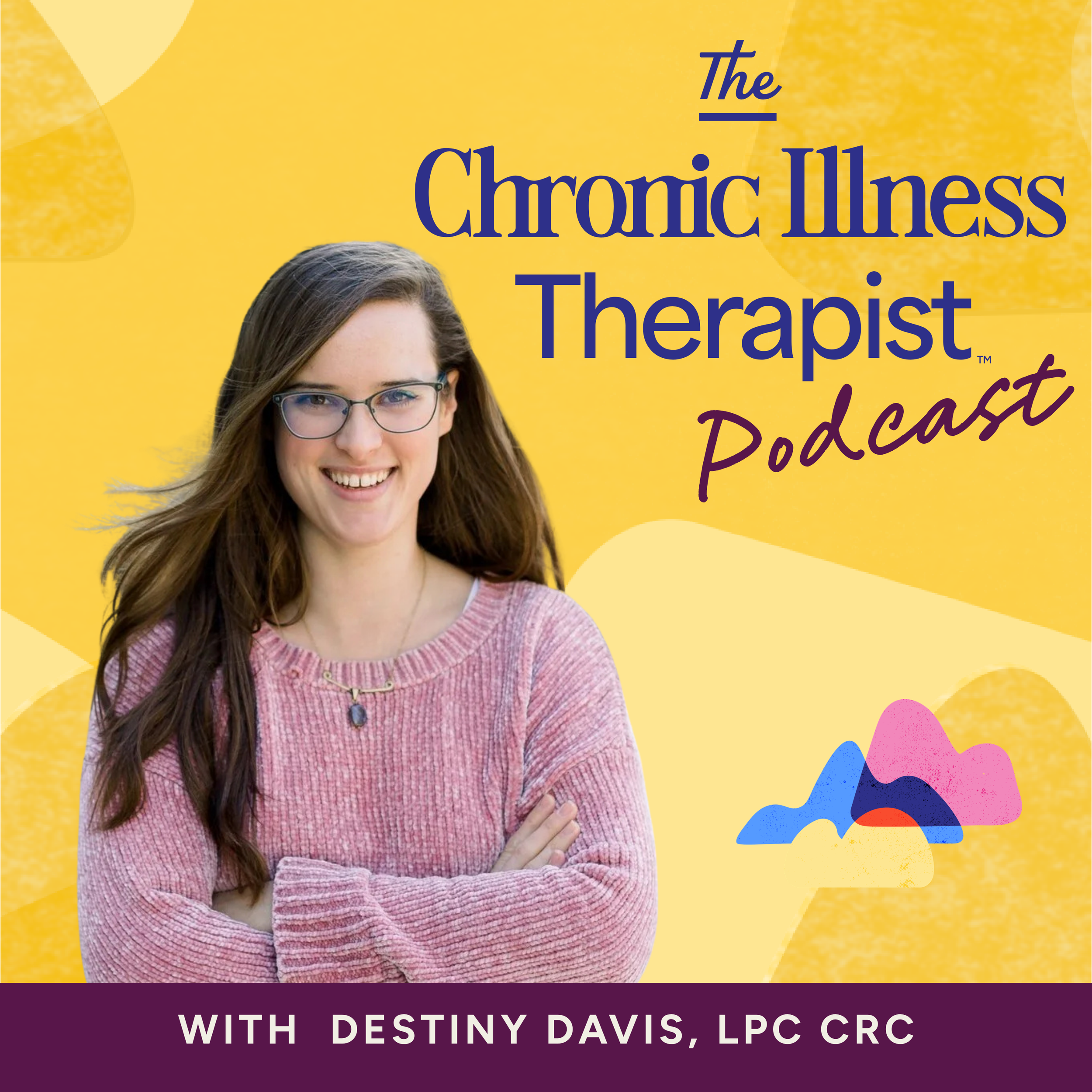
Listen to Jennifer’s interview with me, Destiny Davis, on Ep 131: Both Can Be True: When Mast Cell Reactions and Food Fear Show Up Together
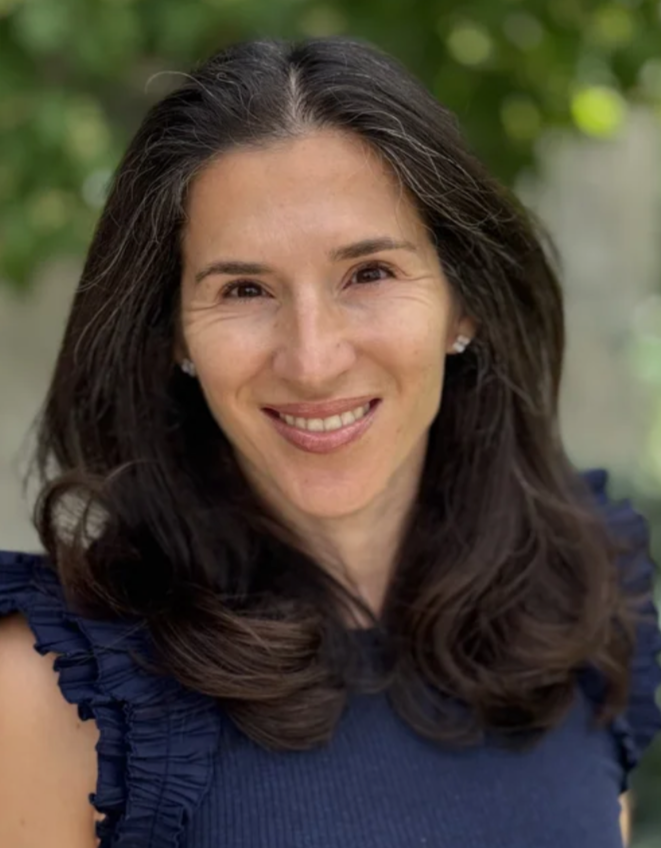
Jennifer L. Gaudiani, MD, CEDS-C, FAED, is the founder and medical director of the Gaudiani Clinic. Board certified in internal medicine, she completed her undergraduate degree at Harvard, medical school at Boston University, and internal medicine residency and chief residency at Yale. Dr. Gaudiani served as the medical director for a highly specialized inpatient medical stabilization program for adults with anorexia nervosa prior to founding the Gaudiani Clinic in 2016. The Gaudiani Clinic offers specialized, trauma-informed outpatient medical care to individuals seeking support for eating disorders, undernourishment related to complex medical issues, and weight-inclusive primary care. The Clinic is based in Colorado is licensed to practice in almost every US state via telemedicine. Dr. Gaudiani has lectured nationally and internationally, has been featured on numerous podcasts, and is widely published in the scientific literature. The second edition of Dr. Gaudiani’s popular book, Sick Enough: A Guide to the Medical Complications of Eating Disorders and Undernutrition was published in November 2025, and the audiobook version that she recorded came out in February 2026.
Connect with Dr. Jennifer:

Meet Destiny - The host of The Chronic Illness Therapist Podcast and a licensed mental health therapist in the states of Georgia and Florida. Destiny offers traditional 50-minute therapy sessions as well as therapy intensives and monthly online workshops for the chronic illness community.