
Based on my conversation with Emma Tynan, Irish psychotherapist specializing in medical trauma and chronic illness
When we think about medical trauma, our minds often jump to the dramatic moments—the devastating diagnosis, the life-changing surgery, the emergency room visits. But what if I told you that some of the most profound trauma happens in the quiet, everyday moments that no one else sees?
Emma Tynan, an Irish psychotherapist who specializes in working with clients experiencing medical trauma and chronic illness, brings both professional expertise and personal understanding to this work. As someone who spent over a decade as a nurse (primarily in emergency care) and lives with chronic illness herself, Emma offers a unique perspective on the micro-traumas that accumulate over time.
The Day You Can't Hold a Spoon
"Sometimes it's not the big diagnosis," Emma explains. "It's the day you can't hold a spoon or make a cup of tea. Maybe that's something that is really important to you—that you have this little bit of independence—or you can't do a sport you used to be able to do before. That's when your grief hits, not the day you've been told you have MS or anything."
This insight challenges our cultural understanding of trauma. We're conditioned to expect the big, dramatic moments to be the hardest. But for many people living with chronic illness, the trauma accumulates in these smaller losses—the inability to write in a journal because you can no longer hold a pen, missing your friend's house party because of incontinence, or realizing you can't progress in your career the way you once could.
The Forgotten Recovery Period
One of the most overlooked aspects of medical trauma happens after treatment ends. Emma describes how patients who've completed cancer treatment, for example, suddenly find themselves with minimal medical support and reduced attention from their support network.
"When they're told 'you're fine now, off you go,' sometimes that's the hardest bit," Emma notes. "They're going back into the world, they don't know how to integrate back into work. They can suffer a huge amount of fear and anxiety. And you hear people saying, 'I feel so stupid for this because I should be so grateful to be here.'"
This period of "supposed recovery" can be incredibly isolating. While everyone around you celebrates that you're "through the worst of it," you might be struggling with:
Fear and anxiety about the future
Difficulty integrating back into work and social situations
Fatigue and other ongoing symptoms
A sense that your experience is completely different from everyone around you
Gaslighting Ourselves
When you're dealing with symptoms but no clear diagnosis, the isolation can become even more profound. Emma describes how people begin to gaslight themselves: "Why can't I do this small thing? What the hell is wrong with me? I've been told that there isn't anything going on, but the pain is incredibly real."
Family, friends, and employers may grow tired of hearing about ongoing pain when there's no clear medical explanation. This leads to a devastating cycle where people begin to doubt their own experiences and add self-criticism to an already overwhelming situation.
Redefining Productivity and Success
In therapy, Emma works with clients to fundamentally shift their relationship with productivity and expectations. She uses the metaphor of having different amounts of "money in your purse" each day—some days you wake up with lots of energy to "spend," other days you have very little.
"You're working with a different version of yourself," she explains. "Today you might be working with the zero-spoon version, so our expectations might be nothing today, and that's fine."
This approach challenges the typical goal-oriented nature of therapy. Instead of pushing clients to do more, the goal often becomes learning to do less—and recognizing that as productive and necessary for long-term well-being.
The Importance of Asking Better Questions
For friends and family members wanting to support someone with chronic illness, Emma's advice is simple but profound: ask better questions and listen without trying to fix.
Instead of assuming you know what's hardest for someone, try asking:
"What is it like having [this condition/treatment]?"
"What's the biggest loss for you right now?"
"What's the most challenging part of your day-to-day life?"
The key is being prepared for answers that might surprise you. Someone might say that getting a stoma bag was the best thing that ever happened to them, while another person with the same condition might find it devastating. There's no universal experience of illness or recovery. It's not about getting it right based on some universal truth—it's about being in relationship with one another, listening to the individual in front of you and offering respect in the way they need it, just as you'd want them to do for you.
Meeting People Where They Are
As a therapist, Emma emphasizes the importance of patience and meeting clients exactly where they are in their journey. Sometimes people aren't ready for acceptance. Sometimes people are just still hoping for a cure or a return to their previous life. Sometimes that hope becomes consuming, causing them to pause their entire lives until they're "better."
"It's usually grief that comes, and it's usually like a ton of bricks," Emma describes. "It's not that we're giving up hope, and it's not that we stop fighting or advocating, but there's this bit of 'this isn't changing today, is it?'"
The Complexity of Identity and Chronic Illness
Living with chronic illness intersects with every other aspect of identity—gender, culture, religion, socioeconomic status. Emma points out that for many men, chronic illness challenges fundamental aspects of how they see themselves, particularly around being the breadwinner or maintaining independence.
Women face different challenges, including the reality that medical research has historically overlooked women's symptoms and experiences. These intersecting identities shape how someone experiences their illness and what aspects of it feel most challenging. In therapy, our job as the therapist is to help the person with the chronic illness put concrete, clear, and accurate words to how this experience personally affects that individual.
Moving Forward with Compassion
The work of healing from medical trauma—whether it's the big dramatic moments or the accumulated small losses—requires tremendous self-compassion. It means grieving not just what you've lost, but sometimes grieving the time you lost before getting proper treatment or support.
It means learning to work with the version of yourself that shows up each day, rather than constantly comparing yourself to who you were before. And it means recognizing that recovery isn't always about getting back to where you were—sometimes it's about building a meaningful life within new limitations.
If you're supporting someone through chronic illness or medical trauma, remember that your role isn't to fix or rush them through their process. Sometimes the most healing thing you can offer is simply witnessing their experience without trying to change it.
Emma Tynan is an Irish psychotherapist specializing in medical trauma and chronic illness. She offers online therapy sessions and free discovery calls. You can learn more at emmattynancounseling.ie.
This blog post is based on an interview with Emma Tynan, psychotherapist UK/Ireland, on The Chronic Illness Therapist Podcast. For more resources on navigating healthcare challenges, subscribe to our newsletter and follow us on social media.
Disclaimer: Everything we discuss here is just meant to be general education and information. It's not intended as personal mental health or medical advice. If you have any questions related to your unique circumstances, please contact a licensed therapist or medical professional in your state of residence.
Listen to Emma’s interview with me, Destiny Davis, on Ep 93: Medical Micro-Traumas w/ Emma Tynan
-
Episode transcribed with AI and will contain errors that are not representative of the actual word or meaning of the sentence.
Emma Tynan
Destiny Davis LPC CRC: [00:00:00] Emma Tyin is an Irish psychotherapist who specializes in working with clients who've experienced medical trauma or are battling chronic illness. She's also a chronic illness warrior herself with over a decade of experience as a nurse, the majority of which was spent in emergency care.
Emma brings both professional expertise and personal understanding to her practice. Hi Emma. How are you?
Emma Tynan, Psychotherapist UK/Ireland: Good. I'm
Destiny Davis LPC CRC: so glad to talk
Emma Tynan, Psychotherapist UK/Ireland: to you today. Good. Yeah. Yeah, it's strange hearing about yourself, but you and you for each night.
Destiny Davis LPC CRC: I know. Yeah. It always feels a little bit awkward, but I would love to hear a little bit about your history as a nurse and like when you decided to become a therapist and and maybe even you could share a little bit about. Your journey with your own diagnoses.
Emma Tynan, Psychotherapist UK/Ireland: I was a nurse for a very long time and I wanted to divert into something else. I didn't want to do shift [00:01:00] work forever and I didn't want to climb up the ladder in nursing, and I had been through my own therapy.
Actually regarding my own chronic illness. So I've had a lot of gyne issues over the years and also I've chronic bladder syndrome. So I've suffered incontinence and retention and things like that for forever. So I did go to my own therapy and, talking about things like body image and self-confidence, and I really love therapy.
It really helped me. And I suppose when I was considering my career shift, I just thought, oh. Maybe I could do that. So I applied for a Master's and did it while I was working as a nurse, which regarding as a therapist or anybody with chronic illness probably wasn't the best idea. So it was very, tiring and close to burnout, but ironically. But yeah, and then I ended up becoming a therapist. And I think like a [00:02:00] lot of therapists, when you start out, you start working in EAP programs and different pieces. But when I started thinking about branching off into private practice, one thing that I absolutely loved was working with people who, with chronic illness.
Working with people who'd been through any sort of medical trauma because obviously I had worked in the medical system and it had been, I suppose it having that knowledge really helped me relate to them and yeah, I think it was just a clientele. I absolutely was. I know it sounds cringe, but inspired by and absolutely loved working with and felt like I could empathize with.
So yeah, that's how I got here then.
Destiny Davis LPC CRC: Yeah, that makes sense. And I know today we're talking about the micro moments that happen on a day to day basis that are pretty, that really add up to be traumatic experiences. That's different than how most people think of trauma as, the car accident or the [00:03:00] diagnosis itself.
Yeah. Yeah. And it sounds like you were also learning okay, if there's micro moments of trauma every single day, how do I find micro moments of enjoyment every single day?
Emma Tynan, Psychotherapist UK/Ireland: Yeah, exactly. Yeah.
Destiny Davis LPC CRC: Go ahead.
Emma Tynan, Psychotherapist UK/Ireland: Yeah. I, no, I think it absolutely, and I think, I suppose when you're coming from an emergency care background, even my bias was trauma, and especially medical trauma is big, loud, earth's shattering moment when you hear a diagnosis of something that is, incredibly life changing and is going to either end your life or change the quality of your life.
But when you get talking to people. Sometimes it's that there is no diagnosis and they're going round in circles and things like have been taken away, like their job or their, ability to parent the way they wanted to. And I think, like I said before, sometimes it's not the. Big diagnosis. [00:04:00] It's the day you can't hold a spoon or make a cup of tea.
And maybe that is something that is really important to you, that you have this little bit of independence or that you can't do a sport you used to be able to do before, and that's when your grief hits, not the day you've been told that you have. Whether it's MS or anything. I think there, moments that kind of get in, got get forgotten about.
The other thing I think that gets forgotten about, and I think we were talking about this before, is the recovery piece. So somebody can go through treatment like something like cancer and come out the other side of it and people are all. Over them. The drama, the attention, the, are you okay? God, you're great.
It's all during the treatment. And then when they're told, you're fine. Now off you go. Sometimes that's the hardest bit because they're gone back into the world. They dunno how to integrate back into work. They [00:05:00] can suffer huge amount of fear and anxiety. They can be terrified of that, and the small things can feel so huge.
And you hear people saying, I feel so stupid for this 'cause I should be so grateful to be here. And when I meet my neighbor in the shop, they're delighted I'm here. And thank God you got through and you must be so happy. And I'm actually terrified of life now. So I think there, there's so much that's forgotten about rather than this big, dramatic picture.
And I think that's the way I like describing it. It doesn't have to be the traumatic, dramatic. Sometimes it's the quieter bits that get forgotten about.
Destiny Davis LPC CRC: Yeah. I think, most people think about trauma as this thing that happens to you, but I talk a lot about with my own clients and in workshops and what didn't happen to you that should have the empathy or the attunement or having somebody check in on you even though it's, yeah, you're five months post. [00:06:00] Post treatments. Yeah. But you feel alone and you feel isolated. And on a day-to-day basis, you don't know how to connect with people anymore because your experience is so different than everyone around you.
Emma Tynan, Psychotherapist UK/Ireland: Yeah.
Destiny Davis LPC CRC: And so it just feels really lonely and isolating.
Emma Tynan, Psychotherapist UK/Ireland: And I think as well, if you've symptoms and no diagnosis. It is so difficult because, and people will say this, others get bored of you talking about it. You know your employers, your family, your friends, they're sick of hearing about your pain.
What exactly is wrong with you? You've been to how many people now, and people end up gaslighting themselves and saying why can't I do this small thing and get really upset about it? Why can't I walk up the stairs? What the hell is wrong with me? Sure. I've been told that there isn't anything going on, but the pain could be incredibly real and the small things that you well seem like small things that you can't do now are easy.
Things that you're meant to be do are actually huge and can be [00:07:00] so devastating. I think the biggest thing is, especially in a therapy room, is are you adding to this? So you've already been through this horrendous journey and now you know you can't do something that are, is really important to you, even though it might seem small, but are you adding to it? Is there a little voice in your head going, oh, God's sake, and that inner critic on what is wrong with you? Yeah, and I think sometimes that's what you have to work on in therapy as well, because it's heavy enough without. You doing this to yourself as well, and the grief is huge.
Yeah. I remember, and this is not an example that's going to be very much I suppose non-identifiable, but I'll put enough in it that it's confidential. But, an example of somebody thinking that a getting a stoma bag is horrendous for somebody and. I know one person who got [00:08:00] one and it was life changing.
Yeah. And it was the best thing ever. And everybody was so sympathetic about, oh God, have you gone through? And she said, the worst thing for me about this was I am grieving the time. I lost when I didn't have this stoma bag. 'cause I could not leave the house without being incontinent. I could not go to my friend's hen I could not progress in my career.
And she goes, I'm grieving that time.
Destiny Davis LPC CRC: Yeah.
Emma Tynan, Psychotherapist UK/Ireland: And nobody, everybody else is seeing this other picture. Or, so I think it's interesting that it's, you have to talk to people and see what part of it is hard for them. And it's not always the obvious.
Destiny Davis LPC CRC: It just, yeah. No, that's a really great example.
And I think, again, that's the isolating part, is just having your experience be so different from everyone around you. And it's not a, a wrong thing. If anybody's listening to this who is the family member or is the friend who Yeah. Wants to know how to support your [00:09:00] friends with chronic illness.
It's just listening. Don't try to have answers. Don't, fake sympathy, don't like just listen. Just let us just, let us talk about our experience and you can empathize with that. And I don't know about you, but I would much rather hear someone be like. No, I have no idea what that feels like to go through.
Yes. And to be like, yeah. Yeah. It's, it's okay. Yeah. Everybody, people have
Emma Tynan, Psychotherapist UK/Ireland: gone through this before and, yeah. Yeah. I think a big thing is asking what is it like, or how, if somebody, something like that goes through surgery like that, what is it like having a storm bag and somebody might call.
Oh my God, it's the biggest relief in my life. And some people might go, this is the most devastating thing that's ever happened to me. Or they're, the kind of presumptions of the micro things that. Oh, you must be devastated. You got this diagnosis or this happened. But then when something happens, like I used to love writing in a journal.
I cannot no longer hold a pen or I used to [00:10:00] love, doing certain things like going for a walk. I can't do that anymore or I can't do something that I really was a, seems like a small part, but it's actually, it was a fundamental part of my life. And somebody dismissing that because. What do you mean that's important?
You got through this diagnosis or you got through this big surgery or the big that you know, it is asking what is. The biggest loss for you now, what is the biggest deal for you? At the minute? And sometimes it is the obvious, but we should never really presume. And what is important to one person isn't going to be necessarily important to another.
Yeah. And that's, yeah,
Destiny Davis LPC CRC: exactly. Yeah. So it's hard to have these conversations, but. Also really important. And so I think another thing we work on, I know I work on in the therapy room, is how to have a strong sense of self so that when somebody does disagree with you or they don't [00:11:00] understand and that kind of shakes you or rattles you, you can stand firm and knowing like that's their stuff.
And it does bother me, it does affect me that they don't understand. But I can have a strong sense of self to stay in this conversation. And continue to have the conversation without over explaining, over, like trying so hard to get approval. It's none of that, but it's more like I can stay in this conversation until they understand without me feeling shaken to the core because they don't understand.
Emma Tynan, Psychotherapist UK/Ireland: Yeah. No, absolutely. I think it's really interesting though. How people you know, and this is probably gonna be my own bias creeping into this conversation or my own trans words, but how people can presume that they know better than the person who's feeling it. Yeah. I think that is actually a lack of empathy.
Or, there's this kind of thing about. Sometimes, people will often hear for my cousin, the hardest bit was [00:12:00] you go, yes, that's was the hardest bit for your cousin. That's what they told you. But what about this isn't me? And I think it goes back to listening again. You know that, both of us can have the same experience, the same diagnosis.
We both can go through something. For, we both could be asked what bit was the worst? What bit was the best? What did you learn? We have three different answers. Yeah. Yeah. It's, I think that people's presumptions can be so incredibly. Yeah. Funny. But I think education is a big thing here. And as long as people are open to be listen and be educated, it's.
You're on a right path. Yeah.
Destiny Davis LPC CRC: It's true. Yeah. I think a lot of people do assume to know and who knows what the reason is, I think. Also, people are just terrified of feeling grief. They're terrified of feeling. Hardship and devastation and, yeah. Yeah, no one wants to think it could happen to them, and so if they're empathizing [00:13:00] with you, they're then feeling some of that and so they try to avoid that, which again adds to our isolating experience.
Emma Tynan, Psychotherapist UK/Ireland: Yeah, I think not necessarily it's that people are bad either, that they, they don't want to hear it. I think sometimes a big piece of it, especially if they're people who really love you, like family and friends. If their perception is you've been through the hard bit, like they've been through the cancer treatment now, thank God, or they've been to the rehabilitation, thank God, or they've got the big surgery or they've, they're now on the tablets or whatever.
They don't want you to be in a. Low place. They don't want to see you grieve. And it's much easier to turn around to go That hardly bothered you. You're grand. You're grand. Don't worry, you're We're through it. It's of course it is. 'cause a lot of times it is exactly that. They would rather live in a world where we're over the hump now.
Than wanting to see you hurt. And sometimes the thing that's, like I [00:14:00] said, it hurts the most are the things you might just miss. The small little everyday things that could be a huge loss. To somebody. And sometimes it's because it's the realization that day-to-day life has changed.
The way sometimes people say you can have the big funeral and, I know in the US or we're, Catholic island, we have a big ordeal for somebody passing away. But. People talk about that and people in the house and it's all, and it's only months later when you pick up the phone to text the person and realize you can't text 'em.
And I often think when the big ordeal or treatment or Yeah, the process is over and you do to do something every day. Whether it's pick up your child or make dinner or can I go for coffee with my friend? Can I do a hobby that I could do before? You are talking about something that is. Yeah, I just think that's sometimes where the trauma and grief hits you, whereas the outside world must think, oh, [00:15:00] it's great now we're over the worst of it, you know that
Destiny Davis LPC CRC: yeah.
Emma Tynan, Psychotherapist UK/Ireland: Yeah, absolutely.
Destiny Davis LPC CRC: Yeah. 'cause yeah, you're, again, five months later and you realize that you, there's still, yeah. You can't do, you can't make it through your day without the fatigue like. And if you try to talk about it, their responses typically are just so opposite of what you are currently feeling.
That it's just yeah, and it's not that you, we need people to agree with us 24 7. That's not it at all. It's again, it's just listening to where we're at and not trying to put your own experience that it's really so far away from my experience into the conversation. A conversation is a two-way street, but it's the quickness of the invalidation.
It's the quickness of the, I don't understand. And I'm not gonna pause and take a beat and get curious. I'm just gonna rush in with this bi part of the conversation. Yeah. Makes you shut down a little and you're like, I don't, I can't talk about this.
Emma Tynan, Psychotherapist UK/Ireland: Yeah, and it's often the time where either people have gone to the, [00:16:00] gone to all the specialists, or and they're in a no diagnosis mode or looking for a diagnosis, that they're running out options or treatment is finished.
And I know that especially if you, something like cancer or something, you're in all the time and then all of a sudden it's nearly none of the time. And then I think it's. Yeah, the time where as well, your medical intervention might be less and the whole, as I saw, the drama that is less and you're sitting there going, what am I meant to do now?
There's nobody here when I can't do this everyday thing. And I think that can be really hard for people, being told, just carry on now. This is it. Whether there's no treatment for this and this is your life now, or, you're meant to be fine or whatever. So I think that's a huge piece of it as well, is the, yeah the whole, kind of people stepping back from you after a period of [00:17:00] time, whether it is, yeah. Yeah.
Destiny Davis LPC CRC: What are some of the other things that you help clients work through regarding these kind of smaller day-to-day experiences? I think
Emma Tynan, Psychotherapist UK/Ireland: a good expectations on themselves is a huge thing. I often say, especially with something like chronic illness, you wake up in the morning, you're met with one of many different versions of yourself.
It could be a version of yourself that is in credit. Have I say, people talk about these spoons and I often talk about it give money in your purse. How much money have you to spend today? And sometimes I think today, it's a long day. How much money have you spent this morning? How do you feel after that in the morning?
And I think it has to be a compassionate approach that we're not sitting here and go. And I think it's a little bit different than other therapy because, you can't just set goals and go right for work that. Here's today [00:18:00] and let's see what we can do today. Yeah, and I always say you're working with a different version of yourself.
So today you might be working with version with Zero Spoon, so our expectations might be nothing today, and that's fine. We're talking about recovery.
Destiny Davis LPC CRC: Yeah. Yeah. And our goals are usually to do less, which is really hard. Yes.
Emma Tynan, Psychotherapist UK/Ireland: In
Destiny Davis LPC CRC: a work. Yes. And I
Emma Tynan, Psychotherapist UK/Ireland: always, yeah. And I think that this kind of change in the narrative that's actually productive.
Destiny Davis LPC CRC: Yeah.
Emma Tynan, Psychotherapist UK/Ireland: Because that means you can maybe do more next week or tomorrow or in the future. Yeah. Because I often feel like when it's a goal to do less, people automatically tend to, as inner critic creeps in. Yes. And then I suppose there's the element of just because you have energy today doesn't mean you have to do everything you need to do.
What about the things you'd actually like to do?
Destiny Davis LPC CRC: Yeah,
Emma Tynan, Psychotherapist UK/Ireland: that the energy should be used on things that are enjoyment as well as the laundry is piling up [00:19:00] or I said, I get this finished for work or whatever. And I think because you need a quality in your life and. If you felt like the times you had energy or maybe less pain, spent your whole time catching up on jobs on a list, it's not great.
This is long. Took
Destiny Davis LPC CRC: me a long time. Long time. Yeah. Figure that one out and Yeah. Now like when I am considering how much time I have left in the day and what's on my to-do list, and I look at the to-do list, it never ends. And so I literally use the next, two hours before bed. To keep.
Crunching this out, but then where is the enjoyment? Because I, it's not like you're, it's not like you're pushing through this to-do list to be done and then like you can just like rest for a week. It's like the to-do list is there again the very next morning. Yeah, exactly.
Emma Tynan, Psychotherapist UK/Ireland: Yeah.
Destiny Davis LPC CRC: And that's usually. I was just gonna say that's the reason why people usually say I [00:20:00] can't, I have to keep doing the cheapest because it's never ending.
Yes. And so that's what, that's something I try a lot to, yeah. To backtrack for them,
Emma Tynan, Psychotherapist UK/Ireland: They're the statements that are the real kind of what, I talk about a little bit compassionate and grief therapy and acceptance therapy. I think they're huge parts of chronic illness, but I think as well, the bit of CBT that comes in is also always the can't, or I should.
I should be, I need to be. I can't say no. I this kind of afraid of, that am I annoying people? Do people not like me now because I keep canceling this kind of thoughts of that need to be, do you actually need to. Yeah, how many of those things in the list are, is the world going to end or your children not be fed or looked after or you not fed and looked after if you don't do today?
So I think that can be a huge challenge for people, but it's also a huge challenge for people 'cause this is a [00:21:00] different person than they were before. There's a person that existed before that could get through that list. Yeah. And maybe some things on the list was no bother. And I think that's where the inner critic comes in.
And I always ask, are they comparing you to you in this moment with the amount of energy and pain you have or you, before all this happened?
Destiny Davis LPC CRC: Yeah.
Emma Tynan, Psychotherapist UK/Ireland: And usually it's that you and you, that's not fair. Yeah. Things have changed. Yeah.
Destiny Davis LPC CRC: One of the very few things that stuck in my head from grad school. Is that there's four different ways of looking at fault and responsibility.
One of which is it's your fault. And it's like that this thing happened and it's your responsibility to change. It's your fault, but it's not your responsibility to change. It's someone else's job. It's not your fault, but it's still your responsibility to change. And it's not your fault and it's not your responsibility to change.
And so our professor posed this question to us and said, [00:22:00] what do you agree with? And of course it's it depends, right? But no, I always like, over and over again, I come back to it is not your fault. And the responsibility is a mix between yours and other people's.
Yeah, it is. Yeah. As we know, you can't control anyone else. And so you can work for systemic change, but in the meantime, the change that we have to do personally is that mindset work around who like beating ourself up around the fault. Yeah. If something is really your fault, then you should actually just be able to like, okay, tomorrow I'm gonna change it and do better.
Yeah. If you can't do that, then it's very likely not your
Emma Tynan, Psychotherapist UK/Ireland: fault. I think it's interesting the responsibility to change because. If you're truly changing because of your chronic illness, whether it's, waking up today and saying, today I have to work from home today. I can't get out of the bed today, I actually feel not as bad.
I might do whatever. Or, I thought I felt great in the morning and now it's [00:23:00] lunchtime and maybe not so great. Or maybe I feel a bit better, but it's ever changing. If you are riding that wave with compassion and acceptance. You are also, yeah. The word acceptance again is you are accepting this.
Yeah. And sometimes I think the resistance to the change is the, that I'm really struggling to accept this has happened to me. I'm really struggling to accept this is my reality now. And I think sometimes that's why there's such anger as well. And I think that's a word that I left out with those small things, you hear sometimes you hear stories of people beings stuck when they get like a, what would be a devastating diagnosis, and it's the day they realize I can't drive anymore. Yeah. Or it's the day that they, whatever, can't do something and the anger and it's, I think it's only then when it hits them and they're, it is really hard to accept that this is life because [00:24:00] somebody says a word in a room.
It doesn't really paint what life is going to be like until you're in life. And I think that's why sometimes the trauma actually comes when you're in the doing rather than hearing this. Yeah.
Destiny Davis LPC CRC: Yeah, absolutely. What are some of the ways that you, we've talked a lot about acceptance and so I know you, you practice acceptance and commitment therapy as well as some other modalities, but and is that kind of how you approach trauma treatment or are there other modalities that you use that are very much more specific to trauma?
Emma Tynan, Psychotherapist UK/Ireland: I honestly think that sometimes I need to approach it and I'd be very integrated. And I think with any sort of grief process or trauma, you have to be, I feel like integrative is really good.
'cause you have to meet where this person is. Yeah. And sometimes people are not near acceptance. Sometimes you just have to meet them where they are. And sometimes that's just not near acceptance and [00:25:00] that's okay. Yeah. Sometimes you're meeting people and they're on a road where. I don't ever want people not to have hope, but sometimes the hope they have is borderline.
I, I, this is going to be fine. And they have paused their lives until it's fine.
Destiny Davis LPC CRC: Yeah.
Emma Tynan, Psychotherapist UK/Ireland: And sometimes your first step is going, oh, what if it isn't? Are we still here? Are we still not leaving the house? Have we still decided to just pause here?
And I. It's very, it can become so consuming. This whole thing about my journey to being fine and almost.
Take over and they lose themselves and their lives. So it's sometimes you're, so you're a bit far away from acceptance. So I think that is just really about getting a narrative and compassion and kind of riding that wave with them and just being consistent. And [00:26:00] usually they will get to come a day and it's usually grief that comes and it's usually this kind of.
Ton of bricks. And it's not that we're giving up hope, and it's not that we're stop fighting or advocating, but there's this bit of, this isn't changing today, is it? This isn't, I'm not gonna wake up tomorrow and go, ah, somebody found a solution. It is just, so I think just being solid, it's really important that if you are a person, they feel like I can come back to that space.
It's just really important. I think as a therapist, patience is so important in that moment because you, in your head, especially if you've been through this journey with yourself or other clients are going oh, I know. I know what you need, but I think they're here. We'll stay here with them. There's no rushing with this.
Yeah.
Destiny Davis LPC CRC: Yeah. I think, and that's in the past, I think it's more and more common these days for therapists to work with issues that they [00:27:00] themselves have experiences with. Yeah. In the past that was really taboo because of counter transfer and counter transfer. That's right. Yeah. Yeah. That, but I, as long as you're working on that and I've definitely had to work on it.
There have been no, yeah. Where I've. I've left a session and I'm like, oh, I was rushing that process through because I yeah. I've been where they are and I want them to see the other side and yeah, yeah. But taking a backseat and remembering oh, wait, that does not, that makes you no better than the friend who's hey you're through the worst of it.
Emma Tynan, Psychotherapist UK/Ireland: Yeah. And I think it's, sometimes it's 'cause that friend cares or the family wants to push through, and it's because you care too. You can see a light at the end of the tunnel, then you're trying to go, come on, let's go. And you just can't do that.
And I think. Yeah, I think it's such an empathy to have been through, and I think as well, sometimes, like I said, you could be through the exact same diagnosis and they could have a completely different experience. So sometimes your biases, I've had [00:28:00] that, and then you go actually it's different for you.
And I think that's important as well. But yeah, I think the transference and countertransference definitely needs to be kept in check. But I do know somebody said. About even going to grief therapy. The fact that their therapist at the start just shared, or they said, I've been there, and they didn't have to over elaborate.
They didn't really help them. Yeah. And I think sometimes that's really powerful. But yeah, I think stay ethical and you're not perfect and you're human and you will make presumptions and you will, be affected at this human and as long as you go, oh. Just better Exactly. Myself there. Yeah.
Yes. Exactly. Yeah,
Destiny Davis LPC CRC: for sure. Anything else that you can think of around this topic that feels important to, to go into? Oh God.
Emma Tynan, Psychotherapist UK/Ireland: I'm not sure. I think the family piece is a [00:29:00] big one. And the support system. I think sometimes we to the reactions around them, whether who they're living with or their friends, their employers, their family is huge and sometimes they have a fantastic support system and you're just one of the clogs.
And sometimes as well, I feel like you are actually the only person. That they're going to, that their relationship with their family is broken down. They've been to consultant after consultant and they're not have the best relationship with the medical system. And I think for us as therapists, it's really important to check your own expectations on yourself in that, because when you hear that, no matter what you're dealing with that.
You really have to check yourself in that urge. I need to do more for this person. Yep. I need, and you're going no. This is what we can do in therapy and as a therapist. And I think then you just need to work on trying to get [00:30:00] them to expand their support system rather than you being the support system.
And it can really affect them who's around them and who, how, who's around them reacts to them. So I think that's huge. And I do often talk about things like sending people to family therapy, couples therapy. This is a huge impact on relationships as well, and sibling relationships, parental relationships, romantic relationships.
So yeah, I think you can't underestimate the reactions that people are around them. And like we said, some of them have the best intentions, like the most wonderful loving people, but just need a little bit more education or of. How to get it, and I think that's really important as well.
Destiny Davis LPC CRC: I think those, one of my favorite like types of issues to work with is when family really wants to get it, they like try.
They're just doing a really poor [00:31:00] job because it's really easy to bring them into session. 'cause they want to understand they just yet. And so then we can really do that work. Whereas, someone who maybe doesn't wanna understand at all, then yeah. A different conversation.
And we're probably talking more about boundaries and not sharing as much.
Emma Tynan, Psychotherapist UK/Ireland: Yeah.
Destiny Davis LPC CRC: But I agree. Yeah. Sometimes, a lot of times, yeah. Clients come in and this is the only place they can talk about their illness because everyone else is either tired of it, doesn't understand it, or they don't know how to.
Share. And so we work on that.
Emma Tynan, Psychotherapist UK/Ireland: Yeah. Yeah. It's interesting about, it's just something that just came to my mind there. There's sometimes cultural things, and I, it's, one thing that ca came up before is and I think it's sometimes as well where we have to keep our own bias in check is.
Depending on what the way you grew up, you might have mere more open experience with things or they don't think about women's roles the same maybe you do or male's roles the way used to do, or, and [00:32:00] I think that's a huge thing is that, sometimes people will come and go, I'm the man of the house.
I should be doing this. I can't talk about this. Or, that it is not appropriate. To share certain things or to act a certain way because of my beliefs. And this is not okay. And it is not okay to be labeled a certain way because, and I think that is, something we have to consider as well, that you know that this is a person that has so many different aspects to their life that we might never consider, and it might completely change how they react to a diagnosis or a journey or.
The fact that they feel like they should be just getting on with it or whatever, and I think that's really important as well.
Destiny Davis LPC CRC: Yeah. Yeah. The intersection of dealing with a chronic illness mixed in, like on top of everything else, that one would already come into therapy for understanding [00:33:00] themselves better or I, identity work or depression and anxiety that isn't even related to a chronic illness.
Yeah. So as a therapist and for those of us doing this work, like I think that's another reason why it is so important to know who you work with best because while I absolutely can and do work with men, the men's issues of it all. That is gonna be better served by somebody who has a lot of experience with that from
Emma Tynan, Psychotherapist UK/Ireland: Yeah.
It's, yeah. Yeah, I agree. And I think, and I know this is, we're living in a world where masculinity has been challenged and what is masculinity, but for a lot of men, that is a big deal, right? It's a big deal if they're not the breadwinner anymore, if they can't drive anymore, if they're, sitting in a passenger seat of a car, if family care can be.
So that, those are the moments that sometimes it's really difficult. And, I think I, I. Talk a little bit about this before, but it is [00:34:00] actually true that women's symptoms are completely different in certain things with men like cardiology and things like that. And the research is behind.
We all know the research is definitely behind with lots of women's issues. So your whole experience is different. So I do think that it, it makes a huge difference. Things like gender, religion, culture, they're huge influences on a person. And again, it comes back to presumptions by everybody.
Not just us, everybody who, meets them of what the hardest bit is. And sometimes it's not the obvious for us if it was our experience, so exactly.
Destiny Davis LPC CRC: Yeah. Definitely. To re-clarify, like it's not just a men versus women thing, it is like a completely different religion or a, yeah. That I don't have a ton of experience with. I can affirm and be validating of, but I'm not gonna inherently know those messages that you were raised, that you were, that you have growing up, that you might have a hard time verbalizing. But I, as the [00:35:00] therapist, if I have, also have experience in what you're going through and your culture.
I can bring those to the forefront if you aren't able to verbalize them yet yeah.
Yeah. This work is complex.
Emma Tynan, Psychotherapist UK/Ireland: Yeah. And how you were raised, how have you coped with everything so far? How have you been taught to cope? It's, it is sometimes it's not just, now people are telling you, oh, you should be fine.
That, is that what you've been told since you were little? Carry on. We don't talk about this, don't show, vulnerability or this things happen and you're just meant to K. Keep going. And sometimes this is a learned behavior and sometimes it has been so incredibly traumatic and difficult. You're like you're actually not meant to, you're actually meant to grieve.
You're actually meant to feel this. That's normal. Sometimes the work actually does bring in a little bit of inner child work, even though this might have occurred in, [00:36:00] your adult life.
Destiny Davis LPC CRC: Yep. Yeah, absolutely. I agree. Yeah. Oh good. Thank you so much. This has been such a good, thank you. Yeah.
Conversation. Yeah. Actually flu. Yes, I know. Anything you wanna leave the audience with today?
Emma Tynan, Psychotherapist UK/Ireland: No, I think, I just hope just to ask more questions. If there's anybody that has been through any form of treatment or any sort of medical issue or if we've gone through chronic illness or anything.
I think just before presuming, maybe just ask. Yeah, ask how they are, ask what's hard for them. And yeah, I think that's hugely important rather than, it's a simple thing, but it's actually quite, nice to hear that, somebody isn't. Coming up Andum and you're either okay or not okay actually.
'cause it can go both ways. Yeah,
Destiny Davis LPC CRC: absolutely. Yes. And I know [00:37:00] on your website you have a couple of free resources for people they can sign up. So Emma Tyin counseling.ie. That's right. And yeah. And so if they wanna, if anybody wants to work with you, clients in the UK as well as.
Basically anywhere except the US and Canada.
Emma Tynan, Psychotherapist UK/Ireland: Basically anywhere except the US and Canada. And I am fully remote at the minute. That may change in the next 12 months, but obviously face-to-face will be in Ireland. But yeah, I'm fully remote at the minute and I do one-to-one therapy at the minute and I do offer a discovery call, which is free.
So yeah, that's how we are at the moment. Amazing. Thank you so much, Emma. Okay. Thank you.
Listen to Emma’s interview with me, Destiny Davis, on Ep 93: Medical Micro-Traumas w/ Emma Tynan
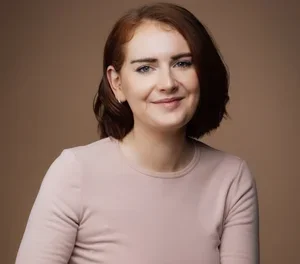
Emma Tynan is an Irish psychotherapist who specializes in working with individuals experiencing medical trauma and chronic illness. Drawing on over a decade of experience as an emergency care nurse—and her own journey living with chronic illness—Emma brings a rare blend of clinical expertise and personal insight to her therapeutic practice.
Connect with Emma:

Meet Destiny - The host of The Chronic Illness Therapist Podcast and a licensed mental health therapist in the states of Georgia and Florida. Destiny offers traditional 50-minute therapy sessions as well as therapy intensives and monthly online workshops for the chronic illness community.