
Trusting Yourself: A Conversation on Women's Health Advocacy with Kara Cruz
In our latest episode, we had the privilege of speaking with Kara Cruz, LMFT, PMH-C, a licensed marriage and family therapist specializing in women's mental health. Kara brings her expertise in perinatal mental health, ADHD, trauma, and anxiety conditions to this balanced conversation about how women can advocate for themselves in healthcare settings.
The Dismissal Problem
One of the most poignant themes that emerged from our conversation was how frequently women experience dismissal when seeking help for health concerns.
As Kara notes, her clients often use similar language:
This pattern of dismissal creates a dangerous cycle where women begin to doubt their own experiences and bodily wisdom. This self-doubt can then manifest during medical appointments, where appearing uncertain can unfortunately reinforce healthcare providers' tendency to take concerns less seriously. This, in turn, creates a vicious cycle of dismissal and diminishing trust.
The message "it's all in your head" has become so pervasive that Kara even created a webinar specifically addressing this issue for women experiencing perimenopause.
Rebuilding Trust in Yourself
At the core of Kara's work is helping women rebuild their relationship with themselves.
"A lot of times, the clients that I work with have learned to stop trusting themselves, stop listening to themselves, or question themselves. They don't believe themselves," she explains.
This erosion of self-trust often stems from years of being told that our symptoms aren't real or significant enough to warrant attention. The journey back to self-trust involves:
Listening to internal versus external cues: Learning to differentiate between external expectations and your own authentic feelings and needs
Tracking symptoms systematically: Using symptom trackers and checklists to validate your experiences
Building confidence: Developing the courage to advocate for yourself even when faced with resistance
Practical Tools for Self-Advocacy
Kara shared several practical approaches to prepare for healthcare appointments where self-advocacy might be challenging:
Logistical preparation: Writing down symptoms, questions, and concerns before appointments
Nervous system awareness: Recognizing physical signs of distress (chest tightening, shallow breathing) that might signal you're entering fight-flight-freeze modes
Role-playing difficult conversations: Practicing responses to potential dismissal or resistance
Bringing support: When possible, having someone accompany you who can help advocate
She emphasizes that these strategies aren't just about getting better healthcare—they're about reclaiming your power and rebuilding your relationship with yourself.
The Importance of Community
Another aspect of Kara's work is her co-founding of Women's Support Circle, a virtual community offering monthly no-cost support circles for women worldwide. This space provides what many of us desperately need: validation and words of advice from others who have had similar experiences.
"The group is a complement to individual work," Kara explains. "Your individual work is one thing, and your group work is for social [wellbeing]... hearing other people's perspectives, getting ideas, knowing that you're not alone, sharing resources."
These communities create opportunities for shared wisdom that can be life-changing. Something as simple as one person sharing information about insurance coverage for dietitian services can open doors for others struggling with similar challenges.
Beyond "Just Take a Deep Breath"
One part of our conversation focused on nervous system regulation. Rather than simply telling clients to "take a deep breath" when stressed, Kara helps them become aware of what their bodies are telling them.
"Instead of telling them what to do, I ask, 'What's happening right now?'" and then she teaches them the words that help them identify the emotions and sensations that match their experiences. This approach helps women reconnect with their bodies and develop personalized strategies for managing stress and anxiety, particularly during challenging interactions with healthcare providers.
Moving Forward: Trust Yourself
If there's one message Kara wanted to leave with our audience, it's this: "Trust yourself and start with rebuilding your relationship and connection to yourself."
This simple yet important guidance strikes at the heart of what so many women struggle with after years of having their experiences questioned or dismissed. Your body's wisdom, your experiences, and your intuition matter—and learning to trust them again is perhaps the most powerful form of self-advocacy.
Want to learn more about Kara Cruz and her work? The Women's Support Circle holds monthly virtual meetings open to women worldwide. For those in California, Kara also offers individual therapy, couples therapy, and specialized groups focused on perinatal mental health and perimenopause.
Connect with Kara at her website https://www.karacruz.com/, on Instagram @KaraCruzWellness, or on Facebook.
Disclaimer: Everything we discuss here is just meant to be general education and information. It's not intended as personal mental health or medical advice. If you have any questions related to your unique circumstances, please contact a licensed therapist or medical professional in your state of residence.
Listen to Kara’s interview with me, Destiny, on Ep 88: Trusting Yourself: A Conversation on Women's Health Advocacy
-
Transcribed with AI and will contain errors that are not representative of the actual word or meaning of the sentence.
Destiny Davis LPC CRC: [00:00:00] Kara Cruz is a private practice owner, women's mental health advocate and educator. Kara's area of focus is in perinatal mental health, ADHD, trauma, mood, and anxiety conditions.
And in addition to psychotherapy with individuals and couples, Kara also facilitates mental health training for professionals focused on women's mental health. Workshops and support groups for women. Kara is also the co founder of Women's Support Circle, a community for women offering monthly no cost support circles, workshops, and a safe space for women to gather in community.
Kara, is that open to everybody? Is it online, in person?
Kara Cruz, LMFT, PMH-C: Women's Support Circle. Yeah, so Women's Support Circle is a virtual group that happens monthly. It's we host it via Zoom and it's open to all women anywhere. We've had participants from Canada, from Australia. It, this isn't a therapy based service, so it's not, we're not bound by state lines in terms of that, that particular group.
We're not doing any kind of diagnosing [00:01:00] or mental health treatment, but it is more of a place of support community. And we do address topics related to mental health, topics related to issues that, that women may go through. And have more of a kind of a community conversational platform style, and we share resources and things like that versus my groups and individual and couples therapy.
Those are also virtual services and offered to those in California.
Destiny Davis LPC CRC: Awesome. It's can you give me what themes do tend to come up?
Yeah. We
Kara Cruz, LMFT, PMH-C: talk about relationships, boundaries, stress, overwork, overwhelm, and burnout. We will talk about grief, parenting topics, but not all of our community members are parents. But sometimes when that feels like that's the energy and vibe during that time, we will bring a, introduce a topic that has to do with parenting, being a mom, perinatal mental health, perimenopause.
So it's very open and we like to hear from our community members because, from. Month to month, year to year themes can [00:02:00] change. So we also invite our community members to give us topic ideas on what's weighing on them, what they'd like to hear about and talk about. We've hosted workshops in the past on some of our more popular topics where they, these are more two hour.
Closed group, one to two part series. So we've done a holiday and stress boundaries and stress during the holidays. We have a self love, self compassion workshop that we like to do in February around Valentine's day, emotional regulation body love and self love. We've done that before during the summertime.
So sometimes if we have a more popular topic we'll end up creating we're adding a workshop that gets a little bit deeper into things.
Destiny Davis LPC CRC: Yeah, I love that. That's amazing. I know that in your form that you filled out beforehand, one of the things that you had mentioned was basically like women and men but we're talking specifically about women's health today often get shut down and dismissed and especially during moments of crisis.
Kara Cruz, LMFT, PMH-C: And I'm
Destiny Davis LPC CRC: curious if we can maybe start there and go into [00:03:00] What are, does that come up in your groups? Is that something you're often working on? And when you think about women getting dismissed, what is your next, what is your kind of approach around? Is it around self advocacy or is it talking about systems at play, or is it talking about how we manage emotions during that like communication set?
What is it that you feel like you're working on the most with people?
Kara Cruz, LMFT, PMH-C: It's all of it really. You say self advocacy, that's actually one of the. points in the groups that I facilitate for women. One of the main points of the takeaways is to learn self advocacy, particularly in perinatal mental health and perimenopause when a lot of my clients are going different places, whether it be with their family, whether it be to a provider health provider, and they're sharing their experiences or their symptoms, And they're that's when that dismissiveness, and they use those words a lot, so I'm not putting those words out there for them, but they'll say, I felt unheard, I felt dismissed, I felt like I was imagining it or making it up, I was told that nothing was wrong with me [00:04:00] physically, they couldn't find anything, it was all in my head.
And I even have a, a webinar that I did, perimenopause, it's not all in your head, just based on that constant hearing that same language. I was like, we're going to do a webinar on that. And so in the groups in individual work, the first part is just listening and hearing the person out and believing them.
And the, just that goes a long way, but really it's. Helping the clients to build their confidence and advocate for themselves. And that's, there's a lot of different layers to that. There's organizing their thoughts and writing things down. We do symptom trackers and checklists like it from a logistical standpoint.
Those are some of the tools we use, but also it is really building their self confidence and teaching my clients and the people I work with to listen to themselves versus listening to we always talk about internal versus external. Is that an external pressure? Or expectation, or is this what you truly believe and feel?
Because a lot of times the clients that I work with have learned to stop trusting themselves and stop listening to themselves or question themselves. They don't believe themselves. [00:05:00]
Destiny Davis LPC CRC: That's, yes, also so common with what I see too, and it's easy to not trust yourself or believe yourself when, one we're not if you're not a medical professional and you don't have that knowledge and you're deferring to the person in front of you who has been trained in medical issues, then yeah, you're gonna, you're gonna, you want to believe them they're the experts, they're the, but yet somehow they're often way too often is there, there's this divide between, what the medical professional in front of me is saying is like possible or right or wrong and then what I'm feeling inside.
Yeah,
Kara Cruz, LMFT, PMH-C: and a lot of women that I work with often feel like if they're doing their own research, they'll be told, don't be googling your symptoms or looking up stuff online because you're not the doctor, but to me it's, that's okay to do. You're like, if I have somebody who You might get a little bit down the rabbit hole and it's not healthy for them.
Then we work on that. But if it's somebody who's really trying to advocate for themselves and get some answers, sometimes that's the option that they have. And, and I do caution them, we don't want to be self diagnosing. If we're going [00:06:00] down the rabbit hole and it's creating more stress, that's probably not the healthiest, but that's a part of self advocacy is doing your own research because we're our own best advocate.
Or when it's with our children, if we're not getting answers, sometimes we're. It's the people who make, the squeaky wheel, or they're digging deeper to find out, find the answers. And sometimes they're finding the answers themselves. And sometimes going along that rabbit hole helps them to find the provider who will listen to them and give them the answers.
Destiny Davis LPC CRC: Yeah, exactly. Yeah, that's part of the problem is, like I said earlier, we're, we don't have the education. And so in order to speak the doctor's language, a lot of times we have to do this research just to even get the right words. I know I was, I don't know, I was, I wish I could remember the exact details.
There was a TikTok I watched of this girl sharing her story and it was like. Something about she had this like eye issue and there was like a name for it, but every time she went to the eye doctor or her GP, her PCP or whatever, like she'd explain it and she didn't have the right words for it. And they were just like, you're crazy.
We don't know what you're talking. They didn't say you're crazy, but they're like, we [00:07:00] literally have no idea what you're talking about. I don't go home and get some rest. And then eventually through this rabbit hole of information, she figured out what the name of the disease was like, then was able to then ask for the right testing and get the right things.
And now she has a diagnosis and it's I, yeah, I don't understand why it has to be that way, but that's a common story.
Kara Cruz, LMFT, PMH-C: Yeah, just listening to a person is so important. I worked in psychiatric facilities also in my experience and one of the things that was really so hard to see was having somebody who maybe this was their first or second time really had limited mental health exposure to a psychiatric facility and Wanting answers and wanting to share their experience and not being listened to or heard, being interrupted, being shut down if they had questions and weren't too sure about the treatment plan, whatever medication they were being given or whatever, they were being told that they were non compliant or they were being difficult or they had no insight to their condition because they weren't willing to take the medication [00:08:00] when they really just wanted some answers.
I want to know, I might have to depend on this is what are the side effects? Do you, is, do you really think this is my diagnosis? I don't think this doesn't seem right, and watching that was really hard to do. It was really hard. And, as a, working as a therapist or a social worker in those spaces, you really have to watch whose toes you step on and you don't want to step on any toes because I'm not a doctor, I'm a listener.
When I would want to help. to oh, did you share this or that, help to advocate for the patient or the client. It was really challenging even for me, sometimes I felt shut down or ignored, and I supervise other clinicians that often will have that experience.
They see their clients, they know their clients well, they see them weekly. And sometimes they're even shut down when they have ideas about what could be going on,
Destiny Davis LPC CRC: yeah, absolutely. You mentioned one of the things that you do to help someone prepare for self advocacy is the logistical work is like writing things down, having a list, maybe writing your questions down, right?
That's the kind of logical piece of it. What are some of the emotional things that people can do [00:09:00] if they, especially if they know they're prone to shutting down, if you know this ahead of time about yourself? What are some things that we can maybe do to alleviate that a little as best as we can?
Kara Cruz, LMFT, PMH-C: Yeah. In session it's practicing.
It's just say anything you need to me, filter free. I'm not judging you. You can say a bad word. You can, you can sound disrespectful. I don't care. I want you just to actually get it out. And then then we'll just see what's in the room with us. What's going on, what emotions are showing up.
We do a lot about what's coming up in your body or your nervous system. Is your chest getting tighter? Are your hands getting sweaty? Is your mind going blank? We do a lot of nervous system work, because I want to see, are you going into fight, flight, freeze, shut down? What's happening for you in those moments?
And really trying to build their tolerance, open that window of tolerance for them so that they have the capacity when they're in the moments. To access the information, that's why we do the list because the list is there. They can rely on that as a backup, but we really do a lot of body nervous system, which is weird for people at first.
But once they get used to that, it's [00:10:00] helpful because then they'll come back and say, I noticed as soon as, I made that phone call, my chest tightened up, my mind went blank. Okay. So how, what do we do next? So really working on that for them to recognize that and know that about themselves and.
It's not that you're wrong or you're bad. It's actually your body was trying to help you and protect you and keep you safe by doing that. Your body's not, trying to harm you your body felt unsafe in that moment, whether there was an actual danger happening or the danger was that somebody is not listening to me.
They're not believing me. They feel unsafe emotionally. And so we usually just go straight for that first. And then it's tools. And then it's other tools like. Let's do a role play of what you might say or do. What if this happens, how might you respond? We talk about the different parts of themselves that come up, the shutdown part of me or the confident part of me.
So how can we access that part of you? When are you most confident? When are you most able to advocate for yourself? Let's talk to that part of yourself and get to know that part and see if that part can make some space in the room during that appointment. So we do a lot of different things. [00:11:00] Really looking at the nervous system, what's happening, giving some education as to why that's happening helping, the tools that are just like that backup.
If I need to rely on having something written down a lot of my neurodivergent clients that's really helpful too, because of, it's hard for them to organize their thoughts sometimes. And then when they get nervous or anxious, it even makes it harder.
Destiny Davis LPC CRC: Yeah, and nervous system regulation, I feel like is a little bit of a, I, you and I know what that is, but I feel like it is a little bit of a buzzword right now.
And so just to further delineate that for people really, you already explained it, but really all it is being aware of what the thing in your body is actually telling you. And because we're so used to disconnecting from our body, we often don't know Oh, did I just tighten up or did I lose my breath?
Or did I like, Yeah, did my breathing become more shallow? I think before a lot of therapies and like tip mental health tips and tricks was just like take a deep breath. And we're moving away from like the telling of do this because your tight stomach or your like shallow [00:12:00] breath might mean something different than mine.
So it's not about just counteracting the tightness or the shallow breathing. It's what does this mean for you? And if we can pause and sit with that long enough, then our brain will tell us. What it is we should be doing for us.
Kara Cruz, LMFT, PMH-C: Yeah, instead of telling them what to do it's I asked what's happening right now and I when I'm, I do all virtual but I'm on video with my clients so if I see the slightest shifted, their body, their eyes look away.
I see the breath happening. I'll ask them can we, do you mind if we pause for a minute? Can you just tell me what happened just now? And sometimes they're aware of, I know I took a deep breath. Sometimes they like, what do you mean? And I'll say I, from my point of view, I noticed that you took a real deep breath.
When we start talking about this, or I noticed that you looked down or you looked away, do you know what happened and just starting there is, and also keeping in mind their window of tolerance. And I don't want them to get to a level 10, anxiety, panic, worry, flooded with emotions.
I want to keep them, at a lower range and go really [00:13:00] slow. We're not always getting into all the details and nitty gritty of things, but we're talking about what's happened, what just happened in your body right now. When I said that what in, in, in separating out, what sensation did you feel in your body?
What emotion is connected to that? And then what thought did you have? Cause we tend to always be in our thoughts and our heads. So that's usually say, Hey, let's just ask those thoughts to see if they can float aside for a second. Let's get into your body, get into your emotions first. And then over time, they start to see their own patterns, or outside of session, they'll say, I noticed that, I did that thing again where I held my breath or my chest got tight.
I noticed it now and I noticed what was happening and I did take a deep, they knew that they needed a breath. That's what they needed, right? Or they knew that they needed to take a minute or they, whatever it is that they needed, they could fulfill their own need. They didn't need somebody to tell them what they needed to do.
Destiny Davis LPC CRC: Which I think, and then going maybe a little bit deeper into perinatal work when you are pregnant and things are changing by the week, it is so hard to know what your body needs, what's happening, what's not happening. So [00:14:00] what you're, what you just described there is teaching the person how to figure it out for themselves, especially which is especially important when you're changing every single week.
Kara Cruz, LMFT, PMH-C: Yeah. And it's also important, I always think about if you have safe, supportive people around you and you invite them into this world that you're learning about yourself, then that's also great because they can give you some observation and feedback. But if you don't have safety around you I'm not going to encourage my client to do that.
So I really want them to start to trust themselves that, because they might feel or experience something. And if they have an unsafe person around them, they might be telling them that's not what's going on or dis they might be getting dysregulated again or feeling unsafe again. So really making sure that they do have safety and support.
And if they do, it's great because then, I know one time my husband, I was having a day and frustrated about something. And I was like, I feel like I'm getting dizzy. And he's you're not breathing. Oh, but it's so funny because I have this experience in that moment. And I was already a therapist.
I already [00:15:00] was doing this work. And just that person pointing out their observation of, I noticed you're not, you're holding your breath. You're not breathing. I'm so much more in tune to that now when I feel that same sensation that lightheadedness if I'm feeling stressed or overwhelmed. I check in with my breath now.
Oh, it is as simple as taking a deep breath in those situations. But, not always. But that was helpful to have a safe observer, point that out for me.
Destiny Davis LPC CRC: I think that's so important. And that's something I often especially from for people who are what is You know, I tried therapy.
Like it didn't work. I already know these tips, tricks. I know these, like a lot of, I know my clients, like they read a lot, like they, there's really almost nothing I can actually teach you that you don't already know, or can't easily find in a book, but our, it's a, our work is about having a safe person who can.
Point those things out to you in a very kind and compassionate way. We're not meant to do this alone. It just helps to have somebody who can. See that [00:16:00] when it's happening, because we can't always see the forest through the trees.
Kara Cruz, LMFT, PMH-C: Yeah. And your point about the whole, I know what I'm, I know what I need to do.
Why don't I do it? And I will share with clients talking about something is different than experiencing something and different than making change. We can't talk about the idea of having motivation in our life and then just get the motivation. There's sometimes things behaviorally we have to do, or we have to experience something in our bodies to see what our nervous system is, what kind of our default setting is we don't just talk our way through things.
Yeah. Yeah. I'm a talker. I'm a processer. I love it and I find it beneficial. Yeah. But I can stay stuck if that's all I do.
Destiny Davis LPC CRC: Yeah. Yeah. Plus, especially some of us are more extroverted or introverted, so you might actually need to verbally process more, literally, to process. Be more motivated or you might actually need to process less in order to be more motivated.
I know my husband and I are complete opposite ends of the spectrum with that. So it's like when I know he's working on a problem, like I've got to actually let him be [00:17:00] in his own head. And he, when I'm working on a problem, he's got to come and pull me like and allow me to process those words verbally.
So again, that's another part of therapy is. It just helps you discover some of these things about yourself.
Kara Cruz, LMFT, PMH-C: Yeah.
Destiny Davis LPC CRC: What else comes up for you around either women's mental health or or perinatal? Do you also work with people who have, are struggling with health conditions during pregnancy or post pregnancy too?
Maybe, yeah.
Kara Cruz, LMFT, PMH-C: Of all of the above most of although I work in the perinatal mental health reproductive mental health perimenopause field, not all my clients are actually parents. So a lot of who I work with are people who've experienced trauma in their lives. And it's not always like this one big traumatic event like a, I had this experience one time and it, I have flashbacks about it.
A lot of times it's complex trauma where there's a lot of little things over time that have added up or a lot of big things over time that have added up, and there's a lot to unravel. [00:18:00] And so it's not always parents and moms, but a lot of my clients do also have other health conditions.
And sometimes that can get a little confusing because. Is the question is what am I experiencing mental health? Is it physical health? Is it a combination of both? And some, so sometimes being able to sort that out, it really requires being able to collaborate with their medical professionals in a professional healthy way.
So that we're able to untangle that. Some of the most common things the clients that come to me experience things like PCOS and infertility. Traumatic birth that's caused physical medical complications during or after let's see. I've had some clients who have experienced seizures early on in life and being mindful of that.
I don't have one specific type of medical or chronic issue that's more common but there usually is something else that's going along with what they're, they're experiencing on an emotional level. [00:19:00]
Destiny Davis LPC CRC: That makes sense. I, that's a good way to put it too. Yeah, it's not the like commonality of, oh yeah, most people go through this.
It's whatever it's, but most people go through something else and then the layered consequences of that are what we work through. Having two really hard things happening or three or four plus the trauma of your past, like all of that compounds together and that's where your work comes in.
Kara Cruz, LMFT, PMH-C: Yeah. Yeah.
Destiny Davis LPC CRC: What
Kara Cruz, LMFT, PMH-C: else comes up for you
Destiny Davis LPC CRC: around this?
Kara Cruz, LMFT, PMH-C: Yeah. I just it's really important for me that, The first thing I enjoy working with my clients on is really learning to rebuild their relationship to themselves and reconnect with themselves because a lot of times it's a lot of X external expectation.
It's a lot of outside of themselves that's driving them. And so it's like a reversal of we're actually going to start listening to yourself, trusting yourself, and that relates to their mental health, their medical [00:20:00] health. If they go and experience an interaction with someone that doesn't feel right when they're asking what do you think?
I say I can tell you what I think, but I wanna know what you think and how that was for you, because it's not wrong. Whatever it is, it's not wrong. It's your experience. And so I, I find that a lot of a lot of us, I include myself too, really struggle with trusting ourselves. And having a good relationship with ourselves.
And so that's something that really stands out with me is instead of trying to say, or do, or give the answers that you're supposed to, or that are right. It's whatever your answer is right. I don't know. This is a little bit all over the place, but that a lot of it comes. Back to that.
It really begins with them.
Destiny Davis LPC CRC: Yeah, as you're, yeah, I resonate with that as well so much. And so then I'm curious, like what you've done for yourself or maybe even things that you at like help clients do that help build that trust with yourself.
Kara Cruz, LMFT, PMH-C: Yeah. So a lot of themes that I see with clients is there's a lot of past behaviors that are [00:21:00] we hear a lot, it's like the buzzword people pleasing imperfectionism and all that.
But a lot of it is I'm doing things for other people or what's expected of me, but it's not really what I want to be doing. But if I don't, then people are going to be upset with me. Boundaries are hard for a lot of people I work with because they're afraid of people being disappointed in them or mad at them.
Some of the work I've done really is. I think just having the realization and it's through not just my own personal work and therapy, but working with other professionals and working with other colleagues who get this and have the same, view is doing my own work on trusting myself and.
Knowing that not it's being okay with not everybody agreeing with me or liking me. That's okay. If not everybody agrees with me, likes me that's actually okay. That doesn't mean I'm wrong or I'm bad, or there's anything wrong. It just. Not everybody's supposed to like me and my expectation that everyone's supposed to agree with me and like me.
That's a little bit, that's, why did they don't have to, and so starting with that, of letting go of that it takes work, but that's been really [00:22:00] helpful because then once you are able to, even if you can't fully let go of it, set it aside, you're able to really just be who you are knowing that Hey, the risk is that I might not be everyone's cup of tea, but that's okay.
Okay.
Destiny Davis LPC CRC: Yeah, when you're trying to make sure everyone is happier, everyone likes you, that's Since that's physically, literally not possible, it sets you up for failure from the beginning, so when you change that expectation to not everyone's gonna like me or agree with me, which is literally the norm, that is what should be happening.
Now there's no more like cognitive dissonance around it, where there's these two opposing stories in your mind of they should like me, but they don't, but they should, but they don't. It's more they don't, they won't all and they don't. And so therefore the story like makes sense in our head now.
Kara Cruz, LMFT, PMH-C: Yeah. And that comes up when a lot of the blocks and barriers for when I'm working with women and getting home and coming back to your topic of, chronic illness or any kind of illness or getting answers. Is they're [00:23:00] afraid to make somebody mad or upset with them if they challenge somebody. So if I go to, and I don't want to put it on doctors because doctors are wonderful and great.
So sometimes it could be their partner. It could be their friend. It could be their teacher. If it's a, whatever it is, right where they're going and expressing themselves of how they feel. And they're either met with resistance or, something uncomfortable. They're afraid of making waves or expressing themselves because the other person might not like that.
It might not be polite. And so unlearning that. Is can be really challenging for a lot of people.
Destiny Davis LPC CRC: Yeah, I think what comes up for me when you mentioned that is the power differential. I know, I live in a big city and so it's easy. It's very easy for me to say if you don't like your doctor, go find a different one.
But I know that for a lot of people, that's not a reality. If you piss off your doctor that they might not give you the care. I don't mean, if they're doing something. malicious, then that's grounds for, a board report and losing your license. But we're talking about just like the insidious, subtle maybe they're just not going to [00:24:00] give you as much time or they're not going to, they're going to be even more dismissive of you, but you don't have another choice to switch.
And so it is really tricky, I think, because yeah, it's like on one hand, we have to learn how to assert ourselves, stand up for ourselves, be. confident in what we need, but then knowing too that we might not always get that. And then navigating that can just get really tricky.
Kara Cruz, LMFT, PMH-C: Yeah. I usually work with my clients No matter what you do to change yourself, that doesn't mean that the other person's going to respond well to it.
So how can you navigate that? And how can you navigate that safely? So it doesn't always mean that you're going to speak 100 percent your mind and not care about what you say, because you might be at risk, of getting fired from your job. Or, if you're a teenager and you live with your parents, like you might not have another option.
So the safer option is to learn how to tolerate a really unhealthy situation until you have the safety to, to get out on your own. But. I found that a lot of people really, especially the clients I work with, the people I work with are really [00:25:00] in tune with kind of how to navigate that, cause that, that people pleasing part does come into play and it does keep a lot of people safe.
And I'll talk to my clients about, even though it's not a malicious trait, it is manipulative. And I say manipulative, not in a bad way, or like you have to learn how to manipulate, keep people calm or not make waves to access your needs and get what you want.
And we learned that sometimes at a young age, and that's not a something that's wrong with you or bad about you. That is something that you maybe learned for survival or something that you learned to keep safe or to stay safe. And if that's what you need, then that's what you need. So if you have that doctor in that town and you can't just switch easily, how can we help you to still advocate for yourself, but stay safe.
Destiny Davis LPC CRC: Yeah, I always like to tell people when we talk about manipulation in that word the definition is how to handle or control typically in a skillful manner. . So it's it's, yeah it has such a negative connotation, but sometimes you do have to skillfully [00:26:00] navigate and control, especially in your medical care, how you're going to get treatment.
Kara Cruz, LMFT, PMH-C: 'cause that
Destiny Davis LPC CRC: could be the difference in really great quality of life despite living with a medical condition or. I think it's really poor quality of life, just depending on how like willing or people pleasing back your doctor is going to be because they do have that control.
Kara Cruz, LMFT, PMH-C: Yeah. And with young children, people call them manipulative.
I'm like, are they, is it, are they adaptive or are they manipulative? Are they getting their needs met? Because if they know how to walk into a room when. Mom or dad is really angry or mad and hostile and they know how to make a funny joke and make the mood light. And that's manipulative or they clean the house and the parents like they're just doing it to get what they want.
Hey, they're doing it to feel safe, to feel, to get rid of the tension and the anxiety in the house. And they've learned that's what works. And it's a, people say survival Oh, is it life? Sometimes it is, but sometimes emotional safety feels the same, feeling emotionally safe and not on edge in your environment is important.
And yeah, I use the word [00:27:00] manipulative. I adaptive word. I like better.
Destiny Davis LPC CRC: I like that word too. Yeah. Adaptive. Yeah. We very quickly learn how to adapt for better or worse. Yeah. Any other kind of thoughts come up around women's health that we, that you wanted to explore that we haven't touched on?
Kara Cruz, LMFT, PMH-C: Yeah.
And I'm, it is very promising that, um, it's sad and promising at the same time, right? We're this far along, since the beginning of time. When I think about perinatal mental health and I think about perimenopause menopause conditions that have been going on since the beginning of time likely, and we're just now getting a lot more attraction and attention and awareness.
So that is promising. I think It's important to continue to spread the word, but also encourage women to trust themselves and to if they're feeling something, if something doesn't feel right for them, they're allowed to continue to pursue that if they, if something doesn't feel right for them.
So trusting their intuition, [00:28:00] trusting their instincts. That's adaptive to, because we know ourselves more than anyone else does. And when it comes to perinatal mental health, working with, oftentimes what I hear is I'll have a client who will say they'll go and tell somebody that they're not feeling like themselves and not feeling right.
And they're like, it's not just, the baby blues, or I'm feeling a little bit sad, like something really isn't right. And a lot of times they're met with you have a very healthy baby, you have a great family, just go home and be happy. And then they say, okay something must be wrong with me.
And so a lot of the work I do is. No, something is not wrong with you something you're experiencing something that feels very wrong and you're right about that. So really believing people when they say something their experience, whether they whether we feel like it's manipulation or we feel like it's adaptability or whatever we feel like.
That behavior has a purpose and a need that needs to be met. So instead of trying to fight against that, it's really just believing people in their experiencing experiences [00:29:00] and asking them what they need for support. That's one of the main things I really try to do with my clients and the people I work with.
And when I'm working with clinicians on how to help, the people that they serve and they work with as well.
Destiny Davis LPC CRC: Yeah. Yeah. My last thought on that is if you are postpartum, just please get your lab work done. Like doctors don't, I don't understand why it's not a standard practice, six, six to 12 weeks postpartum.
But I know for me, like I, I just had a baby January in January and I. Was so exhausted every single day. And of course, what do people tell you when you have an infant? Of course you're tired, you're up all night. And it's this is different. I like, this is just, and yeah, it was borderline anemic.
I wouldn't have known that if I didn't go to my functional medicine doctor and ask for basically just a basic hormone and vitamin like panel. And so it's a lot of times there is a physical component to all of this too, that I just. Yeah.
Kara Cruz, LMFT, PMH-C: No, it's important. [00:30:00] Working with women in the pairing, perimenopause stage of life too.
A lot of times they don't do blood work to determine that the experts are saying that they go by the symptoms and what's going on with the person because blood work can be all over the place during the perinatal period. It can be really important. A lot of things are hormones are changing, depending on, what, whatever happened, you can be anemic.
You could already have something. A lot of the clients I work with are, Okay. Low in vitamin D and low in other, in other ways. And so making sure to keep an eye on that kind of know where their baseline is follow up on that, working on sleep. The basic needs is really important. That's where we start is basic needs, your sleep support socialization that is right for your personality.
Nutrition, body movement, and they're like, we're just starting with these basic things. Yes. But. But your whole world has been, shaken and changed when you're, through pregnancy and postpartum and become a parent. So we need to go back and lay the foundation back down in a way that works and it might look different than it did before, because your life is a different and then, really looking at what do we need to address medically?
What do we need to [00:31:00] address, from the mental health perspective in therapy? And a lot of it is just holding space for the person to share their experience and be heard and not be told that they're wrong. Or they're making it up or they're exaggerating or whatever it is,
Destiny Davis LPC CRC: yeah. And that's what I would imagine your like women's support group also just having that space where one, it's all women.
So there's a higher understanding of the similar struggles that we might go through. And two yeah, it just, you get to hear so many different people's experiences where Listeners might've just heard me say go get your lab work done, but maybe there's some other thing that comes up that you're processing.
And then somebody else has an experience with that. And then they can be like have you thought about this or that? So it's just, I think we're like severely lacking in support group type community, like communal settings. So just wanted to throw that out there for people listening.
Kara Cruz, LMFT, PMH-C: So important.
And I try to explain I'll, I'll get one on one clients I work with and they say I'd rather do, individual work, which I get because. That means that they probably want to talk about more things, get into some other [00:32:00] deeper issues that they don't really want to do in a group setting, which is completely fine.
That probably means they have some good boundaries and they're like, I don't know if that's safe yet to expose that to a group or find resourced enough, or, coping with this well enough to do this in a group setting. But I always tell them group is more of like a compliment or a supplement, it's not supplement.
It's more of a compliment to individual. Your individual work is one thing. And your group work is for the S the social, what you just said. Hearing other people's perspectives, getting ideas, knowing that you're not alone sharing resources and my support groups. I just love the women in there will share different resources or little things like, I had one person who had a particular insurance and the other person did too, and was having trouble.
And they said, Oh, did you know that we have access to this, to seeing a registered dietitian? And they didn't, I didn't even know that. And so just those sorts of things just naturally come up in a group and it creates a sense of community and friendship and it's such a different thing. So I often will say, therapy is one thing.
And, sometimes I'll have people in support groups who are doing both because they need more support. I'll have some who are just doing group [00:33:00] because they wrapped up their therapy or some who've never done therapy and they're a little nervous and group is their intro. It's different for everyone, but it's not like a one or it doesn't have to be one or the other that I'd rather do this or that you can do both.
You can do one at a time, but you get something different out of each experience. And I wanted to I know we talked about when you said blood work and screening for perinatal mental health. I also want to add that. For the mental health component. So I, I received my certification through postpartum support international and the recommendation is that women are screened in their first, second, third trimester, six week or eight week follow up appointment again at six months.
And also at every pediatric appointment, as well as. being screened by their primary care doctor and any lactation consultant or any type of health professional who's working with a pregnant or postpartum woman. That's the standard of care through postpartum support international. And then each organization obstetrics, pediatrics, they have their own too.
But oftentimes that [00:34:00] doesn't happen. And screening is really screening for the mental health symptoms, depression, anxiety. There's seven unique perinatal mood and anxiety disorders, and a lot of people don't know that. And so the screening is really important because anything beyond two, two and a half, three weeks of feeling not yourself, feeling sad or anxious that would be more of the baby blues.
Anything beyond that could be something else. It could be medical too, medical conditions can. Change what's happening for a person and cause mental health. If you think about brain fog or being exhausted or tired or moody, it could be something going on with your blood work, but it could also be sleep deprivation.
It could be hormones. It could be lack of support. It could be, there could be domestic violence in the, family system. So there's so many things. So screening is important. And I, if I wanted to say one thing important, if you're someone listening and you're either If you are a perinatal patient yourself person, or you are a professional who works there, visit postpartum support international because there is a standard of care that's recommended for screening for perinatal mood and [00:35:00] anxiety disorders.
Destiny Davis LPC CRC: Thank you. And just real quick before we wrap up, can you maybe. Give some or all, if you can't remember off the top of your head, but you said there's seven different perinatal mental health disorders. Is that what you said?
Kara Cruz, LMFT, PMH-C: And I know these and my neurodivergent brain is going to go all over the place right now, but I'm going to, I'm going to do my best.
Yeah. So there's depression, anxiety, OCD, panic, bipolar disorder, psychosis. I didn't count how many of that was trauma, PTSD, trauma, or yeah.
Destiny Davis LPC CRC: Yeah. Yes. Great, thank you. Yes, if you ever want to come back and do another episode on and go like a deep dive knows I'd be happy to do that. I love
Kara Cruz, LMFT, PMH-C: talking about we call them the PMADs because it's just easier to say, but each one is distinct and unique and they can overlap too.
I love talking about that. I also [00:36:00] love talking about perimenopause and what's happening. I do a perimenopause and a perinatal kind of one on one, I do webinars For the community that kind of goes over all that. And then I also do trainings for the mental health therapist. It's a little bit more clinical for each subject.
And it's my favorite thing to do and talk about. So
Destiny Davis LPC CRC: I'd love to come back and talk with you. That would be awesome. Thank you so much. Is there anything you want to leave people with today as we end here?
Kara Cruz, LMFT, PMH-C: No if I could leave, there's so much information. I feel like it's important, but if I could leave anyone with just any message, it would just be to trust yourself and start with rebuilding your relationship and connection to yourself.
Thank you. Yeah. Thank you so much for having me. Yes.
Listen to Kara’s interview with me, Destiny, on Ep 88: Trusting Yourself: A Conversation on Women's Health Advocacy
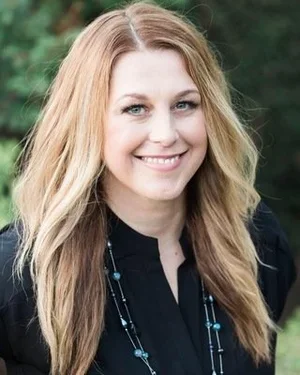
Kara Cruz is a Licensed Marriage & Family Therapist and Certified Perinatal Mental Health Specialist. She has over 20 years of experience working with those who want to improve their emotional wellness and create a sense of harmony with themselves, others, and in their lives. Kara’s focus and love for helping others is in working with women and mothers who are experiencing overwhelm, burnout, anxiety, or have had a traumatic event that has impacted their lives.
Connect with Kara:

Meet Destiny - The host of The Chronic Illness Therapist Podcast and a licensed mental health therapist in the states of Georgia and Florida. Destiny offers traditional 50-minute therapy sessions as well as therapy intensives and monthly online workshops for the chronic illness community.