
Giving Back to the Community
Mark's commitment to helping others extended beyond his professional duties. He continued to provide free biweekly virtual support groups through the Leukemia and Lymphoma Society, ensuring that individuals facing cancer had access to much-needed emotional support.
The Birth of White Pine Therapy
In 2021, Mark decided to take his dedication to therapy to a new level. He opened White Pine Therapy to provide intensive psychotherapy for individuals struggling with chronic illness, life transitions, and grief. His experience in oncology social work gave him a unique perspective on how to support people dealing with chronic health conditions, and he was ready to make a more significant impact.
A Diverse Palette
Mark's journey isn't just about his professional career. It's a colorful canvas painted with a multitude of experiences. He's worked on urban farms, completed a comprehensive study on distress in cancer patients, and even participated in yoga teacher training. He's played the trumpet solo in the Notre Dame jazz band and graduated magna cum laude. Mark's diverse background also includes publications in the Journal of Psychosocial Oncology and Best Practices in Mental Health.
The Healing Power of Nature
One aspect of Mark's life that profoundly influences his therapeutic approach is his love for farming. During his time with Truly Living Well, an urban farm in Atlanta, he became a liaison to the U.S. Department of Agriculture (USDA). This experience ignited his passion for using nature as a therapeutic tool. He believes that reconnecting with our bodies through activities like gardening can be incredibly healing, especially for those dealing with dissociation or trauma.
Acceptance and Commitment Therapy (ACT)
As a therapist, Mark's primary modality is Acceptance and Commitment Therapy (ACT). This approach aligns perfectly with his philosophy of acknowledging life's challenges, accepting them, and taking committed actions to move forward. ACT is particularly effective in helping individuals with chronic illness find peace and purpose in their lives.
Reframing Progress: Embracing Small Steps and Values in the Journey of Healing
In the world of therapy, particularly when working with individuals dealing with chronic illness, the journey of healing can often feel like an uphill battle. Patients might come in overwhelmed with their conditions, listing numerous problems they want to fix, and expecting immediate solutions. This is a common scenario, and it's one that therapist Mark Flanagan knows all too well. In this segment, we explore Mark's approach to therapy, particularly his utilization of Acceptance and Commitment Therapy (ACT), which encourages patients to embrace small steps and values as keys to progress.
Starting Small: The Power of Incremental Change
Mark firmly believes that the journey to healing, especially for those with chronic illnesses, starts with taking small steps. One of his favorite questions to ask his clients is, "What's the smallest step you can imagine that can move you forward?" This approach helps clients break down overwhelming challenges into manageable tasks. Whether it's starting to write an email, waking up at a specific time, or even drinking half a glass of water, these tiny steps provide a starting point.
These small actions serve as a foundation to build upon. By accomplishing something, even if it seems minor, individuals gain traction in their journey. It's essential to recognize that progress isn't always about achieving significant milestones; sometimes, it's about the accumulation of these small victories.
Motivation Through Success
Mark emphasizes that motivation doesn't magically appear out of thin air. Instead, motivation stems from success. When clients set achievable goals and see themselves making progress, it fuels their motivation. Success doesn't have to come from accomplishing grand objectives; it can arise from fulfilling even the tiniest goals.
Mark's approach involves breaking down these goals into bite-sized pieces, which are more accessible and less intimidating. For instance, when introducing clients to meditation, he focuses on consistency rather than duration. Even meditating for just one minute a day can be a success because it's more about building a habit than achieving a specific goal. Over time, these small successes accumulate, fostering a sense of accomplishment and motivation.
Acceptance: The Path to Healing
Acceptance plays a pivotal role in Mark's therapy approach. Instead of fighting against the realities of chronic illness, clients are encouraged to accept their current situation. This doesn't mean resignation but acknowledging the present moment without judgment.
By combining acceptance and a focus on values, individuals can move forward in a way that aligns with their personal beliefs and desires. It's about working with what's possible at the moment and building a fulfilling life, even within the constraints of chronic illness.
Conclusion
Mark Flanagan's journey from anthropology to therapy is a testament to his unwavering dedication to health, healing, and holistic well-being. His diverse experiences, combined with his passion for nature and metaphor, make him a unique and empathetic therapist. Through Acceptance and Commitment Therapy (ACT) and his commitment to helping those with chronic illness, Mark is making a meaningful impact on the lives of many. His story reminds us that healing is a holistic process, and sometimes, the most profound transformations occur when we surrender to the unknown and embrace the wisdom of metaphor.
Disclaimer: Everything we discuss here is just meant to be general education and information. It's not intended as personal mental health or medical advice. If you have any questions related to your unique circumstances, please contact a licensed therapist or medical professional in your state of residence.
Destiny Davis, LPC CRC, is solely responsible for the content of this article. The views expressed herein may or may not necessarily reflect the opinions of the guest.
The content in this blog post comes directly from a real, human interview between Destiny and her guest on The Chronic Illness Therapist Podcast. This written version was formatted using AI. Listen to the full episode to hear the actual conversation.
Listen to my full conversation with Mark Flanagan on Ep 31: Community Is About Quality, Not Quantity w/ Mark Flanagan LCSW
-
Episode transcribed with AI and may contain errors that are not representative of the actual word or meaning of the sentence.
Mark Flanagan is a licensed clinical social worker and a body psychotherapist practicing indicator Georgia. He emphasizes bodily awareness in working through emotional and relational issues. He holds a master's in anthropology from Georgia.
An MPH and MSW from the University of Georgia and a bachelor's from the University of Notre Dame. He worked for seven years as the oncology social worker for Piedmont Cancer Center in Fayetteville. During this time, he helped adult cancer patients with barriers to receiving care, and he served as psychological chair for Piedmont's cancer.
He also provided group therapy, mindfulness classes, and yoga classes to the Fayetteville community through Piedmont's Cancer Wellness program. He continues to provide a free biweekly virtual support group through the Leukemia and Lymphoma Society.
In 2021, mark opened White Pine therapy to work more intensive. On psychotherapy for individuals struggling with chronic illness, life transitions and grief. He lives with his wife Gretchen, and his 12 year old pit chow mix bandit. He enjoys farming, making music, and playing roller hockey.
Mark has quite a history. He's worked on urban farms, completed a 1000 participant study on distress in cancer patients.
Has participated in yoga teacher training, played solo trumpet in the Notre Dame jazz band and graduated magna cum laude. He's also been published in the Journal of Psychosocial Oncology and Best Practices in Mental Health.
So yeah. Um, looking over your form, and I don't even know where to start. Like I'm really impressed, uh, with everything that you have accomplished and have worked towards. Um, so maybe we can start with a little bit, obviously, I, I asked everyone this, why did you get into this field? Why chronic illness?
And we could start there. Sure. Um, first, thanks for having me on. I, I really appreciate it. This is a good thing for the community and, and I appreciate being on here. Um, so my journey started and why I wanted to get in this field is really, I've always been interested in health and healing. And early on I wanted to be a doctor, realized in college that might not be the best fit for me.
Um, and I became really interested in trying to understand the cultural aspects of health. So I got really deep into cultural anthropology. Anthropology of health and I became really interested in homelessness in America and how that shows up. Um, I did a lot of interviews with homeless individuals who were recovering from substance use disorders.
What I found, what came up in a lot of their stories was stress. And that theme permeated kind of throughout my undergraduate and into my first graduate degree where I came back to Atlanta. And I really wanted to understand how stress really impacts people's day-to-day lives, particularly those who are under-resourced.
As I kind of went further into anthropology, I realized I wanted to have more hands-on approach and, and wanted to be able to work therapeutically with individuals. In my interviews with homeless individuals, I really g got a connection and I really liked that interaction. Not so much the sitting at home at 2:00 AM writing up things I, I really liked en engaging with individuals.
And so that's where I decided to pursue a degree in social work and, and really get more training in this field. I still have that interest in health. And so my first, after I got my degree in, in social work and public health, I wanted to work in a hospital setting. So still with that interest in stress, I, I wanted to know or thought about who has the most stress in, in health situations.
And of course there are acute injuries and those sorts of things, but kind of why I was really love this podcast and really like talking to people who, um, have experience or have dealt with chronic illness is there's not great. Uh, approaches to it in Western medicine. So we kind of have painkillers, different things that can acute, that can treat acute SY symptoms.
But I really became interested in working with stress in a healthcare setting to understand how we can work with chronic illnesses differently. And so that my first career, as it were, is working in, um, working with, uh, with individuals who have cancer, all different kinds of cancer, and trying to figure out how we could a, help deal with the practical realities of having that disease, but b also help maybe move towards more meaningful life while having that, um, difficult health experience that they were going through.
So that really kind of. My experience and, and a few years ago I went into private practice because I wanted to even get deeper into that. And so I've started doing groups and, and working with individuals one-on-one, on, on more of that chronic illness experience. So not just cancer, but all chronic illnesses.
And that's a, in a nutshell, kind of how I, I don't know where I am. Said I, yeah. It, um, you know, in some of the things that you listed, uh, you know, that, that you have experienced in, it's like everything from yoga to, um, jazz and, uh, working on a farm and, um, like you can just tell how much culture and community is important in your life, and I imagine that has greatly informed your work.
So I would love to talk more about that. Yeah. So I left out a few parts. Yeah, so I've always been eclectic. I've always loved a lot of different things. I, I can't really focus on one thing to its exclusion. Um, so while I was in between, um, my first graduate degree, which was an anthropology and trying to figure out what I wanted to do with my life after I've kind of written the thesis and like, what am I gonna do?
Um, I, I did a few years in AmeriCorps working for a local urban farm called Truly Living Well and was in that process where I really kind of made that transition to social work and, and working with individuals more in kind of an intensive process. So truly living well. Um, they're based in Atlanta. Um, but when I joined them, they had this program called the Urban Growers Program.
And so what they would do is take under-resourced individuals, or they would invite them to come apply to their program to try to learn more practical skills about. How to kind of, first of all have some amount of physical discipline in, in going through the day, but also giving you tangible skills to kind of go out into the world.
So that wasn't something that I necessarily planned, but it was something that really impacted me to the point where that's something that I want to bring into my practice that I think nature can be very healing and especially getting back in touch with our bodies can be super affirming, especially with people who are dissociating, may have had trauma or different things, gardening or any kind of kind of prolonged physical activity where you can kind of go at your own pace can be really affirming for both the physical body but also the person who's going through that experience of, I don't have to oscillate between dissociation and extreme touch.
I can kind of have these experiences. So I really love, like gardening and farming became this really impactful thing for me and. The fact that it has this built-in feature of, you know, it's not just a hobby, you also get food at the end of it. Um, brings a lot of metaphors for life. And so, um, that along with, uh, you know, being able to engage with people and, and what they are interested in is something that I, I want to do maybe 10 years from now.
Have a farm right. Where people can come. So that's, that's kind of my dream. But, um, yeah, that, that definitely informs kind of, it, it kind of shapes, right? So I've always had this interest. I've always wanted to be in a field or could help people, but I didn't know exactly what that looks like. And so farming to some extent, music has, has helped me kind of, fine tune and, and see what it is that, that I really enjoy and, and can see where I can help others in that, in that sphere.
Yeah, just the creativity alone that it takes to, I mean, Even with something like farming, of course it can be incredibly, you know, commercialized and rigid, but there's so much creativity as well that goes into, especially on an urban farm, and using that part of your brain that's maybe problem solving, but also bringing in, it's not just problem solving like step one, step two, step three.
It's like we have to really kind of bring together the entire environment to like figure out the answer to whatever problem we're having. And Absolutely. And sometimes problems can't be solved from your brain, right? So that that's another way, right? Like, so what I really appreciate about Gardenings, there are all these metaphors that are just truths.
If someone who has chronic illness or someone who's dealing with, uh, an extended medical condition, they've probably had hundreds of solutions. Either given in good faith or bad faith by friends and family, healthcare providers around. And so it can feel like, well, what the heck's wrong with me? Am I broken?
What's going on? Why was I cursed with this? And so for something, I'll just give you a recent example. I'll just planted a bunch of garlic and I, I wasn't sure if I planted at the right time. You're supposed to plant in fall. That's another, that's for another podcast, right? The farming podcast. But um, right.
I wasn't sure if I planted at the right time. I'm not a garlic expert per se, but I put them in the ground right. And there's really nothing I could do after that. I prepared the ground, put them in the ground. It's cold, there's rain. Sometimes it goes below freezing. Did I kill my garlic? I don't know. I don't know enough about garlic to know if I killed them or not.
I know that I want garlic, but some amount of that is about surrendering to just what is right and, and being patient and watching and sometimes. That's what's needed in our lives. Chronic illness or other kind of issues. Yes, so, so I am very solution focused. I like to have plans in working with my clients, but sometimes even the best laid plans don't work out.
And so the story with my garlic is after a few weeks, I thought for sure they had rotted in the ground. You see a tiny bud poking up. Right. I didn't cause that to happen at the same time. I could have dug it up, oh, what's going on in here? Right. And messed up the whole thing, or really got in my head about it.
Right. And there's some amount of farming, gardening, right. Again, as a metaphor where we don't have full control over everything. We do have some control over some things. Right? Like I could have chosen when to put that. I could chose whether to, to dig that up, I could have chose whether or not to add it, add compost or these sorts.
Right? So those things are, can control. But as far as the genetics, the temperature, all these different things that really provide an environment where growth happens or it doesn't, um, I don't have control over all of that, right? And so coming to some amount of acceptance about that, but also being willing to witness it and be present with it are very big things.
So it's, it's not just about gardening, it's about these real central truths that kind of spring up. And that's what struck me. So while I should have been, you know, probably evaluating or doing more. I don't know, administrative work. I, I became this U S D A liaison to truly living well. I became really enthralled with just the therapeutic aspects, just being out there and seeing all these metaphors kind of coming through and so, you know, whether it be gardening or painting or, or other things like that, I, I really love metaphor as a way or analogy as a way to kind of help people get some teeth in, into kind of their own recovery and, and healing in that process.
So, you know, as you were talking, I was like, I had to go back to your form and I ask everybody, what modalities do you use with clients? And act as number one. I'm like, I knew it. You're such an acceptance and commitment. Like everything you're saying is just pure act. Um, but it, it, you know, that's obviously, that's my main modality and, um, somatic experiencing and just yeah, being in your body, which is so scary when you have a chronic illness.
We wanna do everything to avoid those feelings. Um, I like what you were talking about, you mentioned like, I could have dug the garlic up , and then when you go into that, like fix it mode, it can, we can, we can often do more harm than good. Sometimes you just have to, a lot of times you just have to kind of wait it out and see and live with the ambiguity and live with the uncertainty.
Um, and that's just it. It is, it's a universal truth. We all have to live with that. And when we don't, that rigidity can, can, can cause.
Absolutely. And I've, I've found that enough in my own life, right? So I, I went through some pretty difficult mental health experiences in college and cuz of the way I was raised, the how I developed thinking kind of going on and, and really, um, you know, kind of getting inside my own head. I was, I've always been kind of a bookworm academic.
And, um, I remember a, a professor told me one time I was trying to kind of work some things out or just writing stuff a lot. He's like, you can't think your way out of this problem. There's, there's no amount of thinking that you can do that will solve what it is that you're trying to solve. In other words, this is something that needs to be lived or experienced.
And over time the answer will come. That's not an easy lesson, especially for us in America, right? We, we. Right, and and I appreciate that because a lot of people that come in, right, who are dealing with a chronic illness, who I, I'm talking to, it's not like they're just, so, again, it depends. The chronic illness is a broad term, but a lot of them aren't just sitting around.
Right? A lot of them put a lot of pressure on themselves. There's, I don't know what, I don't know if this is true or not. There's a high correlation between chronic illness and type A personalities, right? At least I find that right, where there's a lot of guilt put on the self of why can't I figure this out?
Why am I not better? Right? And so through my own mental health experience and trying to get better or fix things and right, there needs to be that ability to move back and forth between those spaces. Yes, you need to take purposeful action, but you don't need to act all the time. Sometimes you need to sit and reflect.
So it's this iterative process of being, of being in our bodies, of being in this space. But then also taking that whatever it is that you've gained from just being present and then moving forward with a lot of that energy that is, that's not infinite. We don't have an infinite amount of energy. Um, I think my wife's uncle called them life coins, right?
We have a certain amount of life coins we can spend each day. We don't have an infinite amount. You can't, like, once you're out of that, your, your effectiveness and your ability to kind of work through issues in life drastically diminishes. And so a lot of my work with chronic illness, patience, it's not about solving a chronic illness because I tell them, I'm not an expert in your illness.
I, I certainly am not, I'm not even an expert. In your experience, you are. Right. But what I can say is that if you slow down a bit, right, and we prioritize calming your central nervous system, we then have the opportunity to act with purpose. Right. And so if, if you're struggling to get something done, if you're struggling to move forward in life, how do you start?
Right? So a lot of people with chronic illness coming in, sorry, I got this, I got that, I got this, I got a relationship. Fix it. Okay? Right. We've gotta start somewhere. Right? And often that's somewhere starts with a step, right? And so I mentioned I practice solution focused therapy. One of my favorite questions is, what's the smallest step that you can imagine that can move you in that?
Right? Right. And so just really breaking in my, okay, uh, well, I can, uh, start writing an email, right? Or I can get up at a certain time or I can drink half a glass of water. It gives you somewhere to start. You need to have some sort of traction, right? And if that's all that you can do for that hour, that day, that's okay.
We have somewhere, we have something that you've done that you haven't done before. And so building on top of that, Really becomes that source of motivation. How do you motivate someone who has overwhelmed with things that are going on? Well, certainly I can't wizard that into their head, right? Or I can't wish it out of the sky.
Motivation comes from the S from scene Success. What is success? Success comes from goals that are accomplished. Not big goals, any goals. So it matters breaking those goals down. A very, very small. So if someone says they wanna do something, and I say do half of that when I'm starting off someone on meditation or starting meditation, right?
What I say is, I don't care how long you do it, it's more about the consistency. If you can do a minute a day, that's great cuz it's at the end of the week, you'll have done seven more minutes than you've done before. And so the next week, maybe two minutes. So it's about breaking that down, breaking it real down to those, those bite size.
Pieces, because you're absolutely right. You can get a chronic pain flare up, you can get this sort of thing where I have clients who say, oh, all this work is just thrown out. I had this chronic pain flare up and I started having all these negative thoughts. Okay, well you're still here, you're still showing up.
Right? And so balancing that, bringing those things back and really allowing someone to take, uh, hold of what it is that they care about, the things that are important in their life, becomes the work of therapy, right? So it's not about healing that chronic illness, it's about engaging those inner resources in a way that's meaningful to that client.
And I'm sure you know that, right? That's it's an act therapist. I love that you're, you're explaining it so succinct, succinctly. And it's just, it's so good for people to hear my thought. My thoughts that are coming up are like, I was one of those people that, um, the small steps just weren't, um, in big enough, or they weren't, uh, rewarding enough.
For it to be motivating enough for it to like, for me to keep going. It, it was, there was always something at the end of like, yeah, but okay, so I started the email, but like, it doesn't matter. There wasn't enough. So for me it was leaning into, I think, I think my, so in, in act we have people who don't know like six core processes and, um, mindfulness is one of them.
Uh, yourself as context, like kind of the noticing part of you, the part that notices things. Um, and, and values. Values was probably, that was probably the biggest thing for me. Acceptance and values. Um, and so it was, it was the, if I couldn't accomplish the whole goal, none of it mattered. But when I took away goals, when I took goals out of it and I was like, okay, but my, I have a value in life to be, um, Okay.
Health. Health is a value of mine. One, it's like defining what health means, right? Like, I have a chronic illness, I have chronic pain. Being pain free is not what defines health for me, but moving my body every day, drinking enough water, like things that a lot of us just don't, we don't do. Um, those things were val.
That was a value of mine to live in a way that was always doing something good for my body, even if, and so, like, I guess I was able to let go of the perfectionism in that way. Like, it, it was enough for me to just do the one thing when there wasn't an end goal in sight. If there was like this huge goal at the end, I, it was just too overwhelming to kind of think about getting there bite by, bite by bite.
It was more so, okay, well if there's no goal, then how do I wanna live and show up every day? And, yeah. I think that's very powerful. And uh, you know, I think it's, it's that hexa flex, right? Dancing around that hexa flex. Yeah. And to be clear, those small goals doesn't work for everyone. Right. And, and that's where values can be, be very, very powerful.
Um, and values are those things that Right. Even if we have very little agency. So I didn't really go into as deeply why I wanted to work with homeless individuals. So w in undergrad at Notre Dame, there are a lot of people, and God bless them, who wanted to travel overseas to do mission work. That, and I think that's great.
I see a lot of pain and, and, and poverty in. Own country that is often overlooked or, or not looked too. And so one of the things that I wanted to understand is how do people with relatively little resources, right, the ability to set goals or even have some sort of semblance of non-pay day. The other thing we found is homelessness is very, very painful from the cold to the injuries you have from sleeping rough.
How do those people make change? How do individuals in those settings make change? Um, how do those with very low, what we might say agency or the ability to make change make change? And one of the things that came out of my research as well as just my lived experience is that anyone, everyone, no matter who you are, the, if you are breathing, there's more right with you than wrong with you.
And my social science brain was searching for answers of how people recovered in this. Um, impoverished social context, right? Was it programs? Were it a group of do-gooders? Was it this context or universities coming in? What social? And I didn't find that. I, I found that people had to make that choice, right?
And, and it's not as simple as just pull yourself up by the bootstraps, cuz that's not what I found either. But Sherry Ortner, who's this, who I based a lot of my thesis work on, she talks about social power and, and how we have power within society and in different structures. And what she said is that agency, um, what it means for people, people to have agencies that no matter what your station is in society, no matter how low you are, you still have some form of agency.
In other words, even people. Who you might see as having terrible things put upon them and don't have a lot of resources, still have that ability to make change. And if you take that away from them, that's not being respectful to them as individuals. Case in point, a lot of the people who chose recovery did so what they were saying of their own accord.
Now there had to be people willing to show up for them or have services, that sort of thing, but they didn't have to. Right. And they didn't have to go in that space. And so, right. Homeless individuals who are struggling with drug addiction, it's not quite the same thing as individuals who might come from middle class society who are struggling with chronic.
But there's a lesson there, I think, right? So my, my mom got me this, uh, this book for Christmas called The Daily Stoic. So stoic philosophy has influenced a lot of, uh, a lot of my work as well. And so these, these powerful quotes kind of came through and, and one of them that really stuck with me is, you can bind up my leg, but not even Zeus has the power to break my freedom of choice.
Titis, right? So it's a little dated, right? Referencing Zeus. But the idea is that even if you're in this, really, and, and I've worked with some individuals who couldn't even sit through a call. They're in so much pain. They still can make choice, right? They still could. They there's, right. You can't take that fully away from them.
It's not about, yeah. I think when we get into this conversation about choice, like people hear. It's your choice whether you succeed at something or not. And the conversation is not about making a choice to succeed at this end goal. It's more so just using your ability to make a choice, to take the next best step just in your life in, in general.
Not about like, if you can't accomplish this, it's cuz you didn't make the right choices. It's, it's just, it's that autonomy that we're talking about to just be able to make a decision. Absolutely. I'll give you another example. Um,
stage four pancreatic cancer. If someone's diagnosed with that, it's, it's very like, right, most cancers we might say, oh well there's pretty good chan. Pancreatic cancer is one of those that's in the very extreme categories. Not always, not always. If you get diagnosed with that, That's very close to, to some type of life-limiting illness.
You're not gonna be around for a long time, or at least that's what statistics say. So somebody gets diagnosed with that. As I worked with a lot of indivi, I still work with a lot of individuals who are in stage four illness. They have every right to be upset at the world, at their circumstances. And I can't say boo to that.
And so I tell that to them. You can be as upset as you want. No one will say anything to you, least of all family members or anyone. But I'll tell you objectively, you don't have to go through this illness that.
Why do I say that? I say that because of people who have touched my life, who have taught me things that I was not expecting. So I was working with someone when I was at the cancer center, Piedmont Cancer Center, and Every time I would go in, she'd just be happy.
She'd just be Joy. Hey, hey Mark. How's that going? Right. This, this sort of thing. I worked with her for years, so she was a volunteer at Cancer Wellness and, and kind of going through like it wasn't till a few years in my job that I learned that she had stage four pancreatic cancer. This was after she taught me how to make kombucha.
This is after she taught me how to play hand drum and do different things with li My point is that, and even in the when, when she. When things started declining for her, she was actively showing nurses how she would drain her PleurX catheter. And for those of you who don't know PleurX catheters, when fluid builds up in your diaphragm or your lungs area, right?
You need a catheter that goes in there that drains that fluid. That's not a pleasant experience, but this person was using it as a teaching experience. Right? Now, this is a little, this I, I don't know what her constitution in life was, right? And I'm not saying everyone needs to be like that. My point is that I've seen these things and I've seen individuals go through life, uh, and go through illness experiences with very different.
So, yeah. Yeah. What comes, what comes up for me is like, she, of course, I don't know this woman at all, but I would imagine that she was living a life in accordance with her values. So if she genuinely loved teaching, she genuinely loved the things that she was doing. She made choices every day to do the things that bring, bring her joy.
And I'm sure she was not this smiling, happy person 24 7, you know, 24 7. I'm sure she had her moments. But the, the point is not so, like you said, it's not that everyone should be how she was. It's that everyone should be making choices that is in the direction of their values. What is going to bring a little bit more joy into your life.
Maybe it's quitting your job at the end of your life. Maybe it's spending more time with certain family members and spending a lot less time with other family members. Um, cause that's what comes up for me as, as you were talking about that. Absolutely. And the fact that you have choice, right? Not maybe the full range of choice.
We're all limited in choice. I would love to fly. I think about flying a lot. Um, there's also some dangers and risk involved in that. We have limitations for what we can do. That's kind of a silly example, but Right. Individuals who might want to, this is what I hear with chronic pain. I'd love to just walk around my neighborhood.
Right. Well, and if we talk about solution focus work, well, what would a ideal life look like? Well, if I could walk around my neighborhood. Okay. Right, and that's where we need to go back to that he hexa flex. What are the limitations on what you can and cannot do? And you're absolutely right that this does not preclude that life is painful or, or that you'll experience sadness.
It's not it at all. Right? It's not some kind of magical shield against all the negativity in the world. Far from it. It's about looking at that negativity, looking at the challenges, very soberly and saying, I'm moving ahead regardless, which comes with, you know, this is like the awareness piece, being willing to feel those difficult feelings and then support yourself through them.
Not so much like, okay, I feel this way, but I'm gonna pretend I don't, and push through. That's a really good recipe for resentment and fatigue and burnout. But, um, more so along the lines of, uh, sup I, I, this is like my newest kind of term I'm venturing into is supporting yourself. It's a very kind of somatic experiencing concept, but, um, when you're sad, what do you do to support yourself through that?
Which does not mean do it on your own, it just means. When you're sad sometimes you actually need to set bigger boundaries and, and have more space, more alone time from friends and family. When you're sad, sometimes you need more, um, conversations. You need to reach out more. It was like, it was years. This was years ago sometime in undergrad, and I remember it was like a day after just like crying and crying and, and it was like one of those intense kind of crying spells where all my clients are like, I don't wanna feel my feelings because the floodgates are gonna open and that's gonna, I'm like, yep, I know.
Been there. Um, and I remember it was so simple, but I like it. I guess to the end of the day, I'm like, I didn't drink like any water today. And I just started, I'm like, I've been crying out all of my salt and tears like all day and I have not replenished at all. And so I drank a glass of water and then after that I was like, okay, every time I need to feel my feelings and it's gonna be a floodgate kind of day.
I need to have water at the start of it. And that was like one of the first things I started to do to take care of my emotions and. Um, support myself through that. It's, it sounds so simple, but it was really powerful. So powerful. Right. And it's, it's one of those things where water doesn't care how you feel.
Right. You either have water or you don't. Right. So you can choose to be dehydrated. Right. Or even not even be aware of that. Right. And again, probably water didn't fix everything that was going on, but it allowed you maybe a softer pad to land on when those challenging emotions came up. Exactly. Um, but that's the same thing for me.
So I, I know that, um, when I'm in a really bad mood, when I have, when I can't quite understand why, um, And when I check in with my body, it usually feels numb. It's usually I haven't been checking in with my body, right? There's something going on. Um, likewise when I'm in a lot of pain, right? I start feeling down.
So to me, just kind of working through my own mental health issues, going through major depression, coming out of that, trying to have kind of some semblance of normalcy moving forward. I learned for myself the importance of those two things. Connecting. A lot of times when I, I tell clients, right? Um, so I use Maslow's Hierarchy of needs, not necessarily like it's the best model, but it kind of gets the point across.
If you're, if you, if you're hungry and thirsty and you haven't slept, how the heck are you gonna talk about your relationships? Right? Like, just not, it's the same thing. Like if, if kids are showing up to class and they're starving, right? How are they gonna focus or study? So just pairing it back, right?
Because we can amp ourselves up, we can create nightmare scenarios in our brain, but you know, if I can just get a little more water in my body, maybe that that can just cool things down a bit. It's not gonna affect everything, but I think that's a lot of wisdom, which you're talking about coming through.
It gives you just a little bit of reprieve so that you actually can then make the next best choice. I'm curious, um, I use Maslow's hierarchy too. Again, it's not prescriptive, it is just, it's a really good way to get across, like exactly what you just said. How did you address that or, um, how did you interact with that concept when you were working with homeless people?
Oh, that's challenging. Um, because for most individuals who are still on the streets, who that is, who aren't in some kind of transitional facility, um, Those needs are just not met at all. And so what you have is a supplementation of those needs. That's a lot of times whether drug or substance use kind of spiraled outta control and bound someone on the streets or someone got on the streets for a variety of reasons.
Abuse, medical bills, wide variety of, of issues that could wind someone on the streets when you're on the streets. That's an intrinsically painful experience, both physically and emotionally. So, you know, to me it's almost like, um, and, and a lot of individuals would say this, that, um, you know, until they started getting some kind of assistance from somebody or somebody reached out to them, it was hard for them to even understand why they should recover or, or what should even be moving in that direction.
Um, So that is core, right? Like, I don't, I don't know if you can have some, any amount of sustainability without that. And so, while choice is important, while moving in that direction is, is important. If you don't have resources, it's really hard to sustain that. So those are insights that I kind of, you know, use with a lot of, uh, individuals and clients that I work with.
Now, is that if you're not taking care, okay, you didn't sleep at all last night. We shouldn't even meet today, right? What are you, what are you gonna remember? Mm-hmm. Oh, you haven't eaten at all for the entire day. How are you gonna focus? Right? So let's, let's step back, right? Maybe a lot of people think therapy is like getting your feelings.
You sit on a couch, you talk about your mom and your dad. I don't necessarily see that. I see it as working up those right, in a, in a rough way, working up those hierarchy of needs. If you can take care of yourself, if you right. To be surprised about what a regular bedtime can do for people if you can get to sleep or just getting, for some of my clients have said, if you can learn how to breathe right, slow down your breathing, you can learn how to drink water.
You know, maybe get rid of sugary beverages or things like that. You're doing a lot better than most Americans, so, right. It's about giving yourself credit, not getting too far ahead. So when I was working with homeless individuals, you know, um, I always made sure that wherever we were, however we were working, you're not in discomfort.
There's something going on that you have something to drink. You have something to eat, right. And even when I see homeless people on the streets today, it's not, I would like to help more. I would like to show up more, but even just saying hello right, can, can kind of mitigate some of that social isolation.
So those are some of the insights that, that I took. With and, and also still try to apply as much as I can. Yeah.
Really important. And you might not have the under answer this, cause I'm not sure what, what all the scope was of the work you did. But um, is there anything that you gleaned about community within the unhoused and how they interact with each other and how they support one another and even like viewing Maslow's hierarchy of needs will like solely in the homeless community.
Yeah. And it's okay. We can't speak to that. So community isn't universally good. Community can be, uh, really toxic too. I mean, if you talk to anyone who's been in a dysfunctional family or have had abuse happen, it doesn't mean that more people is always better. Um, now in, in a lot of cases there are supportive communities with that exist.
Within in the unhoused homeless communities. Um, but I also came a lot of stories of trauma, abuse and neglect. Perpe perpetrated by predators in that community. That's not the only story, but we have to be also. So that, I mean, to me that's instructive of we need to be mindful of who it is we're choosing to be around us.
Right? Why are we doing that? Because community and family, um, they can be powerful supporters for good and feeling connected right, is what's in my mind, what's most important. A lot of individuals that I work with and even on the streets would say that, um, there's kind of the sense of alienation ore, right?
The separation from ourselves, from our productive work, from the things that are around us and. The solution isn't necessarily just put in a bunch of people, right? It's finding people that can connect with you or even trying to connect with yourself, right? So I'm thinking of internal family systems. You have a community within you, you have these things.
Um, individual, some individuals that I work with, um, they're lamenting, uh, or is there's a frequent kind of complaint about, well, if I only had a partner or if I only had more friends that understood if I only had this and right. And so, sure. Right. We can maybe take that at, at some face value. If you had someone here who could help take out the garbage, that is easier.
What if that person also was cheating on you and would sling verbal abuse at you? Now, that seems like a net negative, right? And half of our marriages end in divorce. To me, the answer to loneliness is not other people. Right? It's about connecting, really with our values and the things that we care about.
So taking it back to the homeless community, it's really what's important to you, right? Getting a place to, to sleep, right? Having food, but then beyond that, right? Because so much of home of, you know, working with homeless individuals is about meeting those basic needs. But what else? What else? So I, I used to work, unfortunately, as shut down as Ononon.
Deion called the Open Door community. And I, a few times a month they would have this kitchen where homeless people could come in and they could order what they wanted, right? So it's this radical idea that,
No matter who you are, your values and what you care about is still important, right? And so that radical love that was shown by open door community and the people that are working there, um, it's mutually affirming. Cuz when you show more respect to others, you are also showing respect to yourself, right?
So when you're, when you're asking people what do you want, right? Rather than take this, be happy with it, there's a humanization process that happens there. So as far as community, right, to me it's, it's a little more nuance. There it is a little more. Um, there's some, some more layers there cuz I don't think just sticking someone in a bunch of people, they'll be happy, right?
Like, um, I dunno, some kind of osmosis, right? It matters who those people are and it matters how those relationships form and, and what they're doing to that person. Yeah, I guess like the idea, going back to the ideas around choice and values, and it's about knowing yourself so that you can, again, know where you wanna, even within that say, you know, you have a bunch of people in a room, well, who do you gravitate toward and why is it habitual?
Because it's, you know, this person is kind of, they look safe because they're not going to judge you because they are kind of doing the same things that you're doing that maybe you're trying to change. Um, and if so, it's like, it's a, it's getting comfortable with feeling a little bit unsafe so that you can find safety elsewhere.
That's a bit, probably a whole other podcast we can expand into. But, um, I think this is the crux of like, and accepting commitment therapy. It's, so when I was an undergrad learning about act, um, there was. Some teacher that was like, I don't think even master's level students should practice act. And I remember being so, so like hurt by it.
I was just like, how dare you say that? Like I'm, we're smart, like we can figure this out and we can. Um, but the more I've been in the world of act, I just realized how difficult, cuz there's so many, the HEXA flex, there's six different things that all interconnect and, and sometimes it is really hard to speak about an ACT concept without it sounding a certain way.
You really do need like full podcast episodes to explain all the nuances that come along with acceptance and commitment therapy. It's not just about accepting things as they are. It's not just about taking action and no matter, regardless of anything else. It's like, no, all of these things are interconnected just as we are as humans, just as our bodies are, as, as people and as chronically ill people.
Um, everything is interconnected and that's why things. You mentioned slowing down earlier, and we didn't really expand on that, but that's kind of another one of my big soap boxes, is just slowing everything down because there is so much nuance in every conversation, every thought, every belief, every desire.
And when we slow down, we get to explore all the corners of each of those things. So when you live with a chronic illness, everything can feel so foggy and confusing. Um, there's so many different specialists and different people telling you X, Y, and Z. It's very hard to know yourself when you live with a chronic illness or living unhoused because there's, there's all these other things that are clouding your ability to know yourself.
So I think the conversation just around choice. Acceptance. You know, it really does. It always, it always leans, leans into privileged territory. And I think it is a privilege to be able to know yourself. I mean, it's time that you, I don't know. Yeah. It's, it's a privilege. Absolutely. And you know, it, I I, I totally resonate with what you're saying if you're not careful, right.
It can, it can kind of seem like this panacea, right? Oh, just do this, everything's fixed, or just look on the brighter side of the, of the street. Right. Things will be okay. Um, and I think the truth of it is a, is a lot more profound and and challenging, right? Um, and when I was starting out in, as a baby oncology social worker, I.
First, I was kind of overwhelmed with going from being an intern to, to running an entire department. Um, but then seeing just suffering that either you haven't experienced directly or you don't quite know what that's like. Um, and so tr searching for things to say, what's the best thing to say in this scenario?
How, how can I show up? And one of the things that I heard over and over again is I just, I can't hear my friends and family say it's gonna be all right anymore because for me it's not all right. And absolutely. Talking about knowing yourself or going on some kind of monastic retreat or Right. Having these ideas where I can just sit back and understand my.
Everything and slow things down. To me, what's more important is being present to whatever ability that you can, because all these things that we're talking about, right? What kind of community do I like? Where do I want to go? What's my pain? How's it showing up in my body? Even the description of pain, it has this connotation of this negative thing rather than intense sensation, right?
And so to me, slowing down or ministering or being present is maybe a, a better way of talking about that I, I remember this one individual who was a little bit younger than me who came in. He had stage four lung cancer and he showed me a photo on his phone and, uh, I couldn't recognize it.
I wasn't sure what he was showing me. And he said, those are all lesions, those are all tumors. And it looked like a, uh, cheetah spots all over his lung. And I honestly had n I had, I had no idea what to say. What could I say that could comfort this individual who's younger than me, but will be dying imminently?
And all I could say is, I'm so sorry. That is awful. And being present, uh, just experiencing that with him is maybe the only thing I could have offered him. Right. I couldn't as, oh, uh, here's, here's some, uh, meditation guides, right? Or, uh, drink three glasses of water. Right? What. Right. So sometimes things can't be fixed and then that, but you Yeah, yeah.
We still have a choice how to show up and Yeah, and connect. I think, you know, we, like you're saying, not all community is healthy or good or great, but, um, human connection though in times of turmoil, connection where it's no one is trying to fix you and is they're just saying like, I'm not experiencing the pain that you are, but also I am because I'm in this circle with you.
So like, I'm gonna sit here and I'm gonna feel it with you as if it's mine. And a lot of people just don't have the capacity to hold onto their own pain, let alone someone else's. So I think this is an important part of the conversation. Cuz you know, one thing that always comes up is like, my family doesn't understand and, you know, it just feels like I'm a burden or I'm complaining all the time.
And it's like if your family's making you feel that way, it is. Very likely. You know, there's always parts of our own perception and how we perceive it, but then there's a lot of times just the plain, simple truth that they cannot handle pain and they have a choice in that. A choice as in they, they do not have to, um, different than how we've been using it the rest of this podcast.
But if they don't have chronic pain or chronic illness, then they don't have to experience that. And you on the other hand, do you have to experience that pain. Um, now we have choice within that pain, but, so it feels, yeah, there's a lot of things that, um, can feel really unfair, but to have, so when we're talking about connecting sometimes, yeah.
Again, it's not about connecting with the people who are around you, but it's connecting with yourself enough to know what you do and don't want out of your relationships. Absolutely. And that's, uh, you know that I hear that time and I hear that time and time again. Right. They just don't understand what I'm going through or the things that are.
Happening. They don't, it's like they don't want to engage with it. They don't want to be with it. They probably don't. There are probably some amount of, I wish my son, daughter, uncle Rela is not experienced in this. And by the way, that brings up my own mortality and difficult issues. Right. They may not even be aware of that, that that's happening.
Right. Yeah. But that's kind of what they're saying. It's like that stuff is icky. Right. I don't wanna get into that because that the ick might get on me. Right. They might not be saying that, but yeah. Yeah. That's usually what's happening. And of, and they don't have the word for that a lot of times. So we just sit there as the chronically pain illness person.
We sit there like, oh, either it's like all my fault, or like, it's everyone else's fault and there's not a lot of flexibility or, um, ability to like see the gray. It's like this all or nothing. And one other thing I wanna say about choice. Um, And like making decisions is that, especially if you grew up in a family where you were expected one for one reason or another, to figure it all out on your own and be independent sooner than you maybe had, should have had to be, um, to make appropriate decisions for you or to know yourself really requires.
Seeing that modeled elsewhere and to have somebody else kind of be able to hold you while you're making all of these mistakes as a young child, like you should be making a ton of mistakes as a young child. Like when you, if you see a kid learn to walk, they fall a hundred times and we clap for them.
We always clap when a baby falls. At some point we stop clapping when people make mistakes and we start saying, you should have done better. You should have known. So a lot of us grew up with those messages, um, which means that the, just making a choice, trying to make a choice in, in where there might be a failure in that is inherently unsafe.
So it's important to note. So there's that part of it. And then it's also important to know that, um, even in this day and age now, I think kids are given a little bit too much choice. Too young. Their little tiny brains are just craving for someone to say like, well, can you show me how first, and then let me make a decision?
And, um, but they of course don't have the words for that. So I think that's gonna cause a lot of issues in the future too, with people who don't know how to make choices at all. Um, because there was no, no one taught them the parameters of how to make a choice. It was just, you're your own free person. Do choose whatever you want.
And it's like that tiny brain is like, I, how, like where do I start? Just don't even know. So choice is, um, In order to make choice, we have to feel safe in our bodies or be okay with not feeling safe. Like there's an okayness of like, okay, I'm gonna make this choice and like, it might be wrong and I'll be okay, or I might not be okay for a little while, but that's okay too.
It's pure, pure radical acceptance. Absolutely. And you know, that paralyzing nature of too much choice, right? I'm very familiar with that and absolutely right. Too much choice or providing too much kind of leeway in that space. Oh, whatever you want. Right. May not be of best service to, to our young ones.
Um, you know, and you're right that that oscillating between having all this choice and then if you mess up, you're, there's self-criticism and other people are critiquing you. A lot of, a lot of, in these techniques we're talking about therapy, these sorts of things. The attitude with which we approach some of this was really important too.
I ask someone, you know, if someone's talking about their self-criticism or self-talk, I ask them to say some of that stuff out loud. And then I say, would you ever say that to anyone in your life? No. No way. Why? Why? Because you think you can take it more, right? Because oh, cuz you're saying it to yourself and it's silent.
It means less, or you're somehow an exception. So to me, that's not having a lot of compassion for oneself. And there's this, um, type of prayer. It exists in a lot of different traditions. Um, but we might call it a loving kindness meditation. And that loving kindness meditation or meta, it always starts with yourself.
It always starts with generating love for yourself, and then it ends with generating love for everything in the universe. But you can't start that without yourself. And some people don't even know what when it's, so, I brought up the concept of self-love or right. What does that even mean? I don't even know.
One's talked to me about that. I don't. I wouldn't even grow up in a family with self-love. Another way you could describe that as self-care, or what are you doing to take care of yourself? Are you drinking that water? Right? And so if you would allow someone else to have mistakes or have some compassion for that, you deserve at least that much for yourself.
Because if you view yourself as a person, you need to treat that person with love and respect too. So a lot of times I try to get someone to get outside of themselves a little bit, view themselves. As a separate person. Hopefully not go through some dissociative process in that, but just to view themselves as, uh, an other, right.
If you can view yourself as an other, is that easier to give love than it is to yourself? Do you care about other people in your life? Of course I do. Why don't you have that same care towards yourself? Right? And so one of the things that I think can bridge some of this is, is having some amount of compassion.
We're not gonna always show up fully for ourselves or for other people in our life for that matter. But are we trying, are we, are we moving in the right direction? Are there some aspects to what we're doing? Or we can find benefit or, or healing in that, right? And, and giving ourselves some grace, right? My, um, where my niece's name is Grace, and I love that name because it's, it's, first of all, it, it embodies this kind of, Kind of element that's outside of a lot of humanity.
We don't have that ability. But it also provides this right li life. We can treat it a little bit softer than maybe some of these hard edges that we define of success and failure. And so if we can work with that experience, right, rather than try to solve ourselves or to try to put the fit this piece in that's not fitting, maybe that answer, we can live our way into it maybe, right?
Yeah. I've probably asked almost every one of my clients to just have some more grace with themselves. I love that word. It just, it kind of embodies, um, that little bit of space that you need to just be able to like, take a breather from all the self-criticism that pops up and it's like, can you just have a little bit of grace?
I just don't think any other word quite grasps that concept. Um, And I will say, I think, um, I ha I have a bit of a, a different like thought on. I find that the people who are super, super self-critical, while they might not ever say that thing out loud to someone else, often are thinking those super self critical things about other people too.
Because there's overall a lack of ability for flexibility, for mistakes again, for some reason or another. Mistakes were deemed dangerous in childhood, whether it was cuz emotional like love was taken away when you made a mistake or hyper criticism or, and so you, you, it's really difficult I think to have, any bit of patience for your own mistakes or for.
And when you start to learn, I, I really think it can, it can work either way. I, I think you can learn to quote love yourself first, or quote to learn, learn to love others first. And in that you learn how to have some more grace for yourself. But, um, I think it's, I don't think, I think both happen together kind of bidirectionally.
Absolutely. Um, one of the ways, some working with a few clients on forgiveness for a variety of other, a variety of things, but empathy, right? And having empathy for others can also allow that to seep in for ourselves too, right. Um, so I, I believe in that bidirectionality as well. I think that that's a great, great point.
Yeah. I think nature helps us understand that too. To kind of just tie it back real quick, There is nothing you can do to your, like your soil that will not impact your plants and there's nothing you can do to your plants that won't impact your soil. So we have a lot to learn from. Nature should come over and plant sometime.
Yeah. Yeah. Will you teach me, I swear I've been learning, wanting to learn how to plant for I know way more about it and I've probably never dug my hand into soil because I read and I don't do when it comes to planting. Yeah, it could start small. It'll be a party, it'll be fun. That sounds amazing. Awesome.
Is there anything you wanna leave people with today? Um, that kind of just helps them have some compassion for themselves or, um, make choices in a way that's again, just kind of well-rounded and, um, graceful.
I would say that no matter where you are, Whatever it is that you're dealing with, there is hope for something. It may not be hope for cure. It may not be hope that everything goes back to the way that it was, but there can be hope for perhaps lessening of symptoms. There can be hope for what it is that's tomorrow.
There can be hope eternally for things to be different. Even if individuals are in later stages of life or have a life-limiting illness, there can be a hope for a meaningful end. And to me, whatever it is that we're going through, as I said before, as long as you're breathing, there's hope, there's, there's that ability, even if you don't.
Right, because hope doesn't, it isn't emotion, it's just the idea that there's a possibility that things could change. And if you think that, then there's something to work with. And I would say start there. So wherever that is, start there. You're not comparing. Right? And the other thing that I would say is, stay the heck off social media, unless you're, uh, right, trying to find a job on LinkedIn or doing these sorts of things.
I would say stay off, stay off. What I mean by that is don't compare yourself to the outsides of others. Don't compare your inside to the outside of others. You're doing just fine where you're at. And even if that place is not great right now, all that we can compare that to is where you were yesterday.
And to me, that's much more meaningful, much more important than what people that you may talk to, tangent. Pictures are posted, stay off social media. Yeah. And start small. Start where it is that you are. Yeah. And, and there can be hope there. And I think, um, the last thing I'll, I'd like to add to that is, um, basically if you aren't doing as good today as you were yesterday, um, things are cyclical.
Nature will teach you this too. Things do not happen linearly. So we're not necessarily comparing, you know, and trying to always be better, always be better. Um, sometimes you're gonna be a little worse. And that's a, that's just a part of the process of growing. So, um, yeah. I, I thank you so much for everything that you talked about today.
I think this was a really great conversation. I'm excited to put it out there. I appreciate that. Destiny, I appreciate you, uh, for hosting this. This has been great. It's been a lot of fun for me. Awesome. So thank you.
Listen to Mark’s interview with me, Destiny Davis, on Ep 31: Community Is About Quality, Not Quantity w/ Mark Flanagan LCSW
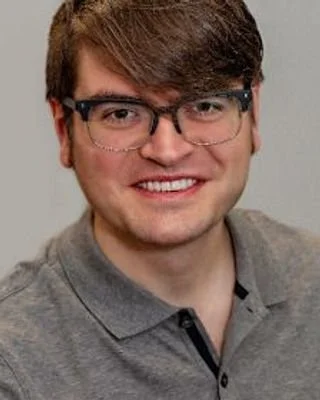
Mark Flanagan is a licensed clinical social worker (LCSW) and body psychotherapist based in Indicator, Georgia. With a background as diverse as a patchwork quilt, Mark's journey through life and his professional career is a testament to his passion for health, healing, and the human experience. In this blog post, we'll delve into Mark's inspiring story, his unique approach to therapy, and how his eclectic background informs his work, especially in helping individuals struggling with chronic illness.
Mark’s journey into the field of therapy and healing was not a straight and narrow path but rather a winding road that began with a passion for health and healing. Early on, he aspired to be a doctor, but as he progressed through college, he realized that there might be a different, more holistic approach to health that resonated with him. This realization led him to delve deep into cultural anthropology, with a specific focus on understanding the cultural aspects of health.
Connect with Mark:
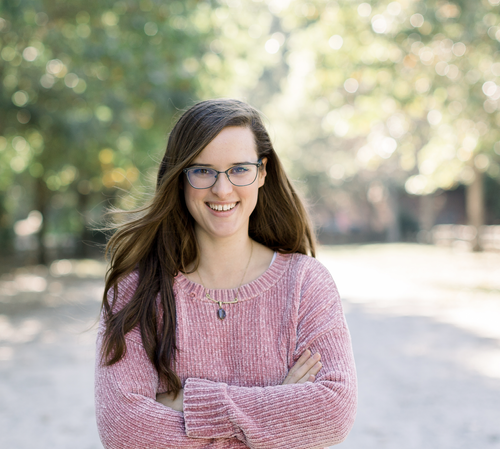
Meet Destiny - The host of The Chronic Illness Therapist Podcast and a licensed mental health therapist in the states of Georgia and Florida. Destiny offers traditional 50-minute therapy sessions as well as therapy intensives and monthly online workshops for the chronic illness community.