
Art Therapy: A Brief Overview
Before diving into ecotherapy, let's recap what art therapy is all about. Zara, our resident art therapist, breaks it down into two fundamental components: art as therapy and art psychotherapy. Art as therapy involves the act of creating itself, whether it's drawing mandalas or coloring. These activities possess a natural ability to soothe, release emotions, and create a sense of containment. They offer a therapeutic outlet for individuals seeking relief or expression.
Ecotherapy: Nurturing Our Connection with Nature:
Nature possesses incredible healing and restorative powers, and these same qualities reside within us. Ecotherapy seeks to bridge this gap and deepen our connection with nature. Research has shown that spending time in natural settings, often referred to as "blue spaces" and "green spaces," has numerous positive effects on our physical and mental well-being.
The Confluence of Art and Ecotherapy
Zara also highlights the connection between ecotherapy and a therapeutic technique known as EMDR (Eye Movement Desensitization and Reprocessing). The founder of EMDR, Francine Shapiro, was inspired during a walk in nature when she observed how her eye movements affected her processing of traumatic memories.
Nature as Personal Therapy
Zara begins by sharing her journey with art and nature as sources of therapy. For her, art and nature have been profound healing forces over the years. These two elements have played a vital role in her self-care and recovery process. This personal connection to nature led her to explore the therapeutic potential of ecotherapy with her clients.
The Pandemic-Induced Shift to Nature Sessions
The COVID-19 pandemic brought about a significant shift in the way therapy sessions were conducted. Traditional in-person office meetings became challenging or impossible. Zara, who resides near the picturesque Redwood Regional with its stunning trails, seized the opportunity to introduce nature sessions to her clients. The natural beauty of her surroundings provided an ideal backdrop for ecotherapy.
Eco Art Therapy: Creating with Nature
Eco-art therapy involves using nature as both materials and inspiration for the creative process. Zara shares a few examples of eco-art therapy techniques she employs with her clients:
Body Mapping with Found Materials: Clients collect natural materials like sticks, flowers, and leaves. They use these elements to create body maps that visually represent where they feel various sensations in their bodies. This practice fosters mind-body awareness and deepens the connection between emotions and physical sensations.
Nature Mandalas: Creating mandalas with found natural materials is another powerful practice. The act of constructing a mandala and then leaving it in nature to be transformed by wind, animals, and time becomes a metaphor for letting go. Zara often uses this technique when working with clients on grief and loss. It allows them to honor memories and then release them back to nature.
Nature's Wisdom
Ultimately, nature is a masterful teacher of change and resilience. It reminds us that beauty can arise from letting go and that transformation is an inherent part of life. Zara's tattoo of a ginkgo leaf serves as a personal reminder of the beauty found in letting go, inspired by the stunning display of ginkgo leaves in the fall.
Eco-Art Therapy: Using Nature as Materials
Chris goes on to elaborate on eco-art therapy, a practice that involves using nature as both materials and inspiration for the creative process. She describes various techniques, including body mapping with found materials and creating nature mandalas. These practices not only foster mind-body awareness but also encourage the practice of letting go, a crucial aspect of the therapeutic journey.
Embracing Acceptance and the Role of Ecotherapy
The conversation takes a personal turn as Chris shares her experience with severe nerve pain, highlighting the significance of acceptance in the context of chronic pain. She acknowledges the initial challenge of accepting her pain but emphasizes the importance of working intentionally toward acceptance. This acceptance, she explains, leads to a shift in perspective, where pain becomes a sensation that can be observed and managed.
Accessing Resources and Stay Updated
Chris shares that her podcast, the Holistic Counseling Podcast, and her YouTube channel, "Therapist Raleigh," offer valuable resources and insights. She also mentions that her website is undergoing an upgrade, with more resources and information coming soon. Additionally, she invites listeners to sign up for her email list and access her free nine-part email course on holistic counseling. The journey toward holistic well-being begins with a single step, and it's never too late to start prioritizing self-care and embracing the healing power of nature.
Conclusion
In the world of therapy, the possibilities are vast, and it's essential to find an approach that resonates with you. Art therapy and ecotherapy, whether pursued individually or combined, offer unique avenues for self-expression, healing, and growth.
Disclaimer: Everything we discuss here is just meant to be general education and information. It's not intended as personal mental health or medical advice. If you have any questions related to your unique circumstances, please contact a licensed therapist or medical professional in your state of residence.
Destiny Davis, LPC CRC, is solely responsible for the content of this article. The views expressed herein may or may not necessarily reflect the opinions of the guest.
The content in this blog post comes directly from a real, human interview between Destiny and her guest on The Chronic Illness Therapist Podcast. This written version was formatted using AI. Listen to the full episode to hear the actual conversation.
Listen to my full conversation with Zara Drapkin on Ep 29: "if we are crying, nature is still gonna hold us" | How Nature Serves Us in Therapy w/ Zara Drapkin LCSW
-
Episode transcribed with AI and may contain errors that are not representative of the actual word or meaning of the sentence.
So Zara was on my podcast on episode two. And people loved that episode. It was imperfectly Perfect, how art therapy helps people with chronic pain and perfectionism. And so if you haven't heard that one, definitely give that one a listen. We talked about, art therapy and how that just I'm gonna let Zara, Zara tell me cuz she's the art therapist and can explain much better.
But I find it really fascinating how there's so many different types of therapy and I think it's really important that you find something that resonates with you personally. And the research shows us that too, right? It, it's not even about what you're doing, it's about one who you're doing it with and if what you're doing, if you like it and enjoy it.
So today we're bringing in Ecotherapy. I would love to know Zara, can you just give a recap again of like, art therapy, ecotherapy. And maybe even a little bit of, have you been shifting into this space recently? And if so or, or have you always been doing it? Kind of gimme a history of that.
Absolutely. So and actually even more specifically, like eco art therapy is something that I do a lot of. So pulling back just to like art therapy. So I always explain art therapy as twofold. So there's art as therapy, just the act of creating can be therapeutic. You know, drawing in with mandalas or coloring in.
And these are things that just have the innate capacity for calming ourselves, releasing things, creating containment, and then there's like art psychotherapy. And that is the way that, you know, sometimes they say images speak louder than words, or oftentimes we're working with clients and they're like, I just don't have the words for this.
And so oftentimes that's that invitation of like, can you show me it? Right? Can you show me what it looks like? Or even just this feeling that you can't even contain or whatever it might be of like, What does that look like? So it allows people to express themselves maybe where words can't take you or allows you to express things that aren't even on your conscious awareness, because so much of art making is through metaphors and symbols.
And so in creating the process of creating and the final product, a lot of things are uncovered that maybe we don't actually have cognitive awareness of in, at the beginning of the process. And it's like a very process-based thing. So we're not focusing on the end product so much. It's like the journey that gets you there.
And so yeah, that's, that's just a very broad overview of art therapy. There's a lot of different ways to engage with it. I don't look at an artwork and like, make a diagnosis or, you know, say all these things like. The meaning of the artwork, the client makes the meaning of the artwork. We understand it together and we dialogue with the image together.
And sometimes that dialoguing with the image creates new images or we alter that image. And so it also becomes like the canvas for change or the facilitator for it. And so that's, that's a little overview of just what art therapy is. And then Ecotherapy is kind of pulling back and thinking about being able to connect our own personal ecosystems to a larger ecosystem.
And so how, like nature has the innate capacity for healing and for like restorative powers as well as, Having that innate capacity within ourselves. And so being able to connect deeper on that way. And then there's also just the piece, like I was saying before, art is innately therapeutic. Nature is innately therapeutic, right?
Being in blue spaces, being in green spaces, there's all this science and research about how that just has healing positives effects for our body. Earthing, right? Bare feet on the ground. And we're like getting the charge from the earth that does great things for our body. Movement does great things for our body and our nervous system.
And so there's the ways that just being in nature has all of those healing benefits. And then creating with nature and with found materials has so much that it can really just bring to light, allow you to like, see or connect with I think a lot of art therapy is like, there's a lot of nature symbolism.
And so being able to actually be in nature and use that is fantastic. It also, like one of the things I've talked about, I think a little bit last time I do E EMDR and Francine Shapiro, like when she created E M D R, it was actually cuz she was like walking on a path and she was like noticing as she's looking back and forth while she's on this trail that those eye movements were, and like doing something different in how she was reprocessing these traumatic memories.
And so there's a lot of ways to be able to use nature as a therapeutic element. And for me, Why I started bringing it in. Nature has been my therapy, right? Art and nature have been probably the most therapeutic things for me as I've taken care of myself over the years and healed and worked on healing and And then during the pandemic I started to be able to offer nature sessions to clients.
Before that I would lead some groups out in nature. And I really loved that time, but it was always so hard to figure out all the logistics of it. And so during the pandemic, we are no longer able to meet with folks in person in the office. I live right by Redwood Regional, right by all these amazing trails and absolutely stunning nature.
I'm like looking out my windows. I'm saying this with these pretty trees, right? And so there's so much, right, like driving distance and not even driving distance, right? Ecotherapy doesn't even need to be like in big, you know, forests. It could be at a local park, it could be literally just walking along the street.
I would do walk and talk sessions with clients and we would be talking about something that's very dysregulating and then you like feel the wind, right? And all of a sudden that like those being able to connect to those senses while still in the midst of something internal. gives us something different and allows us to be able to not be totally consumed in the dysregulation and something that's kind of grounding you in the present.
So that's like a little bit of ecotherapy, , sorry, I'm going on a whole thing. Art therapy and eco art therapy is like using nature as the materials and creating in nature, creating about nature. A lot of things that I'll do with folks is you know, like. I've done like body mapping with found materials, so we're collecting, you know, trees, sticks, flowers, all this stuff.
And then we're doing body mapping, which is showing me where you feel different things in your body and we start to connect to that mind body awareness or nature mandalas is a huge thing I integrate for folks because that also allows us to practice letting go, right? Letting go of attachment. We create something out of found materials and we leave it on the nature's ground and it will ultimately, wind will come, animals will come and it will not stay in its final form.
Like, and so we get to practice letting go. And so oftentimes when I'm doing grief work with folks, we're making nature mandalas, kind of remembering the person or remembering the animal or remembering whatever it is, and then letting ourselves kind of figure out how to let it go and come. Go back to nature.
Right. And, and, and become something else again. And so how to use these amazing lessons that nature can offer us. Create a rounding, connect to it. Yeah. I really like how you went into the whole letting it go concept. I feel like even using like progressive muscle relaxation, like cuz we say these things in therapy, like learn to let it go or learn to sit with your feelings or, and it's like, what does that, what does that mean?
Like, I know clients get really frustrated, you know, you see, I see memes all the time too on Instagram. Like, therapists said this, but okay. But how? Yeah, yeah, yeah. It's a perfect practice where you're like, oh, I'm actually. Seeing what that feels like and I'm experiencing it and it's hard for me to walk away from it, or it's hard for me to see it when it's been a little bit messed up and like, what is that bringing up for me?
And then that's content for therapy, right? And so of course that's something that's so much easier set than done, like practice, like holding your feeling or letting go or things like that. And so how to have these little in vivo practices that you get to maybe just notice and explore will help you start to kind of learn those ways of connecting to it.
Yeah. Nature has so much to teach us. I think that like in, in our modern day society, don't get me wrong, I love all of our modern conveniences, and I love having, owning a home. And I love the stability that comes with, you know being in one place. But it also, we get too comfortable and too just still too, too not still is probably the wrong word, but too we stay stuck like by staying in the same place.
You know, our home is the only place we, we live our life or you know, or we're always on the run from like different places, going different places, but not really like stopping to see what's in our surrounding. Yeah, yeah. We're either like on the go or we're like vegging out, you know, couch potato mode.
Nature. I just think it gives you such a It's, it all naturally happens. You can't, you can't change nature. You can't force it to do anything it doesn't wanna do. And when we do in our society, we re the havoc of it later. So, yeah. Well, and I mean, nature is like the most amazing model of change, right?
We've got our change of seasons, we've got the life process, the life cycle, like all of the stuff that we. Normalize and accept in nature is like something that we sometimes really struggle with as humans. And so how to be able, like like I've got, one of my tattoos is a ginkgo tree? Or like ginkgo leafs because in the fall , it's like this beautiful, you get to see all these beautiful ginkgo leaves on the ground.
I mean, it's so gorgeous and it is just this like, oh look, there's a lot of beauty in letting go. And that reminder of it that I get to see in nature and sometimes maybe struggle psychologically with. And so I, I think it, it offers a lot of wisdom to us. Yeah, I'm trying to remember now. Like sun sunsets are literally made up of like dust and like really like kind of dirty things in the air.
That's how you get like, oh yeah, sunsets. That's amazing. . Yeah. And it just, yeah, it's, it's true. I mean, it, it reminds me of like, no, no mud, no lotus, you know, you these beautiful flowers that literally only grow in mud. And I think it's really easy to say these things. But then when you're in it, when you're in the midst of like a crisis or trying to figure out what's next in your life or going through grief, we just so badly want to hold on to what we know.
And again, it's, it's not to like throw everything out about the way that we currently. Manage things. There's, you know, we need comfort and familiarity and those things are really helpful, but we do kind of get stuck there and, and, and just unable to let things move on the way that they're supposed to.
Yeah, I think that's something that always happens and is really helpful to notice and connect to in nature. And then I also think like there's just so many ways that there's things that we get really fixed in as humans and like for instance, right, stuff that we talked about in our last interview, the perfectionism, right?
We get, we get really fixated on perfectionism as humans. And in nature we really appreciate. Things that are imperfect, right? We love those funky trees, or I love those funky trees that are like wrangled and have like all these little scars and like all this other stuff. And yet like as a human with an imperfect body
I've got a different narrative about that, and I've had to work a lot about untangling from that. And so there's these ways that it, there's so much beautiful modeling in nature. And, and, you know, consistently, I, I work with so many folks with chronic pain. Nature is like, the reverence for nature is like such a powerful support or resource for a lot of the clients I work with.
And and so I think I was just seeing more and more and more of that. And so it was like, okay, then this is something we can't turn away from, and we have it right here. So it's been a, it's been a big part of my practice recently. And ultimately, like I'm working towards one day of purely nature. You know, a few days in the office, some video, some in-person, and then just one like only nature sessions.
Yeah. So what do those look like for you? You're over by the Redwood. Yeah, I mean it's, it depends on the client and what we're kind of working on and stuff like that. Sometimes it is like we are just walking through the redwoods and we're talking and we're talking kind of like we would if we were sitting in the office and working on a session or it's art making in nature.
And so I, you know, we bring out a blanket and we bring some art materials and then, , we use nature's materials and we're creating stuff in nature. Sometimes there's like a specific kind of like goal in the session. And so we'll kind of go and work with that. And then I've been also leading some, most recently I let a retreat in nature where it was you know, around expressive arts and you know, it was around reclaiming our body stories and and just using, you know, like rooting into our body stories.
And so there was a lot of metaphors around root systems and trees and, and stuff like that to help folks understand their own selves, almost as like different types of trees and how to, to root into our, you know, stories that offer us empowerment, not just problem saturated ones. Yeah, I think we're just, we're fed so many stories about how our bodies are supposed to work.
And even like if you just eat this way or if you just exercise or if you just do this thing like you are going to be pain free, cancer free illness free you know, whatever it is, and it, look, it's not to deny that our bodies need nutritious food and movement. We do. That's actually a part of the problem.
The problem is then we wanna like make it into this scientific model that says like, this is the exact way. And when you look at nature, I mean, you talk about the wrangled trees, those trees are thriving and they have just like moved along whatever obstacles were in their way and they just grew around it.
Yeah. And through literally how we are supposed to look. Yeah. But we think we're supposed to look like this. Perfect. Straight. Perfect. Thing. Right, right. Yeah. Yeah. I think, you know, it does help us untangle from these ways that we get stuck in or feel like there's only way of doing or being right, these shoulds.
And then to be able to see so much diversity in shape, size, and, and, and then and appreciate all of it and not have judgements about it is really good for us who maybe struggle with some of that. Yeah, I there's so much I can say about all of this, so I'm, I'm gonna let you ask me questions.
Yeah, no, I, I know it makes your brain go a million miles a minute. Yeah, yeah, yeah. It's like, it, I mean, it's, it's something that I'm like so excited and passionate about, and I think, I mean, again, so much of it comes from, like, for me, no matter how bad my pain is, If I get outside and I can connect to like the warmth of my sun or the big trees that are growing or the, like, the waves crashing and rolling in and out, like all of that stuff, like gives me like something that is just again, innately healing, innately calming, innately cathartic in some way or another.
And so being able to be close to nature is like part of my pain management plan, right? Like that is fundamental for me. And it's something that I, not only like I'm passionate about as a clinician, but like live very deeply. Yeah. I think looking at it as a form of pain management, I know that I have definitely clients, friends and people I, I've seen say things online like.
Lots of backlash against the concepts of the ideas of like going for a walk and, and I think it's just how it's presented. It's presented as this way of like, if you just went for a walk, you would not feel this thing anymore, , when actually, like, really the advice shouldn't, no one should be telling you to just go for a walk.
The only people who should be telling you to go for a walk are the people who are willing to walk with you. Yeah. Yeah. That's a good way to say it. . So let's go for a walk together, learn how to be flexible together. That's what really what I'm hearing you say is, is nature teaches you how to be flexible.
It teaches you how to be the tree that can bend in the wind and not break. Yeah. Yeah, absolutely. Yeah. And I think it's never a, like this will just make it go away, right? Just go for a walk, if that's what it is. And, and just exercise and just, you know, like all these different things that are prescribed that don't actually get it.
But I think there's like, you know, if someone's willing to go on that walk with you or if you're able to go on that walk and then connect to the feeling, right. And then be able to, cuz I think what the other thing in it is like, again, the movement piece and also just the, like for me, like you know, being among the big.
I can take a deeper breath, right? Like, there's something that I notice in my body, like I can take my breath from my chest into my diaphragm, right? And so, like, it's innately calming for your nervous system. So we're gonna be able to talk about, or connect to our feeling in a clearer way, rather than a reactive way.
Yes, yes, exactly. That flexibility to be able to handle the emotion, react to it in a way that feels good to us. Yes, a lot of times we, you know, we're trying to do all these things that people have told us to do and it, it's very rigid and prescribed. And then we have all this guilt and shame that we couldn't do it that way.
Now we're reacting really poorly to the people around us. They're reacting really poorly to us. It affects our relationships, it affects everything. Our whole entire li our, our lives, we, it's relationships right? At the end of the day. Yeah, yeah, yeah. Nature. . It's so hard when you do live in a city.
Mm-hmm. . And I know, so obviously the mo most of your work is, well, your work is in the state that you're in California, so Right. You've got that access. But do you, do you have any tips or any, do you work with people who maybe are vir virtually who are in a city, and what, what tips would you have for people?
Absolutely. Yeah. I mean, when you are working with even you could do eco art therapy without being in nature, but just kind of like, like at my house, I have a collection of like rocks that I've collected from different things or like leaves, like dried leaves or different things like that. So you can just still work with found materials, found materials in nature from times that you are there.
Or even if you're in an urban setting, right? Like it's like. Local parks. Right? Like, even though they're not like an abundance space of nature, like green. Right? That's fantastic. It also, like for me, I don't always get to go out to the redwoods every single morning. Once I get there, I will be super stoked in my life, but I'm not there yet.
Right? And so then I just go on neighborhood strolls and neighborhood strolls. There's like a certain tree on the sidewalk that I'm really drawn to, or this cactus that's flowering, right? And like, these are little things in nature in an urban setting that are right here in front of me. And I don't need to go very far out.
Or if you've got a little porch, like maybe you're planting something right? Like that's something, or on your like, you know, window cell, whatever it is that's still finding these ways to connect to nature and in the ways that you can. Yeah. It's. As you were talking, what came up from me was my little sun porch that I have.
And I love to be out there. I will say though, recently I haven't been finding as much peace in it, and it's like, almost like it's just, it's not big enough. It's not it's not like immersive enough. I, I live on a main road in Atlanta, my backyard, like if you just saw a picture of it, it looks like I live in the middle of the woods, but I definitely don't.
So I have this, like, I do have this spot. Yeah. But sometimes it feels really restricting too. I don't know. . Yeah. Yeah. I mean, and, and that's probably like, there's some stuff in there that has content to explore, right? Like that. I think even just like connecting to the parts that are there and then feeling like limited within it.
Right. And then like, okay, what's that about? Right? And then, and so I think that like, there is something that's interesting in that and like, I think there's like, okay, my front porch has got this, and my back porch has got this sense of like, I live in the middle of the woods and I want more. And, and also when I can't get more, how do I like connect to what is here?
The other thing that oh, just going back to even like your front porch piece, the idea of, and, and this is one element of like ecotherapy, right? Like gardening people talk about this being, I'm, I'm not a great gardener, so like , this isn't necessarily my experience, but I have a lot of folks I work with that like, what is this thing that grounds you literally putting my hands in the earth, right?
Like, that is so grounding for people. And, and that again, is this way of connecting to one practice of ecotherapy. Yeah. I love, I in, in, in to go along with what we're talking about. Yeah. Like I, I recently have just over the last year, I'm like, okay, I'm, I'm gonna, I swear I'm gonna learn how to keep a plant alive,
Cause this is all I have here in the city. But it's interesting as some of the plants that I have are growing and they're grow, like they don't grow symmetrically like they grow, so however they want to, and I'm really, I've been drawn lately to things that just aren't symmetrical. Yeah. And I just think, and or things that are c circular instead of four pointed edges, which, where in nature do you find 90 degree angles?
Oh, it's, yeah. Yeah, yeah. So just trying to bring those pieces into my, into my home and to look for them out in nature too, to remind myself like, the world isn't, the world is rigidity is just such a construct. We, we don't need it. We don't, in fact, it's, it's harmful in so many ways. Yeah. Yeah, I love that.
Well, and there's like an image I've seen and I don't know who the artist is and I'm sure there's like so many different variations of it, but it's essentially like capturing this, like there is no one way to grow and it shows like a handful of different plants, right? One plant has got really deep roots, but like no, nothing budding out, right?
Another one has got this huge flower, but very shallow roots. Another one is like, you know, in its growing process, right? And so all of them are growing, but in very different ways. And so we can get fixed into like, this is what progress looks like or this is what growth looks like. And yet if we connect to just how growth looks in nature to ourselves, like change and growth looks so different for each body and that's exactly how it should be.
Yeah. Yeah. I love that. I think we need all the reminders we can get that like change is normal and And, and go having setbacks even that's a huge thing that comes up a lot and work with chronic pain and chronic illness. I'm on a, I'm, I'm, this is a setback. Yeah. The setbacks from what Yeah. Yeah. What do you setback from?
Totally. And, and I think again, it, we were going back to thinking about like season changes, right? Like growth is not linear. Because if we think about like, you know, a tree through a season, right? Like it is constantly growing and yet at some point, like it's gonna not have its leaves you know, or flowers or whatever it might be.
But that actually doesn't mean it's not growing anymore. Yeah. It needs that rest. It needs that break. And I, another thing comes to mind around, Like rigidity and perfection and change and, and growth. Just the way that we, even the way we plant in modern day society and how it causes, I, I'm learned, I've learned this from braiding Sweetgrass.
Have you read that book? I did. It's gorgeous. Yes. It's so beautiful. And so, you know, the fact that we have like diseases in our livestock or different diseases in our plants and when you, when you plant things indigenously the way that they used to before, before we all got here and, and ruined everything you know, there, there that didn't exist, becau, and if something was ruined, that was just the end of, that was the end of it.
And that was supposed to happen. Like, and then there was, there was wisdom in, in the tribe and in the community to know when to move on and where to move on and how to do it right. I think a big part of this too is like, When things end for us, there's, we have such a culture of, of like toxic independence that there isn't some, we often don't have a community to help us with the fresh start.
Yeah. So an end to something feels like just this impossible or how do I move on from this? Cuz there's no one, there's no source of, there's no communal sense of support that kind of, you know who to go to. Right, right. Or that it's okay. Right. That like, because I, I really do think, like, I remember I had this experience where I was like, oh, I feel like I'm gaining so much wisdom around grief and lost and, and it was because I've like had this very deep connection with this one tree.
I tend to like, there's like certain trees that I like, I can feel a very deep connection with. And, and I remember like there's this one tree that I found on one hike once and it was like, I loved this tree, and, and I would, every time I would go on a hike, I would like specifically go on the hikes on this trail so I could go like, cut off the trail and go to that tree.
And I remember I went to go see that tree one time and it had fallen over. And, and it was so interesting because in the way that like I have grieved loved ones that have passed away or I have reached other things, like it hit me very differently where it was like, I like saw that it had fallen and it was like there was sadness and there was also just a like this, the process, right?
Like it is actually just returning right back to the earth and there's this gorgeous tree growing right next to it and it's, it going into that earth is just gonna fuel that next tree. And there's something really beautiful and just like that ending happened, but it like, and it, it's roots will, you know, kind of be, be in the earth for a long time.
It's like all these things will kind of still be in the earth. And then, Create something new, right? It's not gone forever in that way. It's like something in it is going forward to the next thing. And there's like something really that I was like, I felt such an acceptance in it. And I was, and, and I remember I like pulled back and I like created a lot of art about it.
Cause I was like, wow, like this feels like how to move through grief and change and like, what can I learn from that? What can I pull forward from that? Because I just thought it modeled so beautifully in nature. How long would you say it took you to get to a place? Or, or can you just speak to the journey of getting to a place where like to even pick out a favorite tree?
Like especially if someone's just kind of starting out with any of this. How do you even, yeah. What does that journey look like? Yeah. I mean, what I often do with folks where we're like starting an ecotherapy session or if I'm doing a group or something, it'll be like, Hey, we're on this land. Let's first of all just kind of connect to the land that we're on.
Gives you me, right? Like all these different things. And then it's like, walk around for five minutes, 10 minutes and find something in nature that pulls you. Whatever it is, if it's like just the way that the light is coming through the trees, if it's the plant coming out of the rock. And just find something in nature that kind of pulls your attention in for some reason you connect to and then meditate with that.
Right? Like what is it in that thing in nature that you connected to? So, you know, I'm walking and all of a sudden I'm like really drawn to like, like a plant coming through the rock, and it's like the teeniest tiniest plant, but like, wow, it's coming through the rock. And like, that looks so hard. And right now I feel like I'm in a really hard place, or I'm noticing like the light coming through the branches up there.
And right now everything feels really dark. And so I'm really connected to that lightness. Right? And so that's just this way of. Starting to get them to create that connection and that way to connect through those metaphors, to connect through you know, something in nature and that becomes like an anchor or an access point.
And so, you know, like trees are something, for me, trees may not be everyone's thing, right? And so, like, I wouldn't say like, go find your tree. There's a really great tree like narrative therapy exercise, the Tree of life exercise that like I can offer folks as if we wanna work in like the tree framework, but I think that you know, it might be something else in nature for each person.
And so to let them know that, like they find what works for them and they connect to that, it sounds like it would need a lot of you would either naturally have to be a curious person or build that curiosity muscle. Yeah. And, and willingness, right? And so I, you know, I think it's again, like just starting where the person is at.
You know, some people might already have a huge language and connection with nature a language war and connection with, and, and other people may be like, I don't leave my house, right? And so let's start on a walk and on the walk just start to notice what it feels like when the wind comes, or notice what it feels like when you hear the sounds of the wind.
And, and just finding ways to connect like that and then building it. And so, you know, again, it's just starting with whatever awareness or practice that is already there and, and letting them start to build what feels good for them. Yeah. It's so hard to know sometimes what feels good for you when you, when you live in a chronically ill body.
But I think this practice is, and it just like nature, right? One isn't causing the other thing to happen. It's, it's reciprocal. Yeah. You go into, if you're choosing art therapy, ecotherapy, you're, you're deciding to go into it, then you are experiencing it. Maybe that in and of itself helps build some curiosity and some willingness, and then you have to additionally choose to be more curious and more willing, and then you go back into, and so it's just ba it's back and forth.
It's back and forth. Right. And I, I think it's never something that's going to. Make everything go away or make you feel a hundred percent better or anything like that. But what I think it does for me and for a lot of people I work with is, is it allows the, and like I'm a big, like, and is a big word I use, right?
Like I can feel pain and gratitude for living in such a beautiful place. And if I'm sitting in my bed at the same time, all I'm feeling is pain and misery , right? And so like, it, it, it really opens the space for the, and and that's something that I think is really powerful about it. Yeah. I agree.
Yeah. What else comes to mind around your work with Ecotherapy and clients with chronic pain? Chronic. I think there's something also in helping folks kind of connect to, I mean, right, the elements, nature and the things even just in kind of learning from and connecting to the different elements through, so maybe like tiers, right?
We're learning like releases and water, right? The, the element of native water. And we connect the ways that we have those types of releases and stuff like that. It could be through fire and we can think about the ways we're alchemizing things. It could be through earth, right? And like the grounding that we can get from that.
It could be going to the top of the mountain and getting like perspective . And, and going back to like the elements like air, right? And, and thinking about Breath and the ways that we can use breath. You know, I just think that there's so many little places that we can use nature as kind of a tool to teach and to practice the things that we're bringing into therapy.
And so helping folks like again, kind of find the ways to like connect to themselves connecting to something bigger that's something that I think is really, really helpful. Cause I think, you know, we are one, we are our own bodies in a larger body of the earth of, you know, community of all these different things.
And so when we are just seeing ourselves as only an internal system not connected to a larger system, It, it has a lot of flaws. And, and so we really need to find the ways to connect our internal system, our nervous system, to this larger ecosystem of the world that we're existing in and with. And, and I think, again, just going back to the piece of you know, our nervous system in natural spaces that being something that has some like is not to be.
Undervalued at all. Right? Like I, like I said, I remember during the pandemic I would go for my friend and I, we ended up calling them rage walks, but then they became rage and joy walks cuz like there was this hill we would have to walk up and it was like 2020. So we would be like walking up the hill, venting about.
Whatever there is to vent about the world, you know? And then you get to the top and we would cut into this park and this park had redwood trees and the eucalyptus tree and water. And I remember every time we would get to the top and dip into that park, I would feel my breath deepen. And then I would just feel peace for a moment.
And then, and so it became this like rage and joy walk, , and then it was like rage and all the feels walk because like it was this way that I could connect to so many different feelings. And something else that I have heard clients say I really loved is like, there's such expansiveness and earth, so like the sky, we can give some of our connect, like the pain in our body and give it to the sky, right?
Like, give it up, give it, and, and. Connect in, right? And like different ways to be able to use just the expansiveness in this like natural world to not feel so alone. Something that I've created a lot of art about and I've connected to personally and I've heard a lot of my clients connect to is like, nature holds us, holds us in whatever state we're in.
Like if we are crying, nature is still gonna hold us. If we are screaming, nature will still hold us. If we are, you know, like whatever it is, nature still holds us. And and so just feeling, being able to feel that embrace of like, nature and that just. We can be a real on a stormy beach and watching the waves crashing and it's like, oh, look, like the ocean feels anger too, and the ocean gets calm, right?
Like it, it gets to that place. The ocean doesn't always stay in that state, you know? I mean, there's so many riding the wave metaphors and you know, D B T or different approaches to therapy that have a lot to offer folks. Yeah, I went on so many different things just then. . Well, I love it. Always trying to decide how, how personal to get in my public to, but you were mentioning just, so I really like the, the concept of like connecting to something bigger than yourself, which has been said a lot, but the way that you described it, kind of just, I guess, I was able to imagine one, the nervous system, which is inside of my body.
Yep. Right. If you think about, and then your skin makes up the outside of your body. So there's the nervous system within the whole system of my body and my body within the system of this earth. And all the nature around. And, and then even the fact that we call it Mother Earth and I'm thinking of mother.
So I'm, I'm working with a, my, with a new therapist who's a, she is, she herself is not a dance and movement therapist, but she has had a lot of training like in that area. And it's just been so fascinating to try to learn how to move my body again. And, and there's still so much resistance even with myself as this is something that I genuinely want to do.
Like I sought this out, I sought out a specific therapist for this thing, and it is, So hard. But then the concept of you, like talking about nature holding you, and she hadn't said it in quite those words, my therapist but just talk. She, she's talked with me a lot about like how a mother holds their baby.
And, and like when you're young, the baby, you mother, the caregiver is the only, that's the whole world. Like the arms of the caregiver are the baby's entire world. Yeah. And that's all it knows. And it's, it's called circles of support. And you guys can I, I'll put the link down below, but d Wagner and Atlanta, she has like a really cool worksheet.
Not worksheet, but infographic about this. But yeah, so like the baby, the, there's a, the mother's arms are, are, are what hold this baby. And the baby needs the mother to be strong enough to hold all of its emotions and its needs and then it grows older. Yeah. And it doesn't, in that circle, the circle of support just keeps getting bigger and bigger and bigger as the child gets more self-sufficient.
But we still need Yes. What's around us? So then I'm just, I don't know if I'm coherently explaining everything I'm processing as you're talking, but it's just the idea of, of what holds you. Yeah. What, what is your level of what is, what provides enough support for you? Yeah. As you, oh, sorry. Go. I was, the last thing I was just gonna say about that is like, if nature feels too big for you currently, then you might not be at that level.
Yeah. Or maybe there's another part of nature, like maybe standing by the ocean and feeling that small feels way too scary. Maybe that is not for you at the moment. At this moment, yeah. And. Yeah. Yeah, go ahead. No, I think that's an absolute great point, right? And so that again is like, okay, then I get to go for the walk and just notice like the plants that I'm attracted to or the colors I'm attracted to, or maybe like standing in front of the big ocean is too much.
How does it feel to be next to a pond? And how does it feel to just look at a bowl of water and connecting to like water in that way? Or how does it feel to look at one plant? And, and just again, to maybe kind of find the ways to like. Meet yourself where you're at, notice what comes up, right? Like does feeling that small feel really dysregulating?
Like, okay then like let's take that information. We can explore that information cuz that's giving a lot of information. But let's also see what are the spaces that your body feels a little calmer in? What are the spaces that your body feels like you can take a deeper breath in? And what does that look like?
So I think that's a great, that's a really great point. I think Yeah, I, one of the things that has been really beautiful that has unfolded and was the premise of the retreat I ended up leading was I have a dear friend who's an amazing poet. Her name's Pam, and she We ended up kind of sharing art back and forth and, and, and she was like, you know, writing these beautiful poems.
And I was like, wow, when I read your poems, I see them in images. Like that's how I I read is through images almost in my head making sense of it. And she was like, oh, I'd be really curious to see if there's response art. And as I was reading her poems, I was like, oh, I've made a lot of similar art on my own, about my own self that have so many of the same themes.
And we were both using nature. as these like sources to be able to communicate and express our experiences with very different kind of experiences pain and trauma or mental health issues. And, and yet, like, again, finding this anchor through it all. And, and one of the images, so we actually made like a zine called Earth Bodies.
And we, our retreat was like, you know, our earth bodies retreat of kind of how do we all in our own little bodies on this earth, our own little earth bodies Find our ways to connect to our body among all these other bodies, all these other earth bodies on this body of earth. And, and one of the images that was on the front was this piece of, you know, these hands coming out of.
So it was kind of like these root systems from the earth and the roots kind of almost become trees that are like these hands that were holding a body that was in child's post or a fetal position. And, and just again, this idea of like, we all kind of have that connection but it looks maybe a little bit different for all of us.
And so how to find, help each body connect to their own ways of being able to connect to this earth body. And, and then to all the other bodies that are also on this earth. . Yeah, there's a it's. Obviously incredibly complex especially when you live in a society that like, just, just thrives off this idea of, thrive is the wrong word, but like this idea that A, it's A, B, C, D and linear and like if you just do the, the this thing, this way, it will work out.
And I think the connection that you're talking about, I mean even I think with some other types of therapies, like it is very like, like D V T is highly focused on like social skills, but it can become really prescriptive and rigid and, and feel at least the clients who come to me who have a history with D B T or C B T are looking for something.
And, and granted other people find immense help with C B T D B T, any, any type of therapy is going to be helpful if you connect to it. But I think there's just a, yeah. So the people who find me are, are looking to connect to something that maybe their brains are trained to look at. Like, here's a manual for this thing.
So they think they're looking for that, and then they get in it and they're like, why do I still feel this way though? Yes. Yeah. And I think nature does a really good job at just helping you yeah. Accept and let. And remember, there's so many different ways for it to look and that's okay. Right? Like, I think same thing for me as an art therapist, as someone that does E M D R.
Like people come to me after having tried so many different therapists and so many different modalities and I'm still not getting better, right? Like, that's that narrative. And, and so instead to kind of be able to be like, it's not that you're doing something wrong, it's not that you're not okay, right?
We just wanna find the thing that works for you and what does like work look like? Because there is no way work looks like, and there's no one way that getting there should look. Essentially it's the co-creation. Yes. Yes. If you're not creating with like a guide I wanted to give that. Okay. Also say this sentence first.
If you're not creating your own narratives and life, , it is always going to feel like rigid and restrictive. With that being said, that does not mean we should, we should not be doing it on our own, creating on our own. Just trying to think our way into being a certain way. No, we need models and we need relationships and trusted guides, which is why therapy works best when you trust the person across from you.
Absolutely. Absolutely. We're social creatures and we're constantly connecting to other humans, and also again, this piece that gets really missed, especially in our modern day society to the world that we live in. Yeah. Well, I really appreciate you talking about Ecotherapy in this way, and even if folks, you know, even if that's not what you're looking for in a therapist, you know, ecotherapy per se, I hope that this episode just helps you start to get curious about it.
And find little ways to, little ways, cuz it, it can be overwhelming when you're not used to looking at things in this way. But if you find little ways, like you said, Zara whether it's like a rock that you find interesting, bring it into your home, or the colors of the leaves on the trees, or the way that the tree branches twist and turn, and just notice you're just bringing curiosity into your life.
Mindfulness, just mindfulness is literally just noticing anyway. So noticing within and within, within itself helps reduce some of the tension in your nervous system. And then when you're ready, you reach out to someone like Zara and you help you ask them to help you to navigate this really, really complex and intricate and amazing world that we live in, that we, I think still know so little about.
Yeah, and I would say like if you're someone who's never connected in this way and they're curious of just like a place to start, I think like that thing that I was saying of like, wherever you are, if you're in an urban sitting city, if you're in a rural setting, like go for a five or 10 minute walk.
Walk around, see if there's something in nature that catches your eye and journal about it, or meditate about it or create some art about it. Right? Like just be curious about what is it in there and, and see what comes from that. Right? Like that actually might just be a nice little taste test of, of what can come from these types of practices.
I love that. Can we actually talk a little bit about body stories? What does that mean? What does it look like? Can you kinda walk us through a story made up. Yeah. Yeah. Yeah. I mean, I think like you know, a big one that we work with is an I am Broken, right?
Oftentimes when we are working with folks, chronic illness or chronic pain, we are hearing a narrative of like, my body is broken, I am broken. And so, you know, if we're working with someone that is their problem saturated narrative, and we wanna work with 'em to explore the ways that they can connect to a more empowering, strength-based narrative.
And so what does that look like? And so, you know, I think there's ways to, first of all, just like externalize our problem saturated narrative, to look at it outside of ourself and to see what it looks like and feels like to hold that story and where that story comes from and the weight of it. And then to start to think about the times that like.
there is a unique outcome to that story when that isn't the only story I told about myself. And what does that look like and what does that look like to expand that? That's one thing in it. I also think, like for instance, we get fixated or there's oftentimes a fixation on stories around brokenness or not enoughness.
And, and also this idea that our bodies hold a lot of things, not just what doesn't feel good or what is creating pain or what is creating illness. And so how do we also connect to that within our body? So our bodies also hold all of our emotions and wow, what a gift. Even if these emotions sometimes feel really hard or, you know, my body has a lot of ways it can't work.
And also, like for me, I, one area that doesn't have pain for me a lot is my feet, right? And so my. Can hold me. And that is something that I'm able to connect to and change my body story around just being a broken thing to like hear something that is very rooted and grounding and works. And so like, my body is not just a broken thing.
And so that, that's part of what that looks like. And so we help folks kind of connect to, first of all, what is this problem saturated narrative we carry about our body? And then what is the story we wanna hold? And also how do we create that process, right? Like one of the things that started the invitation is we were thinking about like tattoo scars, piercings, like all cuts, you know all these different things that hold a lot of stories for us.
And so even just understanding the stories within that and, and helping folks unpack that. I think, yeah, stories are so important, which is also a part of art. It there where we've lost, we have no ability to, to story tell. That just has completely gone by the wayside. It doesn't feel important to people to just sit by a fire and to just tell stories.
Like, it's not productive, it's not getting shit done, and so therefore it got lost somewhere. Yeah. Yeah. Which means then when we have a story in our head, it stays there because we don't know how to create and build other stories. Yeah. But I really, I really like that concept of your body story and and I, and I think that's why the, and is so important because I think, again, going back to like this singular story, which actually we just talked about that on a previous episode, but the single story of like, It's this one story in your head.
And so I'm thinking I work a lot with like young adults and their parents and the parents have this one story in their head of like, here's what you need to do to get better. And then the, the young adult or the child has the, the story of, but I can't get better. Like, and that's that. And so then there's this, this battle when really all either one of those people want is to connect in their relationship.
Yeah. It has nothing to do with what their body can or can't do. Exactly. Yeah. Cause we just have these single stories and we, yeah. I think that the art of storytelling, there's a book I'm in the process of reading, I'm gonna get the title and it's all about the art storytelling and how it's so important, like to teach kids how to tell stories.
I mean to tell stories to kids, to help them learn about life and, and lessons. Cuz kids learn through play and they learn through imagination. And these days where, you know, Showing ABC flashcards to kids at like one, and it's like they don't need that. They're gonna learn to read just fine. Totally, totally.
It needs to be telling stories and interacting and playing, and we've just lost, I think there's such a discomfort again. I mean, even for me, like I have to relearn how to do these, these child things as an adult because I, that is not comfortable, comfortable for me. So it's hard. But one thing with like stories and like being able to hear our stories outside of ourselves and then understand that like, oh, this is a story I'm telling, right?
Like, this actually isn't the only way to think about this situation, or this isn't the only way to see what's in front of me. Because if we don't kind of ex express our stories, we think they're the truth, right? And our thoughts are not always true. Yeah, that's a really great way to put it. It's like, it seems counterintuitive to people, but even with like, say angry behavior when you let your child have an outlet for punching or hitting or kicking, it actually reduces their, the risk of them hurting somebody else.
So same thing with telling stories and lying and, you know, yeah. The more we can be creative and allow ourselves to tell stories, and then the less you're gonna, you're going to have someone lying about something because there was this outlet for that thing that was stored up inside of them. Yeah. Yeah.
The book is called Healing Stories for Challenging Behavior by Susan per Perro, P e r r o w N. It's very, very long and filled with stories. So that's a, that's a great book. If anyone's looking to hear more about like storytelling.
Is there anything else that you wanted to share? Oh my gosh, so much . No, I mean, I think you know, I will say if you are someone who already does connect to these types of things and are creating in your own ways about it my co-creator, Pam, who I created this scene with, we are working on this edition of it where we are asking more folks who are artists and creators who have talked or worked through their own processes of connecting or even reclaiming their body stories through connecting to nature, through art words, movements image making.
We are collecting submissions. And so I can send you the link for folks to send that over. We also have like some practices available of even just kind of a little. Booklet that offer some kind of just prompts to help folks in connecting to nature and, and creative prompts as well.
Awesome. Yeah. So you'll send me a link for that. I'll send you a link for that. Yes, absolutely.
All right, Zara, thank you so much. Definitely send me the link for the zine below so people can send in their submissions.
And anything else that you wanna add there? Awesome. Thank you for having me. Thanks Zara. See you next time.

Listen to Zara’s interview with me, Destiny Davis, on Ep 29: "if we are crying, nature is still gonna hold us" | How Nature Serves Us in Therapy w/ Zara Drapkin LCSW
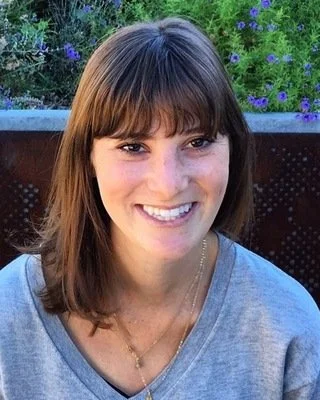
Zara Drapkin is a Licensed Clinical Social Worker who earned a Master's Degree in Social Welfare from UC Berkeley and obtained a Master's Degree in Art Therapy from Notre Dame de Namur. She has worked with teens and adults in a variety of settings, including inpatient hospitals, short term rehabs, assisted living facilities, a Veterans Administration Hospital, outpatient mental health clinics and a group private practice. Her experience includes working with individuals who have a variety of severe and complex mental health challenges, including those with PTSD due to complex trauma, sexual trauma and/or combat trauma; bipolar disorder; major depressive disorder; anxiety; grief and loss; and chronic health/pain issues. She also has experience working with individuals across the gender spectrum. I enjoy working with people with diverse cultural backgrounds, beliefs, and perspectives. Her work is rooted in mindfulness, narrative based work, and social justice. Her framework is LGBTQIA+ affirming, social justice-oriented, trauma-informed, and strengths-based.
Connect with Zara:
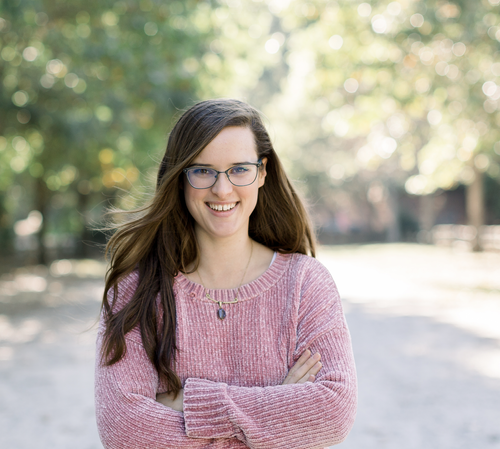
Meet Destiny - The host of The Chronic Illness Therapist Podcast and a licensed mental health therapist in the states of Georgia and Florida. Destiny offers traditional 50-minute therapy sessions as well as therapy intensives and monthly online workshops for the chronic illness community.