
Lucy Dunning: A Champion for Chronic Pain Patients and Advocacy
Support Groups and Advocacy
One of Lucy's key initiatives is hosting free support groups every third Thursday of the month. She is also an active member of the National Organization of Rare Diseases (NORD), where she actively participates in advocating for individuals with chronic pain and pushing for improvements in healthcare.
Empowered Relief Program
Lucy holds the title of a certified provider of Empowered Relief, a two-hour Cognitive Behavioral Therapy (CBT) program for chronic pain patients supported by Stanford University. Her expertise in this program equips her to assist patients in managing and coping with chronic pain effectively.
Virtual Reality and Chronic Pain
Lucy has collaborated with Applied VR on research related to virtual reality and chronic pain. Currently, she incorporates Applied VR technology into her private practice to aid chronic pain clients.
Lucy's Personal Experience
Beyond her professional work, Lucy is a chronic pain patient herself. She understands the struggles, challenges, and emotions that individuals with chronic pain face daily.
In addition to her advocacy and support group leadership, Lucy provides individual therapy for chronic pain patients and hosts a parenting and chronic pain therapy group in her private practice. Her services include specific virtual reality for chronic pain and animal-assisted therapy, along with the Empowered Relief program. Lucy's office also offers a sliding scale for those in need
The Journey to Acceptance
In a candid conversation on her podcast, Lucy shares her journey of accepting her chronic pain condition. She emphasizes the importance of advocacy, finding trustworthy doctors, and ultimately accepting and learning to live with the condition. Lucy's story is a testament to resilience and the power of self-advocacy in navigating the complex world of chronic pain.
The Role of Advocacy
Advocacy is a crucial aspect of managing chronic pain. Lucy encourages individuals to educate themselves about their condition and treatment options. She suggests gathering information and presenting it to doctors, fostering open communication about concerns and potential solutions. Finding a trustworthy family doctor can also play a pivotal role in coordinating care and referrals to specialists. Building a strong relationship with a healthcare provider is essential in navigating the complexities of chronic pain management.
The Power of Therapists on Social Media
Lucy emphasizes the significance of therapists being present on social media platforms. She acknowledges the vast amount of information available online and believes therapists must engage with this medium. In a world where people increasingly rely on social media for information, therapists have an opportunity to provide valuable insights and support.
Utilizing Social Media for Outreach
Lucy suggests various ways therapists can leverage social media to connect with their audience. One effective strategy is sharing blog posts and excerpts from their work on these platforms. Even small steps, such as sharing informative snippets, can make a meaningful impact. By doing so, therapists can expand their reach and offer assistance to those seeking guidance online.
Conclusion
Lucy Dunning's story is one of dedication, compassion, and resilience. She has turned her personal experience with chronic pain into a mission to support, advocate for, and educate others facing similar challenges. Her work in therapy, advocacy, and virtual reality technology showcases her commitment to improving the lives of chronic pain patients and promoting awareness and understanding of their experiences. Lucy is a beacon of hope in a world often clouded by uncertainty for those with chronic pain.
Disclaimer: Everything we discuss here is just meant to be general education and information. It's not intended as personal mental health or medical advice. If you have any questions related to your unique circumstances, please contact a licensed therapist or medical professional in your state of residence.
Destiny Davis, LPC CRC, is solely responsible for the content of this article. The views expressed herein may or may not necessarily reflect the opinions of the guest.
The content in this blog post comes directly from a real, human interview between Destiny and her guest on The Chronic Illness Therapist Podcast. This written version was formatted using AI. Listen to the full episode to hear the actual conversation.
Listen to my full conversation with Lucy Dunning on Ep 16: Desperate for a Chronic Pain Cure w/ Lucy Dunning LPC
-
Episode transcribed with AI and may contain errors that are not representative of the actual word or meaning of the sentence.
Lucy Dunning is the owner of blue sky, family counseling and coaching and Dunning divorce resolutions. She specializes in chronic pain and health conditions. And she's an advocate and support group leader for the us pain foundation in the state of Georgia and both Carolinas.
She runs free support groups every third, Thursday of the month. And she's a member of the national organization of rare diseases or Nord, and often does advocacy work for chronic pain and healthcare changes.
By speaking to legislatures about the disparities of patients with chronic health conditions for Nord, she's a certified provider of empowered relief, which is a two hour C B T program for chronic pain patients supported by Stanford university.
She's
worked with applied VR and their research on virtual reality and chronic pain, and currently uses applied VR technology in her private practice with chronic pain clients. She's also a chronic pain patient herself. In addition to being a therapist, Lucy provides individual therapy for chronic pain, free support groups with us pain foundation and a parenting and chronic pain therapy group in her private practice.
She uses specific virtual reality for chronic pain animal assisted therapy the empowered relief program and has a chronic pain at her office who offers a sliding scale.
Um, so that's cool that you do this. I was cause I was reading about like what you do and like, so you, um, interview like therapists with that do chronic pain
yeah, that's, that's the gist of it. Um, I'll probably expand into other, uh, medical professionals later, you know, physical therapists and, uh, nutritionist doctors.
I do know quite a few people who have the specialty in other, in other medical professions. But for right now, I'm just trying to one build the community around therapists who specialize in this. Um, and then two, like, I feel like people with chronic pain just have no idea how therapy can help them, you know?
And it often feels like it's just in your head. So like going to a therapist just proves that . So that's kind of my goal with the podcast is to help demystify that for just people who don't understand, like what therapy can do for them.
That's awesome. Like, I love that you do that and you're helping like spread the word and.
With the population, cuz there's not enough. I feel like resources and support for that for the community.
Yeah, definitely. I feel like, um, and then there's just so much online of like people who claim to cure your disease and you know, like social media is just filled with that. And so, um, my goals to hopefully override some of that, um, I had just posted, I'm pretty active on social and I just, just posted somebody commented on TikTok saying like, oh, I just found myself over on the other side of TikTok where like everyone just wants to cure your disease.
Like this is so refreshing to hear. And yeah, we like need just, we need a place of hope, you know? Cause I feel like online that's like what happens? It's like all we're gonna die. We're gonna die. We're gonna die or it's gonna be, or it's like, here's how I can cure your illness with food. And it's, there's like no in between.
Yeah, absolutely. Do you have chronic
pain? Yeah. Okay. Yeah. What do you have if you don't mind? Well, yeah, I mean, I started out, I, so I was diagnosed with Lyme disease, um, and that's like a big one in that whole community of like healing and there's just a lot there. , um, I didn't have a diagnosis for, uh, like eight years after I had contracted it.
So there was no treatment for all that time. So then it just turned into a lot of like fibromyalgia type pain, you know, joint pain, brain fog, neurological, like dizzy spells, like pots of symptoms, like all of the, the whole trifecta yeah. So yeah. How about, yeah.
Yeah. I have complex regional pain syndrome type two.
Okay. So it took forever for a diagnosis and yeah, I felt like I was chasing, I literal, like I've had a lot of surgeries. Now, and it was, I've had 10 within the past five years. Mm I'm done now. Like there's no more, but it was like, it took forever and it was one of those invisible illnesses, you know, that, um, the one the did, the one I do have type two, they were able to do a pathology report.
It's a rare disease. Um, but the type one is one that they can't prove. Oh, so the people that have the type one, it's usually like, they'll, the doctors will say, oh, it's in their head. It's terrible. But you can't, there's no cure. Um, you know, it's like, they just give you like a stamp on your head. I feel like, and say, you know, you're never gonna get better.
You know, it's only gonna get worse from here. And it's just, it's horrible. And it's, that's kind of what I think led that's what led me to all of this. Like you, you know, trying to find like, that's what made me so passionate in this field, like was the frustrations of that journey,
you know?
Totally. Yeah. Can you maybe speak more to that and what your journey was like?
Yeah. It was going to different doctors and, and being told, um, that they were not able, they weren't able to necessarily find what was wrong. And so I would go to different doctors and a lot of what I would be told was we, um, are not able to, you know, find what the issue is.
And so you're just gonna have to learn to live like this. That was a common theme, was this is how you're gonna have to learn how to live. And I was still, you know, it was young. Well, pretty young in my thirties. And so, um, I just said, you know what, this is not how I'm going to live. Um, I've got a better, you know, I have a long life ahead of me.
I have three small kids. And so that's when I took it upon myself to do a lot of research. And that's how I was able to find doctors out of state that were actually able to help me. Um, so that being my own advocate was a way that I got the best treatment, but I had to really advocate for myself. And if I wouldn't have done that, I don't think I'd be where I am today in terms of quality of life.
Yeah. That's so hard because I mean, and we, you know, we go to grad school, we have at least, uh, an ability to look at the research and at least somewhat understand what we're looking at, but a lot of people don't have that. And. It's hard when you just, you get told by a doctor or several doctors, like we can't help you, you know, this is essentially in your head and yeah.
Um, it's hard to kind of dig into that research and figure out how to be your own advocate.
It is. Absolutely. And that's why with clients I'm very big on trying to teach people advocacy. I think that is huge. And especially depending on where they are in their pain journey, I think that's really big, um, where they are in their pain journey.
Um, a advocacy is a huge part of that in getting help.
How did you sift through some of the stuff online that maybe was. Not so helpful or more down that path of here's how to cure this, but maybe that was more of like chasing, you know, something that wasn't real. Yeah.
That was hard. I got burned. I'll say that I definitely, you know, made mistakes.
I tried cuz you get a point of, I think desperation because in the beginning and that's very it's that, that chronic pain journey, it's that journey that you start with of you'll do anything of the it's part of like that acceptance cycle. You'll do anything to find that magic cure to get better. Um, and so you will, you'll try anything to get better.
So when you see those ads, you'll do it. Um, you'll you'll pay anything for that quality of life. And so I went down that path. I would try things and I didn't care how much they cost. As I went through the process though, and I started to accept more of what I had and started to learn to live with my disease and how can I make my life better with what I have, how do I learn to live with this?
Um, I stopped doing that. I stopped kind of like chasing that, these kind of these ads. Right. And then I was able to sift better through them because I had more of like the tools and I could think better because I wasn't as desperate.
Yeah. Since you had that acceptance piece, you weren't trying to so desperately cure it.
It was just a matter of, okay. Maybe how do I manage this? Or how do I make this feel a little bit better? Is that right?
Absolutely. Yeah, absolutely.
what would you say is the, the thing that you kind of realized, or kind of got you from this place of chasing to acceptance? And if you can also maybe speak to what acceptance looks like for
you now. So it's a journey it's and, you know, I think for everyone it's so personalized, you know, their, um, the acceptance journey and it's something that ebbs and flows, we all have moments of, of how we get there. And then we'll definitely, I'll have days where I have setbacks. So I definitely don't wanna say, oh, I've accepted it.
And every day is rainbows. And sometimes cuz that's definitely not what I mean by that with acceptance, you know, there's an acceptance cycle of. In the beginning, you know, it's, it's very near what our, the grief cycle is. And so in the beginning there was a lot of denial. Uh, first there was a lot of, you know, denial, frustration.
They couldn't give me a diagnosis and that took a long time. And then when I did get my diagnosis, I didn't want to believe them because when I read about it, it was very scary. And that was probably one of the worst things I did was I researched it. I went to groups about it that were on the internet, and that really scared me because they weren't, some of the groups were not very positive and they were very negative about what I, the condition I had.
So that scared me. So then I got very scared. Um, so I went to therapy that helped me with accepting it. Then I started to do my own research and advocacy on what can I do to get my condition more manageable, like doctors who specialize in what I have, and that really helped me. So I was able to find better help in terms of, um, managing my disease.
So I was able to do that. And as I was able to, that helped move me towards like the acceptance stage of getting better, like a better, uh, like medical team doctors that I felt really heard because I learned to also advocate for myself when I went to doctors, uh, asking them questions and also being a part of my medical treatment.
It sounds like through therapy, that support helped you move past the fear of it all. And then. You were able to kind of get into the acceptance and maybe even some hopefulness by finding doctors that you trusted. Absolutely. Yes. It's hard because yeah, like we, like we already said, it's hard to find doctors that you trust because a lot of them do just kind of tell you this isn't a thing, or there's nothing wrong with you.
You know? I don't think a lot of them actually say this is in your head, but that is the message that we receive over and over again. Um, can you tell me a little bit about your research in helping you find something specifically for your diagnosis, um, for you to find those doctors that specifically worked with your diagnosis
in terms of what I researched or,
yeah, just like.
You know, it's a process, right? And so it can even be hard sometimes to think back to the specifics and it all kind of molds together and blends together. But if somebody were right now, like in that transitional stage and they were trying to find doctors who could actually help them, what is like the first thing that they could start to Google and then what would they be looking for on Google?
Absolutely. So I, I hate to give my medical advice on saying, you know, look up through Google, but that really is what I, I did. I did. Um, I went to Google, I did research, uh, like talk doctors that treat, um, my condition complex, regional pain syndrome. So.
That was something that I did or nerve at that time. I actually, I wasn't diagnosed yet. It was like nerve damage. So I started there and I started picking up the phone and started calling, um, different doctors and gave them, they would do a lot of times they'll do reviews of your records. They'll do consults.
I talked to the Mayo clinic. Um, I would talk to these, I, I would talk to them. It was very tiring and it was very difficult, but I did it because no one else was gonna do it for me. And that's what I realized is that I'm my own best advocate. And I know my body and. No one knows your body and yourself better than you.
And even though I didn't want to, and it was a struggle and it was very difficult. No one else was gonna pick up that phone and call these doctors on my behalf. And no, no other doctor would, um, no one else was. So that's where I started was just with the top hospitals that would specialize in an area that, uh, was of concern.
I think that's why therapy is so important throughout this process, because like you said, you know, it, it actually, isn't about getting, giving medical advice. It's actually about, we have to at least find information that will then help our intuition guide us towards what's right. And what's wrong, you know, otherwise we're just kind of like walking through a dark room with no.
No guidance. And so it helps to have those Google searches just about everyone. I know. And many therapists on this podcast has said like, Google is what helped me get my diagnosis. And I find it incredibly sad, but I also think, yeah, like it just in the system, we have, you know, these doctors have 15 minutes with you.
Um, you know, even I, I see a functional doctor and she's got an hour with me, but it's, it's still not enough. Like, I'm sure you spent hours and hours and hours and days of your life on Google. And you can't expect anyone to, to do that for you. Unfortunately, that's that part falls on us. So you take what you learn and then you ask a professional, you know, we don't just try to find the magic cure on Google.
We , we look at these things and then we find people we trust, which like you said, it's, you know, it's calling it's. Talking to these people for yourself so that you can, you can hear them or their team, you know, their front desk staff or so that you, you, again, your intuition starts to learn what it likes and what it doesn't like.
Yes. And gathering that information and presenting it, you know, to a doctor. Like what do you think? Um, because you are, that's where being an advocate and talking to them about your concerns and what you think, could this be a possibility? That was something I did a lot. Um, is if I found something that maybe could I have this, I would always do that consistently.
And, um, the doctors do, when you find a good one, they will listen to you. They really will.
Yeah. Yeah. And then it's a mix of. Do they already know enough about your, about your pain, um, or your diagnosis, or are they willing to do a little bit of extra research on the side? Um, if they don't know enough, but yeah, the good ones I find will talk to you, they'll ask you questions.
They'll listen. Um, it's hard to find, but it's doable.
Yes. And, and having a good family doctor was another big key for me as
well. Okay. Yeah. Can you say a little bit more about that?
Yes. She was the one that through all the doctors, she, and, and for most people, your family doctor acts like the hub of your, um, of all, they should be the medical hub of all the special.
And so they do a lot of the referrals. And so if you have a good relationship with your family doctor, which is, I really do encourage people to have a good family doctor, um, that they have a relationship with, they are able to communicate with all the specialists. And so whenever I would, um, find a specialist that I liked that had good reviews, that I had talked to other people, I would just let her know, and then she would send out the referral and she talks to all my doctors, all of them.
And she's like the point person. So that was really key as well. Um, so I've worked with her for a
long time. Yeah. Did you do anything specific to build that relationship or was that, was that something you had already been built? Like you just kind of got lucky with her in the beginning and stuck with her over time.
I had been with her from the beginning, but I, one thing I did is I kept frequent contact with her. I sent her, um, the notes. I was very proactive. I would send her all the notes. When I went to a specialist, I would upload them into the portal. So I was proactive in that sense, which helps build a sense of trust.
That's a good point. I, I think a lot of people get the sense that they don't wanna bother their doctors or it's like this isn't really their job to like read over X, Y, and Z. But, um, it's not just about helping us build trust with the doctor. It's also, it helps your doctor build trust with you. Like you are doing what you need to be doing.
And so if there is something that still isn't making sense, they're not gonna come at you and blame you. They're gonna be like. Wow. Yeah. I've seen all of this stuff that you've been doing and it still doesn't make sense. And I'm so sorry in what, like how can I help?
Yes, because you're, you're being, that's where the advocacy piece comes into place.
Like you are, you're showing them that you are being an active participant in your healthcare. So I definitely encourage people to, if you don't have a family doctor that you have a good connection with to make sure that you find someone that you feel have a, you, you feel like you can build that safe relationship with.
Yeah. That makes
sense. Is there anything else you could say about, um, your particular pain syndrome that you've learned about over the years that feels like it can be general helpful advice to people, um, or even something that's specific to you. Then you can give that caveat of like, this isn't the case for everybody with this syndrome, but this has been my experience.
Um,
well, I think just with the, and I know with chronic pain, a lot of people experience the stigma of it's all in your head. I think that's very difficult in, in seeing clients. This is the number one thing I hear that they get, that people get upset about. And, and I completely I've been there too. And from hearing it from, from all, I think practitioners at some point, um, is that we've been told, well, it's in your head or your pain wouldn't be as bad if, if it wasn't, you know, um, you know, some, something about it's been in your head, right.
We've all heard that type of language. And so I would say, and then the language around that would be the symptoms. It's not necessarily. In our head, we we've got pain. We do. The pain is real. It exists. The meeting with in our head would be more, uh, when we get stressed out, our pain is going to flare up.
So if we get super stressed out, our pain signals are going to flare extremely bad, especially if you, if you have nerve damage, um, that, that is especially true because it all flares up within our body. So when we hear that term, like it's in our head, it's more about the, what I always call are flare up, which most people experience that flare.
So that's where like the stress levels and the mind body connection come into play is more of that kind of fight or flight response.
Yeah. And just one caveat to that I always like to give is like, that doesn't mean our goal is to have a stress free life. It just means that when stress pops up, we know that the pain is also gonna flare and we have to figure out how to take care of ourselves through that.
And maybe you can speak to that a little bit as well.
Um, absolutely. It's learning. It can help us if we can learn to calm down that, that lighter fight response. Like that's huge because it's very easy. And for, with chronic pain, when we have a flare up to think of, um, worst case scenarios, a lot of times it's very easy.
Um, so it's something that we wanna train our bodies to not go to that place.
That, that might bring us into some of your, uh, virtual reality work is oh yeah. Is that something yeah, you can speak to? Yeah,
of course. So the virtual reality, the one that I use for chronic pain patients is actually the device I have is from a company called applied VR.
And they're now their program they use is, uh, ease, um, VR and they have a specific program for people with chronic pain. They used to use it in hospitals. They are one of the first research based programs to show, to be effective with chronic pain patients. So I was working with them on a, they were doing a research study with, uh, clients with chronic pain in.
We, I had reached out to them about their work with, um, their headsets and chronic pain. And because I was a therapist with chronic pain, they had, we had teamed up together. So I have one of their headsets and I do work with them and clients. And basically the headset I have, it's very immersive for chronic pain in helping calm the body down.
And this one in particular, it does like guided imagery. It does like swimming with dolphins. It takes you different countries. It's immersive technology, which helps put you in a different environment, which I have found to be very helpful for people with chronic pain.
Yeah. That's fascinating. So it's, yeah.
It's like guided imagery, but, um, instead of you having to think about the image in your head, it's right there in front of you. Yeah. How do people then translate? You know, they're working with you, they've got the headset on and then they take it off. What is kind of that next, next experience that they tend to have when the machine is gone?
So if they like it, it's something that the machine, that machine is in the office. So there is also, um, one of the things that they do. So I have got that one in the office and there's another, um, VR system that I have. That's called now, Amelia, that one we can actually do through, um, the online, through telehealth.
So that one is also another Virtu virtual reality device that you can do from home. And they are, you can actually turn your phone into a VR device. It's very interesting. You use, um, I give clients these they're, they're like cardboard boxes that you use that you put your phone in and it turns your phone into a VR device.
Huh? So you can actually, through that program, we can use that through telehealth if they like it. And usually I'll use that kind of as a, like a, if they're feeling really stressed out or they're just kind of need to relax. It's like a 10 minute. You don't usually for that stuff, you don't use it for more than five to 10 minutes.
Okay. So it's kind of just a helps bring the nervous system down. And then your work, your, your work after that is, is that more in like talk therapy and, uh, navigating situations or what kind of, what comes next after that?
It depends on what the client needs. And I'm really big on that because every client is so different because what might work for one client may not work for another.
And that's where, um, I, I talk to clients about what works for you in terms of what do they connect with? Cause some clients do like talk therapy, some may love C B T some may love a C T. I know I'm throwing out these like terminologies that people may not know. Um, so it's, I'm really big on meeting the client as to where they are and what is helpful to them.
Um, and it also depends if they wanna do telehealth or if they're in the office as well, because I have animal assisted therapy too. So I'm very big on animals and the powerful, they're very powerful for people.
Yeah. Can you tell me, so I know, um, it definitely, it always, it does depend on the client, so I'm glad you gave that caveat because sometimes when we're having these conversations, we never wanna make it sound like this thing that works will work for you.
Um, it all just depends on your situation, but can you give me a situation with animal assisted therapy that it does work? Like it could even be a specific example for you yourself, or a general kind of like client conglomerate example, you know, not one specific client, but, uh, something you just know that has worked.
Um, absolutely so well, even with the research animal assisted therapy has been shown to relax people, especially with chronic pain. It's when you touch an animal, it's very soothing to help calm down anxiety, PTSD, um, It's it's very calming having an animal there. It takes people's minds off. Like it's stress.
It's very, there's a big stress reduction and it's shown that. And that's why a lot of people, even with chronic pain are, have maybe service animals. Uh, I've written letters to help people get like service dogs. Um, that's a big thing that a lot of people with chronic pain do have, or may, um, because animals are, have shown to be very therapeutic.
And, um, that's why in terms of having them in the office, if someone is, you know, likes and enjoys their company, I will have, uh, Delilah is my dog's name. Um, but I'll have her in the office because she'll like a client. They may be really anxious and Delilah. They can sense, uh, people's emotions and how they're feeling.
And she will immediately go up to them and go up to like, when they're stressed out, they can sense that and she'll immediately go up to them and she will just sit right next to them or jump on the couch. If they're comfortable, I'll let her do that. And she will sit right next to them and they will pat her and immediately it's like their stress goes down because they're able to pat her and sit next to her.
And there is something that calming effect of being able to pet an animal that helps people.
Yeah. Can you talk a little bit about the difference between an emotional support animal and a service animal and also then maybe a therapy animal, which is what you have in your office.
Yeah, she's actually so a therapy dog.
So she is a trained therapy dog. And for her, what she did to get trained is they had, she got trained at a hospice center. So she worked with hospice patients. She would go in and sit on their bedside and she would help comfort them. Um, it just. We would go in and visit them patients. And so she would help comfort people and their families and be there to help pet, bring comfort to them.
And so for her training, she would go, we have to do multiple rounds, make sure that she could do that, be around people, um, have the personality, and then they would do a battery of tests to make sure that she wouldn't get scared. They would run behind her and like throw things. So they did a battery of tests to make sure she could be a good therapy dog.
Um, it's more about personality. Um, a service animal is a dog that they have to be trained to have a specific service for you. So if you have, uh, let's say PTSD, they have to be trained to be able to. Say, calm you down. I'm gonna give like a very easy example. Okay. And don't quote me on this, cause not a representative of the service dog, um, you know, commission, but like they have to be trained specifically for a disability.
So like PTSD, they've gotta be trained if you are having a, um, a breakdown or an episode, like they've gotta be able to be trained to come over and help calm me down. Sit next to you, calm you down and help help you.
For example, maybe like if you're, or even like with a, um, with diabetes or with epilepsy, you know, they can actually.
Bring you to the ground and, and so that you're not falling onto your head or so they have a specific skill that they can, they can do. Whereas the therapy dog is stressed. They're both stress relieving, but the therapy dog is more like sit and pet. I pet you. And that helps relieve me rather than you doing this task for me.
Yeah. But they can also be used service dogs can also be used for psychological as well. And I think a lot of people are not aware of that too, because they can be trained to help people with, um, like, uh, skin picking. Mm. So there's different psychological, uh, disorders that service dogs are trained for as too.
And
yeah. Do you know by chance, like what their skill would be for skin picking or are
yes, they would. When they see someone who starts like picking their skin, they would come over and they're used as a distraction. So instead of like picking, they would come over and you would pet the dog versus wanting to pick.
Yeah. That makes sense. That's great. Yeah, absolutely. And, um, or even just anxiety attacks or panic attacks. So I could see how it feels a little bit blurry, understanding the difference between a therapy dog and a service dog, but the service dog is specifically also trained to you the individual.
Absolutely. Yes. It's only for you, um, the individual person. So you can't really, um, like it's just for you as, as yeah. You know, the individual person.
And then if we can just kind of explain emotional support animal us. Cause I think that, that people get really confused with. Emotional support animals versus a service dog.
And there's a lot of controversy around that too, around living, having them live in apartments with you or taking them on planes and whatnot. So just wondering if you can briefly speak to that.
Yeah. Emotional support, I think is hard. Um, emotional support animal is they're there like, yeah, I think, honestly, this is a hard question to answer because it is an area of controversy because they are there as, um, as support.
And I think it can get a little blurry in terms of when with a service dog what's to say what's a disability and what is not, you know, I think the only thing I can say on behalf of that is you've gotta have the dog trained for a service. I think that's the biggest thing to remember is a service dog is specifically like they're trained for a skill set.
Emotional support is they're there for something for emotionally emotional support, but they really are getting away like getting rid of that, I believe. Yeah. Like in terms of writing
letters, letters or not. Yeah, I agree. I think it makes sense. It does. I think it's hard because, um, all of the expenses and the loopholes, it takes to get a service dog.
There may be somebody who has an emotional support animal that actually would benefit from a service dog and just, they can't get access to it. But I think that also though, there's just a lot of people, um, you know, abusing the. The word or the term, and it's not for a medical necessity or a psychological necessity.
It's just this, this emotional support animal does reduce my anxiety, but it doesn't, I'm not unable to live my life if they're not around.
Yes. And I think there, there are still some, you can still use them for, um, the emotional support. There are for disabilities, um, that if people have a disability, that there are certain circumstances that you can still use them, you just have to be careful where you use the dog, you have to use judgment of where you're going to use them.
And that's what you have to remember.
Yeah. Yeah. It's definitely complicated. So thanks for going there with me. yeah. Yeah. I just think it's important to provide a little bit of education around, you know, what these things mean and how, how they can be used. Absolutely. So, um, can you tell me a little bit about the empowered relief program?
I haven't heard of that one before I read your bio. So I'd love to learn a little bit more about that.
Yeah, absolutely. It's a program, um, backed by Stanford university and it's a two hour program for chronic pain and it's, there's a lot of it's heavily C B T based, which is a cognitive behavioral therapy and there's a lot of psychoeducation, um, on chronic pain as well.
So the theory behind the program is that it is supposed to teach you about chronic pain, about pain within our bodies, the psychoeducation, and then it also teaches you coping skills. With chronic pain, how to reduce when you get like a flare up. And then there's also some guided imagery with it as well, some relaxation, and it's designed to just be two hours and that's it.
And after that with mine, I'll do a, I like to do a, like a follow up after just to make sure that clients are, are okay. Um, but that's basically the program and it's very research based, um, a lot of good feedback on it. You can go online. Um, Stanford U university has research on their webpage and if you go to the empowered relief website, they have it on there as well.
Um, more information about the program and then I'm a certified provider of it. So they also have the list of providers. So I am offering that program. Now, I just started, uh, offering it. I offer it for individually. If you don't wanna do it, um, with a group, you can do it individually. And I do, um, also allow patients to bring a spouse or a caregiver.
I think it's really important to have someone with you, if you want to have that choice so that they can also learn. And then if you wanna do in a group setting, I am gonna start offering groups as well, starting in September.
Yeah. And if people want to be in touch with you, or do you have a place on your website where you'll be advertising when that's running or an email list or something that people can join?
Yeah, I I'm actually, we are just putting it up this week. We are working on that right now. Um, have more information about it. It should be up at the end of this week where we'll have the information about the empowered relief and then dates for group classes. And then starting, now you can contact me about doing the individual classes if you would
like.
Okay, so probably email.
Yeah. Yes. You can send me an email and I'll be happy to provide more information about the program. And we're also starting to talk to doctors about this program as well. To help start spreading the word about more affordable resources for clients. And yeah. Insurance does not cover it right now, but they will starting in February.
Wow. Okay. Great. Blue cross blue shield will. Okay.
Okay. Yeah, that's good to know. Um, and so people can just go to that website, the Stanford website, find out more about it and they can email you if they wanna have a one-on-one, um, a one-on-one session with you around this education.
Yes. Or if they want to attend one of the group classes, I'll be starting.
They can also email me if they'd rather do a group session.
Great. Yeah. I think this episode will air, um, in October, so might be after you've already started. Um, okay. Yeah, this is I'll be currently July.
Oh, I'll be, um, Offering 'em, uh, every like, uh, once a month I'll be having group sessions. Great. So by then it will all be on the website.
Yeah. Awesome. Okay, cool. Yeah. So it'll be on the website by then. And then on my website, I'll have more Infor, like, it'll talk about the empowered relief program. It'll all be up on
there.
Great. Yeah. So we can just, people can just go to your website to,
to learn. Yeah. They don't have to go to the empowered relief.
Yeah, one.
Great. Is there anything else that you feel, um, called to talk about in this episode? Anything we haven't touched on or expand on something we have touched on?
Um, I would say just, uh, the, the us teen foundation.
Yeah. Tell me about that. Yeah, the
us pain foundation, a lot of people are not aware. I would about the resources that currently exist that are free and affordable, like are affordable, free.
Um, that're currently out there and the us pain foundation is a great resource for people with chronic pain. That is one of the first things that, or groups that I actually, uh, helped me when I first started my, uh, pain journey. And if you, they go to their website, sign up for their email list. They, they have tons of free educational, um, opportunities.
They have free support groups. I run the, um, Georgia one it's I run a free virtual group and I'm hoping to start an in person group as well. And the Georgia one is once a month. It's free and it is virtual for anyone in Georgia. So that's a free resource and they also have, um, just free, uh, like toolbox.
They do it on Facebook live so and free, uh, zoom, um, just like resources and teachings of different skills, like every month for chronic pain patients. And they do a lot of advocacy for chronic pain. So I really encourage people to go to their website, check them out. They're a great resource
that, that sounds really wonderful.
I had not heard of them either. So I'm really glad to get all these resources from you. And, um, even though the episode will air later, I'm going to. At least put a couple social media posts together about some of the things that you've talked about and, um, post that out, post that earlier so that people can just start to get that information now.
Yeah, absolutely. Thank you. Yeah. Anyone, these groups are free. Like, um, they are good resources like anyone that needs 'em. So what I'm trying to work on is creating a program to get certified, get, have special credentialing for chronic pain to work with them.
So cuz I got into that tech it's tech medical school anesthesiology. And I talk to them about this and they're gonna back me up on this. And so I'm excited. Like I'm so getting in office. Yeah.
You're gonna start a credentialing for other therapists. Is that, was
that what I'm hearing? I would like to, like, I'm working on program and I to get into this program, it was really hard to get into cause it's med school.
Yeah. It's for a pain certificate program. And I get to work with doctors, only six people got in.
That's amazing socialization. Yeah. I mean, I'm excited about it, but I'm nervous, you know? Cause yeah. That like they were interested because they were like, you know, you have chronic pain. So we think, you know, and I told them like, I really want to do this certification. Like, and they said like part of what they do is they want, they like, they help fund like what you wanna do.
And I told 'em about this and they were really interested in it. So that's my goal is to create, get with the board and like the NB, whatever, you know, cause I'm like, why don't we have a certification for chronic pain patients?
Yeah. It really does need to be a specialty. Um, I think it's yeah. It's I was gonna say it's hard cuz there.
But that's the whole point. There's so many people doing so many different things. Um, it is. And for, I think, like you said, like for different people, different things work. I have a lot of people that have come to me, like after years, a C, B, T, and I practice act. So it's, there's a lot of relief in acceptance, you know, after you've been trying to change your thoughts for so long.
Um, but I'm even now, like there's actually so many different types of C, B T, and there's a lot of more, a lot more mindfulness in C, B T now than there used to be. So I think there's also that's happening. Um, so it's just complicated, but a certification would be really great.
Well, and it's like, why is there a certification for all this other stuff?
When 20% of the population has chronic pain and that is gonna go up more, but oh yeah, we, you know, and it's like our, this population and you have chronic pain, so you get it, like you. Well, you know, and it's like such a fragile population. And I feel like we're just tossing it into the wind. Like
I know it's like chronic pain.
Oh, you have, you know, like you just have some pain. It's like, no, there's so much that goes into this. There's so many psychological side effects and there's so many mental, like mental health issues that go along with it. Um, and it's not as simple as like take this pain medicine or exercise and do this or that it's, it's so complicated.
Uh, there's so many layers, which is why therapists are integral to this work because we know how to work with the layers, the different layers. Yeah.
I would love to pull like a team of like therapists and especially ones that have chronic pain and like, be like, what do you see the needs? You know? And so it's good to know that you've got yeah. Chronic pain too. So it helps a lot that we like, yes. I'm glad we connected. But yeah, I think that education is huge because we are such a large portion of this community.
And I think there's so much misinformation online. Like we talked about earlier, the support groups that are kind of a dangerous place to be in on Facebook and, um, or even just, you know, TikTok, it has some really great information, but it also has a lot of just awful information. And so I do think that this is our responsibility as therapists to take this on.
Also, I feel really strongly about therapists being on social media, because there's so much out there and if we're not on there, then people are getting that information. That's just where people get their information these days. And as much as we wanna fight that it it's not fightable anymore. Like that's where people are.
And so even if it's like you write your blog post, and then you put an excerpt on social, like any small way that you can. Um, I think it's really important for us to be doing that.
Yes. I, I definitely think that's important.
I have a newsletter that I do send out, um, that people can sign up for that does keep people up to date. Great. I'll put
that yeah. In the show notes, your newsletter. Okay, great. And people can just go to your website and find it there to sign up. Is that right?
Yes. They can go there and sign up. And I try to, um, I'm gonna be doing a Lister where I try to send out like email blast of kind of the latest updates of, um, different, uh, reports that I get, um, to keep people up to date, unlike legislation and advocacy, because I am part of also the American academy of pain medicine as well.
Yeah. As with their psychological team, um, to also keep people up to date on that as well. Awesome. And just staying on top of the research.
Great. That all sounds wonderful. Is there anything else you feel is important to share in this episode?
Is there anything you can
think of? I can't. I think we talked about a lot of great stuff. I just wanted to make sure you had the opportunity to yeah. Not leave anything off the table. And I would love to do a follow up in the future if you wanted to. Um, especially as you start this credentialing thing and anything else that comes up,
I'm I'm more than open. Um,
I guess, oh, I'm gonna be doing a group of on, in parenting with chronic pain.
I would love to hear more about that. Yeah.
There's cuz there's no resources for, um, how to parent in like. Parenting and chronic pain. I would say that's probably one of the biggest age groups that I see now is people who are in their thirties and forties and they have children.
And it's very difficult as a parent to figure out how to parent and also have chronic pain. It's a very big struggle. And what I'm finding is that even through my own research on books and, um, finding resources is that there really are none out there. And so that's why, what I'm trying to do is create a program and I'm gonna be doing a small group on parenting in chronic pain.
As a mom, myself with three children, I have found it difficult as well, trying to find a balance. And so there are some skills that would be helpful. I think for parents. In terms of balancing, how do I parent, and then how do I get rid of those feelings of guilt of having, you know, not being able to do the same things and go at the same pace as other parents I see out there with kids.
So that is something that I think is very important that I'm gonna be trying to help parents with. I think it's a huge need right now.
Oh yeah. That's, it is huge. A lot of the work that I, especially when I used to work at, uh, one particular agency, we had a lot of kids come through. Well, we didn't have a lot of, I just happened to get all of the kids who had chronic pain.
So my caseload was the kids with, um, like either autoimmune conditions or, um, other rare diseases that also resulted in chronic pain. And a lot of the education for me, it was, it's kind of the other side of what you're doing. It was teaching parents how to relate to their kids with pain. Um, so I just love that, that I think both of those concepts are so important and so needed.
And I don't, yeah. I don't know of any resources currently that offer that
it's, it's definitely lacking. You've been trying to find books. Uh, I couldn't find any as a parent, so that's why I think it's important. It's kind of a gap and that's something I've been asked a lot for by parents is how, where can I find resources?
And, um, I'm having a hard time finding them. And so as a therapist, um, I've trained in the child parent interaction therapy. And so there's a lot of skills from that, along with skills in term, in terms of coping with chronic pain that I think mixed together could really help parents. So this is an area that definitely want to expand more on and help people.
Yeah, I love that. Thanks for all that you're doing. And, um, I'm really excited to get all of this information out to people. Uh, I might even push the episode up a little bit and just switch it out, switch it out with someone else's cuz you do have some really great stuff coming up and when there's a deadline involved, not everyone, I interview have things that they're offering.
So I think it might be okay to, to switch it out with a different interview.
Awesome. Thanks so much, Lucy. Thank you so much.
Talk to you soon. You you too. Okay. Bye byebye. Bye.
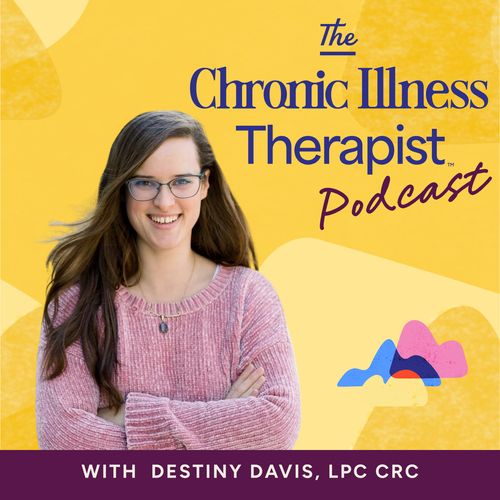
Listen to Lucy’s interview with me, Destiny Davis, on Ep 16: Desperate for a Chronic Pain Cure w/ Lucy Dunning LPC

Meet Lucy Dunning the owner of Blue Sky Family Counseling and Coaching and Dunning Divorce Resolutions. Her focus lies in chronic pain and health conditions. Additionally, Lucy serves as an advocate and support group leader for the US Pain Foundation in Georgia, North Carolina, and South Carolina
Connect with Lucy:
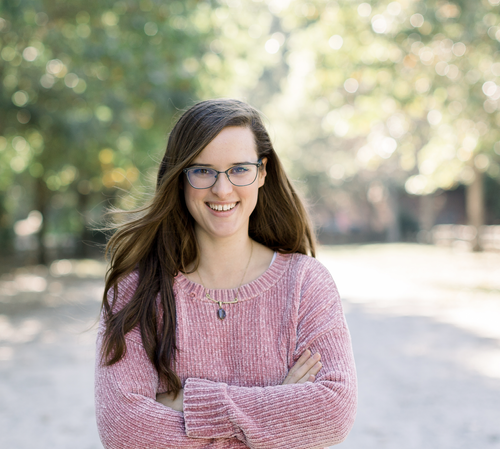
Meet Destiny - The host of The Chronic Illness Therapist Podcast and a licensed mental health therapist in the states of Georgia and Florida. Destiny offers traditional 50-minute therapy sessions as well as therapy intensives and monthly online workshops for the chronic illness community.