
Navigating Type One Diabetes and Family Dynamics: Insights from Stephanie Rodenberg-Lewis
The Unmet Need
Stephanie's decision to enter this field was driven by the recognition of a glaring need for specialized care for individuals and families dealing with type one diabetes. She empathizes with families who are already facing various challenges and stresses, such as financial difficulties and generational trauma, and highlights how a type one diabetes diagnosis can be the proverbial "straw that breaks the camel's back.”
The Emotional Toll of Chronic Illness
Stephanie emphasizes that living with a chronic illness often brings feelings of shame and self-criticism. These emotions can be triggered by struggles in managing the illness and are further exacerbated by interactions with healthcare providers. She acknowledges the pervasive misconception that individuals should quickly "get over" their diagnosis and shares her own experience of ongoing emotional challenges despite her years of living with type one diabetes.
Awareness and Advocacy
Reflecting on her journey, Stephanie acknowledges that she wasn't initially aware of the emotional toll her condition was taking on her mental health. It wasn't until her thirties that she found her voice and began advocating for herself with healthcare providers. Today, she encourages her son and clients to do the same, emphasizing the importance of open communication with healthcare providers who use shame as a motivational tool.
Reframing the Narrative
Stephanie's counseling approach involves reframing the language used to describe blood sugar levels. She urges clients to remove value judgments such as "good" and "bad" from their vocabulary when discussing their health. Instead, she encourages them to view their blood sugar data as neutral information used to make informed decisions. This approach reduces emotional attachment to the numbers, fostering a healthier relationship with one's condition.
Connecting with One's Body
Another key element of Stephanie's approach is fostering awareness of one's body and its physical sensations when blood sugar levels are outside the desired range. She guides clients to explore questions like, "How does your head feel? What are you noticing about your energy level?" This helps individuals detach from judgment and instead focus on understanding their bodies better.
The Importance of Family Involvement
Stephanie emphasizes the need for families to actively engage in the management of type one diabetes, especially in the early stages of diagnosis. She cautions against placing the entire responsibility on the child, as it can lead to unnecessary stress and power struggles. Instead, Stephanie encourages parents to be partners in the journey, working collaboratively with their child and healthcare providers.
Communication and Empathy
Open communication is vital within families dealing with type one diabetes. Stephanie recommends parents maintain a dialogue with their children and actively listen to their concerns and needs. Parents need to be empathetic and understand the emotional impact of the condition on their child. By doing so, they can create a supportive environment that fosters trust and cooperation.
Managing Anxiety and Stress
Parents often experience anxiety and stress when dealing with their child's type one diabetes diagnosis. Stephanie acknowledges these challenges and encourages parents to seek their emotional support. She suggests that parents find ways to manage their anxiety, as their emotional well-being directly impacts their child's experience. Working through their fears and concerns with a therapist can help parents better support their children.
Holistic Approach
Stephanie emphasizes the holistic nature of managing type one diabetes. It's not just about managing blood sugar levels; it's about nurturing the emotional well-being of the entire family. She encourages families to work with healthcare providers who understand the emotional complexities of living with a chronic illness, as well as the physical aspects. This holistic approach can help families thrive and build resilience in the face of challenges.
Conclusion
Stephanie Rodenberg Lewis's journey from living with type one diabetes to becoming a mental health counselor specializing in chronic illness and trauma is a powerful testament to the importance of empathy, self-advocacy, and reframing our perspectives on chronic conditions. Her insights into managing the emotional aspects of type one diabetes offer hope and guidance for anyone facing the daily challenges of living with a chronic illness. Navigating type one diabetes as a family requires a compassionate and collaborative approach. Stephanie Rodenberg Lewis's guidance highlights the importance of open communication, avoiding food-related power struggles, managing anxiety, and taking a holistic view of well-being. By working together as a team and seeking professional support when needed, families can provide the best possible care and support for their loved ones living with type one diabetes.
Disclaimer: Everything we discuss here is just meant to be general education and information. It's not intended as personal mental health or medical advice. If you have any questions related to your unique circumstances, please contact a licensed therapist or medical professional in your state of residence.
Destiny Davis, LPC CRC, is solely responsible for the content of this article. The views expressed herein may or may not necessarily reflect the opinions of the guest.
The content in this blog post comes directly from a real, human interview between Destiny and her guest on The Chronic Illness Therapist Podcast. This written version was formatted using AI. Listen to the full episode to hear the actual conversation.
Listen to my full conversation with Stephanie Rodenberg-Lewis on Ep 15: Parenting with Type 1 Diabetes w/ Stephanie Rodenberg-Lewis, LPC, RPT, CSC, NCC
-
Episode transcribed with AI and may contain errors that are not representative of the actual word or meaning of the sentence.
In this episode, Stephanie Rodenberg Lewis will be discussing the impact of undiagnosed type one diabetes, and the obstacles that can arise while being the caregiver of a child with type one diabetes, she'll be providing an overview. She'll be providing an overview with this disease and how to better care for one self while managing your own illness or that of a loved one.
We'll also be discussing the lack of quality mental health care for people living with chronic health issues and managing the hyper vigilance that comes along with living in a body with chronic illness. Stephanie utilizes EMDR act DNA V play therapy and some CV. And she's a mental health provider on the American diabetes association provider list.
Stephanie is a licensed professional counselor in the state of Texas, and she works with kids and adults. For the focus in trauma, chronic illness and play therapy. She also lives with a chronic illness herself and is the parent of a child with one. So she knows firsthand what this journey truly looks like from many different angles.
She has worked as a mentor for youth with new diagnoses and she runs a support group for people with type one diabetes and caregivers of people with type one diabetes.
Hi,
Stephanie.
Maybe we can start with what prompted you to get into this work?
Sure. Um, so I, uh, I spend a good bit of my time in my practice working with, um, the type one diabetic community. Um, I, myself am a type one diabetic for the past 38 years. And then, um, about six and a half years ago, my son was also diagnosed with type one diabetes. Um, as a young person, I struggled quite a bit with some mental health issues.
And I know that some family that was trying to support me at that time, really struggled to find a care. And so that's really what prompted me to get into this work.
What was that like for you kind of going through the struggle and the, your own mental health struggles and then getting to a point. You, you kind of were on the other side and ready to help other people
through.
Yeah. So, you know, it obviously gave me a great deal of empathy. Right. Um, I remember my mental health struggle started as a teenager. Um, and you know, oftentimes when people are diagnosed with type one, sometimes it's just that kind of final straw. Right. Um, some families already have. Um, they have financial difficulties or maybe there's, um, generational trauma.
There are just so many families that are just hanging on by a thread and, and sometimes that type one diagnosis is the final straw. And I know that was the case for my family. So, um, as a teenager really, really struggled, uh, with mental health. And again, as I said, we had a hard time finding care specific to what I was dealing with.
And so. When I, um, decided to become a mental health clinician, myself. I knew that there was a huge need and I could continue to see how that need was not being met. And again, just a great deal of empathy. Um, remembering it's hard enough to be a teenager. Um, and, and then, you know, remembering what that struggle was like for me and continued into my early adulthood years.
So yeah, I just, it was an unmet need. I again, have a lot of empathy for, um, People in the type one community. And, you know, to be honest, even though I'm in a, uh, a good head space, now that's not to say that, um, just living with a chronic illness is it's hard. It's hard. Um, and I think oftentimes I. The people in the chronic illness community, but themselves and the caregivers have this idea that they should just be over it.
Um, like they get a diagnosis and life is, you know, you, you grieve for a little bit, maybe some anger, but then you kind of move on. And that has not been my experience at all as a person, um, living with chronic
illness. So yeah. Can you speak a little bit more to what that experience can be like for someone, you know, you realize.
Yeah. It's not just get over it. What, what does happen in that process? Yeah,
yeah, no, absolutely. And, um, you know, first I'm so glad we're having these conversations to normalize that, right. For those of us that are living with chronic illness and again, family members, you know, people that love us. Um, so I know for me, I would, I started to notice patterns, um, when I was.
You know, not managing my type one. Well, there was a lot of shame, a lot of self-criticism and that would typically trigger, um, some of those, um, unhealthy responses. And, um, I noticed a big increase in that. So if there was a lot of, you know, um, criticism and things like that, going on in my. That I wasn't hitting the mark.
Um, I also noticed that oftentimes it would be around the time that I would have my checkups with my endocrinologist. Um, you know, some people are lucky enough to have great, uh, care from the medical community. And then there are those bus that go in and those appointments like create so much stress and shame and things like that, that, um, I would find myself kind of spiraling after those visits.
Yeah. And can I ask, um, you know, did you, I would imagine you weren't aware in the moment that this was, or maybe you were like, this was why you were spinning out and then maybe had some behavioral issues or mental health crisis moments. Um, did you know at the time.
Absolutely not. Um, absolutely not. I, uh, you know, I, I think back now, I, you know, I was so lucky to have some great, um, care medical care teams and some really.
Yuck experiences.
I have other words I could use, but, um,
but yeah, no, especially like mid to late twenties. Um, definitely in the teen years. And I don't think I really found my voice to kind of push back a little bit until I got into my thirties where I started to say, no, this is not okay. Because when you shame me and talk about me as if I'm not in the room, This is what I'm experiencing after.
Um, it, it, it devalues me, it, it demotivates me if that's a word. Um, all the things that you're trying to do is actually doing the opposite. So, um, so yeah, but no, I did not get that awareness. And like I said, until into my thirties, and then again now in my forties, um, and watching my son, uh, you know, deal with his management, I was really, really aware.
And so I, I spent a lot of time kind of talking to him about how like, Hey, that relationship is super important. And, um, if you are noticing that a, a healthcare provider is using shame, um, you need to speak up about it and we need to find a new healthcare provider
yeah, yeah, absolutely. Um, I love that you're teaching your son to advocate for himself.
It's so much easier to be able to do that. When we have role models who can help us learn that from someone we trust, you know, whether it's your mom or just somebody else, kind of someone, um, a mentor who has the same issues that you have. So that's great.
Yeah. Thank you.
Yeah. What are some of the things that you do teach either your son or your clients?
Help specifically when it comes to type one diabetes, is there something, um, and maybe it will be applicable to all chronic illnesses, but yeah. What are some things you can think of that you help to teach people?
Yeah. Um, so gosh, there are several, the first one is, um, I, I take the words good and bad out of, uh, vocabulary.
And I feel like that can definitely apply to a lot of chronic illness, um, clients. Right? So, um, it's so interesting to me, how I will have clients come in and they are automatically using those. Good and bad. Oh, I had a good blood sugar, a bad blood sugar. I didn't eat good today. I, I ate very bad or very poorly.
And, um, you know, the thing about type one diabetes is it's very data driven. Um, there's a lot of math involved, um, and we're constantly making decisions with data. So what I have done to help reframe that for my clients and I invite them and encourage them to do that is to reframe that as this is data, to make decisions.
It's not good. It's not bad. It has no emotion tied to it or value tied to it whatsoever. It is strictly data to make decisions. Um, and so that's one of the first things that I really work to empower my clients. Um, and then also my son, and then along those lines, something else that kind of goes in conjunction with that is I really invite clients to.
Get back to their body, noticing their body and how they feel when they are having blood sugars that are out of range. Again, you notice, I didn't say good or bad just numbers that are out of range, not in the range where a client wants to be. So as inviting them to be like, Hey, how do you feel when your blood sugars.
300 and you know, and clients will often describe that to me and same thing with the low. And so instead of looking at a blood sugar, that's out of range as being bad, um, I invite them to notice how they feel, you know, what are you noticing in your body and what would you like to feel like. I love that.
Um,
can you give some examples of sensory words that someone, cause I think that question for a lot of people, how do you feel we immediately go to emotion? So I feel bad or I feel, how do you help, um, clients learn the language? Like
what are some of the sensory words? Yeah. Yeah. So, um, I will ask them, what do they notice?
Um, I feel like noticing is a really important word. I ask them to get curious about the physical sensations in their bodies. How does your head feel? Um, what are you noticing about your energy level? So, um, and again, you know, because I live with the disease, I know these are things that are all affected.
By those range of blood sugars, right? When, when we're hyperglycemic or we have higher blood sugar, we tend to be more lethargic. We tend to have headaches. So, um, I try to, you know, kind of zone in, on some of those areas and then the same thing with the low blood sugars, but a lot of noticing and curiosity, because for me, um, You know, I feel like that takes away that judgment piece.
Um, and, uh, so yeah, so what I have found in my experience is that a lot of type one diabetics, um, have, are really at war with their bodies. and so they feel betrayed by their bodies. Um, and again, I know that is, you know, um, can be with any chronic illness and so inviting a client to be curious and noticing their body is often the first step.
Um, just in realizing that their body is not their. Yeah,
I think that's such an important point. You're right. And across all chronic illnesses, it feels like there's a war going on inside of there. Um, so yeah, I often teach my clients about cycles and, um, paying attention to the rhythms of your body. And I feel like really there's no clearer example than with blood sugar.
It feels like, yeah,
go. Yeah, no. Yeah. And, and like I said, and, and I think because again, of, of living with the disease, I think my clients know, um, that I'm not just. One more medical professional, um, talking at them that they, that they realize that I, I know what those feelings are and I love the words and the language that you use, patterns and rhythms.
I love that. Um, we look at patterns all the time, um, as it relates to blood sugar. And, you know, some of my clients, um, are undated with data because they wear something called a continuous glucose monitor where they're getting a blood sugar reading every five minutes. Right. So constant influx of data.
And then you have other clients who are on multiple daily injections or doing finger sticks. So they don't have as much data. Um, And so, but yeah, we as type ones are always looking at patterns and that's what we sit down and do with our endocrinologists is we literally print out that data and look for patterns and rhythms.
So I love that language. Yeah. Um,
and can you maybe talk about some of the other things that affect the patterns and the rhythms of blood sugar, uh, that had nothing to do
with. Oh, gosh, do we have all day ?
Um, it's funny. There's a, there's a, a meme.
Uh, it's been shared a gazillion times and it says there's something like 158 different things that affect blood sugar.
I mean, um, wow. It can be from something as simple as did you have an argument with your partner? Um, so yeah, definitely. Uh, lack of sleep or too much sleep, um, hormones, uh, you know, if a female is on her monthly cycle, um, hormones, as it relates to, you know, both, uh, menopause, probably menopause the teenage years and puberty.
Um, let's see, what else, uh, that you said that doesn't relate to food. um, that that's a huge one. Um, how much energy are, are we putting out? Um, and then of course food and, and what's so interesting. Um, You know about type one is that you can eat the exact same thing two days in a row at exactly the same time and have completely different results because of all those other variables, um, illness, like I said, I could go on and on.
Um, but there, there are, there are so many other variables. So oftentimes, um, I think those that are not familiar with type one think, oh, well you get this formula and you plug it in and you, you know, you, the input and the output put in the. One, this amount cut, count the carbs, and you're gonna get this response and nothing could be further from the truth.
That's so
it difficult and overwhelming when you're first learning all of it. But, um, I can see how through all of like the learning and learning your own patterns and rhythms, and also knowing all that goes into it. Eventually you start to get to a place where it doesn't feel like it's all your fault and you're just learning how to like maneuver.
And you know, when, when the gas tank is. Well, that's even too simplistic, right? Because gas tank, you just enter the gas in it and it goes in and it just doesn't work that way. So it's, yeah, it sounds like a lot to learn and also feels like you might be really empowered once you get all that information.
Yeah. And, and you know, the other thing we have now, we have amazing technology at our fingertips that we didn't have. I was diagnosed back in 1984, um, before there were even home glucometers. So you had no way to check your blood sugar at home if you can imagine. So, um, and now we ha
go ahead. I was just gonna say, sounds like the people who were most successful probably were really, really in tune with their body.
Well, yes. And, and, and doing the best that they could just doing the best that they could with what they had back then. It was, um, using urine tests and, you know, what's happening in the urine is typically a couple hours behind what's happening in the blood. And so, um, You know, insulin wasn't even, um, discovered until 1921.
So if you develop type one prior to that, that was a death sentence. Um, so if you put it in, you know, in historical timeline, we really have only had insulin for, you know, just over a hundred years. So, um, the fact that we now have the technology available that we have, I mean, I'm, I'm very lucky. I have. An insulin pump and a continuous glucose monitor.
And, and so, um, having those technological advances is great. Um, of course they're not accessible to everyone though, due to finances. So
yeah. When you, even, when you do have all of those available to you, then you have to manage again, all that data, which is great. Correct. But how do you start to, for somebody who.
Is looking for more support in this way? Like what would you tell them to do? Would it be to find a therapist who understands type one or would it be a coach or a specific doctor or a specialist? What, yeah. What would be your like first line of advice?
Yeah. So, um, it's funny. I had the opportunity to speak to newly diagnosed families, um, at type one diabetic camp this week.
And, um, you know, these are families that have been received a diagnosis within the past year. And so one of the first things I always tell them is, um, remember, especially in that first year, there's a lot going on. Right. You're um, you have the. um, you also have the shop component. So I, I always tell families, um, if you're able either take someone with you to your appointments, or if you're able to record them with your doctor's permission, because there is so much information being given to you.
Um, I also recommend to families that they do get connected with a therapist, um, It ideally someone that specializes in type one, but at, at the very least someone that specializes in chronic illness, um, because families, like I said, there's this misconception that, um, we're just going to deal with this.
And, uh, and then we should move on and, and pretend that is life. That life is as it was. Um, so yeah, I, I always recommend that to families. And then also, um, I really, I spend a lot of time talking to families about not making food, the enemy. Um, I see this a lot in kids and teens. Um, because as I mentioned, type one is so data driven.
We're, we're counting carbohydrates. And if you can imagine one day your life is, you know, a certain way. And the next day someone starts restricting your food and. You can only eat this amount at these times. And now imagine you've put that in the hands of a child or a teenager. Yeah. Wow. Yeah, it sets, it sets up these power dynamics, right from the get go, um, eating disorders, eating disorders, um, are more prevalent in the type one community.
and a lot of parents come to me because their child is sneaking food. Mm. Um, they find rappers in their child's bed or in their room. And so, you know, I, I try really hard to tell parents like, Don't make food, the enemy. Um, let's, let's talk about ways that your child can have really low carb foods when they're hungry.
You know, try not to deny a child when they say they're hungry. Oh no, you can only eat this amount of carbs at this time. Um, it, it sets up that power struggle super early. So yes, not making food. Um, That point of power struggle, getting connected with a therapist that specializes in, in type one, if possible.
And then, um, again, having either, you know, someone with you or, um, a way to record those, uh, those appointments, especially in the first year when you're still receiving so much information, it's, it's, it's more than anybody could handle. So
yeah, it is sounds like quite a lot of information. Um, I really wanna talk a little bit more about just parenting and, you know, yeah.
We already see that all the time, that power struggle with, honestly, even when there's no chronic illness, something we see a lot is, well, it's my job to make sure they eat healthy. And then your job, what you've decided is your job as a parent. Um, when you feel like you are failing you, then put that anxiety and fear.
And you project that onto the child and now it's, it's their fault and they need like, they're the problem. Do you work with families as a whole or do you tend to work with just the child or just
parents? No, I, I insist, I, I'm very honest with parents from the get go. I say, you know, to make your child, the change agent for your family is too much stress for your child.
Um, I gosh, can you imagine how much weight and responsibility that would be on a child's shoulders? Um, and as you said, the, the parents' approach or their own anxiety, if they are, are not, um, attending to that, then absolutely it's going to affect how they parent, um, so no, I always work with the family as a.
Yeah, that's sounds really important. Um, so you teach them not to demonize food and you, you help them. How else do you help?
Yeah. So, um, it, it, you know, it obviously it's gonna depend on the family. Um, like I said, uh, definitely that, that food piece is super important. Um, the language we use, um, like I said, the not the, the good and bad looking at.
It adds data as information. Um, also making sure that parents are attending again to their own emotions as it relates to diagnosis and, uh, their child's illness. Um, I tell parents all the time you are the thermostat, you set the temperature for your home. Right. If we think about a thermometer, the thermometer is constantly going up and down, which is what your child's emotions and behaviors are doing.
So you as the parent, um, you are the thermostat. So that means if you are experiencing a lot of anxiety and hyper vigilance about your child's illness, we need to address that separately. Right? Um, that's something that we don't want to. Left go unchecked. Um,
because kids can feel that even if you hide it, I think even more so if you hide it, they, they see that so clearly.
And then they're sitting there kind of thinking th or maybe not even consciously, but their, their, their body is saying, wow, this is actually so bad that like, mom can't even, or dad can't even, or caregiver can't even touch it. Like they can't even admit that this is a problem. And so therefore we have to be super scared and it just keeps you in constant fight or.
Yes. Yeah. And, and then, and think about all those, you know, messages that your child is, is internalizing from that I'm too much to handle. Um, it's all my fault. Um, like you said, I really need to be scared because mom or dad or caregiver is so scared that they can't even manage it. Um, and so for a child, yes.
And that's when we start seeing. Outward behaviors, right? Um, behavior is communication for children. So we start seeing, um, more meltdowns. We start seeing regression, um, on previously mastered skills. We start seeing changes in appetite and sleep. So. Uh, you know, sometimes for parents, depending on what they're coming in with with their own history, um, letting a parent know that caring for themselves is not selfish, that it's vital, um, is really important.
And so if I'm working more with a child, then I will refer the parent out, uh, to another therapist. Maybe they need some of their own work. Maybe they come in with their own trauma history or history of anxie. So those things typically are just more exacerbated after diagnosis.
Yeah. Yeah. It's I imperative that they work on their own, their own stuff.
Um, that models, that behavior for the child, even again, nonverbally. Right?
Absolutely. Absolutely.
Yeah. I think the common, um, example is, you know, put on your, your air mask first in the plane. Um, yeah. And like, we usually follow that up, like so that you can better take care of the people around you. But I think just the act of taking care of yourself, that modeling, I guess I'm repeating myself here, but it literally shows your child, like you can actually take care of yourself too, and there's nothing wrong with struggling a little bit to figure out how to
do that.
Yes. And I, and I love that. And you know what, and that's where children, you know, again, I'm thinking about diagnosis, um, depending on the age of the child, a lot of times we see kids and their self-efficacy decrease after diagnosis. So what better example than to look to caregiver? Who's like you said, Yes, I'm, I'm managing my own, my own, uh, wellness and my own behaviors.
And even though sometimes I, I falter or struggle, um, I'm continuing to attend to me. Yeah. So, um, what better way for, for that child to see that and be a part of that. Yeah.
And just one more thing in that is like, let your child see that you're struggling and that you are able to then figure out, you know, you don't have to have all the answers, but you also, you need also don't wanna hide at all and, you know, pretend nothing's wrong.
Um, show them your process without overwhelm. Like they don't have to know every detail or overwhelm them with, with how scared you are. You're, you're entitled to that fear and to process that in your own way, but. To show them, you know? Yeah. I'm, I'm, I'm a little worried about this too, but you know, here's what we're doing to
combat that.
Yeah, absolutely. And, and they need, they need to hear that because like you said, then they learn that, um, anxiety is not so scary that it can't be worked through, um, yeah. To. So
we, you briefly mentioned the word hypervigilance. I'm wondering if you can. I mean, I think we're speaking to it all, even right now, this is all helpful in managing hypervigilance, but can you, um, define that word and then describe specifically how that shows up in parents, um, of parents who are dealing with their child's chronic illness, or even if they just have their own, and they're trying to be a parent, a amidst
that.
Yeah. Yeah. So, um, so you know, to define hypervigilance, I like to use, uh, you know, very common language as well as how my parents describe it to me. So, um, hypervigilance is a chronic stress response. Um, and my parents that I work with, describe it as I always have to be. I have to be ready for something at a moment's notice.
There's never a moment of rest. And I, I, you know, as frightening and, and, and sad as that is, I love what a, um, picture that describes it. Really. I feel like kind of, um, hones in, on, on the experience of, of the parents I work with. And so, as I mentioned, There is the constant hypervigilance of parents. And this shows up in a lot of different ways.
So, um, with the continuous glucose monitor, as I said, it gives data every five minutes. I have some parents will, uh, tell me that they're constantly checking it, that they can't go out to dinner with their partner, because they're afraid to leave their child with type one with a babysitter because something might happen.
What if I'm not there? So these parents don't feel safe, separating from their child. Um, they, again, The data is a, is a to a, it is a double edged sword, right. So yes, I can constantly see what's happening with my child's blood sugar, and I can constantly see what's happening with my child's blood sugar. So, um, and then as I said, just that, that Mo the, uh, the idea of kind of that moving target with type one where you can do the exact same thing two days in a row and have a completely different response.
So hopefully I'm starting to kind of, you know, paint a picture it's, um, It it's a bit of a moving target. Um, and so you put that, think about for a second, when we have really young kids diagnosed, these are kids that are preverbal. Or we have toddlers that are diagnosed. They're not able yet to identify what a low blood sugar or a high blood sugar even feels like.
Right. So parents of littles in particular, they don't leave the hospital without a Dexcom, which is a continuous glucose monitor. But again, you're getting that data every five. So a parent feels that sense of I have to be ready. This could turn into a crisis at any moment. And so, you know, some of those parents, um, they end up meeting the eligibility criteria for PTSD.
Um, And so we might be doing things like EMDR or brain spotting, again, depending on if I'm working with the parent or if I'm referring out. Um, but they are, they absolutely on paper. And in, in reality in life need the diagnostic criteria for PTSD. Absolutely. That
makes sense. Um, What are some of the things preventatively that people parents specifically can do?
Is it like you have a plan posted on the fridge? If something like you, what is, what do they do to help kind of con to calm down a bit with when everything is okay, how do they just. Let me backtrack, cuz I was, I was about to say, you know, when everything's okay, how do they just like sit in that, in that calm and in the piece of this moment.
And mm-hmm, , there's a lot of mindfulness skills and um, coping skills and, and things of that nature that we, that we talk a lot about on this podcast. And I would imagine with EMDR, you're working through all of the emotional pieces of that, but do you also help people come up with really a plan. When this happens, this is how we handle it.
Therefore you don't have to be on all the time. Okay. Yeah. Well,
it does. It does. It makes, it makes perfect sense. And I, I will say that is a yes. And question or answer. Um, yes. And, um, we, we do work on plans. We work on a lot of different plans. We, um, you know, with my clients, we talk about the plan. If they are away from their child, we talk about the plan in the school setting.
We talk about the plan. If their child is sleeping, we talk about the plan if their child's going off to college. So yes, there are, we are constantly talking about plans. We constantly talking about, um, hacks, if you will, ways that we can try to, to shortcut, um, and, and keep, um, That information, um, present without it constantly being directly in our faces.
Um, and due to the nature of the illness, there is that component of. Things can go awry very quickly. So we do things like talk about, okay, where are we keeping the glucagon, which is a life saving injection one, uh, you know, a child can no longer swallow due to a low blood sugar. So where do we keep the glucagon?
Right. That's all part of that planning process. Yeah. Um,
That's what I was wondering about, like when something goes wrong because yeah. And I hope I didn't come across, like let's plan so that these things don't no, no. um, cause I think, oh, I think that's probably a big part of what parents are trying to plan like they're planning, but really they're trying to prevent, and this is a really good point to talk about it.
Things can and will go wrong. Like that's just a part of life. And so we have to learn how to plan for when they go wrong. How do we then take care of that problem? So I think like sitting in the, in between. You know the plan, doesn't just eradicate the in between anxiety by any means, but it gives you like an anchor to hold onto so that you can let it out of your head a little bit.
And then when it pops up, you know, like the plan is written here or it, the plan is in my head, but I can let it go knowing that when this particular symptom pops up and this thing happens now it's time to go into fight mode, which is appropriate for that situation.
right, because you are dealing with a crisis.
Right. And, and absolutely that is appropriate. So, and, um, I have found that as families develop their plan, um, they're able to be a little more comfortable, like you said, kind of sitting in that, in that space. , as you said, as with life, we can't control every single aspect. Right. And, um, and we can't put something that says a plus B equals C um, when we're dealing with type one it's, it's just simply impossible.
So we put as many safeguards, um, and safety measures and plans into place. We, you know, we, um, We train people that we trust so that there can be other people to come into our village and kind of help and support us and lift us up. Um, so there's, there's a lot of different moving parts and pieces to that so that we can develop the best care plan possible.
That makes sense. Yeah. I love the, the village aspect and bringing people in and I would imagine that requires a lot. The, the client then educating the people around them. And it's, it's hard to educate someone when you are also learning it at the same time. So I just want people to really get the picture of like, this is a process and that's why in the, in between there is so much hyper vigilance because you don't have a quote plan yet.
Like you're figuring it
out. And the fear of something going wrong
and is too much for the nervous system to handle, because we don't know how we're gonna handle it when it goes.
Absolutely. And, you know, and that kind of goes back to, you know, how we kind of started the podcast. As I mentioned, for some families, diagnosis is kind of that final straw.
So when you think of families who are dealing with diagnosis, um, they're already coming in with their own stuff, right. We know that stressed family units. Have more difficulties, more challenges. Um, and so the more that we can take that village approach to empower and support the entire family unit, the better the outcome is going to be for that person living with type one and for the caregiver.
Um, and so that's why it is so important. And, you know, as far as the training goes, um, sometimes. Uh, families struggle with that in the beginning, but I feel like the longer they live with the illness, the more they finally get to the point where they're like, I, I gotta call in some backup, right? I, I can't, it is impossible for me to do this life alone.
Um, and we're very, very fortunate. We have some amazing type one support groups, um, in the community. Um, I. Again, diagnosed back in the eighties, there was nothing. We now have support groups that we didn't have before. We have our school nurses that are, you know, receiving good training. Um, we have advocates that, that are helping families navigate the educational system.
We have so many more resources than what. Than what we, you know, previously had. And so surrounding these families with as many resources as possible is just so important for the long haul. That's what chronic illness is, right. It's chronic it's, it's not going away. Um, and so how do we help families in, in that matter?
Yeah,
that makes perfect sense. Anything else that comes to mind around? Your work or with helping people, uh, around hyper vigilance or acceptance or making plans, anything come up for you that you feel is important, um, that you often share with clients.
Um, yeah, so this is, this is geared more, uh, towards children and teens.
Um, I'm a register play therapist. And, uh, so, you know, I, I, I have a lot of information related to child development, um, and I'm always viewing my work through that lens. Um, I try to really share what is appropriate and normal, whatever that word means, um, appropriate at different stages for children, so that parents are better able to kind of gauge, um, what their child's experiencing.
Because one of the most common questions I get is how do I know if my child. Dealing with anxiety. How do I know if my child's depressed? How do I know if my child's rigidity is appropriate? And so I, I try to spend a lot of time educating parents on that as well, so that, um, they can know, Hey. You know, for example, at age nine to 10, it's very common for children to deal with perfectionism.
This is typically when we start to see anxiety, um, start to weigh in, right? And so what if this is normal child development? And what if this is. Oh, wow. My child might really be struggling. So, um, I'd really try to empower parents with that information so that they know cuz when you're in it, you feel like your child is the only one going through it.
Right. Um, so, and sometimes parents will just sit across from me and, and you literally see like their, their shoulders kind of fall because they're like. Okay. You know, um, my child's just having a hard time right now. Um, it doesn't mean they have anxiety. They have all these things, um, that we, you know, want to label with kids sometimes.
So I do a lot of psychoeducation in that regard with, with families.
Yeah. It makes me think that. Think about the fact that we don't live in communities, the way that we used to. And if we did, we would see more children around us now, of course, you know, with a chronic illness that that would change things.
Right. Um, sure. But we would still kind of see the, the normal, the normality of like, oh nine to 10 year olds tend to deal with this. And we've seen plenty of them grow out of it, but right in our nuclear family here in the us, we. We don't see that and people hide it and there's such a stigma around anything mental health related, um, which is, you know, but a lot of, a lot, a lot of our ways to be successful in this country, especially in, you know, corporate America requires a lot of anxiety.
It requires a lot of perfectionism and rigidity and all of these things. So we just, we think it's like normal as an okay. And, but then we see it in our kids and I think it, it highlights for us that it, it may not be. So it's a very, it's a tricky. It's a tricky thing to balance. And it's hard when you don't have a community
around you.
Yes, that's so true. And, and these past couple years have really highlighted that right. As we've become more isolated. Um, and you know, I, I think that's why we have, why we've seen such an increase in anxiety and depression and things like that is we are taken away. Biological imperative of that connectedness that we all need and crave, um, and our children are exactly the same way.
So
it makes me think even with blood sugar, um, because I know that just having people around you and people you trust can actually, um, even out your heart rate variability. And so I wonder what community does just for your blood
sugar alone. Yes. And it's so funny, you say that because here in Texas, where I'm at, we just finished up camp season.
So there are several type one diabetes camps in, in Texas. And I'm not originally from Texas. I'm originally from Ohio, but I, as a child had the opportunity to attend camp and. Gosh, what a life giving experience. Um, and so, like I said, we just finished up camp season here in Texas. I got to speak at a camp this week.
And absolutely, I mean, think about, you know, you've got these kids that are together and, um, as I mentioned, there's all these different things that affect blood sugar. So if you're reducing stress and anxiety by creating community for children, With other children that look and have the exact same, um, situation as them, you know, what an amazing experience that we can give to a child or a teen.
So, yeah, it
makes me think too about, um, I, I hear a lot from parents that I work with, like, well, my child is fine until like, until it's time for school. And now all of a sudden they have their chronic pain issue, whatever it is, that's happening for them. And. I provide a lot of education in that way too.
Like, yes, there's probably a bit of escapism, but, um, also when we're in our community and when we're having fun, our whole nervous system is more relaxed. You are in less pain, it is painful to go to school. It doesn't mean we just say, Hey, you don't have to, but we have to at least be able to acknowledge that it's not just some like crazy excuse that they hurt more when they're at school.
Do you deal with that on your.
Yes. Um, and it's so funny as you're saying that I'm, I'm thinking of a particular client. So, um, we, um, we do see chronic pain show up in the type one community, and it's not always the type one, some the. Of it is the co-occurring other autoimmune conditions. Um, you know, type one, diabetes is an autoimmune condition.
So once you have one, you're more likely to have multiple as you know, many people know. And so, um, absolutely. You know, we see. We see type ones that deal with, uh, neuropathy, nerve damage in their feet due to type one. And yes, it's, it's time to do certain things. And suddenly they notice that their neuropathy isn't as bad, the neuropathy pain isn't as bad.
Um, they're not noticing it as much. Right. And, um, and so I, I, as you said, that I was thinking of a particular client, so yeah. But absolutely in children that can look like, like you said, school avoid. Um, you know, and in some of those power struggles again, between parents of do I believe my child, is this really happening?
Is it all in their head? You know, I, I feel like this is a lot of the conversations they have.
Yeah. Yeah. I think people just asking you this question of like, well, I don't understand you were fine, you know, last night. And then a kid is too young to fully UN if the adult doesn't even understand how is a kid going to understand this concept?
And so they're like in their head. They're like, yeah, I was okay. Last night, like maybe I am making this up and then it just starts that cycle of like, oh, you know, the thing that we all, we all love so much is is it in our head? Um, yeah. It's really interesting.
Yes. Yeah.
Well, this has been really good. Is there anything, um, is there anything else that comes up for you that feels like something you would like listeners to leave with?
As we end here today?
Um, well, I think the, uh, the other thing that I would like to say is that, um, I want listeners to know that in all 50 states, the American diabetes association does have a mental health directory. Um, so I think the biggest thing that I see is people struggling to find resources. Um, I obviously, I can't guarantee that everyone on that list is going to be type one like myself
Um, but these are mental health providers that have been through additional training, um, specific to type one diabetes. So I also tell, um, You know, families definitely speak with your endocrinologists. Sometimes they will have, um, uh, mental health clinicians on staff. Um, particularly if you are going to more of like a hospital setting for your appointments, that's where we tend to see, um, more resources.
And then also those type one support groups, um, asking for referrals within those groups, um, Again, can, can lead a family to the support that they need. So, um, not being afraid to have those conversations with others and just say, Hey, we're, we're looking for this support. Um, I, I really hope that as we continue to understand more about mental health and chronic illness, That these resources will just continue to explode across the us.
Um, I'm trying to do my part here in Texas um, but I know that, uh, there's a need across the us, so, but yeah, that's just a few ideas of ways for families to, um, look for support and connection resources
and the support groups that you're talking about. Um, can people find support groups on the American diabetes association website, or is that just more local?
Yes.
Yeah. So, um, so the groups that I'm a part of, um, I have found the most success either, uh, with local hospitals. Um, there are some that are, um, well, not as many meeting face to face as there used to be. Um, there are some support groups through, uh, ADA. And then, um, uh, a group that I love is, um, beyond type one.
Um, that's run by Nick Jonas. Uh, some of us may know the Jonas brothers. Nick Jonas. Yeah. Nick Jonas is a type one. Right. Um, so he developed beyond type one, which is an amazing resource, including support groups. Within the app. Um, and then, you know, for my local groups, I'll be honest. I went on Facebook and I just started doing searching.
Uh, I just did searches and I came across gosh, a wealth of information. And so I'm really fortunate that I can be in groups that are not only for, uh, People living with type one, but also caregivers of type one since I am on both sides of fence. Um, so families can definitely, um, do searches on Facebook and, and find 'em that way as well.
So
local groups at that. Yes.
Very much so. And, and yeah. And so my, you know, one of my groups, we, we meet locally here in Houston, uh, once a month. Um, but you know, that's the benefit of, you know, social media and whatnot is that we always have these ways to connect now, um, that we didn't have before.
Awesome.
Well, thank you so much for all of those resources. I'll be sure to recap them in the show notes and, um, for you, your private practice, uh, I'll put your information. Are you taking new clients? As of right now?
I am currently full. Okay. Um, I, I do usually book about six months out. Um, so again, that's why I wanted to make sure that I did list other resources.
Um, but I always tell people, Hey, try back. You just, you just never know. Um, uh, but I always invite people to, to reach out to me that way, even if I'm not available to try to help point them to someone. Great.
Yeah. And just our listeners in case, not everyone knows. Um, we only see clients in the state
that we're licensed in.
So, um,
that would be just for Texas for
you, correct? Correct? Yes. I am currently only licensed in the state of Texas.
Yes. Okay. Well, thank you so much, Stephanie. This is great. All right. Thank you, destiny.

Listen to Stephanie’s interview with me, Destiny Davis, on Ep 15: Parenting with Type 1 Diabetes w/ Stephanie Rodenberg-Lewis, LPC, RPT, CSC, NCC
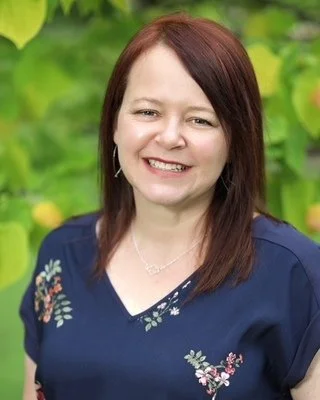
Stephanie Rodenberg-Lewis is a licensed professional counselor from Texas who shares her personal and professional journey of navigating the world of type one diabetes. Stephanie sheds light on the impact of undiagnosed type one diabetes, the challenges faced by caregivers of children with this condition, and the critical importance of mental health care for individuals living with chronic illnesses. Her personal experiences and struggles with mental health as a teenager inspired her to pursue a career in mental health counseling, with a focus on trauma, chronic illness, and play therapy.
Connect with Stephanie:

Meet Destiny - The host of The Chronic Illness Therapist Podcast and a licensed mental health therapist in the states of Georgia and Florida. Destiny offers traditional 50-minute therapy sessions as well as therapy intensives and monthly online workshops for the chronic illness community.