
Can You Carry My Burden, Can I Carry Yours? Relationships and Chronic Illness with Lexi Gross, LCMHC LCAS NCC
From Personal Struggle to Somatic Healing
Lexi's journey into counseling and somatic experiencing began with her health struggles. After experiencing the debilitating effects of chronic illnesses, including black mold exposure, Lexi's mental health began to deteriorate alongside her physical well-being. She described a different kind of anxiety that arises from such health challenges, distinct from generalized anxiety. This unique experience led her to seek somatic experiencing therapy, which played a pivotal role in helping her manage and regulate her nervous system's response to stress. Somatic experiencing, a therapy approach aimed at addressing trauma and healing through the body's sensations, became Lexi's lifeline. With the help of a skilled practitioner, she learned to listen to her nervous system, regulate her responses, and quell the overwhelming anxiety that often accompanies chronic illnesses.
Bridging Counseling and Somatic Healing
Lexi's transformative experience with somatic healing solidified her commitment to integrating this approach into her counseling work. Recognizing the profound impact it had on her recovery, she embarked on the journey to become a trained somatic experiencing practitioner. Armed with this unique skill set, Lexi now empowers her clients with the tools and techniques she found so invaluable.
Empowering Self-Trust and Growth
Lexi's therapeutic approach goes beyond specific techniques; it's rooted in fostering self-trust and personal growth. She incorporates motivational interviewing techniques and maintains a person-centered approach, giving her clients the agency to lead the therapeutic journey. Trusting what one's brain and body are communicating becomes a fundamental aspect of her practice, enabling clients to distinguish between their intuition and other emotions that might be influencing their responses.
The Journey of Coming Back to the Body
Somatic experiencing, in particular, plays a pivotal role in helping clients re-establish a connection with their bodies. Through this practice, clients learn to differentiate between their true intuition and responses fueled by fear, anxiety, or other emotions. This process of reconnection is transformative, as it nurtures a sense of self-trust and resilience that permeates other aspects of life.
The Power of Self-Advocacy
On the side of a person with a chronic illness, learning to advocate for oneself is also a significant aspect. Encouraging clients to express their needs and boundaries without feeling guilty or responsible for how others react is crucial. It's about asserting one's needs while still maintaining a compassionate stance toward oneself and the other person.
Building Resilience in Relationships
For those facing chronic illness, self-advocacy becomes a vital skill. It's about expressing your needs and boundaries while recognizing that your well-being matters just as much as anyone else's. Learning to reframe expectations and celebrating small victories can help reshape your perspective and maintain a sense of accomplishment in the face of adversity.
On the other side of the coin, partners, family members, and friends play a significant role. Navigating the landscape of chronic illness requires empathy, patience, and open dialogue. Acknowledging your feelings of frustration or disappointment without placing blame is an important step. Creating an environment where conversations can occur before challenges arise can lead to more constructive and supportive interactions. If you're supporting a loved one with a chronic illness or navigating your journey, remember that seeking guidance from professionals can provide valuable tools and insights to help navigate these complexities. Every individual's experience is unique, and there is no one-size-fits-all approach, but with empathy, patience, and a willingness to learn and adapt, the journey can be navigated with greater understanding and connection.
Boundaries and Managing Disappointment
The conversation touches on the significance of setting boundaries and managing disappointment in relationships. Sometimes, chronic illness can lead to unmet expectations and missed opportunities. However, it's crucial not to let this disappointment fester into resentment. Learning to communicate these feelings openly and finding creative ways to spend quality time together that align with both partners' needs can lead to more fulfilling experiences.
Educating Family Members and Co-Regulation
Providing psycho-education to family members is highlighted as a helpful tool for enhancing relationships. Teaching them about the nervous system's role and co-regulation helps them understand how a person with chronic illness responds. When loved ones can remain regulated during stressful times, it positively impacts the person with chronic illness and creates an environment of support and understanding.
Conclusion
The podcast conversation delves deep into the intricate dynamics of relationships affected by chronic illness. It emphasizes the significance of communication, understanding, and emotional awareness in fostering healthy connections. Partners are encouraged to navigate challenges with empathy, learning to manage their emotional reactions and respond supportively to their loved ones. The conversation also sheds light on the role of self-awareness and self-acceptance in maintaining fulfilling relationships. Ultimately, it underscores the potential for growth, resilience, and shared experiences, even in the face of chronic illness.
Disclaimer: Everything we discuss here is just meant to be general education and information. It's not intended as personal mental health or medical advice. If you have any questions related to your unique circumstances, please contact a licensed therapist or medical professional in your state of residence.
Destiny Davis, LPC CRC, is solely responsible for the content of this article. The views expressed herein may or may not necessarily reflect the opinions of the guest.
The content in this blog post comes directly from a real, human interview between Destiny and her guest on The Chronic Illness Therapist Podcast. This written version was formatted using AI. Listen to the full episode to hear the actual conversation.
Listen to my full conversation with Lexi Gross on Ep 7: Can You Carry My Burden, Can I Carry Yours? Relationships and Chronic Illness with Lexi Gross, LCMHC LCAS NCC
-
Episode transcribed with AI and may contain errors that are not representative of the actual word or meaning of the sentence.
Lexi Gross is a licensed clinical mental health counselor and somatic experiencing practitioner in training. Lexi has worked in college counseling settings, wilderness therapy, settings, community mental health, and is currently in private practice. Most of Lexi's experience clinically is with young adults, adolescents and parents, and in her private practice, she primarily works with individuals diagnosed with chronic illnesses and those who struggle with undiagnosed or mysterious symptoms. While she works with chronic illness in general, she also works with environmental biotoxin illnesses, like mold illness, Lyme disease, chronic fatigue syndrome, multiple chemical sensitivity and chronic inflammatory response syndrome. She supported the clients and finding some normalcy and identity outside of their treatments and syndromes and helps them navigate through the grieving process of experiencing these symptoms and receiving diagnosis.
She also provides mental health support and psycho-education to family members and partners, as they're a unique challenges that come with being the family member and partner of someone with a chronic illness, Lexie herself has recovered from chronic inflammatory response syndrome, SIBO, mold, illness, and other chronic environmental sensitivities.
So she knows how difficult the journey is when searching for support.
Hi Lexi. So nice to meet you.
Maybe we can start with what even brought you to counseling and what brought you to somatic experiencing.
Yeah. Yeah. Great. Um, so let's see counseling. I, um, so I went to undergrad at Davidson college, so it's a little north of Charlotte. Remember originally from the Midwest, but, um, Davidson college from like when they were in the NCAA tournament, thanks to Steph Curry, um, and fell in love with North Carolina.
Um, and so I got involved in their outdoor program. And so after I graduated undergrad, I knew that I wanted to go back to grad school, not really for what, something in the psychology realm in that field, but it didn't want to do research, wanting to work with people. I also wasn't sure. I was like, do I want to do therapy?
I don't know. Um, and then I, after graduated, did some outdoor, uh, jobs, so it was like wilderness professional and then found my way into wilderness therapy. So it was like, oh wow, this is a nice blend of psychology and working with people in the woods. So that was really neat. And yeah, I worked as like a field instructor kind of in terms of like residential treatment programs.
It's like the direct care staff of, um, and it was an adolescent program. Um, was, did that for two years. And in that process, um, really figured out if like, yeah, I want to, I want to do therapy. I want to do counseling. Um, the woods is a powerful place, um, and allowed for some really incredible things happen for some of these students and those students that I worked with.
Um, and so then I applied for grad school and fortunately got in at app state and, um, just like further developed. I was like, oh wow. Like there's a lot to learn here. Um, and really liked it. Um, and yeah, the, the trauma piece that's I think where I just continued to learn and I had someone introduced me early on in grad school to polyvagal theory and Stephen Porges and the nervous system and how that relates to so much stuff.
Um, That just sparked a good bit of like nerdiness in me, like, oh, this is so cool and how the brain works and how it like can adjust and help and all this other stuff. Um, so I was really intrigued in that. Um, but in terms of like, how I got into somatic experiencing was because of my chronic illnesses.
Um, I let's see year. It was like within six months of graduating grad school. I started getting really sick. Um, the Mo was the number, how's the head black molds. I'm really trying to figure that out, um, and was able to like move and get into a house that was okay. And it was just like a mess, my family and me, and like, we had no idea what we were dealing with.
Um, and along the path, like I was really struggling. With my health. And then it was also impacting like my mental health and sure. People with these experiences know that the type of anxiety you feel when you've got like limes or mold illness or any of these things is like a totally different flavor of anxiety than just like generalized anxiety.
Um, not to say one is worse or better than the other, but it's just like, there's just a sense of like, this is different. Um, and it feels scary in that way. Um, and so in talking with my parents about it there, we were trying to come up with a plan. Um, and fortunately I knew someone who's a therapist and was an SEP , a somatic experienced practitioner, um, and done a lot of training.
I was like, there's something about this that feels like it's more my nervous system. Like, I, I, I know this is what it is like, I'm gonna, uh, I'm to talk with him and either maybe work with him or he'll give me someone who I can work with. Um, so I started working with him doing somatic, experiencing and, uh, within.
Like a month or two, my nervous system, like calm down the anxiety. Like all of the, like hyper-vigilance aspects of things, like really started to settle down. Um, and it, and I truly, I mean, it didn't fix my health, but I truly believe that it stopped it from progressing to the point that a lot of people with those illnesses can get to.
I think that a lot of those skills in learning about my nervous system and the regulation and when it gets stressed or activated and how to, um, yeah, listen to it more and not buy into all of the ways that it can get cranked up pretty quickly. Um, so that's how I got into it. And it was like, I was like, this is magical.
Um, and so then that's when I decided, um, probably a year after working with this individual, I was like, yeah. Um, there's no way I can. Bringing this not bring it into my work with other clients, just like I bought it. I use it. I believe that it's like a lifestyle type thing of just like how I'm able to function that.
Um, it's like I have to get training in it. So that's when I decided to seek that
out. Yeah. Thanks for sharing all that. Absolutely. You mentioned, um, that it feels different not better or worse than maybe like general generalized anxiety and yeah, I think, um, it's you can't CBT your way out of it.
Oh no, no, no, no.
There's no thinking or your way.
There's no thinking at all. No. In a lot of Tennessee anxiety is so yes, we might have anxiety about like, oh my God, I might progress. And I might get sicker and you know, yes, there are thoughts that we have around it, but it's not mostly that it's mostly just this general like insides healing that you just don't know how to.
You don't even know how to, how to deal with it, how to experience
it. Yeah. Yeah. I think the sense is just that, like you get this internal sense that something is wrong and is hurting you or going to hurt you and really needing to like, find a way out of like, really like your self. Like I just like self protective, like energies and like, um, yeah, just get activated so strongly in those moments.
Yeah. And that's like a common thing of when I've talked to some other people that have reached out to me, whether I've worked with them or just like given supportive. Yeah. You're going through this, like, it's their common experience too, of like, I've never had anxiety before and this is like something else.
Yep.
Yeah. I talk a lot about just trauma in the body, just from chronic illness. It doesn't matter if you've had trauma or not like, oh, the chronic illness itself is a trauma. Yes. But it's so similar to, if you did have trauma as a kid or, or even. Many years ago. And the reason I put the timeframe in there is because it, the longer you go with an untreated trauma, some of us, um, your nervous system just feels worse and worse every year.
And so it's like, why do I feel so much worse now? Versus, you know, maybe when I was first diagnosed or my symptoms were way worse two years ago, why do I feel so much more anxious now? And it's like, you're nervous system has just taken a toll and
compensating for so long. Um, yeah, and I think that's this thing that I've, um, started to dive more into in terms of with like somatic experiencing training and like with some Peter Levine's training.
And I think like Diane Poole, Heller, it's done about, uh, yes. You know, chronic syndromes and pain and symptoms that when we have chronic illness and the, and the body is in this mode of like self protection for so long that it tries to compensate to keep going. And then it just like in doing that, it pops out more of these symptoms or syndromes or pain that like don't make sense necessarily.
Um, but it's like trying to keep us alive. Really. It's like making it harder because of how it's
compensating. Yes. Such a good way to put it. Um, yeah. And for, for anyone who's listening, who still is trying to wrap their head around or navigate like, wait, does this mean I'm making my illness worse? Like what would you say to someone who might be thinking that,
I think there's this delicate balance of like buying into some of those, like thoughts that reinforce our sickness or illness and like can reinforce that, that. Sure. But that doesn't, you're not. You're not causing you to have more of these symptoms. Like that's like a very physiological response.
You don't really have control over. That's like your nervous system has made a decision of how to, um, yeah. Just like function and you don't really have too much of a say over that aspect when it comes to there's a potential threat, it makes that decision for us. Um, which thankfully it does. And also can lead to a lot of shame when it comes to trauma.
I'm sure you know that
for sure. Yeah. It's it is safe. We don't have control over it. The autonomic nervous system, your heartbeats, without you thinking about it, you breathe. It's kind of like breathing. You breathe on your own without thinking about it, but you can also control your breath. And so through some of these techniques in somatic experiencing, and even within the act framework, acceptance and commitment therapy, there's a lot you can do to control or, or navigate some of these things, um, and reduce the tension and severity of it, but it's, it's not like you just think it, and now it happens.
Right, right. Yeah. Yeah. And I like that. Yeah. We have, we could have definitely have influence over it. And I think with act I, what I really love about how it blends so well with somatic experiencing is this piece of, being able to notice like, oh yeah, I'm having these thoughts or these emotions, they're real they're here.
And you know, I don't have to buy into them. They don't necessarily have to be true. Um, but because they're here, I do need to pay attention to them or at least like address them and same with some of our symptoms. Um, and this can be a tricky thing of like, you're not necessarily dismissing them. That may be like, your body might be putting out symptoms that, are an indicator of actually what's wrong.
So like, if you're in and this is where like chronic plain can be like super complex is like, if you're in chronic pain, it's not necessarily an indicator of the severity of like an injury or something that is wrong. It can just be like this neural pathway, this loop. Gotten reinforced and stuck in that way due to stress or however your body is navigating something.
, and so it's being able to like acknowledge it and yeah sucks. And also maybe not creating all of these stories in your mind about what that means. Like the meaning making aspect can, lead us into like dark places.
Yeah, absolutely. That is spot on. Yeah. And that's where some of that like thought work comes in that can, that can feel a little bit invalidating, but again, reiterating, like, it's not that if you make a negative, meaning, it's your fault, it's that this is what our nervous system knows like, and now that we know it, and now that we're aware of it, and now that we have the tools to handle that much discomfort, now we can start to work on maybe changing some of your thoughts or, or not even necessarily changing the thoughts, but at least allowing you to hold them and do the behaviors that you want to do in life that are going to be meaningful to you.
Yeah, so you use somatic experiencing, you use act. Is there anything else that you use in your work? Um,
A good bit of like motivational interviewing techniques, very person centered approach. Um, I think that, that goes a lot of therapists use that and goes really hand in hand with act somatic experiencing in any like trauma informed approach of like really, um, having the client lead.
And, um, yeah. I, and I make it very clear, like trusting what their brain and body is telling them of like what feels like it's working or not. Um, or what feels like a good challenge or good, scary versus like, Nope. We're, we're not going there. Type thing
takes time to discern.
Yeah. Yes. And yep. It does. And that's the piece of, um, yeah, that's what I love about somatic experiencing is that part of it is being able to come back into your body in a way that helps you have a clear understanding of what is my intuition versus what is maybe my fear, anxiety or whatever emotion is driving this response.
response.
Yeah. And I think like through all this, we learned to start to trust ourselves a little more. And when we trust ourselves a little more than we can go into new experiences or new things that might be scary, but we know like, okay, well, if something does go wrong, I actually, I can recover from this, this thing I over exert myself, like, okay, well maybe I try to do this on a, on a weekend so that I have Sunday to rest.
And like, if I lose my Sunday, I lose my Sunday and that's okay.
Yep. And you plan for it.
Yeah. Yeah, exactly. Yeah. So I kind of see that part of things, like more of the coaching side of chronic illness, like how do we plan for it and how do we define that you go into that with clients or do you kind of stay strictly, somatic.
No, I go back and forth that I'll be pretty, more directive or kind of in that coaching sense of, um, and I'll do a lot of this, especially before doctor's appointments. Um, or even like having, like seeing families or how to navigate conversations with like loved ones that potentially might be challenging related to illness of talking through like the reality of like, okay, like what, what do we know is going to happen?
Um, and kind of talking through that, and it comes in like a somatic experiencing lens of, because when we go into doctor's appointments, when they've been so challenging or we've been dismissed so many times, even if you have found someone who listens to you, there's still residual like, like history there that would, if they don't believe me or whatever that is, or I what if I don't get my needs met or.
Things like that. And so a lot of it is walking through what it's going to look like identifying the most, anxiety, or like an intensely uncomfortable part about it. And it could be just like preparing for it. It could be going over like test results. It could be, I don't know, asking. If they could try this other way about treatment or whatever, and talking through, um, what resources or what might make it easier or make it more helpful, um, for them to get that need beforehand.
And maybe it's another person there. Maybe it's writing the questions down. Maybe if it's before like a medical procedure calling the place ahead of time to talk through what exactly is going to happen or, or if they could bring a loved one in, or if they can have these things ready for them. So that there's a sense of like, they have control this isn't, um, decisions aren't being made for them or at a pace that is too much for like their brain to process.
Um, so that's usually, yeah, I'll go into that kind of like that prep coaching type
way. Yeah. Which control is a resource, right? The doctor's appointment. Doesn't go the way you want it to you didn't get what we plan for together in session. You had that sense of control that allows you to then get through that new discomfort or that new, like bad situation, which is really what this is all about.
I think we, I get a lot of calls or when people find out that I specialize in chronic illness, it's like, oh, like, so you treat chronic pain and I have to really iterate. And then it's so hard. I'm going to be like, just listen to this podcast because this is what we do.
Yeah, totally.
Yeah. And I also, I try to be really careful and not saying.
But guess what your pain often does reduce when we do this work, you know, but if you start off with that as your goal or that as you're like, and you're thinking every session, okay. Is my pain get me better today then it's, you're still in that fear mode. Your body is still
yeah. Your body checking. Yeah.
So communicating and reinforcing that anxiety and fear of like, oh my God, am I okay? Or not? Um, which is really hard to do. It's really hard to like symptom checking. Um, it, it, it's really hard to let go of, um,
yeah. Can you explain more body checking symptom checking and like why that is? Maybe I'm unhelpful sometimes.
Sure. Yeah. Um, I'll speak to it from my own personal experience. Cause that's something that like, I sometimes they'll pop up and I'll just have to let it be like, oh yeah, cool. And just address it in my own way. But, um, so for my experience with SIRS chronic inflammatory response syndrome and. As a result, like mold illness.
Um, I became hypersensitive to the environment to mold, to chemicals, to basically any, anything. Um, so like I could walk into a building, I can walk into a room, I could go someplace and immediate. Feel the difference or know that there was something in there that my body couldn't handle. And so even if I walked into a new place and initially I felt okay, yeah.
I would like for the first, probably like five, 10 minutes. So just be like scanning and checking in of like, okay, do I have head pressure? Do I do drag congestion? Do I feel nauseous? Do I feel sick? Um, like, do I like feel antsy, like just kind of checking for anything or assign that. I knew that like I was in a quote-unquote exposure or something that was going to be harmful to me.
And that would just, oftentimes if I was noticing a bit of it, um, before I better understood how to navigate this, it would, it would increase the symptoms to the point where like I had more anxiety and I would have to avoid it and like leave, um, in, in a number of situations that just led to avoidance of going places or, um, just like leaving places that.
I just like couldn't be in. Um, and so, um, when we body check, it's communicating to your brain and your nervous system, like I might not be safe here. I move actively looking and scanning for a threat and how I might be, um, impacted by that. And so then your brain is just looking for anything that it can almost like pin this reason that you're like scared on, um, which, which isn't helpful.
So like, it just kind of continues to be in this more activated state rather than being able to like, go about the world and moving through spaces without having to think about that. Um, yeah. So it's just like an added layer of anxiety, exhaustion, exertion, um, and overtime is incredibly exhausting.
Yeah. Yeah. And the tricky part about that experience, and you can speak to this. This was true or not for you, but it's like, you might not even think. So example, for example, like the perfume section at the mall, you might not think at all that, like, this is like a dangerous thing, but for some reason your body has picked up on, I don't like that smell or I don't, that that smell feels dangerous to me and it sets off my fire alarms.
And so, yeah. Then it turns on like all these different sensations in your body and if you're not aware of it it's like looking around a corner because you don't know what's there, but as soon as, you know, what's there, it might even be a dog like vicious dog chained to change, change.
Shouldn't, you know, it's know like, it's okay. That's a vicious dog, but I know it's there. You automatically feel safer.
Yes. Yes. Yeah. And, and that's kind of that response. Um, I, I love in those moments when it happens in my nervous system now, or like when I talk with some of my clients of, um, looking for ways that their nervous system is doing what it needs to be doing, because oftentimes they're like, eh, it doesn't work.
It's like, okay, Is there ever been a time where you've been driving and a police car lights go up behind you and like the adrenaline, like everything you're like, and then, um, they like drive past you and pull someone else over. And there's this like relief. And you can like, notice like things just like relaxing and maybe you have some extra, like energy that's like working its way out, but you can notice that happening.
Like that's like such the beautiful moment of like, oh, I got scared. And then I realized that it's no longer a threat to me that I can like be okay. And that's unfortunately with like when you're sick symptom checking or body checking or really like environment checking for some of these things, there's often not.
The thing of like, oh, I don't need to be scared of that. Like I'm actually, okay. There's not, there's just kind of like the continue, like on-ramp to more, more fear
and activation. Yeah. It would be like, maybe you were speeding and you're like, oh, but I know this top is going to come back from you. So you can't calm down from that experience.
Yes. That's like what we're experiencing with our body checks. Yeah. Yeah. Yeah. Oh, I love that. Um, yeah, it's, that's such a good example, too, because even as you were saying it, I can feel
when there's a car,
right. Your whole body is tight. And now like that, that really, our clients often have a really hard time feeling a release of tension.
But in that example, I think everyone can feel,
yeah, that one, I'm the other one that I really like to use. Cause I. I relate to it pretty often as I go hiking or trail running a lot and I'll see a route. And I think it's a snake because it sort of looks like one as you plan Sandy, like there's like this huge, like, like startle response, you like jump to the side and then you realize you're like, oh no, it wasn't.
But if it was my body did the right thing, I got out of the way, like cool, sweet. And then you get to like, acknowledge like the, the, um, yeah, just like the cortisol, the adrenaline, just kind of releasing and finishing its course through your body, which feels really cool.
Yeah. Can I ask, um, do you consider yourself fully recovered from everything?
Do you still experience chronic pain or symptoms or anything like that?
Um, I would say I'm probably like 95% recovered. Um, at this point, I, my symptoms, if they do pop up, they disappear pretty quickly. Once I acknowledged them like, oh, this is. Like, I don't like, this is something that I don't need to be scared of.
Like I'm okay. And my body knows how to handle this. Like it, like I'm okay. Um, as well as like, and it's not just like a braid mental thing, but like with the work with my doctors and like, based off of a lot of my lab work and things like that, like things are going in like a really awesome direction where I feel really confident, um, and going and eating and navigating things without having to consider all of these other layers of illness at this point.
Um, which is awesome.
Yeah. This is a combination of like physical health and having good treatment as well as, um, the mental health side of things too.
Yeah, yeah.
Yeah. It's important. It's important. We talk more about this just in general because, um, just so often people like every day I get questions.
About mental health for chronic pain. It really is either like people think it's all in your head or they think there's some kind of like magical wand that makes you a mental work, make your pain and go away. It's like, no, it's just this big process of learning to turn off the fire alarms.
Yeah. Yeah. And then there's also that piece where it's, if your brain and anxiety is anything like mine, whereas like, but what if we actually need to be worried about this?
Or like, am I just not going to respond to things that I actually need to be scared about? It's learning the difference between, what is appropriate to be scared of and to be anxious or worried about versus what is something that other people's bodies can handle. And figuring that out when it comes to like some of, some of the relearning of like turning those fire alarms off.
Yeah. Yeah. Well, I think, um, with the skills that you learn in act or in somatic experiencing, and even other modalities too, You learn, those are the tools that help you learn this right. Again. Yeah. Not a mind thing. It's not like, oh, I just, I just know I'm okay. Like, no, but your body needs to know too. So how do we make that happen for you?
And it's a process, right? Yeah,
yeah. Yeah. I think that's a tricky thing. Cause we also, , there's a lot of, , toxic positivity that floats around. And so it could be pretty easy to like, just decide to go about it and trying to like dismiss of like, oh no, I'll just like ignore it or think that things are going to be okay and I'll be better.
And, um, It's not quite that there's like reality aspects to it, of acknowledging when things aren't great or that there are these like uncomfortable emotions or feelings or pain or symptoms also without buying into them as much for giving them as much air time as maybe they, they think they
need. Yeah.
I think societaly, there's so many things that encourage us to just ignore everything in our body. And so, you know, even just go into school K through 12, like you don't want to interrupt the lesson. And so you're holding your pee until it's like break time. And so it's like, there's all these bells and schedules and societal expectations that constrain what's happening in your body.
And so even if you've never experienced like parents or caregivers who directly dismissed your needs, you might've had the best parents in the world. There's still a ton of, uh, different. That are constantly telling us, don't listen to yourself, don't listen to your body. You don't know what's best. So we just ignore that feeling.
And then our body says, if that was so dangerous, like I need to, and she won't pay attention to it. Like I need to pay attention to it. And then it just becomes yeah. That whole thing.
Yeah.
So I'm curious about your view and your approach to relationships throughout this process.
Um, what does it look like when you know your clients, are you, or what does it look like when people are struggling to get the support they need, the help they need even to just have friendships kind of that path.
I think that for those who have chronic illness, there's a heck of a lot of grief that happens, um, both in like the diagnosis, um, and often like a loss of what they could or what they could do before, um, or what they thought their identity was or things like that. And so there's depending on the chronic illness and the individual, there's a heck of a lot of loss.
Um, there's like a loss of control of your body. Um, there's a loss of control in some ways around like getting the treatment that you think you need. Um, same with, uh, potentially even work or job, or like activities that you like to do or could do. Um, and, and so that is just like heavy and really hard to navigate.
And you are in a relationship with someone, um, and they like are supporting you and like wanting to help you that, that usually the case. And also the thing that is really tricky is that, um, they, they don't know that grief. They don't know that, um, that sense and like, sure, you can explain it to them away, but it's, it hits different when you felt it yourself.
And there's like a sense of yourself that just feels like lost. And yet you have to like, let go permanently, even though you're like, you really don't want to. Um, and, and so that, I think. Is challenging, um, and difficult to like communicate to loved ones. Um, as well as this piece of the amount of time and energy that usually goes through in terms of like with my clients that I work with, as well as my own experience with this of just like all of the efforts and the thinking and the planning and the preparing and creating all these different potential plans around trying to minimize your symptoms.
So you can do the things that you like want to do, whether it's even just like get to work and be able to like, feel okay enough to do work or to. Go on like a short walk or a hike with like your partner and recognizing that afterwards, like you're going to be completely depleted and exhausted or the side effects of that.
So like there's a lot of this like planning and weighing out in your brain of like, what is worth it? What isn't, what can I do? What can I not, what can I eat? That's going to help him make this better. What supplements do I need to take? So there's like all of these things that go into it that, um, that on the outside you can't see.
And that's like just incredibly exhausting and it's really hard to hold alone. And, and so that's where sometimes there can be conflict, um, in relationship, like just this continuous exhaustion of like, no, I don't want to do that because not wanting to have to explain why of like all of these reasons why it makes it difficult as someone with whatever chronic illness it is.
and then there's this other piece of it from both sides of like, with someone, someone with a chronic illness, like the number of boundaries. That you have to set and make, um, and reiterate, um, I think is it can feel overwhelming, um, in the sense of like, no, I can't do that today.
Or I, for me to be able to hang out with you in this space, can you come to my house because I feel safest here, or like, I can only do XYZ, or if there are plans that you've made with friends or someone and you no longer feel well enough to do it, having to cancel over and over again, or having to ask for accommodations for your needs.
Based off of like, what you're able to do is really exhausting. Um, and it's really hard to continue to ask for those things over and over again. Um, as well as like on the side of like with partners or families, it's. You can be the most loving and supportive person. And like, you're going to get frustrated and disappointed when things have to change or like you can't do something that you planned because you were excited for it.
Like that's totally normal. And it's such a hard dynamic to then hold onto these emotions of your own. Well, also being compassionate and recognizing like, no, this makes sense. My loved one, like can't do this. Um, because this pain flare up happened or they're having just a bad day, like an off day, like things are worse today for whatever reason.
And so there's that challenge as well. Um, and so sometimes what I find, whether it's like with people that I've been, some of the kinds of and working with is I've worked with some of these family members, um, that finding a space for them to like, feel this disappointment, this frustration, um, And allow themselves to cause sometimes they stuff it down of, like, I, I'm not allowed to feel this because this person's chronic illness, like kind of dictates everything.
Um, and so helping them find outlets where it's appropriate to feel those things and navigate through it so that it's not being put on to their partner, the person with a chronic illness, because that just the person with the chronic illness already feels so much guilt and around having to adjust things that, um, helping to mitigate that so that it just doesn't feel like continuing to be a burden.
Um, cause it, it's a really tricky and complex dynamic that comes into play. Um, and it's really, yeah, it's hard.
It is. It is all for all of those reasons. Um, yeah. I like how you talked about like, it's really hard to just ask for the same thing over and over and over again. Um, especially when it's things like canceling or maybe asking for help, you know, someone to carry the load.
Yeah. Feeling like you're not doing enough. Um, there's so many different avenues. We could go down like societal expectations and what society deems appropriate and why that's perfectly not so helpful. Um, but how do you help your clients navigate that? If you're not working with the other partners, like say you're just working with the chronically ill client and you're chairing.
Yeah.
When it's like with a partner, or family it's before or before, there's like, You're about to be in this situation where you have to set this boundary or this expectation or change plan. So like trying to like preemptively prepare beforehand to like set up how, those situations are going to go.
Um, and so if depending on, and this is like assessing with a client of, if they feel like they have the relationship with their partner, where they can have these conversations of like Hey, can we sit and talk about, like, I noticed this pattern continuing to happen, um, and being able to name like, this is what happens for me.
And I feel guilt or the story I'm telling myself is that you are really upset with me when I have to do X, Y, and Z. And it's really exhausting, for me to continue to have to like cancel or whatnot or this, depending on what happens. Cause sometimes then the client feels that they need to have.
Take care of this other person's emotions. Once they've like set this boundary because they take the responsibility of like, it was my illness that got in the way of this. Um, and so encouraging them to try and have this conversation ahead of time of like, this is what happens in my world when this comes up and asking them, they can share what's going on in their world in this situation.
Um, and there's not going to be like a fix to it, recognizing there's not going to be like a solution where everything is better, but being able to navigate and recognize that that's a hard thing to do. And often for the person who is chronically ill, being able to like, if that, if their partner is able to ask them of like, okay, what, what would be okay for you to do?
Or like, how could I support your, or what do you need right now, um, to be able to help shift in that dynamic or. You know, it started to create these different types of communication. That one respects this other person, but they also have power, but also, um, gives this person with the illness, a chance to maybe change plans where it doesn't always feel like they're having to bring it up.
If their partner is able to come in and be like, does this still feel okay to do today? Um, or is there something else that feels better? Um,
yeah, it really explains the importance of therapy and learning yourself because you, you know, you can't ask for something different. If you don't know yourself, you just, it's not just a matter of, you know, oh, I, I can't go out, go hiking.
So can we go to the movies? Like it's so much more complex and deeper than that. And I think too, a, you mentioned earlier, It's not only acceptance of our own feelings, thoughts, emotions coming up as they are. And without trying to fight them too much, it's also, if your partner has a reaction, can you learn to be okay with knowing that that reaction, even if it's pure anger doesn't mean you're not loved.
You're not a good person. Yeah. You're too much for this world. It's just their reaction. Just like we have our reactions to our own written. You know, if we feel like we're a burden or we feel these negative thoughts about ourselves, it is only we can then expect that others might also sometimes have those thoughts.
Right. That's not a great feeling. No one wants to think that we're feeling.
No, definitely not.
But if they have it, if they have those thoughts, we know that it can, it can come and go. Just like our thoughts can come and go. And it doesn't mean our relationship's over. It doesn't mean they don't love us. It just means this is a human emotion or human reactions.
You have a negative experience. Yeah, yeah.
Um, yeah. It's one of those things with boundaries and especially in these situations where I can just doesn't feel good having to keep doing that. Um, yeah. And , I think the key to, for relationships to being able to navigate and continue in this way is like being open to some of these harder conversations and being able to have the tools on both ends, of either partner, um, uh, being able to handle feeling disappointed, um, but being able to feel it without it turning into resentment or
cause usually at the, at the bottom of, or like at the core of a lot of that disappointment or anger or frustration is like excitement to be able to spend this quality time with someone that you love and do something. And so sometimes it's like, how can we find a way to connect and get that quality time or whatever that is that they're seeking in a way that's just different than what was planned.
Yeah.
For both. Yeah. Especially for both parties, right? Like how do we make this feel good for both of us? And I think that's, what's so hard for the chronically ill person. It might not be as exciting to the other person and we kind of carry that burden or that guilt of like, oh, I'm, I'm ruining their night, or, but I think when you build a community around you and you have people who love you and you have a give and take relationship, like, yeah, it might not be as exciting as like going ice skating, but at the end of the day, want to spend time with you.
And so we can have a really great night here at home. Like let's cook marshmallows up the stove. I don't know
exactly there's ways to be. Yeah. There's ways to be creative and yeah.
And unfortunately, with some of my clients, like their relationships, their romantic relationships haven't lasted through it because of just the complexity of it and they totally get it.
Um, they're, you know, they, it makes sense and you know, it, it hurts, but also it's like, yeah, it was a lot, um, it's hard.
Yeah, it is. and I think, I think there's, I know that there's a way to navigate that in therapy where your, illness doesn't have to be the result, the end of a relationship.
But it is a really common experience where yeah. You canceled and you don't feel well, but it goes back to like what we were talking about earlier in how anxiety, fear, all of these really, um, uncomfortable emotions, exacerbate our symptoms and dating is scary and uncomfortable and anxiety provoking. Um, so yeah, so more simply because we, we don't feel well and then we feel even worse because of the anxiety that's just naturally occurring from dating.
Right, right. Right. Or just even the thought of like having to share this information with someone and how they're going to receive it. Um, cause there's also like that worry as well. Like here I am a complex person with this, these weird needs and things that happen. Yeah. I hope you can understand, right?
Yeah, yeah. And of course you, in relationships, it's like. Unless you, unless you form a close bond, like it, it is no one's like responsibility to, to want to carry that with you. And that's a really hard thing. Um, it was like, we're trying to build these relationships and we're trying to, so it's navigate, I think it's navigating like how much I share, uh, and not from a place of fear, but from a place of like, I want a relationship build first to even know, if do I want to carry your burdens?
Cause everybody comes with their own burdens. And yeah, through that process, then we slowly little by little start sharing and we're testing them too in a way, not in a sneaky way, but like a, can you carry this with me? So rather than trying not to be a burden. Can you actually be with me on this journey and if so, then you are also, you are worthy of my time.
Right? Great. Yeah. Yeah. And I think whether this is talking about like chronic illness or people who've experienced trauma, that's exactly kind of like what it is. It's like, Hey, these things have happened to me. And like, this is how it has impacted me in relationship or whatever. Being able to like slowly share more and more about it, what feels good, but also in the same way, like yeah.
See their behaviors. Are they, are they continuing to show up and be supportive? Are they continuing to like, listen to you? Um, and vice versa, you know, does that feel okay? Does this feel trustworthy? Um, yeah, it is, it is testing, but in like an appropriate way, not like a. Like a fair way, you know, like having these unshared expectations that you think that they should meet and then you didn't, you didn't pass this test that exactly
at all.
And I think we do that a lot. Um, , unintentionally. Yes. That's why it's important to know yourself. I think the more we know ourselves, we do that less because when you don't know yourself very well, because we are so used to like avoiding all these sensations in our body and these thoughts and these feelings.
Yeah. Then you have these expectations that even you can't verbalize. So that's why you can't go into this relationship and be like, this is what I expect of you. Or this is what I'm hoping to get, because you just don't know verbally. Your body knows. And that's why you run away from certain situations.
Yeah. Not your brand often doesn't know.
Nope.
Yeah. What else comes to mind? Um, about relationships? Is there anything, you found particularly important that, that people like to know when they learn it?
Something that I enjoy, I really like doing, is, being able to educate and provide psycho-education for family members, uh, of like, this is how the nervous system works.
This is tends to be how it works when chronic illness is part of the picture. So like in trying to explain, like, why. Their loved ones. Like body is responding in this way and things like that. Um, and also bringing this piece of like co-regulation, um, and teaching them what that is. So the piece of like, we have mirror neurons, um, when we're in conversation, in relationship with people, especially those that we love, um, we, uh, tend to match their regulation.
So it's like little ones. We look to our parents for that. And up until like four or five years old, like we, we aren't really able to self-regulate on our own. So we rely on that co-regulation piece. And so when we're with partners or family members, both like child has this, um, and their, their parents trying to help.
It can be really helpful for the person with chronic illness. Um, when family members are able to stay regulated during flare ups or times that are like more stressful or potentially more stressful because maybe you're moving or, um, something that's just like more stressful that you're having to deal with.
Okay. And like having to navigate all the different layers that, of like having someone who is able to like, stay regulated mostly through that, that doesn't mean that you don't have emotions. It means that you're not reacting to them or getting super caught up in that activated energy where it leads more to like reactions.
Um, and so that helped. Yeah, the person's nervous system get like communication of like, oh, things are okay, because this person is like responding in this way that they're okay. It can help encourage someone else's nervous system to like maybe just like come down a little bit and settle. Bringing those tools in, um, as well as just like the education piece tends to, I it's really nice to be able to see some of like the clicks that happen.
They're like, oh, okay. I understand this. They're like, oh, that makes sense with this pattern and when this happens, so it just helps them better understand what's happening for their loved one, but also in that dynamic, in that relationship and like what's happening for themselves because then they start to learn more about what's, you know, what are internal cues that they might be getting more activated or they might be shutting down so that they can take care of themselves to help take care of their loved one and vice versa.
Um,
yeah. In the Gottman method of couples counseling, um, they talk a lot about, um, like pausing a conversation when it's getting too heated. But I, I bought before I got into somatic experiencing, I would often think like, how do you. 'cause I know for me before a lot of this work, and even now sometimes like, I can get to like a level 10 anger in a, in an argument.
And I'm like, like, where was the pause point for me to walk away? Like, you know? And so the more you become aware of these body sensations and what's going on for you, you know, when you're like at a level three and it doesn't have to get to, you can say, oh, if like, if I keep
going,
okay, this is, this is where this is headed.
So let me pause and take a break.
Yeah. Yeah, exactly. Um, yeah, and I think, um, I really like working with anger, um, and helping people like, be able to titrate it and embody it in a way that feels good. And it doesn't feel out of control. Cause I think for a lot of people, um, yeah, anger is just like, oh, that's a scary thing.
I don't feel that. Or if I do feel it, I don't trust myself with it. So when I feel it, I just completely shut it down. Right. Which like works for some time, but it, you know, like you're angry for a reason. There's a way to healthily express it. And on top of it, like anger feels really good to feel. And then I think that some people are like afraid to recognize that it like feels good to like lean into that in a way that's not hurtful to other people or themselves or property.
You know,
the thoughts are just thoughts and you don't have to act on them. Then you can have a thought without it meaning you're a bad person.
Right, right. Yeah. And I think that speaks to that piece of, with the somatic experiencing of like, where's that pause point? Like how can I build trust with myself that I can feel this level of anger and like tap into it enough that like, I still have a clear head, um, and, and not get lost in it.
And in the act framework, do something that's moving me away from what I want and what I value.
Yeah. Yeah. Well, let's see, we're coming up on an hour here and I want to respect your time. So I'm curious if you just have one piece of, um, maybe you could tell us a little bit about like your, your favorite experience with a client.
What makes all of this work worth it for you?
Yeah. The thing that I really enjoy the most that continually reinforces like, yeah, this is work I want to be doing is being able to help clients, whether it's with chronic illness or like just like anxiety and overwhelm, where they haven't really been present in their body because it's been a place of tension or pain, or just like discomfort and tightness and whatever that is be able to like have an experience that is not that, and to be in their body at a time where like, it feels like, okay.
Um, or like maybe even like a little pleasant. Um, I think that those moments of watching that shift happen, um, is just like really powerful and beautiful because it, um, yeah, it's just this coming back into like, oh, wow. Like. I can be in my body and like, this is kind of what I'm supposed to be doing. Um, yeah, that just feels really nice.
And it's just like beautiful to witness
it's so much. Yeah. It's so much more beautiful to watch a client come in and say, I felt this. And it was okay rather than maybe trying to be like, I did my homework and I made the thought go away. And it's like, we know that that is not right.
Yeah. Yeah. It's like, yeah.
I think it's the best part. It's like when they get to the point of like bringing more balanced into like trying, not trying to like fix all the things, the ways that their body doesn't feel good, but being able to like allow space for that, but then also allow space for the things that are okay. Yeah.
That'd be okay.
Yeah. Thank you so much. This was such important or really, really great. Absolutely.
Listen to Lexi’s interview with me, Destiny Davis, on Ep 7: Can You Carry My Burden, Can I Carry Yours? Relationships and Chronic Illness with Lexi Gross LCMHC LCAS NCC
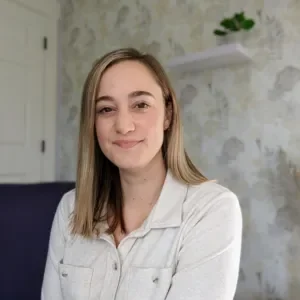
Lexi Gross has an impressive background, having worked in various counseling settings, including college counseling, wilderness therapy, and community mental health. Currently, in private practice, Lexi primarily focuses on helping individuals diagnosed with chronic illnesses, as well as those grappling with undiagnosed or mysterious symptoms. One of Lexi's primary areas of expertise lies in supporting young adults, adolescents, and parents who are navigating the challenges of chronic illness.
Connect with Lexi:

Meet Destiny - The host of The Chronic Illness Therapist Podcast and a licensed mental health therapist in the states of Georgia and Florida. Destiny offers traditional 50-minute therapy sessions as well as therapy intensives and monthly online workshops for the chronic illness community.