
Empathy, Advocacy, and Healing: Exploring the Link Between Chronic Illness and Mental Well-Being with Dr. Anna Laura Arteaga-Biggs
Overcoming Personal Barriers
Dr. Anna candidly discussed her initial apprehension about working with chronically medically ill patients. This anxiety, rooted in her personal history, emerged from a childhood surgery that lacked proper pain management. The trauma of this experience fostered an enduring fear of pain and medical procedures, setting the stage for her reluctance to engage with chronically ill individuals. However, her trajectory shifted drastically as she embarked on her professional journey. She developed a passion for working with veterans, and her interactions with them helped her overcome her discomfort with medical conditions. This transformation continued as she transitioned to working with chronically medically ill women during her pre-doctoral internship and fellowship.
Validating Infant Experiences
Acknowledging the role of early childhood experiences is an essential aspect of therapeutic work. Dr. Anna emphasized that our infant years hold crucial significance, and dismissing them can hinder our understanding of ourselves. She encouraged her clients to engage in conversations with their parents, grandparents, or anyone present during their infancy. This process of exploration, she noted, allows individuals to honor and respect the journey they underwent even before cognitive memories formed.
An Individualized Approach to Therapy
When it comes to her therapeutic approach, Dr. Anna highlighted her commitment to tailoring treatments to each client's unique needs. She pointed out that her background, which includes training from various modalities and perspectives, allows her to approach therapy with a diverse toolkit. Dr. Anna emphasized the importance of considering the systems within which clients operate, including family, community, and cultural contexts. She explores how these systems impact her clients' lives, adding depth to her relational approach.
Validation and Advocacy
Dr. Anna emphasized the significance of validation, particularly for individuals, especially women, with chronic medical conditions. She shed light on the dismissive attitudes and biases often faced by women seeking medical care, which can exacerbate feelings of isolation and pain. Dr. Anna noted that the power of validation is immense and how being heard and believed can contribute significantly to the healing journey.
She encouraged patients to provide feedback to their healthcare providers, even if they felt unheard or dismissed. This feedback not only empowers the patient but also fosters growth and awareness within the medical community.
Support Groups: A Vital Source of Empowerment
Dr. Anna passionately advocated for the importance of joining support groups, especially for those living with chronic medical conditions. She explained that support groups provide a platform for individuals to share their experiences, learn from others, and discover valuable resources. Support groups also help alleviate the sense of isolation that often accompanies chronic illness, allowing participants to connect with others who truly understand their struggles. Dr. Anna's insights resonated as a reminder that in a world often dominated by isolation and misunderstanding, connecting with others who share similar experiences can be a powerful catalyst for healing and growth.
Advocating for Yourself - Healthcare and Mental Health
Dr. Anna stresses that patients must advocate for themselves, ensuring they're heard and seen by their healthcare providers. She advises seeking providers who genuinely listen, understand, and respect patients' experiences. Dr. Anna suggests looking for specialists with a background in behavioral medicine or related areas who might be better equipped to understand the complex interplay of physical and mental health.
Conclusion
Dr. Anna's expertise shines a light on the unique challenges faced by those living with chronic conditions, from the isolation of the pandemic to the complexities of expressing anger and grief in a society that often misunderstands these emotions. Her emphasis on fostering a healing relationship, where therapists and clients both learn and grow, underscores the powerful reciprocity of emotional support.
Disclaimer: Everything we discuss here is just meant to be general education and information. It's not intended as personal mental health or medical advice. If you have any questions related to your unique circumstances, please contact a licensed therapist or medical professional in your state of residence.
Destiny Davis, LPC CRC, is solely responsible for the content of this article. The views expressed herein may or may not necessarily reflect the opinions of the guest.
The content in this blog post comes directly from a real, human interview between Destiny and her guest on The Chronic Illness Therapist Podcast. This written version was formatted using AI. Listen to the full episode to hear the actual conversation.
Listen to my full conversation with Dr. Anna Laura Arteaga-Biggs on Ep 6: Speaking Your Piece To Find Empowerment in your Medical Care and Social Circles with Dr. Ana Laura Arteaga-Biggs
-
Episode transcribed with AI and may contain errors that are not representative of the actual word or meaning of the sentence.
In this episode, Dr. Anna Laura, or Tayga Biggs. And I talk about Dr. Anna's philosophies around anger, how childhood shapes our experiences and how our work is therapists greatly impact us just as much as we hope to impact our clients. Dr. Anna is a bilingual licensed clinical psychologist in private practice in San Diego, California.
She completed her Sidey in clinical psychology and received training at both Stanford university school of medicine in Palo Alto university. She has worked in trained in a variety of clinical settings, including. Community mental health. The department of veterans affairs, Stanford medical center. Uh, public hospitals in various community mental health clinics.
Her research clinical interest and area of expertise include trauma. Post-traumatic growth. Grief and loss. Uh, destructive mind control. Couples and marital functioning. Race-based traumatic stress. And women's health. And has received extensive training in the use of evidence-based treatments for multiple complex clinical presentations.
She has also developed expertise in treating underserved populations in disenfranchised individuals. Please welcome dr Ana laura or Tayga bigs
So why don't you maybe start a little bit by telling us, um, where you, how you got interested in, um, chronic illness and working with that population?
Um, anything that feels relevant personally or professionally.
Feel free to share.
Yeah. So, gosh, um, it's really funny or interesting, I guess, because as I was doing my training, I remember as a doctoral student, I remember a lot of times on interviews, I'd get questions such as, you know, what's a population that you're probably not great at working with.
And I had a few answers for that, but one of them was, you know, patients who were chronically medically ill, um, because I had anxiety about sort of. Not being around people, but just hearing about different sort of medical problems, particularly heart problems and things. It just made me really anxious because it really made me attuned to my own body.
And I remember feeling like I probably wasn't going to be a very good fit. And it's really interesting to me now to see how much that has shifted over the course of the last 10 years. Um, I ended up training in different sites where I was just naturally exposed. So I was at the San Francisco VA as a trainee and working with veterans, you know, became a huge passion of mine.
And through that, I worked with, you know, men in particular at this, at this VA, I was with men only, but you know, who had just had really pretty heavy, serious medical conditions. That was kind of my introduction and my start. And that's what helped me become more comfortable. And then I was. At different placements for my pre doctoral internship and my fellowship, which were all kind of behavioral medicine, um, specialties where I worked with chronically medically ill women specifically.
So the shift really went to women. And I also worked with a lot of pregnant postpartum women, um, who had a lot of kind of comorbidities as well with some of these chronic medical conditions. So. Once I was doing that fellowship, I became very aware of just women's gynecological problems in particular.
And I started to kind of recognize I have some of these symptoms. I wonder if I have some of these diseases and I've just been sort of ignored my whole life and granted at the time, I think a lot of my conditions were probably still in a much more kind of livable, manageable place. Uh, where, you know, I wasn't necessarily missing, you know, really important functions or unable to really function, but, but that progressively shifted.
And because of those experiences, I actually was able to really advocate for myself and learn a lot about the medical side of things and how tricky it is to navigate that and how, you know, the psychological meats, you know, that kind of the intersection of the psychological component and the medical component and how.
How challenging it is to navigate both of those arenas as somebody who's having some sort of a complication medically. So through kind of my own infertility journey, um, which was really long and very, very painful both physically and emotionally. I found out that I had both endometriosis and adeno miosis.
And so through that, I've done a lot of, sort of my own kind of. Research my own soul searching there and then worked a ton now with chronically medically ill women who have just all different kinds of varying diseases or disabilities or medical problems, um, most of whom have spent. Like me, you know, seven to 10 or more years just to try to get a diagnosis and then having to navigate all the many things that come with that.
So, yeah, that's sort of my, you know, it's, it's probably a longer, more complicated answer, but that's kind of my short or palatable version of kind of how I got to where I am now and why this has become so important to
me.
Yeah, the personal experience. Um, it's, it's interesting, you know, that you have the anxiety about working with this population and then as you, it, it sounds like it went hand in hand, you were working with them, you were getting more comfortable with it.
You were then able to become more aware of your own body and be more comfortable with that and work through that. And it just sounds like it went back and forth. Um, and it grew on it on top of each other.
Totally. You know, I just, wasn't someone that dealt with pain very well. And I wasn't someone who dealt with having to see the doctor, you know, I just, it was, it was something that was very anxiety provoking for me.
And so I knew, or I sense that sort of sitting through and listening to that, that I just wouldn't be able to tolerate it, or I wouldn't be a good fit because it would just make me too anxious. So it's it's I just, if you had told me. I don't know, 10, 15 years ago that this would be such a passion of mine.
I don't know that I would've believed, believed you, which you know.
Yeah. W are there any messages that you remember growing up with that you think other people relate to as well, that led to kind of that anxiety about healthcare?
I think it's, it's really hard for me to know sort of where this stems from.
I know there's different theories about it just within my family, as an infant, I had a hernia, so I was only four months old and I had my first surgery as a four month old. And you know, when you're that young, they don't give you anesthesia. They don't give you really any sort of pain. You know, medication and I was in Argentina, that's where I was born.
So, you know, I don't even know what things look like there then back in the eighties, but I know that it was from what my mom and dad shared with me that I was in a pretty excruciating amount of pain. So I think my life sort of started that way. And I don't know. I mean, I can't know with any sort of certainty, but that's kind of where things I think sort of stemmed from.
And I think that I just, um, I've always had a pretty serious fear when I was hurt or, or something was wrong. Like it just, I paired it with a fear and I just didn't manage it very well. And I don't know that the people in my life necessarily knew how to kind of handle it. So, you know, for. Just the gears and years of that, it all kind of piled on, and it's not something I've spent a lot of time exploring, but as you're asking me these questions, I'm recognizing, that would be interesting for me to understand a little bit better kind of how that this is all sort of shifted and developed for
me.
Yeah, no, that's really, um, I think enlightening. I think we all have these early childhood experiences that we wouldn't put two and two together. Cause no doctor ever asks you. Did you have a surgery when you were an infant? Did you? But as I do ask these questions to my own clients, I often learn. Way way later in therapy, a year down the road that they had some experience when they were an infant that, you know, again, it feels so irrelevant cause you don't remember it, but our body does.
Right. And um, so it's, it is, I think it's important that people do hear these stories and understand. Our, our infant years are really, really important. Um, and we shouldn't dismiss them, you know, find, I really encourage my clients to talk to your parents. Um, talk to your grandparents, whoever was there and just find out what happened.
What were you like as a baby? Um, you know, and just, uh, honor, and kind of respect the journey that you went through before you could cognitively remember that, um, And then through somatic work is where I think a lot of that starts to, um, the, the mind, body piece of it all, um, where we can start to resolve some of the fears and anxieties.
But I'm curious, what is your approach with clients? Um, you know, do you do more cognitive work? Do you do any body-based work? What is your go-to.
Yeah. So I don't necessarily have sort of a one size fits all approach. That's usually what I share with people when they're interested in working with me and sort of consulting to see if I might be a good fit for them.
So I really, I work with a lot of people from very diverse backgrounds as well. Um, just because you know, I'm from another country, I speak two languages and, um, as a woman of color, I often get. People sort of seek me out for that reason who are also, you know, women of color. So I think that for me, that was always one of the top considerations is I'm always trying to kind of figure out what are people sort of navigating outside of, whatever.
The kind of main reason that they're coming to see me is, um, and I really. I really like to kind of tailor my treatment to kind of fit each person's unique needs. I just think everyone's so different. So with that though, of course, there's certain things that I'm always drawn to. And for me, I'm very interested in, you know, systems, so family systems and just kind of the different community systems, cultural systems, sort of everything, that's kind of.
Contributing to supporting exacerbating making, you know, better or worse in whatever way, kind of the systems around each person and how they're supported and how they are kind of impacted by everything that's sort of happening around them.
Socio-politically and otherwise. So I'm very interested in kind of learning about their families and you know, some of their. Experiences growing up, but I'm also very invested in the here and now and how they're navigating, you know, their care with their doctors. Um, how are their families supporting them?
How are their partners supporting that? Um, um, just kind of the intersection of sort of all the different things that, you know, they're kind of navigating in their lives and having to be faced with.
Yeah, absolutely.
That really completely answers your question, but it's tough for me because I don't really have the sort of one thing that I always necessarily do, or that necessarily defines me.
I'm I've always been pretty integrative psychologist. So I was just trained in lots of different modalities and by lots of different kinds of people and supervisors. So I think that I have always kind of approached each person was just a lot of curiosity and try to kind of start from there.
It sounds like you take a relational approach and the person the client comes first and, and what they're, um, what they're going through it, doesn't the technique doesn't really matter so much as the relationship and that.
Right. I mean, I always, you know, I always aim to, to keep things, you know, evidence-based and, and make sure that, you know, my approaches are, you know, that the science is sort of showing that these are effective approaches and, and I'm not ever like experimenting or doing anything, you know, wonky or new that I think is, you know, just sounds interesting or fun for me.
But I just, I like to just kind of see where each person's at at intake and. And then kind of go from there and, and collaboratively create a treatment plan based on their unique needs. So, yeah.
Is there a particular question on your intake form that you find to be just the most enlightening or the most helpful for you personally as a clinician?
That's such a good question. Um, let me think about that for a second. Sure. I have a really long intake form.
Okay. So tell me
about it.
Yeah. So when people come to see me before they see me, you know, they do all my complete, all my paperwork. And I have these, you know, just like any of us write these really long winded consent forms, you have to cover all your bases.
And then I have an intake questionnaire. Um, and I have everyone complete that before they see me. And I read it before I do the intake, because it helps me, you know, find potential red flags or things that. Help me kind of determine that I'm not an appropriate fit or, and, or just areas that I'm like, Ooh, this is really important.
And that's not why they're coming to see me, but I want to make sure to address that. So my intake questionnaire actually does have a lot of medical questions on it. So I asked a lot about, I have like an entire page, that's just medical symptoms or, you know, diseases, disorders, whatever word you want to use, disabilities, different things that are sort of listed on there.
And I, I asked for those, you know, questions, like, do you have any of these symptoms or any of, you know, haven't been diagnosed sort of any of these things? Um, so that's an important one and I'm trying to think, um, what really stands out to me and I always kind of look for,
well, you know, interestingly, I think one of the ones that I usually get a lot of information from, I ask about. People's sort of families. And I asked them to sort of list their family members, their ages, and you know, what, you know, just kind of with one word, like describe the relationship. And so with that, you get a lot of interesting answers.
Cause it's pretty open-ended so people can sort of write whatever they want. And I think that that usually helps me get a really good sense of. How hard it's been for people to maybe navigate even just the most important relationships in their lives. And that can usually give me a sense of what their support looks like and what their other relationships might look like as a result of having to deal with some childhood traumas or really dysfunctional families, or, you know, um, conflicted, you know, parental relationships or sibling relationships and things like that.
So that's kind of one of the, that, and kind of the medical. The questions are usually ones that I'm paying pretty close attention to.
Yeah. You're trying to make sure you, like you said earlier, go going toward figuring out what is going on around them, not just this, the presenting problem, which for people listening, you know, is when people come in saying, this is what I want to work on.
It's, you know, this is what I want to work on, but how is everything around you effecting that problem? Or maybe even sometimes that problem is. You realize the client realizes through, through your work together that, that that's really not even an issue almost at all. And, and really it's this other stuff that's, that's getting in the way.
Totally. No, that happens a lot or that these are the things that they don't want to talk about, but that they sort of recognize. They probably need to talk about. Um, and so of course, you know, don't force anybody to go where they're not ready to go, but it helps me get a sense of what might be making things worse or, you know, be contributing to the other sort of presenting problems that they're, you know, open to discussing and talking about.
So yeah,
they bring in, they bring in the safest issue if they feel comfortable talking about, and then once they feel validated, and this is all a lot of times, Not even really conscious in our brains, but once we feel validated, then we start opening up more and that's how we get to those deeper problems.
So it makes perfect sense. And just to go back to that systems perspective, we're not taught how to talk about our health, our bodies at all, even just normal women. Female body, uh, you know, even in sex ed, we barely learn what, what it means to be human boys and girls, um, all of us. Um, and so I think it's just so it's so stigmatized to talk about anything that's underneath our clothing.
That, um, a lot of people just don't even know that they're allowed to talk about it. A lot of people don't even know they want to talk about. Um,
and a lot of therapists aren't equipped to talk about it, right? I mean, just like any other profession, I mean, I think there are therapists, um, that are just there's certain comfort areas or areas for them that, that are just very uncomfortable and they're not able to kind of access those things.
And I don't know. You know, if you've sort of had these experiences, even in your own therapy, but I have some memories and, you know, just therapists that I've seen in the past were wonderful therapist. And I had a really good relationship with them, but I remember just. Um, I remember one just sort of, when I wanted to talk about sex or something about sex or sexual history, um, that I said I had to kind of stop and ask him, like, is it okay that I talked to you about this?
And I remember I would always remember this. And again, I really loved this therapist. He was very helpful to me, but he said something like, yeah, as long as you don't give me too much detail. And I've thought about that over the years. And I thought how interesting that was because he was clearly having kind of his own countertransference towards me, like perhaps.
Uh, like his daughter, his niece or somebody, and he just didn't want it to think about me in those ways, but I'm wondering how much was lost because of just that one sentence or how much it shut me down. And perhaps how many times I've done something like that, kind of unknowingly to somebody sort of like shut down or move to conversation into a different direction because.
Maybe it was something that I wasn't ready to think about. So patients should always, and I know you used the word client, I'm using the word patient. I use them interchangeably. So just for listeners, if they're like, why is she saying patient? Yeah. Thanks
for the distinction. Yeah. That's a good thing for people to know.
Yeah, for sure. It's just, yeah, it's just a preference and I'm in California and you're in Georgia, so I don't know.
So just for anyone listening, it's turned me there. I use them equally and interchangeably, and I'm sure that there's, uh, reactions to either word and those are fair and valid. Um, but just know that from the way I'm speaking it's yeah. Client, patient, it's the same exact thing.
Yeah, absolutely. Thanks for the clarification.
Um, and just speaking of the topic of sexual health, that's another thing, you know, women.
We're not allowed to talk about, um, societaly and then you add a chronic illness on top of it and there's fatigue. And there's a lot of there's, um, even things like vaginal dryness and, um, you know, little things that you just don't think are important to talk about. And you're calling, like they don't know that it's important, that it's even something they can talk about with you.
So, um, until something is said somewhere that like gives them this little inkling, like. Maybe that's a safe topic or maybe they dip their toe into it. And like you said, um, if you shift away from it, it might tell them, ah, this isn't comfortable for me and we can't go here, but if you kind of dip into it then, um, and you know, we're human, we make mistakes and sometimes it's not intentional at all.
Like it could be. Uh, topic you're completely comfortable with, but maybe you had something else on your mind and then you shifted that way. And, um, you know, that's our whole, our whole profession is just relationship. Yes.
Yes. And it's still is so challenging because any facial expression, any shift you make, right.
Particularly if you're in person can really sense. Um, You know, whoever you're working with a message that you're not intending to send. Um, but the impact remains. Right? And so I think our work is really, um, challenging in that way, right? Is that we're not just sort of sitting and listening, but it's just very active listening and knowing that every word, every yawn, every, you know, like shifting of the body or movement is can mean something to somebody and it can.
It can really impact the relationship and the therapy and more, most importantly, the patient themselves.
So, yeah. Yeah, um, so how, how would you say that you, you help your patients feel, um, most validated or, or how do you help them kind of navigate this journey the most? Is it through resources or through validation or through,
yeah.
Yeah. That's a really good question. I mean, hopefully it's a little bit of a lot of different things. Um, I think validation particularly for this population is probably one of the most important things, because at least with, you know, a lot of the different women that I've worked with. So let me speak a little bit about that.
So that'll sort of help inform how I'm answering this. So I work now really predominantly with women and a lot of the women that I've worked with have had various. Some have had very rare diseases. Um, you know, that very small percentage of the population has suffered from just ones that I honestly couldn't even reiterate because the names are so long and I've just never heard of them otherwise.
, but, um, that, and then I also work with women who have these really. Sort of ubiquitously diagnosed diseases, but doctors don't know anything really about them or they're highly misinformed about them. So women aren't being properly treated and endometriosis.
And adenomiosis are two of those diseases that unfortunately way the majority of the medical field is sadly really ill-informed and they're creating a lot of harm. So the validation piece. It's so important to me because I know from my patients and I know firsthand how quickly women's pain is dismissed, especially women of color, especially, especially black women.
Um, so much so that their, you know, mortality rate when they're pregnant is so significantly higher than the general population. Things like four to five times higher, which is insane. Yes, incredibly significant and it's, it's just not okay. And I think that women in particular, you know, women's health, you know, it's not a top priority in terms of research, you know?
And so women's medications, women's health, all these sorts of things are really, um, they're just not a priority even for female doctors. Right. And so the money isn't there, the research isn't there and therefore the information isn't there and what I think happened. Um, and I work with a lot of women doctors as well, particularly because of the pandemic.
I've gotten a lot more calls from physicians that are really burnt out. Understandably so, but because of that, I'm also sort of hearing from them occasionally that there is such a burnout that with, that becomes a natural shift in empathy. Right. Because they're so overwhelmed overburdened that you kind of start to lose a little bit of that.
Compassion that maybe brought them to the work to begin with. Um, yeah. And so right. That then impacts each individual patient. When they go in complaining of something and saying, I've got this pain and they can't figure out what it is. So it's kind of like dismiss, well, maybe it's just psychological
maybe you just have anxiety or here take this birth control or here's this pill. And, you know, I hope you get better kind of a thing. And I think a lot of doctors too, they don't necessarily hear back from patients. Because the patient doesn't trust them, doesn't want to go back. So then they mistakenly believe .
They helped them. Well, they didn't come back. So we must've won you. Yeah. You know, but no, actually it was first and suffered and suffered and suffered and went to however many other doctors and specialists. And perhaps they're still suffering until they get to an answer. And sometimes you get to an answer and there's still no real treatment or cure or help.
It's just kind of a manage it the best you can. Um, so. Sorry.
No, that's really a great, um, it didn't even feel like a tangent, just the word that comes to mind, but that was a great tangent. Um, and it made me think, yeah, doctors don't receive the feedback that they need in order to even, um, Progressed or get better.
And, and occasionally, so I encourage clients when they have experiences like this, to write an email or to say something, um, it doesn't matter if they respond or if they respond negatively or it's just for the fact of the matter of, uh, growing as a society. And we need to be able to give feedback to each other.
Um, and so even if, again, if a doctor's going to respond negatively or defensively, I still think. So important that we advocate for ourselves in that way, and it can be really empowering to, um, You know, rather than just going from person to person, to person and feeling like no one has ever heard you.
Well, if you go back and you say, Hey, this was my experience with you. Well, they have no choice, but to listen, they have a choice whether they're going to validate you or not. But, um, they most likely won't, that's probably the reality of it, but there is a little bit of empowerment there. I believe in being able to just speak your peace.
And this was my story.
Yeah, I think that's such great advice. And it's so important just for the healing process for each individual person, because really it's a trauma, you know what I mean? It's multiple traumas, right? Um, that you're navigating as you're going through all the pain of, of all the symptoms and then the daily.
You know, things that you're having to navigate on top of, you know, then being dismissed, um, or invalidated profoundly by someone in power who is, has kind of your care in their hands. So if you can go back and say, Hey, someone did finally listen and guess what? It wasn't in my head. And I do have this thing and it is a problem.
And here are my records or here's, you know, the, that surgeons, you know, information or what they found just for your few, you know, in case you ever see this again, I think that's incredibly important for you, but also for the community at large, you might never know who else you're helping when you do that, too.
So not.
Yeah. I think, um, especially as women, we're just very conditioned to not be confrontational and not be assertive. Um, and so I think that all goes hand in hand with it. This is chronic illness is so it's so complex and so complicated because it also goes hand in hand with our attachment styles and our experiences and an artist, societal conditioning, and, um, there's so many layers to it.
And, and that, that's why I think therapy is a perfect place to talk about it. Right. We uncover layers. That's just, that's what we do. And we, we unravel them and try to make as much sense as we can of them. Now, of course there's different types of therapy, solution focus short-term long-term. And if you ask me these are long-term topics, um, which brings about whole, a conversation about accessibility, but, um, yes.
You know? Yeah. Um, at the end of the day, it's, it is, it is important that, you know, whether you're in therapy or not, you're figuring out a way to unravel the different intersections that happen when you're a person living with chronic illness.
Totally. And what that just brought up for me is, um, I, so before the pandemic, which now it feels like it was a hundred years ago, um, is I ran a, a group for women with chronical medical conditions.
And I cannot begin to tell you what that group, how special that group continues to be for me, I don't meet any more because, you know, I just haven't found a safe way to do it online. Um, but. I think what is often missing is that support and validation and hearing a lot of the things that feel like you're dealing with all by yourself that feel like unique to you or that nobody could possibly understand, or at least nobody close to you.
If you can find a support group. I think that is probably one of my top, you know, If I'm to give some like advice, you know, unsolicited advice, I would say, find a support group, particularly for whatever condition it is that you have, because you will feel so much more validated, way less alone. And you'll probably learn a lot of, you know, ways to advocate for yourself and, um, just things to consider in your own treatment.
So that. I think has been just one of the best things that I've been able to be a part of. Um, and I've just seen how beneficial it is for patients across the board, just to have that community and those friendships with people that really as much as possible get it, you know, as much as one can possibly get someone else's, you know, unique circumstances.
Yeah. Support groups are, um, you know, especially run by a therapist who has that experience, whether personally, or, you know, someone who just gets it from having worked in, uh, with this population for so long, you know, I don't believe you always have to have the personal experience, although it does help for sure.
Um, It can make all the difference, because like you said earlier, when you've gone through it or when you just are comfortable with it, you're willing to have those conversations and, and you know, what it's like to feel dismissed. So, um, even it's, you're even more intentional about making sure you don't do that even by accident.
So yeah, I think support groups are such a wonderful. Um, not only with a therapist who has, you know, has, uh, a comfort with it with chronic illness, but also just hearing that you're not alone. And sometimes people have solutions that, you know, work for you that don't work for you, but someone else might have something that you can tweak it just a little bit.
So there's a big dynamic there. Um, in group work that really leads to some, some times really quick change.
Totally.
And just access to resources or familiarity about certain resources that you didn't even know existed. Um, that can be really helpful. You know, and for people that can't do in person or do find a group, it can be really hard to find a group, particularly just depending on where you live.
Right. And, you know, being in a big city, it's easier for me to say, like join a group and maybe some of our lists, you know, the listeners that you have, or, you know, rural or somewhere that there's just, you know, it's not available. So, you know, I'm not a big fan of Facebook, but what I will say at one of Facebook's strengths, I'm sure there are many, but one that really stands out to me is the.
Amount of, and the quality of the support groups that exist for almost every single living condition that's out there. I mean, the most rare thing you put it in that search bar on Facebook, and there will be a group for it. I'm not going to say it's going to be the best group ever, but there'll be a group.
And with that group, you will probably get access to things you didn't know that you had access to, which is pretty cool. Um, so that's another sort of. Area for people to look at that most people have it or have access to, to Facebook. I should say many people or most people have access to that as a resource.
So,
um, yeah, it's a good point. We've talked about this a couple of times with different guests, about Facebook groups and how they're just like, uh, really there pros and cons for sure. Um, they can be a really awful place to be in if everybody's kind of on like a. That's true. Death train, you know, like, um, I talk about my own experience.
It's like going into a Lyme disease support group, and I thought, you know, it was right after my diagnosis. And I thought after reading some of the posts, like, oh my God, I'm gonna die next week. Like this is gonna be, and so I had to leave them quite, quite quickly, but, um, I'm learning now that there are some higher quality ones and you have to sift through them and.
I want to say, you have to kind of, you have to work through that and recognize like when a, when a place is healthy for you and when it's not, but that's the whole, that's the whole thing sometimes is that we don't often know when we're in a healthy space or when something's good for us or not good for us, and what's true or not true.
And so learning to sift through information of any kind is a skill in and of itself. So just kind of recognizing that.
Yeah, I'm so glad you said that because really that's so important. And, um, it's true that those groups can be incredibly triggering as well, particularly if they're not managed well. And I think that's really the keys that the moderators really make or break a group.
And some of those groups are disastrous because of that and no offense to the the moderators, because I'm sure they're busy and. You know, have a lot going on themselves, but, um, but that is key. Yeah. And if you are feeling like this is awful, I'm feeling worse than definitely leave that group of patients for awhile.
Um, but. If there's something that you can get from that, I recommend finding some sort of a group wherever you can find it, just to have different people to connect with and talk to about what you're going through, because it will really help you feel less alone. And I think that is sometimes what's most damaging about living with chronic medical conditions is the loneliness.
And I imagine that's been severely heightened with the pandemic, um, for so many people.
Yeah, is that something that you find clients or patients are talking about with you?
Well, it's interesting because I, so it's been a little bit of a mixed bag, so it, it's also sort of shifted as the pandemic has really drawn out.
Um, in the beginning of the pandemic, what I found was the majority of my. You know, severe chronically, medically ill patients. These are patients that have like been close to death. I work with a lot of transplant patients, um, as well. So, you know, Those patients are really, they're just trying to survive.
Like they're on a list waiting for an organ. Right. And life-saving organ, um, you know, or cancer patients or people that have really kind of knocked on death's door. Um, multiple times who have had to live like this, right. The way that so many of us are just kind of learning like, whoa, I have to stay in my house and I can't do anything and I can't go anywhere and it's not safe and I have to wear mask.
Right. Yeah. That I had a couple of patients, um, say, I hope, can I use bad words on this? Or, um, you know, like, fuck you. Like, this is welcome to my life. You know, I've, this is how I've had to live every day. And now you're getting a glimpse of it. And you haven't even done this for 30 days and you're already falling apart.
And yet maybe, you know, some of these people were judged in the past by the people that are now complaining to them. So I've seen that. Um, so there wasn't, I think for some, and I'm not saying everyone, but there was almost like a, Hmm. You know, like now you kind of know you kind of get it. And now it's kind of nice because everyone's sort of, I don't feel alone anymore.
Like everyone's sort of in the same, well, I wouldn't say the same boat, but maybe in the same sea, right? The same storm, you know, maybe a different kind of a boat, but. I think that part was sort of healing for some. Um, and then I'm going to seeing the fatigue and fatigue and fatigue, particularly as you know, I'm thinking of, uh, uh, actually a really dear friend of mine who suffers from a variety of co-morbidities, some of which have not even really been properly or fully diagnosed yet, but she also suffers from Lyme disease.
And, um, you know, she has a young child too, and has been navigating. This pandemic since day one, she has not shifted her protocol. Like she has remained steadfast in. I'm not going to, I'm not going to be responsible for infecting anybody else, and I'm not going to compromise my health and my child's health who can't get vaccinated yet.
And so she is understandably very angry because she's seeing so many people become more and more lax as they're navigating things, because everybody is. You know, exhausted by this. And a lot of people, you know, they got vaccinated and boosted. And so maybe they're feeling a little bit more secure doing new things, trying new things.
And she sort of feeling left behind when she's seeing all these people, people who she loved and cared for, not doing the things that she's having to do. And she's having a lot of feelings about that. And I think as a result, probably some shifts. Conflict in some of her relationships and some frustration.
And honestly, even probably some frustration with me as she's seeing me kind of go out into the world and do little things with my kids. Um, and also I do, I imagine that a lot of people that I'm working with are also kind of going through that those waves of emotions of just like exhaustion and anger and fatigue.
With also the sense of, but there's nothing I can do about it. I have to continue doing things this way until there's some sort of a, a cure or until there's more sort of like herd immunity or whatever it is that we're needing for this to shift.
And it's so hard to know. Right. Cause we don't know that then that, so that level of uncertainty just makes it that much worse.
We don't know what we even need. Let alone, when we're going to get.
Yes. Yes. It's constant. Yeah. Day to day, you know, limbo. Um, yeah, I think living in limbo for chronically medically ill patients, particularly people who are either waiting for some sort of medicine or waiting for a diagnosis that limbo has now sort of bled into every fabric of their lives.
And that is. Deeply painful, frustrating. Uh, and I'm probably putting out very lightly angry, you know, just all the things. Um, so yeah, so it's, it's all fair and valid and understandable then I'm sure it's feeling really lonely and, um, people are really at their breaking points, so,
yeah. And that's, um, I talk a lot about acceptance on this podcast and, and try to differentiate.
What that means each and every time I use the word because, um, there's a couple of different directions you can go from where we're at in this conversation. One is like, how do you cope with it? How do you manage it? Um, which sometimes depending on what situation you're in might feel a little bit like gaslighting, like what do you mean cope with it or deal with it?
Like, there's nothing I can do about it. This is a societal issue right now, or. And acceptance, same thing. It can feel a bit, um, dismissive. Um, it's not accepting that things are the way they are. And so we just are okay with it. It's can you accept your frustration and your anger and these negative emotions at once?
Again, a lot of women were societaly programmed not to be angry people or to display our anger in any way. And if we do then we're labeled emotional or. Not taken seriously. And, and so the acceptance piece is can you feel the anger that you're feeling and not judge yourself for it, because this is an incredibly frustrating and trying time.
Right? Well, and I'm thinking too, of like black indigenous and just women of color in general. Right. That then that also we can extend that for there to say, when we express some sort of a negative emotion, we're also seen as aggressive or dangerous or something else that's, you know, um, Can put our lives in danger.
Um, and so that's also, it just adds an extra challenge. That's, you know, it's kind of like, it feels impossible to breathe sometimes. Um, you know, I imagine.
Yeah, that makes it makes perfect sense. And, um, I, my hope is that, you know, by having this part of the conversation, that more people recognize how normal it is for, um, that anger, especially for people of color, um, and that it's not dangerous and that it's not, uh, something to be fearful of, but it's something to just recognize, like when someone's angry, we need to, as a society, learn how to look at them and say, what's going on for you?
Not calm down, you need to stop and you're dangerous and we need to stop you.
Yes. Yeah. You know, anger is a secondary emotion that so many people don't want to feel and don't want to expose themselves to when someone else is feeling it. And there's so much that is missed in that because you know, what's underneath all anger is pain.
You know, and I also just think about, you know, you talked about attachment earlier and, um, the way that, you know, our sort of early caregivers help us understand, like what emotions are safe to sort of convey and, and how, how to convey them and how not to, and, um, how that makes people really shut down when they're, when they're in pain and how they can push help away from them.
Um, Significantly and how it's really hard to be vulnerable and sort of, sort of say like, I'm not, well, I need help and it can be easier to say, ah, just leave me alone. Um, you know, because it's scary to ask for help. And I think this population, um, has had to do that more than most or many, um, Yeah,
it makes me
think, you know, aside from just, um, are there early caregiver experiences also then maybe as an immigrant coming into this country and now everything that you knew to be okay, and how you express yourself in one country is completely, uh, wrong in another country.
Um, and how that can even really throw off your, your attachment style, even as an adult. Um, and really. Because that further like distrust and yourself and society and how many more layers we could probably go into there as well.
No, totally. In particularly with the language component, you know? Cause when you think about how you express yourself, when you feel most vulnerable, imagine doing that and not your primary language is really hard to do.
It's very hard. Uh, just share what you want to share or express yourself in a meaningful way, because there's so much that's being missed or trying to figure out how to say the words that you want to say in the proper way to say them grammatically or otherwise. And there's so much that gets missed, I think, for so many people.
And, um, I think about that a lot, just the missed moments, um, just in everyday interactions with people. I don't know. I think we just have to think about that. And I worked so much that for me, that just transfers into just kind of the real world and just little interactions with people. Um, and how. What, what each person sort of navigating and living through and how we, uh, bumped bump into each other during all those moments and what that might sort of be like?
Um, I don't know.
No. Yeah. The missed moments is I think it's something I think about a lot too. And in different way, many, many different contexts. Um, even in relationships with your partner, with your friends or, um, you know, we were talking earlier about chronic illness and how. Or just the conversations in therapy and how we might shift in one way or another accidentally.
And that's a missed moment or, um, and these missed moments are, are just as impactful, even if you never noticed them. And they really shaped the way that we see the world around us.
Yep. Yeah. And how, how we respond to the world around us as a result of how we see it. Right. It's just it's complicated, right?
Yeah.
I think it's good to, to process through this because, um, so often the conversation is just like, what can you control versus what you can't control or, or the conversation is like, okay, well, you're the only one who can make a change. So what are you going to do about it? Or on the flip side, the conversation is, you know, you shouldn't have to make any changes because society is the issue at large.
The system is the issue at large. It's just a much more nuanced than that. And I think the conversation that we just had, you know, maybe there's no step one, step, two clear delineation of here's the problem. Um, but it really speaks to that, to that, uh, those nuances.
Absolutely.
Well, I'm thinking, um, one last kind of question that I've got for you is what kind of, you know, a lot of what we talked about is some heavy stuff and some hard stuff, and also really important to bring out and let people know, like, these are safe things to talk about, even if they are really hard and heavy.
Um, but what, what are some of your favorite moments with clients? What makes all this work worth it for you?
Oh, gosh,
I love that question. Um,
it probably is hard to go from, like, we were really heavy just to like switch into maybe something more positive, but, um, well,
but even in the positive, I think for me, there's still a heaviness there because I, you know, um, so I, I just was asked to, uh, So to write for this community event that it's an artists filling community is what the platform is on Instagram.
For example, it's run by a friend of mine, Natasha Ridley, and she asked me to be one of the artists. I usually photograph these events for her when they're done in the community. Cause I, I do photography on the side.
It's also, she asked me this time to actually be one of the artists, which was interesting and it was about grief.
Um, so she's had a really tough year of like her dad died. I'm not sure how or what I never asked, but it was during COVID and I, she knew I lost eight family members. Um, since COVID hit, not often, COVID four out of the eight were from COVID. Um, so far. One was my grandmother just recently. And she was just one of the most important if not the most important person in my life.
Um, so I wrote this whole thing and in writing about grief, grief is one of my specialty areas, you know, and it's, it's in everything, right? I mean, it's definitely in this population, like there's so much grief to just losing your health, you know, or losing your mental health, um, or both. And, um, I was thinking about my, my work and the gifts that I, the gifts plural that I get from people every single time I go to work.
Um, you know, I think a lot of people come to us, you know, for help and to feel better, but they don't realize how much they make us feel better than how much they help us. Um, and the gifts that they give and how many. Times I've come home and just spend like, I'm so lucky I get to do this. Or this person just impacted me in such a profound way.
And maybe we can't share that because it's not appropriate for different reasons. Um, but I don't have like one necessarily specific thing that I can just say, like, this is the thing that, you know, but it's, it's all the little things. It's the. The different things I learn about it's, it's how much my mind has been opened.
It's how much I get to continue to grow as a result of other people growing and healing. Um, and in some cases how much I'm getting to heal because I'm watching somebody else heal. And sometimes I hear myself and I think. I should probably do that too. One thing that I'm recommending that you do or think about, I'm like my marriage, I didn't think about that.
Or maybe I need to do that and it's helpful because I then see someone else do it. Maybe it makes me feel braver to do it, or it made me, it makes me, um, advocate for people suffering from that thing that I didn't know about before. And now I know about it. So I'm going to do better. Be better too. So yeah, I mean, I think, I guess I just want, yeah.
People listening to know that you also, like, this is not really a one way street. It's a really unique relationship, right? Where the focus is on you and, you know, hopefully isn't on the therapist and it's just about the patient, but. We get so much from this work that that feeds our souls truly. Um, and I'm just really grateful for everyone.
That's walked into my life in this way. Even if it hasn't been a good fit because I've grown and learned and they've helped me, hopefully be better.
Um, yeah, one, I might just want to start with my deepest condolences for you and your family and, and everything that you've lost over the last two years. Um, I can't imagine how incredibly difficult that's been and also, um, to the point of, you know, our clients and patients helping us as well.
It's yes. Yeah. The relationship is. It's bi-directional it's, it is mostly focused on the person, the other person in the room, the client, the patient. Um, but we do when we learn and we grow, especially if that's a value you hold, which I would go out on a limb to say, most therapists hold that value. That's where we're open to learning.
We're open to growing. That's a big part of why we're called to this work. Um, and so, and, and you can only do that in relationship with. So, yeah. Um, they give us that, I feel that as well with my own clients and many of them. Yeah. We'll never know how much they've impacted me as well, so I, I can relate to that for sure.
Yeah. Yeah. Well, anything else that kind of comes to mind that you just want people to know or to take away from this conversation?
Yeah. So, I mean, I think
just the importance of advocating for yourself with your medical care and your psychological care, right. Just that knowing that there could be the best specialists in the world, but if they don't make you feel heard and seen, then they're not going to be the best specialist for you. Um, and I, and I think.
You know, just like with therapy, it's really just about the fit. So sometimes it doesn't matter how many degrees or where someone trained or who they trained under, you know, that can be important in certain senses, but most importantly, it's just how you feel safe in the room. So. If you don't feel safe with your doctors or anyone that's providing care for you in any of the things you're getting cared for, whether it's your acupuncturist or whatever you're doing for your care, right.
Um, for your treatment, then, then find somebody else because there will be somebody who will listen to you and don't waste your very precious time. On the people who, who aren't now I say that, and I also recognize that there are certain people that are going to be listening and saying, that's great, Anna, except I can't do that because of my circumstances, right.
Where I live or who I have access to or. Financial constraints or yeah. All the things. Right. And so for that, I'd say inform yourself as much as you can continue and continue and continue to advocate for yourself as best you can or find somebody who can help be that advocate for you and with the appeal, um, because you're not wrong and you're not lying.
It's not in your head. And, um, You know, you deserve the care and deserve to heal and get better. So, and I hope for that for everybody listening, that they can find that
I think that's such a great message. And, um, it's clear how much passion and empathy you have for this population. So I'm thrilled to know that you're available for, for clients and, and that, um, people can, can find you in that way, because like you said earlier, it's a lot of therapists don't.
We just, aren't trained in the medical aspect of the body and what that looks like and how that can, how that can actually come out in the therapy room. So, um, I'm thrilled to know that people can find you.
Yeah, absolutely. Yeah. And I'd say, when you're looking for a provider, if you don't have a psychologist or therapist yet, and you want one look for someone with a behavioral medicine specialty or background, because chances are, they've worked in those settings and they know what you're navigating, or they have a much better sense than maybe somebody who has never, you know, had a medical issue or let alone been in that sort of a setting that might be just a good little hint or tip for people as they're maybe searching.
Um, And you might have other wording that you would use. That's just the wording that comes to mind with my background, but there might be other words that you might want to include in there to think for them to think about when they're sort of looking for a provider and perhaps you've covered this.
Yeah, no, I think that's behavioral medicine, I think is a great addition to the verbiage that I use. I tend to refer people to, depending on what, you know, if I know what they're really looking for, I might. It's more towards, um, sending them towards like an acceptance and commitment therapist or, uh, or somatic therapist, or, um, let me think.
Uh, behavioral medicine is another really great addition to that. So thank you so much.
So much best of luck to you, destiny.
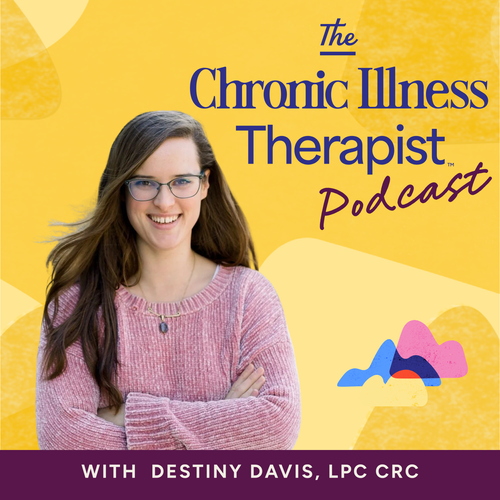
Listen to Dr. Anna Laura’s interview with me, Destiny Davis, on Ep 6: Speaking Your Piece To Find Empowerment in your Medical Care and Social Circles with Dr. Ana Laura Arteaga-Biggs
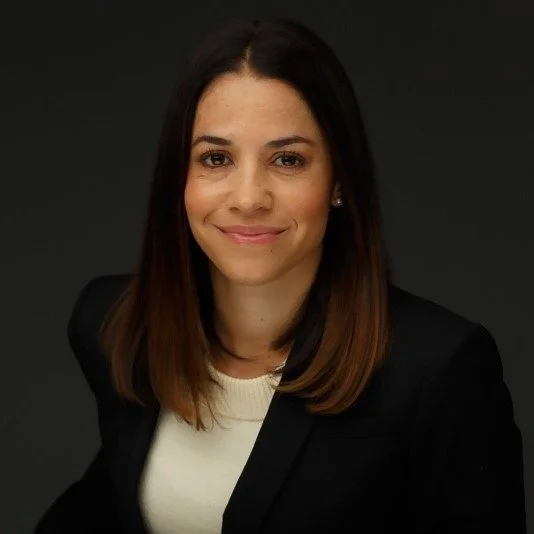
Dr. Anna Laura Arteaga-Biggs background is impressive and diverse. She completed her studies in clinical psychology, receiving training from both Stanford University School of Medicine and Palo Alto University. Her professional journey encompassed various clinical settings, including community mental health, the Department of Veterans Affairs, Stanford Medical Center, public hospitals, and community mental health clinics. Her research and clinical expertise encompass trauma, post-traumatic growth, grief and loss, couples and marital functioning, race-based traumatic stress, and women's health. Dr. Anna's commitment to evidence-based treatments and her focus on serving underserved populations underscore her dedication to improving lives.
Connect with Dr. Anna Laura:
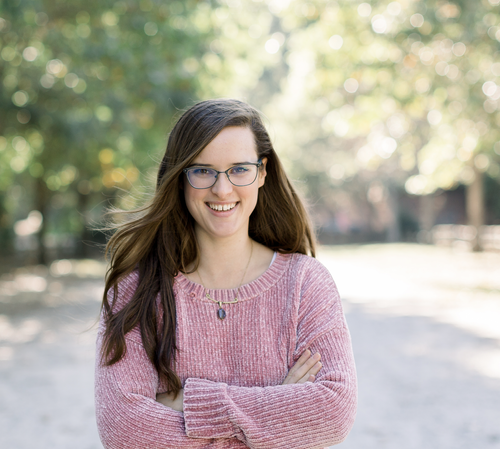
Meet Destiny - The host of The Chronic Illness Therapist Podcast and a licensed mental health therapist in the states of Georgia and Florida. Destiny offers traditional 50-minute therapy sessions as well as therapy intensives and monthly online workshops for the chronic illness community.