
What Your Kidney Disease Diet Actually Needs (And What the Internet Got Wrong)
A Conversation with Jen Hernandez RDN, CSR, LDN
When I was deep in my Lyme disease diagnosis, I came across everything. Hyperbaric chambers. Bee venom therapy. A woman online who swore cutting out oxalates changed her life. And every single time I stumbled onto one of these rabbit holes, part of me wanted to believe it, because that's what you do when you're sick and the medical system isn't giving you answers. You look for something certain.
I've talked about this pattern a lot on the podcast, and this week's conversation with Jen Hernandez takes another look at it through the topic of kidney disease nutrition.
Jen is a registered dietitian, board-certified specialist in renal nutrition, and the founder of Plant Powered Kidneys. She also wrote the book on it — literally. Plant Powered Kidney Nutrition came out at the end of last year, and it's already making waves with people who have spent years being told what they can't eat as a kidney disease patient.
This conversation is for anyone who has ever Googled "kidney disease diet" and walked away more confused and scared than when they started. And even if kidneys aren't your thing, the patterns Jen describes will feel familiar across a wide range of medical conditions.
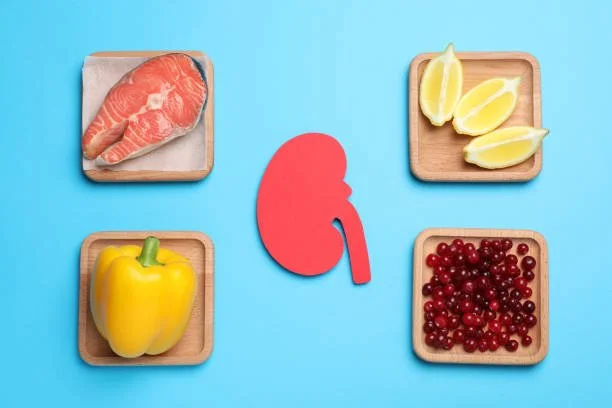
The Deer in Headlights Moment
Jen started her career working with the National Kidney Foundation and in dialysis clinics. What she kept seeing was two very different groups of new patients walking through the door.
The first group had no idea. Total shock. The second group had essentially grown up expecting it — aunties on one side of the room, cousins on the other. Already in dialysis. No sense that anything could have been different.
Both of those groups broke her heart, but for different reasons.
What she knew, and what patients often didn't, was that chronic kidney disease is not an automatic sentence to dialysis and kidney failure. It's a lifelong condition, yes, and there's no cure. But the trajectory is something that can actually be influenced. She's seen it happen with her own students and patients again and again.
And yet, people are still being told to wait until dialysis to see a dietitian. Or being handed nutrition guidelines that were written in 1992 and never updated. It's one of those things that's not malicious — it's just a broken system that hasn't caught up.
The Foods We're Unnecessarily Afraid Of
Here's where I think a lot of you are going to feel very seen.
Oxalates
You might’ve seen this one online. Oxalates are an "anti-nutrient" in foods like spinach, nuts, seeds, and beans — and somewhere along the way, the internet decided that meant you should cut them out.
Jen explains that for most people with kidney disease, oxalates are not a significant concern. They become relevant for people who have kidney stones (specifically the oxalate kind, which affects about 10% of the population). And even then, cutting out oxalate-rich foods is not the first intervention.
What actually helps:
Getting enough calcium, which binds to oxalate and prevents stones from forming in the first place
Reducing sodium, which many of us are eating way too much of anyway
Staying well-hydrated — people prone to kidney stones should aim for two to three liters of fluid per day
So before you say goodbye to your spinach, get a 24-hour urinalysis and talk to a dietitian who will actually look at your full picture.
Potassium
Jen explained that for years — including when she worked in dialysis — the guidance was clear: potassium is bad. Don't eat bananas. Don't eat potatoes. Stay away from avocado.
And then the 2020 guidelines came out and basically said: that's not really how it works.
Here's the problem. Someone newly diagnosed with stage three kidney disease goes online looking for answers. They find all this content telling them to cut potassium. They're already getting about half of the daily recommended amount. And then they cut it further. They end up unknowingly restricting a nutrient that supports heart health, blood pressure, and kidney function itself.
Only about 10 to 20% of people with CKD actually need to limit potassium, and even that number is more nuanced than "you have kidney disease, so no." If a provider is telling you to avoid potassium without looking at your specific labs and situation, Jen says that's a red flag worth paying attention to.
Phosphorus
Same story, different nutrient. There are two types: organic phosphorus (the kind naturally occurring in foods like oats, beans, and whole grains) and inorganic phosphorus (the kind added to processed foods as a preservative). The body doesn't absorb organic phosphorus the same way — and in some cases, the phytates in foods like oatmeal actually prevent phosphorus absorption, which is a benefit for people with kidney disease.
The handout telling you to avoid oatmeal? Check the copyright date. Jen says if it's anything before 2020, it's likely outdated.
The Avoidance Trap
Jen and I talked about possibly the most important concept in all of the nutrition space: people almost always ask what they need to cut out, not what they can add in.
What do I need to eliminate? What can't I have? What should I avoid?
And I get it. When you're navigating a chronic illness and the medical system hasn't given you much to work with, restriction feels like control and action. It feels like you're doing something.
But Jen's entire approach with Plant Powered Kidneys is built around the opposite idea: kidneys thrive with more plants. More fiber, whole foods, and variety. Not a vegan diet necessarily — you can include animal protein, just in appropriate amounts. It's called plant powered, not plant exclusive.
The hardest part is that the advice that actually works sounds too boring to be real. Drink more water. Eat more fruits and vegetables. Include beans and whole grains. People hear that and think, there has to be a catch. But there isn't. The catch is that we've spent so long being told everything is dangerous that the straightforward stuff doesn't feel trustworthy anymore.

When Two Conditions Clash
I asked Jen about something that comes up a lot in my world: what happens when two conditions have contradictory treatment needs? POTS, for example, often requires extra sodium. But kidney disease generally calls for sodium restriction.
Her answer was exactly what I expected from someone who's been in this field for a while: there's no such thing as one kidney diet.
The guidelines are starting points, not prescriptions. And the person who can help you figure out which guidelines actually apply to you is a dietitian who has time to look at your food journal, your labs, and make the connection between what you ate on Tuesday and what showed up in your blood work on Thursday.
Physicians are not that person — not because they aren't capable, but because the system doesn't give them the time. A one-sentence directive to "watch your sodium" doesn't tell you anything. A dietitian can actually explain what that means for your specific body and situation.
What to Do With All of This
If you have chronic kidney disease, or you love someone who does, here's what I'd take from this conversation:
Find out your actual numbers before restricting anything. Ask about a 24-hour urinalysis, look at your potassium levels, and get a baseline before cutting out foods based on internet advice.
Check the date on any educational material you've been given. Renal nutrition guidelines have changed significantly in the last five years. Old handouts are still circulating.
Work with a renal dietitian, not just a general one. The CKD population metabolizes nutrients differently, and you need someone who understands that specific population.
Shift the question from "what do I cut out?" to "what can I add?" More water. More plants. More fiber. It's not glamorous, but it's what the evidence actually supports.
Jen's book, Plant Powered Kidney Nutrition, is on Amazon and is a great starting point — especially if you're in the mild to moderate stages of CKD and want to understand what you're actually working with. She also has a free private Facebook group (Plant-Powered Kidneys) with over 13,000 members where she does weekly Q&As.
Disclaimer: Everything we discuss here is just meant to be general education and information. It's not intended as personal mental health or medical advice. If you have any questions related to your unique circumstances, please contact a licensed therapist or medical professional in your state of residence.
Destiny Davis, LPC CRC, is solely responsible for the content of this article. The views expressed herein may or may not necessarily reflect the opinions of the guest.
The content in this blog post comes directly from a real, human interview between Destiny and her guest on The Chronic Illness Therapist Podcast. This written version was formatted using AI. Listen to the full episode to hear the actual conversation.
Listen to my full conversation with Jen Hernandez on Ep 121: What Your Kidney Disease Diet Actually Needs (And What the Internet Got Wrong)
Listen on Apple
-
Episode transcribed with AI and may contain errors that are not representative of the actual word or meaning of the sentence.
Destiny Davis LPC CRC: [00:00:00] March is National Kidney Month, and so in honor of that, I am interviewing a. Kidney disease expert and registered dietician Jen Hernandez. And I hope you all will take something away from this episode that is in alignment with a lot of the episodes that I do around learning how to not fear food so much and to use it, um, as a tool for your body and not as a cure, not as something that is, um, to be strict or rigid.
And I think Jen did a really good job at further emphasizing that point.
Destiny Davis LPC CRC: Jen Hernandez is a nationally recognized registered [00:03:00] dietitian, board certified specialist in renal nutrition and author of Plant Powered Kidney Nutrition. In 2018, Jen founded Plant Powered Kidneys, a virtual private practice and educational hub for people with chronic kidney disease.
Jen helps people in all stages of kidney disease focusing on evidence-based nutrition and lifestyle guidelines, and the clients and students of. Plant powered kidneys learn to preserve their kidney function so they can delay or even prevent kidney failure and dialysis. Thank you Jen, for being here. We have.
Jen Hernandez RDN, CSR, LDN: destiny.
Destiny Davis LPC CRC: Yeah, so we haven't done an episode on kidney disease yet. Um, but I've definitely worked with, with people with kidney disease and I'm really looking forward to talking about some of the myths and, um, misconceptions around diet and what that is supposed to look like for somebody managing kidney disease.
So I think that's what we'll get into today. But first, I would love for you to tell the audience more about your work, what you're doing these days and, and what is really. Passionate for you. What topics are passionate for you right now?
Jen Hernandez RDN, CSR, LDN: [00:04:00] Yeah. Um, well, as you mentioned, uh, I have been focused on plant power kidneys, which is my. Private practice slash resource center. Um, everything that I do for people with chronic kidney disease, and I started this back in 2018 when I was still working, uh, in the National Kidney Foundation and dialysis, and I was just kind of like working with the National Kidney Foundation.
It really reminded me and inspired me, like prevention matters and it makes a difference in a chronic illness like CKD and then in dialysis working there, just having. Patient after patient come into the clinic and they're just like, I always, I always tell people it's like the deer in headlights look like they're just, I, I didn't see this coming.
I had no idea. And that's a lot of the, the new patient perception is like, it totally hit the outta the blue. They had no idea. And then there's this other group of the patient population where. Like, I remember interviewing some new patients were like, oh yeah, I knew I was gonna be in this dialysis chair from like day one.
My auntie's over here, my [00:05:00] cousin's over there. There was, oh yeah. Basically I've, I've, I've known people in dialysis my entire life. It was like an expected outcome. Like they, it, there was no choice in it.
They already knew their future in this, and it, it broke my heart, especially. a dietitian with the things that I had learned and was continuing to learn. Um, because even in that time of my life, I was studying for the board certification to become a renal specialized dietitian. So I was learning so much more on the CKD side while working in dialysis, and I was just like, you know what?
Something has to change here. And so I started just. Posting on social media and writing blogs on my website to educate people about chronic kidney disease and to help them learn that it is not an inevitability. You don't automatically, uh, you're not destined for dialysis just because you have chronic kidney disease, despite what, even to this day, so many healthcare professionals will tell people, they'll just say, oh, don't worry about your [00:06:00] diet, or, you know, it's not a big deal.
We'll just take care of this when you're in dialysis or like. Personally, my, my worst thing is when I hear people say, oh, my doctor said I don't need a dietitian yet because I'm gonna get one once I start dialysis. And it's like, you could have a dietitian now?
Like why are we, why are we doing this? Why are we waiting? Um, but it's just a very, even to this day, it's a very common misconception that people think that they're just destined for dialysis and kidney failure because they have kidney disease, but. shows it. I have so many students and clients that have proven time and time again that you can make changes that are incredibly impactful for your future, that don't result in dialysis and kidney failure.
So, um, I'm, I can't say it's a guarantee because chronic kidney disease. Still is an uncured disease, so it still is a lifetime illness. Um, but it's not just a destined, you will automatically have kidney failure. That's just not how it works. So that's really where all this passion [00:07:00] comes from. It, it's just, it's my full-time job that I spend all my time educating people and, and telling people how they can make changes in their lifestyle to prevent kidney failure.
So. That's basically my, my big thing and, um, my most proud achievement to date is my book that just I published at the end of last year. and I'm so proud. I never thought that I would be a person to say I'm an author, but, um, this book is on Amazon, it's plant powered Kidney Nutrition, and it's been really well reviewed.
I've had so many great comments, which I spent a year writing this book, and I was absolutely terrified when I put it out there because, you know, you're just opening yourself up to like. opening yourself up to public scrutiny and, and, and the reviews. But I've had such great reviews for the book that it, it really helped.
And so I'm absolutely excited, thrilled that I have something that I can provide to people who I can't work with one-on-one I can't work with directly, but I have a [00:08:00] resource that is, uh, that has the ability to like multiply and make an impact on chronic kidney disease.
Destiny Davis LPC CRC: I think that's amazing. Congratulations on the book. Um, I would love to know what, yeah, some of the most important tenets in the book are what are the things that you feel like every person with chronic chronic kidney disease, or even, you know, maybe before that diagnosis as well, should start to know.
Jen Hernandez RDN, CSR, LDN: Well, book is. The book is packed with, I, I really did try to make sure that I answered as many questions at as many nutritional related thoughts as possible with the book. Um, it is primarily written for people in the earlier, moderate, mild stages of chronic kidney disease. I have had people say like, well, I'm on dialysis.
Is this okay for me? And it. You'll probably learn some things from the book even on dialysis, but it's not necessarily nutritionally relevant to dialysis. That's kind of like a different, um, a little bit of a different nutrition pathway. But there are a lot of things that you [00:09:00] probably could learn. And if you are on dialysis, it would be a great resource for you to share with your family members who are at an increased risk of kidney disease or dialysis.
So you could get that, you could get the book and share it with your family to say. You know, you have a higher risk. So here's some information that you might, you know, be, wanna be wary of. Um, some of the one, some of the chapters I think, um, that are probably the most important for one is oxalates. And initially, I wasn't going to include a chapter on oxalates because it's kind of a, it's, it's not. really di directly related with chronic kidney disease, as in most people with kidney disease don't have to worry about oxalates. This, it's a very, very big trendy thing right now.
Destiny Davis LPC CRC: Yeah.
Jen Hernandez RDN, CSR, LDN: people are talking about the fear and scare about oxalates, but it's not really a common issue in, in the CKD. that makes sense. Like chronic kidney disease with kidney stones. Yes. It's a big topic. Um, but I was like, you know what, this isn't, this is kind of a little like aside, but then I had one of my early readers, they were reading the book and they're [00:10:00] like, oh my gosh, like, I have so many questions about oxalates.
And I was like, oh, okay, okay. Like it was just one person who said, I need this. And I was like, fine. So I added a chapter in on oxalates to explain. In the event you have issues with oxalates, this is what to pay attention to. And then other kind of nutritional interventions or things to look at before eliminating oxalates, because themselves are not typically a problem unless you have high blood or urine levels of oxalates
Destiny Davis LPC CRC: Okay.
Jen Hernandez RDN, CSR, LDN: Avoiding foods rich and oxalate is only going to cause more nutritional deficiencies because of all the other nutrients that are commonly associated with high oxalate food like spinach and nuts and seeds and beans, um, and, and soy. So we don't
Destiny Davis LPC CRC: What is the, what is the fear around oxalates?
Jen Hernandez RDN, CSR, LDN: So it's a lot of like social media stuff.
It's a lot of, a lot of pseudoscience and people are saying, oh, oxalates?
are considered an anti nutrient.
Destiny Davis LPC CRC: Mm.
Jen Hernandez RDN, CSR, LDN: like a fun term. It's a fun term that [00:11:00] people like to use to like scare people to be like, oh my gosh, this is so
Destiny Davis LPC CRC: Yeah.
Jen Hernandez RDN, CSR, LDN: but. It's, that's not really how it works. Um, in, in people who have high levels of oxalates, then yes, that can be a problem because the number one type of kidney stone, which impacts about 10% of the world, I believe it is. Um. The oxalates are a problem, but cutting out the oxalates isn't the first intervention. So when they're saying, oh, oxalates are so bad for you, like, no, your body can manage and take care of and eliminate oxalates just fine the majority of the time. And if they can't, then there's other things to be focusing on.
Destiny Davis LPC CRC: What is, what are some of the other things that would happen if, if somebody had high oxalates, um, you wouldn't take spinach out of their diet, but you would do something else?
Jen Hernandez RDN, CSR, LDN: No, that would not be my first intervention. I mean, if, if it was extremely high, then. but the most helpful thing from a clinician standpoint is to get a 24 hour urinalysis. And from there you can [00:12:00] look at other potential factors, such as how much calcium they have or how much calcium they're missing is more. More often the case if they're not getting enough calcium to bind to the oxalate because the calcium can prevent the stones from forming. So if you're getting a lot of oxalate, okay, that's one thing, but if you're not getting enough calcium, like that's an easy thing to do. Is to get more calcium with your food, to just take care of the oxalate on its own, and then you don't have to cut out those foods. So calcium is one thing and it's a big thing because a lot of us don't get nearly enough calcium, especially when we're on these kicks of like avoiding a lot of scary foods, thinking that we can't have them. So calcium for sure. The other thing is sodium and the majority of us, regardless of our medical history or medical background, the majority of us get way more salt than we need to.
Like a thousand milligrams a day more than we need. And high salt can cause that can be a big influence on the creation of kidney stones. So
Destiny Davis LPC CRC: Yeah.
Jen Hernandez RDN, CSR, LDN: know it, let's say you're cutting out oxalates or [00:13:00] you're trying to cut down on some. Your body still creates oxalates on its own, so it's going to create in many anyway.
And if you're adding, if you're adding in the salt, you're, you're increasing that risk of the kidney stone formation. So cutting down on salt is really helpful. And then the other thing that's incredibly important is staying incredibly hydrated. who are prone to kidney stones, then they need to be producing about two, uh, two liters or so of urine.
Urine per day. They should be drinking two to three liters of fluids per day. So that's something that a lot of people don't get enough of is just seem that hydrated. 'cause it can be kind of a, a challenge to
Destiny Davis LPC CRC: it's,
Jen Hernandez RDN, CSR, LDN: water. yeah.
Like even just the general population,
Destiny Davis LPC CRC: Yeah.
Jen Hernandez RDN, CSR, LDN: enough water is one thing, but when you have like the threat of a kidney stone, you're. very, it's scary. It's a scary challenge.
Destiny Davis LPC CRC: What are some of your favorite calcium sources?
Jen Hernandez RDN, CSR, LDN: I mean, for one, I think just like yogurt is so easy and it's So accessible. [00:14:00] Even like when you go to a coffee shop or even convenience stores these days, like yogurt is just very, very easily accessible and, um, just lowfat. Lowfat yogurt is great. Look for some that are like kinda lower in the added sugars, but if all you can find is the added sugar, like you're gonna get the calcium from the yogurt.
So that's great. Um, again, like same thing for convenience stores that you can get, like those bottles of chocolate milk or just regular plain lowfat milk. Easy way to get calcium in. So those are some great options. Uh, cottage
Destiny Davis LPC CRC: So pro, so pro dairy.
Jen Hernandez RDN, CSR, LDN: Yeah. Oh yeah. I mean, and there are, there are greens, and so again, like there are, there is calcium in, in the greens that are considered higher in oxalate, but that calcium is helping to kind of reduce the actual oxalate load from those foods.
So there's a lot of nuance into it. So it's just never as simple as like, oh, cut out spinach and you, you'll be fine with your oxalates. It's just, there's so much more behind it.
Destiny Davis LPC CRC: Yeah. Which is why your field exists and, you know, yeah. [00:15:00] Um, my other question is for folks with pots, and you know, of course the, the number one thing is to, to drink salt throughout the day. Um, what happens when two conditions? The, the necessary, um, treatment protocols for two conditions, clash.
Jen Hernandez RDN, CSR, LDN: Yeah, I mean, that's a great example of why there's no such thing as like one renal diet or there's no such thing as one kidney diet. And even when I tell people, you know, I, I give an example of something I'll say it's appropriate for like 99% of. the kidney disease population, I can't account for everybody.
There are gonna be some exceptions and those would be an example of, uh, of an exception that would not be restricting sodium so much because of the way their body is handling the salt. And so there is gonna be a bit more of a nuance there to not be so salt restrictive. And it is a, it is a ba it's quite the balance because with chronic kidney disease. The [00:16:00] hypertension or high blood pressure is one. The, one of the top two causes. The top cause is diabetes, so hypertension is up there. And um, the other challenge is that the kidneys are responsible for controlling our blood pressure. So in a lot of cases, even when, let's say blood pressure is fine, but you have a CKD diagnosis. the chronic kidney disease progresses, it continues to lose the ability in taking care of blood pressure. And so it can ha it can lead to higher or uncontrolled blood pressure. So, um, it, it, it's tough when we're balancing those things. And again, when you have POTS and CKD, even more reason be talking with your provider for working with a dietitian because. Uh, doctors, physicians are great at what they do, especially on the medical management, the medication management side, but they're just not trained, nor do they have the time, and that's probably the most important thing. They don't have the time to dig into all of the nutrition related to these concerns.[00:17:00]
So even if they do give like a one sentence statement of. Watch your sodium or watch your salt. To me as a dietitian, I'm like, watch it. Do what? Like watch it, watch it. Go up, watch it. Go down. Don't eat, don't add any, like, what? What do you mean? But they don't have the time to get into it. So it's really, really important to work with a dietitian to get more of that individualized care.
And a dietitian can spend that time doing a full food journal review and then looking at your labs and showing you those associations between the two to say, okay, well you see here, like the two days leading up to your lab draw, your food journal was showing that you were getting. 3,500 milligrams of sodium per day.
And so this is related to your labs because of where your sodium level is at, where your chloride level is at, where your blood pressure level is at, like they're gonna be able to make those connections and help you as the, the, what I call the quarterback of, of the healthcare team. You are the main person as the patient. It's gonna help you have a better understanding to kind of be [00:18:00] armed with more of that information from that nutrition expert.
Destiny Davis LPC CRC: Yeah. We talked a. You talked a little bit about something that gets too much airtime, oxalates. Um, can you tell me about something that maybe you wrote about that doesn't get enough airtime? What are people not talking enough about that you just Yeah,
Jen Hernandez RDN, CSR, LDN: Yeah. I think, one of the things, and maybe it's just I'll, I'll rephrase your question in a way of.
Destiny Davis LPC CRC: sure.
Jen Hernandez RDN, CSR, LDN: There, it's not getting enough of the correct airtime.
Destiny Davis LPC CRC: Yeah. Yeah.
Jen Hernandez RDN, CSR, LDN: Because another area of chronic kidney disease that a lot of people are incredibly confused about is potassium. And it has historically been really bad.
It's been something that if you have chronic kidney disease, potassium is not okay. And even when I was working in dialysis back in 2015, okay, it years ago when I was working back in dialysis. Uh, this was something that I would tell people like, no, potassium is not good. You have to cut out beans. You can't eat oranges, you can't have bananas, tomatoes, potatoes, you know, avocado, like all that stuff.
It's not good [00:19:00] because you have kidney disease. But the newest guidelines and the research is telling us that that's just not really the case. And it's a lot more nuanced than we thought it was. And the, the group that I'm most concerned about for this are the people in like stage three, three A, three B, chronic kidney disease who are being left in the weeds because they go online and they're looking up all this information for kidney diet.
Like what? What's the best kidney diet? What should I be eating on a kidney diet? I'm stage three. What should I be eating? They're not getting a ton of information and the stuff that they do come across, it's not clarified on the stage or situation, um, like whether it's late stage CKD versus dialysis, like dialysis dependent kidney disease.
It's just not clarified. It's just like, oh, you have kidney disease. Don't, not, don't eat all these foods. In early stages of chronic kidney disease, potassium is so important and 98% of us in America do not [00:20:00] get enough potassium to begin with, so. you learn about this new diagnosis, your stage three chronic kidney disease, and you go on the internet and you see all the stuff about avoiding all these foods with potassium and they're like, oh, well I have kidney disease.
I can't eat potassium, but you are already at like, let's say 2,500 milligrams is usually what I see, which is. half of the amount of potassium we should be eating into in a day to support like our heart health. Potassium's really great for cardiovascular health, really great for blood pressure too, which is ironic because of the whole blood pressure, kidney disease connection. when somebody who's not eating enough potassium is then reading all this stuff to cut out potassium and then they're eating even less potassium, they are. Unknowingly avoiding this nutrient that is potentially so helpful in protecting their kidney health and keeping their blood pressure controlled in providing other nutrients associated with high potassium foods.
[00:21:00] 'cause again, these nutrients aren't just like individual, you know, one nutrient per food. have something like a potato, which is rich in potassium, but it's also rich in fiber. And again, something most of us don't get enough of it is a very satiating food, which helps us enjoy our meals even more. It has manganese in it, it has some magnesium in it. Um, even some of the potato varieties have some vitamin C in it. So it's, it's just a great food to include. But again, in so many cases, somebody in stage three read all this stuff online that says you shouldn't be having potassium. And there's not much more of an explanation given besides you have kidney disease that's it. And even providers will give the same kind of information, and that's one of my dead giveaways. I tell people like, if you have a provider who's telling you to avoid potassium simply because you have kidney disease, either one, they're not keeping up with the guidelines, or two, they're just not digging in deep enough to talk with you about what's actually going on there. [00:22:00] Because there might be a situation where somebody might need to limit their potassium with chronic kidney disease. It's not very common, like about 10 to 20%, but it's, that's a lot less than what we used to think. there are so many things going on that can cause potassium issues that are totally unrelated to the potassium we eat.
And people just aren't investigating those causes. And so I feel like it's a big disservice to
Destiny Davis LPC CRC: Yeah, that,
Jen Hernandez RDN, CSR, LDN: dunno.
Destiny Davis LPC CRC: that seems to be like across the board, like cholesterol. We like maybe. What I've heard is that, how much cholesterol you eat isn't the same as how much cholesterol is in your blood, or like, is that, is this a common kind of misconception across different, uh, nutrients?
Jen Hernandez RDN, CSR, LDN: It. Yeah, it really can be. And the, the frustrating thing about this is nutritional science is such a baby science in the grand scheme of things, like
Destiny Davis LPC CRC: Mm-hmm.
Jen Hernandez RDN, CSR, LDN: new. And not only that. It [00:23:00] is so hard to get nutritional research accomplished, and I tell people, especially in the CKD population, if they're looking into something, can't just look at it from the nutrition research of the general population.
You have to look at it. Was there any research done into the population of people with chronic kidney disease? that's a whole different group. That's a whole different population that metabolizes it differently and utilize that nutrient differently. And then with the kidney function, how does it taking care of that nutrient, you know, how does it impact the kidneys?
And so there's just so many nutrients that are. Misconstrued because we just simply don't have a ton of research to back it up. And so when I tell people like, it depends or I say, well, we, we don't know enough. Like, I'm not excited to say we don't know enough. I'm not excited to say, you know, I can't, I can't say yes to that. Um, but it's just the unfortunate truth that it's just such. It's so new in this. I mean, even these, even these newer guidelines for [00:24:00] kidney disease that came out in 2020, you know, the one that are talking about, you know, potassium's not the devil we thought it was, and, you know, we need to be more lab-based and not just CCK D based for these recommendations. Um, I mean, that was only five years ago and it, you know, some people might think that's five years, but in, in the science world, that's a very small amount of time.
Destiny Davis LPC CRC: Yeah. Yeah. So how do people, I mean, obviously by your book, but how do people weed out the, it's, it's interesting something that's coming up for me around the oxalate conversation. When I was like knee deep in, in the throes of a Lyme disease diagnosis, you know, you come across, it's the same thing as any diagnosis.
They come across all types of things that are gonna cure you. Everything from diet to hyperbaric chambers to b venom therapy, um, like just the most wild of wild things. And I had one person online, we were, she [00:25:00] also had Lyme disease and we were just talking. She's like, yeah, I cut out oxalates. And I remember then having, I was like, what?
What the hell is that? Like? And so then I had to go look that up, and then I was like, that's like in all the vegetables. I don't get it. And so it. And I think what saved me every time, well maybe it's a little bit of laziness, is what saved me. Because every time I came across one of these like really extreme kind of things, I was like, well, I'm just not capable of like being that rigid or being that consistent or, and I just was like, I guess I'm just gonna like die if that's the case, because if that's what heals you, like, I don't think I'm capable of, of doing that.
So I guess that was a little bit of a, I saving grace. But I, it's interesting, like with conditions like. Lyme disease. And I imagine the same thing will be true with long COVID and probably an array of other conditions because I think people don't have enough medical answers. You know that person who cut out oxalates, like, and I'm hearing even here though, you know, you don't have to cut out, cut them out, but maybe she had a [00:26:00] kidney disease too that no one had found yet, or Right.
But then we chalk it up to Lyme disease or we chalk it up to, and um, yeah, there's not really a question in here. I'm just like, it's. I don't know. It feels hard and it feels, uh, com complex and I think people are really craving answers, which is why I think how we have someone in our administration who's really dismantling a lot of science and because people just are, can't handle the ambiguity that comes along with it.
Jen Hernandez RDN, CSR, LDN: Yeah, I, I totally agree and think I have, I've always found it to be such an interesting. Such an interesting mentality that I. Typically come across in people with chronic kidney disease and other illnesses, co comorbidities. People are usually asking, what do I need to cut out? What do I need to limit?
What do I need to avoid? It's always about like getting rid of something. Getting rid of something is going to be how you can take care of your health, how [00:27:00] you can better manage this illness, how you can, you know, cure X, Y, Z, whatever. Like how. is it always about eliminating, like, people ask me, what foods do I need to avoid? Or, you know, it's, it's rarely, it's rarely what can I eat? Even though people might put that in a comment or something, or edema, they'll just say like, they'll say something like, I don't know what I can eat, but. It's just more, the questions are all about what do I have to cut out, what do I have to eliminate?
And I just, I, I also am not really providing like, questions or I'm just like kind of, it.
Destiny Davis LPC CRC: Yeah.
Jen Hernandez RDN, CSR, LDN: talk about that, it just
Destiny Davis LPC CRC: Yeah.
Jen Hernandez RDN, CSR, LDN: is mentality of like,
Destiny Davis LPC CRC: Yep.
Jen Hernandez RDN, CSR, LDN: of avoidant avoidance.
Destiny Davis LPC CRC: Exactly.
Jen Hernandez RDN, CSR, LDN: to.
Destiny Davis LPC CRC: Yeah, I do. I think we're a very avoidant nation. I think our culture is very avoidant. Um, and so that makes sense. Uh. Yes, it is always about what, what can we cut out? What can we not do anymore rather than, yeah, what can we add in and how do we live like this [00:28:00] full life? And I'm even hearing, uh, I'm happy to be hearing the conversation around microplastics and how like eating plants helps you poop out more mi microplastics and, and how, yeah, like it's probably not great, um, to have like plastic in your brain, but at the same time, it's not necessarily this like.
That people are making it out to be. And so add in more plants, drink more water, get it like circulate.
Jen Hernandez RDN, CSR, LDN: Right. Which is also another thing as a dietitian, like sometimes I feel like people get frustrated when I'm like, it's the most. You know, you want, you wanna know what to do. Like it's the most boring thing and you've heard it a million times, but you, not you, but like a
Destiny Davis LPC CRC: Yeah. Yeah.
Jen Hernandez RDN, CSR, LDN: just not to it, but it's like, drink more water, eat more fruits and vegetables, eat more whole grains, like more plants, beans, nuts, seeds. But like, people don't wanna believe that this could be. opportunity. [00:29:00] They think like, what's the catch? Or like, no, there's gotta be more to, I'm like, no, because that's, that's truly it. and that's like, that's the secret sauce behind plant power kidneys is, I mean, I call it plant powered kidneys because it's about getting more plants in.
It's not vegan kidneys. Some people think that they have to be totally vegan. It's, it's not vegan kidneys, it's plant powered kidneys. kidneys thrive with more plants in your diet, but the idea of including more of these things just get, just get so misconstrued and people are so scared from years and years and years of being told no.
It's because of the potassium. No, because of the phosphorus. No, because of even like the protein, like whatever it is, they always, they're, they're afraid of the most basic, healthy advice that works for, again, 99% of the population. But it just, it's like it's too simple. It can't possibly be that.
Destiny Davis LPC CRC: Yeah. Yeah, that was my next question. Is your book, um, like vegetarian or vegan, or is it just a matter of like, are you pro [00:30:00] animal meat or anti, or, yeah.
Jen Hernandez RDN, CSR, LDN: Um, well, I do include some recipes. It's not a cookbook, which I do really always clarify with people like, I have recipes, but do not buy it like you're buying a cookbook.
Destiny Davis LPC CRC: Mm-hmm.
Jen Hernandez RDN, CSR, LDN: The majority of it is information, and then I include recipes because people like to get that, but they're very simple, easy recipes.
I. I, all of those recipes are fully plant-based, but you have the opportunity to include animal proteins if you like. Um, it's another thing again, like the research related to, uh, the, the current diet recommendations for chronic kidney disease, say that. Animal and plant proteins can both fit. It's just a matter of the quantity to make sure that it's appropriate to not have so much that it's overstressing the kidneys because, uh, the protein molecule, the protein in itself is difficult for the kidneys to manage.
And Americans, we are protein infatuated. Everything has to have protein, and we are getting much more than we need, [00:31:00] so. Even though the guidelines are recommending around a normal protein intake, well, what used to be considered a normal protein intake around 0.8 grams per kilogram, now that's considered like protein just because. You're comparing it to somebody who is eating like three times their body weight in protein, and I'm just exaggerating, but still it's like a significant amount. So when I'm talking with people about bringing it back to like a normal protein intake, it seems wild that we are like eating so little protein.
They're like, no, it's, and you can get your protein from plants totally from plants if you want, you can get some, if you wanna add some animal protein in there as well. I have clients that. Do both. Like they, they
Destiny Davis LPC CRC: Yeah.
Jen Hernandez RDN, CSR, LDN: proteins and they might not, but they still can maintain their kidney function.
They can have improvements in their labs. They're not trending into dialysis. So it's,
Destiny Davis LPC CRC: Are there any. Yeah. Thank you. Are [00:32:00] there any conditions like outside of, um, kidney disease as well, but just any medical conditions that would either require someone to, like you need to have meat in your diet, or you need to not have meat in your diet medically speaking.
Jen Hernandez RDN, CSR, LDN: Um, from my experience, I don't think it's. There might be, there might be some situations. Um, it's not necessarily a requirement, but if you have like iron deficiency anemia, that might be something where some animal protein could be helpful because. The animal foods are a good source of iron. But again, that being said, there are plenty of iron rich foods that are coming from plants, and I have a whole article of that that lists all these foods and includes a whole like basically grocery list of all these foods you can include that are plants. Um,
Destiny Davis LPC CRC: So it might be more like they might have this kind of iron rich plant diet, and then maybe like a [00:33:00] supplement of meat.
Jen Hernandez RDN, CSR, LDN: yeah, exactly. Exactly in a, in a lot of cases, I tell people, you know, treat it is, it takes a bit of, it takes a bit of time to kind of get used to it, but kind of shifting your perspective of setting up your plate. Like you, a a lot of people with chronic kidney disease grew up like in a meat.
and potatoes kind of diet.
Like that was how their family raised them, and then that's how they have been cooking for their family. And that's just the way it's always been, but. that switch to potatoes and meat, like as in you are having more of your vegetables and the meat is what's considered the side, not the main entree, which can be really, really hard again, in our culture, in the way that our food systems are set up in, you know, you go to a restaurant like that's just the way that it's been designed, but. doesn't have to be that way. And some of the easiest things that people can do is like, just start by like of the more I would say common or like ideas is when you go to a restaurant like ordering appetizers [00:34:00] instead of the entrees. Like that's something that people will often do to either save money or to have a smaller portion or whatever.
But that's an example of how you could choose something that's not necessarily like protein heavy, but it doesn't feel so obvious in that sense.
Destiny Davis LPC CRC: Yeah, I love that example. Very practical and yeah. And any conditions then, in which case you should not be eating meat, or is it also the same thing? Like it's, there's no condition that, well, the one that comes to mind though is PKU, um, it's.
Jen Hernandez RDN, CSR, LDN: in, in the, in the chronic kidney dis in, in the chronic kidney disease realm. Um, the ones that I would say are gonna be the most. Like fragile in the situation would be somebody like stage five kidney disease, AKA, and stage kidney failure, not on dialysis,
Destiny Davis LPC CRC: Okay.
Jen Hernandez RDN, CSR, LDN: you need the extra protein.
So that's
Destiny Davis LPC CRC: Um.
Jen Hernandez RDN, CSR, LDN: encouraged. But to be in late stage kidney disease, which means you have 15% [00:35:00] kidney function or less. You don't have the dialysis helping to take over that other remaining percent. That's not working. You are in a fragile state. And so in those cases, a, a vegan diet might be the most supportive, mainly because of the protein load. but you still, it is also still a tough balance in that. If you're cutting out so much protein and so much food that you're like losing weight or you're hospitalized, you're sick, or your blood sugars are outta control, like there are situations where even that still wouldn't be appropriate. almost like this hierarchy of, of importance, right?
Like, which fire do we put out first? And
Destiny Davis LPC CRC: Yeah.
Jen Hernandez RDN, CSR, LDN: really, sick. your blood sugars are totally wonky, like cutting out protein isn't going to help those, and it's definitely not gonna help your case or, or what you're trying to take care of if you've got all this other stuff going on. So, um, I would say that's probably the one in my world that I'm [00:36:00] most hesitant on, but it's not. Totally out of the question either to like include some, I had a client that who was stage five who continued, he wanted to keep having animal proteins and I was like, okay, let's just make sure we do this smart and cautiously. Um, and we were able to kind of help him transition. I. Think bypassed dialysis and got his transplant.
So we were able to like, maintain that without him having to go into dialysis. Um, but he had, he had some animal protein. We just had to make sure it was like really conservative and that he ate plenty of food. Otherwise he ate more carbohydrates. He had healthy fats, he had enough calories to make sure he was sustaining his body and not losing lean body mass. Um, but then he was able to bypass dialysis, which was great.
Destiny Davis LPC CRC: Those are great examples. Um, anything else that we haven't talked about that you feel like would be good?
Jen Hernandez RDN, CSR, LDN: Um.
let's see. to think [00:37:00] of like, there's, so, there's just so many, there's so many different areas and nuances when it comes to chronic kidney disease. Another one that.
Destiny Davis LPC CRC: Um.
Jen Hernandez RDN, CSR, LDN: is phosphorus that I think is a bit more, um, it's been more widely known for, for a little bit longer now, but even to this day, like last week I made a post about peanut butter and I had so many comments like, oh, you can't have that.
It has phosphorus in it. And um, for one, a lot of people, especially on social media, they're projecting their own like food fears. They're projecting their own mis. Beliefs or incorrect information. And especially when I'm hearing you can't have that, I'm reading, I was told I can't have that. And know, I want, I wanna find out where and when and who said this and who's causing these problems because that's not correct. But is nuanced into like, it's two categories. There's organic and inorganic, and organic is the kind that just naturally is included in foods. Um, we organically, [00:38:00] we naturally have phosphorus in our body. The beans and seeds and potatoes and grains and tons of food just organically, naturally have phosphorus in them. And then there's the phosphorus that is inorganic and it's added into foods and so added into processed or packaged foods. And it's used as a preservative usually, or it's, it's included in some way to help. Processed foods stay stabilized and, you know, retain its consistency or whatever. Um, that kind of phosphorus is highly absorbed and can have a bigger impact on phosphorus levels in our blood, and therefore our bone health, our kidney health, our cardiovascular health. we didn't know this until maybe about. Eight-ish years ago, it started becoming more of a conversation. Um, but again, it's still to this day, there are outdated handouts. I tell people, look at the copyright date on your kidney diet handout, because if [00:39:00] it's copyright like 1992, if it's copyright 2002, if it's copyright 2018, even 2019 or 2020, it's probably outdated.
It's probably giving you old bad guidelines. It's giving you bad advice. the foods that organically have phosphorus in it. The, it's not absorbed well. And, and in the general population, this is also something that's kind of trended, um, kind of like the oxalate conversation where, so I don't know if you ever saw on social media, like there is a whole thing a while back about how, how you shouldn't eat oats or oatmeal because of the antinutrients
Destiny Davis LPC CRC: Yeah.
Jen Hernandez RDN, CSR, LDN: Yeah. So they're not totally wrong, but also they are It's great for people with kidney disease because the phytate is preventing the absorption of phosphorus, and that's what helps us be able to include these because we know that the phosphorus isn't going to be significantly impacted. You eat oats, you eat foods with naturally [00:40:00] occurring phosphorus.
We're not able to digest, to break down and absorb that phosphorus. So that's great. That is great for people with kidney disease who are able to eat more foods and not have an, a direct impact on their blood phosphorus levels for other people. We get so much phosphorus in our diet, like we get such a significant amount of phosphorus that we probably still benefit from not having the, the extra phosphorus absorption from something like oats.
It's not gonna make a, an impact, but it doesn't mean it's blocking other nutrients and it's preventing us from. Being able to get like the fiber from it, it's still beneficial. So like it, it's one of those things where it's like they took something with like a kernel of truth and then they like totally warped it into something that's very inaccurate.
Destiny Davis LPC CRC: Yeah.
Jen Hernandez RDN, CSR, LDN: especially for the
Destiny Davis LPC CRC: And again, when you make something simple, it lot people latch onto it and, um, people are craving simplicity and I think it's to our demise at the moment.
Jen Hernandez RDN, CSR, LDN: and again, it still goes back to the whole [00:41:00] avoidance mentality of like, oh,
could
Destiny Davis LPC CRC: Yeah.
Jen Hernandez RDN, CSR, LDN: cut this out, it's gonna make it so much better.
Destiny Davis LPC CRC: Yeah, definitely. Well, thank you so much for sharing all of this. Um, I will link your book below your Instagram, all of that and yeah, any anywhere else that you wanna plug in at the moment, your website.
Jen Hernandez RDN, CSR, LDN: Well, uh, if you know people who have chronic kidney disease and are looking for a supportive group, I do have a free private Facebook group. So you can just go on Facebook and search plant powered kidneys for the groups and you'll see us. We have about last I checked about. 13,000 people or so in that group. It's a really supportive group. I do weekly q and a threads. Um, and, uh, it, it's just a great place to like connect with peers with chronic kidney disease and get, uh. A better, like positive mentality, positive support. Again, like it's, I post something across my public Facebook page, my Facebook group and Instagram.
And the, the comment threads below the same content is just wildly different between all of them. [00:42:00] In my private Facebook group is the most supportive and encouraging kinds of comments and people are very, very, um, excited about learning about foods that they can enjoy. So if you're looking for that kind of atmosphere, um, as somebody with chronic kidney disease. Definitely, um, have them check out that Facebook group.
Destiny Davis LPC CRC: Amazing. Well, thank you so much.
Jen Hernandez RDN, CSR, LDN: Thank you Destiny. I'm happy to be on here and, chat with you.
Thanks for listening. If you learned something new today, consider writing it down in your phone notes or journal and make that new neural pathway light up. Better yet, I'd love to hear from you. Send me a DM on Instagram, email me or leave a voice memo for us to play on the next show. The way you summarize your takeaways can be the perfect little soundbite that someone else might need.
And lastly, leaving a review really helps others find this podcast, so please do if you found this episode helpful. NPS Clicking, subscribe ensures you'll be here for the next episode. See you [00:43:00] then.

Listen to Jen’s interview with me, Destiny Davis, on Ep 121: What Your Kidney Disease Diet Actually Needs (And What the Internet Got Wrong)
Listen on Apple
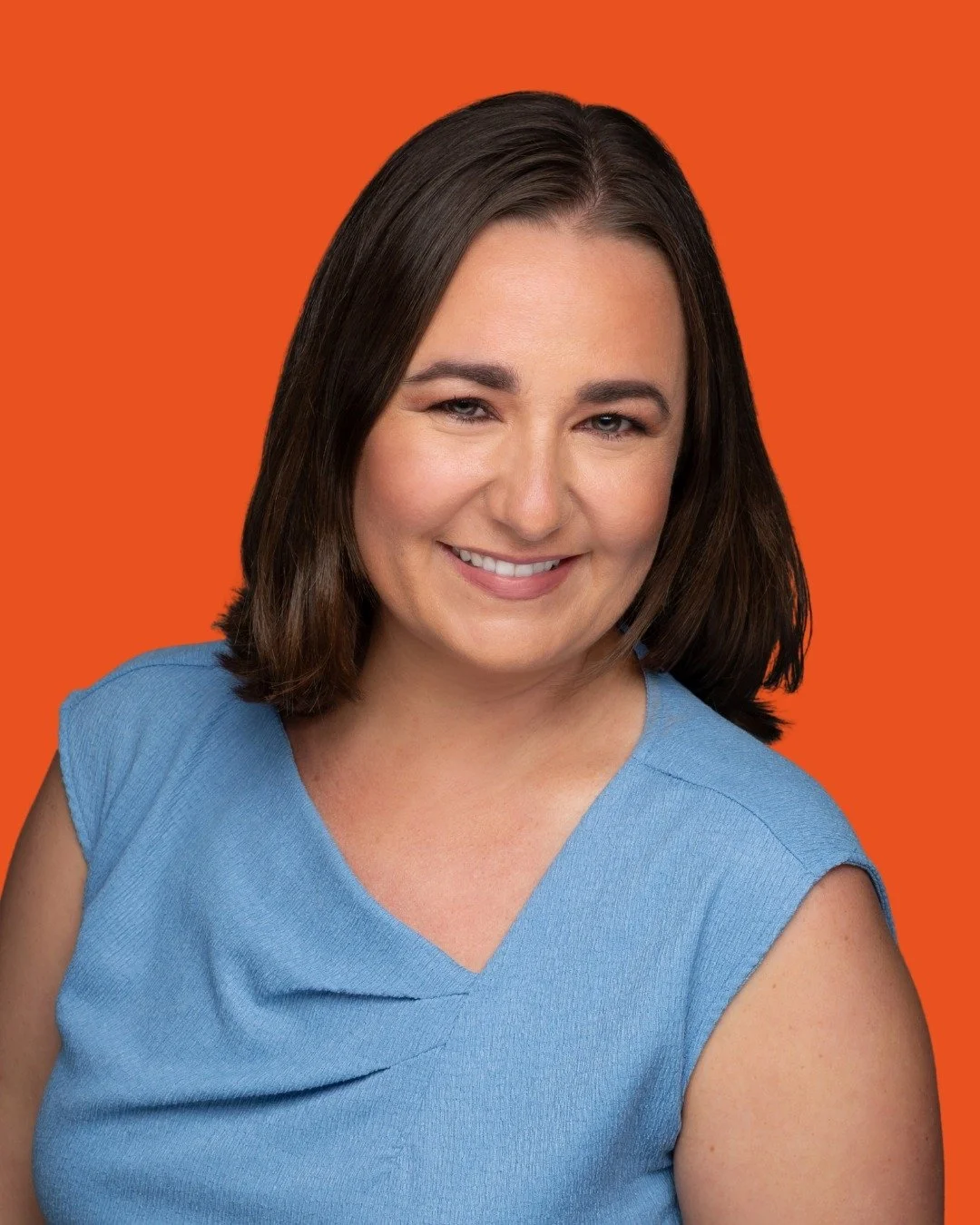
Jen Hernandez is a nationally-recognized registered dietitian, board-certified specialist in renal nutrition, and author of Plant-Powered Kidney Nutrition. In 2018, Jen founded Plant-Powered Kidneys, a virtual private practice and educational hub for people with chronic kidney disease. Jen helps people in all stages of kidney disease, focusing on evidence-based nutrition and lifestyle guidelines. The clients and students of Plant-Powered Kidneys learn how to preserve their kidney function so that they can delay or even prevent kidney failure and dialysis.

Meet Destiny - The host of The Chronic Illness Therapist Podcast and a licensed mental health therapist in the states of Georgia and Florida. Destiny offers traditional 50-minute therapy sessions as well as therapy intensives and monthly online workshops for the chronic illness community.
Destiny Davis, LPC CRC, is solely responsible for the content of this article. The views expressed herein may or may not necessarily reflect the opinions of Dr. Heather Olivier.