
Navigating Relationships When Chronic Illness Changes Everything
When chronic illness enters a relationship, everything shifts. And I mean everything. The way you divide household tasks, how you spend your weekends, your intimacy, even how you talk to each other about what's happening.
I sat down with Lisa Gray, a licensed professional counselor who specializes in high-conflict couples and chronic illness, to talk about what happens to relationships when one partner gets sick.

Both Partners Are Grieving (Just in Different Directions)
Here's something that doesn't get talked about enough: when one partner gets sick, both people are grieving. But they're grieving different things, and that can make it feel like you're pulling in opposite directions.
The sick partner is grieving their old self, their abilities, the future they thought they'd have. The well partner is grieving too—they've lost their hiking buddy, their partner who could help with everything around the house, the spontaneity they used to have.
The well partner still feels fine physically, so the sick partner might think, "What do they have to complain about?" Meanwhile, the well partner is taking on way more responsibility and might not be getting much empathy for how hard that is.
Lisa's approach is to externalize the illness. Think of it like a third person in your relationship. Instead of blaming each other, you're both looking at this chronic illness as the problem you're facing together. It's the same framework we use in parenting work when parents are fighting each other about their teen's behavior instead of working as a team.
The Communication You Never Thought You'd Need
Before chronic illness, you probably didn't sit down and negotiate who does what around the house. You might have never had a real conversation about intimacy or what you each need. You just sort of figured it out as you went.
But chronic illness requires so much more communication than you ever had to have before. And if you don't know how to have hard conversations without it turning into a fight, that's going to become a problem fast.
Lisa's big recommendation is: Don't wait until you're already mad to talk about the hard stuff. Most couples only bring up problems when they're already activated and upset about them. But when you're in that state, you're not in touch with the creative problem-solving part of your brain.
Instead, she recommends regularly scheduled conversations when you're calm. It feels awkward at first, but the point is to actual understand each other, not to jump straight to solutions.
Here's the framework:
One person talks for a few minutes (adjust based on what works for you—if you’re a verbal processor, maybe it's just two minutes)
The other person reflects back what they heard to make sure they understand
Only then do you move toward problem solving
The key is pacing this in a way that feels tolerable. You don't have to dump everything in the first conversation.
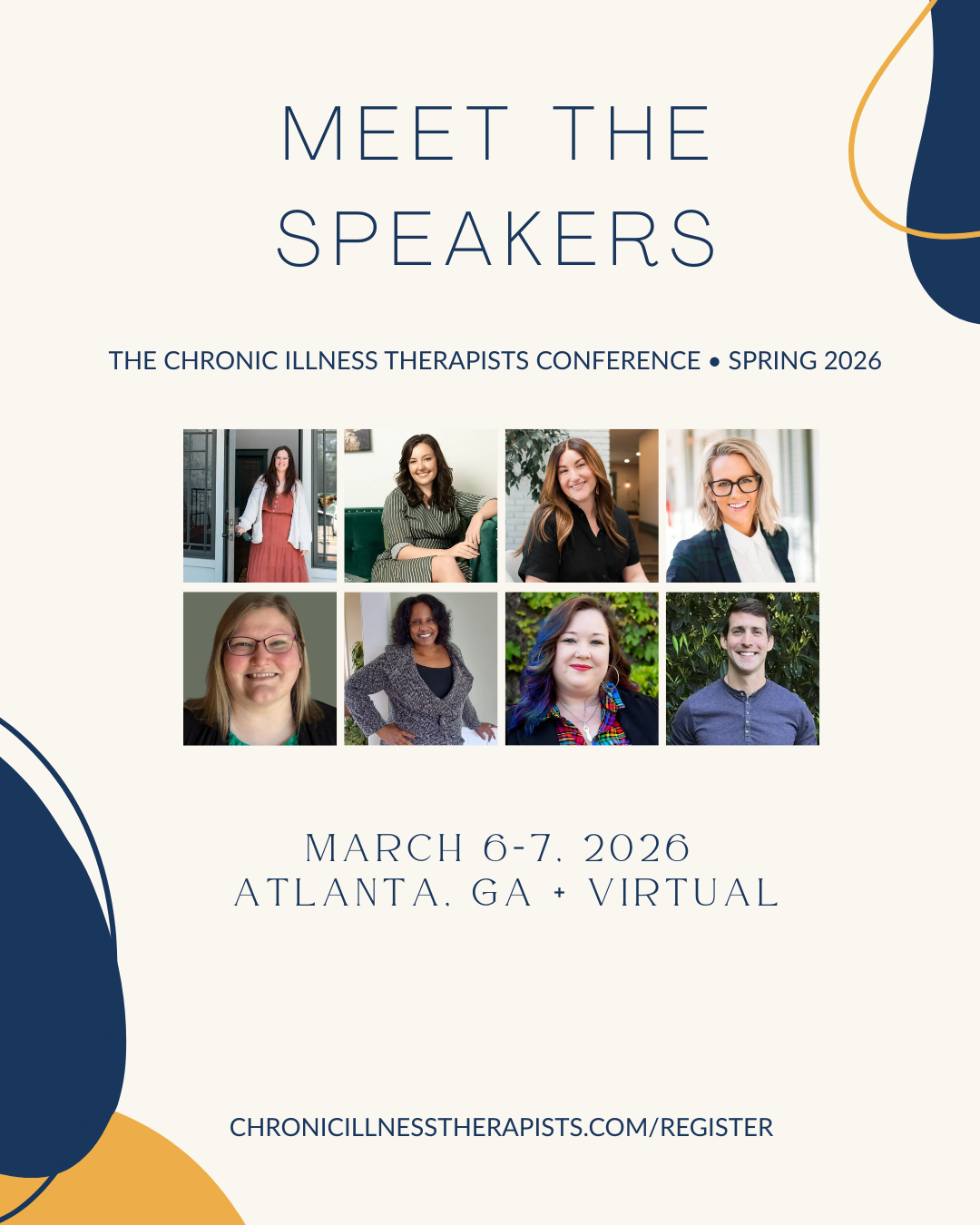
If you're a therapist or physical therapist working with couples navigating chronic illness, we're covering this exact work at The Chronic Illness Therapists Conference on March 6-7, 2026 in Atlanta, GA (and virtual).
Register here for 13 specialized CE hours you won't find anywhere else. Your chronic illness clients deserve more than 'listen to your body' - and so do you. (yes, those 13 CEs are for PTs too!)
Your Values Don't Change, But the Activities Might
One of the most powerful things Lisa talks about is the difference between values and goals.
A goal is something specific you can achieve: run a 5K, help your friend move, cook dinner for your family.
A value is the overarching thing behind that goal: taking care of your health, supporting your friends, showing love through acts of service.
When you get sick, you often can't meet the same goals you used to have. But you can usually adjust your goals so you're still living toward your values.
If your value is supporting your friends, maybe you used to do that by showing up with a truck when they moved. Now you might do that by calling them and being a listening ear when they need to vent. It's different, but it's not less than.
And yes, you're allowed to grieve that it's different. This isn't about toxic positivity or just "reorienting your values and you'll be fine." The grief is real and valid. It's just about not getting so stuck in that grief that you can't find meaning and joy in your life.
Intimacy When Your Body Feels Like a Battleground
Lisa doesn't shy away from the intimacy conversation in her book, and honestly, I'm so glad she doesn't. Because this is one of those topics that comes up constantly but people feel particularly guilty about.
Almost every chronic illness comes with fatigue. Add in chronic pain, medication side effects, and just the mental load of managing your condition, and suddenly your sex life looks completely different.
The well partner still has the exact same needs and energy they did before. The sick partner feels guilty for not being able to show up in the same way. And nobody knows how to talk about it without feeling terrible.
Lisa's approach is in alignment with what every sex therapist wants us all to know: sex is not just intercourse. Sensual pleasure, human touch, intimacy—these can look so many different ways. Think back to having a crush in middle school before you ever had sex. The feeling of holding hands or looking in someone's eyes felt amazing, right? That's not less than. We just forget about those things as we progress through life.
But when you're chronically ill, you might need to go back to that. And it might actually end up being more intimate than before. It's just going to look different.
Of course, this requires massive amounts of safety in your relationship. The well partner has to be on board with redefining what intimacy means. And the sick partner needs to trust that their partner isn't just going along with it while secretly resenting them.

When the Outside World Doesn't Get It
Lisa also talks about managing friends and family as a couple. Because the medical gaslighting and dismissiveness don't just come from doctors—they come from well-meaning relatives who don't understand why you can't just push through, or friends who think you're being dramatic.
It's your job as a couple to manage that together. You don't leave it to the sick partner to defend themselves alone. And if your partner isn't representing what's really going on to their family, that can feel like a huge betrayal.
Building trust means showing up as a united front. It means your partner believes you and communicates that belief to others, even when your illness is invisible and the labs come back "normal."
The Hardest Part
Here's what Lisa said that really stuck with me: this is chronic. It's not going away. And that's a reality both partners have to accept—not in an "it's fine" way, but in a "this is where we are today, so let's figure out what tools we need" way.
It's like what they say in recovery: I can drink tomorrow, but I'm not going to do it today. Science is always moving forward. Things could change. But this is where you are right now.
And that present moment awareness is a practice. It's not a failure when it's hard. This is genuinely difficult work, and you're navigating it like everyone else.
This blog post is based on an interview with Lisa Gray on The Chronic Illness Therapist Podcast. For more resources on navigating healthcare challenges, subscribe to our newsletter and follow us on social media.
If you're a therapist or physical therapist working with couples navigating chronic illness, we're covering this exact work at The Chronic Illness Therapists Conference on March 6-7, 2026 in Atlanta, GA (and virtual).
Register here for 13 specialized CE hours you won't find anywhere else. Your chronic illness clients deserve more than 'listen to your body' - and so do you.
Disclaimer: Everything we discuss here is just meant to be general education and information. It's not intended as personal mental health or medical advice. If you have any questions related to your unique circumstances, please contact a licensed therapist or medical professional in your state of residence.
Destiny Davis, LPC CRC, is solely responsible for the content of this article. The views expressed herein may or may not necessarily reflect the opinions of the guest.
The content in this blog post comes directly from a real, human interview between Destiny and her guest on The Chronic Illness Therapist Podcast. This written version was formatted using AI. Listen to the full episode to hear the actual conversation.
Listen to my full conversation with Lisa Gray on Ep 118: Navigating Relationships When Chronic Illness Changes Everything
-
Episode transcribed with AI and may contain errors that are not representative of the actual word or meaning of the sentence.
Destiny Davis LPC CRC: [00:00:00] If you're a licensed medical professional and you're listening to this podcast, I already know that you're amazing at what you do.
but treating chronic pain and illness is work that's complex. It's messy. It hits finances. It hits health anxiety due to diagnostic uncertainty and. Prognosis
and also the most intimate parts of your client's lives like sexuality, generic CE courses. Simply don't prepare you for that, and that's exactly why we built the Chronic Illness Therapist Conference. This is not another general mental health course. It's 13 approved CE hours for both therapists and physical therapists in the exact nuanced topics that you all have been asking for for a while, like integrating financial therapy, navigating diagnostic limbo, deep clinical work on body partnership, like helping clients be less scared of their body while navigating scary conditions.
This conference is really an invitation to stop relying on generalized tools. if you're a physical therapist, a licensed professional counselor, a certified [00:01:00] rehabilitation counselor, a social worker, this is the specialized training that moves your practice forward.
Tickets are moving fast for both the in-person and virtual experience, so we'd love to encourage you to secure your spot and your 13 ces. Right now by clicking the link in the show notes.
The struggles you're having in the therapy room are not unique to you, but they often feel like we are all alone in them because no one's really talking about it. This is an evidence-based, nuanced, highly specialized set of speakers who bring both lived experience and professional experience.
In what we think is the most impressive way. We would love to see you there. We are hoping that our first year is such a success that we can continue doing it year after year, and we really do need your help to make that happen.
Go secure your spot and your 13 CES right now because the link is in the show notes. The episode will be waiting for you as soon as you're done. By the way, you can use the Code EARLYBIRD for $100 off a professional or executive functioning package ticket.
The Chronic Illness [00:02:00] Therapist Podcast is meant to be a place where people with chronic illnesses can come to feel, heard, seen, and safe. While listening to mental health therapists and other medical professionals talk about the realities of treating difficult conditions, this might be a new concept for you, one in which you never have to worry about someone inferring that it's all in your head.
We dive deep into the human side of treating complex medical conditions and help you find professionals that leave you feeling hopeful for the future. I hope you love what you learned here, and please consider leaving a review or sharing this podcast with someone you love. This podcast is meant for educational purposes only.
For specific questions related to your unique circumstances, please contact a licensed medical professional in your state of resident.
Destiny Davis LPC CRC: Mental health professional with a private practice in the San [00:03:00] Francisco Bay area, where she specializes in high conflict couples and chronic illness and pain. Lisa is passionate about teaching couples to practice healthy conflict so that their relationship can thrive and grow.
Lisa is the author of two books, healthy Conflict, happy Couple, and Thriving in a Relationship When You Have a Chronic Illness. She lives in the San Francisco Bay Area with her family and three large dogs. Thank you so much for being here. I think when we, when we think about a high conflict couples, the image that comes to mind is a lot of fighting, um, yelling, like maybe also some physical abuse or like things like that.
Um. When we think about chronic, when I think about the relationship burdens that happen when a partner has a chronic illness, I think a lot of that is a lot more silent, but still probably like a lot of overlap and probably a lot of parallels between the two. Can you, yeah. Can you speak more to that?
Lisa Gray: Yeah, I mean, I think you're right when, when chronic illness comes into play, there's so much guilt and resentment and [00:04:00] quiet, you know, things going on underneath the surface. But like healthy conflict is both about too much conflict and also about being afraid to have the conflicts that you need to have, you know?
And so like chronic illness requires so much more communication than you ever had to have before. And if you don't know how to have conflict. gonna become a problem, you know.
Destiny Davis LPC CRC: Yeah, absolutely. What are some of the things that you like right off the bat? What are some of the, even maybe like in your intake or like the first kind of few things that you are doing with clients to start to suss out what their conflict even looks like.
Lisa Gray: Yeah, I, I like to have them give me an example usually of a recent conflict, you know, and try to track, um, conflict cycle in some way. And usually people have a pretty, standard way that they conduct their argument. So the topic will change, you know, but it's like this person always brings it up, then that person gets defensive, then this [00:05:00] person with withdraws, you know? So if you can sort of identify at the beginning. What's getting in the way of them having a healthy conflict? You have to establish like a, a way of having hard conversations so that you can negotiate and renegotiate all the things that need to be renegotiated when you get sick. Yeah.
Destiny Davis LPC CRC: Yeah. Yeah, that makes perfect sense. How did you develop a niche into the chronic illness side of this work?
Lisa Gray: Yeah, so I was mostly a couple's therapist, just just working with all the standard couple issues and then I got sick, so, um. It took me about, uh, nine years to get a diagnosis of, uh, hypermobile Danlos syndrome. Um, you know, 'cause everyone says your lab results are fine and everything's
Destiny Davis LPC CRC: Yeah.
Lisa Gray: all the time. Um, so anyway, as I was going through that process of just not feeling good, not being believed, um, you know, all the things. [00:06:00] It's like the universe just works in this way that pretty soon all the couples that were coming to me, it seemed like there was some component of chronic illness, I could understand that because I was also going through the same thing.
And so my niche kind of expanded not just to couples, but couples experiencing this particular process.
Destiny Davis LPC CRC: Yeah. What are some of the things that you do to help the partner who's not sick? Start to like understand what is that process starting to look like?
Lisa Gray: Yeah, I think part of it, especially if they're willing to come to therapy, but as you know, like so many people are not, but if they're willing to come to therapy, I think it's about developing empathy and, and getting them to position themselves in a place where it doesn't matter what your partner says, you believe them, and coming from a place of belief and empathy. Now you can have the conversations that you need to have, but you're never gonna get to the conversations you need to [00:07:00] have if you don't even believe what your partner's saying.
Destiny Davis LPC CRC: Yeah. Which is why I'm sure like the common advice of like, you know, just ask for what you need and you know, it, it's not gonna go anywhere if the other partner doesn't, even if there isn't even a foundation of just pure belief. I.
Lisa Gray: Absolutely. Right.
Destiny Davis LPC CRC: Yeah.
Lisa Gray: Yeah.
Destiny Davis LPC CRC: Um, what are some of the obstacles that you find in this work? What are some of the things that come up that's like, you know, this is the hardest part about managing or navigating these conversations?
Yeah.
Lisa Gray: I think it's that. Um, and it's, it's one of the reasons why it was kind of hard to write the book because not only is every. Couple entirely unique, but every illness is entirely unique, you know, and so part of the big barrier that comes up is that both partners are grieving. Both partners are facing a huge adjustment to their lives. But in different ways. So you know, like the well partners still feeling fine, but now they don't have a [00:08:00] partner who can still hike with them or you know, golf with them or whatever it was. And they're burdened with a lot more of the household things. And so they've got all this stuff going on and may not be getting a ton. Empathy from their partner who's sick about that. And then the sick partner, of course, their whole life has fallen apart and they can often be resentful, like, you know, what's my partner's problem? They're still fine. So you know, why are they having such a hard time? So I think it's like they're going in different directions, but both grieving and both really reeling and trying to reorient themselves.
And so it's trying to get them on the same page as a team. Against this chronic illness is the first sort of orientation that you're trying to make so that they can look at like kind of externalizing this problem, like this is now a third person in your relation, in your relationship, this chronic illness.
So instead of blaming each other, let's blame the illness, you know?
Destiny Davis LPC CRC: Yeah. Yeah. Yeah, exactly. Can you say [00:09:00] more about that piece, what that looks like to, um, start to look at the, the illness as a third partner?
Lisa Gray: Yeah, I think that it's so much easier if you can externalize it to, to realize that it's no one's fault, so there doesn't need to be any blame. But it's, it's this thing. It's kinda like, you know, when you have kids or any other major change in your relationship, you, everything has to be renegotiated now.
So if you can look at it as an external thing in your relationship, now you can say, okay, we are facing this problem. This is the reality that we're in, and how can we come together and have more conversation and renegotiation and empathy for each other while we're trying to readjust our lives to this new reality?
Destiny Davis LPC CRC: Yeah, it again, yeah, just taking the blame off of. And looking together at one thing. I mean, this is the same thing I think we do within parenting work. You know, parents are fighting each other about the teen's behavior. And it's like, this is, we are on the same team, not fighting our [00:10:00] team, but like we're, we're not fighting our child, but we're fighting some kind of force out there that is, um, impacting our whole family rather than just me and my husband or me and my partner trying to, yeah.
Lisa Gray: Yep.
Destiny Davis LPC CRC: Yeah.
Lisa Gray: so.
Destiny Davis LPC CRC: What is another part of the, um, I guess so tell me a little bit more about the book you said, because you said, you know, it's kind of hard to to write about this because every illness is different. Every couple is different, but there are some through lines, which I'm sure. Can you tell me a little bit about the, the through lines that you've found?
Lisa Gray: Yeah, so, so when I was writing the book, I, I was actually walking one day. I was thinking about, um, I'm basically an ACT therapist and acceptance and commitment therapy kind of person. And there's like six core skills to that. And I was thinking about the stages of grief, which of course we all know. They're not stages. There's nothing organized about it, you know, but the emotional experiences represented by those stages, [00:11:00] like anger and depression and bargaining are things, I think everyone with chronic illness can recognize those emotional experiences. And I thought, what if you could pair those together and like sort of give someone a skill for each one of those emotional?
Experiences. And so that's kind of how I started weaving it. And so yes, I mean, if your partner was fine yesterday and they fell off a ladder and got a traumatic brain injury, that's very different than if you've just spent 12 years getting a Lyme disease diagnosis. Right? But. The grieve, you are gonna be going through a grieving process just the same, and you are gonna be experiencing anger and bargaining and depression and all of those things as you go through that.
So that's kind of the through line is everyone's grieving. You might be in different experiences in that, but there are some skills that can kind of help you
Destiny Davis LPC CRC: Yeah.
Lisa Gray: rebuild.
Destiny Davis LPC CRC: Yeah. And so your book goes into those skills, right?
Lisa Gray: Yeah.
Destiny Davis LPC CRC: Yeah. And, and I think it's, we're not playing any Olympics [00:12:00] here, but I think it's can be harder when the diagnosis is not, um, when it isn't clear cut. This accident then changed our, it's like you've been from to doctor, after doctor, after doctor who has told you it's not real or it's in your head, or they just, or we understand something's wrong with you, but we don't know what it is.
And so then your partner is like, okay, well can we just stop talking about it then? And can we just be done with it? Like live your life. And it's like, I am living with this every single day. Um, yeah. I often tell.
Lisa Gray: it's invisible, right? Like so many of them are invisible. I mean, I do have clients that are in wheelchairs or, you know, other visible kind of disability situations, but most chronic illnesses or many chronic illnesses are totally invisible. So you're, you look fine to your partner and everyone else, you know? Yeah.
Destiny Davis LPC CRC: Yes, it is. It's so jarring to, it can be jarring even to our, even to ourselves. We're like, I look fine. I, I don't look like, you know, and, and yet for some reason it's hard for me to get out of bed [00:13:00] and, um, it just looks like I just don't wanna do the laundry and I don't wanna do the dishes and, you know, but man, yeah.
mustering up your energy for. All of the tasks that are required. And also I think I'd be remiss not to mention, you know, we all live in these like American cultures, like the two family household, and it's less, it's just too, I've always thought like it's too much for any two people and.
Lisa Gray: Totally. Yeah. I mean the hustle culture that like I have to be productive to have self-worth, all of that stuff gets totally in the way when you need to manage your energy and do what's right for you. It just doesn't fit into the larger culture for sure.
Destiny Davis LPC CRC: It does. Yeah. Do you touch on any of that in the book, or what do you think is, and that's okay if not.
Lisa Gray: Um, yeah, not so much. It's, it's more about like, like kind of defining your personal values and your values as a couple so you can build a life that still has meaning to you, even if it doesn't look like it used to look,
Destiny Davis LPC CRC: Yeah. Let's define values for [00:14:00] people who maybe, you know, hear that word and don't fully know, like, okay, what does that mean?
Lisa Gray: Yeah. So a value is different than a goal in the sense that you can, you cannot necessarily achieve a value. You can always be moving towards a value. So, for example, um, to get eight hours of sleep is a goal. Right. But to to take care of myself and be healthy and well rested is more of a value. So. The distinction there is important because when you get sick, oftentimes you can no longer meet all the goals that you used to have for yourself, the values that were behind those goals, you can often adjust your goals. So that you're still living towards those values, even if the activities and goals look different. So they're more overarching, they're like the things you'd want someone to say about you at your funeral, you know what I mean? That those kind of [00:15:00] more like compassionate or you know, um, those, those sorts of things
Destiny Davis LPC CRC: Yeah.
Lisa Gray: like particular activities.
Yeah.
Destiny Davis LPC CRC: Yeah. Like they were, you know, always, um, always there when I called on, like if I needed anything or if I needed a listening ear, they were there for that. Or they, whenever I did talk to them, they showed up with kindness or this or that. And so, um, how do we do that even when we can no longer maybe help our friends move because we can't physically can't do that, but we can physically call them and, and hear them vent about the move or something like that.
Lisa Gray: Exactly like if the value is supporting your friends, you might have used to do that by actually showing up with a truck or something when they're moving. Right now you can still do that value, but it's gonna be just a different way of getting to that. And so I think that's really important. 'cause a lot of times when we get an illness, we can feel kind of useless in the sense of like the things that we. to the ways we used [00:16:00] to express our values, we can't do that anymore. So what's what's our purpose now? But there's not very many times you can't find a different way to live your values, but it is gonna be different than you thought it was gonna
Destiny Davis LPC CRC: Yeah. Yeah, and that's where the grief comes in. I, I think it's.
Lisa Gray: Yeah.
Destiny Davis LPC CRC: Sometimes when we do talk about ACT and making different choices based on our values, like sometimes people hear the conversation, they're like, that's great, but like, I don't wanna do something different. I wanna be able to run the mile that I used to run.
Or it's like, yes, then that is totally valid, and that's where the grief work comes in, because you're allowed to grieve that.
Lisa Gray: Yes, absolutely. And I think actually it's really important that you do grieve that because you know there's a reason why depression is one of the emotional experiences of grief or, or anger, because this isn't fair. We didn't deserve this. You know what I mean? So it is really important to grieve that. And it's okay to grieve that. No one's saying like, just, you know, just [00:17:00] reorient your values and you'll be fine. Um, it's not that, it's that it's, you're allowed to grieve and continue grieving what you lost. It's just about like not getting so stuck in that, that you can't have some meaning and joy in your life.
Destiny Davis LPC CRC: Yeah. And then I'm sure that's something we're negotiating in couples work is like, how do, how do each of us grieve and what is it? Do you take your partner's grief personally? Especially if you're the one who's sick and they're not, and they're grieving. We take on all of this shame and guilt and blame, and it's just like they, they are allowed to have that experience.
They need to have that experience. And it's not because you are a burden, it's because like, again, you are also grieving. You don't. You didn't want this. You didn't, you know, it's, it's a tricky conversation, but it's really important.
Lisa Gray: Yeah. sometimes, uh, just in my own personal life, I've used this
Destiny Davis LPC CRC: Yeah.
Lisa Gray: of like when my partner needs to talk about the grieving process, pretending for a minute, like [00:18:00] he's just talking about someone else, so that I can, I can get myself a step distance away and just be compassionate about it without necessarily.
Taking on the blame or shame about that experience.
Destiny Davis LPC CRC: I was just in my support group right before this and was trying to explain this concept, and my brain isn't working much these days, so I was stumbling a little bit. But, um, the concept of which an act in acceptance and commitment therapy is called self as context, but it's being able to, see yourself
Lisa Gray: Yes.
Destiny Davis LPC CRC: of the situation?
Lisa Gray: Yeah.
Destiny Davis LPC CRC: So yeah, this is a really, and this is where I think the how of it comes in because you know, we can talk about like seeing yourself as a separate person, but then how there are these more in-depth skills. That act, I think does a really good job at teaching. Um. So that you can just visualize yourself as a separate, like literally as if you were outside of your own body, watching yourself talking to your partner on a, you know, through a [00:19:00] TV screen.
Um, yeah.
Lisa Gray: Yeah, the what the one metaphor I love for selfless context is like you're the sky and your chronic illness and all of those experiences are like the weather, you know? So yes, like sometimes you can't see the blue sky. Sometimes it's rainy, sometimes, you know, you have all these experiences and they're all very valid, but you're something that's beyond that.
There's a part of you that like. Exists beyond the plane of just the weather, you know? And so if you can orient yourself in that way, you can observe your experiences in a more like kind of partial way and your partner's experiences without kind of really jumping into Defend or,
Destiny Davis LPC CRC: Yeah,
Lisa Gray: Yeah.
Destiny Davis LPC CRC: Yes. I love that example. Um, what are some other, other examples or metaphors or things that come up for you when you're thinking about managing conflict [00:20:00] in a, in a relationship?
Lisa Gray: Yeah. you know, the main thing about managing conflict, and this totally applies with chronic illness as well, is like most couples in my experience anyway, is most couples only talk about the problems that they're having when they're already mad about it.
Destiny Davis LPC CRC: Yeah.
Lisa Gray: I mean, it's like, why, why do you wanna talk about this on a perfectly good Saturday morning when everything's fine?
Right? So you wait until you're, you're activated by something and then you're talking about it. But that's a really not a great time to talk about it, you know? And so I think like, especially with chronic illness, the need for a regularly scheduled time and place to just have these calm conversations when you're not in the middle of feeling resentful or. or whatever it is, is really important. 'cause you can't have, not in touch with the creative problem solving part of your brain when you're already activated and mad. yeah.
Destiny Davis LPC CRC: [00:21:00] Yeah. All of that goes out the window and.
Lisa Gray: Yep.
Destiny Davis LPC CRC: That's just a normal human experience. There's nothing wrong with you for having that. That is just how it is, and that's why it's so important to have these kind of meetings or, um, discussions. Do you provide a framework for those discussions or how do you, how do you prepare clients and maybe also in your book.
Lisa Gray: Yeah, usually I try to practice it in the sessions. The idea of this like sort of speaker listener kind of situation where. One, you know, the, the point of the conversation is really understanding, so most people move way too quickly into problem solving, and they haven't really understood each other yet.
And so, but the, the whole idea of that speaker listener thing feels awkward to people. And so I like to do it in the sessions so that they get a felt experience of how good it feels to be understood. And once they have actually experienced that feeling. It's much easier for them to kind of make that [00:22:00] container at home because they, they've, they have felt the benefits of doing that.
But if you just send them home and say, do this speaker, listen, like the, it's not gonna happen. They're not gonna be able to do it.
Destiny Davis LPC CRC: Yeah, definitely. Are there, what are some other details of the speaker listener piece? Like, um, do you have them, like are they writing things down when they're listening, or how do you, what is your framework or set up for that?
Lisa Gray: Yeah, I think first of all, you know, it's important to know your client. 'cause if, if you are neurodiverse. Or you have, um, like A-A-D-H-D or something, you know, you're not gonna be able to listen to your partner for 20 minutes.
Destiny Davis LPC CRC: Yeah.
Lisa Gray: you have to, you have to know who you're working with. You know, sometimes it's just a two minute thing, like, I'm gonna talk for two minutes and then you're gonna tell me that you understand what I said. Sometimes you can go longer if people have the tolerance for that, but you have to sort of custom make it for people. But the idea being that. There's these chunking. You're chunking information so that you're telling your partner how you're feeling, making sure that your [00:23:00] partner really understands what you're saying, then if they can, they can validate. Not a completely necessary part of the process, but if they can, it's good. And then, you know, you switch and both people have a chance to feel understood. And only then would I move towards problem solving. So, you know, in my first book, healthy Conflict, happy Couple, I, I actually make them split those up into two totally separate conversations because it's so tempting to move towards problem solving when you haven't really understood each other yet.
Destiny Davis LPC CRC: Yeah. Yeah, absolutely. Yeah. How did your, tell me a little bit about the evolution from your first book to your second.
Lisa Gray: Yeah, the first book, it was interesting 'cause the pandemic hit, you know, and instead of doing sourdough bread, I decided I'm gonna just sit here and like write down everything that I say every day to people all the time. And I just did a brain dump, you know? So that book was actually relatively easy to write because conflict, you know, healthy conflict. The rules [00:24:00] about healthy conflict are the same if you're talking to your partner or your mom or your boss, or you know, there's not a lot of difference across, um, different. Populations. So that was sort of just a brain dump and fairly easy to write. And then my editor, who I love, she was like, you know, you have this lived experience of a chronic illness and you're working with all these couples that have chronic illness and there's a lot of great books on chronic illness, but there's not really much out there on happens to your relationship when you have a chronic illness.
Um, so she was like, why don't you. Try to write about that. And so, you know, as I said, it was much harder thing to write because I kept thinking of all my clients and like, oh, this would apply to them, but it wouldn't really apply to them. You know? And it's like that's one of the problems with writing a book is like you can't hit every nuance, you
Destiny Davis LPC CRC: Yeah. Yeah. I think social media is the same way.
Lisa Gray: Yes, exactly right. You know, and so it's great. It's a good medium. It's just that, don't [00:25:00] expect it to speak to your exact experience.
Destiny Davis LPC CRC: Yes.
Lisa Gray: it's impossible to do that. Yeah.
Destiny Davis LPC CRC: That makes perfect sense. And what is the kinda outcome of the second book? Like what is the, um, the desired outcome for the reader?
Lisa Gray: I think the desired outcome is to be firmly standing in the reality of where you're at. So, so yes, grieving your past life, but not feeling stuck like you're constantly trying to get back there. Also, not feeling constantly pulled for some miraculous cure. Of course, we're gonna keep pursuing every option, but this idea that. You're sort of standing firmly in the reality of where you are with some kind of acceptance that's a, you know, hard word, but some kind of acceptance. Not that it's okay, but just that this is where you're at right now and that. And the ability to be able to communicate, have empathy for each other, and work together on all the adjustments that need to be made there.
And that is [00:26:00] just a constant in motion. I mean, it's never gonna end because this is chronic, you know, but just that ability to be like, here's where we are today. Here's the challenge we're facing. What tools can we use to address this?
Destiny Davis LPC CRC: Yeah. What does that conversations usually sound like with people when you're trying to educate around? This is chronic and lifelong, but doesn't mean it has to look exactly as it is today.
Lisa Gray: Yeah, think, I mean, again, it's so unique to every person, but there's a lot of allowing room for the anger that comes up around that, because you should not have to adjust to this being your reality for the rest of your life. And yet it is, you know, um. And a lot of times I, my best friends a recovering, uh, alcoholic.
And one of the things that really helped her when she was recovering is she would always say to herself, I can drink tomorrow, but I'm not gonna do it today. You know,
Destiny Davis LPC CRC: Yes.
Lisa Gray: this whole like concept of like, I have no idea. Unlike science is always moving forward. They could come up with a cure tomorrow, who [00:27:00] knows?
But this is just where you're at today, so let's try to stay. I mean, again, an act skill of being in the present moment and trying to have this present moment awareness that. Things could always change, where we are right now. Yeah.
Destiny Davis LPC CRC: Yeah, I think that's a very, very difficult skill is to, um, without so much practice, it feels easy to me now, but not in the beginning.
Lisa Gray: And also it's not a failure when it's hard to practice.
Destiny Davis LPC CRC: Okay.
Lisa Gray: this is hard stuff. Like, so if you, you know, if you're in the process of trying to come to some acceptance of the, of your present reality and you're having trouble with that, that's normal. And know, this is a long process of practice, like you're saying.
And so don't beat yourself up for how hard this is. Like, hard.
Destiny Davis LPC CRC: Yeah. Yeah. So it sounds like. In therapy, you know, both partners really get a, a place to be angry. They both get a place to like say [00:28:00] all of the things. I think that's actually, I, I, I find like a lot of times folks are scared to go to therapy because they know that's gonna come up and they're trying so hard to keep it bottled inside and, and not bring it, let let it come out.
Lisa Gray: Yeah, and I think as therapists it's really important, especially as public, as, um, couples therapists to like educate our clients that like the pacing is yours. You know, like we don't have to move faster in this process than you're able to cope with. So if you, you know, if you don't need to come in and do the whole dump the first session, like, let's pace this in a way that feels like it's tolerable to you.
You know,
Destiny Davis LPC CRC: Yeah.
Lisa Gray: scary. Yeah.
Destiny Davis LPC CRC: And you mentioned A DHD earlier, and I know that that's a really common struggle for ADHDers is to not like, go into all the details. And I know for, in my experience, I think that that's such a strong desire to be understood and having a lifelong, uh, experience of being misunderstood. Um, they come in [00:29:00] and like, yeah, it's a mixture of like all of the different things that come along with a DHD, um, you know, struggling with impulse control.
Um. And so they wanna kind of like, and then they might even feel really, uh, dismissed if we don't let them like tell the whole story. How do you manage that in session?
Lisa Gray: Well, one of the things that I try to do is provide a lot of compassion for the experience. You know, like I want you to get what you want, which is to tell the whole story and be understood, but if your partner doesn't have a tolerance for that. Doing that is just gonna hurt you more, you know? And so sometimes I will help people have other tools like, like, you know, between sessions there, most people's phones have like voice memos on them.
Like, like make voice memos, like talk it out, but not necessarily to your partner. Then let's figure out what your partner can tolerate. As we go and build their tolerance for hearing what you [00:30:00] have to say, so that at some point you should be able to do that, but maybe not the first day,
Destiny Davis LPC CRC: Yeah, such a pacing protocol.
Lisa Gray: Yeah.
Destiny Davis LPC CRC: Do you talk about pacing in the book?
Lisa Gray: Uh, I do in terms of like energy pacing, I think like, you know, with all chronic illness, like energy management is the thing, you know, to just be able to not overdo it when we're feeling great and, you know, be, do what we can do. But yeah, a little bit. Yeah.
Destiny Davis LPC CRC: Yeah, because it's, I think, an interesting concept to navigate pacing then within a relationship. Even just verbal pacing, um, not just your own energy limits that you're having to adhere to. It's also your partners.
Lisa Gray: Right. Yeah. And I, I just finished a book on autistic burnout and it's like, also, not only do you have the chronic illness, but there's a lot of overlap with neurodivergence and chronic illness. And it's like, you know, also sometimes even just communication takes a lot of energy,[00:31:00]
Destiny Davis LPC CRC: Yeah,
Lisa Gray: Yeah.
Destiny Davis LPC CRC: totally. Even when you're, when you are the one that like wants to kind of just get it all out and like say, and talk a whole lot, I think it still has an energy drain that. You might even ignore or like you don't fully admit to, but
Lisa Gray: Yeah.
Destiny Davis LPC CRC: be just as energy draining for, for that person, even though it seems like they, they like to talk and they want to talk and, and, but it can be draining and then even draining when they're trying to change the pattern around like pausing and checking in and not going full force.
Uh, yeah, really, really exhausting.
Lisa Gray: It, it's very exhausting. Yeah. And I think like it's important to always be monitoring when you expend energy monitoring how, what the fallout of the of that is so we can learn our own rhythms and you know, teach ourselves to be careful practice the self-care that we need while we're trying to communicate all this stuff.
Destiny Davis LPC CRC: Yeah, absolutely. What are some other [00:32:00] topics that come that come up in the book?
Lisa Gray: I, I do talk quite a bit in the book about intimacy. 'cause you know, I mean this is a huge problem with chronic illness. I mean, almost every chronic illness has a fatigue factor. Even if, even if it's not a reproductive, chronic illness or something that's directly affecting you in that way, you're still gonna have fatigue issues. Uh, pain, chronic pain, I mean, all of this is gonna affect intimacy, and that's one of the really hot topics that comes up because the healthy partner has the exact same energy and needs that they did before. And it's one of the topics that I feel like people feel particularly guilty about not being able to like. Like, provide that in the same way for their partner. Um, and I love the book Desire where they say like, your pleasure is your problem. You know, so, so like, don't be putting that on your partner, you know? But is a hard conversation to have. Like, most people have trouble talking [00:33:00] about intimacy, even if nothing's wrong. And then you add in chronic illness and trying to negotiate this and have this conversation without feeling bad without. Pressuring your partner to be doing something they shouldn't be doing. Um, it's a really, really tough conversation.
Destiny Davis LPC CRC: Yeah, it is. It is. Um. Yeah, tell me a little bit more maybe about what, what you bring up in the book. Is it, is it like a lot of communication strategies or is it, um, what are some of the things that you talk about in that regard?
Lisa Gray: Yeah, it's a lot of communication strategies, but also a lot of trying to help people understand that sex is not just like intercourse, like. sensual pleasure can be it. It's kinda like we were talking about values and changing activities with your values. It's like, like the power of human touch is so amazing and most of us can do that in small ways, even if we're not capable [00:34:00] of doing some of the, you know, kind of more basic activities that we used to do.
And so I'm trying to kind of help people understand, like, let's scale this back and just talk about. Pleasure, sensuality, touch the easy things. That's not less than, you know, it's, it's just that, because we could do these other things we did, but like it's not less than. If you think back to, uh, one of the things that I say to my couples is think back to someone you had a crush on, maybe in like middle school or something before you ever had sex, right? remember how like. Amazing. That feeling was just the like holding hands or looking in their eyes or whatever. Like for some of us, that's like our best memory, right? It's not less than, but it's just, we forget all those things. You know when, when we progress in life and we're healthy and all that stuff, but when you get sick, can go back to that and it actually might end up being more intimate
Destiny Davis LPC CRC: Yep.
Lisa Gray: than before,
Destiny Davis LPC CRC: [00:35:00] Totally.
Lisa Gray: But it's gonna look different.
Destiny Davis LPC CRC: Yeah. Yeah. And obviously, of course, requires so much safety in your relationship. Other person also be on board for the fact that sex can look this way, intimacy can look this way, and it's just as enjoyable, if not more sometimes.
Lisa Gray: Right. Yeah. And you know, and of course you know, this applies across relationship styles and depending on what the structure of your relationship is, or if you're like ethical non-monogamy, then you've got more partners to negotiate with. So, you know, things can really change. And communication is so important so that everyone is on the same page about what's happening.
Destiny Davis LPC CRC: Yeah, exactly. Yeah. Good. Um, yeah, what else? What else comes to mind?
Lisa Gray: Gosh. Um, well, I mean, I think I, I talk a lot in the book too about managing as a couple, managing like friends and family, you know, setting boundaries with like, you know, your friends [00:36:00] and in-laws and being each other's protection against being overwhelmed by what's coming into your relationship from the outside too. Both medical gaslighting and trauma and. The ways that other people dismiss your pain or your your symptoms and kind of like understanding that also it's your job as a couple to manage that together. You don't just leave that to
Destiny Davis LPC CRC: Yeah.
Lisa Gray: ill. You can manage that as a couple also and help like co-regulate each other against all these outside intrusions as well.
So there's that also.
Destiny Davis LPC CRC: Yeah. I think that's a common thing that I come across, uh, in couples work is like. Sometimes it's like, my partner doesn't know how to explain this to my family, to his family, or to their family, um, or they just don't, they don't tell anybody about it at all. And it's like, it makes you feel so much more alone and isolated.
Yeah.
Lisa Gray: Mm-hmm. Yes. And also can really diminish trust, right? Because if your partner is kind of like selling you down the river with their family, like, you know, [00:37:00] kind of like not representing you as, as what's really going on for you, it can feel like really a betrayal, you know? So like, again, this requires a lot of communication and empathy and being on the same page so that.
You're presenting as sort of a united front to your friends, your family, you know, and building strategies so that everyone know knows what's happening for you. Yeah.
Destiny Davis LPC CRC: Yeah, and also with intimacy and, and. And especially intercourse because I think that's, that requires the most amount of trust, the most amount of safety. Um, and so if that's, especially if your partner is looking for that, it's like they better be making you feel safe. They better be on the same page here.
Um,
Lisa Gray: Absolutely.
Destiny Davis LPC CRC: yeah.
Lisa Gray: And again, like if you're the therapist, you can really kind of befriend that part of the healthy partner. Like, look, you know, I'm, I want this for you, but you're not gonna get it the way that you're doing [00:38:00] it. You know what I mean? You're not gonna get your needs met by pressuring someone or disregarding their symptoms or whatever.
I'm on your team. I want you to get your needs met. But we're gonna have to shift the way we talk about this and the way that we approach it. Or you're never gonna get your needs met.
Destiny Davis LPC CRC: Exactly. Yeah. Building trust and safety is a, I always say it's like drinking water. Like you can't just drink a gallon of water and then be good for the rest of your life. You have to sip water throughout the day, every day. Um. When you don't, there's problems
Lisa Gray: Yeah. Right. Yeah. It's like if you're thirsty, you should have already been drinking water. Right.
Destiny Davis LPC CRC: exactly.
Lisa Gray: So, so, so, you know, kind of that's a good point of like helping couples develop some sort of consistency in their communication, in their touch, in the ways that they talk about their challenges. Because if you wait till their emergencies, it's just such a less effective conversation.
Destiny Davis LPC CRC: Yeah, yeah, definitely still [00:39:00] workable. But then we're, we're just doing, we're doing damage control and tra and trauma work before we're moving into that more like, and here's how to optimize or to like make better. It's like we have to actually, yeah, we have to do some, a lot of repair before we can get to that.
Lisa Gray: Yes. Yeah, and you know, like for most people in terms of like intimacy and household roles and things like that, a lot of couples never negotiated that stuff in the first place. So it's not like they're renegotiating something they already had set, they never even talked about it in the first place.
This might be the first time you're ever trying to talk about intimacy and know, you're in this super hard situation while you're trying to do that.
Destiny Davis LPC CRC: Yeah, that sounds it. That's so common, and also sounds like, again, this is where therapy comes in because there's so many layers, it's so confusing for the couple. We can look at that from the outside and be like, okay, I see these five layers that need to be managed. Work through. Maybe in a specific order, [00:40:00] maybe not.
But regardless, it is a lot to sort through. Um.
Lisa Gray: is. Yeah. And, and conversations that are just really hard to have, you know, I mean, it's, it's really helpful to have someone who's more neutral, hopefully understands your lived experience, but can see both sides of the, like, one of the comments I get a lot in the reviews of my book is people are surprised at. Like the compassion for both sides, you know? And it's like, yes, because both people are struggling so hard, even though they're having different struggles. You know,
Destiny Davis LPC CRC: I think that's the biggest piece because the chronically ill person, especially when they're in therapy, like they've already been trying to work on. Um, compassion for themselves and all of that. But like if you go back into an environment in which, well, yeah. The, the partner who's not sick, one, them learning how to have compassion for the partner who is sick, but also compassion for themselves and the fact that they're struggling through this as well.
Lisa Gray: Mm-hmm. Yeah. Yeah. 'cause [00:41:00] I, I feel like the, the well partner can kind of go two different ways. One is like kind of a selfish way. Like, I don't believe you, you need to get up and vacuum or whatever. Or this way of like beating themselves up. Like, I can never go hang out with my friends or do what I need to do because my partner's sick.
How dare I take care of myself? You know? And neither of those are very good options. So,
Destiny Davis LPC CRC: No, and I think even in the best of scenarios, like so important to remember that. If your partner is doing more around the house or like working or whatever because you are sick, it's so easy to feel like a burden in that, especially if they also, the, the well partner is like showing signs of fatigue themselves because they are just doing a lot.
Lisa Gray: Yeah.
Destiny Davis LPC CRC: But again, like that's their toll, like that's, we all have our different tolls. We're fighting an illness.
Lisa Gray: Mm-hmm.
Destiny Davis LPC CRC: Just because you're not physically up doing the laundry doesn't mean your body is not working on overdrive.
Lisa Gray: Totally.
Destiny Davis LPC CRC: we're both equally expending energy, [00:42:00] but it just becomes so much easier to like scapegoat and blame and use the to-do list as a way to think that you're not doing enough, even though your, again, your body is like literally working overdrive.
Lisa Gray: Yeah, and this is where it's so helpful to have creative problem solving conversations, which you can only do if you're not already mad about something. You know, where it's like, okay. This is too much for one person to be responsible for all this stuff. Like what are our, our options? Like, can my mom do my laundry?
Can I
Destiny Davis LPC CRC: Yeah.
Lisa Gray: kid to mow my lawn? Like, you know, what can we do to ease the burden here? But you have to approach that conversation as a team. Like we are both looking for a solution to this problem. It's not just like, suck it up and do the housework, you
Destiny Davis LPC CRC: Exactly. Yeah. Like, well, you're the one who's sick, so you figure it out. Or I'm the, I'm the one who's sick. So you have to figure it all out. Like, it's like, no. Yeah. We have to agree that the solution to this third problem, the sickness or the [00:43:00] fatigue, that we are both figuring out how to combat that together.
Lisa Gray: exactly. Yeah. So, you know, I mean, not everyone has the capability of paying somebody to help them with that stuff or, you know, has family around to help or has family that will help. Um, but any creative solutions that you can come up with that reserves some of your well partners energy to just have fun with you or
Destiny Davis LPC CRC: Yeah.
Lisa Gray: time with you is really helpful.
Destiny Davis LPC CRC: Yeah. I'll vulnerably share that. I think that that's a conversation I had to have with my own husband was like. He would just not, I mean, he's kind of just a worker anyway. He like, doesn't like to take time off. He likes to work on all the holidays. He's just, he's a worker. But he wouldn't take, he wouldn't take time for himself.
And it was like, I, I actually need you to take some time for yourself because if you don't, then I'm also impacted. So
Lisa Gray: Yes.
Destiny Davis LPC CRC: looking at it that way is important too.
Lisa Gray: Yeah. Yeah. That's one of the mind shifts I really tried to get the, the ill client to, to [00:44:00] develop is like a dedication to allowing your partner to take care of themselves. Like it's not just like, I'll grudgingly let you do that, but like, it has to be a dedication that like they must have what they need to take care of themselves.
'cause if they don't, they're not gonna be able to take care of you.
Destiny Davis LPC CRC: exactly. Yep.
Lisa Gray: Yeah.
Destiny Davis LPC CRC: Yeah, we have a babysitter that comes every single Saturday morning now, regardless of if he and I are working or not working, it's like if you're not working, then go upstairs and like do what you wanna do and
Lisa Gray: Nice.
Destiny Davis LPC CRC: house and do what you wanna do. Yeah. And yeah.
Lisa Gray: it. That is a great, that's a great idea. Yeah.
Destiny Davis LPC CRC: I agree. Not everybody has the, I think it's the easiest solution when, when we have the finances. I know for me, like I do hire house cleaners and I hire my babysitter and
Lisa Gray: Yep.
Destiny Davis LPC CRC: is really a pivotal critical part of my own wellbeing. But there are definitely mutual aid resources out there. There's. Buy nothing groups where people barter services and goods.
I know I'm on my local buy nothing group and [00:45:00] see, see it all the time. I offer up help usually more so when someone's like in a one-time need. But I've seen it where like, I'll come clean your house, but will you do my groceries for me? Or you know, something like that. People are really scared to engage in community resources like that because I think we think when we are paying somebody, it's like.
They won't let us down maybe, you know, whereas like if I'm not then, but, um, that again would take a whole, like some lessons and some skills in, in communal, in, in, in relationship building.
Lisa Gray: Right. Yeah. And bringing back communal care, you know, I mean, we've gotten so individualistic since, well, I, I think it's really gotten so much worse since COVID, but like, you know. let's bring back community care. Let's take care of each other. Why not? And um, you know, and also many of us do have friends that will say things like, you know, let me know if you ever need any [00:46:00] help or anything I can do, or whatever.
But they don't actually know what we do need. I mean, get specific. Ask them if they can come fold your laundry or you know, when they're going to the grocery store, could they also buy your list or whatever. So some of us do have people that would be willing to do things for us, but we may have to a more direct ask for exactly what would be helpful.
Destiny Davis LPC CRC: I agree. I remember when I had just had my first baby and my friend was like, I'm coming to clean your bathroom. I was like, you cannot come clean my bathroom. This is before I had cleaners and she was like, I'm coming to clean your bathroom. And she did. She gave and cleaned my bathroom
Lisa Gray: Nice.
Destiny Davis LPC CRC: honestly, it felt so like, I just felt like loved and cared for more than the actual like act of having a clean bathroom.
It, I mean, that definitely helped, but it was just like, thank you. Wow. That felt really great. So yeah.
Lisa Gray: think people are insincere when they're like, Hey, anything I can do. I just think that they don't know what they, you know, your friend was, had a, had a good intuition about what would be helpful to you, but that's not always the case. [00:47:00] Sometimes you
Destiny Davis LPC CRC: Yes.
Lisa Gray: ask, but people are sometimes willing to to do that, you know?
Destiny Davis LPC CRC: Yeah. Yeah, I agree. And I actually think like a lot of times people don't wanna give a specific, I'll do this even if they know what their strengths are, because they don't actually wanna be rejected in their ask. And a lot of times we reject people in there like, Hey, can I help you with this? And we're like, no, no, no.
The same way I did. I told her no at first it was only 'cause she back. And I was like, you know what? Actually it made me say yes was like, this is community building. Like.
Lisa Gray: Right.
Destiny Davis LPC CRC: You know, I could must
Lisa Gray: Mm-hmm.
Destiny Davis LPC CRC: and energy to do this, but like why she's willing to come over and I'm gonna repay her in a different way in the future.
And it's communal, so,
Lisa Gray: Right. And when you help someone, don't you love the way that that feels? So if you don't let your friends do that for you, you're like robbing them of an experience where they could really feel good about helping you. Like why not let them have that,
Destiny Davis LPC CRC: Exactly. Yep. Totally
Lisa Gray: Yeah.
Destiny Davis LPC CRC: good.
Lisa Gray: Yeah.
Destiny Davis LPC CRC: come to mind before we end today?
Lisa Gray: Uh, the only thing I would say is, you know, the [00:48:00] book does not address how to find a relationship if you're chronically ill, you know, so that's something that I've heard a couple times is like, oh, I thought this book was gonna help me, like, find a relationship when I'm chronically ill. This, this book is more about when you're already in a relationship and, and a chronic illness comes about. But I will say, if you're single and you wanna find somebody who's gonna support you, them to read this book. give you a good indication about whether or not they're willing to be educated on what's gonna be needed. If they refuse to, you know, kind of read the book or educate themselves, they're probably not gonna be a great fit for you.
So,
Destiny Davis LPC CRC: Yeah. Yeah.
Lisa Gray: be useful.
Destiny Davis LPC CRC: I think that's, uh, your next book is.
Lisa Gray: Maybe. Yes, maybe we'll see.
Destiny Davis LPC CRC: I think there, there are definitely some people I've just seen in different therapist Facebook groups, like people talk about that concept, but I don't know any off the top of my head. But somebody definitely needs to write a book on like how to date while chronically ill, when to [00:49:00] disclose, how to disclose what red flags to look out for, you know, how and also how to teach.
That's something I come across, uh, in my conversations with with clients is like. How to know. Sometimes we have a perception that if you have to teach the person, then there's something wrong with that. Like they should just already know. And I'm like, you had to learn. You had to learn how to talk to yourself better.
You had to learn how to, how to do all these things. So
Lisa Gray: Mm-hmm.
Destiny Davis LPC CRC: someone who's willing to learn and won't push back on like the learning of it, but the actual of teaching, there's nothing wrong with that.
Lisa Gray: Right. I, I totally agree. There's an assessment about whether they are learning, whether they're capable of learning, whether they're taking what you say and taking it in and changing behavior or whatever. But there's nothing wrong with the actual, like attempts to help somebody understand your experience.
I mean, that's not their experience. So how would they know if you don't help them understand?
Destiny Davis LPC CRC: Exactly.
Lisa Gray: Yeah.
Destiny Davis LPC CRC: Well, this has been great. Thank you so much for sending book cards for our, um, conference bags, uh, book [00:50:00] cards, bookmark, um, that'll go in everybody's conference. Uh, for, for therapists who are listening to this, physical therapists and therapists, we're having a conference March 6th and seventh, Atlanta, Georgia, or virtual, um, and PTs and, and counselors and therapists get 13 CEEs.
So we're really excited for that. Um, and thank you, Lisa.
Lisa Gray: I cannot wait for that. Yes. Uh,
Destiny Davis LPC CRC: Thank you.
Lisa Gray: a, it's gonna be such a great thing for our community.
Destiny Davis LPC CRC: I appreciate it and thanks for sending, sending your um, associates. I am so appreciative. So thank you.
Lisa Gray: Yeah, I can't wait for all of us. I'm really looking forward to it and thanks for the conversation today. It's been great.
Thanks for listening. If you learned something new today, consider writing it down in your phone notes or journal and make that new neural pathway light up. Better yet, I'd love to hear from you. Send me a DM on Instagram, email me or leave a voice memo for us to play on the next show. The way you summarize your takeaways can be the perfect little soundbite that someone else might need.
And lastly, leaving a review really helps others find this podcast, so please do. If you [00:51:00] found this episode helpful, NPS clicking subscribe ensures you'll be here for the next episode. See you then.

Listen to Lisa’s interview with me, Destiny Davis, on Ep 118: Navigating Relationships When Chronic Illness Changes Everything
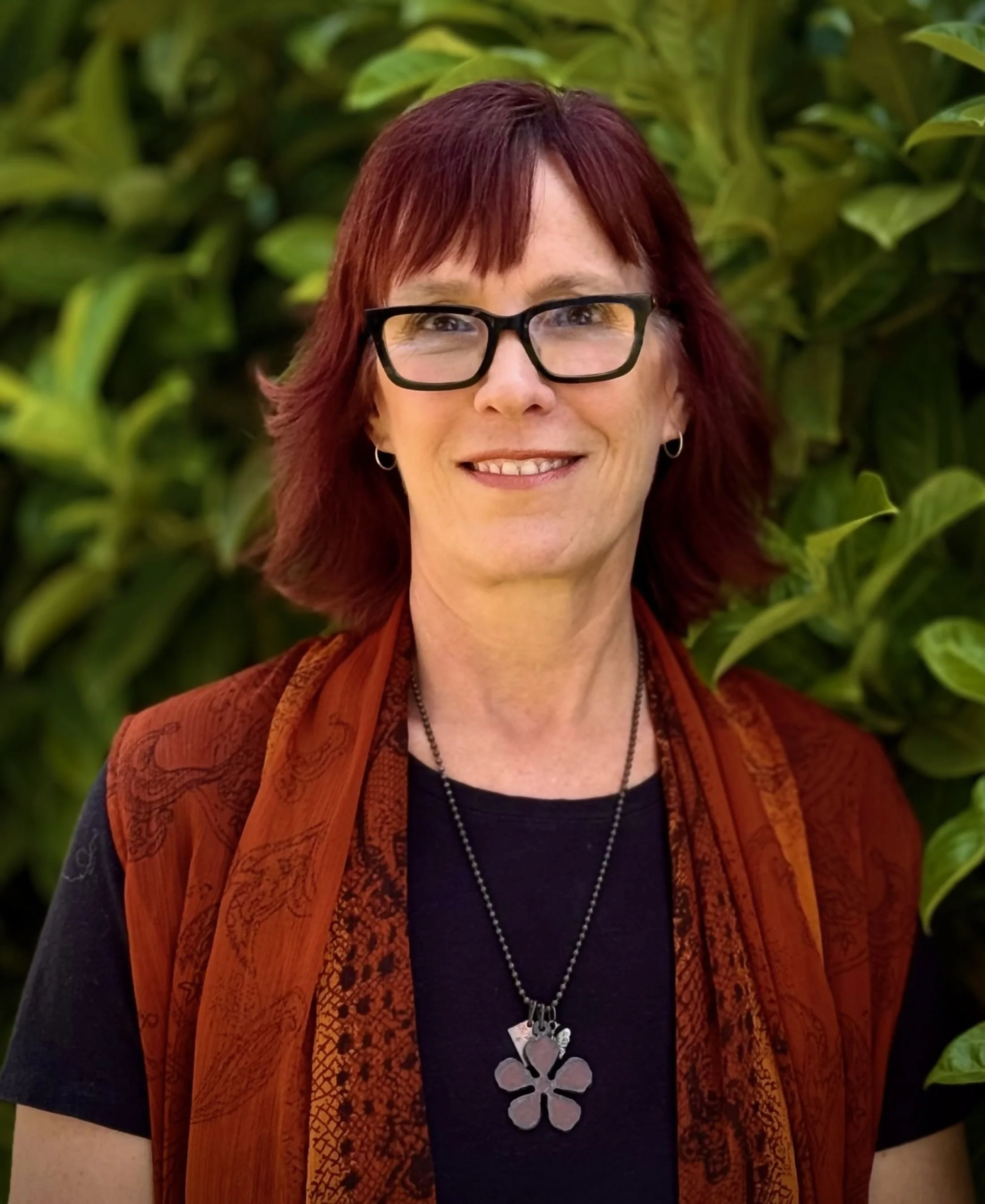
Lisa Gray, LMFT, is a licensed mental health professional with a private practice in the San Francisco Bay Area, where she specializes in high-conflict couples and chronic illness/pain. After working as an air traffic controller for ten years, and serving as a peer debriefing counselor for fellow controllers, Lisa decided to go back to school to study counseling. She graduated from John F. Kennedy University in 2004 with a master's degree in clinical counseling, and has been working in the field ever since. Lisa is passionate about teaching couples to practice healthy conflict, so that their relationships can thrive and grow. Lisa reviews self-help books on her Instagram, Therapy Book Nook. She lives in the Bay Area with her family and three large dogs.

Meet Destiny - The host of The Chronic Illness Therapist Podcast and a licensed mental health therapist in the states of Georgia and Florida. Destiny offers traditional 50-minute therapy sessions as well as therapy intensives and monthly online workshops for the chronic illness community.
Destiny Davis, LPC CRC, is solely responsible for the content of this article. The views expressed herein may or may not necessarily reflect the opinions of Lisa Gray.