
The Free Resource That's Helping People With Lung Disease Feel Less Alone
When you're newly diagnosed with a lung condition, you probably do what most of us do: you Google everything. And then you're flooded with information that's either terrifying or unrealistic. You're left with more questions than answers, and your doctor doesn't have time to walk you through how to actually live with this diagnosis.
I sat down with Tiffany, a respiratory therapist and certified asthma educator who works on the American Lung Association's helpline. What she described is exactly the kind of resource that fills the gaps our medical system leaves wide open—and it's completely free.

What the Helpline Actually Does
The American Lung Association's helpline serves people with any kind of lung disease: COPD, asthma, pulmonary fibrosis, interstitial lung disease, and more. But they're not giving out medical advice. Instead, they're doing something arguably more valuable—they're meeting people where they are and helping them navigate what's actually happening in their lives.
Here's how it works: You call in, and you're connected with a respiratory therapist who does a health and breathing assessment. Then they send you a workbook specific to your condition (COPD, asthma, or pulmonary fibrosis), and over the next ten weeks, they call you every couple of weeks to check in, answer questions, and work through the material together.
You stay with the same therapist the whole time. So they get to know you, your family situation, what you're struggling with, and what matters most to you. And after those initial sessions, you can still call anytime you have questions.
The Questions That Come Up Most
Tiffany shared that right now, one of the most common calls they're getting is about financial assistance. People need help affording their medications, their oxygen, or just basic medical supplies. The helpline doesn't provide financial assistance directly, but they connect people to organizations and resources that might be able to help.
Then there's the other end of the spectrum: people who were just diagnosed and are panicking because they went down a Google rabbit hole and found every worst-case scenario imaginable. Or people who've had their diagnosis for ten years and are trying to figure out how to keep living as fully as possible for whatever time they have left.
A lot of the calls are about practical things that seem small but make a huge difference. How do I take my inhaler correctly? What symptoms should I be watching for? How do I know when I need to go to the hospital versus when I can manage at home? These are the kinds of questions that doctors often don't have time to answer in a fifteen-minute appointment.

When Shame Gets in the Way
One theme that came up over and over in our conversation was shame. A lot of people with COPD developed it from smoking, and they carry this weight of "I caused this." Tiffany works hard to remind them that beating themselves up over the past doesn't help them take care of themselves now.
But there's also shame around asking for help. Tiffany hears it constantly: "My kids are too busy." "I don't want to bother anyone." "Everyone has their own life." The generation she's working with most often—people in their sixties to one hundred years old—grew up in a culture that said asking for help meant you were weak.
So part of what the helpline does is give people permission to ask for what they need. Sometimes that's as simple as helping them script how to ask their adult child for one hour on Tuesday afternoon to take them to the grocery store.
Meeting People Where They Are
One thing I really appreciated about Tiffany's approach is that she lets the person on the phone lead the conversation. Sometimes someone calls in and they're supposed to be learning about medication management, but they're having a terrible day and just need to vent. So Tiffany listens. Because pushing an agenda when someone is overwhelmed isn't helpful.
She told me about a time when she called a patient who was struggling with mental health. Instead of sticking to the curriculum, she asked herself: What's going to help him most today? They talked about breathing techniques, made sure he was taking his inhalers at the right times, and focused on what he could control right then. That was the work that day.
This is exactly the kind of flexibility that makes the difference between a resource that actually helps and one that just checks boxes. And honestly, it's the same approach I try to take in therapy. If someone comes in and they're in crisis, we're not doing trauma processing that day. We're figuring out what they need to get through the next 24 hours.

The Isolation That Comes With Chronic Illness
One of the most striking things Tiffany said was that chronic illness is inherently isolating. A lot of people with lung disease are at home by themselves. They don't go anywhere. They don't talk to anyone. And for them, having someone call every two weeks to check in and ask how they're doing is significant.
It's wild to me that 76% of people in this country have at least one chronic condition, and yet isolation is still such a dominant theme. Three quarters of our population is dealing with something happening in their body, and we still struggle to talk about it or ask for help.
Tiffany mentioned that the helpline also connects people to Better Breather's Clubs, which are support groups for people with lung disease. Some are in person, some are virtual. And she leads a connections group every other month where she gives a short talk and then opens it up for people to just share with each other. Because even though she's worked with hundreds of patients and knows the clinical side inside and out, she's not living with lung disease herself. Sometimes people just need to talk to someone who's in the thick of it.
Why Resources Like This Matter
I spend a lot of time thinking about how we do therapy in a world where people don't have enough resources. Because there's only so much mindset work you can do when you're struggling to afford your medications or don't know how to use your inhaler correctly or can't get out of your house.
This is where something like the lung.org helpline becomes essential. It's not therapy. But it's the kind of practical, human support that makes therapy possible. When someone has resources around them—when they know who to call for help, when they understand how to manage their symptoms, when they feel less alone—then they can actually do the deeper work of processing grief, trauma, and identity shifts that come with chronic illness.
Tiffany's work bridges people into that next level of care. She helps them open their minds to asking for help, and then they can come into therapy and we can talk about who and how and what that looks like in their specific relationships.
How to Access the Helpline
If you or someone you know has a lung condition, you can reach the American Lung Association's helpline at 1-866-252-2959. You can also find more information at lung.org.
The helpline is free. They work with people who have COPD, asthma, pulmonary fibrosis, and other lung diseases. They'll send you educational materials, call you regularly to check in, and connect you to other resources like support groups and financial assistance programs.
And if you're a therapist reading this and you have clients with lung disease, this is a resource worth knowing about. Tiffany mentioned that she's had a couple of therapists refer patients to the helpline because the therapist recognized they didn't have the specialized knowledge about lung conditions—and honestly, that's exactly the kind of collaborative care that helps people the most.
Disclaimer: Everything we discuss here is just meant to be general education and information. It's not intended as personal mental health or medical advice. If you have any questions related to your unique circumstances, please contact a licensed therapist or medical professional in your state of residence.
Destiny Davis, LPC CRC, is solely responsible for the content of this article. The views expressed herein may or may not necessarily reflect the opinions of the guest.
The content in this blog post comes directly from a real, human interview between Destiny and her guest on The Chronic Illness Therapist Podcast. This written version was formatted using AI. Listen to the full episode to hear the actual conversation.
Listen to my full conversation with Tiffany Quicke on Ep 110: The Free Resource That's Helping People With Lung Disease Feel Less Alone
-
Episode transcribed with AI and may contain errors that are not representative of the actual word or meaning of the sentence.
Tiffany Quicke
Tiffany: [00:00:00] there's so much information on the internet and people are so hungry for something to fix them that, they'll buy whatever on the internet. And so we get calls. I saw, you know, this doctor promoted this should I buy it? There's so much out there and they just literally, like, if they could just. Ma wave a magic wand and have a new set of lungs, they would do it in a heartbeat. So any, you know, the take this pill, take this herb, you know, whatever they're reaching out because they just want to feel better.
That is a little snippet of what you can expect to hear in our interview today with Tiffany from lung.org. She's a respiratory therapist and certified asthma educator, and I'm really looking forward to sharing this as a really great resource for anyone in your life who has lung disease. But before we get to that, I'd love to share with you our next workshop topic, parenting Sensory Kids.
And even if you are not [00:01:00] a parent, I think you'll still gain a lot of benefit from this workshop I've invited on.
Rachel Lopez, an occupational therapist here with so much experience working with. Kids and adults who have sensory processing sensitivities, and disorders.
And even though we are speaking to parents here and we're really helping parents learn how to manage and work with their children, I think it's a really great opportunity for any of us who need some re-parenting. Sometimes I find that parent workshops can help us figure out how to talk to ourselves a little bit more kindly, how to Help us get past the shame of needing accommodations. Get past the, the, the hangups around it. So I hope you'll join us. December 6th at noon eastern. The link is in the show notes.
And if you are an occupational therapist or a physical therapist or a mental health therapist, any kind of allied health professionals, I invite you to join us March 6th and seventh, 2026 for our very first chronic illness therapist conference. There will be ces.
I have more [00:02:00] information about that on the website so you can see exactly who is. Providing our CE and if you have any questions at all, please email me at destiny@destinywinters.com.
The Chronic Illness Therapist Podcast is meant to be a place where people with chronic illnesses can come to feel, heard, seen, and safe. While listening to mental health therapists and other medical professionals talk about the realities of treating difficult conditions, this might be a new concept for you, one in which you never have to worry about someone inferring that it's all in your head.
We dive deep into the human side of treating complex medical conditions and help you find professionals that leave you feeling hopeful for the future. I hope you love what you learned here, and please consider leaving a review or sharing this podcast with someone you love. This podcast is meant for educational purposes only.
For specific questions related to your unique circumstances, please contact a licensed medical professional in your state of [00:03:00] residence.
Tiffany: Hi, I'm Tiffany. I am a respiratory therapist and a certified asthma educator. And what we do is, Work with any clients who have lung disease, so COPD, asthma, pulmonary fibrosis they can call in and ask us questions. We don't give out medical advice, but we're here to help with how to take inhalers. Making sure that they can get connected with resources as far as support groups, those kinds of things. So we have some specific programs that we do that are one-on-one with a lung health navigator that really hone in on educating the client. So we send out 'em, send them out a workbook, and go over those work. Books pretty closely with them and some follow-up phone calls just to let them have a little bit of one-on-one and be able to ask questions about anything you know that's going on in their life.
Destiny: Yeah, [00:04:00] it sounds like a really valuable resource. 'cause a lot of times we, you know, even in our doctor's offices, we don't really know what to ask or how to ask it. There's not a lot of time, and then even still, the doctor might not fully know what all the resources are and people just get shuffled around.
How do people tend to find your organization? Do they, do doctors tend to refer to y'all or is it Google or?
Tiffany: A lot of it is Google. We do a lot of different types of advertisement, whether it be on social media, Just on the internet YouTube, and we really we're really trying to get to more of the rural areas that don't have access to a hospital or urgent care just to give them the tools that they need.
Because yes, we are finding that doctors don't have the time to sit down and explain how to take your inhaler. You know, what symptoms to be watching for. So we give them tools to able to talk to their doctor about with [00:05:00] them. So they're, they feel like they're involved in their care, but be able to function on their own with the help from us and the doctor collaboratively.
Destiny: And is this, is there a cost to clients?
Tiffany: Yeah, no, it's a free, free program. We just came out with a new pulmonary fibrosis book so we're getting a lot of calls for that, which is a great resource. There's not really been much out on the market for education in pulmonary fibrosis, so we're really trying to work on that word out.
We work with some different pharmacies that are referring patients who are on respiratory meds. So we're just trying to get the word out however we can because it's such a great, program for patients, but we just ha have to let 'em know about it. 'cause otherwise
Destiny: Yeah.
Tiffany: it just kind of goes by the wayside.
So we're really trying to market it and get the word out for patients.
Destiny: Thank. Yeah. Great. It sounds again like a really [00:06:00] great resource. What are some of the things that, the common questions that people tend to call, call in with? Yeah.
Tiffany: Sure. We get a lot. Right now, we're getting a lot of financial assistance questions. People are needing resources. And we don't provide any financial assistance through the American Lung Association, but we do provide resources of other organizations or foundations that might help them. So we get a lot of phone calls in that regard.
But we really try to get them connected to. Organizations and stuff that can help. We can't promise anything, but that seems to be medications are big. Lack of funds for their oxygen. Our real problems that are calling that we're hearing from when they call in we get a lot of, either it's, it's one extreme or the other. We get people who are just diagnosed, they've gone through Google and found all of the [00:07:00] horrific things that happen. So they're very stressed and anxious when they call. And then we also get patients who've been diagnosed for 10 years. We just kind of help them, manage their symptoms as much as we can, you know, give them ideas on what to do to keep them as active and healthy as they can for the duration.
So pulmonary fibrosis and COPD both do not have a cure. There's, you know, medications that can help. With symptom management for both of those. But that's, that's something we work through with patients too, is giving them resources as far as support groups at, you know, what point might they reach out to palliative care or hospice to get in connected.
So people just want. To know that they're not alone and they're not the only people that have this particular diagnosis. So that's kind of, we're kind of just the mediator [00:08:00] to try to get them to people who can help or who have the same diagnosis that can you know, work with them and keep 'em motivated, positive, all of those
Destiny: Yeah, you're like a liaison to the services that can give the logistical help, but just having somebody who can guide you in that verbally. I think it does make all the difference and it's often a core missing piece in medical care. Yeah, you, you know, you're just trying to Google. It's interesting 'cause a lot of times doctors will get frustrated when patients come in kind of with a bunch of Google information in their head.
But as much as we use Google. At the same time one, it's because we don't have that human connection.
Tiffany: Right,
Destiny: two, if we had it, that's, we would prefer that. So,
Tiffany: absolutely. And my background is in pulmonary rehab, which is an exercise and education program for patients with pulmonary disease. I've worked there, I [00:09:00] worked there 20 years and so. Sometimes we hear from patients like, you're, you don't understand. You don't have it. And that is true. We don't have, none of us that work on the helpline have lung disease, but I have worked with so many people that have that I understand what they're going through. And I try to show that empathy to them that, i'm honest, I don't have it, but I have worked with, you know, these patients and these are some things that worked for them or this is what they tried. And so I try to share some of that real life experience with them in you know, communicating with them.
And the other thing with COPD is a lot of people, get it from smoking. And so we get a lot of feelings of guilt and shame because I caused this and I just try to work with them and say. You're doing what the best you can now, like now you're taking care of what you can, you can't go back and change it, [00:10:00] so don't beat yourself up over it. But there is kind of a stigma with that. And so people are, they feel ashamed that they, you know, were smoking and they didn't stop and I caused this. But there are a few cases where people have not smoked. And whether it be from irritants or smoke in the air. You know people are getting diagnosed with it that way too.
Destiny: Yeah, I think the shame piece is really. Huge, like, so when people do call you, do you find yourself spending a lot of time there or do you find yourself moving more into like resources and here's how to get the help you need, or, or do you sometimes find yourself doing a lot more of that? Almost like counseling.
Tiffany: Yeah. It just depends on the patient. And I kind of let them lead. There are some times where I'm on the phone for 30 minutes and they have just had a horrible day and they just need to vent. And so I, I listen 'cause me trying [00:11:00] to. Push my agenda of we need to learn this isn't gonna be helpful for them. And I hadn't actually had, I've had a couple of therapists refer patients to our helpline, which is really great because the patients need the therapist, but the therapist doesn't always know. The stuff about the lungs. And so I was so that, that just kind of took me off guard when, when someone said, oh, my therapist referred me, and I was like, that is so great.
Like. You know, they, they recognize, they didn't have the knowledge, so let's send you to someone who does and get you the services that you need. So I was, that was like amazing. I was really
Destiny: Yeah.
Tiffany: that. But I did have a patient who was struggling with mental health and I called him one day and he was having a horrible day and I thought to myself, okay, what's gonna help him the most today? Is it. Teaching him something that he may not even pay attention [00:12:00] to or not grasp, or what can I do today right now to help what he's going through? So he was having a lot of shortness of breath, a lot of anxiety. So we talked about his meds and made sure he was taking his inhalers correctly. We worked on a breathing technique because that's something that we could control right there. He, he wouldn't have retained anything I think, had it been any other subject. But because we talked about his breathing and slowed him down and make sure you're taking your meds this time and this time, that will help your breathing. So that was helpful, I think. And it's just kind of, you to weigh the patient and meet them where they are that
Destiny: Yeah.
Tiffany: and some people They, you call 'em that day and can't, I just can't today. And that's fine. Like there's no pressure. It's not like we're in school and you know, you have to meet this day. So, we just kind of meet 'em where they are and do what we can [00:13:00] the time. So.
Destiny: Yeah, I think it's so important because as, yeah, as we're doing the work that we are doing as therapists I think especially over the last. I don't know how many years, but the newer generation of therapists, we have a strong focus on like social justice and, and society and like resources and trying to not focus so much on the individual.
Like there's a, a kind of a. Movement away from this kind of individual. Like, well, what can you do differently? What can you think differently? What, because we realize that a lot of times, thoughts and maladaptive behaviors are a product of the environment that a person is in. Right? And so I think therapists are actually, I, I'm think we're struggling right now with how we do the work we're supposed to do while people are.
With so much without resources around them. There's only so much mindset you work you can do when you're [00:14:00] struggling on a day to day. And so I, I very much clearly see in this conversation where, when you're working with someone like you sometimes I work with clients, case managers, I'll work with their doctors and that like in between.
Where you know what your role is, you're getting resources, you're, yeah, like you're listening sometimes the way a therapist would, but you're doing that as just part of like being human and being in relationship with this person on the phone. Then you get to. Give them the resources that they need, and then they get to come back into my office and we get to actually do some trauma work.
We actually get to talk about what they can control versus what they can't, because now with all these resources around them, there's a lot more that they can control mentally.
Tiffany: yes, absolutely. I am a hundred percent on board with that because, it, it just, I mean, the amount of people that are struggling financially, emotionally it's just overwhelming. And some people call [00:15:00] and they just cry, know, they are so overwhelmed. We're also seeing a lot of like the caretakers struggling because. They, you know, you're in a marriage, you, you signed up for a marriage, but they didn't sign up for being the caretaker of their, their spouse for, you know, 24 7. And it's very overwhelming and they can't, some of them feel like they can't get out. I can't even go to the grocery store, you know, and so also trying to find resources for caretakers, you know, referrals for counseling because what a great, thing if they could get out and have, you know, someone else to talk to about what's going on and how can they cope with they're going. I mean, it's kind of a death in itself because, you know, they had dreams of traveling and all of this, and now we can't travel and I, I can't take my husband anywhere 'cause he can't breathe. You know, all of those. It's a [00:16:00] lot. And so we do. we're still trying to find more resources for caretakers 'cause I feel like that is an underserved area as well. But there are quite a few out there, so connecting.
Destiny: Well, I will, yeah, there are some out there. And I also, I have a group on Tuesdays for caregivers as well, so,
Tiffany: That's awesome.
Destiny: Because it is, and I think it's really important to, for caregivers to find ways to connect with themselves, to grieve, yeah. The life that they thought that they were gonna have versus the one they have now, which is the same for both the person who is sick and the person who is taking care of them.
And I think that that's actually something that people, if they can. Figure out how to do this. They can connect with each other on that. Like, we are grieving this together
Tiffany: right.
Destiny: than this like, well, I'm sick and so you just have to deal with it and take care of me. Or like, and that's, I think the role that they tend to fall into is just like, well, he's sick.
I'm not, so I should put my needs [00:17:00] last. And
Tiffany: Right.
Destiny: it's like, that's not good for anyone. 'cause then you just resent them. So yeah, it's a difficult, it's difficult.
Tiffany: Yeah. I, I I can see that and I've always, in my years of working with patients in rehab, I would always tell the patients like, you know, the, it depends on the role. So if you're a man and you're used to doing yard work and cleaning out the garage, you know, if they can't do that. That's, you know, that's how they get their value. Some, you know, sometimes. And so now they can't do that. So now they don't feel like they're worth anything. Same for
Destiny: Yeah,
Tiffany: oh, my husband has to clean, but if the tables were turned, I said, would you do it for your spouse? Well, yes. And so, you
Destiny: exactly.
Tiffany: it on a different perspective is, you know, helpful, I guess, too.
Destiny: Yes.
Tiffany: and just to try to find a balance. And we talk a lot about, you know, [00:18:00] support. Do they have support? Do they have family and friends that can help? You know, and then we try to set up with them a plan. If I need snow shoveled, who can I call? Or if I need to go to the hospital and I have a pet, who can I call?
You know, and get that thing everything arranged. So it's. Easily accessible when that happens. This is who I call instead of worrying about it and, oh, I shouldn't go to the hospital 'cause I don't have someone to take care of my pet. And so just planning, you know, we really talk about planning ahead and getting things in order. Another topic that we touch on is advanced lung disease, which includes, you know, palliative care and hospice and what to expect at the end. And, you know, it's not a fun subject to talk about. People don't wanna talk about, you know, who I want for my power of attorney and if I want to be kept alive or, you know, not. And [00:19:00] so we talk through those even though it's not comfortable. it's important. It's important to talk about the end so that it's not so scary, you know, when that
Destiny: Yeah.
Tiffany: you've got a plan and, you have you know, you've talked to your family about that. 'cause I know, when people have to make a decision on their own and if there's family involved, it's always, well, I feel guilt because I'm the one that. you know, the doctors to stop or you know, whatever. So I always say, talk about this ahead of time and let everyone know this is your wish. So that, there isn't that guilt of what decision you made 'cause you didn't make it. The patient did.
Destiny: Yeah, absolutely. I think it, you know, in therapy we often work on guilt and shame, but sometimes the simplest way to get past that is just having someone else verbalize and [00:20:00] that it's okay to make this choice to talk about death to 'cause if there's a lot of shame around this decision or, or the things that are happening, whether it's a decision or not.
Just having someone else say, Hey, you, this is okay. Not only okay, but it's necessary to talk about can in and of itself be a thing that reduces shame. So therapy is all about, you know, figuring out what you can control, what's within your control and what's not. And, and like I was saying earlier, sometimes we get a little too individualistic, like, well if you just think about it this way or that way, but, but what are the things that actually help a person change their mind?
And I see like something like what you're describing, this helpline, this these resources, just talking, someone else talking about it. You not having to be the one to like figure out how to say what needs to be said, but to have someone else who knows and understands verbalize how. And when and what to talk about.
That in and of itself can reduce that shame.[00:21:00]
Tiffany: And the other thing that we're, you know, chronic health, no matter what is isolating, it's just an isolating. act, I guess you could say. And so there are many people who are at home by themselves. They talk to no one, they go nowhere. And so it's very helpful to have some, just someone to talk to.
And so there are times when people just call in and, you know, they, they just wanna talk a little bit. Some people will call back, like if we've been in the program with them about 10, it's about 10 weeks. 'cause we what we do is call, the first time, I guess I could explain this a little bit what we do.
So the first day we do a health assessment and a breathing assessment test just to kind of get a background of the patient, where they're at what are their struggles. And then where we can help with education. And then we send them a book, so A-C-O-P-D book, an asthma book, or a [00:22:00] pulmonary fibrosis book. And then we schedule calls about every two weeks. To follow up on like I give them a little homework assignment or what to read and then we just follow up on, do you have any questions? How's your breathing been? You know, it's just kind of a check-in. So for people who are by themselves lonely, you know, it's just nice to have a, someone calling and checking on them. So we do that for five sessions and then we give them a break and we do a 90 day follow up to see how they're doing. You know, are they following? We have an action plan that helps kind of, describe symptoms that they might have and if it's, it's got a green section, a yellow section, and a red section.
So green is go yellow warning. And then it has ideas of what they could do if they're in that situation. And then red is go to the hospital, call 9 1 1. But we work through that with them to try to check on, [00:23:00] you know, where am I at today? And so it's helpful give them that. Space to, to do it on their own to see if they have any questions after that period of time.
And then we encourage them, if you have any questions from now until forever, don't hesitate to reach out because we are here. And we just kind of get a relationship. We, they stay with the same therapist. Every, like, the whole way through. So, you know, we get to know them pretty well and what their family life is like, you know, and I always tell 'em, thank you for sharing your life with me because it's kind of intimate, you know, I'm hearing a lot of information from them and you know, if there's little tiff going on in the family, you hear about all of that.
So, it, it's just a, a great program for anyone, but especially those who feel isolated or lonely, need a lot of education. It's a great [00:24:00] resource for people so.
Destiny: Yeah, it's interesting to me because the number actually used to be 60% and it's now 76% of our country has at least one chronic condition. That's like, that's, I mean, that's three quarters of our country, and yet this theme of isolation still keeps coming up. And it is, it's just very. It's sad to me that three quarters of the population is dealing with something happening in their body might be all different.
You know, they're all different conditions and yet we still have such a hard time talking about these things. Do you have any insight on that, just from your conversations and what you hear clients maybe push patients, push back on the most, like what their fears are or what they are saying to you that maybe is like, here's why I can't.
Be connected more or here's what, something along those lines.
Tiffany: I think, honestly, I think part of it is the generation we're [00:25:00] dealing with is very stoic and, I could do it on my own. I don't wanna ask for help. Everybody's busy. I hear that a lot. Like, well, do you have kids? You know, could they help? Well, they're too busy, they're too busy with their own life. And so it, it really is like they just are afraid to a, to ask for help. Or they don't wanna bother anyone. And so I try to, you know, encourage them to ask for help with boundaries. You know, I get that their kids might be busy, but could you take me to the grocery store on Tuesday afternoon for an hour? You know, and just know that that's a standing appointment. Trying to give them some ways to be assertive in help having someone help them. I, I honestly would say that's the biggest thing is they're just afraid to ask and they don't wanna bother their
Destiny: Yeah, that's something I, I hear and see a lot too. And you know, you [00:26:00] had mentioned earlier about like. You know, maybe in the marriage they didn't quite sign up for being a caretaker, which I agree. I agree is true that the care, if we had more resources, then a partner doesn't need to be a caregiver. And I think it's just a byproduct of how we live in this kind of individualistic society.
But what I do like to share with clients is that you did sign up for, in sickness and in health, like if you said traditional marriage vows, then you, you did sign up for that.
Tiffany: They just aren't they aren't prepared for what's coming. Especially, and I mean, it, it's, it's all, I mean. There's chronic diseases and then there's like these that you watch them struggle to breathe, whether it be heart failure or COPD, like they just cannot, you know, they can't breathe, they can't, walking to the bathroom is about all they can do. So I, I totally get what you're saying. That is, [00:27:00] is very true. Like you do sign up for that. But it's not the extent that they're thinking, you know, like
Destiny: Yeah.
Tiffany: I think people think, oh, they get a new hip and I have to help them while for this period of time, but they don't realize it's, it's gonna be until they pass.
Destiny: Yeah, yeah, yeah. And I think, you know, just to go like into the reframe I still think it's important to kind of. I, I try to live life by this kind of, this mantra of live it like you chose it. If it's something that you can't change, like if, if you can change it, fine, but if it's something that you can't change and we're doing acceptance work around it, then at the end of the day, if I did agree to sign up in gna, soa and in health, and let's be honest, like in your twenties when you're, if you're getting married in your twenties, maybe in your thirties, you are not thinking about sickness as this.
Tiffany: Right.
Destiny: Debilitating long-term thing, but I think it's just one of the hard lessons of life, especially [00:28:00] now again, you know, with 76% of our country having a chronic illness, it's like this is only, this is our norm. This, this truly is our norm. And I think now our focus has to be on how to keep creating community, how to keep finding resources which I think is.
You know, gonna be getting harder and harder, but then hopefully we'll come back from it. And, and, you know, if we all keep fighting for resources to be a dominant expectation rather than the expectation of the generation past, which was, pull yourself up by your bootstraps and do it by yourself, and don't ask for help and you're weak if you need help.
And again, now. Three quarters of the country can't be wrong.
Tiffany: Mm-hmm.
Destiny: it can't be, it can't be your fault if three quarters of the country is dealing with
Tiffany: Right.
Destiny: health, a health issue. I think it's,
Tiffany: I think people are living longer than they did
Destiny: yeah.
Tiffany: like, the people, the generation that we're dealing with the, you know, [00:29:00] sixties to a hundred. Okay. Their ancestors, they didn't live long. They didn't have to see. That happened because it didn't happen. They just died early and so these guys are living longer and not expecting. But then I think, you know, then if as you come younger, they're seeing more of their like grandparents living longer and going through cancer or you know. Lung disease, heart disease. So they're starting to see it at a younger age, and I, I think that's helpful, but I think that older generation just did not see that and
Destiny: Yeah, it's true.
Tiffany: All of
Destiny: Yeah,
Tiffany: goes in with
Destiny: pride for sure. That makes a lot of sense.
Tiffany: you work with a lot of like 60 to a hundred year old, or do you work mostly with younger clients?
Destiny: I mostly work with younger clients, but I have worked with older clients and that is a lot of the work that we're doing is kind of some of the [00:30:00] mindset shift around what you should and can expect from the people around you.
Deeper into, well now we have to reflect on, like on, on how those relationships have been for you over the last 67.
Your work, Tiffany, maybe with a, with a helpline, you're gonna encourage. Reaching out for help who can help you, how, you know, and then they might need to come into therapy to be talking a little bit more intricately and intimately about, you know, I did traumatize my children when I, you know, this was some of the things that maybe I did wrong as a parent, or here's the things that happened to me when I was a parent, or, you know, so there's a lot of trauma work that can be done there.
That. You can help, like your work can help bridge them into therapy or into starting to open up their mind to asking for help. But then again, who [00:31:00] and how do we get that need met?
Tiffany: And I, in addition to like talking about the older generation again, counseling was not something people did. And if I go, I'm weak and I don't wanna go sit and lay on a couch, you
Destiny: Yeah.
Tiffany: heard it all. But
Destiny: Oh yeah,
Tiffany: think that that, I mean, there's just a lot of stigmas that we're fighting from years of. Of not knowing, I guess, at the time.
Destiny: yeah. Absolutely.
Tiffany: can do is move forward and share, you know. Now we also have a through one of our websites it's called the Patient Caregiver Network. And it has something called the Wellness Hub. So they talk about relaxation exercises, stress management, ways to have conversation with your partner and listen. So it's a free resource that we share with our patients as well. And everyone gets it, but certain [00:32:00] people, I really reiterate this would be a good resource for you. There's a lot of good information on here for you if, you know, if they're not in the counseling. But I think
Destiny: Yeah.
Tiffany: helpful is there are therapists that are doing like telehealth work
Destiny: Mm-hmm.
Tiffany: if you are a patient who can't get out, that's no longer an issue. Now I can talk and I do hear patients say, I have a therapist that I talk to once every two weeks. They call me, you know, it's over
Destiny: Yep.
Tiffany: And so I'm happy to hear that there's those resources because it is hard for them to get out.
Destiny: Yeah.
Tiffany: period. But especially not having that barrier for mental health is great.
Destiny: I think that's why it's actually so devastating right now that the Medicare exemptions for telehealth just ended. During COVID they took away the requirement for people to need to be seen in person, and now [00:33:00] they just put that back in place,
Tiffany: Oh,
Destiny: is really, really devastating for this population.
So
Tiffany: it is.
Destiny: they have to be seen at least once every six months now, which might sound reasonable to somebody who's, you know, not sick. But yeah, for, for folks who can, like you said, it's hard enough to walk to the bathroom. It's gonna be even harder to get to a therapy appointment. And therapy is one of those things that's very easy for people to be like, oh, well, like, I just won't go,
Tiffany: right.
Destiny: I
Tiffany: Yeah.
Destiny: really need it.
Tiffany: Yes.
Destiny: just very easy for that to become the, the one, the one barrier that just makes 'em completely stop going.
Tiffany: Yeah, I would say that's completely correct. Yes.
Destiny: So anything else that comes up around your work and, and what people tend to call in for and how you help them?
Tiffany: Just a lot of questions about oxygen. We get calls about, just any sort of disease that's related to the lungs, people [00:34:00] call in or want a referral to a better Breather's Club, which is our support group that we have around the nation. So people can call in and. can help them get connected with a group in their area if they want in person, but we also have virtual ones so I can help connect them to that resource.
It's led by a facilitator and it's other people that have lung disease, so they can just talk. They usually have a speaker, whether it's someone from a home, medical equipment or a pharmacist or whatever to talk about. Something related to pulmonary disease and it's just nice for patients to have someone else to talk to that's going through it. I also lead a a connections group once a every other month where I do a 10 minute talk and then we have 20 minutes for interaction just for patients to share. Like, yeah, I did that. Because even though I have helped people, I am [00:35:00] not living it. So sometimes they just want to talk to someone who's. Right in the midst of it. And what did you do in this situation? And we do, we have a lot of online, like message boards that we have through another group called Inspire that we monitor just to make sure that the information stays kosher. And,
Destiny: That's so important.
Tiffany: but it's, it's just I, I would say the. medication is, one of the things that we get called on a lot.
Like I can't afford
Destiny: Yeah.
Tiffany: And so we try to find resources if they're able to use a like manufacturer's coupon, but if they have Medicare, they're not eligible for that. So it's just kind of trying to find ways that, they can afford their meds and some people just can't. And so a lot of it's just a lot of teaching [00:36:00] people maybe didn't get talked to about their inhalers.
And you should take this one first and then this one, and you need to, you know make sure you shake 'em. I mean, I mean, there's just little tips that. Can make a big difference in how they're treating themselves. So we wanna make sure that they're getting that information. We talk about nutrition and exercise, stress management all of those things that impact their daily life. And we do like things about activities of daily living and what makes, you know, what is the hardest thing for you to do in your house. I always ask patients like. Are you able to take a shower? Like that's important. But some people are just too exhausted that they can't, and so they might do you know, just use like a washcloth and wipe up how they can. So it's just trying to meet them where they are and give them a, a little bit of [00:37:00] direction and hope, I guess, in what we can do to help them. Be active, live a great quality life of what they have left.
Destiny: Yep.
Tiffany: because it's really hard to navigate. And like I said, there's so much information on the internet and these people are so hungry for something to fix them that, they'll buy whatever on the internet. And so we get calls. I saw, you know, this doctor promoted this should I buy it? And so, you know, we have to,
Destiny: Wow. I'm so glad they have a place where they can, I, we more people need to know about this.
Tiffany: it, it's, there's so much out there and they just literally, like, if they could just. Ma wave a magic wand and have a new set of lungs, they would do it in a heartbeat. So any, you know, the take this pill, take this herb, [00:38:00] you know, whatever they're reaching out because they just want to feel better. So it's, it's trying to, for us to weave through. Okay. No, that's, you know, we don't recommend that it's not been tested, you know?
Destiny: Yeah.
Tiffany: and. Just direct them to ways that they can help themselves,
Destiny: Absolutely.
Tiffany: is a big one. And people it's hard because can't breathe. So
Destiny: Yeah.
Tiffany: want me to exercise? Is, is huge. But that's where my background comes in when I talk through with them, you know, it's just simply starting with. Five minutes, you know, walk in front of your house so you know, even if you just walk down one house and back and one house and back you're getting the exercise, but you're not too far away.
So if something would happen, you know, you're right there. So it's just finding different [00:39:00] ways for
Destiny: And then eventually their capacity builds for more,
Tiffany: Yes.
Destiny: and then maybe at some point they hit, there's only so much their lungs are going to allow them to do.
Tiffany: Yeah, it's like we really work on leg strength. Leg strength is one of the most
Destiny: Okay.
Tiffany: for pulmonary patients because if they stop moving, they're gonna sit in a chair the rest of their life. So we
Destiny: Yeah.
Tiffany: on, you know, five minutes, three times a day, like that's 15 minutes. It doesn't matter if you do it together or separate. And
Destiny: Yeah.
Tiffany: really try to encourage them with. Little bits of, you know, this week I want you to try this, and then next week, how did that go? Okay, now I want you to try this. So just giving them a little bit of hope, you know, and then they get moving and they're like, wow, I can walk for 10 minutes now.
So. It's a start, I guess. exercise is so good for mental health.
Destiny: Yeah.
Tiffany: part of society being able to, to get [00:40:00] out and do a little bit and maybe they'll run into a neighbor that they haven't seen and, you know, can have a little con friendly conversation.
Destiny: definitely.
Tiffany: Yeah.
Destiny: This has been great. Thank you so much for sharing all of this. I'm looking forward to getting this information out there. Because these, again, you know, in therapy the work that we do is deep and relational, but we need the resources to, to, to help buffer and to hold up the work that we're doing internally.
So it's really important.
Tiffany: Yeah, and we can be contacted. You can look up our information on www.lung.org. do you, you want my phone number too? phone number?
Destiny: is, yeah. Yeah, that sounds great.
Tiffany: So our phone number is eight six six. 2 5 2 2 9 5 9. And that's our main helpline. That will get you either to a Lung health [00:41:00] navigator or an intake staff that will help you get connected to who you need to get Connect, connect, connected to.
So yeah, we love that.
Destiny: I love that. Thank you so much.
Thanks for listening. If you learned something new today, consider writing it down in your phone notes or journal and make that new neural pathway light up. Better yet, I'd love to hear from you. Send me a DM on Instagram, email me or leave a voice memo for us to play on the next show. The way you summarize your takeaways can be the perfect little soundbite that someone else might need.
And lastly, leaving a review really helps others find this podcast, so please do if you found this episode helpful. NPS Clicking, subscribe ensures you'll be here for the next episode. See you [00:42:00] then.

Listen to Tiffany’s interview with me, Destiny Davis, on Ep 110: The Free Resource That's Helping People With Lung Disease Feel Less Alone
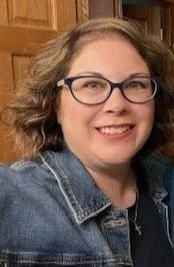
Tiffany Quicke is a Respiratory Therapist, Certified Asthma Educator, and Lung Health Navigator who helps patients navigate the gap between a clinical diagnosis and their daily lives. With over 24 years of experience—including two decades specializing in Pulmonary Rehab—Tiffany now serves at the American Lung Association, providing the dedicated support that the traditional medical system often overlooks.
Tiffany specializes in empowering those living with COPD, Pulmonary Fibrosis, and Asthma who often feel isolated by their condition or rushed through standard appointments. She is known for her empathetic approach, her ability to translate complex medical needs into actionable lifestyle changes, and her commitment to ensuring that the emotional toll of chronic lung disease is never ignored.

Meet Destiny - The host of The Chronic Illness Therapist Podcast and a licensed mental health therapist in the states of Georgia and Florida. Destiny offers traditional 50-minute therapy sessions as well as therapy intensives and monthly online workshops for the chronic illness community.
Destiny Davis, LPC CRC, is solely responsible for the content of this article. The views expressed herein may or may not necessarily reflect the opinions of Tiffany Quicke.