
If Eating Is So Good for You, Why Does It Feel So Bad?
There's a version of this conversation that I never thought I'd need to have on the podcast. Not because it's not important, but because eating feels like it should be the one thing our bodies just know how to do.
And then you get a chronic illness. And suddenly, even that isn't simple anymore. Or… maybe it never was to begin with.
I sat down with Tiffany Pecoraro, a registered dietitian who specializes in eating disorders and co-occurring chronic illness, to talk about what happens when the very act of nourishing your body becomes complicated, confusing, or even frightening. Tiffany runs Freedom with Nutrition, a telehealth private practice specializing in co-occuring eating disorders and chronic illnesses (yes, including ones like MCAS). I hope this conversation gives you exactly what you need it to as you read or listen to it.
First, A Content Warning Worth Taking Seriously
Before we get into it — and before you keep reading — this episode came with a significant content warning for anyone who is in early eating disorder recovery, or not yet in recovery at all. Some of what we cover could be triggering.
If that's you, please have proper support in place with an eating disorder therapist and/or dietitian before listening to the episode. Or, skip the episode altogether. This blog is meant to be educational, not a replacement for that.
The Conditions Nobody Warned You About
One of the first things Tiffany brought up was just how many chronic conditions commonly co-occur with eating disorders. We're talking:
POTS (one of the more well-known pairings)
Hypermobile EDS
IBS, IBD, Crohn's, colitis
MCAS (mast cell activation syndrome)
Autoimmune conditions
And here's where it starts to get complicated: a lot of the dietary guidance that circulates online for these conditions — elimination diets, low-histamine protocols, the AIP diet — can, in certain situations, make disordered eating patterns worse or create new ones.
This isn't about blame. It's about how easy it is to start restricting "for your health" and end up somewhere you didn't intend to go.
MCAS, Elimination Diets, and the Controversy Nobody Wants to Touch
Tiffany went somewhere I really appreciated: the fact that MCAS itself is still controversial in some clinical circles.
There are providers who question whether it's a real diagnosis at all. And then, even among those who accept it, there's a whole separate debate about what it means dietarily. Because having MCAS doesn't automatically mean you need to go low-histamine or eliminate half your pantry. But that message doesn't always make it to patients — especially when they're already scared and symptomatic and looking for answers.
When food becomes something to fear, and restriction starts to feel protective, that's where the eating disorder piece can quickly take root.
Your Body Is Giving You Real, Physical Signals.
We just don’t always know how to interpret them.
This was one of the most important parts of our conversation.
We talk a lot in the nutrition world about intuitive eating — the idea that your body will tell you what it needs, and your job is to listen. And that's a beautiful framework in theory.
But as Tiffany said, sometimes the signals our bodies give us are real, but the way we interpret them may not be accurate.
Someone with anorexia might feel genuinely full after eating very little. That fullness is real — it's not made up. But it's also not reflective of what their body actually needs. (PS - that doesn’t mean you should just ignore all your signals and push yourself without any guidance). The same thing can happen with POTS, where eating might make you feel worse, so your nervous system learns to associate eating with discomfort and starts avoiding it. Or the reverse — blood sugar dips that feel so distressing that eating becomes the only way to manage the panic, and our eating patterns eventually become disordered over time.
What I shared in this episode from my own experience: I downloaded MyFitnessPal once — not to restrict, but to try to hold myself accountable to eating more fruits and vegetables. What I quickly realized was that I was filling up on huge salads, feeling full, and then eating way fewer calories than I needed. I thought my body was telling me it was satisfied. And I guess it was technically “satisfied,” but it wasn’t actually nourished. I just conflated the two.
A Two-Week Reality Test
When you're shifting eating patterns — especially after chronic undereating — the first two weeks are often really uncomfortable.
Tiffany talked about this directly, and I think it's one of the most validating pieces of information that all people who struggle to eat need to hear. Even outside of chronic illness, people starting eating disorder recovery commonly experience:
Constipation
Reflux
Stomach pain
Extreme fullness
And that's normal. Expected, even. The problem is, when you already have a chronic condition, those symptoms can feel like proof that you're doing something wrong — when actually, they might just be proof that change is happening, which doesn’t actually tell you if it’s right or wrong yet.
As a therapist, this is exactly the kind of thing I'd call trauma-informed care: helping people understand that the resistance to change makes complete sense given everything they've been through. That it's not pathological. That two weeks is survivable, especially when we're talking about people who have been managing chronic illness for years.
After that two-week window, Tiffany said the process becomes more individualized — figuring out what's lingering, what needs to be adjusted, and when it's time to bring in additional medical support.
Rigid Rules vs. Consistent Structure
There was a tension that Tiffany and I kept circling back to: how do you help someone follow a structured eating plan without making it feel like another thing being done to them?
Because a lot of people with chronic illness have had their autonomy stripped away, repeatedly, by a medical system that hasn't always gotten it right. And now you're asking them to eat three times a day, on a schedule, in a way that might not feel intuitive — and call it healing.
We came around in to the idea that the goal is consistent, and there's unlimited flexibility in how you get there. It doesn't have to be solid food. It doesn't have to be the same thing every day. It doesn't mean you failed if today was a protein shake and crackers. The consistency is in the direction you're moving, not the exact path you take.
Something I often said when I worked with parents: provide consistency with flexibility. That same principle absolutely applies here.
A Note on GLP-1s
Tiffany ended with something I'm really glad we included. GLP-1 medications are showing up in chronic illness treatment more and more — often for inflammation management, at microdoses that aren't primarily about weight.
But at more typical doses? They significantly suppress appetite.
And if your goal is also to nourish your body adequately, that's something to pay attention to. Tiffany's take: she's not against GLP-1s, but she'd want someone working with you on nutrition alongside them — so you know the minimum you don't want to go below, even when your appetite says otherwise.
What to Take From This
I said at the top of this episode that we can walk away with very different things depending on where we are in our own journey, and I meant that. So rather than one clean takeaway, here's the thread I'd ask you to hold onto:
Your body's signals are worth listening to. And sometimes, those signals need a translator.
That's simply what it means to have a complicated body in a complicated world. And it's exactly why working with someone who understands both the eating disorder piece and the chronic illness piece matters so much.
Eating is fundamental to life. And you deserve support in making it work for yours.
Disclaimer: Everything we discuss here is just meant to be general education and information. It's not intended as personal mental health or medical advice. If you have any questions related to your unique circumstances, please contact a licensed therapist or medical professional in your state of residence.
Destiny Davis, LPC CRC, is solely responsible for the content of this article. The views expressed herein may or may not necessarily reflect the opinions of the guest.
The content in this blog post comes directly from a real, human interview between Destiny and her guest on The Chronic Illness Therapist Podcast. This written version was formatted using AI. Listen to the full episode to hear the actual conversation.
Listen to my full conversation with Tiffany Pecoraro on Ep 123: If Eating Is So Good for You, Why Does It Feel So Bad?
-
Episode transcribed with AI and may contain errors that are not representative of the actual word or meaning of the sentence.
Okay. Quick raw recording here because I just wanted to remind you all that for clinicians, physical therapists, mental health therapists, registered dieticians, occupational therapists, I do have a free monthly consultation group that's once a month, every third Friday of the month from one to 2:30 PM Eastern, and you're welcome to join by going to my website, clicking Services for professionals, and finding the community mastermind tab. Also, Victoria Rodriguez and I are doing our second cohort. We're so excited for it. This is a six week educational and consultation cohort. It's $550. 90 minute classes and consultation groups.
For six weeks starting April 7th, And this will be our last one for 2026. Our next one won't be until spring of 2027. So we hope you'll join us and for. People who are not clinicians for just general public and those with chronic illnesses. I do still have my welcome to the Waiting Room membership Open.
It's $17 a month. We have [00:01:00] a support group every Friday, almost every Friday for um, like general support around navigating chronic illness and the different difficulties that come along with that. And every other Thursday in that same. Membership is a sex and chronic pain support group, and we also do a monthly educational workshop or webinar.
Um, that all comes packaged in that $17 a month. So we would love to have you.
Destiny Davis LPC CRC: Okay, so just wanna give a really big content warning here. We are talking about eating disorders in this episode.
And there may be some language in here that is actually triggering for those who are very new to recovery, or not even in recovery yet. So I do highly recommend skipping this episode if that's you and. If you do decide to listen to it and it brings anything up for you, I do hope that you have proper support with an eating disorder therapist and or a dietitian to help you navigate what comes up for you [00:02:00] in this episode.
But I did think though, that this was a very important episode to have. Because eating is fundamental to life, and it can become disordered really quickly. And it can be really confusing too with all of the misinformation that's online and all of our different health conditions that require different diets.
And sometimes those diets are accurate, sometimes they're not. And so this is an episode in trying to help you learn how to eat. If eating is a struggle for you. Again, with that said, please take care of yourself and make sure that you have proper supports in place. If you do feel like this episode could trigger some negative reactions for you.
The Chronic Illness Therapist Podcast is meant to be a place where people with chronic illnesses can come to feel, heard, seen, and safe. While listening to mental health therapists and other medical professionals talk about the realities of treating difficult conditions, this might be a new concept for you, one in which you never have to worry about someone inferring that [00:03:00] it's all in your head.
We dive deep into the human side of treating complex medical conditions and help you find professionals that leave you feeling hopeful for the future. I hope you love what you learned here, and please consider leaving a review or sharing this podcast with someone you love. This podcast is meant for educational purposes only.
For specific questions related to your unique circumstances, please contact a licensed medical professional in your state of resident.
Tiffany: My name is Tiffany Pecoraro and I am registered dietitian. I have a telehealth private practice called Freedom with Nutrition, and I specialize in working with clients who have eating disorders and co-occurring chronic illness and. Complex medical conditions, [00:04:00] and I love, I love what I do. It's, it's a, it's an honor to do it, and I plan to do it for a really long time.
Destiny Davis LPC CRC: I love that. What are some of the most common conditions that you see recent, like as of recent? And we can talk both. Both on the mental health side and the like physical condition side.
Tiffany: Yeah. So, so most clinicians are familiar with eating disorders and like comorbid pots. Oftentimes. as someone has like more and more years of having an eating disorder that's like pretty chronic. Like pots is something that can pop up and, and most people are familiar with that. Hyper mobile EDS is is a more recently like kind of acknowledged one, like most clinicians are aware of that various different GI conditions.
Like IIBS more commonly, but like, like IBD so like Crohn's, like colitis I think a, a lot of clinicians like are more recently hearing about like MCAS and [00:05:00] eating disorders. It is pretty like controversial though, like, like in, in the field of eating disorders. Which we can get into like a little bit more in terms of like why that that is autoimmune conditions are pretty commonly co-occurring.
But I wouldn't say that like a lot of clinicians are necessarily like, aware of that.
Destiny Davis LPC CRC: Thank you. I would love to really go right into what makes MCA so controversial.
Tiffany: Okay. Yeah. Yeah. So I think most. Like clients and clinicians who are familiar with MCAS like know that like, because someone has MCAS, it doesn't mean that they're necessarily going to need to go on a low histamine diet or like benefit from elimination diets or, or benefit from like food restriction or like limiting variety. But I think in the eating disorder world that's like one of the concerns. So like, I mean. First for that to be [00:06:00] controversial, that someone would have to believe that like MCAS exists. So it's like usually either, like, it doesn't exist, like it's kind of like this, like, like fake diagnosis or if someone does have MCAS and eating disorder, like what are the implications of that dietary wise and just concerns around that.
Like perpetuating, like restriction or like limiting variety and like that kind of impeding someone's like recovery from an eating disorder standpoint.
Destiny Davis LPC CRC: Yeah, absolutely. Where do you stand on the belief aspect of MCAS? How do you work with MCAS and, and define it? Even for like, 'cause especially a lot of people don't have that full MCAS diagnosis if they don't have the high trypan
Tiffany: yeah,
Destiny Davis LPC CRC: levels, but they maybe have all of the other symptoms.
Tiffany: yeah,
Destiny Davis LPC CRC: Yeah. Can you go into like some of those nuances?
Tiffany: yeah, yeah. So in terms of, I mean, I for sure like believe that it exists. So like that first and foremost, i'm a dietitian, I can't diagnose anyone with MCAS. If, if I [00:07:00] could diagnose or like in terms of like, alignment, in terms of like philosophy, I align more in terms of the consensus two criteria where , I, I do think that it's, it is pretty uncommon for someone to get that, gold standard, lab, proof that they have MCAS, so it just makes the most sense to . the client diagnose, based off of the symptoms and the response to, to treatment and just integrate that into the picture of like what might most benefit someone in terms of , for, for, for my job, like dietary strategies and just like nutrition related, practices to move forward, in terms of eating disorder recovery.
Also kind of considering the MCAS component.
Destiny Davis LPC CRC: Is it fair to say that, you know, of course I know that you, we all practice those practice in this realm, the. The goals belong to the client, so I totally, you know. Yes. And also, would you say, is it fair to say that your, one of your main goals is going to get people eating? Maybe not necessarily a certain amount of calories, but like really eating like good full meals?
You can define good as well, but yeah. Can you tell me what your main goal is with clients? Like we want them fed and, and nutrition inside of their body. What does [00:08:00] that look like for you? For someone who really wants specifics?
Tiffany: Yeah. Yeah. So I think that . Adequate eating in terms of , what I see with clients is for, I mean, just really for anyone too, it's like on, on a spectrum and like spectrum with like the, the goal being like, I want to support them with like adequately nourishing their bodies. And part of that like is calorie, like, I would say like, it's like foundationally calories even more so than like macronutrients. Like if someone's getting enough fiber, vitamins and minerals, like we just like baseline, need enough calories to, to be able to, to function optimally. So it really depends on the client. But I think, and this kind of gets into like controversial territory too. Like my mindset is like, I mean, this is a little bit too black and white to like put it this way, but like for the most part, by whatever means necessary, like even if. It is [00:09:00] for a certain period of time, maybe like utilizing like the behavior that might be like, thought of as like more like disordered. If it's going to like move someone forward along that spectrum, then there's like utility to that and
Destiny Davis LPC CRC: Can you give an example?
Tiffany: practical. So for example. Yeah. Yeah. So, so for example, like food logging or like, I mean, honestly like even like calorie accounting, so like that's like a big like for the most part in the field.
But a variety of different types of people and like a variety of different types of brains, like experience eating disorders and like particularly with my clients who are maybe neurodivergent various different types of neurodivergence. There might just like this I shouldn't say like need, but just like, like there's just something tangible about like numbers and it's just like easier in terms of like accountability, like to themselves and like maybe [00:10:00] it's like to their providers to just like have a specific like number that like may, maybe it's not like okay, like you have to stay within the spectrum, but it's like, okay, like at minimum let's cross the threshold of this number. I, I've seen that to be like, effective with clients when, like, other methods haven't been, so, so that would be an example, another one a little bit less controversial, but still controversial. Like, can be like food logging. So a lot of people kind of experience like food logging as like part of their eating disorder.
So they might like download like MyFitnessPal or like various other like, like tracking apps and like. Log food from like a dieting, like calorie restriction standpoint, but like we can also use that like for good. Where like maybe in that case, like it's not just calories, like it's just trying to hit like specific like macronutrient goals.
Like not in like a restrictive way, but in like a, let's kind of know what our goal is and like kind of be like assessing how close we are to [00:11:00] that, like throughout the day type of a way.
Destiny Davis LPC CRC: Yeah, absolutely. I'll give an example of my own life. This was, gosh, years ago. And I did. I downloaded, it was MyFitnessPal and the whole reason my, what my goal was in tracking was to try to get myself eating more vegetable, fruit, and vegetables throughout the day. And as I was doing that, I realized that the more.
I guess, quote unquote healthy foods that I was eating, the less calories I was eating, which is where that trigger can come in, right? But it made me
Tiffany: hundred
Destiny Davis LPC CRC: realize like, I'm eating this huge ass salad and I feel really, really full, and then I don't wanna eat again. And so it was, for me, it was eyeopening to be like I needed more calories.
Again. Yeah. You know, even what I just said, like the salad made me full, could definitely like feed into a, an, an anorexic mindset. But that's where the holistic treatment comes in of like, yeah, we're, we're talking about this and we wanna make, how do you know you're getting the nutrients that we really, your body needs you to get?
[00:12:00] Sometimes tracking is gonna be the only way to do that. How do we make sure and deal with the triggers and the yeah, the triggers that pop up, like yeah. You saw that there was 500 calories on this, on this lunch today. Is that pushing you into eating less now because you're like, that was too much for a meal, or is it going to help you reach more because you know you need more by the end of the day?
Tiffany: A thousand percent. Yeah. And I also like, like want to like, I guess like clarify that it's not like that is like what I start with,
Destiny Davis LPC CRC: Sure.
Tiffany: Like every client is like individual and I think the, the goal is always to have the least restrictive of a diet and like the least amount of tracking as we can kind of get away with while still making progress.
But like what, what you're describing, like I think that that's like. A common like experience like for, for individuals where like, like the intentions are like really like nourishing yourself and like, like it's also like really like hard sometimes to like kind of shift to behaviors in that way. [00:13:00] But then, yeah, it can like result in just like undereating, like from like a calorie standpoint, which can be helpful to see with like tracking.
Destiny Davis LPC CRC: Yeah, and I think goes so hand in hand with, you know, when you do have all these different conditions, like autoimmune conditions, and then you find something like, you know, the a IP, the autoimmune, you know, protocol diet or whatever, which is, I think that's not evidence-based, right? I think that's just like a, is that accurate?
Tiffany: there's some stuff.
Destiny Davis LPC CRC: Okay.
Tiffany: like I haven't done recent enough deep dives to like really be able to like answer that. So like I like probably safest is to say like. I can't yet speak to that, but like, I have like come across like recent studies that like, I think that there, there is like some evidence that it can be like helpful for like a subset of individuals.
Destiny Davis LPC CRC: Okay.
Tiffany: But it, it, it's like a, it, it is like very, very tricky. Especially if like, if we're talking about like disordered eating, it's like severely restrictive.
Destiny Davis LPC CRC: Yeah. Yeah. Yes. And I totally just lost my train of thought on that. That's okay. Yeah, there's the overlap of these kind of diets that people will find online and the, the chronic illness. And so then you might start tr tracking in order to follow this diet. And what I, and what I've realized with some clients is that when they start to.
Track their, like I said, with my own, with my own thing, they're eating less calories and then that can mimic dizziness, it can do mimic pots. I am sure you can speak more to that. Yeah, maybe we can talk a little bit about that. Like when you're not eating enough calories, what that can start to mimic, especially when you do have a condition like pots, it can feel almost gaslighting to be like, this is 'cause you're not eating enough calories.
And then you're like, but I have this condition. And it's like, yes. So this is just exacerbating that.
Tiffany: Yeah. Yeah, it is. It is really tricky because opposite things can happen, which makes it like really confusing. Where like, if you, if you [00:14:00] have like pots, like you can feel like terrible like after eating and you might be like eating a prescribed meal and like you legitimately feel worse and like what human would want to continue to do something like consistently that makes them feel like worse afterwards. But I think , in response to that, which like, it, it makes sense, like maybe there's like patterns of like restriction or like undereating or like eating as minimally as possible to kind of function throughout the day, like earlier on in the day, just because it's so distracting to , maybe someone's like concentration at school or like concentration, like, like within like their workplace and like maybe they're saving up their calories for later on in the day because that's a time that they can. Kind of get all their nutrition in and like they can sleep afterwards and like, it, it is not like a, like a conscious awareness of like how uncomfortable it is if, if you're sleeping. So I think with patterns like that, it's in response to those physical symptoms like that feel they're exacerbated my nutrition.
But then [00:15:00] like that pattern itself tends to worsen like symptoms where like it's kind of progressively more and more whatever symptoms they experienced initially.
Destiny Davis LPC CRC: Yeah. Yeah. I'm glad we're getting into this territory of, you know, this is kind of exactly the premise of this, this particular episode is it doesn't always feel good to eat. And, you know, we, I think there's such a history of people telling us what is right or wrong for our body and not having the autonomy there.
And so this treatment for to nourish yourself can feel so prescribed and, and stripping your autonomy again. And so I'm wondering. How do we start to, what do you see as kind of the thing that happens for people when they finally it, it does actually become an autonomous choice to eat this kind of prescribed way Again, what are some of the shifts that you help them with getting there and yeah, anything else that comes to mind around that?
Tiffany: Yeah, so I think like. I [00:16:00] mean, when, when someone has like experienced that, like, it's like really hard to take the leap of faith of like, I mean, a like trusting like any type of like provider. But B like, I think that there is like a loneliness that comes from that. 'cause like oftentimes, like someone has experienced like maybe working with providers or like maybe they found something like online or like, like some type of like book that they read or like article that they read. That is kind of like promising, like, okay, like you've experienced this. Like if you take these steps, like you'll feel better. They've trusted that, like modified their life to follow that, and then like, symptoms just like didn't work out. So like there's kind of like this like, unfortunate, like kind of like loneliness.
So like no one knows like how my body reacts to things. Like, so it's difficult to like trust and kinda having to be like your own doctor. So I think like. the step, at, at, at the point that someone is like coming to work with me. Like they're already kind of like taking like that leap of faith and there there's [00:17:00] some level of like openness to like, okay, like I'm gonna like trust again. Which is like a, like a huge responsibility that that like, I want to like be, be so respectful and like careful of, because oftentimes like as we kind of. Shift eating patterns, like reactions, like will happen. Like it's, it's al almost impossible to not have any type of like negative like symptoms that arise, like when we're shifting patterns. mean even from like a, like a hormonal like nervous system standpoint. Like change is stressful and stress can produce like more cortisol. Like that itself can like trigger some reactions. Kind of zooming out as, as like an aside, like even if someone doesn't have a chronic illness or co-occurring medical condition, like even if someone's just like navigating, like solely eating disorder recovery, there's this common like, kind of like disclaimer that like dietitians will give clients when we kind of give them [00:18:00] the initial meal plan where it's really like normal to have like kind of worsening, like constipation, like reflux. Stomach pain, like extreme fullness, like in the initial stages of changing your eating patterns and usually that lasts around like two weeks. So even without the co-occurring chronic illness, like there's kind of like this two week period, but someone who does have maybe like a co-occurring condition that that makes this like more complicated. Like, there's like that initial like two week period where like, okay, like this is like pretty typical, like most people like experience this. And after that point, like it's like we kind of almost like have to like trigger like whatever is gonna happen. Like to know how to kind of like address that and move forward.
So maybe it's like lingering, like constipation, like maybe someone's using like MiraLax, like magnesium, just like everything, getting adequate amount of fiber, adequate amount of water, and they're just not having bowel movement. And kind of a little bit of [00:19:00] like trial and error of like, may, may, maybe there is like a food component, like maybe someone's like very, very sensitive to like dairy and like need calcium, but we have to modify that like a bit, like maybe like we're removing dairy. Maybe someone's like very sensitive to gluten and we're not like leading with that, but we're modifying things and kind of playing with things like with the goal of like, we, we have to make this like sustainable. And like Tenable, like, so that we can like move forward with adequate nourishment.
Destiny Davis LPC CRC: Yeah, I'm hearing, I think one of the most important pieces of there is like the timeframe. So there's this two week period where the change is gonna give you some symptoms that you know you should expect. And I think one that's like one of the biggest parts of trauma-informed care for me, we haven't defined that yet in this episode, but trauma.
Informed care is having this responsiveness to the reactions and the the resistance that clients might have to change. Understanding that that resistance is very normal given what they've been [00:20:00] through. And so that's what I'm hearing as the through here is like it's all to be expected, and that's a part of our job as providers, whether you're a dietitian or a therapist, or a physical therapist, or even a medical doctor, it is our job to be responsive to the fact you might not be doing the trauma treatment, but you have to be responsive to the fact that.
There is a trauma response here that makes sense. It's not pathological. And so maybe that two week period is also a part of what helps somebody buy into this is like, okay, I can, I can withstand almost anything for two weeks. Like, you know, our chronic illness lasts way longer than that. So when we manage those symptoms every.
Tiffany: Yeah.
Destiny Davis LPC CRC: So what is that pretty solid rule? The two weeks? What happens if somebody's like, I have been doing exactly what you've asked for two weeks and I'm still having constipation, or I'm still, what is, how do we n navigate that next?
Tiffany: Yeah. So I mean, I think it's tempting for me, like, like tempting, but I, but I don't do this like, like tempting, like for me and like, just like any like provider in their own like area of specialty. So like me, like as like a dietitian. To kind of view everything as a nail that I [00:21:00] can kind of hit with the nutrition, hammer and solve it. And sometimes that is something that's like modifiable, like the examples that I gave. And like sometimes we are tweaking those things and nothing changes or it does eventually like resolve on its own. And we don't have to exclude something or we can reincorporate something. But I think like if something is just like. Like, I've exhausted kind of all the things that I can think of to like, to support a client and like even before that, this is helpful. It's just really, really, really helpful to like the renourishment process. If someone has like a provider that is obvi like, like obviously if they're like aware and like kind of like specialized in their condition, but even if they're not like, is willing to listen and believe a client to provide kind of supportive medications to just make it something that like. can endure because it's just like, it's uncomfortable to like go from a place of like not nourishing adequately to, to adequately nourishing.[00:22:00]
Destiny Davis LPC CRC: I like that phrase, renourishment process. I'm sure it sounds like one that you're probably, you probably say a lot, but that's a new one for me. Another question that comes up is how do we determine scare? Sensations from the sensations that are this normal part of like the body responding to change.
Tiffany: Yeah. Yeah, I think that that. Sometimes is like clear cut, but I think almost like everything is a Venn diagram, overlap where I, I think with the field of eating disorders, disproportionately symptoms that may also be stemming from chronic illness are kind of put into like this eating disorder box where it's like, okay, like someone's intention for doing this.
Like must be like the eating disorder. It must be like trying to like. calories or lose weight or some, some type of eating disorder intention. But I think that , it's so, I mean , we're nuanced, human beings, everyone is like nuanced. And I think that there's this overlap [00:23:00] of , okay, this is maybe also serving the eating disorder or maybe like some part of it kind of feels soothing, from a eating disorder standpoint. But there's also this. very, real intention of like, okay, I just don't wanna feel , bloated, so , I'm not having x, Y, and Z at this meal. But at the same time, it kind of serves the eating disorders purpose of reducing , the core content or carb content or, or what have you of that meal.
Destiny Davis LPC CRC: Yeah. And we, I also maybe should have brought this in earlier too, but are we more, so talking more on the anorexic end of, of eating disorders? And I'm wondering if you do work with binge eating disorder or and all, are there others? I actually only know of those and aib, but like those are the only three disorders I know.
Are there others that we are not touching on?
Tiffany: Yeah, so I mean, I, I see like co-occuring chronic illness and, and medical conditions with just like every diagnosis. So like, there's like, like arfid, like the weighted restricted food intake disorder, anorexia, bulimia, binge-eating disorder. There's also oed otherwise specified feeding or eating [00:24:00] disorder.
That's kind of like a, like a catchall. So like someone might meet like most criteria for anorexia. But like, like some, like, they're not like engaging in the, the frequency or is not like a like just kind of shy of like a certain criteria. So I think it just really spans like the whole, the whole gamut of all, all different eating disorder diagnoses.
Destiny Davis LPC CRC: Makes sense. Yeah. 'cause we're talking about, you know, I think we're giving great examples for anorexia. One example that I comes to mind for binge eating disorder is. Something like gerd or as just chronic acid reflux and then eating kind of calms that down. So they're eating maybe a lot more frequently than what really their body wants to, but that one particular symptom is calmed so much by the food.
Are there other exam? Yeah. Is there other that you can.
Tiffany: Yeah, so it's like, it's, it's tricky because like, I also don't wanna like pathologize, someone's response to a symptom and kind of treating it with food. 'cause like that [00:25:00] can be , that can be health giving and , helpful. But I think that there are situations with binge eating disorder for example, where . May, maybe someone has like POTS and like they, they experience like, like significant symptoms, like kind of relative to like, like fluctuating like blood sugars. And like, maybe like if their blood sugar is like dipping, like low, like things get a lot worse. So like that sensation of blood sugar dipping or like, like a specific like feeling in their body might be very triggering. And it's not, I mean, it's not necessarily disordered, like it makes, it makes a lot of sense. But maybe , because they're kind of trying to be , really proactive. There's kind of this pattern of , treating every feeling like that, with eating and , that can kind of become sometimes disordered, like in, in like a more like kind of binging like, or overeating or even just a, a grazing throughout the day in a way that is maybe life inter interfering to, to some extent.
Destiny Davis LPC CRC: Yeah, that's what I'm thinking too, is like, and I [00:26:00] agree. I mean, yeah, there we are pathologized a lot for the way that we cope and in a wide range of conditions from mental health to physical health, and it is important that we don't pathologize that. And then how do we bring that into the context of what.
Their personal goals are, or what nutrition is doing for or against their body in other ways. And so I'm assuming like those are all a part of your conversations as you're trying to figure out a treatment plan with clients.
Tiffany: Yeah. Yeah, and I think that like, I mean, I, I work with like adults, which I think is like an advantage, like when it comes to, to this. For sure. I think it's a little bit tricky if it's adolescence, but like, like clients are coming to me wanting for something to be different, like, like they're wanting to change.
So I think that there's like an understanding that this is going to be uncomfortable. So I think that , oftentimes , with that, that example like with like the, the, the pots symptoms and like binge eating disorder, like it can [00:27:00] also be like difficult. For clients to like, receive the feedback from me that like, something may not be disordered because it may feel really outta control and like disordered for them.
So I think, I think it goes , both ways where it's , it can, it can be super, validating and , okay, we can kind of understand what's going on and kind of create a plan to, to navigate this. But it can also feel really hard to get the feedback of like, okay, . This isn't sounding disorder like this, this makes sense as a normal response.
Destiny Davis LPC CRC: Yeah. What is the hope and intention there when you're going down that conversation with a client? Like what is the, as you're trying to ex, you know, explain that. What is the hope and intention on the other end of that?
Tiffany: Like in terms of like the, the not, not pathologizing or like kind of
Destiny Davis LPC CRC: Like letting them know, like, you know, you know, this, this is a, is not actually disordered. This is, and then they're, they're not loving that feedback. What is the hope at the other end of that conversation? What is the piece that maybe you want them to, to come eventually come [00:28:00] away from with? Yeah.
Tiffany: yeah, yeah. That, that's a really good question. So like with that, like, which, I mean that is a good question because like, I don't know if I've like really like kind of thought. deeply to have like an answer of like, what is my intention? But I mean, I, I, I do have like an intention there. Like I do have like a reason, and I think it's like, like it's, it's first kind of normalizing that because I'm kind of looking ahead and , if we're viewing that as a problem and treating that, then there's kind of the risk of , more disordered eating patterns that could occur.
Or like someone like not getting an adequate amount of nourishment or . Experiencing a lot of confusion with , okay, what are the cues that I'm supposed to respond to? So , I think it, it can be hard for the client, but it's important for me to , give that feedback because then I can ask the client more of , what are other things that are making that feel disorder?
So, so it could be the fact that they feel they have no control around , like when. They need to eat or when they can kind of take a breather and like, they don't have to think about it. Just like this constant kind of like hypervigilance that might feel , out of control, that just like their blood sugar or this experience in their body of low blood sugar just runs their life. It can be. I mean, it, it, it can be being at school or [00:29:00] being in work and , just not kind of being at the mercy of whatever is happening in your body. In terms of what you perceive your blood sugar to be or what your blood sugar is, and just being able to, to perform or, or want, wanting to be able to perform, but not being able to , rely on just like.
Destiny Davis LPC CRC: Your body's.
Tiffany: I, I, I, I'm losing my train of thought in terms of like words, but like not being able to, what am I trying to say? Like, just not having like that confidence of like, okay, like my, my body and my brain's gonna like do its thing when I depend on it.
Destiny Davis LPC CRC: Definitely. That makes perfect sense. You're, I think, you know, essentially saying you're teaching them in intuition, and intuition doesn't. It doesn't always look very easy. It often can look messy, and so it is intuitive that your body is giving you these symptoms and that matches this picture of disordered eating, but we're not going to pathologize it in an effort to allow you to trust your body again, so that you can then have this good foundation for [00:30:00] which you can start to change in a way that's in alignment with values and goals.
Tiffany: Yeah. Yeah. And that's, that's a good way to put it. And like, I, I like that you use the word intuition too, because we talk a lot about intuitive eating, like in the nutrition space and in eating disorder, recovery spaces. I, I think that that's not always practical, I think that we can like kind of build skills around intuitive eating and like kind of also just like knowing like how our bodies feel and like how to take care of our bodies and like how to respond to those cues. I think that there's also like feelings that aren't reflective of what's actually going on. Like there, there's intuitive like kind of signals that we think that we're getting that's not always like reflective of like what our bodies need. , For example, when I'm working with clients with like anorexia, like they might like literally like constantly feel full.
Like they're, someone might consume like a very small amount and feel like legitimately full for like five hours afterwards. But that, and that's like an [00:31:00] intuitive like, like sense that they're getting, like that is like an intuitive kind of like feedback signal that they're doing from their bodies, but it's not reflective of their actual nutrition need.
Destiny Davis LPC CRC: Yeah. I love that nuance there. Honestly, I'm even thinking about like my own experience that I kind of relate this to ADHD more than anything, but more of like I can go hours not eating and not realizing that I, my body needs food and that I am hungry, but I don't have any awareness of it. And then there have been other times where I'm eating all day and I'm really not hungry.
But I'm kind of like grazing, so yeah. I agree. I think intuitive eating has this like choke hold on. And, and it can confuse people because our body is not. You know, it, it, honestly, the same thing happens in, in the conversation around childbirth. You know, I've given birth twice now and everybody loves to talk about it as the most natural thing in the world, and your body just knows how to do it.
And it's like, actually, it really doesn't. And that's why a lot of us don't have a [00:32:00] great experience or worse in this particular event. And we just need so much more direction and, and mentorship and, you know, we don't pass down wisdom like we used to either I in childbirth as well as I'm imagining in in food, I think as well.
Tiffany: Yeah. Yeah. Like, just like reassurance that, what you're experiencing, is normal. Just a roadmap for like Okay. This is, these, these are typical kind of ranges of, of experiences.
Destiny Davis LPC CRC: yeah. And then, yeah, typical ranges of experience and then when this is outside the range of that experience, you need help, you need intervention. And that's a good thing. Like we. We, it's a good thing to get help and support when your body is not, I think the whole like natural approach to it all makes it sound like, well, anything your body is telling you is just natural and you can get through it on your own.
And that's the, the danger again, I, I saw so much in my own childbirth journeys as well as in the, the intuitive eating world.
Tiffany: A hundred percent. [00:33:00] Yeah,
Destiny Davis LPC CRC: Yeah.
Tiffany: I, I think another thing that like, like, it's not necessarily like the chronic illness piece, but like another thing that I see a lot kind of impacting those intuitive cues is, is clients who are active in like sports or like, maybe like as like a hobby. They're long distance runners or they engage in like, , maybe it's not from an eating disorder standpoint. Like maybe it's not even , compulsive exercise and maybe someone's even fueling adequately or, or, or trying to, maybe the intention is there to fuel adequately, but I think like certain, physical activity, forms can, really suppress appetite, that can mess with , intuitive eating cues.
Like if someone's running long distances, that actually suppresses appetite. So they might need to , kind of like push past their actual intuitive cues to adequately nourish. Or if someone is , grieving or like, like stress, like obviously. Chemotherapy would be like a, like a common one.
There's just like so many things that like, like we like kind of recognize like impact intuitive cues, but I think that like, we often think of that as like separate from like these other things that like [00:34:00] are a little bit like under, more, under the radar that can impact our, our sense of like intuitive cues as well.
Destiny Davis LPC CRC: Yeah. Yeah. That makes me wonder, like, and again, just always bringing the nuance in and making sure folks are not taking any kind of rigidness away from this, but I would imagine like, right, if I'm grieving the loss of a loved one and I don't feel like eating, like, that's okay. But if you're dealing with depression and this is a daily feeling that you're feeling then we've gotta work on that.
Would you say that differently or would you Yeah. How would you approach that kind of.
Tiffany: I, I think like my answer might be like specific to the fact that I work with clients with eating disorders, but I do work with clients who are like experiencing those things and I think with whether you have an eating disorder, with a chronic condition or just just have an eating disorder, there are studies that kind of. Reflect that if someone who is genetically predisposed to an eating disorder, which like you wouldn't necessarily like know, like going about life 'cause like you wouldn't [00:35:00] know, like until like you have an eating disorder, goes below their specific bodies, kind of safe set point, then it can epigenetically kind of express some of the genes that could like then like turn on like the eating disorder part of their brain and like perpetuate that.
So I think that I, I'm like a little bit. More, I guess like stringent with clients like, like in like it's so valid, like if you're like going through like grief or like some type of loss or a major life stress for that to just completely zap your appetite and for it to like even , feel really cruel or just like unfair to be expected to, to continue on with nutrition because it may not feel like. Of 'em probably doesn't care, in that situation, what's happening in nutrition wise. Like they have like bigger fish to fry. But I think it's just like so risky to like undereat and to like lose weight because that can make the eating disorder just so much more severe. Or it can like even cause someone who like didn't know that they were predisposed to an eating disorder to kind of like develop an eating disorder, [00:36:00] like afresh that like I am, I'm maybe like a little bit more, firm when it comes to
Destiny Davis LPC CRC: Yeah, sure.
Tiffany: clients.
Destiny Davis LPC CRC: Yeah. My brain goes back to our conversation around. Autonomy piece. And I wonder how I, I only can only see how tricky that would be to kind of lean into autonomy here while you're also really at a high risk for relapse. And so even presenting that as options, right? Like we completely understand that your body.
Has shut down its hunger cues and here's, you know, a reminder of how that nutrition helps you get through the grief or helps you get through the next moment tomorrow morning. Like yeah, that's kind of what comes to mind so far.
Tiffany: Yeah. Yeah, and I think . With anorexia or even other conditions that can , lead to undereating. like often a, like alexithymia that kind of develops where , it, it kind of does have an [00:37:00] effective like numbing emotions, quality to not be getting like adequate nutrition.
So like, I think it's like so much more like, challenging even in those situations because like doing like what you need to do nutrition wise. Can actually make it like more unpleasant. Like, and, and even like acknowledging that 'cause maybe it like feels much, much better to be able to like numb out like emotions and it feels so distressing to be like experiencing those emotions and to have adequate nutrition on board to be able to , feel, but still , nourishing yourself or , just the life that you kind of want to continue to live and maintain. Like several months down the line where like the grief isn't as intense and acute as it may be like in the moment.
Destiny Davis LPC CRC: Yeah, that makes me think of executive functioning skills on top of all of this. And because even just the idea of you might not feel like eating, and then on top of that, if the executive functioning that is required to feed yourself, like plan the [00:38:00] meal, cook the meal, put the meal on a plate, get it to your mouth, like all of that can feel so hard, each one of those steps.
And so then on top of it, you're dealing with something really difficult. Yeah, it's, it's a lot. And that's where I think, you know, so far we're just talking about the individual, but that's where community comes in. And I think, you know, a lot of cultures, even in our culture, I would say like, you know, food is a big part, like potlucks to a funeral or like where people bring food to the family.
And I think that that makes sense that we've developed that in most of our traditions. Given when you're feeling that way, you can't really, don't wanna cook for yourself. You don't wanna think about any of that.
Tiffany: Yeah. Yeah, a thousand percent. And I think also like that's a time whatever, like the source of calories is, the goal is just getting an adequate amount. So , it could be just, so soul nutrition is just like a certain amount of like enter pluses, like per day, or like Kate Farms or like Soylent. And like, that's okay. Like it doesn't have to be like, [00:39:00] like solid food. It's just like whatever gets the job done, like realistically.
Destiny Davis LPC CRC: Yeah, that's really helpful too. I think, you know, I'm imagining 10 different people could walk away from listening to this episode with, you know, 10 different kind of takeaways, and so just reiterating that. We really, the main goal we wanna get across here, and I don't, hopefully we did an okay job of this, of like letting go of rigid rules while also still having a re regimented, nourishing a way of nourishing your body.
And, and that's tricky because when you start to talk about eating three times a day minimum. That is a, that's pretty rigid, if you wanna put it that way. And also there's flexibility. Something I often tell when I used to work with parents a lot in a mental health center, what I would tell them often is we wanna provide our kids with consistency, with flexibility.
And I think that that's probably applies here too, is we wanna be [00:40:00] consistent and yeah, that can sound a bit rigid. With flexibility. This isn't meant to be robotic or you fail if you did not eat three meals today or you know, you fail if you had a shake instead of, you know, 'cause I think that's the other piece, like people might hear, you know, I know, I know that people can rely sometimes so much on Kate Farms.
And then it further exacerbates motility, slowing. And so it's like, that's why again, you work with somebody who is really well versed in all life. And that's why these podcasts are just, when I say that they are a general education purpose and not medical treatment, that's not just a phrase I have to put for legality.
It is just really true because Kate Farms might be the right thing for me and the wrong thing for the next person. And it really just depends on your particular situation.
Tiffany: Yeah, a thousand percent. And like, I mean, I, I am a big fan of chat GPT, but I think that that's like one of the risks of chat GPT too, where like, it, it just like, [00:41:00] it feels like, like chat is like understanding you and it's like kind of giving you like this confident. based off of like all the symptoms that you, that you sent it.
And with the, with the little text box. But like, yeah, like I think that my, my main goal with clients is the, the goal with like, the outcome of like getting closer to adequate nutrition and like, that's like the consistency where it's like the goal is like pretty like. Steadfast and consistent. And like, there's just like unlimited like flexibility and like all the creative ways that we can get there.
And that's gonna look different for each person depending on like what they're, what they're contending with and like managing.
Destiny Davis LPC CRC: Yeah, I think that's such a good, good point to end with. Is there anything else that feels important that we either didn't cover or just like another thing that you wanna make sure people really leave with today?
Tiffany: I think that like GLP1s, even though like, I think like in the chronic illness world, like tricky because there's so much exciting research coming out, around how GLP ones, at micro [00:42:00] doses can be really effective for certain conditions in terms of like managing the inflammation and doses that aren't really affecting weight.
I think like, at like the more typical doses, it can have like a profound impact on appetite. And like a lot of times, like people say that it, it feels like possible to intuitively eat. And I would just like, not that this like applies to like everyone, like just put like a little bit of like a like asterisk, like maybe like a little bit of like a warning. Mark there, or like that, that, that's like a little bit like dangerous. 'cause if you're taking a medication that significantly reduces your appetite, it's probably best to like work with someone that can at least give you some, some level of like, direction in terms of what's a absolute minimum.
You don't wanna go below, even if your appetite like matches like a lower amount.
Destiny Davis LPC CRC: Yeah, that's such a good point. Definitely important to add here. 'cause you're right, like there are so many conditions that are getting this off-label use now. Chronic illness conditions. And so it would be very appealing for somebody, [00:43:00] even someone who doesn't care about weight and you know, things like that, but they might want to go on this for you know, to calm their mast cell activation syndrome, syndrome or something like that.
And yeah, such an important reminder for everybody. Are there, are there dietitians and would you consider yourself one of those dietitians that would work with somebody on a GLP one in managing, keeping their nutrition up?
Tiffany: Yeah, I mean that, that it's like a lot of things like, like very controversial, like as an eating disorder dietitian to, to even say that, but like, I'm pretty agnostic towards the GLP ones. It's just I feel clients can like, make that decision and oftentimes like, it, it makes sense and it's some level quality of life enhancing the fact that they're receiving. So as long as we can have that on board, it's improving their quality of life and we're still working on adequate nutrition and that being the ultimate goal and that being something that plausibly we can work towards. I, I don't really have like strong opinions like against it.
Destiny Davis LPC CRC: Thank you so much for [00:44:00] everything you shared today. I think that this is gonna be really helpful for a lot of people and yeah, if you, I know you are licensed in quite a few states. I won't make you list them all here, but they're, I think they're all on your website. Yeah.
Tiffany: Yep. All my, all, all my website.
Destiny Davis LPC CRC: Perfect. And so yeah, we'll link your website below and everything else and thank you so much.
Tiffany: Thank you for having me.
Thanks for listening. If you learned something new today, consider writing it down in your phone notes or journal and make that new neural pathway light up. Better yet, I'd love to hear from you. Send me a DM on Instagram, email me or leave a voice memo for us to play on the next show. The way you summarize your takeaways can be the perfect little soundbite that someone else might need.
And lastly, leaving a review really helps others find this podcast, so please do. If you found this episode helpful, NPS clicking subscribe ensures you'll be here for the next episode. See you [00:45:00] then.
Listen to Tiffany’s interview with me, Destiny Davis, on Ep 123: If Eating Is So Good for You, Why Does It Feel So Bad?
Listen on Apple
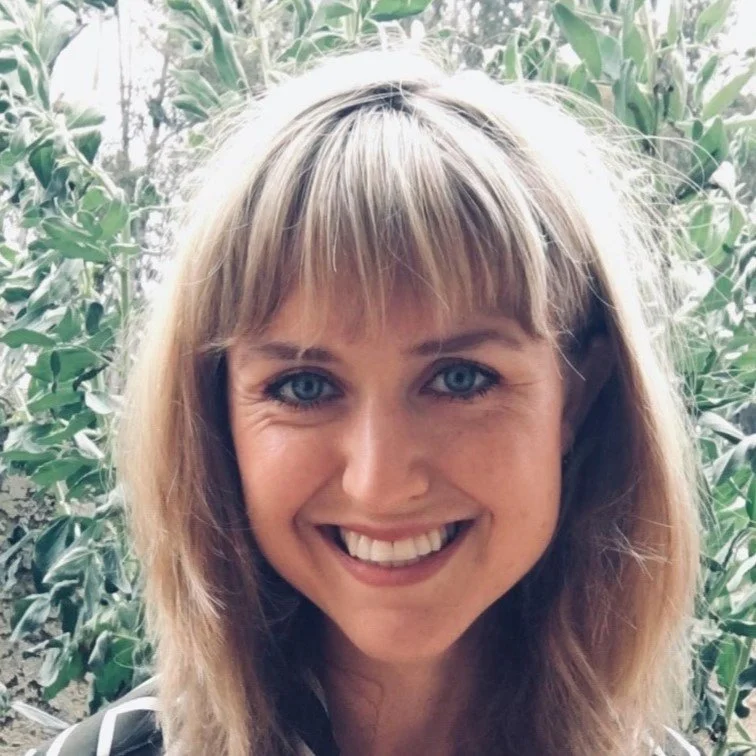
Tiffany Pecoraro is a registered dietitian and founder of Freedom With Nutrition, a telehealth practice specializing in eating disorder recovery alongside co-occurring chronic illness. With nine years of experience across every level of eating disorder treatment — from inpatient to outpatient care — Tiffany noticed a pattern: people would complete treatment and still be struggling, not because they were recovering "wrong," but because their full health picture was never addressed. Drawing from her own recovery journey and autoimmune diagnosis, she built her practice around the integration that was missing: collaborative, science-based care that holds space for both eating disorder recovery and chronic illness at the same time. She has been quoted as an expert in publications including the Chicago Tribune and Food & Nutrition Magazine.
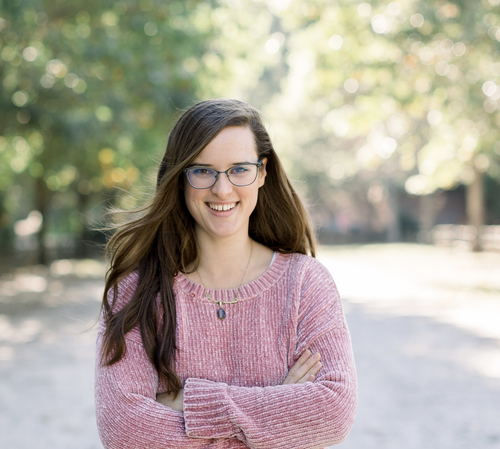
Meet Destiny - The host of The Chronic Illness Therapist Podcast and a licensed mental health therapist in the states of Georgia and Florida. Destiny offers traditional 50-minute therapy sessions as well as therapy intensives and monthly online workshops for the chronic illness community.