
Neurodivergence, Chronic Illness, and What the Therapeutic Space Has to Get Right
I sat down with Dr. Heather Olivier — licensed professional counselor, supervisor, assistant professor, and the first person in her field to receive the two highest national research awards from both NBCC and ACES simultaneously — to talk about something that doesn't get nearly enough airtime: what happens when neurodivergence and chronic illness overlap, and what that means for the therapeutic relationship.
Heather brings both her clinical expertise and her own lived experience to this work. That combination makes her one of the most thoughtful clinicians I've talked to about what it actually means to create a space where people feel safe enough to show up fully — diagnosis and all.
This one's for the chronically ill people who've felt misunderstood. And for the clinicians trying to do better.
The Misdiagnosis Problem Nobody's Talking About
One of the first things Heather brought up was the pattern she kept seeing in her practice: women coming in with diagnoses that didn't quite fit. Bipolar. Borderline. Labels that were close enough to explain some symptoms, but not accurate enough to actually help.
What she was actually seeing? ADHD and/or autism — specifically in women — combined with PMDD.
Here's why that matters: Autism and ADHD in women often don’t look like the textbook hyperactive little boy we've all been conditioned to picture. The hyperactivity is internal. The "good" student who was quiet in class but internally unraveling. The person who grows into an adult dealing with anxiety, eating disorders, and emotional dysregulation that only shows up in very specific windows — like the week before a menstrual cycle.
That window looks a lot like mania if you don't know what you're looking for.
And when the diagnosis doesn't fit, the whole treatment plan doesn't fit either.
What I keep thinking about is how many people are out there chasing root causes — going down functional medicine rabbit holes, trying protocol after protocol — when what they actually need is a more accurate map of their own nervous system. Not because those tools are wrong, but because without the right diagnostic picture, you're solving for the wrong problem.
The Connection Between Neurodivergence and Chronic Illness
This is where the conversation got really interesting to me. The overlap is significant — and it's not fully understood yet.
We know that prolonged stress and trauma create a cascade of biological events. Elevated cortisol over time. Nervous system dysregulation. And eventually, in some people, the development of chronic conditions. But here's what makes this complicated: two people can go through the same experience and one will develop a chronic illness and one won't. That's where genetics, heritability, and individual biology enter the picture — and where simple "stress caused your illness" narratives fall apart.
People are learning about their neurodivergence and their health vulnerabilities at the same time, often in the middle of one of the hardest experiences of their lives. This is exactly the kind of complexity that gets missed when clinicians don't have a framework for holding all of it at once.
What a Neurodivergent Therapist Actually Looks Like in Session
Here's something Heather said that I want every clinician to sit with: if you're uncomfortable in your own body during a session — if you're in pain, if you're managing blood pooling in your feet because you have POTS, if you're hyperaware of a flickering fluorescent light — you've already checked out of the room.
The accommodation you make for yourself isn't just for you. It's for the process.
Heather described what this looks like practically:
Crossing her legs in session — not "bad body language," but a physical accommodation for hypermobility and POTS
Keeping a notebook nearby — because jotting things down helps her stay present, not because she's disengaged
Adjusting her lighting — lamps instead of fluorescent lights, because for her, a flickering bulb isn't a minor annoyance, it's a physical experience that takes over the right side of her face
Blocking off certain hours — not scheduling anything during her energy dip window, because pushing through doesn't make her more productive, it makes her less effective for hours afterward
Naming her process upfront — telling people at intake that if she isn't making eye contact, it's because she's so tuned in that masking isn't even on her radar in that moment
That last one is one I relate to deeply. When I shift my eyes to the left in a conversation, I'm actually concentrating. I'm not checked out. But without that context, it reads wrong — and the work it takes to perform "normal attentiveness" actually pulls me away from the conversation.
When Heather names these things at the start, something important happens: the other person's nervous system gets to stop treating it as a threat.
Brainspotting, Chronic Pain, and the Body's Filing Cabinet
Heather came to brainspotting as a client first — after losing her precious baby. And she described something I think a lot of chronically ill people will recognize: the split between what you're physically feeling and what you're emotionally allowed to feel about it.
Brainspotting works with the idea that our eyes find spots that correspond to where specific experiences are stored in the brain and body. When you're telling someone about something distressing, you naturally look away and then return — because you can only tolerate so much processing at once. Brainspotting says: what if we stayed in that spot a little longer?
For people with chronic illness, Heather frames it this way. Imagine your central nervous system is a filing cabinet. There's a drawer labeled "comfortable." One labeled "uncomfortable but tolerable." And one labeled "uncomfortable and intolerable." A lot of people with chronic conditions have entire drawers they've never opened — not because they're unaware something's there, but because opening it would mean fully feeling it.
And fully feeling it feels impossible when you still have to function.
What brainspotting can do — and what Heather does with it in her practice — is help bridge the gap between this is how my body feels and this is how I'm allowed to feel. When those two things get validated together, the emotional weight of the physical experience starts to shift.
In this conversation, we also made a point I want to name clearly: not everyone with chronic illness is shut off from their body. Some people are on high alert — hyperaware of every sensation, exhausted by the constant scanning. Even then, there's usually something underneath that the hypervigilance is protecting. Brainspotting can help figure out what that is — and when it does, the overactive response often quiets on its own.
An Inclusive Space for One Is an Inclusive Space for All
Heather said this at the end of our conversation, and it’s so poignant.
The accommodations we're talking about — softer lighting, flexible seating, explaining the "why" behind a request, adjusting communication style — aren't just for neurodivergent people or people with chronic illness. They're just better practices.
When we stop treating neurotypical norms as the default that everyone else has to stretch toward, everyone gets more room to be present. The clinician. The person in the chair. The student in the classroom. The patient in the exam room.
That's the whole point of Relational Cultural Theory, which Heather practices: we are built for connection. The therapeutic alliance itself is the biggest catalyst for change. All the beautiful tools in the world won't work if the relationship isn't there first.
So whether you're a clinician trying to create a more inclusive space, or someone with chronic illness trying to figure out why you keep walking away from appointments feeling worse — this episode is worth a listen.
Because the relationship you have with your own body, your own diagnosis, and the people walking alongside you matters more than we give it credit for.
This blog post is based on an interview with Dr. Heather Olivier on The Chronic Illness Therapist Podcast.For more resources on navigating healthcare challenges, subscribe to our newsletter and follow us on social media.
If you're a therapist or clinician working with neurodivergent or chronically ill clients and wondering how to hold all of this complexity at once — we're covering exactly that at the Chronic Illness Therapist Conference on March 6th and 7th in Atlanta (and virtually).
Register here for 13 specialized CE hours you won't find anywhere else. Your chronic illness clients deserve more than 'listen to your body' - and so do you.
Disclaimer: Everything we discuss here is just meant to be general education and information. It's not intended as personal mental health or medical advice. If you have any questions related to your unique circumstances, please contact a licensed therapist or medical professional in your state of residence.
Destiny Davis, LPC CRC, is solely responsible for the content of this article. The views expressed herein may or may not necessarily reflect the opinions of the guest.
The content in this blog post comes directly from a real, human interview between Destiny and her guest on The Chronic Illness Therapist Podcast. This written version was formatted using AI. Listen to the full episode to hear the actual conversation.
Listen to my full conversation with Dr. Heather Olivier on Ep 119: Neurodivergence, Chronic Illness, and What the Therapeutic Space Has to Get Right
-
Episode transcribed with AI and may contain errors that are not representative of the actual word or meaning of the sentence.
[00:00:00] You graduated, you got licensed, and then a client with chronic illness walks right into your office and you're left not knowing what to do. And 76% of your clients have at least one chronic illness. And what I know about that is they're exhausted and they're so tired of being dismissed, and they need you to know what you're doing.
That's exactly why the Chronic Illness Therapist conference exist. Two days of real evidence-based trauma-informed training built, especially for clinicians like you already doing this work, you'll leave knowing how to properly assess what your client actually needs, not what you think they need or they think they need.
You'll understand the foundations of working with medical trauma and complex PTSD related to ongoing healthcare struggles, and you'll finally have a framework for all the grief and identity shifts that come along with living with a chronic condition, all without accidentally reinforcing cure Myth.
Join us March 6th and seventh, virtually or Atlanta, totally up to you for 13 ces for physical therapists, counselors, social workers, and rehab counselors. Our clients can't wait for us to figure this out on our own, so we hope you'll join us. [00:01:00] Registration is below.
The Chronic Illness Therapist Podcast is meant to be a place where people with chronic illnesses can come to feel, heard, seen, and safe. While listening to mental health therapists and other medical professionals talk about the realities of treating difficult conditions, this might be a new concept for you, one in which you never have to worry about someone inferring that it's all in your head.
We dive deep into the human side of treating complex medical conditions and help you find professionals that leave you feeling hopeful for the future. I hope you love what you learned here, and please consider leaving a review or sharing this podcast with someone you love. This podcast is meant for educational purposes only.
For specific questions related to your unique circumstances, please contact a licensed medical professional in your state of residence.
Destiny Davis LPC CRC: Dr. [00:02:00] Heather Olivier is a licensed professional counselor and supervisor specializing in working with neurodivergent clients and psychosomatic presentations of traumatic loss. In addition to owning her own private practice, Olivier Counseling and Consulting, she's an assistant professor of counseling at Southeastern Louisiana University with a focus on creating inclusive curriculum design for neurodivergent students and faculty Dr.
Olivier's research. Regarding perinatal loss has received state and national recognition, and she's the first person in her field to ever receive the two highest national research awards given by the National Board for Certified Counselors and As the Association for Counselor Education and Supervision. Heather regularly presents nationally and internationally to interdisciplinary audiences on neurodiversity, patient and practitioner wellness and cultural stigma impacting trauma. Well, thank you Heather for being, being here. Anybody who just heard your bio can automatically know why we invited you to our conference because the whole conference is going to be around interdisciplinary [00:03:00] care for chronic pain and chronic illness.
So you again for being here.
Heather Olivier: Thanks for having me.
Destiny Davis LPC CRC: yes, can we start first by telling, you can tell the audience what specifically drew you to the intersection of neurodivergence and chronic illness. You could maybe weave in some of the perinatal work that you do as well, but what drew you to this work and, and how did you get into it?
Heather Olivier: Yeah. You actually hit the nail on the head with starting with the perinatal piece because, um, a lot of, especially researchers and academics in my field have wondered. Why after doing all of this research and collecting all this data and those awards that you mentioned, that was all based on perinatal loss research.
So I have gotten questions regarding why now would you switch to another specialty? Um, but for me they are very intertwined. So a lot of the perinatal loss clients I was seeing who were experiencing maybe infertility, multiple [00:04:00] miscarriages, um, and other losses, um, were then having to go get genetic testing.
And we, I started seeing this overlap between, um, these losses and people who are neurodivergent or maybe had what is, um, called the M-T-H-F-R gene, um, that was only discovered. Once they were experiencing infertility, which is also tied to, um, is there's a lot of correlation between that gene and being neurodivergent.
So they were learning that and then also putting together pieces about A DHD possibly, or autism. So I saw a lot of overlap there, um, which really made me curious. Um, and then also just my own exploration, like many neurodivergent people who, um, end up specializing in this area, so likely because, um, we've had to do some self-discovery and we realized, wait, nobody's talking about this.
[00:05:00] Um, so that's really what drew me to this, um, field. And the perinatal loss research really was the catalyst for me landing here.
Destiny Davis LPC CRC: Yeah. And you practice something called relational cultural theory Theory, right?
Heather Olivier: Yes.
Destiny Davis LPC CRC: your, tell me a little bit more about that.
Heather Olivier: Okay. So, um, that's one of my favorite top all my students would be so excited, um, talking about this. But it is a theoretical orientation that is using a lot of different fields. But, um, counseling, it's something that we teach in counseling. Um, and it's newer, it's, it's a product and a wave of the feminist, uh, movement, but it's essentially based on the fact that as human beings we're built for connection.
Um, and so, and if we go back, you know, thinking neurologically, that's what our mirror neurons are for. And so because we're meant to be in connection with others, um. It [00:06:00] works so perfectly using relational cultural theory with individuals who, um, have chronic illnesses and also neurodivergent individuals because connection is really, um, this barrier they often face even going to medical appointments or finding, um, counselors who will validate their experience.
Um, connection is at the core of that experience. Um, and we know that, you know, the research tells us that the therapeutic alliance itself is the biggest catalyst for change. Um, so we can have all these beautiful tools, but if the relationship isn't there, none of them are gonna work. So relational cultural theory is something I'm very passionate about, um, especially working with neurodivergent individuals.
Destiny Davis LPC CRC: Yeah. What are some of the most common overlaps maybe you're seeing right now in diagnoses, like neuro specific neurodivergent diagnoses as well as physical conditions. And then maybe we can also [00:07:00] weave in that relational piece again of, of why it's so important, not only like the communal kind of person to person relational aspect, but I'm even thinking about the relationship between the diagnoses.
Heather Olivier: Mm. Yes. I love that question. Um, the first thing that comes to mind is, um, is the misdiagnosis. That's my initially what came to mind. Um, I have a,
Destiny Davis LPC CRC: Yeah.
Heather Olivier: a lot of clients and it was in, yeah, it was interesting because around the same time I got this influx of. Clients, um, were females and many of them being misdiagnosed as either bipolar or borderline.
And, um, part of the way that I experience, uh, my, um, intuitiveness, but also just my sensory system and with synesthesia is, um, I will feel different diagnoses in different parts of my body. [00:08:00] Um, I tell students about that just to be, oh, for them to learn their systems, but I don't teach them. Here's the diagnostic tool that, um, but it was people, these clients were coming in and I saw the confusion on their faces.
Um, they were coming in with these terrible physical reactions that, um, that if the chemicals in their brains were responding to an accurate medication, they would not be experiencing. And it was, what I was seeing was. Uh, women who have a DHD and also have, um, PMDD, uh, the, uh, premenstrual dysphoric disorder.
So those three to five days before, um, the cycle starts, it, they were having, um, you know, a major dip in emotions and that's where, um, maybe fights were happening in relationships or decision making that [00:09:00] maybe looked similar to mania was coming up, but it was only during that time. So then we're able to explore those diagnoses and with those being more accurate, really this therapeutic process was then able, they were able to take that outside of the therapy space and have that for themselves to really validate their experience, um, and take on a label that they felt was accurate.
Destiny Davis LPC CRC: Yeah, I, I think, I mean, I've definitely seen that where clients are, are, um, their diagnosis is just, it doesn't quite fit like what their lived experience or it really, really fits like something like PMDD because that experience, uh, can, you know, goes along with all these other diagnoses as well, but. But they haven't gotten like the answer to it. And so I do, I think what I see a lot in my practice is a lot of a desire to find the root cause, which brings us into usually like functional medicine. And I will say like there [00:10:00] can be really, really helpful in life changing as well as like sometimes people just chase more rabbit holes and, and kind
Heather Olivier: Right.
Destiny Davis LPC CRC: down these root cause like rabbit holes that don't actually give them a lot of relief.
So it can be really hit or miss there. Um, but what you're speaking to is like just this intuitive knowing of something is maybe not right or it's not, the diagnosis isn't quite fitting the experience is that right?
Heather Olivier: Yes. Yes. And, and, you know, with that overlap, um, kind of going back to your question of, you know, what, what I'm seeing with that overlap is primarily in women. Um, and I'm thinking kind of more with the A DHD, um, so many women who are, um, or individuals socialize as women. So female clients who come in and they're realizing in their late twenties, thirties, forties, um, that [00:11:00] what they were experiencing didn't look like.
The textbook scenario of when they learned about A DHD in the eighties and nineties. Um, and so, you know, and that's why with the DSM shifting from a DD to just A DHD with three subtypes, um, that gender piece was very influential with that, that change in diagnosis because we know that, uh, women, primarily their hyperactivity is internal.
So these were the students in class when they were little, who were very still very quote unquote well behaved. Um, but they're the ones who were likely experiencing eating disorders, um, anxiety, all the internal things that also they're dealing with as adults that have turned into chronic illnesses as well.
Um, so I just think it's fascinating, [00:12:00] um, and. Fascinating in a way that is a disservice, but, uh, that how even the misdiagnosis has lended itself to so many, um, late onset or, you know, chronic illnesses as adults, right.
Destiny Davis LPC CRC: Yeah. I think this is like a really tricky conversation because I, I mean, correct me if I'm wrong, I think science can't like prove or disprove either way of how, what? Like we have a lot of science around how stress and trauma, you know, creates a cascade of biological events in the body. Like increased, you know, prolonged heightened cortisol and things like that, that can then cause uh, chronic illnesses down the road.
But what's tricky about it is like, why does one person, maybe two people go through the same experience and one will develop a chronic illness and one wouldn't. And then that's where I think it's just, there's just some parts that are heritable genetic that you cannot control no matter how stress-free your life is.
So, um, I think that's why [00:13:00] there's so much discourse around this right now because there aren't very clear answers. But I would love to hear your perspective on that.
Heather Olivier: Hundred per I completely agree. Um, because even, even the term, um, autism spectrum, we know that it's not this dichotomous spectrum, that it's more of like a sphere. Um, and so even the language, uh, which is also a big part of relational cultural theory is understanding the subjective definition that we all hold with each word.
Um, and that's a sidebar concept of, uh, symbolic interactionism is, you know, with our clients we can't assume that we define things the same as them, even if, you know, we have. Six people in a row that day who are saying they have anxiety, it's gonna look different. Um, so even with our verbiage of, um, autism spectrum, you know, it's not, that comes up a lot [00:14:00] where people say, even when I disclose my, um, autism diagnosis, people say That doesn't make sense.
And it's like, oh, okay. I didn't know you lived in my head or my body, but thank you for that feedback. Um, I'm better.
Destiny Davis LPC CRC: Yeah.
Heather Olivier: Uh, but it, um, so.
Destiny Davis LPC CRC: We have such a narrow view of what autism looks like. And could we do a little sidebar on maybe like, the discourse right now between some people are really the, the folks, especially parents of children with autistic children who maybe like they need the level three supports and so they're often non-verbal.
Um, lots of meltdowns and throughout the day and, um, need 24 7 care. And so right now the discord discourse is like we're putting, um, people who are able to like, go to school, hold a job, things like that in the same bucket as folks who can't. And people are really struggling with that. I'm just curious if you wanna speak to that at all.[00:15:00]
Heather Olivier: Absolutely. Yes. Um, I think it, two things come to mind. Um, one, I think it's important for whatever field we're in for, uh, if diagnosis is even touched upon in that field. Um, the, the frontline in my, from my perspective is, um, the educators. So we need to be integrating, even if it doesn't say, you know, check, like something that, um, I've been discussing with a colleague of mine a lot recently is okay, even though each, um.
Academic space has check boxes. Um, even for diversity, we shouldn't just be checking the box. It should be integrated even with case studies, for example. So what you mentioned about, um, you know, the differences in how it impacts their lives and that level of distress, um, that's something that I use in a lot of [00:16:00] case studies, even in my group class, for example, when I'm teaching them how to, um, determine what sort of participants, what sort of group members would be in there.
I use that example actually, that's funny that you say that because, um, I'll say, you know, if I were to say I am starting a group for autistic individuals who are unemployed, it would be critical that I differentiate between the fact that, or between participants who are unemployed by choice or unemployed because of the level of care.
Um. Which keeps them from being employed full time. Um, because knowing that that will not be therapeutic, to be in that space together, um, and could actually be very dismissive, um, and really could be harmful for many people. Um.
Destiny Davis LPC CRC: Thank you. Yeah. And, um, maybe we can even talk a little bit then [00:17:00] about how it ends up the, um, being similar, how it ends up being similar. Like it's the, it is the same diagnosis despite needing different levels of care. And I know from my own understanding what that looks and feels like is. For example, if we're gonna use a meltdown and a, and a child who is nonverbal is melting down and you really, you, you don't know why.
Or as a parent, you, you might know why. You might know that they're hungry or that they didn't like the tag on their shirt or the, in the, the different things that might set an autistic child off into that. Um, when they can't verbalize what's happening that, you know. But for us, I think, um, when you, uh. When you're, when you are more level one and you are again, you know, you're able to work or you're able to be in society without really, people wouldn't know unless you told them. Um, one of the experiences that comes up a lot in my own sessions is like, if I get confused or overstimulated or, you know, which is a normal human experience, I think everybody, regardless of neurodivergence, like gets [00:18:00] overstimulated if you have enough stimuli in the environment. But when that happens, the internal feeling is like that of a meltdown. We just might be able to not fall on the floor and start screaming and flailing. We might be able to hold that in, but then what does that do to us physically and emotionally that we have to then go home and like decompress from that?
Heather Olivier: I love this question because that actually touches on that second piece I was thinking about, which is for individuals who are, um, at a level one, um, need of care. It's, I think it's important that we verbalize. Our internal experience. Um, because again, if we're even thinking about, um, even an A DHD diagnosis, it that in a, or the hyperactivity being internal, it's, you know, we wouldn't, there wouldn't be that differentiation now if no one was talking about it.
So I think [00:19:00] for autistic individuals who are at that level one, um, need of care, it's important. For example, I was telling my mom, um, so I wasn't, I was diagnosed with A DHD in college, um, and then was diagnosed with autism and, um, in, um, 2023, fall of 2023, it was right when I started as a professor as well.
So that of course brought in the, uh, imposter syndrome to the 10th power. Um, but um, I was telling my mom this past week, um, something to the. To the effect of, I wonder what most people experience when they receive a text. Um, and she was kind of like, what? And I thought, every time I get a text, I assume I did something wrong or someone's mad at me.
And, and I was like, every, every morning I was like, she's like, what? I was like, yeah. [00:20:00] I mean, I, I was like, that's my baseline. And, and I'm, you know, was always like, you know, a straight A student, but it's just, it's not because I always got in trouble. It just is always my baseline and I don't talk about it.
And I realized that was, she was, she said, I know if my family calls me H like HI never realized you experienced. I, she's like, I'm so sorry. Um, but just now I'm realizing the things I need to verbalize even. Um. Like with friendships, this has happened many times where people will say, I've had very awkward experiences where people will say, oh yeah, since we're friends.
And in my head I'll think, oh, I didn't like, I'm excited, but I'll think I didn't know we were friends. And it's, uh, I, because I met them and they,
um, and even the, yeah, Victoria, [00:21:00] um, who, you know, putting on the conference as well is one of the things that she will say to me. Oftentimes when I get a text many times at conferences that'll say, Hey, we're hanging out at this place. And for me, I think, oh, well that's cool, but they didn't invite me. And she will say, Heather, they sent you that text because they want you to attend.
I'm like, but they didn't invite me. So even, and I know those are lighter examples, but that happened. In October of this, like, so it is still something that I live with every day. Um, and last random example, but I think these are relatable, is, um, I remember someone in a faculty meeting one time complimented my shoes and my first thought was, I didn't know we were allowed to do that.
And I just, something about being able to talk about clothes in a workspace. So these are the [00:22:00] things that now the reason why a, it was, has been so validating for me to receive that diagnosis is I'm able to see other people's experiences and it is so helpful to know, oh wait, other people think those things too or go through these processes.
Um, and so I, I've say it kind of going back to your question about, you know, what. What's the connectedness within that? And what I'm hearing is like, what is the relationship with between groups and then also, um, within groups? So, um, I would say it's important to, even if people are quote unquote, functioning well as being perceived by others, I think it's important for us if we are able to describe our experiences, even describing our experiences of, um, breaks in [00:23:00] communication or how it takes longer to form relationships because we are misunderstood or misperceived.
Um, that by us describing our, I, I genuinely feel it lessens the gap between like the misunderstanding of the diagnosis as a whole. Um, and that's just my opinion. I don't know what you think.
Destiny Davis LPC CRC: Yeah, I think that's why the lived experiences, um, like a lot of us are, uh. Disclosing more, and like talking about it as openly as we are on podcasts and social media and whatnot, because we, those examples, the examples we see on movies and TV and, um, and media is usually neurotypical. And this just gives such a good model for people to see themselves in it so that they don't feel so alone in it.
And ironically, that usually helps people feel a lot less stressed to be themselves, which in my [00:24:00] experience, especially at that level, and also I'm, I'm not diagnosed, I just under, I think I understand the experience a lot. Um, but in my experience it's, uh, that at that level, um. Oh shoot. I just totally lost my train of thought as I was giving that little sidebar, but that's okay. Um, yeah, we just really need the, the lived experience modeled so that, uh, the stress levels can be reduced and, oh, that's what I was gonna say. you feel less stress around it and you are more yourself, find that you actually are more like socially accepted as well. I, I don't know if that's the right way to put it, but that we wanna like, do everything to be socially accepted.
It's, it's almost, it's this back kind of backwards, like when you stop trying Carl Rogers, when you accept yourself as you are, then you can change or then you can be as you need to be really, and, and you are more accepted. I think people really like confidence.
Heather Olivier: Yes. So, okay. That is a perfect [00:25:00] like, kind of, um, way to weave in RCT here as well because, uh, they reference Rogers, um, and they say if. Ian therapy is person centered. RCT would be relationship centered. And so RCT posits that, um, in the same way that Roger said, you know, we have to have unconditional positive regard.
RCT says the way that we, the most effective part about having unconditional positive regard for our clients is that then our clients are able to have unconditional positive self regard. And so, like the relationship, it's not just a output, it's more of a, um, like reciprocity there. And so I a thousand percent agreed that, um.
For me, even, um, I have something in my syllabus [00:26:00] now that says, um, you know, it's just a brief blurb of, you know, as a neuro divergent individual, um, it's under the class etiquette piece. Um, where it something to the effect of, you know, I'm not asking you to not have your phones out because, uh, I'm trying to be authoritarian.
It's, I will be distracted. Um, and so, you know, for this to be an inclusive space for all of us, um, and for me to be my most effective self, like these are my requests just based on the way that I process the world. Um, and I've had students.
Destiny Davis LPC CRC: is in that relational framework of like, this is simply a, a need that I have. And when you live in a society with others, we want to respect each other's needs. And I know a lot of folks, neurodivergent folks do a lot better when they understand the why behind an ask, um, which is interesting because.
Actually, not even in a neurodivergent lens, [00:27:00] but we know that authorit authoritative, which is not authoritarian authoritative, is that like here, I, I have a request of you and I have an expectation of you, but I will explain why it's not just
Heather Olivier: Yeah.
Destiny Davis LPC CRC: say, because I said, so that is the most effective form of parenting, whether you're neurodivergent or not.
So it's just an interesting, um, I think that's just an interesting tidbit.
Heather Olivier: Yeah. Yeah. I had never put those pieces together, but yes, I'm literally thinking, okay, put that in the file for parenting. Um, they
Destiny Davis LPC CRC: totally. Yeah.
Heather Olivier: I.
Destiny Davis LPC CRC: was really eyeopening for me of like, yeah, go
Heather Olivier: And I think it, it, you know, our jobs as clinicians in my opinion is really to, so much of it is modeling for our clients as well, and even being able to say, um, so I moved to an office space where, um, there are options on places to sit. And so, and [00:28:00] sometimes people come in and just, uh, sit on the floor if that's what they need to do, or fix a cup of coffee if they need like a stem of like holding.
They might not ever drink it, they might just clutch it the whole time. But, um, but modeling, asking for our needs and not being okay and not being selfish on where Now I've had students who will say, uh, like one student who I have discussed in presentations and she's given me permission to say this, that.
Um, at the end of the semester when one semester she was, uh, doing her final presentation and asked, um, she said she disclosed, uh, as somebody with dyslexia, I'm going to request that, um, one of my classmates read this case study. And I just thought it was a beautiful, um, example of how to create an accommodation for herself in a way that was appropriate, ask for her needs, but also it Inc.
And I thought it was, um, [00:29:00] therapeutic and clinical within that space. Um, so it just something about being able to, kind of going back to what you were mentioning, um, I think discussing our diagnoses and how we individually are impacted by them, um, it really does break down those barriers. So even, even know.
A lot of those social and communication barriers that we experience. Um, even like texting, um, because a lot of my processing, um, takes place, uh, with my sensory system. Um, if somebody's not in front of me, if I get a text or an email, I can't feel what they mean. So it email can be very, and I know that I get the, uh, wrap of, she's bad at email.
Um, it really, it takes me a lot [00:30:00] longer to process what is being asked 'cause I can't feel that. So I'll do things like voice memos or, um, things like that.
Destiny Davis LPC CRC: That makes sense. Yeah. Yeah. And I think there's multiple, I think multiple ways to like work around that. One of which is the accommodation of, obviously we can't send voice texts, voice to memos through email, but it would be nice actually if that feature within there. Um, we, we are moving now into that.
The second objective you're gonna be talking about, uh, at the conference is about barriers faced by neurodivergent and chronically ill therapists that impact the therapeutic process. So part of it is, yes, this maybe need for a different communication medium than what's available or just what's normalized.
You know, sometimes the extra, the accommodation is available, but because it's not normalized, then
Heather Olivier: Yes.
Destiny Davis LPC CRC: it becomes a barrier to having access to that. What are some of the other barriers, um, that people start to, [00:31:00] that, that really impede the therapeutic relationship, whether that's in therapy or physical therapy or, or any allied health professional.
Heather Olivier: Yeah. Um, I'll start with the example of like how I've been fidgeting a lot, um, and my legs are crossed. So as somebody who, uh, has POTS and mcas, and, uh, that's why I loved Dr. Peppers, um, podcasts from last on, you know, pots, mcas, um, hypermobility. So with hypermobility and products, I wanna have my legs crossed.
Um, but in school we're taught that's not the therapeutic. So I think it's important for clinicians in many different fields to understand if you're neurodivergent. If you have a chronic illness, which we know there's so much overlap there with those experiences, um, if you aren't [00:32:00] making those accommodations for yourself and you're going based off of, um, again, knowing that, like you said, knowing I could make this accommodation, but it's not socially acceptable if we go back to even our code of ethics, okay?
Even if something's not socially acceptable, I need to be worried about what's most therapeutic and what will not cause any harm, what will not impede upon this process. And so if I'm worried that I have, uh, blood pooling at my feet and I'm thinking I'm gonna be dizzy when I stand up, um, then that I just checked out of the session, um, or if I'm experiencing pain that I know could be adjusted if I just move a little bit, even if the seating looks awkward.
Knowing will I be more present? And if so, that accommodation isn't just for me, it is for the process overall, because I, I [00:33:00] explain it. Like if I can check that off in my, um, for my central nervous system to, I'm acknowledging the threat that it is alarming me of, um, I'm checking that box and I'm removing it from that list so that now the biggest threat is what I am, what I am placing as the threat of this person is in distress.
How can I be with them right now? Um, so I think attunement really.
Destiny Davis LPC CRC: Yeah, I mean, I do mostly VIR virtual work and even like, I can kind of show you right now what this usually looks like, but I, my clients know, like, I'll move around, like I'll bring my chair, my chairs back here. I was just standing with you. Um, I'm still talking as I'm doing this. They know I'm paying attention to them.
I'll bring my, um, desk down for people who weren't watching the video. You can actually see this, how this process works. Um, and then, yeah, I might just adjust my, my [00:34:00] desk a little bit and we're just continuing the conversation as I am now more comfortable because I, and I can think more clearly because if I was, if I had stayed standing, like my low back is starting to bother me, I might start thinking about it. Whereas now I can just sit and I don't know if this is the A DHD or the chronic pain or whatever else is going on, but I don't really care what the, what the diagnosis is at the moment. All I know is that my nervous system needs to sit right now, and then it might need to stand up again in 10 minutes from now.
So. have yet to have, I've had a couple of clients, like might pause and think like, okay, does she need me to pause? Maybe she's not paying attention anymore.
Heather Olivier: Uh,
Destiny Davis LPC CRC: I explain it that very first time, like it's never an issue again.
Heather Olivier: yes, I, a hundred percent. Yeah. I'm literally, so I have on heels, but, and trousers, but my legs are crossed. But it, and yeah, that constant, like I can't tell you how many times I've thought, you know, especially when you're on like a virtual [00:35:00] meeting or something like that, when you can only see a top and thinking, okay, I need to remember.
And then constantly going through that process of. Why do I hunch over? Why are these, you know, in all these processes, if we are hyper aware of them. That's been our focus. And again, going back to, for me, it really is the relational piece. By us saying that at the beginning, I, I point that out in my intake sessions.
And I'll say, by the way, even with eye contact, I'll say, if I am not looking straight at you or if I have a very flat affect, it's not because I'm disinterested, it's probably 'cause I am so interested that I, that's not even on my mind to mask in that moment or attempt to stare into your soul. Um, and because it's more about, and, and once they know [00:36:00] that their central nervous system will no longer see that as a threat.
So even that, that, uh, break in communication where people who are neurotypical or maybe even people again, who have, uh, a different level of autism or even A DHD, they experience d. So even within, uh, or between neurodivergent people, if you have different experiences of those communication pieces, um, just removing that barrier, it's again, that checklist for their nervous systems to say, okay, that's just our process is good.
Destiny Davis LPC CRC: Yeah,
Heather Olivier: Um, as a quick side note, I always love to add this part about the eye contact. Um, and I have talked to so many autistic individuals who experience the same thing where, um, a lot of people will say, oh, they just can't make eye contact. It's awkward, but. For me, I know if I lock into somebody's eyes, [00:37:00] I get way, my mirror neurons are so attuned that I get too much information.
Um,
Destiny Davis LPC CRC: Yes,
Heather Olivier: and then I can't unknow it because the mirror neurons there. Um, and so, and it can feel intrusive, almost like they didn't gimme permission to feel whatever they're feeling right now. Um, so that's another, I always like to add that for my students, like, by the way, this is really what the experience is for, for many autistic individuals.
Destiny Davis LPC CRC: Yeah, I, I love just educating on that e experience. I, I have that same exact experience. It's for, the way that I've explained it is just I get overstimulated just by like, looking at someone's eyes
Heather Olivier: Yeah.
Destiny Davis LPC CRC: my train of thought. So again, it's, it's not even about like, for the sake of comfort, it's also about efficacy and being able to do my job, um, and being able to just hold a conversation, the eye contact, like I start to think too much about what they're thinking or maybe what they're [00:38:00] feeling or I, I like need to look away.
I mean, it's, it's so funny, like. Yeah, I've had so many experiences. I feel like it's been more recently like an uptick in this. Maybe I've just been doing more in-person stuff lately, but tend to look to the left when trying to really concentrate on what I'm saying and not concentrate, not feel or think about what the person in front of me is saying.
And like sometimes I'll, I'll find people like moving into my left, like into that visual field. Like they're trying to like catch my eye contact again and I'm like, man, I just, I don't know how to tell you that this is actually me better paying attention to you. But that is like, just let me, can we just not, does this have to be, it doesn't have to be awkward.
It could just be normalized.
Heather Olivier: right. And that's what I wanna say. Like this does not impact anyone's life whatsoever. This is just a social norm. Um. Yeah. Well, and with the, what's often not brought up that I think my, [00:39:00] so one way that I experience autism, um, is, uh, the pattern recognition and even seeing like, okay, especially in research, um, where it's, okay, I'm seeing this, this, this, I bet this is about to be a really big thing.
And then it, so, um, the A DH adhd, however, is opposed like, okay, now I'm bored. Um, it's not great. But, um, but with, uh, so I think an, a wave of research that will likely we'll see in the next couple of years will be on, um, the experience of synesthesia and chronic illness. Um, because I know from, huh?
Destiny Davis LPC CRC: Can you explain that?
Heather Olivier: Sure.
Yeah. Um, so with synesthesia, um, for a lot of people I know that don't, aren't familiar with it, it's, it quite literally means mixing of the senses. And so, um, all of us as human beings, we, we start with the [00:40:00] baseline of synesthesia. So that's where we get verbiage, like sharp cheese, you know, we know that cheese isn't actually sharp, but everyone knows what that means.
Um, or warm tones and cool tone, you know, so it's part of our vernacular and people know those things. But for neurodivergent individuals, it's typically heightened. Um, and so I know for me, so, and that's where a lot of the, um, the communication barriers that occur, um. Accommodations that a lot of individuals make unknowingly, and I, I've found this out with myself and have since asked many people, um, have been through their synesthesia, which is why it was not caught.
So I would know what someone felt based, not based on the words that they were saying, but the colors I saw around them. And, um, [00:41:00] or I would, I, let's say for example, a client who is typically, whose personality is blue, like they're, they always see blue around them, typically nurses helping professions, things like that.
Uh, one day walked in and they had yellow on them, and I thought, okay, they're really overthinking something right now, and it's impacting their ability to be present with people. So I don't tell them, Hey, you're usually believe it today, or yellow. But I was just able to, but it's, I didn't know that people didn't experience that.
Um, but with. Many people, um, who exp and there's so many different forms of synesthesia. Even, uh, you know, synesthesia is the reason that music is even a thing, you know, for us to hear something and then experience an emotion. Those are two separate, um, sensory systems. And so, um, but one of the forms that I have is mirror touch.
So when someone else is feeling [00:42:00] pain, I'll feel it in my body. Um, typically more in movies, which is interesting. I'm not sure why, but if I am very attuned to people, especially in sessions, um, an accommodation I had to make for myself was, I can't see people who've experienced trauma, like, um, physical trauma.
I can't see them back to back. I can only once I realized that my body was experiencing a lot of the stuff they were describing or if they were currently feeling that pain. So even that awareness of what I'm, this distress I'm experiencing is real. Um, that's another thing that, um, uh, Dr. Pepper's in in her podcast is that, you know, even just validating.
I believe you, this is real. That is for so many clinicians, um, and [00:43:00] practitioners just pointing out, you don't have to push through. Um, you can implement breaks or you can, um, when your body is feeling distress, it, that's real. That distress is real.
Destiny Davis LPC CRC: Yeah. Yes. And you know, for someone listening who's like, I, you know, I don't see colors or I don't, um, in that way, or I don't like have an ex, I don't have a inner experience. That kind of even tells me like what you're describing. I think the main message that you is what you just said, like there's discomfort, if there's distress, it's not about. There might be frustration around not knowing exactly what is happening or why it's happening, but when we can't figure that out right away, we, in my opinion, like need to push that aside for a moment and just be with what is, and the answer will come. Whether that's colors or sensations or memories or thoughts or images. Um, and you practice brain spotting. I'm really interested to know, especially [00:44:00] because whenever, whenever I like do the uh, icon SEC thing over to the left, I'm like, I wonder what this means in brain spotting
Heather Olivier: Yeah,
Destiny Davis LPC CRC: I'm not. But can you share a little bit about brain spotting and how you start to help clients with that?
Heather Olivier: sure. Yeah. So I got into brain spotting as a client, um, after my first son passed away. And that's, which is important because that's when I, um, decided to go into perinatal loss research and working with, um. People who experience that same thing because it, I couldn't find, I wanted to find a clinician who had experienced it primarily because I wanted to be able to say things like, I wanna be with my baby.
And them know that's a maternal instinct and it, it, that's not a suicide threat, you know? So I wanted even to be able to describe things. Um, and it was, I, at that time, the perinatal specialists are very common now. [00:45:00] Um, this was almost 10 years ago and it was not, um, I couldn't find anyone. Thankfully I found an incredible trauma specialist who introduced me to Brainspotting.
She's actually, it's Emily Moe Fontano, who's the president of the Southeast Brainspotting Institute. Um, and so, uh, that work for me, brainspotting, this is a very, uh, not a great revenue. Not a great definition, but for very quickly, um, you know, if we think about the brain, um, that that trauma is really stored in that inner brain.
And so, but by the time that it goes, that we're thinking about it in our prefrontal cortex, um, that's where we're going through the decision making of, well, why am I anxious? Um, as I walk through this store and I hear a baby crying, I'm, I shouldn't be. I come to the store all the [00:46:00] time, nothing's wrong, something's wrong with me.
I must have anxiety. Like, so we think ourselves out of it, and it stays as two separate systems. Well, brainspotting, um, because our eyes typically find spots, um, of really where they store. It's almost like the file for this specific event is stored in the same place as this spot or this spot over here.
Um. So if you notice, even whenever you talk to people, like if I was describing to you, um, destiny on the way here, I almost, uh, got into a car accident if I'm maintaining eye contact. But then every time I describe the experience or my feelings of it, maybe I look to the left and up and I'll say, but God, I was so scared and the person was doing this, blah, blah, blah.
And then I would come back to you. Um, because we can't maintain that distress for too [00:47:00] long. And so when we do things like blink or um, shift our eye contact, it is like our brain saying, whoa, whoa, whoa. We can't process that right now. Um, this isn't the time or the place, but we get so good at it that we typically never process it, um, unless we stay in that spot.
So, um, with that, it, it really is the way that, um, brainspotting. Teachers will describe it as, it's like you're trying to get in the house, but you can't go through the front door. So it's almost like, how else can you maintain that? And then it, it essentially lets your brain do what it's designed to do. Um, and it refis that, uh, traumatic event or whatever else occurred.
It refiles it as this happened. And it was an experience that this isn't happening right now. Um, this isn't, I don't have to respond to that as a [00:48:00] current, um, distress or a current event that I need to respond to.
Destiny Davis LPC CRC: It makes me think that it's all of the kind of trauma therapies, our goal is to help clients process traumatic memory or feeling, it doesn't even have to be some, like, actual car accident memory or just like the feeling of shame, like intense shame
Heather Olivier: Yes.
Destiny Davis LPC CRC: within social situations.
Like, saying that that's what my experience is and why I look to the left so much, but I, I will think about it after this episode. Like, what am I feeling when I look over there? Um, and just like processing and bringing awareness to the piece that you don't wanna feel, and then feeling that in a safe container, which could be the therapy room or maybe on a hike or like somewhere where you just, you feel safe.
Heather Olivier: Yes. And the reason I. So I did brain spotting and I saw how much it just changed [00:49:00] my life. Like I would go from one of the ways that I experienced the PTSD was, uh, through nightmares. So it was like every time I went to a BRAINSPOTTING session, I would feel immediate alleviation in those symptoms. So I got trained in brainstorming level one, level two.
Um, and when I describe it to clients, I think what's important is that I'm able to say, this isn't something random. Like I believe in this, like it personally has changed my life. Um, but also the, so when I initially did that, I didn't know how effective it would be with neurodivergent clients as well.
But if we think about even the interceptive awareness and how we are so good at just shutting our. Shutting off our bodies, um, or not paying attention to our physical, uh, sensations. What Brainspotting does is how you're describing, you know, [00:50:00] what's my body feeling right now? That's where you would determine what spot to land in is when you start to feel a sensation.
Um, so it also, now I use it in ways to help people bridge what am I feeling? What am I experiencing, and then what's my body feeling? Um, so it helps also with that.
Destiny Davis LPC CRC: Yeah, love that. Can you give a couple more examples, um, from a chronic illness lens of what that might look like with bringing awareness the body or something else, like related to living with chronic pain or chronic illness.
Heather Olivier: Absolutely. Um, excuse me. So for people with chronic illnesses, it might be the, um, how you, I had a student recently doing a project on a, a chronic chronic illness, but wanted to look at, um, the embarrassment that the [00:51:00] subjective experience of embarrassment and how that shows up in social settings even. Um, so whether it is the emotional, um.
Ripple effect of the experience itself, or if it is actually the physical, um, experience, a lot of people are able to, while it feels separate, very separate, like here's my physical feeling and here's the emotional impact. Brain spotting has been very helpful in weaving those together as, um, not necessarily one experience, but something about validation of the physical experience itself alleviates the emotional distress because they can often feel so separate.
Um, like, because if we think about even embarrassment or shame, humiliation, um, those feel, the inherent, uh, experience of those [00:52:00] words are more so about this is a me thing, I need to not do this. But if we're able to say, this is part of your body, this is part of your system. Um, once we're able to really shed light on what exactly their subjective experience is of whether it's a condition or, um, you know, very physical pain, um, it, it really changes the verbiage and the physical, I mean, excuse me, the emotional experience in other settings.
Um, and really because that's where, uh, you know, and I don't know what your experiences, uh, with your clients, but I know for a lot of individuals who are coming in with chronic illnesses and chronic pain and just things that feel very internal, especially those invisible, um, [00:53:00] illnesses, it's, it can be that much more debilitating.
To really recognize what's going on. Um, there's almost like this recognition, something's wrong, but most of their time is spent in a space of avoidance. Like, I can't think about this because I have to do these other things. Or if I focus on this in a social setting, if I tell them how I really am when they ask, how are you?
Um, then it's gonna bring down the mood. So we're worried about the emotional, the psychological, the time. So for a lot of clients that I see there is really a lot of numbness, even though they feel the pain, there's also this detached numbness from the relationship with their body, um, because then that would mean fully feeling the pain.
Um, and so instead of going from a framework of how do we, [00:54:00] how do you manage yourself, it shifts into. How do I wanna show up in spaces? Um, what does discomfort look like? What does, uh, I, I I like to phrase it like, if our brains are, and our central nervous systems are filing cabinets, there's a drawer that says comfortable.
There's one that says, um, uncomfortable but tolerable, and one that's uncomfortable and intolerable. And so do we even know it's in that top drawer? We know that there are files in there, but what do they say? Um, and so it's really about creating a sense of safety and even the idea of understanding their bodies, because I feel like we never have that space.
Destiny Davis LPC CRC: That it was perfectly stated. Yeah. Um, yes, because I, my, I was thinking about maybe even people [00:55:00] who feel like they're already on high alert of every sensation in their body, and it's not that they're shut off from it. Maybe they're, they might even be thinking that they're like, too turned on to certain sensations in their body. Um, and they wanna learn how to, like, quiet that. I think, I would imagine, tell me if I'm, I'm on the right track here, that there's still an avoidance there around something. And so brain spotting can help us figure out what that avoidance is, which might help actually calm down some of that overactive response.
Heather Olivier: Absolutely. Yes. And, and because that's, that's what is so interesting. I'm so glad you pointed that out, because so many people do have that heightened attunement of, oh, I feel this, I feel this. Like even as we were talking earlier, how we're talking about our position, I was thinking my shoulder and then my leg and then, but then even being able to, for us to understand, okay, when I have, um, hyper [00:56:00] mobility.
These things fall under that. And then like, deep diving into how that impacts me, it, it really that, um, chasm between this is how my body feels and this is how I'm allowed to feel. Like, you know, it, I, that's where it's like that numbness is. And so, and I think in that space, because we want connection, we want to be with other people who are communal beings.
Um, this is for a lot of individuals. And I don't wanna say that this is a, you know, blanket statement for, but I know for so many individuals with chronic illnesses that this is where anxiety lies. This is where depression lies. Um, because it's, I feel this, and there's also the expectation to be here and in this space, it's, it's brutal.
Destiny Davis LPC CRC: Yeah, agree. I think that's a perfect explanation. So we've really been talking [00:57:00] about the lived experience, um, strategies and accommodations for an inclusive therapeutic experience because again, if you are comfortable as the clinician, that helps you figure out and be more present with your client. And, and it's just more effective for everyone. And then helping them figure out their accommodations and what they need internally, externally, all of the above, them be more honest and, and, um, and raw in therapy, which is, you know, one of the, the main ways that we're gonna change. And then we've also talked about some, you know, strategies around like brain spotting and, um, just kind of. Keeping an authentic, uh, environment, uh, as the, as the social norm, especially in the therapy space or the physical therapy space or whatever kind of clinic clinician that you are. Um, what do therapists and [00:58:00] clinicians need to understand about maybe some of the individual accommodations and the more systemic accessibility?
Heather Olivier: My first thought is, how do you process understanding how we process information? Um, 'cause if you think about it, you know, K through 12 we're told how to process information and we're told what's correct and incorrect.
So for most people, they've never actually stopped to think about how do I, what is my input and what's the output and what are the steps that are going on there? Um, so one thing that I'll say, even with, so I have a little notebook, right? I always have a notebook by me to jot things down, um, because I'll likely forget or, um, and I'll say that in session.
So we're, we're told as clinicians in training, you not just write things down. Well, I tell [00:59:00] students that doesn't work for me. Um, and, but. How, but it's important to have those conversations with clients. So whether that's with, um, you know, and I've been to doctors and I have a great physical therapist and, um, and there are times where you might say, okay, lemme just jot this down real quick, lemme pause and jot this down.
Um, and that might seem so simple, but when we're taught not to do that, that's just one example of saying, because I wanna do really well and because I, this is very important. I want to jot this down real quick. Um, and I'll, the way that I explain clinician to clinicians in training is, you know, I'll tell clients, you know, these are your notes, these are, so if it is, if you're ever curious, if it's gonna bother you, um, about what I wrote down, just stop me and say, what'd you jot down?
You can always ask. And because I say that I've never had anyone ask. [01:00:00] Um, but. Half the time it might be just like a symbol or something I need to write down, or earlier we, when you mentioned, um, we need to be aware of what is going on with this, but also understand now's not the time to process it. That's also, I might write down back pain or, uh, exhaustion.
Like I might jot something down so that I can remember and I can start to come up with patterns, um, of, hey, I don't need to see clients between one and two o'clock, because that's when I hit a dip. Um, and so I've made that accommodation for myself and I know that's not, um, that's not accessible to everyone in every field or even, uh, every counseling setting.
Um, but even in my office hours at, uh, as a professor, I don't have office. I'll have people knock, but it's that it's not, you know, time. [01:01:00] For people to come in, um, come because I know I'm not going to be efficient and I know that likely I'll then become frustrated. And if I push through the whole from two to five, I'm way less effective.
So it really impacts my time if I don't, um, have a mental kind of, um, des simulation. Um, but I'm trying to think of other especially. So lighting is a big piece. Um, I know for a lot of people, uh, that I, I specifically remember in college, um, I was trying to finish up my psychology degree and I was taking, um, a physics final or something like that, one of those courses that I needed to take, but I would never remember.
I remember I studied really hard for this test. And I ended up failing the test. 'cause I [01:02:00] turned it in early because there was a light bulb. I rem it was to my right. It was one of those, um, what are those, the cylinders? I can't think of it right now. But those lights that are in those classrooms? Yes. The fluorescent lights.
Yeah. It was so loud. Something was wrong with it. It was so loud that I remember, it felt like the right side of my face was just like melting and it was physically hurting my ear to a point where like I could not process the information. Um, and so I, I give those details because people say, oh yeah, the lighting, like, no, like it, that one was more of an auditory thing.
But the, uh, even in my office at Southeastern, I have lamps and I always get comments on like, oh, this is. Is neat, whatever it, 'cause I, I can't be on a computer and like have fluorescent, I'll [01:03:00] just sit there and stare. Um, so yeah, but it, it took even like that barrier of, but this is not what professors do.
Um, reminding myself and I've had many students come in and say like, oh, this is like really helpful. And so for them even to understand you're allowed to do this, um, because as a neurodivergent person, you, it's like we have to explicitly be told you're allowed to. Um, and I know those are very small, um, examples.
I'm trying to think of others.
Destiny Davis LPC CRC: I think that, you know, those are, yeah, exact, those are examples that are everyday examples that a lot of people experience and you know, even, um. Like for the fluorescent lights have like a kind of a visual, um, flickering that's almost invisible to the naked eye, [01:04:00] but if you like slow it down on a camera, you can see it.
And so that doesn't mean that fluorescent lights are inherently dangerous or bad, but for some of us, we just have a more, we just have a more sensitive system. And that is a part of what contributes to the overload. And yeah, I don't use fluorescent lights anywhere. Like I have to be cleaning something and then it go, you know, goes on and then it goes off right away. Um, so yeah, these combin accommodations range from these small little things in the way that we interact. And just even allowing for new norms, um, in our, in our clinics, in, in our clinical spaces is really important. You know. Even like my pt, my physical therapist, like she doesn't have the fluorescent lights on in the room, but it is on in the waiting room that she doesn't have control over.
But knowing that that's there, as soon as you walk into that room, there's like a, like an immediate like calming effect. So there are ways to work [01:05:00] around it, even when the systemic barriers are still in place. And not always, of course, but um, I think that's like kind of the main theme or takeaway when we talk about accommodations is you can't control everything but where you can get some relief.
That's really important that we do do that.
Heather Olivier: And what I have. Honestly the most helpful, and this is again, just speaking from my experience, um, with A DHD where there's, you know, sometimes I am crippled by the, uh, pathological demand avoidance or the persistent drive for autonomy with A DHD, whereas, or like, I want this new novelty. But then, uh, I heard someone on a podcast one time say, my A DHD agrees to things that then my autism has to follow through with.
It's like, wait, we didn't agree to this, we didn't discuss this. Uh, I was like, yes, that's exactly what it's, um, but [01:06:00] one of the, the biggest accommodations that I have made for myself is creating accommodations around expectations. So it might not be that it's an accommodation that ever necessarily gets utilized.
Um, for example. On my email signature, it says, um, I acknowledge you might, uh, that my working hours likely vary from your working hours. Um, please know that I sent this at a time. It's convenient for me. And, uh, please know that when you read this, there's no expectation that these are the same working hours as you.
So if I need to send an email at midnight, or if I'm working, uh, like, okay, I teach for grad school. I teach till 7 45 some evenings, and most people, um, are so if I haven't responded to emails, there's that reason. But also just knowing that [01:07:00] I have made accommodations around others' expectations, that has really alleviated a lot of the, uh, what I would say is like those symptom diagnoses or those diagnoses that fall within, um, A DHD autism.
So like anxiety or, you know, that feeling of like shame because I didn't, um, do what the neurotypical norm would be. Um, it's me already prefacing it by saying I might not, and there's the expectation. So I have already said, here's what you can expect of me. And that really has helped me a lot.
Destiny Davis LPC CRC: All wonderful accommodations. I'm so looking forward to your full presentation at the conference, and I know people are gonna get a lot out of it, every clinician that attends this conference. Is there anything else you wanna leave people with today as we, as we end here?
Heather Olivier: Oh [01:08:00] gosh. Okay. The, not to be cheesy, but I, I just think of the quote. Um, an inclusive space for one is an inclusive space for all. And I think if we can just implement that in every space, um, that it benefits all of us.
Destiny Davis LPC CRC: I completely agree. Thank you so much, Heather.
Thanks for listening. If you learned something new today, consider writing it down in your phone notes or journal and make that new neural pathway light up. Better yet, I'd love to hear from you. Send me a DM on Instagram, email me or leave a voice memo for us to play on the next show. The way you summarize your takeaways can be the perfect little soundbite that someone else might need.
And lastly, leaving a review really helps others find this podcast, so please do if you found this episode helpful. NPS Clicking, subscribe ensures you'll be here for the next episode. See you [01:09:00] then.
Listen to Dr. Heather’s interview with me, Destiny Davis, on Ep 119: Neurodivergence, Chronic Illness, and What the Therapeutic Space Has to Get Right
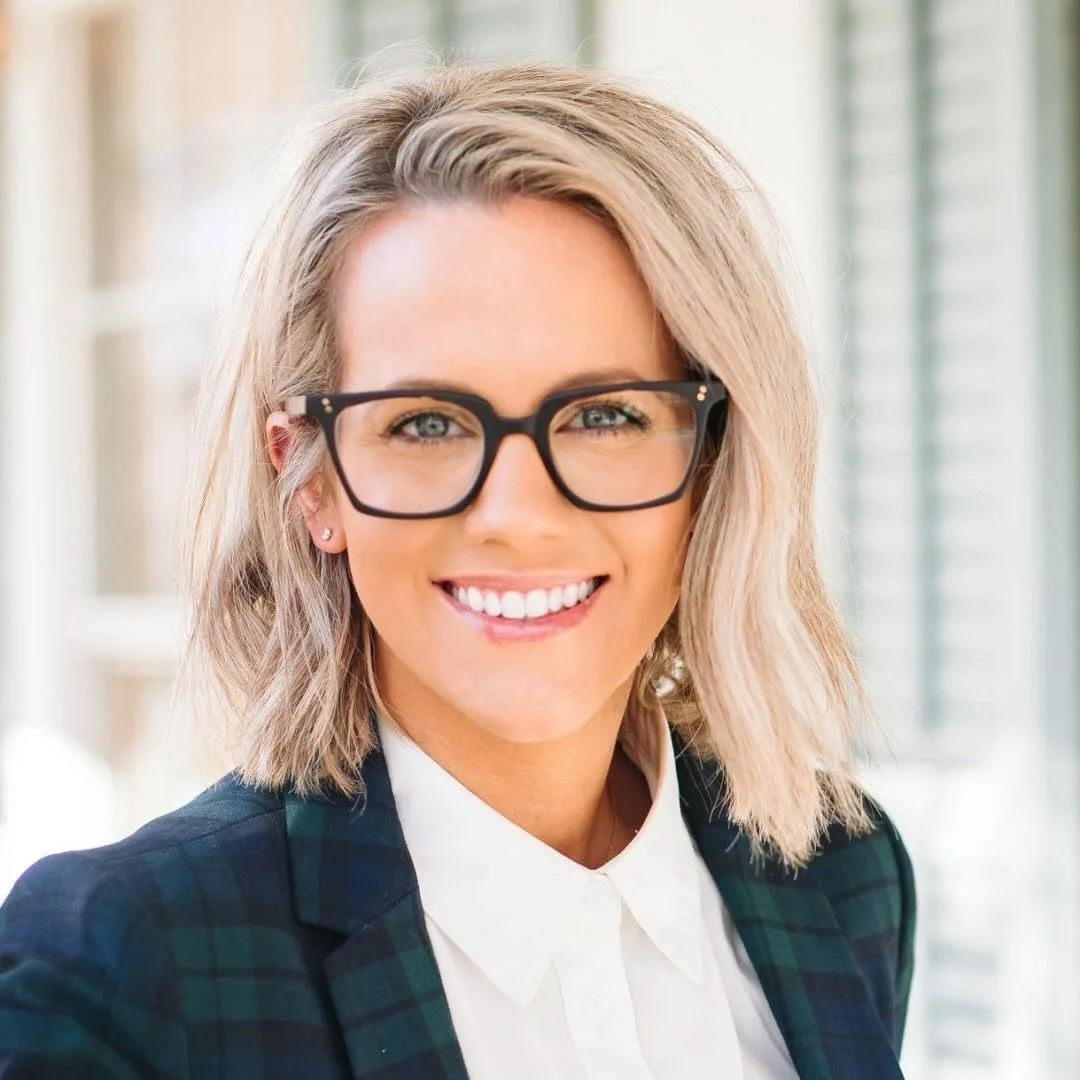
Dr. Heather Olivier is a licensed professional counselor and supervisor specializing in working with neurodivergent clients and psychosomatic presentations of traumatic loss. In addition to owning her private practice, Olivier Counseling and Consulting, she is an assistant professor of counseling at Southeastern Louisiana University with a focus on creating inclusive curriculum design for neurodivergent students and faculty. Dr. Olivier’s research regarding perinatal loss has received state and national recognition, and she is the first person in her field to ever receive the two highest national research awards given by the National Board for Certified Counselors and the Association for Counselor Education and Supervision. Heather regularly presents nationally and internationally to interdisciplinary audiences on neurodiversity, patient and practitioner wellness, and cultural stigma impacting trauma.
Connect with Dr. Heather:
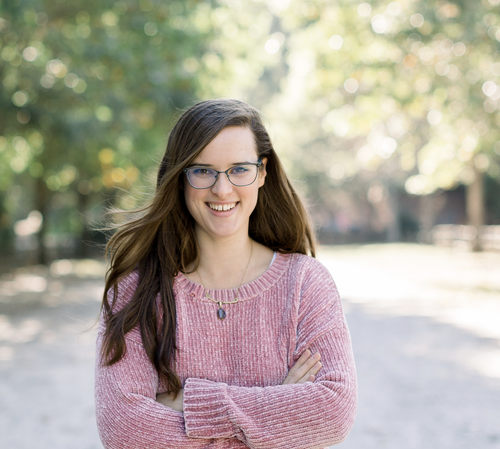
Meet Destiny - The host of The Chronic Illness Therapist Podcast and a licensed mental health therapist in the states of Georgia and Florida. Destiny offers traditional 50-minute therapy sessions as well as therapy intensives and monthly online workshops for the chronic illness community.