
If you've ever felt guilty about spending money on something small while medical bills pile up, or convinced yourself you're "not poor enough" to apply for assistance programs, this conversation is for you.
I sat down with Megan Stevenson, a licensed clinical social worker and certified financial social worker, to talk about something that comes up constantly in chronic illness but rarely gets addressed directly: the emotional side of money. Megan spent years in medical social work, including running a chronic kidney disease program, and now specializes in financial therapy for people with chronic conditions like rheumatoid arthritis and chronic kidney disease.
Here's what we covered.
Financial Therapy Isn't About Budgeting (Well, Not Just That)
When most people hear "financial therapy," they assume it's about creating spreadsheets and cutting back on coffee. But that's not what it is at all.
Financial therapy focuses on the emotional side of money: how you think about it, how you feel about it, how you behave with it. Traditional financial literacy programs skip right over this part and jump straight to budgeting and investing. But if you don't understand your relationship with money first, those practical strategies often don't stick.
Megan explained that during her time working in dialysis clinics, she kept seeing the same patterns. People would say they couldn't afford their medications, but then mention buying something impulsively. Or they'd refuse to apply for assistance programs even though they desperately needed help, convinced that someone else needed it more.
These aren't irrational behaviors. They're emotional responses to living in a system that feels completely out of control.
The Money Blocks That Show Up With Chronic Illness
Megan identified two major patterns she sees constantly:
Impulsive spending as a way to regain control. When your life feels chaotic—especially when you're newly diagnosed or starting a treatment like dialysis—spending money can give you a momentary sense of agency. You can't control your body, but you can control this purchase. The problem isn't the spending itself. It's when the spending doesn't align with your actual values, and you're left feeling guilty afterward.
Money shame that keeps you from asking for help. This is the "I'm not sick enough" or "I'm not poor enough" mindset. People refuse to apply for medication assistance programs, utility support, or food programs because they believe someone else deserves it more. We live in a culture that tells us to pull ourselves up by our bootstraps, and asking for help feels like admitting failure.
But here's what Megan pointed out: when you're at your sickest is exactly when you have the least bandwidth to navigate these systems. You don't have the energy to research programs, fill out applications, or advocate for yourself. And yet that's when you need the support most.
Why "Just Budget Better" Doesn't Work (And What Does)
Megan starts with mindset work, not spreadsheets. She helps people identify their values first. What actually matters to you? What do you want your money to support?
Because when you know your values, you can make intentional decisions instead of impulsive ones. Maybe you realize you've been spending money on subscriptions you forgot about, not because you value them, but because you signed up once and never canceled. Or maybe you discover that the thing you've been feeling guilty about spending money on actually does align with your values—and the guilt isn't serving you.
Then comes the practical piece: understanding your insurance benefits, identifying assistance programs, setting up systems to manage subscriptions and bills, and creating a spending plan (or budget, if you prefer that term) that reflects what matters to you.
Megan also talks about "offsetting costs"—a strategy she used constantly in her dialysis work. If someone qualifies for food assistance through a Medicaid waiver program, that frees up money for other expenses. If they qualify for a patient assistance program for their medication, suddenly they have breathing room in their budget.
But people don't know these programs exist. Or they assume they won't qualify. Megan's approach is to just share the criteria. "Do you make more or less than this amount?" Most of the time, people are surprised to learn they actually do qualify.
The Intersection of Trauma, Chronic Illness, and Money
One thing Megan emphasized: any kind of trauma—whether or not it's related to money—tends to bring up new money issues. Especially if the trauma affected your sense of safety or self-worth.
Chronic illness itself is traumatic. You're grieving the life you expected to have. You're navigating a medical system that often dismisses you. You're dealing with diagnostic uncertainty and financial strain and relationship changes all at once.
And money becomes tied up in all of it. Spending might feel like the only thing you can control. Or maybe you're so afraid of running out of money that you won't spend anything at all, even on things that would improve your quality of life.
This is why the emotional work matters just as much as the practical work.
What to Do If You're Struggling
Megan's advice if you're dealing with financial stress and chronic illness:
Start with values work. What actually matters to you? What do you want your life to look like, even within the constraints of your condition?
Look at your insurance benefits. Seriously. Most people don't know what's available to them. Some employers give you money just for going to preventative appointments or completing health surveys.
Ask about assistance programs. Patient assistance programs for brand-name medications often have income limits around 400-500% of the federal poverty line, which is higher than most people expect.
Find support. If you don't have someone in your life who can help you navigate this stuff when you're at your sickest, look for a patient advocate, a social worker, or a financial therapist who specializes in chronic illness.
And if you're a therapist or healthcare provider reading this, Megan's presenting at the Chronic Illness Therapist Conference in March 2026 about exactly this: how to recognize when your clients need financial therapy, what questions to ask, and how to make appropriate referrals.
Because the reality is, we can't separate someone's mental health from their financial health—especially when they're navigating a chronic condition in a system that wasn't built to support them.
Disclaimer: Everything we discuss here is just meant to be general education and information. It's not intended as personal mental health or medical advice. If you have any questions related to your unique circumstances, please contact a licensed therapist or medical professional in your state of residence.
Destiny Davis, LPC CRC, is solely responsible for the content of this article. The views expressed herein may or may not necessarily reflect the opinions of the guest.
The content in this blog post comes directly from a real, human interview between Destiny and her guest on The Chronic Illness Therapist Podcast. This written version was formatted using AI. Listen to the full episode to hear the actual conversation.
Listen to my full conversation with Megan Stevenson on Ep 114: When Money Stress Meets Chronic Illness: What Financial Therapy Actually Is
-
Episode transcribed with AI and may contain errors that are not representative of the actual word or meaning of the sentence.
Destiny Davis LPC CRC: [00:00:00] If you're a licensed medical professional and you're listening to this podcast, I already know that you're amazing at what you do.
but treating chronic pain and illness is work that's complex. It's messy. It hits finances. It hits health anxiety due to diagnostic uncertainty and. Prognosis
and also the most intimate parts of your client's lives like sexuality, generic CE courses. Simply don't prepare you for that, and that's exactly why we built the Chronic Illness Therapist Conference. This is not another general mental health course. It's 13 approved CE hours for both therapists and physical therapists in the exact nuanced topics that you all have been asking for for a while, like integrating financial therapy, navigating diagnostic limbo, deep clinical work on body partnership, like helping clients be less scared of their body while navigating scary conditions.
This conference is really an invitation to stop relying on generalized tools. if you're a physical therapist, a licensed professional counselor, a certified [00:01:00] rehabilitation counselor, a social worker, this is the specialized training that moves your practice forward.
Tickets are moving fast for both the in-person and virtual experience, so we'd love to encourage you to secure your spot and your 13 ces. Right now by clicking the link in the show notes.
The struggles you're having in the therapy room are not unique to you, but they often feel like we are all alone in them because no one's really talking about it. This is an evidence-based, nuanced, highly specialized set of speakers who bring both lived experience and professional experience.
In what we think is the most impressive way. We would love to see you there. We are hoping that our first year is such a success that we can continue doing it year after year, and we really do need your help to make that happen.
Go secure your spot and your 13 CES right now because the link is in the show notes. The episode will be waiting for you as soon as you're done. By the way, you can use the Code EARLYBIRD for $100 off a professional or executive functioning package ticket.
The Chronic Illness [00:02:00] Therapist Podcast is meant to be a place where people with chronic illnesses can come to feel, heard, seen, and safe. While listening to mental health therapists and other medical professionals talk about the realities of treating difficult conditions, this might be a new concept for you, one in which you never have to worry about someone inferring that it's all in your head.
We dive deep into the human side of treating complex medical conditions and help you find professionals that leave you feeling hopeful for the future. I hope you love what you learned here, and please consider leaving a review or sharing this podcast with someone you love. This podcast is meant for educational purposes only.
For specific questions related to your unique circumstances, please contact a licensed medical professional in your state of resident.
Destiny Davis LPC CRC: Megan Stevenson is a licensed clinical social worker and [00:03:00] a certified financial social worker. Passionate about sharing resources, techniques, and practical advice about managing the financial strain that clients face when dealing with chronic illness. Through her private practice therapy, curiosity, counseling and consulting, Megan helps individuals and their caregivers adjust to life with chronic illness work through grief, navigate end of life.
Care planning and provides financial therapy. She specializes in chronic kidney disease and rheumatoid arthritis and practices in Indiana, Illinois, and Arkansas. Megan, thank you so much for being here. Are one of our speakers at the Chronic Illness Therapist Conference in March, 2026. So I'm really excited for people to hear a little bit more about you and what you do and the talk that you will be giving, in March.
So first, why don't we start off with financial therapy. What is it, why is it important and how did it become, I mean, you don't need to give me a history textbook lesson, but how did it become, uh, a part of the profession?
Megan Stevenson (she/her): [00:04:00] Yeah, so financial therapy. In and of itself, what it is, is a lot of people automatically assume that it's more about like the financial literacy, the, the money management piece, it's actually more of a focus on the emotional side of money. So it's, it's. About how you think about money, how you feel about it, how you behave with it. So a lot of the financial literacy programs that are out there, they don't teach that part of it. They just go to the budgeting, the savings, the investing, that sort of thing. And so we, we don't really explore how. You know, we grew up with money. We don't explore how we use it. And so that's what financial therapy is, is is that relationship to, um, those things.
Your, you know, how we relate to money, how those types of things. And then, um, know, part of what I do is, you know, I work with a lot of people with chronic illness. I started getting into this [00:05:00] because. what I was seeing. I was in medical, social work for many, many years. I worked in dialysis. Um, my first job was in nursing home, uh, where I worked on a rehab unit and money issues came up when people were going home and affording care and, know, if they had to go to long-term care, things like that. And so. It was, I was learning that there were a lot of financial issues that people did not wanna talk about, I wanted to talk about them. They did not, but it was a lot of older generations that. That was just the norm. They didn't. Money is taboo. It still is for a lot of people today. And so, but, but this kind of, this kept going on when I was working in dialysis and it became more of a problem, um, where people weren't talking about it, but it was an issue.
It was affecting their overall healthcare. It was affecting all of these different areas. And [00:06:00] so, um, I through the, um, certification through financial, social work. that kind of gives more of an emphasis on those things, those money behaviors alongside traditional financial literacy.
Destiny Davis LPC CRC: Yeah. Yeah. Thank you. And can you share a little bit about what some of those money blocks even were? Like, what were you starting to realize that because there's the real tangible, like. I do not have enough money to pay this month bill. But what were some of the more fearful like, um, or things that you, you could see now like, oh, we could have totally through this financial therapy lens.
Megan Stevenson (she/her): Uh, a lot of it was. Um, impulsive spending, that tends to come up quite a bit. You know, people are trying to find answers now in where I was, they were already diagnosed. They already knew they had end stage renal disease. They were already on dialysis, you know, in the clinics, but it [00:07:00] was more so, um, you know, saying, I don't have money.
But then they were like, oh, well I purchased this because this looked really cool. It was almost like this impulsive spending. But then there was also the other side of. A lot of money. Shame. There's a lot of money shame that comes up of I'm a bad person. I like, don't deserve this. Like if someone really needs financial assistance, they can't meet. Their rent, their utilities, they need help. Like there's grants out there, there's things that we can do. And they're like, no, I don't wanna take it from someone else who needs it. It's like, but you need this. Like you, you need this to survive. And so that seems to come up quite a bit, is, you know, someone else needs it more than me because, you know, we live in the society where it's so individualized.
It's so like, pull yourself up by your bootstraps. Like that mentality. And like, I shouldn't need help from other people. We're kind of [00:08:00] in this, individual instead of community care, and that's where I see a lot of this come up is that piece of it.
Destiny Davis LPC CRC: Yeah. Not also, there's so many paths we can go down with that particular mindset, but what just came to mind is, you know. Also people profit off of these medical procedures. I mean,
Megan Stevenson (she/her): Yeah.
Destiny Davis LPC CRC: thousands and thousands and thousands of dollars for things that don't have to be that much. And that's just the, um, capitalistic, uh, nature of business, right?
When, when healthcare becomes business. And so it's like on one hand. I mean, we can, we can talk all day long about the need for like community and not being so individualistic, but even if we were to say like, fine, cool individualism is, you know, that's fine and good, you still aren't in a system that actually allows for the individual to be able to just pay.
Like
Megan Stevenson (she/her): Yes.
Destiny Davis LPC CRC: there's no, yeah, I just had to put that little in there. [00:09:00] But yeah, I mean obviously communal, communal help is. Important emotionally, financially, um, in, in all of the ways. So some of the blocks you were seeing were not only like, um, I don't wanna accept help from like this thing or this place, but also a little bit of like.
I can't afford this, but I am able. But I did just buy this thing over here. Can we talk about the nuance of that a little bit? 'cause I know that made you then go into a little bit about shame and this conversation is not about, oh, why are you buying your Starbucks coffee? Why are you buying your coffee if you like, can't afford your dialysis?
And that is not what we're saying here at all.
Megan Stevenson (she/her): no.
Destiny Davis LPC CRC: Yeah.
Megan Stevenson (she/her): No, there, so there's kind of a mismatch. So that's where there's this mismatch in values. And, and a lot of people don't, they don't know what their values are. They don't know what's important. So a lot of what I do is a lot of values work and intentionality. Like I, I am all for spending money. There's [00:10:00] people out there who I have to work on. have them spend more money because they're just, they're, they're just, they're not spending at all. And so there's, there's this balance. But a lot of times people, they don't know what's important to them. They don't know what they wanna spend money on. And so it's almost like the, it's just, it's super impulsive.
It's just quick. I'm gonna do this and like, this is really cool to kind of that instant, but then later they may feel some guilt about, oh, well I don't know if I should have done that. Or, you know, some of that, that those things come up. So it's not, not to shame anybody for spending money, it's more of. You know, you talk about not being able to do this because, and this is really important to you, and yet, you know, on this side you spent on something that you have some guilt around. So let's explore, know, where [00:11:00] that almost dissonance that's coming in. Like is that? What came up for you in that moment? And so. you know, sometimes people do do it super impo. I talk about impulsivity a lot. Just, you know, they wanna feel better often. Um, or it just makes 'em feel good in the moment. And so when your life is in chaos,
Destiny Davis LPC CRC: Yeah.
Megan Stevenson (she/her): a lot of times when someone is starting dialysis, I use that a lot 'cause just 'cause you know, people kind of go in all these lifestyle shifts, it's almost like you're out of control. And that gives you some form of it
Destiny Davis LPC CRC: Yeah, absolutely. Yeah. That sense of control. And so if that is what we figure out in therapy, then it's like, let's say the sense of control is something that is like. It's a lot of money and they are drowning in debt. Um, then we might have a conversation around how to regain a sense of control outside of this spending [00:12:00] habit.
But if saving all their money and not spending anything is their sense of control, then we might be talking about how to learn how to spend some money on things that would bring you enjoy to your life, even if it means you are taking a little bit away from that debt that you owe or what be it.
Megan Stevenson (she/her): Yeah. Yeah. It, it's all about finding that balance because it's, it's, I found that when people know what their values are, like. I don't really like, that's not what, what I really want. Like I really want this, but it's gonna take a little bit longer, but I wanna go this avenue. There's a little, it's almost like they're able to step back and they're able to take notice and more awareness and instead of just like, just that spend, that, that quick spend, if you will.
Destiny Davis LPC CRC: Definitely. And the thing that, um, I really liked about every time that I would hear you talk about this, about financial therapy, about, and this whole work is that [00:13:00] you, you know, you mentioned financial therapy is a lot more, it's the mindset work, the emotional work, the, um, trauma work of it all. But you do also know a lot about the resources that are available due to your background and, and medical, social work and, and everything.
So. I think it's really important, you know, just like those budgeting programs don't have any emotional work tied into them at all. I am seeing a lot more like financial therapy stuff pop up where I feel like there's no, not budgeting, but like no, like financial. It is really just about the mindset and I really think we just need both.
Like you can't just like mindset your way out of debt. You do have to have a plan. Um. And yeah, figuring out what your values are, but that also has to align with your budget or with how you're gonna make more money or you know, whatever options that there are available to you. And yeah, again, that's just, I liked that you were able to meld those two worlds.
Um, yeah. How does that show up in [00:14:00] your work currently?
Megan Stevenson (she/her): Well, what I do is more of the mindset work first where I can Now, if like someone's like, oh, I need some help with this, like, I'm not gonna say no, absolutely not. Like, we're gonna help with that.
Like meet that need because they're not gonna be, if they're, they're hungry, like they're not gonna do therapy. So, you know, um. But generally start with that mindset work and then move into the financial literacy piece, what you might call, I, I kind, I call them like practical or concrete strategies, but that budgeting, that, saving that, um. I, I do a little bit of education on investing. I don't go full into it. That is more outside my scope. I don't do anything on like asset allocation and things like that, that needs to be referred out to like a financial planner or someone else. Um, but we can do some education on, you know, what to look for in a financial planner, [00:15:00] what to. maybe some of the long-term goals, and so it's, you know, setting up a budget. I know people don't like the word budget either. That's another thing. It
Destiny Davis LPC CRC: I know, I, I have to say, I know you're a fan of Ramit Sehti. I love him too, but I just. I don't really love that he's just turned budget into conscious spending plan. I mean, I do and I don't. I do and I don't. The rebrand is kind of nice for those people who like
Megan Stevenson (she/her): yeah.
Destiny Davis LPC CRC: need it.
Megan Stevenson (she/her): are like budgets? No. 'cause that brings up a lot of other stuff for people too. Budgets do, so you can call it whatever you want. Uh, financial, social, work. They like to use personal savings and spending plan. I think that's a mouthful. So just for brevity, we'll just use budget for that today. it, it is about like, it, it's going back to those values, it's pulling in whenever we're forming that budget of like, what are you spending on currently today? And it may be putting that, you know, in a spreadsheet so they can [00:16:00] just see, okay, what am I spending on? Where, you know, some people might use a budgeting app, that's fine. Whatever, whatever people wanna use. And like, we can look at that and we can evaluate, evaluate, like, do you know how many subscriptions do, do you have? that's one of those things people don't know. If you've got Apple, if you've got subscriptions on there, you've got subscriptions. I know a lot of, uh, places are doing like Mighty Networks and like if you're connected on those and you know you've got 'em all out in these places and then you forget. And so that might be something, okay, let's do an audit of those places. so, you know, let's bring those in. Like how much could you save? If you did this, you know how if you cut this out, like do you get value out of this? And it's just examining the, those things of, 'cause sometimes it's just like subscribe and then we forget about 'em and we never [00:17:00] used 'em.
And then it's, it's coming up again. And so it might be also putting systems into place for somebody. Um, you know, do we put, so when I say systems, it's, it's. Okay, do you have a sub subscription? are you gonna remind yourself that it's due in a year? So we will do calendar if, if that's what works. So that has multiple reminders and alerts that come up. So just different things like that. It's based individually, like what does this person need? Because sometimes people come to me and it's just about the financial therapy piece, but other people, they come to me and maybe they were just diagnosed with rheumatoid arthritis. And okay, like let's fit in some financial stuff, like the financial planning, the financial stress.
Let's talk about that alongside these other places that we're working on. And most people are like, oh yeah, okay. I never thought about that.
Destiny Davis LPC CRC: Yeah, I know. Yeah. Seggs and [00:18:00] finances. I find those are the two things that like clients don't think or feel like they can talk about and such like that Sometimes. Sometimes I'll even be working with somebody and like. They will just have this kind of, I don't know why I've been so stressed this week. I, everything is fine.
This, you know, they'll kind of, I don't really know. And then if you dig a little deeper either into their relationship, like how they've been talking, like how their partner talked to them on Monday versus, or like this bill that's coming up, or that's looming in the back of their mind, if you dig there, like, oh yeah, that's like, that's it.
It's the underlying anxiety here, but it's hard to talk about when you don't think that there's an answer or a solution. So you just kind of like keep it, keep it under wraps.
Megan Stevenson (she/her): yeah, yeah. And you know, sometimes with the financial, the financial piece, sometimes there isn't a good answer, but it's, it's getting creative. It's thinking about it, it's, it's talking about it. Um. I think, you know, in this space we [00:19:00] have to be open about talking about it especially, especially not right now with all of the changes.
I know people are scared with the subsidies if they go away, like affordable care, you know what other options are out there? Like a lot of the people that I work with, I work with a couple insurances. I do self-pay, like it's kind of a mix of folks and so most people like have some form of insurance, but I know like.
There's other people out there, because that's been a back in my, like in the back of my mind of, okay, if they can't afford that, like what way? Like how do we, what, what is out there? What's available for them?
Destiny Davis LPC CRC: Not to mention how many people are unable to get on disability, but also unable to work. And so they don't work. Maybe they are being supported by a parent or a partner, um, but now they have no money for insurance and their partner may also be, or self-employed, like I'm self-employed, you know? Yeah. [00:20:00] I mean, both me and my husband are, so it's.
It's just crazy that it's tied to our work the way that it is.
Megan Stevenson (she/her): Yeah. Yeah. I can go down a whole soapbox, a whole area on, 'cause that's one of my special interests is advocacy for healthcare and universal healthcare and like there's a better solution out there. know there is. It's just we have to build it. And I think that there are others in other areas that are working on that too. So I know some doctors are out there doing that.
Destiny Davis LPC CRC: What kind of things are coming up that you might wanna, that you could share?
Megan Stevenson (she/her): well, in terms of, um, just insurance. Insurance is a big one. There's some changes in the mental health side of things. Uh, for example, in Indiana, I'm not gonna name names because like to sue people,
Destiny Davis LPC CRC: I do.
Megan Stevenson (she/her): but there's a, uh, major insurer that is, some. Issues [00:21:00] with some new contracts that came out and, um, it's, it's potentially gonna remove people.
It's already removed providers from the network
Destiny Davis LPC CRC: Yeah.
Megan Stevenson (she/her): it's, you know, there's been a lot of advocacy work around this. And because I don't think I, I, I don't think that people understand the training that it takes for. People in this position, like I don't think people understand, like the training that it takes to get to the, like the level where I'm at, like a master's degree, hours of unpaid internships.
You've got two years of post clinical work and it's a lot of schooling, it's a lot of training. It's also the upkeep of CEUs. And so there's this piece where people don't understand that. So they're like, well, why is that so expensive? And it's like. There's a lot of, there's a lot of nuance to it too. Um, because I don't know, I don't know all [00:22:00] of everybody else's tracks.
I just know the
Destiny Davis LPC CRC: Yeah.
Megan Stevenson (she/her): worker piece, but with insurance reimbursement rates, they're trying to change those. I know that's the same with some of these physician practices. So, um, Dr. Elizabeth Potter down in Texas. you don't follow her on Instagram, I highly recommend it. She has been bringing a lot of awareness to this in the last year because of an insurer issue, it's where there's a little bit, there's a question of like, am I being retaliated against? Because she does a lot of great work. It's just. Being able to do it
Destiny Davis LPC CRC: Yeah.
Megan Stevenson (she/her): some of these insurance companies.
Destiny Davis LPC CRC: Yeah.
Megan Stevenson (she/her): So that's where I think that there's a, a need to be, a focus is more on the insurance
Destiny Davis LPC CRC: I'm curious how we can, do you have any, um, like tips for advocacy in this way? Is it like. Some kind of lobbying at the capitals or, [00:23:00] um, like what can we do to advocate in this area?
Megan Stevenson (she/her): Yeah, I think it's, it's getting together with other providers because like there's some advocacy with other providers getting together Now in our state, there's some coalitions being formed, but I think that there needs to be more of a, like a connection with. Not just mental health providers obviously, but all providers. I haven't found that yet. So if anybody's out there and knows interested in that,
Destiny Davis LPC CRC: Yeah.
Megan Stevenson (she/her): I think that we all need to come together and start talking about what would a different system look like,
Destiny Davis LPC CRC: Yeah. I,
Megan Stevenson (she/her): it's not sustainable now,
Destiny Davis LPC CRC: mm-hmm.
Megan Stevenson (she/her): just not,
Destiny Davis LPC CRC: I bet physical therapists are, would love to be in on that conversation. 'cause my own PT just would talk all the time about. Like, and, and I just did self pay with her because it was like, it wasn't even worth trying to go through my insurance at the time. Um, and yeah, so, [00:24:00] um, she, so she felt a little more open, I think, to talking to me about it.
But yeah, it was just like these, these, the, the abysmal rates are,
Megan Stevenson (she/her): Mm-hmm.
Destiny Davis LPC CRC: they are, um. Absolutely disrespectful and infuriating, and we cannot live and survive and provide good service to our clients if we are just as fully in survival mode like yeah.
Megan Stevenson (she/her): Exactly. And so, and, and that's the thing. It's, it's what can we do? I think people are, are in a place where it's, what can we do, where do we go? So that's, uh, it's forming, it's starting. It's gonna take a while to get there, but we've gotta do something because there's also, with some of these venture capital companies coming in, that is also, I think, gonna have an impact on the reimbursement rates.
We were already seeing a shift in therapy [00:25:00] markets at this point, and so I do think that that's going to affect the care that people receive and be able to find, and
Destiny Davis LPC CRC: People don't even realize these venture capital, honestly, like, yeah, I know. I can't say their names, but.
Megan Stevenson (she/her): I know.
Destiny Davis LPC CRC: If anybody doesn't know whatever a venture capital mental health company is, just Google it. Please see the names. You'll see all of the big names, and I know you know them. These companies are owned by insurance companies and the reason why they are currently paying mental health therapists more than what mental health therapists could get reimbursed.
If they were to credential with insurance alone is in an effort to shut down the small private practices. Um, because again, like the private practices that take insurance, what solo clinician wouldn't say, oh, I'm getting one 20 on my own, but I'll get 1 45 through this big venture capital company. I'm going over there.
Like, and so like even [00:26:00] with the cut that the VC company gets. The therapist still gets more than they do on their own. Why wouldn't they go over there? Um, and it's really sad because what's gonna happen in just, in a few years from now, it won't be too long. Um, those rates will go down. They will start to go from, oh, we used to pay you one 40.
Now it's one 20, now it's 80. And now you cannot, almost cannot get credentialed on your own. So it's, it's, it's, yeah, I don't, I hate to go down these like
Megan Stevenson (she/her): I know that's what
Destiny Davis LPC CRC: it.
Megan Stevenson (she/her): it's, it's one of those things that people are talking about this because they're taking notice because of where, you know, they are on places like Psychology Today. The algorithm, like for people that don't know, it's are, if you are part of one of those venture capital companies. They put you on psychology today, so you may have three profiles if you're, and I am not throwing [00:27:00] any shade to anyone who is using those. It's just being aware of
Destiny Davis LPC CRC: Yeah.
Megan Stevenson (she/her): where, who owns them ultimately like what they are, what they're asking, because they're starting to ask for more. They're starting to ask for more. Uh, you, you know, you are required to do these assessments. You're required to do this. don't necessarily own that documentation either. So there's some pri there's some privacy concerns too. So I just ask that anybody who is looking at that, just be aware and do your own research into this.
Destiny Davis LPC CRC: Yeah.
Megan Stevenson (she/her): Um, because it is, it is particularly concerning.
Destiny Davis LPC CRC: Here's the the Google keywords, venture capitalist mental health companies selling client data. There you go.
Megan Stevenson (she/her): There you go.
Destiny Davis LPC CRC: And no one can see me.
You gotta laugh because otherwise [00:28:00] we'd be crying.
Megan Stevenson (she/her): I know. I know.
Destiny Davis LPC CRC: Um, but yeah, so all of that just, you know, I think this is an important part of the conversation around, um, finances, because while we are talking, again, talking about mental, mental, talking about emotional work with money. It's not just like, oh, you're just irrational about how you think about money. No.
These are the things that form your beliefs about money.
Megan Stevenson (she/her): Mm-hmm.
Destiny Davis LPC CRC: The beauty about living in a country that does, I mean, it feels like we're. This is like, not really gonna be true soon, but I'm gonna keep the doom out of it. But the beauty about living in a country where there are a lot of options, more so than in a lot of other countries, is that you, you can find workarounds and a lot of, if you have the right help and support.
Megan Stevenson (she/her): Mm-hmm.
Destiny Davis LPC CRC: Um, and so I think that's, you know, I, it shouldn't have to be that way. I, I wish that it wasn't that way. And that's the, every, every coin is on every [00:29:00] flip side of the coin of evil is good and good. On the flip side of the coin is evil. So it's, it's something we as humans have always had to grapple with in one way or another.
Megan Stevenson (she/her): Yeah. Yeah. And I, I think, you know, a, a piece of that too is it shouldn't be a bandaid. 'cause I feel like sometimes it's just kind of a bandaid. And that's part of what I've always had to do in my profession is. Kind of find these workarounds and Okay. You know, I talk about, so that actually brings up a good point.
I, I talk a lot about offsetting costs with people. That's a huge thing I always talk to people about. And even when I led a team of social workers, we, it was a chronic kidney disease program that I ran and. We, I always told my team like, okay, ask those, those patients, like how can we offset costs? Do they qualify for certain programs or certain medication assistance that can offset the costs of their [00:30:00] utilities or their food bills? Do they qualify for food assistance? Maybe through a Medicaid waiver program where they're sent meals, you know. Maybe once, twice a day and they don't have, you know, that food cost, so can we send it somewhere else? It's always having to think about the multiple different avenues that you can go with somebody,
Destiny Davis LPC CRC: Yeah.
Megan Stevenson (she/her): I wish it was easier, but that's kind of the reality of where we're in.
Destiny Davis LPC CRC: Yeah.
Megan Stevenson (she/her): that's how we have to navigate it.
Destiny Davis LPC CRC: When you think about the, the response that some people have to that as like, well, I'm not sick enough, or I'm not poor enough, or I'm not whatever, enough to need that kind of help or aid, what are some of the things that come to mind for you around that?
Megan Stevenson (she/her): I, I just tell people the criteria. I'm all about informed consent, and I'm all like, some people are like, oh, I don't think I'll qualify for that. Well, some of the medication assistance funds, so for example, [00:31:00] uh, if you are prescribed a brand name medication, and. Say you have Medicare. Okay? They don't qualify for a copay card, they may qualify for a patient assistance program.
It's you fill out an application, you have to meet certain criteria, but part of that criteria. Is a lot of times income. And so they'll put a level, you know, 300%, usually it's about 400 to 500% of the federal poverty line, which I don't have the numbers in front of me of what that is today, but. It's quite a bit more than people expect, and they're like, oh, I would qualify for that because I'll just say, you know, do you make more or less than this?
And because some people they don't wanna give a number, that's fine. Do you make more or less than this? And they're like, oh, I, I make less than that. It's like, okay, then you'd probably qualify for this.
Destiny Davis LPC CRC: Yeah.
Megan Stevenson (she/her): so it's just being informed about the criteria [00:32:00] because a lot of the stuff has like specifics. That, okay, well do you, do you meet this?
Have you spent this? Do you know? And so they're like, oh yeah, I will qualify. Then I'm like, okay, then how to do it. Are you interested?
Destiny Davis LPC CRC: Yeah.
Megan Stevenson (she/her): so, but it's, a lot of it is filling out an application and that, and then their doctor fills it out and then they send it in and then they may get free medication for a year.
And or as
Destiny Davis LPC CRC: Yeah.
Megan Stevenson (she/her): on it.
Destiny Davis LPC CRC: Yeah. And you know, when people are first getting onto these different medications, I think it's important to keep in mind that this is when they're at their sickest right.
Megan Stevenson (she/her): Exactly.
Destiny Davis LPC CRC: so they have the least amount of energy, the least amount of bandwidth. Like, so that might be a part of the emotional block.
That's the logistic block is like just thinking, just not having the information to even know. If I call then some of the emotional block, we could even take this a little bit deeper, they don't have the energy to, um, even, you know, figure any of this out, but. And, and they're also worried [00:33:00] of like, and then what happens if in a year I can't reapply? Like I, I'm not qualified in a year, then what do I do then? And so all the emotional stuff around that, and it's like, well, once you're feeling better, you are going to figure out the next steps.
But like, we can't get you there until you're starting to even
Megan Stevenson (she/her): yeah,
Destiny Davis LPC CRC: get on the medication and start to feel better, which.
Megan Stevenson (she/her): yeah,
Destiny Davis LPC CRC: I know for a lot of the people that I work with just can't even fathom feeling better because they've been sick for so long and I, I get that.
Megan Stevenson (she/her): I get that. Yeah, I get it. And, and that's the thing that, that's where I, I feel if there was a. Coordinator of some kind, like a chronic illness coordinator, someone who is going through this. And I think that there are people out there that do this, like patient advocates and and coordination, but would be lovely to have everyone have the [00:34:00] access to this, but somebody to walk next to them.
So if they don't have a support. because that's where I always go to is I assess, okay, what's your support network look like? Who can help be a brain for you? Whenever maybe you are not, you're not able to think as clear, like who can you rely on? And some people they don't have that support. So it's like, okay, who can, is there someone in the community that we can pull in temporarily, even in this moment? Um, so there are some places that might have some of this available. Like I know in my community we have a few people that are available that are, um, of our, um. Our area Agency on Aging, or like there's some other places that have case managers available where they could help with some of those things.
And so for dialysis, for example, every single dialysis clinic in the United States has a [00:35:00] master's level social worker assigned to it. 'cause that is federal law. And so someone were coming into dialysis and they're having a lot of these issues, you know, we. I would jump in and help them with all of these things, but generally when they're coming to see me in this setting, they may not have anybody or may not know how to navigate. And so it's, it is trying to connect them. If I can't do it, I try to do what I can. Honestly, I, I have that flexibility and freedom to do that.
Destiny Davis LPC CRC: Yeah.
Megan Stevenson (she/her): But if I can't, then okay, who can they go to?
Destiny Davis LPC CRC: Yeah.
Megan Stevenson (she/her): Do they have that support? I helping them, just identifying that and then giving them language of maybe like, how to ask those questions.
And so, um, or you know, even community-wise, like who can they, they talk to.
Destiny Davis LPC CRC: Yeah.
Megan Stevenson (she/her): yeah, there, there is a lot, especially whenever someone is, they're trying to get a [00:36:00] diagnosis. There's all this stuff going on. It's overwhelming
Destiny Davis LPC CRC: Yeah.
Megan Stevenson (she/her): and so yeah, I tried to see what they need in that moment and how to get 'em that support.
You know, with financial therapy, with money, when we talk about that. One of the things that comes up, it goes back to shame where people think I'm just not good with money. I'm not good with, like, I'm just so bad at this. I never, I don't, I'm just so dumb.
Like all of these, these things come up around money and I just wanna remind people that money is a skill it takes time. And build your knowledge up and then to build your confidence. Like I am not an expert in the, in terms of I know all, like, I don't know everything about money. I'm still learning about some things. It still makes my head spin. Sometimes
Destiny Davis LPC CRC: definitely.
Megan Stevenson (she/her): a more in depth on like investing stuff, and it's just like, whew,
Destiny Davis LPC CRC: Yes.[00:37:00]
Megan Stevenson (she/her): know, it's. People come into this differently, but we just have to start and just have to, when someone is going through something with chronic illness or they are going through a new medical challenge of some kind, like this tends to bring up a lot of money stuff. And also if someone has ever experienced any type of trauma, doesn't have to relate to money. That tends to bring on new money issues for people, especially if it has to do with sense of safety, sense of self-worth. tends to bring up a lot more stuff for
Destiny Davis LPC CRC: Yeah.
Megan Stevenson (she/her): And so it's just, we don't focus enough on this emotional side, and especially if we're gonna be living with these long-term illnesses, it's so important to get. That mindset, that emotional work in, so that we can plan, help you plan for the [00:38:00] future. if this is, depending on what condition it is, you may need, you may need, um, kind of this plan of what does this look like long term? could this look like? So for example, with rheumatoid arthritis. You know, likely need braces or joints, likely need physical therapy.
There's probably gonna be a hospitalization in there. you know, it, it's all of these things. Now we can't, we can't predict the future, but it's also, but it is planning, it's knowing your insurance benefits. That's something that I go over with people is knowing what your insurance is and. What, what do you have available to you?
Because there's a lot of insurance benefits that people do not take advantage of, and so it's, okay, let's look at your benefits, like this [00:39:00] is how you, like, we might get online to their insurance portal. Some of them like mine now is horrible. It's a horrible portal. But it's learning what summary of benefits is.
It's learning what an evidence of coverage booklet is and how to look up things and get it's, um, you know, looking to see, do you get free money every year? So if you work for an employer, some of these larger employers, they give you free money if you go for a preventative visit. If you do like some surveys online like. You can get 75 bucks for doing that. Like I could get $250 every single year at my former employer just by like doing some, things that I usually do every year. So it's things like that of where. What benefits do you have and how can you [00:40:00] use them to your advantage? which that also leads into some of the other benefits that you have through employers like your, like 401k matches and all of those things, like just the financial, like what benefits do you have?
How can you use them to your advantage?
Destiny Davis LPC CRC: Yeah, exactly. Well, this has been great, Megan. Thank you so much. Um, I'm looking forward to putting this out and you know, at the conference you'll be talking for those who are listening. This conference is for medical professionals. This isn't, not for the general public, but um, for therapists and physical therapists and even registered dieticians, occupational therapists, for anyone who's in the allied health professionals field.
Um, can you share a little bit about. What that conversation is going to sound like, um, to, to this group of professionals and we are still professionals no matter what this administration is deciding to say.
Megan Stevenson (she/her): Oh yeah, that's, that's got me fired up this week. Um, so [00:41:00] yes. And um, so I'm gonna kind of go over again what financial therapy is with everybody because again, it's. People hear it and I, I went to a lot of networking things this week and I was explaining what it is and they're like, oh, I've never heard of that.
And that's most people's reaction 'cause it is still kind of a newer area, understanding what it is and how your clients, your patients, whoever, you know, whatever you call people, how they could benefit from this. But it's also, um. know, how, when should I make a referral to a financial therapist? When should I, how do I find one who, like, how do I find the people around me? 'cause there's not a lot of us. And so there's, there's more people getting trained and, and coming into this space. you know, there's still not a lot of us. And so, you know, what are some of the signs, what [00:42:00] are some of the, the things coming up for people, but then also it's how can we work together?
How can we collaborate together, uh, for somebody's care? So just kind of going over some of those strategies that, especially the things to look out for, maybe some questions to explore further. people to understand maybe what their situation is and then, um, also how to identify places in your community to help, because I think we are gonna be in a place where every healthcare provider is gonna have to know some of the key organizations in their community, um, to help people navigate because it's gonna be disjointed for a little while.
Destiny Davis LPC CRC: Absolutely. Yeah. So it sounds like they'll walk away with, you know, this isn't about them trying to learn how to be a financial therapist. It's about them knowing enough so that they can refer in the right places, which believe it or not, I mean, oftentimes. When I give a referral to a client, to [00:43:00] somebody that I know is a specialist or can really, really work through that specific problem,
Megan Stevenson (she/her): Mm-hmm.
Destiny Davis LPC CRC: better sometimes about that than like other things that I do in therapy.
'cause that feels so, it's, it's such a tangible and helpful. Um, change that it makes in their life. So I'm really looking forward to that. I think everybody needs to know about this, especially in the chronic space, especially because of what's happening right now in healthcare. So I'm, I'm so glad and I, I can't wait to hear you talk about it in this, in that arena.
Thanks for listening. If you learned something new today, consider writing it down in your phone notes or journal and make that new neural pathway light up. Better yet, I'd love to hear from you. Send me a DM on Instagram, email me or leave a voice memo for us to play on the next show. The way you summarize your takeaways can be the perfect little soundbite that someone else might need.
And lastly, leaving a review really helps others find this podcast, so please do. If you found this episode helpful, NPS clicking subscribe ensures you'll be here for the next episode. See you [00:44:00] then.

Listen to Megan’s interview with me, Destiny Davis, on Ep 114: When Money Stress Meets Chronic Illness: What Financial Therapy Actually Is
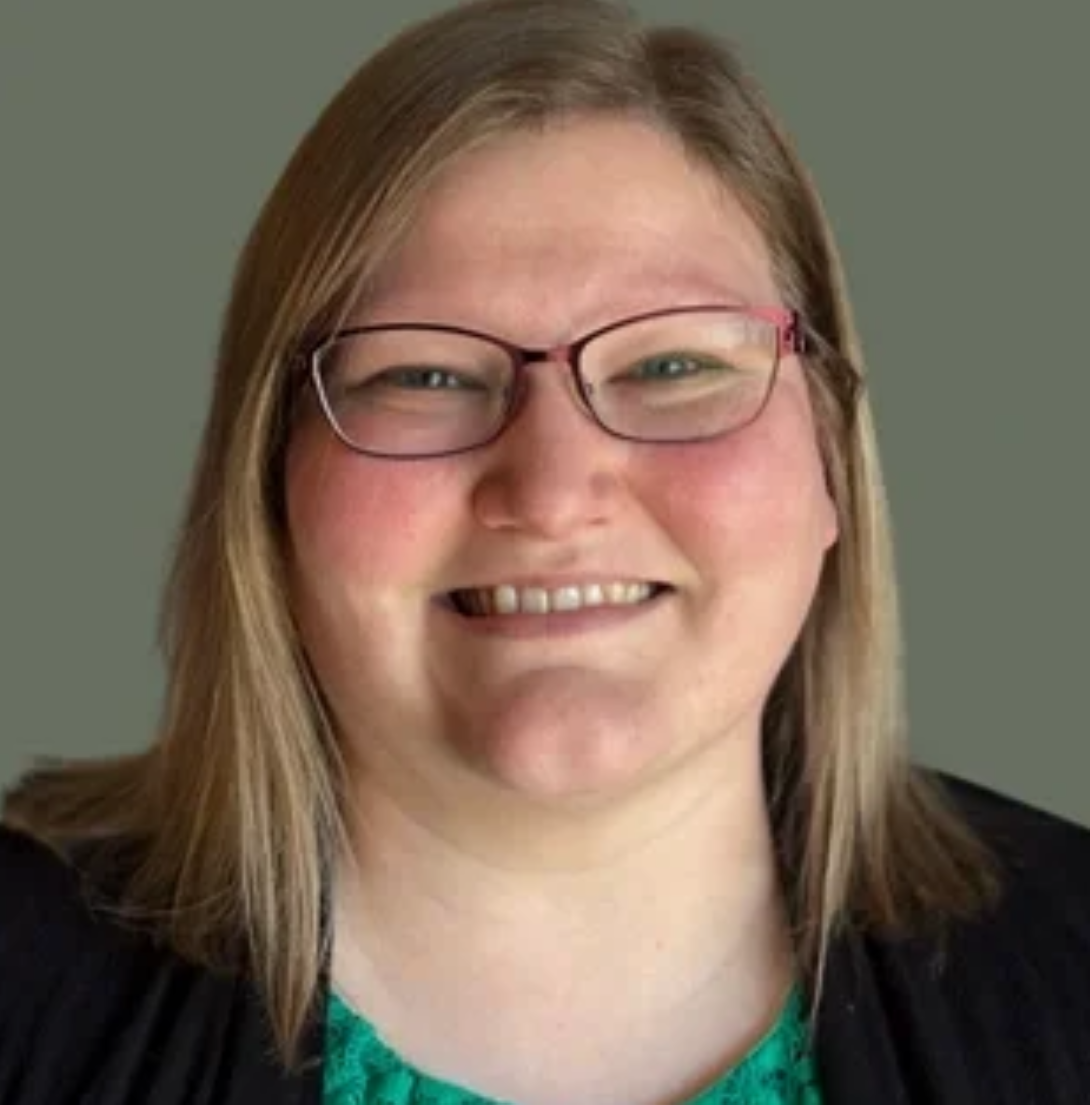
Megan Stevenson is a Licensed Clinical Social Worker and Certified Financial Social Worker who specializes in helping people navigate the financial and emotional strain of chronic illness. Through her private practice, Curiosity Counseling and Consulting, Megan works with individuals and caregivers dealing with chronic kidney disease and rheumatoid arthritis, providing financial therapy, grief support, and end-of-life care planning across Indiana, Illinois, and Arkansas. Drawing from years of experience in medical social work—including running a chronic kidney disease program in dialysis clinics—Megan brings both clinical expertise and lived experience with rheumatoid arthritis to her work. She uses ACT, EMDR, solution-focused therapy, and motivational interviewing to address the intersection of money mindset, emotional well-being, and chronic illness, helping clients move beyond shame and build practical strategies for long-term financial wellness.
Connect with Megan:

Meet Destiny - The host of The Chronic Illness Therapist Podcast and a licensed mental health therapist in the states of Georgia and Florida. Destiny offers traditional 50-minute therapy sessions as well as therapy intensives and monthly online workshops for the chronic illness community.