
When Trying Harder Makes It Worse: A Different Approach to Chronic Illness Recovery
There's this moment that happens with almost every client I work with who has chronic illness - they realize they've been working against themselves without knowing it. They've been following the perfect diet so rigidly that the stress of maintaining it is causing more inflammation than the foods they're avoiding. They've been pushing through pain for so long that their nervous system is stuck in constant overdrive. They've been trying so hard to control their condition that the effort itself has become part of the problem.
If you're living with chronic illness, this might sound familiar. And if it does, I want you to know: this isn't a failure on your part. It's actually a completely understandable response to an impossible situation.
The "Snap Out of It" Trap
We live in what licensed professional counselor Shana Evans Basset calls a "snap out of it" culture. When something's wrong, we're conditioned to believe we can fix it through sheer determination and the right combination of strategies. This works for some problems, but chronic illness isn't one of them.
The reality is that most people dealing with chronic conditions have already tried "snapping out of it" about a thousand times. They've read every book, watched every YouTube video, tried every supplement protocol, and followed every expert's advice to the letter. And when those approaches don't work - or work temporarily before symptoms return - the message they receive is: try harder.
But here's what I've learned both personally and professionally: there's a point of diminishing returns where trying harder actually makes everything worse.
The Stress-Symptom Cycle
When you're living with chronic illness, your body is already under significant stress just from managing symptoms day to day. Now add the stress of trying to manage those symptoms perfectly, and you've created a perfect stress-symptom cycle storm.
Maybe you're meticulously tracking every food you eat, every supplement you take, every hour of sleep you get. Maybe you're researching new treatments for hours each day, or calling doctor's offices, or fighting with insurance companies. Maybe you're working overtime to prove you can still be productive despite your limitations.
All of these efforts come from a completely understandable place - you want to feel better, and you want to have some control over what's happening to your body. But when the effort to control your condition becomes a source of chronic stress, that stress can actually exacerbate the very symptoms you're trying to manage.
This is where it gets tricky, because acknowledging this reality can feel like blame. Let me be clear: the stress isn't your fault, and your symptoms aren't your fault. We're not talking about personal responsibility here - we're talking about nervous system biology.
The Courage to Let Go
The hardest thing I ask clients to consider is this: what would happen if you loosened your grip on some of the things you're trying to control?
I know how terrifying this sounds. When you're dealing with chronic illness, the few things you feel like you can influence become precious. The idea of letting go of that strict diet, that intensive supplement protocol, or that rigid exercise routine can feel like giving up entirely.
But letting go isn't the same as giving up. It's strategic energy management.
Think about it this way: if you're spending 80% of your energy trying to control your condition and only 20% actually living your life, what would it look like to flip that ratio? What if you could redirect some of that control-focused energy toward things that actually nourish you?
Finding Your Point of Diminishing Returns
The key is learning to recognize your own point of diminishing returns. This is different for everyone, but there are some common signs:
Your efforts to manage your condition are causing you significant stress
You're spending more time researching treatments than engaging in activities you enjoy
You feel guilty or anxious when you're not actively "working on" your health
Your relationships are suffering because health management has taken over your life
You're avoiding social situations or activities because they don't fit your protocols
When you notice these patterns, it might be time to ask: is this helping or hurting?
A Different Kind of Emotional Regulation
This is where emotional regulation comes in - but not the kind you might think. We're not talking about positive thinking or managing your stress so your symptoms go away. We're talking about learning to tolerate uncertainty and accepting what you genuinely cannot control.
Real emotional regulation in chronic illness looks like learning how to get through today when there's nothing you can do today to change your condition. It's about being able to sit with not knowing what tomorrow will bring. It's about accepting that healing often takes much longer than we want it to.
This type of emotional regulation isn't something you do alone. You need people who can hold confidence for you when you can't access it yourself - whether that's a therapist, a trusted friend, or an online community of people who truly understand what you're going through.
The Grief That Changes Everything
Here's something we don't talk about enough: there's profound grief involved in stepping back from the constant effort to control your condition. You're grieving the belief that if you just work hard enough, you can fix this. You're grieving the version of yourself that could power through anything. You're grieving the life you thought you'd have.
But this grief, as painful as it is, often becomes a doorway to a different kind of healing. When you stop fighting your body and start learning to coexist with it, something shifts. When you redirect that energy from controlling symptoms to actually living your life, you often find that your symptoms become more manageable - not because you're trying to manage them, but because you're not adding the stress of constant management on top of everything else.
What Letting Go Actually Looks Like
Letting go doesn't mean abandoning all health practices or ignoring your symptoms. It means becoming more selective about where you invest your energy. It means doing a honest cost-benefit analysis of your current approaches.
Maybe it means keeping the dietary changes that genuinely help while releasing the ones that cause more stress than benefit. Maybe it means setting boundaries around how much time you spend researching treatments each week. Maybe it means accepting help instead of trying to prove you can do everything yourself.
The goal isn't to stop caring about your health - it's to find a sustainable way of caring that doesn't consume your entire life.
Trust in the Process
I've worked with many people who've made this shift from constant effort to strategic acceptance, and what I see consistently is this: when you stop trying so hard to control your condition, you often find that you have more actual control over your life.
Your energy becomes available for relationships, for creativity, for joy - the things that make life worth living even when your body isn't cooperating perfectly. And paradoxically, this often leads to improvements in symptoms too, though that can't be the primary goal.
The work isn't easy, and it's definitely counterintuitive. Everything in our culture tells us that more effort equals better results. But sometimes, especially with chronic illness, the most radical thing you can do is try less and live more.
Your body isn't your enemy, even when it feels like it is. Learning to coexist with chronic illness rather than constantly fighting it might just be the key to getting your life back - not the life you planned, but a life that's genuinely yours.
Disclaimer: Everything we discuss here is just meant to be general education and information. It's not intended as personal mental health or medical advice. If you have any questions related to your unique circumstances, please contact a licensed therapist or medical professional in your state of residence.
Destiny Davis, LPC CRC, is solely responsible for the content of this article. The views expressed herein may or may not necessarily reflect the opinions of the guest.
The content in this blog post comes directly from a real, human interview between Destiny and her guest on The Chronic Illness Therapist Podcast. This written version was formatted using AI. Listen to the full episode to hear the actual conversation.
Listen to Shana’s interview with me, Destiny Davis, on Ep 100: When Trying Harder Makes It Worse: A Different Approach to Chronic Illness Recovery
-
Destiny Davis LPC CRC: [00:00:00] We had such a good time this last Saturday at our last workshop about when everything is connected, you know, the overlap between A DHD and autism and things like POTS and MCAS and things like that. Rowan Crawfish gave a really good presentation around how to talk to your doctors, how to kind of try to keep it all in your own mind, even when your doctors might be.
Destiny Davis LPC CRC: Separating all these different conditions, and we just talked a lot about advocating for yourself, which of course is something that we shouldn't have to do, but we do have to do.
Destiny Davis LPC CRC: You can buy all of the past workshops on my website, or you can always join the Welcome to the Waiting Room membership. And that is just a flat $17 a month. And that comes with your monthly workshop, um, weekly support groups. Such as well as weekly support groups, like a general chronic pain support group as well as sex and chronic pain, and a mindfulness body-based kind of group.
Destiny Davis LPC CRC: Um, led by a physical therapist, Jason Therrien , which I think [00:01:00] is a phenomenal class. So it's intentionally low cost, the low cost is meant to make you feel like even if you just get one of those things, you're getting your money's worth and you're not overpaying for all of these other things that you don't use. And if you do wanna use everything in there, then that's fantastic too. Then you get all of that at one monthly low cost.
Destiny Davis LPC CRC: So our next workshop is gonna be September 27th at noon eastern, and this will be about creating a restorative home environmental support for chronic illness recovery. So this is gonna be about honoring your senses and creating a home that's really aligned with your sensory needs.
Destiny Davis LPC CRC: It'll be led by Giovanna Akins, who is a therapist here in Atlanta and has a lot of experience with mindfulness and sensory friendly environments, um, particularly in hospital and birth settings. But this is not specific to birth. It is just, for anyone who is trying to get their home to a state where you feel really [00:02:00] calm and warm and welcoming in your own home.
Destiny Davis LPC CRC: So I hope you'll join us. The link is in the show notes and therapists. I'm really excited to be working with Jason Therrien , that physical therapist that I was mentioning earlier. We're doing a four week group for therapists who struggle with sitting all day, not just sitting, but sitting while listening to client stories and holding their tension and our tension and working in a sedentary job like ours. So the movement class is not going to be some, you know, workout class. It's gonna be really therapeutic. I think you're gonna, if you're a therapist, you're really gonna enjoy the self-reflective part of this class.
Destiny Davis LPC CRC: I've got all the details in the show notes below as well.
Destiny Davis LPC CRC: The Chronic Illness Therapist Podcast is meant to be a place where people with chronic illnesses can come to feel, heard, seen, and safe. While listening to mental health therapists and other medical professionals talk about the realities of treating difficult conditions, this might be a new concept for you, one in which you never have to worry about someone [00:03:00] inferring that it's all in your head.
Destiny Davis LPC CRC: We dive deep into the human side of treating complex medical conditions and help you find professionals that leave you feeling hopeful for the future. I hope you love what you learned here, and please consider leaving a review or sharing this podcast with someone you love. This podcast is meant for educational purposes only.
Destiny Davis LPC CRC: For specific questions related to your unique circumstances, please contact a licensed medical professional in your state of residence.
Destiny Davis LPC CRC: Shana is a licensed professional counselor in private practice in Atlanta, Georgia. She works with individuals, couples, and families who are struggling with a variety of concerns, including A DHD and dyslexia, attachment relationships, self-defeating behavior patterns. Chronic medical conditions, grief, trauma and loss, as [00:04:00] well as the intersection of attachment, emotion regulation, and human biology. received her bachelor's degree in psychology from the University of Georgia and a master's of Science from Brunell University. She's worked in hospitals, clinics, and private practice settings, including working with severe and persistent mental illness. She's also a member of the American Academy of Psychotherapists. Thanks for talking today, Shana. I am really excited to talk about what this all looks like in terms of attachment and living with a chronic illness, regulation when you're living with something that is, because I think sometimes people. Feel like if they're having to emotionally regulate around something that is legitimate to have emotions around, then trying to emotionally regulate can feel really dismissive. But so I, that's I wanna, I. Dispel that myth for people, like what it looks like to talk about emotion regulation in terms of [00:05:00] around a chronic illness and trying to live your life and, what your relationships look like when you're suffering inside physically and emotionally. Yeah, maybe we can start there.
Shana: That sounds great. I think one thing I would say about all this is that in my clinical experience, certainly when it comes to chronic pain, okay, almost everyone I have worked with who experiences chronic pain has a relationship to the pain. And sometimes just by way of helping people give it a place in their lives.
Shana: I'll sometimes. Describe it as kind of, living with a tormentor of sorts. It's a it's an experience that never goes away for lots of people. It's every single day they wake up in pain, they go to bed in pain, and they never get a break from it. And so I guess in some ways I think of it as almost it feels like a, being under attack, being in some kind of an abusive relationship that you just can't get away from.
Shana: I think that is certainly one [00:06:00] starting point for when I work with people experiencing this. And then from there we can talk about that relationship that they have and how they can manage it in some ways, like other relationships those sorts that you can't just get out of all that easily. So we can talk about self-soothing, we can talk about, acceptance. We can talk about the degree of fear and kind of resistance that people have to the pain that, is understandable but often kind of exacerbates the symptoms themselves. You know how to live in that relationship and hopefully not feel so victimized by it.
Destiny Davis LPC CRC: Yeah. Yeah. And it's it's hard, right? 'cause I do love the analogy of the abusive relationship, but then the difference would be, yeah, like you could leave that relationship and set boundaries, whereas with your body, I mean, boundaries, settings is definitely with your own body [00:07:00] is definitely. A part of this work, but you can't leave it. So it is different in that sense. And that's where some of that other work comes in that you're talking about.
Shana: Sure. I mean, I think another. Another piece of this. I I'm not, you can tell me what what your response as a specialist in chronic pain and chronic illness would be. But I certainly wonder sometimes, I think there's a grief component to all this. Okay. A grief and grieving component.
Shana: If we are living with, there are, you think about it in two camps. There's the camp where you live with chronic pain and you kind of know what it is a result of. I have rheumatoid arthritis, I have, there is a diagnosis, there is a something concrete or maybe medical that you can point to.
Shana: And then I feel like there's this other category where, maybe there's kind of a [00:08:00] general, classification of it, but it's not very well understood. The biological factors or, antecedents are not really well understood and therefore it is not acknowledged. It's not validated in the medical, at least traditional medical.
Shana: Communities and like something like neuralgia or fibromyalgia would come to mind. Something like, some of the soft tissue disorders where there are plenty of doctors who are going to essentially tell you, that's all in your head. . I guess regardless of which type of chronic pain, a person might suffer from.
Shana: There is a coming to terms and a grieving of let's say the life that you thought you were gonna have. The so I think regardless of which type, there is a grieving and kind of grieving slash coming to terms slash [00:09:00] trying the best we can to accept, what is because. I guess in my experience, resisting it only tends to make it worse.
Shana: So this, trying to get one's head and heart and mind around the fact of it, the fact of the pain. But I do wonder sometimes if there is a relationship, and I often think that maybe there is, that somehow unprocessed grief from. Way back when somehow gets stored in the body's tissues. And and so in either case, I think that attending to the grief involved is really important.
Destiny Davis LPC CRC: Yeah. Yeah, I think that's, that's kind of the biggest, newest, like research and avenue is like looking. At how trauma has impacted or even caused and created, even autoimmune conditions and then other, like more of those stress related kind of, that's why I think right now, people fibromyalgia is [00:10:00] still not actually classified as an autoimmune condition, but a lot of people there are a lot of researchers who are trying to like, move it in that direction. and a lot of people are really happy about that because they feel like that now means it's no longer my fault. If it's autoimmune, then I didn't cause it. And I wanna say that one. Whether it is or isn't, you didn't cause it, and two, stress does it. It has an impact on us. So I think we just have such an individualistic approach to everything in this country that when we hear oh, stress exacerbating, or even the root cause of something. that must be your fault, because we don't talk about social determinants of health. We don't talk about how, we live in these two parent at best, two parent households. And maybe there's a lot of, I'm not trying to also. Idealize past too much either. But I do feel like these, the multi-generational households where you can pass your kid off when you haven't had three nights of sleep because they're not sleeping, and now it's [00:11:00] grandma's turn to take over.
Destiny Davis LPC CRC: There's some help in that oh, reduces stress. that maybe you don't develop some of these stress induced conditions. So that's not your fault if you don't live in that kind of an environment. It's really complicated, the whole conversation around stress causing, I think that stress has awful effects on our condition, whether it's the root cause or not. But yeah it. Regardless. It's not our, it's not your fault. Even if, and we're gonna talk a little bit about how we personally can man lean into emotion regulation and the things that we can do from a personal individualistic approach. Because even in an interdependent relationship, there are still things that you have to do on your part to be in that intertwined relationship.
Destiny Davis LPC CRC: So it's not to say that, you should just emotionally regulate and your stress is gonna go away, and then your illness is
Shana: Oh no, it's never that simple, and I think part of emotional regulation would be grounded [00:12:00] in. Knowing and accepting that it is not your fault, that you did not, in fact, I would say, could not have caused it yourself. I don't think there is a way a person can cause things like that to happen by themselves.
Shana: These bodily experiences. Happen to us. If there's, kind of a psychobiological component, I would say they happen to us as a result of other stuff that happened to us back in the day, but I can't even think of a scenario where I would ever conceptualize or tell someone that they somehow are responsible for what they are experiencing in their body.
Shana: I just don't think bodies work that way.
Destiny Davis LPC CRC: Yeah, and I think that's part of the hard part, the one of the hardest parts about this conversation, which is the convers. I have this conversation all the time with different people because. Probably because of how much pain science we know now versus even [00:13:00] just within the last 10 years, how much it's exploded.
Destiny Davis LPC CRC: But it always ends up sounding like that. And I just wanna continue to reiterate that it sounds like that because of the society that we live in, that when there's a problem, you should take personal responsibility and that then means it's your fault if it doesn't get better. And that's not what we're saying here.
Shana: Take responsibility for the fact that it's not your fault. How about that?
Destiny Davis LPC CRC: Exactly. Yeah.
Shana: We live in a snap out of it. Culture. We live in a snap out of a society. And, American culture of all the, wonderful attributes that can come with being an American, one of the least wonderful, or maybe I would say the worst attributes is this whole notion that anyone could or should be.
Shana: Be able to, or expected to quote unquote snap out of it. I think almost everybody that ever comes into my office has already tried that [00:14:00] about a thousand times and it just hasn't worked. So there has to be and I would say most of the people, or many people, I can't say, statistically or anything, but many people who.
Shana: Snap out of it can work for a while. It, I just don't think it works forever. So people come find me when they've been in snap out of it for a while. Maybe it's worked temporarily, but it never lasts. And then finally they realize there's got to be another way to relate to this experience I'm having.
Destiny Davis LPC CRC: Yeah, absolutely. So can you then talk a little bit about even the stress response of being in the snap out of it and then, I know that you are really interested in the MINDBODY connection, HPA, access, all of that kind of stuff. Do you wanna go into some of that? Like how stress does impact the body and that whole cycle?
Shana: Sure. Yeah. It's very complex. I think when I. First started to get more interested in that connection between the stress hormones, [00:15:00] cortisol, adrenaline and its impact on the HPA axis, which really kind of connects the hormonal and neurobiological structures. Related to emotion, the amygdala, the hippocampus.
Shana: It was really in the context of learning more about prenatal effects. How developing fetuses and developing babies are exposed to their mother's stress hormones in the womb, and how that can set a child up. From before they're born to be more prone to an autoimmune disorder. Or even things like chronic inflammation chronic reactivity.
Shana: And these are all things that could be happening to a person as they are, as they're. N their neurological systems are being laid down the [00:16:00] first place. So they literally are, hardwired to at minimum be more vulnerable to to, to some of these chronic autoimmune conditions.
Shana: Not only that, but whatever stressors are impacting their mothers while they're pregnant are probably going to still be impacting their mothers once they're born. And as as children grow up you made the comment about having access to multiple generations that can support or I think what some of the.
Shana: There was a book that came out a few years ago that talked about Allo parenting, which is kind of community support. So I think, again, we keep finding ourselves back at the social determinants of health and things like adverse childhood experiences. So I think it just, it may start in the womb.
Shana: I just don't think it ends there. And all of the same things that stressed out mom, before I was born or before a person was born. Are still there as a child is growing up. So that's where we get into things [00:17:00] like attachment, and whether or not a child is able to form a secure attachment bond with a caregiver.
Shana: Ideally, their mother. But so many mothers are under stress and, I think they say the normal American family, the average American family could easily be considered dysfunctional, dysfunction. Family dysfunction is the norm in our society at least. And so you really have to take that into account.
Shana: How many mothers just don't have the support and they are chronically under stress themselves because of damaged intimate relationships and intimate partner violence, things like that. I think I, I certainly find that more often than I would ever wish to in the work that I do.
Destiny Davis LPC CRC: Yeah. I agree with all of that. that said, we do, you and I both do individual work. How do you find yourself working now more on the individual level with [00:18:00] somebody.
Shana: That's a good question. I'm, I. Right now, I guess I'm reviewing in my mind, some of the cases that I've worked with where chronic pain was the issue at hand. I would say that in every case I can think of.
Shana: There has been some association with some attachment wounds growing up. You can just call that family trauma, just the wounds. And I also find a fair amount of times that there is a connection. These are, these clients of mine are also neurodivergent. Okay. I'm also looking at things like a DHD, I'm looking at things like dyslexia.
Shana: And that goes right along with the difficulty in a total kind of self-regulation, including emotional regulation. Okay. So when I'm working with an individual, I first want to honor what they have [00:19:00] experienced, honor their suffering. Honor their story. Okay. And a fair number of times, as soon as I open the door, metaphorically speaking, relationally speaking, there is a story that my patients want to tell me.
Shana: And so I really try to make a lot of room for that story right out of the gate. And oftentimes, even before the first session, I will get. Even more of an email after our first phone call. Like they really need to tell their story and they need to experience someone taking it seriously. For someone to react appropriately to their story and say, I am so glad you are getting help.
Shana: You are so deserving of good support, and I'm so glad you called me. I think that really. Encourages people who have been invalidated in so many different ways to be seen and yes, this is a story we're telling and [00:20:00] hearing and spending time with. And so I just try to give a lot of time. And so once we've done that, then I try I try to help people articulate the losses that they've experienced as a result of.
Shana: Both the pain and what, and however it's limited their lives. So I think a fairly common story I hear is that I, there, my life was on a trajectory. I thought my life was going in this direction and then something happened. Let's say I had, a minor car accident, let's say, I had what I thought was a minor medical condition that completely turned my life.
Shana: In a different direction. And as a result, I lost my job and as a result I had to go on disability. And as a result, I was in the hospital, and in and outta doctors for three or four years. And as a result, I couldn't get pregnant. And as I mean, and how this left turn in their lives has just. It created so many further losses.
Shana: Okay. So then I just wanna [00:21:00] really help people honor the impact that this condition has had on their lives and all of the losses there. So I think, we can't really even start to talk about what we're going to do and how we're gonna fix that until we have really, I think, sat with the losses and grieved all of those losses together.
Shana: There's just no getting around it because time has passed and. And I'll, and I guess I'll say another thing is that a lot of the people who, when they finally find me, they have been living with this and trying to quote, push through for like decades and
Destiny Davis LPC CRC: Yeah. Yeah. Same.
Shana: decades already. So anyway, I'm not going anywhere near what, how to fix it until we've spent plenty of time with the story.
Destiny Davis LPC CRC: yeah. Which you're right, like sometimes that's exactly what people need. And then I'll, I also work with a lot of people who, who come in and who. They like, don't want that at all. They don't want to be, they wanna just go jump to the fix and [00:22:00] then we have to back, we have to slow it all down and figure out how to validate that.
Destiny Davis LPC CRC: Validate the want to move faster. You've already been living with us for so many years, you don't wanna talk about it anymore, yeah, especially when we're working with something where there isn't, there are not a lot of answers and I think that's why I get really cautious around like the mindbody conversation.
Destiny Davis LPC CRC: Even though I am, I do practice somatic experiencing and very much believe in that, but I get so cautious because the way that it's marketed is very much if you just do this, it will do all the things for you that talk therapy couldn't do. And I just, doesn't work that way.
Shana: I completely agree and I, what I think is that. Somatic experiencing are some of the more nonverbal, let's say. Yeah, just somatic working with the nervous system or even things like hypnosis that, that try to address the problem. In a, at a deeper level essentially than kind of [00:23:00] what we can do with our minds and our words and even our relationships.
Shana: I think there's a huge place for that. I think there's a limit sometimes, a lot of times, to what talk therapy can do to, for a complete treatment. So I think each form is limited in its way. And one, I think maybe they both need the other to really be complete sometimes.
Destiny Davis LPC CRC: But
Destiny Davis LPC CRC: Exactly how I feel about it too.
Shana: But I think it's really understandable that people may come in wanting that because they've been suffering for so long.
Shana: Of course, they are ready to be done with their suffering, five or 10 years ago. So I think that sense of urgency also makes a lot of sense to me.
Destiny Davis LPC CRC: Yeah. I think that also is really common within the neurodivergent population too, especially with A DHD there is that I kind of start to view it lately as just like that lack of impulse control, which I'm very familiar with. So I'm speaking from a lived experience there as well as professional. There's no judgment in that. And that it's just it [00:24:00] just is. We want things quickly and when it doesn't happen quickly, it feels like everything is wrong. I see that as because the executive functioning is so hard, it's difficult to see how. It's different, difficult to see the process from point A to point Z. And you can get lost in that.
Destiny Davis LPC CRC: And so it's if I just get to Z really quickly, then like I, it doesn't give you time to lose what you think you are able to hold because you only have X amount of minutes to hold it in your brain.
Shana: That's right, and we certainly live in a culture that markets. A, any number of quick fixes to us. So I think there's every reason for us to have been conditioned to think that there is some kind of quick, immediate solution that's millions of dollars, billions of dollars is made that way every year.
Shana: Really playing on people's difficulties with. Playing the long [00:25:00] game or kind of waiting on the most comprehensive or lasting treatment. So I think, that's certainly given to us. But I think, so when we talk about emotion regulation, I think. That is a key place where emotion regulation can come in, is in helping people hang in there for the process.
Shana: So a lot of emotion regulation for me has to do with how to get through today when there is nothing I can do today. How to. Be with myself in a different way so that I can tolerate more uncertainty about outcomes so that I can accept the amount of time that things sometimes take. So I think, we talk about emotion.
Shana: It's not something we do to fix anything. It's [00:26:00] something we do to accept the things that we can't control.
Destiny Davis LPC CRC: I think that's the hardest like lesson to learn when you really are in a space of no, but if you just work hard enough, you can't fix or control anything. And it's not my place to tell a client when they're, in one of those situations because, hey, maybe if they did something a little bit different or if they worked a little bit harder at this particular thing, then maybe that problem would go away. But that's, and that's not usually the case. You can work a little bit harder at work and still not get the promotion that you were promised. You can work a little bit harder at your diet and still not make your inflammation go down. You know
Shana: so there's this there's this, perhaps you could call it a cognitive distortion that I can control the outcome if I just do this. That's understandable because we all like to feel a sense of agency in our lives. We all like to feel like there is something we can do to get the life that we want or to stop our pain and suffering and to, and to.
Shana: Heal [00:27:00] ourselves. I think it's the most admirable goal that people have, but I also think there is a point of diminishing return. So I talk about, I talk to people a lot about that as kind of, it is good to try, but when the effort is increasing your stress that is exacerbating your symptoms, then we gotta stop that.
Shana: We gotta find some other way. And
Destiny Davis LPC CRC: Yeah. Maybe we can even expand on that a little bit this idea of diminishing returns because Yeah, exactly. Your diet is stressing you out so much, then like we were talking about earlier with the stress, and this is why I can get tricky with feeling like, is it my fault or not my fault?
Destiny Davis LPC CRC: It's not about blame and shame, but also if you can learn to let go of this diet that's causing you so much stress and now your inflammation is actually coming down because you're less stressed, but that only works if you are not stressed about quitting the diet. It's,
Shana: If you can and if you can,
Shana: if [00:28:00] you have the courage
Destiny Davis LPC CRC: yeah.
Shana: to let go of the control, I think that is a huge leap.
Destiny Davis LPC CRC: Yeah.
Shana: Of faith for people to even consider letting go of the few things they feel they can control, even if it might be more likely to have be, in its roundabout way. Potentially more effective in reducing their symptoms.
Shana: I think it's still really hard for people to let go. Because I think if to do that, we have to accept that there is a limit to what we can do. We are not supermen and super people. We are human people and we can do a lot, but we cannot do everything. And so I think, so that brings me back to grief.
Shana: Grief to me, one of the definitions I would have of grief is accepting the limits that are built into life that, I [00:29:00] cannot control everything. So again, I think I always end, I always seem to end up at, there's something to grieve here. Even if it's just the acceptance that like, I can't.
Shana: Fully make this happen all on my own, but I can try to be kind to myself. I can try to accept the things that are out of my control. At least for now,
Shana: Can try to allow myself to grieve when I'm sad. Whatever I'm sad about,
Destiny Davis LPC CRC: Yeah.
Shana: can do that. We can always do that.
Destiny Davis LPC CRC: Yeah, I agree. Yeah. And I think, when you're trying to figure out, okay, then what do I let go of? This is where some of that values work comes in. This is where figuring out what's important to you and also what your strengths are emotionally and physically, what your strengths are, and also what the strengths are of your community around you. were talking about having the courage to to let go. And so then my thought goes, okay, [00:30:00] what gives someone that courage? How do they find, and it usually is either within their community or knowing that so if I have the courage to let go of working so hard for a promotion, that's like making me sick.
Destiny Davis LPC CRC: Like I'm working so hard, I'm getting sick. I have to have courage, but I also have to have that risk tolerance net under me that says, not getting this promotion mean doesn't mean I'm gonna lose my house or not be able to, if it's now impacting your survival at that basic need, then it's a little bit more difficult to have that. Courage. But if you are able to see so that's where some of the cognitive work comes back into play. That somatic work can't really do much of is like there is a risk benefit analysis here to fi that we can also figure out like, can let go and here's the co potential consequences of that letting go, but, and then here's the returns of that letting go.
Shana: I think that's where the relationship comes in. I know that in my own personal journey which included a [00:31:00] long period of my own individual psychotherapy, I can't, I. I cannot overstate the importance of these times when I needed to take a risk and having my therapist be able to sit there and have confidence for me, and have confidence in me, and to be able to sit back and just say, I think you're gonna be okay.
Shana: I really think this is all gonna work out okay. And the number of times that when I was terrified and afraid to take any risks that I could draw on my therapist's courage, my therapist belief, my therapist's confidence, I guess because my therapist had sat with, thousands of people just like me.
Shana: And so I really feel like I just drew from that energy in the relationship. Okay, so maybe a person has a therapist that can help them with that in a. And I think that when we get, even as therapists, if we get too bogged down in techniques or we get too bogged [00:32:00] down in oh, you can just change your thinking and we miss the, it's just who we are.
Shana: It's just who we are as therapists that can give people so much of a gift. Sometimes just when we are confident. In the, in them and confident in the process and confident in ourselves and like just them experiencing that piece that lives in us, that we're not sitting there anxiously worried about the outcome with them.
Shana: But if you don't have a therapist, I don't think therapy is the only way that people can get this kind of support. But you do need somebody who can be an anchor like that for you. Ideally, it would maybe be a parent or maybe it would be a close friend. Maybe some people are fortunate enough to have a spouse who, can really support them in that way and that's something to be really thankful for.
Shana: But I, I don't know where we get the courage other than from somewhere else when we don't have it for ourselves.
Destiny Davis LPC CRC: Yeah. Agree. Yep. Yeah, the relationship, I mean, I have learned only what I've learned through my [00:33:00] relationships with either my therapist, but also my loved ones. And one of best things I think I did a long time ago was just try to always seek out in any room I'm in look for the calmest person or look for the person that I wanna emulate the most.
Destiny Davis LPC CRC: And it doesn't, it's not like a. You know that this this work can be so hard sometimes 'cause it almost when you're trying to make these changes, sometimes it can feel like, I'm changing 'cause I'm the one who's the wrong one or the bad one or that. And you have to get past that with the help of your therapist.
Destiny Davis LPC CRC: Hopefully you trust your therapist even enough to say that out loud. And then we can work through that and give, and that finally, then we can start to orient to again, like the calmest people in the room. Or maybe you don't need the calmest person. Maybe you actually need, maybe you have a tendency to lean on calmness, but then it's a under activation that you're struggling with.
Destiny Davis LPC CRC: So you might need to seek out more excitatory people that who are also safe. Yeah.
Shana: But in either case, you are allowing [00:34:00] other people to. Assist you and help you even if they don't know it.
Destiny Davis LPC CRC: Yeah.
Shana: I think so much of what people struggle with that I see is that they have learned in so many different ways that it's just not that safe to trust other people. And so then they get in locked in this mindset of I have to do this all by myself and I have to, I need, it's, I have to read a book or I have to go, I'm gonna watch a bunch of YouTube videos 'cause I can just do it myself.
Shana: I can do it myself. And. And there is a lot that we can do. I love YouTube and there is a lot that we can do by ourselves. I have learned so much about so many different things, but there is that I. One of the things I think we need to learn is that even if we've had bad experiences with trust in the past, that does not mean that every person is untrustworthy, and the people who I think are most successful in their journeys are very persistent in trying [00:35:00] to find someone who they can either emulate.
Shana: So I think, to your examples kind of, looking for that comes is kind of, you kind of have this sense of what do I need that I don't really have within myself right now? And even from a distance, even if you never talk to that person, I think you can still draw from the energy of that person to help yourself and what a great way to work on your own behalf.
Destiny Davis LPC CRC: It's, it is true. I, this do you know the term parasocial relationships?
Shana: I guess I haven't heard it, but I'm just, it makes sense as a concept.
Shana: Why don't you help me?
Destiny Davis LPC CRC: Yeah. It's this, I mean, it's kind of an, I haven't really heard it before the last couple of years, especially with TikTok and these people just really flow online, but it's a, when two people kind of are like friends or they have a relationship online, but so you'll see two big influencers talking about the other influencer as if they're their best friend.
Destiny Davis LPC CRC: And it's like they've never met in person. So it's a parasocial relationship. Or when you you're saying [00:36:00] something to this influencer online who said something you didn't like, and it's we're so disappointed in you. And it's you don't even know me. Like I don't even know you. You're just a commenter on my video.
Destiny Davis LPC CRC: But there is a parasocial relationship that has been formed, whether it was in consensually or not. when you're watching people that you kind of, you feel, and so there's a dark side to all of this, but I wanna just, I just always wanna the shadow side of everything, but. the same time, I know when I was really struggling with I lived down, down here in Georgia, didn't have any family here, like it was just me alone.
Destiny Davis LPC CRC: And looking to YouTube like you said I found influencers who helped me with literally like cleaning my house. Like I learned from them on cleaning my house, learning how to work out without shame. There's a lot of shame induced fitness content online, so you just gotta be careful, but. It's true, like sometimes that's what you have to do. But then hopefully the goal eventually is that you are then gonna find that in real life and form these relationships. I could not be happier with my current [00:37:00] community and the people that I know in real life that I just at 20, like I never thought, I never thought that was gonna be my life.
Destiny Davis LPC CRC: I thought isolation was just it forever. And it was really through like parasocial relationships that I slowly, and then I, and then again, like I started to look for that in my neighborhood, in people who I saw at the gym or, and slowly, little by little learned how to form these relationships that, just wasn't instilled in me as a kid.
Shana: And, and I was just thinking about the, the particular aspects of chronic illness and chronic pain. Okay. I think one of the, one of the worst things about that experience is that it is very isolating, okay? Because you're experiencing these things and the chances are that. Unless you have some kind of supportive community, okay, your, your friends are not suffering the same way your, and they can try to imagine, but honestly, I think a lot of times they really just can't.
Shana: I think really, I. It [00:38:00] is hard to imagine what that daily, relentless experience of chronic pain is or living with a, chronic autoimmune disorder. An example like, type one diabetes comes to mind of a chronic autoimmune disorder that is kind of life-threatening, that it is manageable and it's lifelong.
Shana: There's no cure and just how it's just, it's an experience that not really that many people can really, truly relate to.
Destiny Davis LPC CRC: Yeah.
Shana: The chances are that you can't just talk about it all the time, and you can't just. The people around you immediately may or may not really be able to share that experience.
Shana: So I do think that's where some of these online communities can be so incredibly helpful. Like you are not alone. There are so many other people. And the rarer the thing, the more important these online spaces are. 'cause you can connect with people all over the country and get a sense of validation that no matter how loving your people are, they still don't get it.
Destiny Davis LPC CRC: Yeah, absolutely. [00:39:00] This is such a big thing that comes up all the time in sessions, understandably because we're trying so hard to have these conversations with our friends or our family and they're just not getting it. And it's each and every time that happens, it can feel like an attachment. It is an attachment rupture. and if there's no repair there. It's really hard to continue in that relationship after a while.
Shana: It is so much. So I think people maintain the relationship by just shutting down. They just don't talk. About it because it's too painful to try and then have, I do, I think it is an attachment rupture and I think there's only so much the other person could even do to help repair it except to say, you're right, I don't understand.
Shana: And I'm so sorry that I can't understand. But it still is no substitute for that experience of, you get me, you know what this feels like. You actually know what this feels like. But the ruptures are painful. They are super, super painful, even when [00:40:00] nobody's doing anything wrong.
Destiny Davis LPC CRC: Yep. Exactly. Yeah. Yeah, exactly. Sometimes they really are not doing anything wrong, and it's so hard to wrap your head around that because it hurts so much. But that's just the, that's just the nature of relationships, I think. And then we have to work on rupture, the repair.
Shana: The grief
Destiny Davis LPC CRC: Yes.
Shana: therapist.
Destiny Davis LPC CRC: I'm with you. with you. It is, it's in everything. There's, and it even just the missed, missed expectations of what I thought conversation was gonna be like, or what I thought my body was gonna do today, or what I thought my body was gonna do over the course of my whole life. Like it can be very micro or macro.
Shana: That's right and even then, I think we have to make a place for grief. We really do. And so I think so much of the work that I at least start with is like undoing some really unhelpful patterns of denial [00:41:00] of grief and helping people get into it. But also that's not a place to stay. I don't think we were meant to live just to grief and nothing else.
Shana: I think we were meant to be able to use a healthful. And affirmative grief process to heal. And again, I think the healing is both inside and out. And I cannot deny that as I have, I. Walked these journeys with my patients, many of whom do also experience along with their other, psych, psychological or psychotherapeutic concerns are experiencing the physical manifestations of all of this.
Shana: And not in every case because no one can make any promises or guarantees, but there does seem to, the healing is total. The healing is [00:42:00] total mind, body, and spirit. And healing is healing. And so I do often find that however it is, if we can get to the grief and do that process looks a little different with everybody, that we're not meant to stay there.
Shana: So as we. Find our way back into life. A lot of times, the symptoms that can be addressed through this more sort of therapeutic or psychotherapeutic process do resolve and so there's something there and maybe it's not everything and maybe some of the pain is just what it's gonna be, but I would like to help people with as much healing as I can, help them with.
Destiny Davis LPC CRC: Yeah.
Shana: Being the limited human I am.
Destiny Davis LPC CRC: Yes, exactly. Yeah, and that's all, that's, I always try to, before. every session I try to envision my role in their, that pers the client's life. And I try to view myself as kind of the person who's off to the side. [00:43:00] And when I envision like healers in like old villages, I kind of, you kind of picture like, like the wise old person who's like kind of just like aware of everything that's going on, but they're not actually like intermingling in as a part.
Destiny Davis LPC CRC: And that's how I view myself when I'm with a client. But then when I'm in my own therapy or in my own, with my own friends or with my own, I view myself in a different way. Like I view myself as just a part of that group and I'm no longer that person, like sitting on the ledge, kind of looking out over everybody. And that, that just grounds me as I'm trying, as I'm always trying to figure out what my role is in each place that I'm in. That just grounds me.
Shana: It's almost like as therapist, we have to have sort of one foot in and one foot out because people I think our patients need us to have enough perspective and have enough distance so that we don't get lost in their distress with them, so that they have to manage us like we have to. Be taking care of us so that we don't [00:44:00] accidentally put it on them.
Shana: But we also have to be able to be in there enough to where they feel like they've been met and feel that they matter and and feel that they're important and important to us. Yeah.
Destiny Davis LPC CRC: I agree. What else? Anything else come up for you around this that you wanna, like a last kind of point that we haven't talked about yet?
Shana: I think it would be, I.
Shana: I want all people
Shana: I want them to feel that their total story is worth honoring and worth hearing. Sometimes there's something I can think of right away that I just know is gonna help them or that I really hope, or I think has a good chance of helping them use that agency to make their lives better and something they, I love giving people actionable strategies that they can put into practice today or this week, or over the next two weeks that I think you're gonna really help [00:45:00] them and empower them.
Shana: And I also recognize that. There's a limit to that and that there will be some things that either I won't be able to help them with or that whatever it is down the road in their journey. But but I want people to take away that their story is worth honoring and there are many things that they can do to help themselves and to.
Shana: Heal both, by their own efforts and through supportive relationships. But oftentimes those things aren't what we think they are. They're different than what we think they are. A lot of what, this work is counterintuitive and it's doing the opposite of the thing that your mind thinks is gonna work and surrendering to, new possibilities or, or something a little bit beyond, what we can push through and achieve for [00:46:00] ourselves. And there is so much healing and freedom in that surrender or letting go or whatever you wanna call it, that there is something that will catch you. There is something that will hold and support you and I do believe that healing is possible.
Destiny Davis LPC CRC: Yeah. I love it. That's wonderful.
Thanks for listening. If you learned something new today, consider writing it down in your phone notes or journal and make that new neural pathway light up. Better yet, I'd love to hear from you. Send me a DM on Instagram, email me or leave a voice memo for us to play on the next show. The way you summarize your takeaways can be the perfect little soundbite that someone else might need.
And lastly, leaving a review really helps others find this podcast, so please do if you found this episode helpful. NPS Clicking, subscribe ensures you'll be here for the next episode. See you [00:47:00] then.
Listen to Shana’s interview with me, Destiny Davis, on Ep 100: When Trying Harder Makes It Worse: A Different Approach to Chronic Illness Recovery
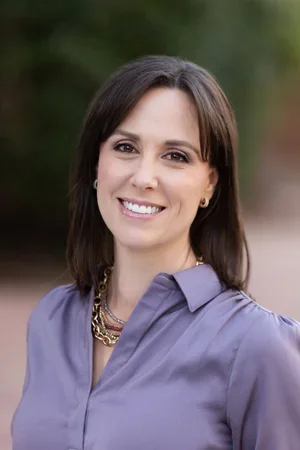
Shana Evans Basset is a licensed professional counselor in private practice in Atlanta, Georgia, specializing in ADHD, dyslexia, attachment relationships, trauma, and the intersection of emotion regulation and human biology. She holds a bachelor's degree in psychology from the University of Georgia and a master's degree from Brunel University, with experience across hospital, clinic, and private practice settings. A member of the American Academy of Psychotherapists, Shana works with individuals, couples, and families navigating complex mental health challenges and chronic medical conditions.
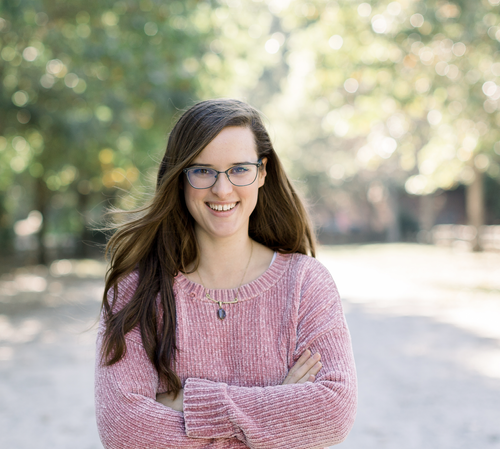
Meet Destiny - The host of The Chronic Illness Therapist Podcast and a licensed mental health therapist in the states of Georgia and Florida. Destiny offers traditional 50-minute therapy sessions as well as therapy intensives and monthly online workshops for the chronic illness community.