
In a recent episode of The Chronic Illness Therapist Podcast, I sat down with David McGettigan, a pain and movement specialist with over 15 years of experience. David runs busy clinics in both Ireland and Iceland, where he specializes in helping people who have "fallen between the cracks" in the medical system. His approach combines evidence-based practices with compassion, making his insights particularly valuable for the chronic illness community.
Understanding Pain as Adaptation, Not Dysfunction
One of the most refreshing aspects of David's approach is his perspective on pain and bodily responses. Rather than labeling symptoms as "dysfunctional" or "abnormal," he views them as adaptations — normal responses along the spectrum of what's possible, even if they're not what we want.
"I deleted the word 'dysfunction' from my dictionary a long time ago," David explained. This shift in language is crucial because when practitioners tell clients their bodies are "dysfunctional," it can imply something is fundamentally broken or irreparable. Instead, recognizing symptoms as adaptations acknowledges that the body is working as designed, even if the result is uncomfortable.
This perspective aligns perfectly with how we understand inflammation — a natural healing process that becomes problematic only when it persists chronically. The goal isn't to suppress these adaptations but to understand what's driving them and create conditions where the body no longer needs them.
The Sleep-Pain Connection Most People Miss
Perhaps the most eye-opening part of the conversation was David's explanation of how sleep impacts pain perception.
David shared that his own journey with chronic pain involved significant sleep disruption—sometimes sleeping only 2-3 hours per night. Improving his sleep patterns became a crucial part of his recovery process.
The Circadian Reset: Starting Your Sleep in the Morning
One particularly actionable insight from the conversation was David's approach to improving sleep quality. Rather than focusing exclusively on bedtime habits, he emphasized that "good sleep starts in the morning" with natural light exposure.
Getting 20-30 minutes of natural light in the morning helps sync your internal clock with nature, setting you up for better melatonin production later. Similarly, reducing blue light exposure in the evening (which can suppress melatonin by up to 80%) creates the conditions for better sleep quality.
This circadian approach recognizes that our bodies evolved with natural light/dark cycles — something our modern lifestyles often disrupt. Simple practices like morning walks, afternoon light breaks, and evening screen limitations can dramatically improve sleep quality without medication.
Building Evidence of Safety: The Key to Recovery
For people dealing with chronic pain, the path to improvement isn't just about physical rehabilitation — it's about helping the nervous system recognize safety again.
As David explained:
"I always orient my clients towards developing evidence of safety. If I can help them find a way to develop evidence of safety for them, for their unconscious system, about their body, about their environment... I think that is a key thing [to being able to do the work required to start feeling better]."
Davis explains that our nervous systems are "more primed to take negative experiences on board rather than positive ones." Recovery requires consistently building evidence that contradicts the threat messages that have become established.
This might involve:
graded exposure to movement,
systematic desensitization,
or carefully designed rehabilitation plans that provide successful experiences.
The Timeline of Healing: Patience and Realistic Expectations
One of the most helpful aspects of David's approach is his honesty about healing timelines. Too often, people expect quick fixes and become discouraged when improvement takes longer than anticipated.
The Bigger Picture: You Are More Than Your Pain
Throughout the interview, David emphasized that recovery is possible — even for people who have been struggling for years. His new platform, aptly named "Bigger Than Pain," reflects his philosophy that people are more than their pain experiences.
David assures listeners:
While the process requires patience, consistency, and often professional guidance, the capacity for improvement remains present throughout life.
*Please note: This does not mean that all conditions are curable. It just means that small improvements, which can make big impacts on the quality of your life, are always possible.
Finding Support for Your Journey
Perhaps the most important takeaway from the conversation was the recognition that support matters.
While information and exercises are valuable, having someone to "bounce ideas off of" and guide the recovery process makes a tremendous difference.
As David put it, "Between the knowing and the actual achieving is another set of steps." Finding the right practitioner — someone who understands both the science of pain and the human experience of struggling with it — can truly make or break your recovery journey.
For those interested in learning more about David McGettigan's approach, you can find him on Instagram and Facebook or on TikTok and YouTube as @BiggerThanPain.
And, you can now personally work with David from anywhere in the world! His program Bigger Than Pain has launched and is ready for you! You can sign up for the Bigger Than Pain transformation with David here.
What aspects of pain and recovery have you found most challenging? Have you experienced the sleep-pain connection in your own life? Share your thoughts in the comments below.
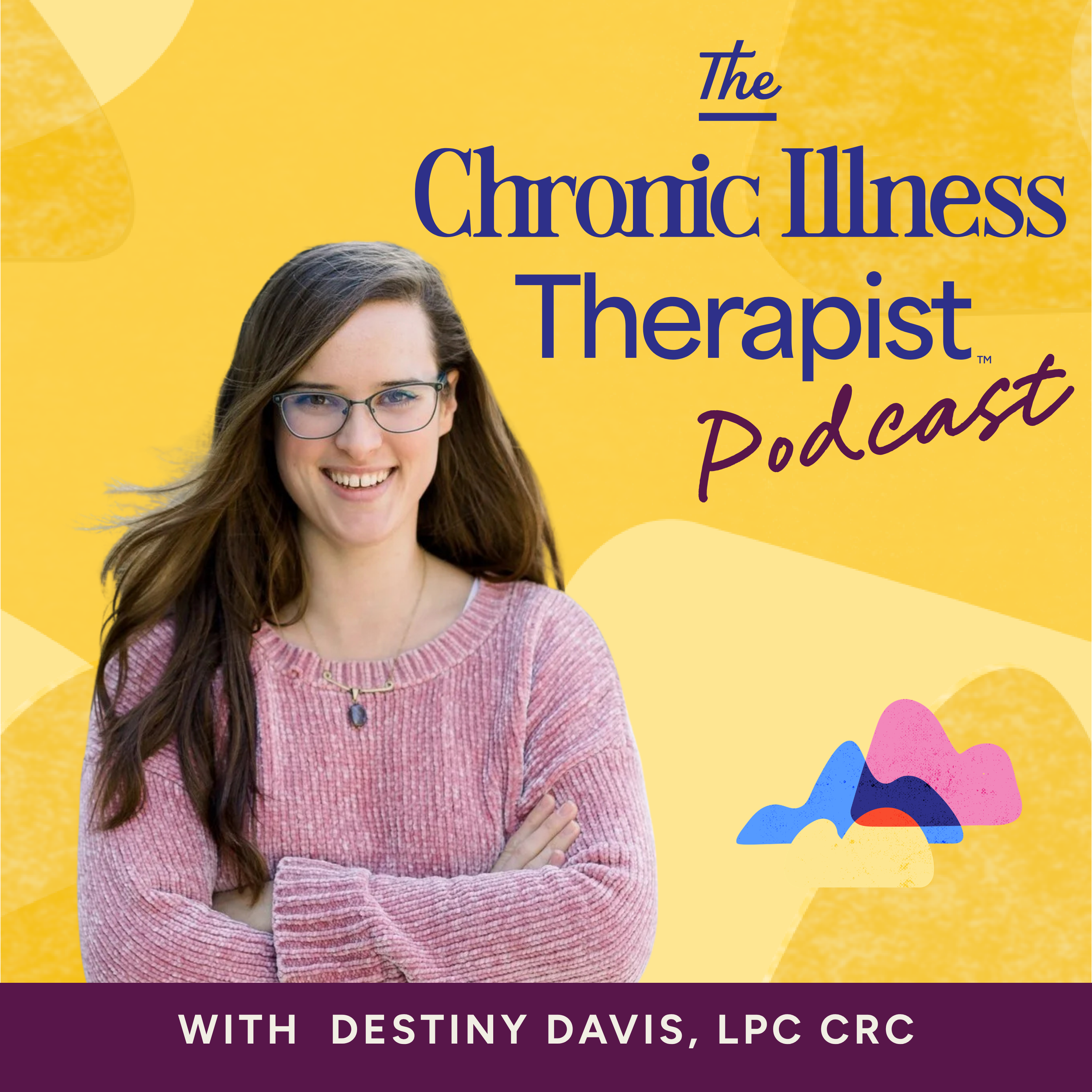
Listen to David’s interview with me, Destiny, on Ep 86: Bigger than Pain: Insights on Improving Movement, Sleep, and Healing
-
Episode transcribed with AI and will contain errors that are not representative of the actual word or meaning of the sentence.
[00:00:00] David Mcgettigan is a pain and movement specialist. He specializes in helping the people who fall between the cracks in the medical system, the ones who are bounced around from practitioner to practitioner, and who have lost hope of resolving their symptoms.
David has previously taught courses in a reflex based therapy called PDTR in multiple countries across Europe, and currently runs two busy clinics in two locations in Ireland and Iceland.
I was so impressed with David's ability to hold all of the information that science teaches us about chronic pain, while also being able to talk about it from a way that is flexible and kind and compassionate. That's not something we usually see when people are. Super evidence-based. Usually it's like, you know, you're just not doing it right if, if you know and, and you're broken or you're this or that, whatever.
So I was really, really impressed with my conversation with David and you'll hear him talk about his new program at the end of the [00:01:00] podcast. Um, and he says it's coming out soon. Well, that day has already arrived. Um, it came out yesterday and he is currently taking beta clients right now.
So you can head over to davidMcgettiganclinic.com. The link will be in the show notes and you can sign up for his pain program. Um,
he really goes over a lot of the pain science foundations, as well as gives you really practical and adaptable strategies that work for your body. He's worked with people with all types of chronic pain syndromes and symptoms, so I think that you're gonna really enjoy this episode, and I hope that you'll find it helpful.
The Chronic Illness Therapist Podcast is meant to be a place where people with chronic illnesses can come to feel, heard, seen, and safe. While listening to mental health therapists and other medical professionals talk about the realities of treating difficult conditions, this might be a new concept for you, one in which you never have to worry about someone inferring that it's all in your head.
We dive deep into the human side of treating [00:02:00] complex medical conditions and help you find professionals that leave you feeling hopeful for the future. I hope you love what you learned here, and please consider leaving a review or sharing this podcast with someone you love. This podcast is meant for educational purposes only.
For specific questions related to your unique circumstances, please contact a licensed medical professional in your state of residence.
Destiny Davis LPC CRC: Hi David, thank you for being here. Um, I would love for you to tell people where you work and a little bit about your clinics and, um, Yeah, how you help people.
David McGettigan - Sports Rehabilitator: Thanks, Destiny, for having me on. Um, yeah, David McGettigan, uh, I go by the business name, um, David McGettigan, Pain and Movement Specialist.
Um, [00:03:00] I work primarily with people who have chronic pain. Uh, I have been doing this work now for, I think, this is my 15th year. Um, and I typically meet people who are, struggling who've kind of fallen between the cracks who have maybe bounced around from different therapists to different therapists, from doctor to potentially to surgeons.
Sometimes I've had surgeries, surgeries that haven't gone so well, stuff like that. Um, get a lot of referrals from physical therapists, from, uh, personal trainers, all that. And I aim to kind of meet them where they're at. Um, I've been through my own symptoms as I'm sure we'll get into, uh, and. I mean, I help those people make sense of what's been happening, trying to put the pictures of the jigsaw puzzle together that's led them to where they're at.
Um, and then start helping them make sense of it all and create a plan to, to move forward. So I have a, I'm based in Ireland. Uh, I have a clinic, um, just outside Dublin [00:04:00] airport, which is quite happy for, or quite convenient for the few clients I get that fly in. Um, That's my secondary clinic. I'm there one day a week.
I have a clinic in my hometown as well. And I also, which seems to be quite random, I travel to Iceland every kind of 6 8 weeks ish. And do a large weekend clinic there. I've been doing that for 4 5 years. So I do bits of online stuff as well.
Destiny Davis LPC CRC: That's really cool. What is, what is the thing that you do in, in Iceland?
What is, uh, It's
David McGettigan - Sports Rehabilitator: just a clinic. It's a clinic. So I, I was involved in helping teach a course, um, and that all stopped around COVID time. Uh, it was a neuro course and yeah, it was, I was teaching client, uh, people out there and basically what COVID stopped everything. So I ended up. Becoming a dad that year as well.
So I ended up stopping teaching and, um, I sent an email to, or the lady who's running the clinics and take, uh, hosting the courses sent [00:05:00] me, uh, an email and said, David, we've got people asking if you're coming back, would you be interested? So I sent an email and it just filled up a full weekend of work and it's just been rolling ever since, basically.
So it's just people helping people. Like I meet people with chronic pain. I meet people with weird things like, uh, chemical sensitivities, multi chemical sensitivities, all that sort of thing. So. Yeah.
Destiny Davis LPC CRC: Um, okay. Well, this might take a turn a little bit because we do talk, I mean, I've had, I've had like physical therapists on the show and, um, we haven't really done an episode on chemical sensitivity and I'm not, I'm not asking you to be an expert on that, but I would be curious to know like, Yeah.
what you notice about chemical sensitivity and how you do start to help people with that.
David McGettigan - Sports Rehabilitator: Yeah. So this is going to take a different turn, but that's okay. So part of the training I took, uh, when I was like, I've gone through loads of different trainings, understanding movement has been a huge [00:06:00] part of what I do, that all the different joint interactions when we walk, et cetera.
And then I realized during my kind of years of trying to implement that with people I could assess somebody to. Um, the top level that I could, um, and I could say that they needed to be able to side bend their spine left and turn their neck this way, but I couldn't get their body to take it on. So even though I knew what I, or what I thought I knew that they needed, I couldn't get their body to take it on.
And what I started to realize was that yes, the joint motion settings is so important. And at the same time, if I can't help that person's nervous system, have a safe experience of the movement they were missing or of the symptom or of the area of the symptom, um, then I was probably going to struggle. So I invested in a neural course and I ended up teaching bits and pieces of that.
But for that neural course, what you would see with multi chemical sensitivity would be along the lines of most of those people have had. Um,[00:07:00]
or mostly it's that sometimes it's, it's kind of illness and secondary effect to medication and stuff like that. Um, and they've been, their system has been really burdened and they've been usually in hospital. They've been like on the floor sort of thing. I think, and again, I'm not an expert here, I'm, I'm, um, I actually have loads of clients that are doctors, that'll probably, you could probably get some of them on, they could chat about their experience of it, it would be cool, but, um, I think what happens is we get so overloaded with it.
When we're, our systems are on the floor that it's quite easy for us to become sensitized. Um, some of that neural work would look at like the input systems from body to central nervous system. And if we have particularly up around the head and neck, it seems, uh, if we have sensitization there, then a secondary consequence of that tends to be smell sensitivity.
And the [00:08:00] smell sensitivity can trigger a whole host of different symptoms is what I've seen. So if I can. do the strange neural work that I do to desensitize their system, usually up around their head and neck. We can often help them stop the second order consequences of the sensitivity.
Destiny Davis LPC CRC: Yeah, it does. It does.
I'm wondering if the neural work is I know mindset is always a part of everything, but is it mostly mindset work or is it physical stuff that you're doing? Well,
David McGettigan - Sports Rehabilitator: it's actually like sensory work on the sensory channel. So like, uh, I could probably give you an example. I had a lady who, uh, had a mold sensitivity.
Ended up with a, she's Icelandic. She eats fish and has eaten fish all of her life. She ended up with a fish sensitivity that was so bad that she needed an EpiPen afterwards. So we had worked on other stuff and she [00:09:00] eventually said to me, David, I want to see if we can sort this out. Cause I miss fish in my life.
It was so good for my health or whatever. And through a process of testing her system's response to fish, uh, we were actually able to figure out what. Was driving that, um, desensitized that thing and she could then almost immediately start to eat fish again and went forwards and has been eating fish since so, um, it's, it's not going to be that case for everybody.
It can be.
Destiny Davis LPC CRC: Forgive me if I'm getting too granular. Like. Is this a matter of exposure work mixed with some safety signaling or?
David McGettigan - Sports Rehabilitator: Yeah, so I would kind of say that's definitely part of it. So you need the exposure work afterwards. And I would always, I mean, in, I would always encourage graded exposure for anyone to any problem, whether it's something to do psychological, whether it's something like I've just explained, or whether it's movement back after an injury or something like that.
Okay. I always think about, if I [00:10:00] can, the, the primary signalling problem that might be happening in their system. So to transpose this to a different context for a second, I might get someone who has knee pain and has every MRI, every scan, ankle, knee, hip, etc. There's nothing on them. And when we assess them from that sensory lens, we might see that They have reduced output, motor output to their quads, reduced output to their calf, and when we restore that, we then see them start to make some progress.
So you see these kind of, I don't think people look at this that often, so maybe this is kind of, um, something you're familiar with. A lot of people are trying to respond to what the responses are instead of looking at what's maybe driving them as best we can. It's not always easy. Um, that would be how I look at it.
So from the chemical sensitivity, I want to see if the sensory system is having any problem. And if it is, then can we normalize that if possible? Sometimes that is just great at exposure work. If there's no, [00:11:00] nothing I can identify to put it that way. Um, if there is, then I would do my best to do some treatment on that.
Thank you. Desensitize with the hope that that leads to the second order consequences, having, having different responses or more normal responses in effect. It's like trying to restore normal in the system because what they're displaying already is an adaptation.
Destiny Davis LPC CRC: Inadaptation, which is a word I love rather than like abnormal because abnormal is wrong.
I'm
David McGettigan - Sports Rehabilitator: with you, I'm with you. Dysfunction is a word I deleted from my diary and my dictionary a long time ago.
Destiny Davis LPC CRC: I love that. Let's talk about that then. Why do we use adaptation instead of dysfunction or abnormal?
David McGettigan - Sports Rehabilitator: Because I don't think, unless you have, unless you're unfortunate to have some sort of rare injury, brain injury, something like that, nerve injury, I think everything is within a spectrum of what's possible, even if it's not what we want, right?
So rather than say it's dysfunctional, that's [00:12:00] along the normal of what's possible. And I absolutely hate when, and I used to be guilty of this, so for any clients that are listening, I apologize for this. It's part of my learning journey. I used to say dysfunction. And actually what I think that meant to a client was something really different than what I was intending it to mean.
And I'm really careful now about how I speak to people, how I choose to use my language, because I know that, like, I meet the people who come in to my clinics that they basically regurgitate what therapists have said to them in the past, and those are the things that people fear. Those are the things that can, we carry around on our back, um, for years sometimes, and I really don't want dysfunction or that, you know, implication that we're fragile if we're talking about pain.
I don't want that to be coming from me. I don't think it helps anybody.
Destiny Davis LPC CRC: Right. So if you and I are talking about like, if you and I are using the word dysfunction, but we both know that it doesn't mean broken, permanently [00:13:00] damaged, all of that, then we can use the word, but. Most people have the context of this means I'm irreparable.
I'm not going to be fixed and this is damaged for life. And then that's why we want to use different language to have it, make sure there's just a different conversation.
David McGettigan - Sports Rehabilitator: Absolutely. And I mean, if you're sitting as the person who doesn't maybe have background, like yourself or myself might have, if someone says dysfunction to you, that means something's going wrong.
And actually when, if I refer back to what I said earlier, that these are, uh, normal occurrences along the spectrum of what you'd like to watch, maybe you don't like, um, they're not dysfunctional. They're adaptations that are possible in your system. They might not be pleasant. They might not be, they might be driving your symptoms or a big part of it, but that doesn't mean it's abnormal or dysfunctional.
That means it's a functional response. That's maybe not what we want. If that makes sense.
Destiny Davis LPC CRC: Totally. It reminds me of inflammation, which is there to help heal wounds and like, What are some other functions of inflammation?
David McGettigan - Sports Rehabilitator: Yeah, it's, [00:14:00] it's, it's, it's basically a repair process as part of the body to repair process after injury.
Um, a lot of the time, like maybe different from the chronic low grade inflammatory stuff, that's signaling something, maybe something different, but yeah, like if it's a necessary part, it's a normal part.
Destiny Davis LPC CRC: I think. Sorry to interrupt. I think you had just said, uh, maybe different from like low grade chronic inflammation. Mm-hmm . And the way my brain conceptualizes this, you can tell me if you correct this right. Um, is that it's. Constant, there's a constant injury happening on the daily, whether because there's low vitamin level, like there's a malnutrition somewhere, or there's a like mold, you're living a mold and you don't know it.
Um, and so in my mind, like that is what's causing the chronic inflammation, which is still an adaptation. It's constantly trying to repair, but then of course causes damage over the long haul. Is there anything you would like shift about [00:15:00] that?
David McGettigan - Sports Rehabilitator: Yeah, so like, I think when, like, when you start talking about low grade inflammatory stuff, I think about metabolism.
I think about metabolic issues. I, I would be, I'm a total geek, if you haven't heard already, judged already. Um, I have been down a rabbit hole for the last probably four or five years on circadian biology, because I think that's a massive missing piece for most people. And I mean, if you, if you go into the kind of science behind it, you toss, you end up quite quickly getting, uh, in front of a mitochondria as a, as a, as an important part of, um, of our health.
And I think what you'll see with low grade inflammation is it's, it's a problem with the inputs we're giving our energy systems that end up creating problems for how they work. And then the end result is like low grade inflammation and different tissues and whatnot. So like, I would always kind of say that.
If you can [00:16:00] sort the environment you're in, the inputs you're giving it, you can often get this machinery inside of us to work really well. And if you want to talk about inflammation, if we give the inputs and remove some of the problematic things, then we often end up seeing that person really, really thrive.
Destiny Davis LPC CRC: It makes me think of my own blood work. My inflammation levels were starting to look really, really good. Um, Right before I had kids.
David McGettigan - Sports Rehabilitator: Changes everything, right?
Destiny Davis LPC CRC: And I'm three years in now. I have a three year old and a one year old. And This past year has been the hardest year for sleep by far, worse than my first year with my first kid, and my blood work, my, my functional medicine doctor is like, so your love, your cortisol is at like zero, your inflammation levels are up, you're depleted in B12.
And I'm like, yeah, it's all sleep. Nothing else has changed. Like, this is pure, like, lack of sleep.
David McGettigan - Sports Rehabilitator: Absolutely. And that, that ties into what I was saying. Like, that's circadian side of [00:17:00] things. The, you need, you need the, the awake thing and you need the dark thing too. You need the light and the dark to get everything functioning properly.
So yeah, a hundred percent. I mean, it's, it's so important.
Destiny Davis LPC CRC: Yeah. And so that makes me think too, like this, like lack of sleep is like that for me and the way I conceptualize this low grade. Inflammation it's like every night or when you're lacking good sleep. It's like that constant injury You're just not like having the full symptom system to repair
David McGettigan - Sports Rehabilitator: Yeah, you don't.
Like, I mean, most of that repair stuff does happen whenever we're sleeping. So if your sleep quality gets affected, then there's going to be, like, you're not going to have as much melatonin release. You're not going to have as much melatonin you're making. Melatonin, if you go back to mitochondria, it helps repair and restore those.
And they are immune system organs as well as energy functioning organs. So it makes sense. It makes loads of sense. And I mean, obviously when you're. A parent, [00:18:00] um, which I am, I have two, uh, four and two and a half. Like it's, it just is what it is. . Yeah, . You have to kinda roll with it and, and get on and, and, and I mean, if, if this was someone who had a chronic illness or chronic pain who was a new parent or who street sleep was struggling, I would say to them that if it's something like parenting, it's, it's a phase and fingers crossed the sleep will, you know, will, will resolve or will will get better.
And, and you should find that that will get better too. And hopefully that will. Reassure you that if you can get your sleep back on track, then you can re recover some of the progress you've made or you can increase your how well you feel you can get better basically, um, and that it's not hopefully something to freak out about because maybe it's normal for your symptoms to be worse if your sleep struggles.
I actually think that's really, really important for people to know.
Destiny Davis LPC CRC: Yeah. Yeah. This is your body. This is your body working. It's telling you the signals that it should be telling you when you're sleep deprived. And yeah, it [00:19:00] does pass mostly when you're a parent, unless you've got more and more.
David McGettigan - Sports Rehabilitator: Yeah. I know that too.
But,
Destiny Davis LPC CRC: um, do you do any work with clients around sleep? Like, what kind of education do you do? Do you do like a CBT I kind of thing, or is it your own kind of
David McGettigan - Sports Rehabilitator: Um, so, I, like, I've kind of come at this through my own learning, I suppose. Um, my sleep was all over the place when I was in pain. Uh, I probably slept for maybe a times two and three hours a night.
So, I was like all over the place. Um, um, And that was a huge piece for me. It was a huge part of my symptoms starting to improve that, plus a lot of self exploration, mindset, movement, there's loads that I did, but sleep's a huge part like I know from reading the research. That sleep is a significant factor in pain control, your intrinsic pain control, like you can sleep poorly for a few nights and be at a much higher risk of experiencing symptoms, not because your structure has become injured all of a sudden, but because your own [00:20:00] control, internally, unconsciously, your control of the pain, your pain systems and all that has been just completely altered, and that takes time to get back on track again after sleep disturbance.
So, Like, it's something I would ask my clients about, like, how is your sleep? What's your sleep been like? If they've started to experience a flare up, have stressors kicked in and your sleep suffered, all that side of things. And I do give them like quite specific advice, like, to help that, happy to share it if you want to hear it.
Destiny Davis LPC CRC: Yeah, please.
David McGettigan - Sports Rehabilitator: For me, again, it's, it's like, it's circadian based stuff. Um, For me, good sleep starts in the morning.
Destiny Davis LPC CRC: Yeah. It
David McGettigan - Sports Rehabilitator: starts with natural light exposure to make some melatonin on your skin and in your eyes. Um, ideally for 20 30 minutes if you can in the morning time. Um, ideally as close to sunrise, but that might not always be possible with maybe kids or where you are in the world, it could be dark before work and all that.
So, um, [00:21:00] Ideally, we get that light exposure in the morning. Um, and then we get it again, ideally around sunset. If we can, we're trying to sync our internal clock up to nature because that's what we evolved with, right? And the eye is the main pathway for that, the eye and the skin. So if we can do that kind of syncing up with nature's clock on on a regular basis.
That could be as simple as opening a window. That could be as simple as getting out for a short break, for a walk on your lunch break. Um, that's huge. That actually matters so much more than people think and it's free when you do it. Um, the other side then is to, you know, maybe not exercise too late in the evening to avoid the heavy foods later on in the evening time.
to do your best around the light exposure you receive in the evening time. Um, I mean, blue light, I think the blue light from our screens and all that stuff, it, it, it suppresses melatonin release by, I think it's up to like 80%. Um, so if we, let's say
Destiny Davis LPC CRC: that number before,
David McGettigan - Sports Rehabilitator: let's say if we, you and I are twins and we have the [00:22:00] exact same day, we go out and we, Get our morning walk, we build some melatonin in the morning.
Um, we have the same day, no stressors, but I've been watching Netflix for two hours before bed and you've been reading a book. Maybe with the declining light or with a candle or something. If we, probably if we take a blood draw, my melatonin is circulating, it'll be way less than yours, and I've read 80 percent myself, I can't say that that's fact to fact, but I think it's quite significant.
So, if melatonin is the thing that keeps you asleep when you get to sleep, and if it's the thing that repairs your little engines and your mitochondria all the time, and helps your immune system kick up into gear and all that, Then I think it's pretty important for anyone with pain, health issues, etc.
Just any human being, to be fair. Yeah,
Destiny Davis LPC CRC: Do you think everybody needs to sleep? Like, you know, nine to nine to six or like, or cause there's these, this concept of different, um, chronotypes, like people are night owls, some people are what, how do we [00:23:00] account for those different types within our sleep education?
David McGettigan - Sports Rehabilitator: Yeah, got it. So I personally think if you go back to, I mean, I have no evidence of this, this is how my logic works. If you go back to when we were cavemen and cavewomen, we would have more than likely got up when the sun rose and went to bed when the sun went down or close to that time. So I think when we talk about night owls and we talk about, you know, people that aren't night I think what we're talking about is probably people who have Whose behaviors and habits, they, their environment is set up to prolong their being up at dark and they don't realize it.
I think it's that. Um, and I, I would imagine, I know there's research that shows there's two clear types and stuff. I would imagine if you did kind of really, really detailed research on that group of people who consider themselves night owls, their rhythms are out of sync with what their [00:24:00] bodies are doing.
I know from reading the research that, you know, people who, as an example, uh, shift work are way more likely to have mental health difficulties, are way more likely to have cardiac problems, to have, to be obese, to have diabetes, you know, there is definitely a link with that. So I think whenever you're talking to someone who might be a night owl, it would be attempting to get them to shift back by a small amount.
For a while and then shift back by a small amount and put in those inputs again that that help your your internal clock sync up with what you'd like. I think that's key. If we don't do that, then it's going to be really hard.
Destiny Davis LPC CRC: I, mostly agree. Um, there's one, I used to think the same thing about, like, if you think back evolutionarily, and then I was, Somebody mentioned this concept of like, yeah, but there were people who like stayed awake by the fire at night to protect the village, so they were up by fire.
But I still wonder if they, if those people who were in charge [00:25:00] of this high stress job and like, Like maybe they also were not very healthy when they were doing that. We don't know because this was like thousands and thousands of years ago. Um, so that's one part that comes to mind. The other thing is I know within CBTI is cognitive behavioral therapy for insomnia.
It's just a manualized kind of approach and it can take I mean some people Some people will, um, benefit in like two weeks, but other people can be up to five months to really like re do that circadian rhythm. So I know it's possible to rewire that, that rhythm and that pattern. Even if you are a night owl, I do just, sometimes I always get in my own head, about like when we're trying to make changes, are we trying to change something that's like fundamentally okay with us, but we're just trying to change it.
Cause society lives a certain way. They know they live from 7 00 AM to 10 PM or Or is it like, no, it's not really just about society. It's also, this really is like the best thing [00:26:00] for you to change. So I always struggle with those two concepts.
David McGettigan - Sports Rehabilitator: I mean, I would probably say that based on what I've read and what I've heard from people who know a lot more than me, I think that the way we live our lives now is not set up for how humans should do things if fully, if.
Fully health wise, and at the same time, that's how the world is. So we have to have some kind of meeting in the middle there, and I think it's, it's about what you can do. I suppose it's, you know, little hinges swing big doors. If you can make some small changes that benefit your sleep, and that's all you do.
You're going to have better mood, you're going to have better appetite regulation, you're going to probably have better pain control, you're going to have more likelihood to engage in health promoting behaviors and stuff like that. So I would always see, you know, if that, if that was a small little win that we can get, I'd be all for that, you know?
Destiny Davis LPC CRC: Yeah. You mentioned the pain control piece a little bit earlier. I wanted to go back to that. You mentioned it in a way that, the way you said it [00:27:00] was really, um, Like it was really good. I, I understood it really easily. It was like the, when you're lacking sleep, there's something that is then altered with the pain control centers.
It's this vicious loop. Can you talk a little bit about when? So I
David McGettigan - Sports Rehabilitator: think that the easiest, I'll explain how I explain it to clients. Our bodies take input from our tissues. Every part of our body, all the time, 24 seven nerve endings are sending signaling in. And probably if we were to listen to every single piece of that, we would be overloaded, overwhelmed.
We wouldn't be able to function, right? So our system obviously has inbuilt kind of filtering processes for that, right? I like to think of this really simply, like at the level of the spinal cord or some part of the spinal cord into the brain, there's like a channel that's closed. Okay. And you can sample it at will, but there's a channel that's closed, and that channel is set to stay closed.
most of the time. When we have [00:28:00] good quality sleep, the research I think says between about six and six, six and a half hours and eight and a half, nine hours, channel stays closed. When you have more than nine hours and when you have less than six and a half hours, channels get open. And all of a sudden you can, your system can be bombarded with input that it may not have been receiving as much of before.
And I think what that will do is it will shift processing. Internally in your, in your central nervous system, and a lot of times if there's maybe no susceptive input, which is kind of threat detection system input, if that's coming in, more of that's coming in, it naturally causes our system to move towards processing threat rather than safety.
And that probably drives responses in terms of pain. That's how I kind of explain it with clients. It's a bit wordy, but they seem to get it.
Destiny Davis LPC CRC: Yeah. No, it's perfect. And it, it does explain the neuroscience stuff without it being like, this is a mindset. And therefore, if you're in pain, you're not [00:29:00] thinking properly.
David McGettigan - Sports Rehabilitator: I'm never, I'm never going to someone I know. And I know you've obviously heard that from clients or from, from your own journey, because. If you just bring it to this as a mindset, it's almost like, this is your fault. And there's none of this is anybody's fault. I can't ever say to someone that you could be doing better because they often don't know.
They often just don't know. And I can't ever, you know, wouldn't ever place blame on anyone because of that. So between the knowing and the actual achieving is also another set of steps. You can know it, but to actually put it into practice is hard changes really, really hard.
Destiny Davis LPC CRC: Yes,
David McGettigan - Sports Rehabilitator: the support's needed, right?
Destiny Davis LPC CRC: Yes. Yeah. Support. Exactly. That's where I think the mindset work comes in with. trusting that you can do this work when it's really hard, or searching for support to then help you do this really hard work if you don't have that in place now. Like, there are things that we can, we do have some choice over, but it's always in constant, [00:30:00] um, contact with our external environment.
So our environment's impacting us, we make a choice, that impacts our environment, and then it just goes. Absolutely.
David McGettigan - Sports Rehabilitator: And I think when you talk about maybe what I would deal with most would be chronic pain, like people, I don't think people realize that their central nervous systems are probably more primed to take negative experiences on board easily than positive ones.
So that makes the process of change a little bit harder. And I always kind of, uh, how did I put it? I always orient, orient or orientate my clients towards developing evidence. Of safety. It's a massive key. It's a key thing for me and for my clients. If I can help them find a way to develop evidence of safety for them, for their unconscious system, about their body, about their environment, whatever you want to call it.
Um, I think that is a key thing. So, you know, that might be something small. That could be something huge for another person. You [00:31:00] know, it's, it's, it's a key concept, but we can get them to do that. We can at least provide some evidence that you can, that you're safe to move, let's say, even though they may have loads of evidence that, to the contrary, um, we need to keep developing that evidence of safety, because we can't just delete out memory.
It'll still be there, but we need to develop evidence of safety, and sometimes support is needed, like you need to be able to bounce ideas off somebody, to ask questions, to, most people I meet don't know what to do. They know they want to get better, but they don't know what their next best step is.
Destiny Davis LPC CRC: That's huge.
I love that. Yeah. Yeah. And then this is also where some of my work comes in because we, like, as a therapist, I am working with personality and trauma and mindset and things like that, but it's, um, always in conjunction with, again, with what is not like you need to think differently. Um, Yeah. Yeah, it's looking at what kind of personality traits do they have?
Are they more of an avoidant type of person [00:32:00] or more anxiously attached, meaning they move toward problems, avoidant people move away from problems. Um, and so we, we look at all that and then we can kind of develop this. Well, this is the kind of support that you need based on who you are as an individual.
David McGettigan - Sports Rehabilitator: Absolutely. It's so important. I mean, I often would say to clients, like, And I don't even know the therapist if I'm talking to them, like meeting the person I'm in the room with is the most important part of my job. Because if I, I don't know people that well, sometimes clients I've worked with for a long time and I do know them quite well.
But most people I have to kind of do my best to get a read on how they handle things, um, in order to know how to support them more effectively. Because I could prescribe homework for someone, let's say, that just is not going to have that capability. And that's not going to help. So we have to maybe do stuff with them here or, or, you know, it's, it's, it's knowing, knowing your people, meeting them where they're at.
So important.
Destiny Davis LPC CRC: Yeah, I agree. Um, [00:33:00] do you have any tips based on your, you said at one point you were sleeping like two to three hours at a time. Do you, what helped you mindset or physical, physical, like changes and stuff, the sunlight, but what were maybe some other things you had to overcome there? Yeah.
David McGettigan - Sports Rehabilitator: Like I, when my wife would always say when I met her, She's a complete sleep.
She loves her sleep. She would sleep really, really well and it's been a foundation for her. So we were like at opposite ends of the spectrum whenever, um, whenever we met and she would think she would say to me, David, you do know it's not normal to get up and cook food at like 11 p. m. And for me, I was just that dysregulated.
I don't think I knew. How dysregulated I was. So it was actually awareness of that, that really started to help me, you know, kind of put some perspective on where I was at. Um, I mean, most of the time when I was really struggling with my sleep, I was away from home. I was studying my degree. [00:34:00] I was a student.
Uh, I had very little money and I was kind of just being a student, you know, I was partying. So there were factors there that when I took them out. When I started, when I moved home from doing my degree and I was back in a bit more of a routine and obviously when I started working for myself, then I had times I had to be up and active and, and that kind of enforced it a bit.
But I, I think I'd say to that it was, it was awareness to that, that I was actually doing things that were slightly abnormal, uh, or more, maybe more than slightly. And I didn't really think of anything of this. 'cause when I was younger, I had decent energy. So I could push on if I needed even though I was in pain and I didn't really know like I didn't have any awareness that sleep and pain were really that linked and it was just part of my journey to understand that.
So like I think if you can take a step back and look at how your day to day generally goes um and compare it with what maybe would be [00:35:00] best for health then maybe you have to know what that is in the first place that would be useful because then you might see a big contrast and that big contrast might hold some gold for you.
Destiny Davis LPC CRC: Yeah, one thing that was really eye opening for me, I didn't realize this until I was pregnant and I was dealing with like massive, massive fatigue more than anything I ever had, but I would get really hungry when I was tired and trying to push on and I was like, Oh, I'm, I'm mistaking my tired, my hunger cue, um, my tired cue for hunger.
Like my body's like, okay, well, if you're pushing past your limits, then we need some energy, go eat. But if you just go to sleep, then you don't need to eat at, you know, not, this is not like diet talk. This is like, yeah. So when you said, you know, you'd be up at 11 cooking, my mind went to like, yeah, your body was tired, but.
David McGettigan - Sports Rehabilitator: That's him. That's him. I had hung, uh, the other one would be like, Mistaking thirst for hunger, getting a signal. I wanted something, I would actually [00:36:00] be thirsty, but I was that dysregulated. I couldn't maybe make the connection and I would make food instead, which does have water in it, but it's not what I needed.
Right. Um, and I mean, it's other things like, I think one thing that's really important for clients and for me as well, like, I would find that certain symptoms would be indicators for me, and I know that now, um, you know, maybe years down the line, I'm probably, I want to say I'm 37, I'm probably about 10 ish years past most of the majority of my symptoms.
I was struggling for maybe 10 15 years before that. I would often get, my neck would lock up. You know, like a wry neck or whatever. My neck would lock up and at the time I thought that was a disc problem when I was catastrophizing and doing all the rest. When I get that happening now, it's a clear indicator for me that my system is overloaded.
Most of the respiratory muscles are up around our neck and our diaphragm, obviously. And when they go into spasm for me, that's a [00:37:00] clear indicator for me that my sleep has not been on point, that my workload is too high, that I'm stressing around something. And now I see that as like, all right, time to, time to cut the cord and get back to basics.
Like, I'm by no means perfect on that front. I know what has worked for me and I practice them as much as I can. And at times it goes out the window, apparent as well and all that, you know.
Destiny Davis LPC CRC: So important to talk about that as well when we're teaching this stuff because yeah, people are like, Oh, they crapped the code and now they're perfect and they never hurt.
And no, like, yeah,
David McGettigan - Sports Rehabilitator: still human.
Destiny Davis LPC CRC: Yep. I do. I also, I have this very specific pressure in my head that happens when I know I didn't get a good night's sleep. And then, um, other like sensations in my body that it's like, yeah, you've just been working too much. Like, um, It's even it's even if it's not like I haven't had enough sleep.
It's maybe I haven't had enough time without doing work related tasks. I haven't been playful enough. I haven't been carefree enough and I [00:38:00] can feel that in my body now. Whereas yeah, before it was like, oh no, I just. injured something else inside. I
David McGettigan - Sports Rehabilitator: think, I think it, yeah, for me, it brings up that piece of the meaning we assign to our symptoms.
Like if we have a meaning that's quite fear inducing, worry inducing for us, that'll further escalate things. Whereas with hindsight and time, and obviously I've been on a journey with my symptoms for a long time, that has now transmuted into Okay, we can cut the cord and, and, and, and calm things down and focus on the priorities again to get me back to where I want to be feeling, to know, but that doesn't come without experience and without help.
Destiny Davis LPC CRC: Exactly. Yeah, I think like making meaning of a symptom, like if you're doing cognitive behavioral therapy, In session, a CBT therapist would be trying to help you figure out the actual meaning, the true meaning, but you might not have enough information to make it make sense. And I think that's where people get derailed because they're like, well, then it must [00:39:00] be my fault.
And so there's this kind of backlash against that kind of work. But in my experience, when you, and this is why my client, my clients actually get really frustrated with this process, understandably, but. My process is all about acceptance and observation. We have to keep observing and collecting data and observing and collecting data before we make any meaning of it and learning.
And because if you make too much, if you try to force a meaning out of it, it might not be the right meaning. And then you just feel like confused, wrong and broken even more. So I'm a big fan of observing.
David McGettigan - Sports Rehabilitator: Absolutely, it's, it's, it's key for me. I mean, pretty much every client that I meet will have meanings that have either been made internally by themselves or have been handed to them from other healthcare professionals, which I kind of mentioned at the start, they bring it on their back.
And it's, unfortunately, most of those things are throwaway comments. That people have [00:40:00] latched onto somehow and they're promoting the idea that their body is fragile. They're promoting the idea that this person isn't able, that isn't, they aren't able to get past this. And I mean, I would, I would be kind of watching out for that type of thing with clients.
I'd be listening for it. I'd be asking them questions to probe a little about what they understand to be happening in their body because I put it this way, I call it the unconscious storm. I could be giving you the perfect rehab plan, the perfect treatment and rehab exercises, but if I haven't helped you uncover the unconscious meaning and the unconscious storm that's sitting there, that's derived, that's basically meaning your system is perceiving your body as an unsafe place, as a fragile place.
If we start putting exercise on top of that without dealing with that meaning piece first, we're probably going to have a threat response rather than a safety response. And I know which one I want, obviously, right? So, and I know which one the person wants, even if they have no concept of all of this stuff.
Um, it's about, you [00:41:00] know, awareness again, helping them become aware that these things matter. I mean, most clients with pain will imagine that it's, or will link that to some element of tissue injury. Whether it's, disc issues, degenerative change, tendinopathies, broken bones, muscle pull, whatever. And I mean, we're conditioned that way because, you know, you fall when you're a child and cut your hand and it's bleeding and you associate pain and tissue injury and it's hardwired for us that way, which is fair enough.
Um, as you know, it's, it's not always the case. There are many, many factors that can, that can cause pain to appear in your life. Um, so it's, it's, it's always important that we check in with how that person's relating to pain, if that makes sense.
Destiny Davis LPC CRC: Yeah. And do you find yourself ever having to be careful, like, around, so you're, you're teaching people basically that they're not as fragile as they may have been led to believe, which, Is something, yeah, I also relate to heavily, like learning that my body is [00:42:00] stronger and that I can't push it.
Um, and, and even like I had a heel pain that started this, this past year. And after like four months of working with my PT, we were like, okay, it's not feeling better. There's been some improved, like some little improvement. And I just. It clicked for me like not walking on this heel because like there's no injury here and not walking on it is not Going to help me So I just straight out asked her like if I start walking on my heel again properly it'll hurt, but am I going to do damage?
And when she said no, I was like, okay, that's all I need. Like I can move on. Yeah. I needed her, her particular in particular. Cause I trust her. Um, with that said, uh, how do we be careful that we're not pushing the message that you should just push through pain and
David McGettigan - Sports Rehabilitator: like,
Destiny Davis LPC CRC: yeah,
David McGettigan - Sports Rehabilitator: no, absolutely. Like reassurance that you're safe to move.
I mean, when it's appropriate to give that message is number one, um, [00:43:00] I think it was Louis Gifford, there's a great physiotherapy writer who's passed away since, but he wrote that reassurance is one of the most effective painkillers you can get. So I totally subscribe to that. That's the first part. And the second part is pacing.
I mean, you know, yourself created exposure pacing. It's, it's to help the person understand, first of all, like, how long is this likely to take? What might we need like, uh, like most of the connective tissue in our body takes. It's anywhere from 6 to 8 weeks to start showing signs of change. So if we know that as a rough guideline, we can pace it a bit more appropriately.
Whereas if someone thinks, oh, I need to do these exercises for two weeks and then I'm sorted. Well, it's on me, I suppose, or on the person who they're working with to lay that out for them so that they're clear and they don't push too quickly, too soon. So like I'll often say to my clients, like. I don't want you kind of, I don't mind a little bit of discomfort in your rehab whenever we're starting to work through something that's painful, but I don't want you getting above a four or five out of ten.
I don't want you waking up with more [00:44:00] pain the next day. We've probably overdone it. And giving them kind of indications as to what would be, sorry, what would be, um, appropriate for them and what, like, sometimes the other side of it would be to know what change looks like. A lot of times it's not just the symptom disappearing, it's the ability to walk an extra mile, or it's the ability to walk upstairs more, more quickly, or it's, you know, being able to bend down and put your, put your shoes on.
It's, it's little things like that, even if there's a bit of discomfort. You know, it's, it's trying to get all of that happening so they kind of know, all right, this is, this is a good sign. This is a sign that I want to maybe take a little bit of note of and keep an eye on. And also that the time required to change can be significant.
I don't know if that person needs three or four cycles of, of, of getting their tissue to adapt for six to eight weeks before they're fully ready for the activity they want to do. But we have to start and build gradually in a way that is sustainable. Right.
Destiny Davis LPC CRC: That is such good, like [00:45:00] for me anyway, and I, so I would assume for listeners to like to hear that, like not only six to eight weeks for this, but you might need another six to eight, eight weeks because your tissue is repairing in layers.
If we can say it that way. And so you're healing like a layer at a time. Is that,
David McGettigan - Sports Rehabilitator: I mean, if, if I put it to you this way, like sometimes people, because maybe in previous injuries, they've adapted how they move, or maybe they've been up and lying up with a cast stone or something like that. and let's say they want to get back and play rugby or play American football or play soccer or something like that, the levels of force you might need to deal with, you know, or maybe times body weight could be quite high, but you maybe are a lot lower than that right now.
So we might need a process of six to eight weeks to earn the right to get to the next six to eight weeks to earn the right to get close to the body weight stuff. To then, you know, it really depends on the, on the individual circumstance. So it's knowing that yeah, it's going to take time. Like I've had clients walk in with, uh, [00:46:00] tendinopathies all over the place and told them that, look, it's going to probably take you four or five, six months.
We can be active in this process. We can still do some stuff and maybe you might be back, able to get back to training. Um, with some discomfort but with a base that's building and I always think of it like the base of a pyramid. Can we build up your tissue capacity to how to handle everyday stuff first then obviously kind of more sport specific stuff if you're going to be talking about athletic endeavors um and then like really specific to skills and tasks they need to do if it needs to go that way.
Destiny Davis LPC CRC: That's really, really helpful. Um, I can see too why your clinics would be so successful because even well meaning PTs and, and trainers and, um, when a client comes in and says like, it's been 10 weeks and I'm still in pain, they're like, okay, all right, we're going to regroup. We're going to try this. We're going to try that.
And I mean, I want my PT to like, be thinking of of things they can do [00:47:00] for me better. And at the same time, this just might be the second iteration of needing to repeat the same stuff because we're just in that second six to eight week time span. I
David McGettigan - Sports Rehabilitator: mean, sometimes people need, I think that comes back on the therapist and knowing what you're dealing with, I suppose, because if you can, Lay out for a person that, look, I expect this to probably take this amount of time for you to be feeling like this.
And we'll troubleshoot along the way if we need to. And at least as early doers, it's a realistic expectation. I mean, that's been something I didn't know how to do when I started out. I had to learn that the hard way. Um, clients that would drop off clients that would kind of maybe say, Oh, well, it worked for a couple of weeks and then didn't work when I didn't realize that I hadn't had them understand that they shouldn't be pushing back to go running yet.
That was on me to maybe help them understand it. And maybe my experience was part of that too. Um, but yeah, it's, it's a huge thing. [00:48:00] Pacing is massive. And you know, if we can pace well, we probably minimize the chances of flare ups. It's not always possible. We probably minimize that. But at the end of the day, you can't cheat nature.
It takes time. It just takes the time it takes for your tissues to respond, right?
Destiny Davis LPC CRC: This has been so great. Is there anything that you feel we didn't touch on that you want to touch on? Any kind of main point about your work or the human body?
David McGettigan - Sports Rehabilitator: Um, no, I mean, I, I, I'd just like people to know, if they're listening to this and they're on the client side of it, rather than the therapist side of it, that change can happen.
You're all, I have a firm, firm belief, because I see it all the time, I've done it myself and I see it all the time, change can happen. Our bodies and brains are plastic, they're able to change, uh, at any stage in life. You might not know what to do, um, that's obviously, you know, you could be on YouTube and [00:49:00] Instagram and God knows where looking for, um, help.
Um, there's probably nothing like a one to one with someone who you trust. Um, and at the same time, you can still find resources that are really, really helpful. Knowing what to do and what to work on is the hardest part. So if you can get some guidance that way, that's really helpful. And then I think simple things like learning the skill of managing flare ups.
Knowing that it takes time for your body to adapt to loading and you know, knowing that consistency is important. Um, knowing that the, the, the event is never as important as the trend, you know, things like that to, to, to, to, to keep you on track, to help you manage the internal chatter that comes up, all of that.
Like if, if we can get you, Heading in the right direction. That's the first piece. Um, you'd be surprised how much you can change with consistency and with some simple application. I mean, obviously there's a, that's quite open ended, [00:50:00] but I just want people to know that change is totally possible. I've seen it so many times.
Destiny Davis LPC CRC: This is amazing. Um, where can people find you?
David McGettigan - Sports Rehabilitator: Yeah, so, uh, I'm on social media, um, on Instagram, I'm at Pain and Movement Specialist, um, on Threads as well, which is where we met, um, on, what else am I, I'm there on Facebook, I'm David McGettigan, Pain and Movement Specialist, and then on TikTok and YouTube, I'm at Bigger Than Pain, which is something I'm kind of moving towards, I'm gonna, um, release a new kind of online platform for people with pain um, sometime later this year.
It's called Bigger Than Pain, so let's sneak preview there.
Thanks for listening. If you learned something new today, consider writing it down in your phone notes or journal and make that new neural pathway light up. Better yet, I'd love to hear from you. Send me a DM on Instagram, email me or leave a voice memo for us to play on the next show. The way you summarize your takeaways can be the [00:51:00] perfect little soundbite that someone else might need.
And lastly, leaving a review really helps others find this podcast, so please do if you found this episode helpful. NPS Clicking, subscribe ensures you'll be here for the next episode. See you then.
Listen to David’s interview with me, Destiny, on Ep 86: Bigger than Pain: Insights on Improving Movement, Sleep, and Healing
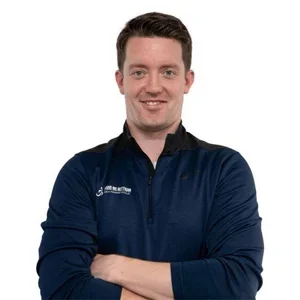
David McGettigan is a pain and movement specialist who has lived through the challenges of chronic pain and transformed his search for answers into empowered confidence. He has years of experience in helping others reclaim their lives after being let down by traditional approaches. By combining evidence-based pain science with real-world strategies that work, David has developed a program that has helped hundreds of clients move from feeling trapped to living fully again.
Connect with David:

Meet Destiny - The host of The Chronic Illness Therapist Podcast and a licensed mental health therapist in the states of Georgia and Florida. Destiny offers traditional 50-minute therapy sessions as well as therapy intensives and monthly online workshops for the chronic illness community.