
The Realities of a Child's Chronic Illness: Insurance, Support, and Advocacy
Nobody hands you a manual when your child gets diagnosed with a chronic illness. It's a journey filled with medical uncertainties, emotional challenges, and financial hurdles. But here's the good news: you don't have to walk this path alone.
In Episode 79 of the Chronic Illness Therapist podcast, therapist Destiny Davis speaks with Ronda Thorington, another Licensed Professional Counselor whose personal experience with her daughter's chronic illness transformed her into both an advocating mom and a guide for others.
When Life Takes an Unexpected Turn: Ronda’s Story
In 2012, Ronda's world shifted when her four-year-old daughter started showing unexplained bruising. What followed was a whirlwind of medical tests, hospital visits, and eventually, a diagnosis of mixed connective tissue disease. One day, she was running a successful counseling practice and an adjunct professor at a local university; the next, she navigated the halls of Boston Children's Hospital and the National Institutes of Health.
The reality of a child’s chronic illness isn't just about managing symptoms—it's about adapting your entire life to a new normal. Ronda had to scale back her practice greatly and leave her adjunct position, demonstrating how much a family's life can change with a diagnosis.
The Power of Advocacy and Education
Many parents are initially unaware of the resources available to them as they begin to navigate a child’s chronic illness. For example, a child is automatically eligible for home tutoring after missing ten consecutive school days in the state of Connecticut. Automatically!
Ronda had to learn this the hard way, but you don't have to. It's important for parents to check their state's laws to understand what support is available. This little-known rule can make a significant difference for families navigating extended absences from school.
With the right support and one consistent tutor who truly understood her needs, Ronda’s daughter didn't just keep up—she thrived. Despite being homebound for years, she eventually became valedictorian.
Ronda's daughter's tutor, Jamie, worked with her year-round and learned how to push her while also knowing when to let her rest. Jamie tutored Ronda's daughter from third through seventh grade, and they have a close connection to this day.
This is a powerful reminder of the impact advocacy, determination, and the right support for families can have on a child's future.
Finding Your Voice and Getting the Right Care
Navigating the healthcare system for a child with a chronic illness can feel overwhelming, especially in contrast to a provider’s multiple medical degrees. But as a parent or guardian of a child who struggles with chronic illness, you bring something invaluable to the table—deep, firsthand knowledge of your child’s daily reality.
As Ronda explains:
"They don't know the look that your child has on their face when they don't feel well in their body... they don't know the things that you know, because you've been with your child since birth. So when you go into those situations, when you go into those rooms, arm yourself with that knowledge."
You have every right to seek second opinions, challenge recommendations, and seek providers who truly align with your treatment goals.
Advocating for the right care isn't a straight path—it's about combining traditional medical care with creative strategies that let a child still be a child, even if activities need modification.
Ronda notes that the right treatment isn't a cure-all, but it can result in an immune system that is no longer attacking the body every moment of every day.
Family Communication and Support
Open communication is crucial, but it doesn't have to look like a formal family meeting.
Sometimes it's creating space for your child to say, "This sucks," without trying to fix it (in fact, that should be what it looks like MOST of the time—in my personal opinion).
Sometimes it's letting siblings express their fears—like Ronda's son's worry that his sister might die—without jumping straight to reassurance. Ronda shared, "Focus on the feelings that are underneath the question. Like, for my son, you know, at that night, he was scared. He was scared, he was anxious, and he was unsure. So that's what I focused on.”
She reminds families that it's important to validate the feelings children may have. The key is balancing honesty with hope and supporting each other while acknowledging the challenges.
Ronda shared one powerful way she and her husband maintain open family communication. Together, they have regular conversations about goals for the year and then debrief on those goals with their kids at the end of each school year.
Navigating the Financial Burden of Chronic Illness
By age ten, Ronda's daughter's medical care had exceeded one million dollars.That's not a typo.
The monetary expenses associated with chronic illness management and treatment are staggering. It’s important for families to know that there are resources available, such as:
grants
fundraising
pharmaceutical company programs
hospital social workers
and many more.
You might feel obligated to try to handle this burden alone, but true advocacy means using every tool at your disposal to get your child the care they need.
Ronda advises parents to look into resources, such as United Healthcare's Children's Foundation, which provides money to families with private insurance to cover costs that are not otherwise covered.
Your insurance company likely offers a nurse case manager for complex medical cases. This isn't an extra cost—it's part of what you're already paying for. Call and request one!
Having an advocate on your team who knows the ins and outs of the system can be invaluable.
You Are the Expert
The most qualified person in the room isn't always the one with the most degrees. You know your child's baseline, their subtle changes, their good days and bad.
You're the one…
…who notices that your child's fatigue is different from normal teenage tiredness.
…who can tell when their "I'm fine" means they're actually in pain but don't want to worry you.
…who knows that they always get flare-ups two days after physical activity, rather than immediately.
…who recognizes the subtle changes in their appetite, sleep patterns, and energy levels.
…who knows that certain medications make them jittery or that their symptoms are worse in cold weather.
…who knows that they can handle morning activities but crash by afternoon.
This expertise comes from living it every day, and it's just as valuable as medical knowledge. Trust these insights while remaining open to professional guidance.
Advocacy for your child doesn’t stop there.
Dive into YouTube for condition research, seek out medical conferences, and connect with researchers studying your child's condition. Knowledge really is power, especially when it comes to rare or chronic conditions.
Ronda recommends YouTube as an underutilized resource for learning about your child’s condition, as well as for learning about the people who are researching it. She also notes that medical conferences often have patient and caregiver components.
Key Takeaways:
Advocate fiercely for your child
Know your educational rights
Trust your instincts with medical care
Find medical providers who are aligned with your treatment goals
Keep family communication open and honest
Explore all available financial resources
Utilize insurance resources fully
Research extensively
Remember that your expertise matters
A Final Note
Living with chronic illness isn't about pretending everything's normal—it's about finding your new normal. Ronda’s journey highlights that while the path is challenging, it's not impossible with the right support, resources, and mindset.
Whether you're just starting this journey or well along the way, remember that there's strength in community and power in persistence. Seeking support from therapists, coaches, or consultants can provide valuable guidance, helping you advocate effectively and adjust to the ever-evolving needs of managing a child’s chronic illness.
You don’t have to do this alone—help is out there, and you deserve to find it.
Sometimes, the best guide is someone who's already navigated the labyrinth.
For more guidance and support, connect with Ronda Thorington at https://www.rtparentcoach.com/ or on social media: Facebook | Instagram
Disclaimer: Everything we discuss here is just meant to be general education and information. It's not intended as personal mental health or medical advice. If you have any questions related to your unique circumstances, please contact a licensed therapist or medical professional in your state of residence.
Destiny Davis, LPC CRC, is solely responsible for the content of this article. The views expressed herein may or may not necessarily reflect the opinions of the guest.
The content in this blog post comes directly from a real, human interview between Destiny and her guest on The Chronic Illness Therapist Podcast. This written version was formatted using AI. Listen to the full episode to hear the actual conversation.
Listen to my full conversation with Ronda Thorington on Ep 79: Insurance, Support, Advocacy, and The Realities of a Child's Chronic Illness
-
Episode transcribed with AI and will contain errors that are not representative of the actual word or meaning of the sentence.
Rhonda Thorington
[00:00:00]
Destiny Davis LPC CRC: One of the most important things that we can talk about when it comes to living with a chronic illness is finances. And while this episode in particular isn't necessarily about finances, Rhonda does have a really good understanding of working with insurance and learning how to get the support and the care that you need through your insurance, which I think is getting harder and harder these days.
And I'm not really laughing because it's funny. I'm laughing because sometimes that's all you can do when you're trying not to cry. So, um, Yeah, it's, um, I really don't know what will happen with the insurance over the next four years. Um, I know personally I was declined, um, this past summer from like a non ACA plan for a preexisting condition of anxiety.
So that is how crazy it is right now. And I anticipate that it will only get worse, but I'm. Trying not to put too much [00:01:00] of that out into the atmosphere and listening to people who actually have experience with insurance like Rhonda. I don't really utilize my insurance a whole lot. I have mostly always gone with functional medicine and, um, you know, I can talk a lot more about my journey with that, um, in a different episode, but for today, uh, our revolves around one, The emotional toll that it takes on a family when one of the children have a chronic illness.
And so Rhonda shares a little bit of that about that with us. Um, and so you can expect to hear how her daughter's, siblings handled it and some of the conversations they had to have as a family. And then in the second half of the episode, Rhonda talks more about patient advocates through your insurance and case managers through your insurance as well, which was something new that I had just learned.
So I hope that you enjoy this episode and if you have any questions or you wanna work with Rhonda, especially as it relates to figuring out more of the financial [00:02:00] resources. She has a ton of experience with that and does offer that guidance in her coaching services.
Also, please remember that the membership is now live and active. It's the Mentally Well While Chronically Ill membership and in there we're doing a lot of work around acceptance and more of the mindset stuff, which again, I just want to be clear that all of that should be in addition to things like resources and finances and all of that.
Mindset work is not a replacement for things actually changing and resources. being utilized. Our next workshop is going to be on February 22nd at 1030 Eastern, and it's going to be on sex and intimacy and chronic illness. And basically we're going to be talking about, um, what it's like when your pain stops you from enjoying your body and being intimate with your partner, despite you wanting to be.
So. This is for people who have a genuine desire to reconnect and this is not coming from a place [00:03:00] of You should want to or you know, that's what yeah, there's no shoulds in here This is for people who just genuinely are missing that and feel like they can't because of their pain So I'm bringing on sex therapist Camilla Jones, and we're gonna be working through talking about exploring and moving past shame and guilt and Ways to connect sexually without pain, personal pleasure, and it's important for psychological and spiritual wellbeing, communicating needs and boundaries with your partners and practical strategies for managing symptoms during intimacy.
So I'm looking forward to that one. I hope you are too. And it is again, Saturday, February 22nd at 10 30 it's 27. But if you're on my email list and if you are in need of a reduced rate. I do have a discount code available for you. It's a pay what you can honor system. So we just ask that if you can pay it, you do, but if you cannot, then we are more than happy for you to come for free.
The Chronic Illness Therapist podcast is [00:04:00] meant to be a place where people with chronic illnesses can come to feel heard, seen, and safe. While listening to mental health therapists and other medical professionals talk about the realities of treating difficult conditions, this might be a new concept for you, one in which you never have to worry about someone inferring that it's all in your head.
We dive deep into the human side of treating complex medical conditions and help you find professionals that leave you feeling hopeful for the future. I hope you love what you learned here, and please consider leaving a review or sharing this podcast with someone you love. This podcast is meant for educational purposes only for specific questions related to your unique circumstances.
Please contact a licensed medical professional in your state of residence.
Destiny Davis LPC CRC: Rhonda Thornton is a licensed professional counselor with a remarkable [00:05:00] career spanning over 20 years. Throughout her journey, she's been devoted to providing mental health treatment to individuals of all ages, including children, families, and adults in diverse roles and settings. Rhonda currently operates a thriving private practice that focuses on specialized care for children and families.
In 2012, her life took a turn when one of her three children was diagnosed with mixed connective tissue disease at the age of four. Drawing from her personal experiences, she now uses her clinical expertise to coach families facing life changing medical diagnoses. Through coaching, Rhonda shares valuable tools and strategies developed throughout her own journey, empowering families to navigate these challenges with resilience, self advocacy, and hope.
Her aim is to help families reduce feelings of overwhelm and discover lives that are not defined by a diagnosis. Rhonda, I'm so glad we're talking about this today because a lot of us have our own chronic illnesses, but some of us are navigating the illness of our child and some of us are navigating both.
So [00:06:00] I am really curious to hear, maybe you can share a little bit about your story and kind of. Where this all started for you, and we can just kind of figure out where to go from there.
Ronda Thorington, LPC: Yeah, sounds great. So, so as, as you read in my bio, um, and, and I always, I always have to chuckle when people read my bio because I'm always like, who's that they're talking about?
I understand. Yeah. Um, so yeah. So in, you know, 2012, I had, you know, my second of three children. I had, she was like four at the time and I had just had my third who was a newborn. Um, uh, my daughter got sick, you know, at this time I was, you know, in private practice. I was an adjunct professor at a local university.
And life was great. And she woke up one day and had lots of bruising, uh, and in places that kids shouldn't have bruising, right? Like on her back and, you know, [00:07:00] places like that. And she didn't, what gave me cause for concern is that she didn't remember falling and the bruises didn't seem to hurt her. So went to the doctor.
Did lots of testing, um, started out at our, um, local children's hospital, ended up, uh, going to Boston Children's Hospital because our local children's hospital really couldn't, uh, manage what was going on. Uh, so, um, fast forward, like, eight months and she was, um, given a diagnosis of mixed connective tissue disease and she went from being this, like, vibrant.
brave, um, tenacious little girl to someone who was very sick and sad and physically weak, emotionally weak. And it took a toll. It took a toll on her. It took a toll on our family. You know, I had to greatly scale back. You know, with my practice, I was like on the trajectory to [00:08:00] open up a group practice and really expand.
Um, but I had to really scale back on that. Um, and I had to leave my adjunct position, um, which broke my heart, but my, you know, my family needed me. So, um, so yeah, so I became, you know, really, um, adept at reading lots of, you know, medical reports and labs and questioning doctors and advocating for her, um, and at the same time making sure that the, the rest of our family remained intact and that my, um, other two children were getting their needs met and that I was focusing on my primary relationship with my husband and all of the things while managing.
My daughter's condition. Um, she had several years where she was. Things were very unstable. Um, we had lots of concerning conversations with doctors. Um, and we ended up when she was nine. We ended up going to the [00:09:00] National Institutes of Health for a week because her doctors at Boston Children were scratching their heads.
You know, they didn't know what was going on. Medicaid, the medications that were supposed to work didn't work. The way that her condition was presenting itself was not typical. Um, she, her flares looked different every single time. So we never knew what to expect. Um, and, you know, so we had conversations around.
Could this be an atypical presentation of leukemia? Um, do we need to, you know, we need to kind of throw everything at her so she's not in a wheelchair by the time she's 16. So lots of scary, scary things. Um, but the National Institutes of Health was able to kind of Um, narrow down her diagnosis and come up and they came up with a treatment plan for her.
And since she's been on that treatment plan, um, she's been doing well, you know, she's had, she's had mom, you know, periods of time where she's gone into clinical remission. [00:10:00] Um, and then she came out of it, but that's okay because even though she's not in remission now, she is doing much better than she was before.
We knew what was going on with her. And you know, fast forward to today, she's a freshman in college. Um, graduated high school at the top of her class. She was valedictorian, which is amazing because at one point she couldn't attend school at all from second through fifth grade, she was home bound. So, yeah.
Wow, wow. So a lot .
Destiny Davis LPC CRC: Yes. How did she stay? Up to date with school, like mm-hmm . She's, was she a studier? Is she naturally smart? Is she, tell me like how Yeah,
Ronda Thorington, LPC: yeah. So that, it's, it's interesting. She is a very hard worker. Uh, she got tutoring, um, and it's just such, such a blessing how this unfolded, uh, because having to advocate for her, um, I didn't realize at the [00:11:00] time.
that, you know, in our state, Connecticut, if a child misses 10 consecutive school days, they should automatically be offered home tutoring. And that didn't happen. I didn't, and I didn't realize that that was even a thing until I educated myself. So she had been home for probably a few months. And when I realized that, wait, she's supposed to get this tutoring.
And then I advocated for herself, for her, um, a fourth grade teacher at her school offered to do tutoring. And so she would come a few days a week and tutor her on all the things that she missed. And the way that she worked with my daughter is that. It was year round so that during the summer months when she would feel better, she would work with her to get her ahead of her class so that in the fall and winter when she would feel, you know, more sick, she wasn't really falling behind.
She was [00:12:00] kind of just falling back to where the class was. Um, and she was just an extremely hard work and we were blessed because, um, Jamie or her tutor, she knew when to push her. And she knew when to kind of let her take a break. Does she have the same tutor throughout? She had the same tutor throughout.
Um, so once, uh, my daughter's name is Raya. Once Raya entered, uh, 6th grade, Jamie worked with her from, third grade through seventh grade. Um, and then after that, she really didn't need, um, a tutor because she had extra supports at school, which worked well. Um, so yeah, Raya learned to be a, she's very, um, she's a very hard worker.
Um, one of the issues with her condition is she would have short term memory issues. She would have lots of headaches. So, um, she learned strategies in, to manage that. So, you know, she's a note taker, um, lots of [00:13:00] repetition. Um, at one point, her short term memory was so debilitated that, uh, Jamie would have to teach her the same concepts over and over and over again before they would stick.
And you can imagine, like, at the age where she's learning multiplication, And when she's learning like two step division, that was really, really challenging, but she kept at it. She kept at it and, um, and yeah, she's a really, really hard worker. So, yeah,
Destiny Davis LPC CRC: that's amazing that she had pretty much the same, that she had the same tutor.
I think we don't talk enough about like. It's not just about the resources, but it really is about the connections and the
Ronda Thorington, LPC: community around us. Exactly. Exactly. Yeah. And, and yeah, having, she was, Jamie was the right tutor for her at the right time. And it was so wonderful because, you know, we obviously don't see her anymore.
Um, but at my daughter's, uh, graduation party [00:14:00] from high school. It was very important to her that Jamie be invited. And so Jamie came with her husband and her two kids. And when we met Jamie, she wasn't even dating her husband. So, but to like, see her with her husband and her two kids, it was just wonderful.
It was such a full circle moment. So yeah,
Destiny Davis LPC CRC: what do you think you would have done if you if this had happened and your child didn't want to do school, didn't want to work hard? Like, what do you think you might have had to do differently?
Ronda Thorington, LPC: Yeah, I think that, that's a, that's a really great question, and, you know, not one that I, You haven't had to think about it.
Right, I haven't had to think about the school piece, but there are other pieces that I have had to think about, like other areas of her life where she's like, I don't want to do that. Um, and I think what, um, I would have done differently is like having the hard [00:15:00] conversation, right? Um, and, and I, I had to do this just recently with her where, you know, she had a challenge and, um, she's like, I don't want to do this.
I don't want to do this. It's too hard. And I said to her, since when do we quit? Cause things are hard. You know, honey, your whole life has been hard and I'm sorry, you know, though, but those are the cards you've been dealt so, oh, well, it's hard. We still keep moving. So I can still kind of having that, you know, that real conversation with her, um, you know, not minimizing, you know, And I think
Destiny Davis LPC CRC: the part that people probably should hear is like, in that I can tell just from the little I know you like, and from what you just shared about the resources that you got for your daughter and You're talking about doing hard things and you said, Oh, well, but really it's like, we have resources and whether it's emotional, financial, physical, communal, we have resources that help us do the hard thing, right?
I'm not saying you need to [00:16:00] go figure this out on your own and like, Oh, well, I don't care that you're suffering. It's not like that at all. It's like, I think that this is so important because I think right now in like gentle parenting, which is a very, it's really just authoritative, authoritarian, authoritative parenting that the social media cause calls gentle parenting, but there's a lot of discourse around like gentle parenting.
And really what people are describing as permissive parenting. And they're doing it permissively because they're trying to not be so authoritarian because that feels mean or it feels cruel. And, but authoritative is that beautiful mix where it's like, as the adults who know what's best or who we think we know what's best, um, we're going to put forth like what, what we think you need to do.
And we're going to push you towards that, but we're not going to just say like, No means no and like not explain anything to you and not help you. We're going to give you we're going to [00:17:00] walk alongside with you. Right,
Ronda Thorington, LPC: right. Yeah. And yeah. And when I said, yeah, to say, Oh, well, yeah, not to be dismissive in any way.
So thank you for clarifying that. But I think that, yeah, absolutely. It's about You know, always looking into the future, like what kind of adults do I want her to be? And I want her to be an adult that can kind of dig in. I want her to be an adult that has the tools. That when she experiences a challenge, she can push through, you know, with the resources with the supports in place.
So, so that's always been in the back of my mind, because, you know, having been in this field for a while, um, I have witnessed. You know, children that have had challenges and that, you know, permissive parenting that enabling, uh, of Children. And that is something for early on that me and my [00:18:00] husband were clear about that.
We did not want for her, you know, because unfortunately, you know, this diagnosis is one that she's going to have to figure out figure out how to live with for the rest of her life. So, and I want her to have as full of a life as she can, as she can have. So yeah. So it's important for us to kind of figure, give her the supports to kind of be able to push through.
So, yeah.
Destiny Davis LPC CRC: And I think there's such a difference as you were talking about it, what came to mind is there's such a difference between a child saying. Coming to you and saying, mom, dad, I do not want to do this thing anymore. Like that is not of interest to me. It's not whatever. And there's a conversation about it, which is so different than this is hard.
And I feel like I can't do it. And so I'm going to beg you to let me stop. But really what I actually want is. Support and and help with continuing because I do want the thing [00:19:00] at the other end of this so for people listening and you're like, well, how do I know? And how do I like it? You know, we're therapists.
So communication is at the heart of what we do. If every family had. Um, more act like if every family was more, able to have these conversations on a weekly, monthly, quarterly basis with their families, what's important to us? Where are we going next? Um, you know, you said you and your husband made that decision early on, like we're, this is how we, what are some of the hard conversations?
And you don't even have to go totally into specifics, but like, can we just talk about the hard conversations you have to have as a family to make sure everyone's on the same page and that there isn't a ton of division, especially in a family of five.
Ronda Thorington, LPC: Right. Right. Yeah. Yeah. They have definitely been some challenging conversations.
And again, it's all goes back to being intentional. Like, you know, my husband and I will often, you know, at, you [00:20:00] know, pivotal times, you know, in our relationship, we will sit down and talk about, okay, what are our goals for the next year? Often we'll do it like around our anniversary, you know, we'll kind of do a debrief of, okay, what, how was this past year for us?
As a couple, as a family, and what do we want to see in this next year? What do we want to see in these next five years? You know, for our kids, for us, and you know, we're real intentional about sitting down and having those conversations. And I think, you know, for our kids too, you know, one of the things that I will do, um, with our kids, like at the end of each school year, We do a debrief where we go to, I don't know if y'all have sweet frog, but we go out for frozen yogurt and we sit around and we do an end of the year debrief.
What were your goals? What did you accomplish? What worked? What didn't work? What do you want to do differently the next school year? And so we'll sit around and we'll have that discussion and we'll carry that into, you know, the [00:21:00] next school year. And so, so I say all of that to say, We always have goals, um, that we're working toward, you know, individually and collectively, um, as a family.
And, you know, sometimes, you know, we always the other thing we always do is create space. for each of them to share what it is they're feeling, what it is they're experiencing. So, you know, when my daughter was younger, especially when her health was really unstable, um, we had, um, made space for her siblings.
To talk about what they were feeling, you know, I remember one night, um, my son, uh, I went to say goodnight to him. And one of the traditions I always, I created with him was filling his mind with good things. So I would fill his mind with something good to think about, you know, [00:22:00] overnight, you know, as a way to kind of, you know, help him start the next day in a positive way.
And one night he asked me, he said, Mommy, is Raya going to die? He was probably like nine, 10 years old at the time. And I was like, Oh my gosh, baby. No. Why would you ask that? And he said, because she goes to the hospital a lot. And we had just had a family member who, uh, had passed away from leukemia and she was in and out of the hospital.
And he says, because auntie Brenda was always in the hospital and she died. So is Raya going to die too? And I was like. Oh my gosh. So we had to have like a really, you know, in depth conversation. And I realized in that moment that, you know what, I haven't been talking with them enough about what's going on.
So, you know, so I gave him like a little mini immunology lesson. about, you know, what's happening, you know, in Rea's body with her immune system and what the medication does and how this situation is very [00:23:00] different. And, you know, yes, Auntie Brenda had something going on in her immune system too, but it was very different from what's happening in Rea's immune system and so on and so on and so on.
So, really creating space for them to have to ask questions and have conversations. So, um, often I would do it in the car as well, you know, Oh, hey, you know, my youngest, Michaela, baby, come with me. I want to go to the grocery store, go to the grocery store with me. And we would talk in the car. What kinds of questions do you have about what's going on with Raya?
You know, what, what do you, what is it you want to know? What is it you want to talk about, you know, and even asking them. Are you getting enough? Are you getting enough for mommy? I know mommy hasn't spent a lot of time at the hospital with Raya, but I want to make sure that I'm spending time with you guys too.
So, so really like, um, laying the groundwork for those conversations is so important. That we found as a family.
Destiny Davis LPC CRC: Yeah. Yeah. And of course, you know, [00:24:00] inviting that, that whatever their answers are, what happens? Yeah. Let's talk a little bit about for parents who are listening, how this conversation can go awry.
In other words, like what maybe negative things or, or hard things your, your kids can respond with to these questions and then how we can, how we can handle that so that we're still the adult in the room and handling it with them.
Ronda Thorington, LPC: Yeah, yeah. You know, one of the things I always recommend to parents is focus on the feelings, right?
Focus on the feelings that are underneath the question. Like, for my son, you know, at that night, he was scared. He was scared, he was anxious, and he was unsure. So that's what I focused on. That's, you know, honey, there's a lot of things about this that we don't know, but this is what we do know. This is what we know to be true.
And that's, that's what we focus on. Um, [00:25:00] so, so that's really what I always recommend to parents. And that is in. And in doing so, then you do remain the adult in the room.
Destiny Davis LPC CRC: Yeah. We're validating the feelings, not necessarily condoning any, uh, behaviors that are maladaptive or, or bad or however you want to label them, but we're just validating, like, you have a right to be scared.
And when we name it and don't freak out when we, as the parents, don't freak out about it, we can kind of remain calm with. Not calm as in numb, but calm as in we're with them in it. We're
Ronda Thorington, LPC: not freaking out. Exactly. They learn from that. Exactly. Because kids need to know that whatever they bring to us, we can contain it.
So, you know, I used to, in another lifetime, I worked in residential treatment with children coming out of psychiatric hospitalizations. And it would always, um, parents would always [00:26:00] be amazed at how. Children were able to function in this environment. And one of the things I would always share with parents is because they know that whatever they bring to us.
We're going to be able to handle it. So, you know, if, if their behavior is scary to you, it sure as heck is scary to them. And if they look at you as the adult and think, oh my goodness, mommy and daddy can't even handle this. That is hugely destabilizing. So, so yeah, so be, so kids need to know that you can contain whatever it is that they bring to you.
And that leads to that sense of safety. Yeah,
Destiny Davis LPC CRC: I was wondering if you could speak a little bit more to when your daughter got the right treatment, when you finally kind of figured out the right diagnosis. And it sounds like you got the diagnosis. And then also that it still took a little time to get the right treatment. Can you talk a [00:27:00] little bit about, was that medication?
Was it? Physical therapy routines. Like, of course, you don't have to give like, you know, her exact kind of regimen, but I do think, uh, people really struggle with the, with the concept of what the right treatment looks like. Can we just give some examples of what that might be?
Ronda Thorington, LPC: So for my daughter, and I want to be careful because, you know, the right treatment didn't necessarily result in her, uh, Like all of a sudden having this idyllic kid life, right?
Um, you know, the right treatment resulted in, you know, her immune system no longer attacking her body. Um, and Interestingly enough, the right treatment for her. She was allergic to it. So, um, for her getting the right treatment meant that she had to go into the hospital for three days every six months to get this [00:28:00] medication.
Um, so it was, you know, medication. It was, um, therapy for her, um, it to deal with. Uh, the anxiety and the social stuff, uh, the challenges that came along with being and feeling different. And it was, um, capitalizing on her strengths. So again, we were real intentional about helping her to identify her strengths and being creative and helping her to capitalize on them.
So that meant, you know, Finding a piano teacher for her that could take her during the day when she had the most energy. She wasn't able to go to school, but she could do piano in the middle of the day while her siblings were at school. That meant finding, um, a dance studio, because she loves to dance, that was willing to work with her even if she couldn't attend.
Because she was sick, those weeks [00:29:00] that she was well enough, she worked one on one with the owner so that she could still participate and still, you know, um, be a part of the recitals and, and those kinds of things. So it was, you know, really being intentional about identifying what those strengths are and being creative in helping her to participate in those things.
Because I think as, as a parent of a child with a chronic illness, oftentimes we have to be really creative in how we support our children. And I tell people, you know, all the time, you can still do the things. It's just, it just may not look the same way that it looks. To other people, you know, so like for a long time, uh, we didn't go on vacation as a family because I thought, Oh my gosh, this it's too hard.
It is too hard. And then I was like, you know what you this is ridiculous. This is ridiculous. It's one of my favorite lines from the shot. I love the [00:30:00] Shawshank Redemption and one of my favorite lines is you got to get busy living or get busy dying. And so I was like, okay, we're going to go on vacation, but we just got to.
We're going to have to pack a whole bunch of medications. We're going to have to make sure we have travel insurance. We're going to have to make sure that the hot, that I know where all the major hospitals are in the vicinity, you know, um, so we can still go on vacation. It just looks different than how it would look with other families.
So thank you for painting that picture. Yeah. So just creating that shift for me was extremely helpful, extremely helpful.
Destiny Davis LPC CRC: Yes, that's a good advice. Um, even just as a small saying, like know where the hospitals are, bring the Medicaid, like, yes, it is. Um, you know, it's interesting because like on social media, parents will joke about how vacationing with little kids is just like, It's just being a parent and it's like the same shit but like in a different like on the beach.
Ronda Thorington, LPC: Yeah, yeah, [00:31:00] exactly. There's nothing relaxing. It's not a vacation. It's a trip. Right,
Destiny Davis LPC CRC: exactly. Oh, but so it's like funny on that end, but what I'm hearing with you is like Yeah, but it was still important for us. It was still important for us to have those vacations and to get away or to whatever your, what was your reasoning for wanting to go on vacation?
What made that like so worth it? That was going to be hard.
Ronda Thorington, LPC: Yeah, because it was a time for us to bond and have like the fun typical things that other families can have, you know, because not only was it different. Not only did my daughter feel different, but, you know, her siblings, you know, were impacted as well.
So it was so vitally important for us to have the things that other families have, even if we have to go about it differently. Uh, so that's why it was important. You know, I didn't want, [00:32:00] uh, and my, you know, her siblings, they're just. just, you know, siblings of kids with chronic illness or rare disease are just such a special breed entirely, you know, because they have a level of adaptability and flexibility and empathy that is not often seen in, you know, I quote unquote regular kids.
Um, so, but I just wanted them to be able to have an experience where We can just be like, you know, their friend down the street who went to Disney World, you know, I, you know, yes, we can go to Disney World too, you know, and to just have the fun and have the bonding and have the togetherness that other families could have.
Destiny Davis LPC CRC: And yeah, that just kind of ties up all back into, um, we talked a little bit about values earlier and. Getting very clear on what our values are, what our strengths are, um, as a family, not just [00:33:00] as helping our child who is sick, figure it out for themselves. But we also have to know what it is for each person in the family and then us as a family unit as one.
Exactly. Yeah. Mm-hmm . What are some of the other things that you often find yourself educating parents about or work helping parents work through in this realm?
Ronda Thorington, LPC: That's a great question. I think one of the things that I work with parents a lot around is the advocacy. Uh, you know, I, the, um. And I'm guilt.
Well, I was somewhat guilty of it. Yeah, I was guilty of that myself. Uh, you know, for me, I had a background in, you know, medical research prior to being a therapist. So. When I, you know, interacted with doctors, I understood, okay, they put their pants on one leg at a time, just like I do. They're human beings.
They're not, you know, this, these all knowing creatures. But a lot of the families that I work [00:34:00] with, didn't realize that you can get a second opinion. You can disagree with the course of action that your doctor, um, is suggesting. You get to, you get to make a decision about who your child sees and who you see.
And I, I really work a lot with families around understanding that. This is a relationship. You know, if you were in any other relationship, if you felt like you weren't being heard, if you felt like you were being dismissed, if you felt like you were being disrespected, you'd be out of there. So the same holds true for your relationship with your medical provider.
So really having that conversation with parents and kind of giving them Um, uh, the, the scripts to say, um, they, my coaching capacity, um, you know, that is what I work with parents around a lot. [00:35:00] Um, it's one of the things that you want to make sure of is you want to make sure that you and your provider are aligned in your treatment goals, right?
Just like we as therapists, right? We have to make sure that that our client's goals are our goals. You know, we're not, you know, running rogue and doing our own thing. Um, the same is true with our medical providers. I often have run into you. working with families where the medical provider may be of the mindset of, you know, just symptom control.
The parent may be looking for complete remission and healing. If you aren't aligned, then that is going to be a really dysfunctional relationship. So I had a circumstance with a family that I was working with where it was just that, where the provider was looking at managing symptoms. The family wanted, um, uh, remission and healing.
And so [00:36:00] After, you know, I worked with them. They made the decision to seek out a another a different provider and the their child. Well, they're young adult now is in remission. Uh, but they had to understand that. You know, it's okay. It's okay to get a second opinion. You know, they had to recognize that that discord, you know, existed and that their opinion mattered.
Destiny Davis LPC CRC: This conversation comes up a lot in my own work, too. Um, you know, sometimes the pushback, understandably so, is we've spent so much time and so much money, you know, um, And so maybe we can speak a little bit to the money aspect of this, but still from a framework of like the way that I view it and you can tell me if you did, you know, veer from this or if we're on the same page, but the money choices.
Yes, there is a dollar amount that's in our [00:37:00] bank accounts and that our paycheck provides, but there's also a values aspect that goes along with it. There's a great grief to, you know, yes, I would rather spend my money on more vacations a year. Um, and there's a grief in the fact that I have to spend the money on something that I wish didn't exist.
To begin with this sickness, you know, but, but I do value proper care. I value quality health. And so, and unfortunately in our country, we have to pay for that. So I'm curious what your thoughts are in the money conversation and what it's like to kind of. Switch up doctors and maybe just speak to some of the obstacles or the hesitations that family might families might have and then how we work through those.
Ronda Thorington, LPC: Yeah. Yeah. So I think that, yeah, that the, the money conversation is so very real. So very real. It's one that, you know, I've experienced and still experienced personally. Right. [00:38:00] You know, I, I, I don't even, I I'm so glad that, um, insurances now, they don't, they no longer put on the explanation of benefits. Like, how much money has been spent toward , toward your care
Um, I think, because I think when my daughter turned 10, she had passed the million dollar mark. Um, and I was like, holy smoke. So now I don't even, I can't even. think about like how much has been spent on her care up till now. Um, but I, you know, it is, it is a very, um, it's a very real conversation. It's a very real concern.
And what I often will lay out to parents, again, that whole notion of You know, you can do the thing. It just has to be done a little differently than what the way someone else would do it. So, you know, when it comes to financially, you know, that might look like, you know, looking for grants, it might look like doing fundraising, [00:39:00] it might look like, um, Contacting pharmaceutical companies directly to see what kinds of, um, resources they have, you know, talking to the social workers at the hospital so that you can find out, does your insurance company have a, um, uh, what is it called?
A, um, a nonprofit, um, A nonprofit arm where they will actually give money to people to get the services that they need. And all of the, all of these things that I mentioned are things that my family has been availed of over the years. I've done every single one of those things. And, you know, there is.
There's a part of it where, you know, there's such a level of like cognitive dissonance, right? Like I am, you know, I, I am a therapist. I am well educated, you know, on paper it looks like I make a pretty decent amount of [00:40:00] money, but We have this huge financial burden so I'm going to have to let go of my pride and I'm going to have to reach out to the people that have the resources that I need because by any means necessary I'm going to make sure that my child has what she needs.
Um, so I think oftentimes families don't realize that there are so many resources out there, um, for them and that You know, just because, you know, a hospital says you owe, I don't know, 10, 000 for a particular treatment, um, which, you know, we've had that happen, right? We got the, the, before the No Surprises Act, we got a bill from the hospital that says, oh, this one treatment that your daughter's going to need every month for the rest of her life is going to cost 10, 000.
And so my husband and I had to sit down and say, okay, What are we going to do? We're going to sell the house. We're going to move into an apartment. We're going to move in with our [00:41:00] parents because she needs this. So, so, so I get like those real discussions. Um, but with all of that being said, there are so many resources that people just are not aware of that.
I wasn't aware of until I reached out and started inquiring. And so now that's some, some of what I share with my families. Um, you know, just real quick, um, United healthcare. Yeah. you know, huge insurance. Um, they have a Children's Foundation, the United Healthcare Children's Foundation. And what that foundation does is it gives money to families with private insurance.
It doesn't have to be United Healthcare. It can be any private insurance to cover things that your insurance won't cover. 10, 000 for something like a wheelchair. Or, um, you know, I don't know, physical therapy that's not covered by your [00:42:00] insurance, they'll do that. So, I had no idea that that even existed until I reached out to the hospital social worker at my daughter's hospital.
So, so that's just one of the resources that parents can avail, you know, can, can, um, seek out. But, you know, I always tell parents, you know, no is just the first response. It's never the final answer.
Destiny Davis LPC CRC: It's a game, and it takes a lot of executive functioning, a lot of administrative energy, and Yes. That's why we need so much support around it, because One, you can't know everything, and then two, you can't do everything, and And you gotta take a break sometimes, and then come back at it, and then take another break, and come back at it, and It's
Ronda Thorington, LPC: hard.
Destiny Davis LPC CRC: It's
Ronda Thorington, LPC: very hard, yes. Absolutely.
Destiny Davis LPC CRC: Yeah. Well, I think that that's a great, um, just to even get people started like, okay, I might not, you might [00:43:00] not know where to start, but call your, call your, even, I shouldn't speak too much about this because I don't know, I don't know enough to, I really want to do a whole episode with someone who's an expert on it, but patient advocates, do you know who you
Ronda Thorington, LPC: worked with them?
And I have, yeah, I have worked with some patient advocates and it's funny because there, some are really great. Some not so much. So it really does. You know, it's kind of the luck of the draw. And what I will say to people is if you get a patient advocate that is wonderful, hang on to them with all your might.
Um, if you get one that's not so great, don't be afraid to ask for someone else. So, you know, anytime, you know, going back to like insurance companies, anytime your child has, um, a complicated medical history, or if you have a complicated medical history, you, most insurance companies will assign a, like a nurse case manager to [00:44:00] you or some kind of advocate to help with the case management tasks.
So, and their purpose is to. help you navigate through some of these challenging things.
Destiny Davis LPC CRC: And that's just covered
Ronda Thorington, LPC: through,
Destiny Davis LPC CRC: like,
Ronda Thorington, LPC: every insurance. It's not anything extra, not anything extra. I had with our previous insurance, um, we, I had an amazing, like, a nurse case manager who was amazing. And there would be instances where my daughter would need, like, a particular treatment.
Let's say it was scheduled for a Tuesday. And I'm on the phone with her on a Thursday because the insurance still has not approved it. And she would say, Okay, I'm going to call you right back. She would call back and she said, I just went in to see the medical director. His office is next door to mine.
It's approved and you'll get, you know, notified. So, so she was amazing. Would not have known that that was even an option. Had I not researched it a little bit. You [00:45:00] know, and then, you know, fast forward, you know, I've had, you know, nurse case managers who couldn't do anything for me. So, but, but there are really good ones out there.
Um, but you do have to, and this is something that's already taken care of within your insurance. You're paying for it, so you might as well utilize it.
Destiny Davis LPC CRC: And just to extra extra clarify, because if you're like me who insurance just feels like a foreign language and one that I can't ever grasp, you do call your insurance to get connected.
This is not through the hospital, this is not through a doctor's office, it is through your insurance and
Ronda Thorington, LPC: you just call them directly. Yep, you just call them and you say, I would like a nurse case manager. and they should connect you with someone. Absolutely.
Destiny Davis LPC CRC: Yeah. Any other resources come to mind that like people haven't, you know, don't tend to think about or something that was really helpful to you in your journey?
Um,
Ronda Thorington, LPC: you know, interestingly enough, YouTube, [00:46:00] I think YouTube is a really underutilized resource for families. So I will say to go on YouTube and just Do the search for your child's condition and researcher, and oftentimes, um, videos will come up with people who are doing the research into your child's condition, rare disease, your rare disease, and you will get valuable information about people who are really on the cutting edge of your child's condition.
treatment and research. So, um, my, uh, it was, I was working with a family once and, um, uh, the parent contacted me in a bit of a crisis because they had gotten some really, you know, not great information from their child's doctor. And I did a, uh, a YouTube search while [00:47:00] I was on the phone with this parent.
And I said, okay, I'm forwarding you this link. this person seems to know what they're talking about, why don't you check into it? And that really changed the trajectory of the child's, um, treatment at that point. Um, so yeah, so I think that, you know, really just, just Googling and YouTubing. Um, and finding out who's researching it.
The other thing that parents don't often avail themselves of are research conferences. Like, the rarer the condition, the more you want to affiliate yourself with the people who are researching the condition. Not the people who are simply just treating it and reading about, you know, these research studies.
You want to connect yourself with the people who are actually doing the research studies. So, um, going to and often with, um, a lot of, um, research conferences or even pharmaceutical conferences, they [00:48:00] will have the researchers there and they there's always a patient and caregiver component to the conference.
So, so don't. think, Oh, this research, it's just for these medical people, and they're going to be talking over my head. No, 99 percent of the time, there's a, um, a caregiver, um, arm, a caregiver track that you can follow. And it's always people who are speaking directly to you as the patient and caregiver. So, and that is hugely useful in networking and finding resources for you and your family.
And that's something that families don't often think of, you know, a real quick story. My, um, my God brother has multiple sclerosis and he was the second person in the country to ever get a stem cell transplant for Ms. The way that happened is that his mother, who is a [00:49:00] nurse, researched a doctor who was doing this kind of, um, treatments, and she went to a conference where he spoke.
And she pulled him aside after the conference, explained her son's situation, and fast forward, he ended up getting a stem cell transplant and was in remission for, I believe, 10 years. From it. So, but that wouldn't have happened had she not gone to this conference.
Destiny Davis LPC CRC: Yeah. Yeah. I do. I do agree. I think people don't know about like these medical conferences or, you know, it's really only advertised to like the doctors who are treating her interested in learning.
But yeah, it's true. We really do. That's part of the problem. I think is how much education is required when you have a chronic illness.
Ronda Thorington, LPC: Yes.
Destiny Davis LPC CRC: Learning is required. Um, and if you Don't have the time or the money or learning was like never really, let's just be honest, like if it wasn't your strong suit, [00:50:00] or if you have a learning disability, or if like if there are any of these obstacles, it is hard, but with YouTube, it breaks it down and it's such a good resource.
Ronda Thorington, LPC: Yeah, yeah, exactly. Exactly. And I think, you know, seeking out, you know, resources like, you know, therapists or a coach or consultant, like, you know, the work that I'm doing. It's like, I can, you know, I will, you know, tell him, okay, look, this is what, you know, call the doctor and this is what you say, or you're, you're right.
you know, advocating for your child at school. You know, I want you to say this exact sentence and their ears are going to perk up and you're going to get like some movement and whatever the issue is that you're, you're, you're, you're challenged with. So I think kind of note being able, you don't have to have all the answers, but you do need to know where to go to try to get the answers.
Destiny Davis LPC CRC: Exactly. Yeah. And then again, to reiterate, like that's [00:51:00] the work that you do, because as someone is telling you what their story is or what they're struggling with, you're like, okay, yeah, I don't know the answer to this, but I do know where we can find it. And that is more than what the parent might've even known.
Ronda Thorington, LPC: Right.
Destiny Davis LPC CRC: And then you go to cheerleader and you've got someone who is like in it with you and guiding you in a way that gives you confidence to then, which. For me, it gives me energy too. So if I have no energy, but then somebody like seems to have a direction or an answer, like I'm immediately like perked up, like I'm ready to like, go take on that challenge again.
And if I am just like YouTubing alone and I'm like, okay, kind of get it kind of get that kind of get that. But I'm like alone in my own head. I can easily be like, forget about it or stay really demotivated. So yeah, it's, it's just really, really nice to have somebody. a human working with you.
Ronda Thorington, LPC: Exactly.
Exactly. And someone who like, who's been through it. Right. You know? Yeah. Like I, I have sat in those [00:52:00] rooms and felt like, oh my gosh, I am as dumb as a doorknob here. I have no idea what these people are talking about and I'm so intimidated. I know what that's like. You know? So, you know, being able to kind of coach someone through that.
Is is, is vital. Yeah. Yeah. Yeah.
Destiny Davis LPC CRC: Awesome. Is there anything else that comes to mind before we hop off? Anything you want to leave people with or topics that we didn't cover that, yeah, that you can think of?
Ronda Thorington, LPC: So the only thing, you know, what comes to mind like in, in the vein of like the whole discussion that we've been having today, like advocacy and empowerment is specifically, you know, when you're managing your own chronic illness or your, uh, child's, um, chronic illness is that you may find yourself in a room surrounded by, you know, people with lots of [00:53:00] letters after their names, but especially, but they don't know you.
And they don't know your child. You know, you are the expert in yourself, you are the expert in all things pertaining to your child, you know, they don't know the look that your child has on their face when they don't feel well in their body. They don't know the sound of their voice, the millisecond before they're going into an asthma attack.
They don't know, you know, the things that you know, because you've been with your child since birth. So. When you go into those situations, when you go into those rooms, arm yourself with that knowledge. So as a way to empower yourself.
Destiny Davis LPC CRC: Absolutely. Yes. I love the examples too. Thank you so much. Yeah. Your, um, so you do still see therapy clients in Connecticut, but you do parent coaching.
Yes. [00:54:00] And your
Ronda Thorington, LPC: website is.
resilientparentconsulting. com. Perfect. And I'll leave that in the show notes too. Okay. And you can find me on social media too. Um, Instagram at RT Parent Coach and Facebook Rhonda Thornton Parent Coach and LinkedIn Rhonda Thornton Parent Coach too. So yeah, you can find me on all your social media. I love it.
Destiny Davis LPC CRC: I'm so glad.
Ronda Thorington, LPC: Thank you so much, Rhonda. You're so welcome, Destiny. Thank you for having me. Great discussion.
Thanks for listening. If you learned something new today, consider writing it down in your phone notes or journal and make that new neural pathway light up. Better yet, I'd love to hear from you. Send me a DM on Instagram, email me, or leave a voice memo for us to play on the next show. The way you summarize your takeaways can be the perfect little soundbite that someone else might need.
And lastly, leaving a review really helps others find this podcast, so please do if you found this episode helpful. And P. S., [00:55:00] clicking subscribe ensures you'll be here for the next episode. See you then!
Listen to Ronda’s interview with me, Destiny Davis, on Ep 79: Insurance, Support, Advocacy, and The Realities of a Child's Chronic Illness
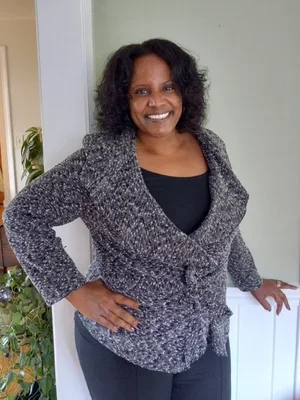
Ronda is a Licensed Professional Counselor with over 20 years of experience providing mental health treatment to children, families, and adults through her private practice in Connecticut. Ronda’s life dramatically changed eleven years ago when one of her three children was given a rare and life-changing medical diagnosis. Through the ensuing journey, she set out on a mission to develop tools and strategies to empower her family and regain a sense of normalcy. She now helps other families with coaching, support, and strategies to navigate life following a chronic illness diagnosis.
Connect with Ronda:
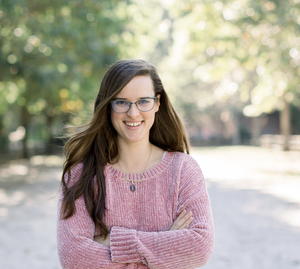
Meet Destiny - The host of The Chronic Illness Therapist Podcast and a licensed mental health therapist in the states of Georgia and Florida. Destiny offers traditional 50-minute therapy sessions as well as therapy intensives and monthly online workshops for the chronic illness community.