
Ep 73: The Wellness Trap: Rethinking Chronic Illness, Healing, and Accessibility with Grace Quantock
The wellness industry loves a good morning routine. Lemon water, yoga, meditation - stack these habits and you'll achieve optimal health, right? Grace Quantock, author of Living Well with Chronic Illness remembers falling into this trap.
She recalls, “I was reading these morning routines and mentally ticking off... I got to the end and thought, ‘You realize that you're competing against 10 different morning routines from 10 different people and you want to do the summation of all of them.’”
This pressure to constantly optimize our health routines isn't just exhausting - it's rooted in what Quantock calls "compulsive medical cure culture" and the "bootstrap wellness narrative."
The Bootstrap Wellness Problem
"The bootstrap wellness narrative is a really individualistic, perfectionist, capitalist approach to healing," Quantock explains. "It tells us that we can, and we should, heal alone. And if we put in this kind of mythical amount of effort, if we try, then we can live a quote-unquote normal life."
The problem?
This narrative "invisibly assumes... that we all have access to the same resources, like wealth, transport, safe housing, and competent medical care. So it invisiblizes and ignores all the systemic inequalities."
The Accordion Routine: A Better Approach
Instead of rigid routines, Grace suggests thinking about wellness practices like an accordion.
You have your core "bones" - essential practices like "morning meds, morning hygiene, some form of movement." When you're feeling better, you can expand your routine. When you're struggling, you contract to the basics.
This flexible approach acknowledges a truth that even non-disabled athletes understand: consistency isn't linear.
As Quantock discovered, "When I speak to people who train regularly, their training isn't consistent because they have, like us, jobs. They may also have pregnancy. They may also have something like a house being renovated."
Our practices were never meant to be rigid. In fact, they’re meant to set us up for success for the rest of the day and week.
If these routines are causing stress first thing in the morning, how on earth does that set one up for success? Hint: They don’t.
So we have to learn which tasks are actually foundational for having a good day, and then we can add on the extras when we have extra energy.
The key to developing routines is developing a personalized approach rather than following prescribed solutions. As one podcast listener recently noted: "The more and more I just scaled back everything I was doing health-wise... the better I feel almost every time."
We’ll be discussing these topics more in our workshop on December 7th. During the session, we’ll guide you through figuring out what your perfect morning routine can look like in the most attainable way.
Moving Forward
Sometimes, our complex wellness routines aren't really about health at all.
Grace reflects, "I realized that actually what was happening was I was trying to be in movement, in action all the time. So I didn't have to sit with the fear and the reality of my latest diagnosis."
The path to genuine well-being isn't about perfecting an Instagram-worthy morning routine, and it’s definitely not about trying every new medical treatment.
Instead, it is:
Identifying what actually works for you through a values-based lens
Building flexible routines that can expand and contract in the same way that your energy does
Acknowledging systemic barriers to health and eliminating self-blame
Processing the emotional aspects of chronic illness
In our podcast interview, Grace reminds us that wellness shouldn't be another source of pressure. Sometimes, the most healing thing we can do is let go of others' expectations and write our own roadmap to health.
Want to learn more about rethinking the wellness trap?
Check out Grace Quantock's book, Living Well with Chronic Illness: Write Your Own Roadmap to Healing in Tough Times, which includes practical resources like waiting room meditations, procedure preparation guides, and post-appointment support sessions.
Disclaimer: Everything we discuss here is just meant to be general education and information. It's not intended as personal mental health or medical advice. If you have any questions related to your unique circumstances, please contact a licensed therapist or medical professional in your state of residence.
Destiny Davis, LPC CRC, is solely responsible for the content of this article. The views expressed herein may or may not necessarily reflect the opinions of the guest.
The content in this blog post comes directly from a real, human interview between Destiny and her guest on The Chronic Illness Therapist Podcast. This written version was formatted using AI. Listen to the full episode to hear the actual conversation.
Listen to my full conversation with Grace Quantock on Ep 73: The Wellness Trap- Rethinking Chronic Illness, Healing, and Accessibility.
-
Episode transcribed with AI and will contain errors that are not representative of the actual word or meaning of the sentence.
Destiny Davis LPC CRC: [00:00:00] Hello, everyone. I hope that you are having a very flare up free week. I know that a lot of people were probably traveling this week and. That has never fun when you're dealing with. Health issues of any kind.
Which leads me to this very relevant episode with grace Quantock. She is a therapist out of the UK and on December 6th. Uh, this upcoming Saturday. We will be hosting. Uh, workshop all around your perfect morning routine, which I know. Sounds so gimmicky and basically like something you can just search up on YouTube and watch 1,000,010 videos on, but I promise you, grace brings. Such a fresh perspective.
You'll hear in this interview. Um, we go into. A lot of, um, concepts around. Flexibility and staying true to what your needs are. And.
How to be okay. When cures and treatments [00:01:00] are not working for you and you do have flare ups and you don't feel well. Um, and you still have to get up and start your day. So you'll hear a little bit about that in this interview. And if you like what you hear, I really hope you'll join us on December 6th at 10:30 AM Eastern or 3:30 PM.
Greenwich mean time.
You have quite a few financial options on how you can join. So I'll just briefly go over those here. If you're in a space where you truly don't have the money.
We completely understand. And that's why I always offer equity pricing. On my workshops.
In the show notes below you'll find discount codes for the workshop on Saturday. , or. Right now. You can buy the entire year of The allowed to ask membership, which is normally $17 a month. Or $168 a year. , but right now I've cut that in half and it is $84 for the year. So that hopefully that is a lower barrier to [00:02:00] entry and we can get more people into the membership. The membership is. Filled with all of my past workshops already.
And over the upcoming year, we're going to have. Guest workshop speakers. Let our physical therapists and. Breath work and things that are.
Hopefully going to be really valuable to you as a person living with chronic pain.
And there's also support groups and the membership. Uh, right now, I've got one on Monday, Monday afternoon, Eastern time and Friday morning, Eastern time. And those will be happening. Two to three times a month and the calendar is all in the membership already. So you can choose what you want to attend and leave the rest. Over the next year, I'm going to be adding so much in there, but the hope and the goal is not that you feel like you have to attend everything.
I'm more so just trying to give as many options as possible so that you can attend like one or two things. Or more if you want. A month. Um, it's not supposed to make you feel like you [00:03:00] have to do at all. It's actually supposed to be the opposite where you could just do one thing a month. And at that low cost of $17 a month, you don't feel like you're. Missing out on anything or you're wasting your money.
It's supposed to feel. Good and easy. Um, because how we feel. And our nervous system is very tied to finances.
So all of that information will be in the show notes and how you can sign up for the December 6th workshop with grace. Quantock about your perfect morning routine.
And again, if you sign up for the membership that is already included in it, but if you only want to sign up for the workshop and not the membership, then you've got that option below two.
The Chronic Illness Therapist podcast is meant to be a place where people with chronic illnesses can come to feel heard, seen, and safe while listening to mental health therapists and other medical professionals talk about the realities of treating difficult conditions. This might be a new concept for you, one in which you never have to worry about someone inferring that it's all in your head.
We dive deep into the [00:04:00] human side of treating complex medical conditions and help you find professionals that leave you feeling hopeful for the future. I hope you love what you learned here and please consider leaving a review or sharing this podcast with someone you love. This podcast is meant for educational purposes only.
For specific questions related to your unique circumstances, please contact a licensed medical professional in your state of residence.
Grace Quantock is an award winning anti oppressive psychotherapeutic counselor, writer, and advocate known for her work with marginalized individuals living with pain, illness, and trauma. She's the author of Living Well with Chronic Illness, Write Your Own Roadmap to Healing in Tough Times, and And over the past 15 years, Grace has supported thousands through her therapeutic sessions, workshops, and writings aimed at dismantling oppressive health narratives in the UK.
Featured in publications like The Guardian and The Times and a recipient of the Curtis Brown Breakthrough Award, Grace's work continues to foster significant societal shifts. She's committed to helping her clients live well personally and [00:05:00] collectively, advocating for a fairer world, and she loves gardening, calligraphy, and time with her rescue dogs.
Hi, Grace. Hi. Thank you for being here.
Grace Quantock: Thank you for
having me. How are you doing? I'm well. How are you?
Destiny Davis LPC CRC: So I'd love for you to kind of tell people where you practice, what you're kind of working on at the moment.
Um, you know, do you do a lot of work with individual clients still? Are you kind of mostly focusing on your book? Um, what does your life look like right now? Your career? I love
Grace Quantock: it. So it's such interesting and big questions. So, okay, I, uh, am based in Wales in the UK. So I practice in the UK, but I also see clients internationally as well.
Um, I, um, actually, you know, I, we had new people join our super clinical supervision group yesterday, as we had to kind of introduce ourselves to kind of new people in the group for the first time. And, you know, people were introducing themselves based on like, Their [00:06:00] qualifications, their modality, where they had trained, and it came to me and I was just like, yeah, how do I, like, conceptualize myself as a therapist, like, you know, is it based on, like, the year I qualified and the trainings, like, actually, it's, it's not a lot, it's, it's really based on kind of, like, what I'm wanting to work with.
alongside or towards in the world, um, and I also really appreciate that, you know, having some of those things can kind of ground and, and help us kind of have a shorthand to understand somebody's way of working potentially. So yeah, I'm a psychotherapeutic counsellor, and, um, I, um, um, you know, I work a lot with, I talk about working with complexity in bodies and lives, that's not necessarily because, You or I might term it complex, but it's people and experiences that are deemed complex.
So it's, you know, often kind of, uh, people have been, um, you know, often told kind of like, you know, we can't deal with X until you have Y sorted, or we can't talk to you until you finish chemo, [00:07:00] or we can't do this until you have secure housing, and all of these things. And so that can be really, really tricky to actually, you know, manage, especially for many of us.
These complexities aren't temporary states, they are identities, they are the intersections of our ways of being in the world, or they are ongoing difficulties under the structural conditions we live in. So yes, that's kind of the work I'm doing. So at the moment, I, you know, I work with clients one on one.
I also teach workshops and classes online. Um, I have a book that just came out last month. It's really exciting. So this is, it is here. Um, which is called Living Well with Chronic Illness, Write Your Own Roadmap to Healing in Tough Times. So that is available online. This was published in the UK. We're working on, you know, expanding it.
Um, and uh, for that. If people want to, uh, order from overseas, people often use Blackwell's bookstore because it has free shipping to the U. S. Uh, so, yeah, we, um, we'll have all that. There's links. Um, [00:08:00] What was that website? Uh, Blackwell's.
Destiny Davis LPC CRC: Blackwell's.
Grace Quantock: Blackwell's.
Destiny Davis LPC CRC: Awesome. That's great. Um, yeah, I, what is it like to feel your physical book in your hands?
Grace Quantock: It's pretty surreal, you know, I started writing it in 2011. So, um, it is, you know, a huge honour to kind of have it out in the world, and actually have it as a physical object. And also, you know, to see people's interaction and relationship and experience with it.
It's a physical book, it's also a Kindle, it's also an audiobook. I also narrated the audiobook, which is a really lovely experience to have. Wow. Yeah, and to be able to do that, and the audio, the fantastic, um, audio, uh, director Jordan completely adores My Rusty Wicked Wilfie and kept campaigning for Wilfie to spend the entire day in the recording studio, which seems cute when he's really quiet, but isn't cute when he's doing zoomies.
So we had to really, [00:09:00] that's, that's not going to be a good idea long term. No.
More kind of confident and um, I did actually go there because the book was also featured in the Daily Mail which was um, exciting and uh, interesting and um, so we had to do like a photo shoot there with the book and Wilfie came for the photo shoot and that was actually in the Daily Mail. My focus should be on the fact that a book about chronic illness and trans rights and disability justice is in like a right wing national newspaper and my focus is entirely on the fact that my rescue book here was featured.
Destiny Davis LPC CRC: We got to make it palatable, right? There's
Grace Quantock: no sense of priority here at all. I know, I know. Listen, it was me in a pink dress with false eyelashes on. But, do I I'm absolutely happy for people to like Be reading this about maybe chronic illness or their difficulties and actually through the course of the book be like, Oh yes, there are arguments here about fat acceptance, [00:10:00] about trans rights, about, um, disability justice, about anti racism, about, um, addressing colonialism in our healthcare systems.
So yes, I'm 100 percent happy for people to kind of hopefully go through that process of the book.
Destiny Davis LPC CRC: How did you get into, how did you get an interview with the Daily Mail and how did you, like, Yeah, was it being so kind of counter to what they might usually post or talk about?
Grace Quantock: So no, it was through the publicist and the publisher and I think they offered them like an excerpt from the book and they're talking about, they were really interested in one bit of it actually, they're really interested in the bit where I talked about um, you know often when we're chronically undisabled we can struggle with like household tasks because a lot of our homes aren't adapted and so I talked about one of the things that, you know, If you have the resources or support, you can potentially access things like a robot vacuum or adapted kind of household facilities, potentially.
One of the things that is often still really, really tricky is making [00:11:00] beds. Like, there isn't a robot that makes beds that we know of, you know, they're still really, really hard. And so actually in the book I say, um, You know, I have at times just given up and just used a rotation of sleeping bags, and I then wash the sleeping bags and then dry them and use them.
And you can even get double sleeping bags if you have a partner and want to sleep in the same sleeping bag. Um, and they just got really into that and were like, that's like, why doesn't everybody do that? Why do any of us bother? But that's a really interesting question to me because, you know, what makes us look at the, um, The standards of normality in life, so what we call kind of quote unquote, what is like proper, you know, who sets those and when do we get to question them?
And I do find that sometimes within illness, because we can't meet a lot of those standards, it can be an opportunity potentially to question them and to actually go, well, do I want to be meeting that? Do I, is that even my standard? I've been brought up with [00:12:00] it, I've been acculturated to it, but do I actually want to continue it?
And, you know, one of the big things I kind of Try and focus on is the idea that we're all interdependent and interconnected and we Really stigmatize different types of help as you'll know So, you know using a wheelchair a device with four wheels that assists you is seen as kind of you know who would you know who would want that people will go to huge efforts to kind of stop you starting to use one because of The stigma and the idea that it will be forever and that even that forever is a bad thing But using a bookie for a child is Flying or using a car, also a device with four wheels, to get where you can't walk is It's actually, it's efficient, it's capitalist, it's getting you there faster, it's the right thing to do.
And, you know, like, if you need help with cooking because you're doing a really complex recipe and you're getting advice from, like, YouTube, that's fine, but if you need help because you can't hold the bowl, well then you're a burden and then there's a problem. [00:13:00] And so it's kind of just interrogating some of these things that we
Destiny Davis LPC CRC: That's so fascinating.
I mean, I've never thought about it, especially the car example. Like, yeah, that's, it's so fascinating. What, what is, um, is your book a workbook or is it a read just like reading?
Grace Quantock: So it's read, but it has journaling exercises in it. So it does take you through a process and you actually, I suppose it's more like, it's not done as a workbook, it's done as a guidebook.
So. It helps you to create your own healing roadmap. So the idea is, instead of, um, absorbing plans or guides or ways our lives or days should look from other people, or being told by, like, a hospital, this is the guide for you, And you know that that doesn't fit your life or your needs because they haven't taken account the fact that you're a carer Or the fact that you, you know also have schizophrenia and they're only focusing on, you know, your arthritis or whatever it is Um, so we talk about actually developing your [00:14:00] own Bespoke healing as much as we can have a plan But really the idea is you start with you know All the kind of shoulds we we carry and that we're and that are stuck on us and that we're told I actually did a list the other day Um, of all the things I am supposed to do in my morning and evening routines, and it was 86 tasks.
Oh, God. It's just like, yeah, there's, there's a reason that I cannot do it perfectly. And so what you would do is you kind of dump all these things down. It's also great because then whenever anybody tells you like, there's this special new treatment, have you seen it? It costs a gazillion, billion pounds, but you should totally do it.
And if you don't do it, then maybe you're just malingering. And perhaps you just like being sick. So what you can say is you can go, that's really great. I'm going to include it in my healing phone. And where you include it is the mind dump. And then you just don't look at it again.
Destiny Davis LPC CRC: I love that. This is so This is a Sentiment that is going to ring true with so many people.[00:15:00]
Um,
Grace Quantock: well, I really hope so Yeah, so we do the healing plan and then we look at the heal and then we also do your healing passport Um, so with so that is what the chapter was originally called. Um, a guide to the care and feeding of you So it's writing down like We can forget how we kind of take care of ourselves.
We can forget what, what we need to do for our own well being, as well as needing to be able to tell other people what we need. So obviously giving instructions about what you need, um, like the support you need for your healing roadmap, can be really tricky, you know, can be difficult. So we put it all down, but it can also be a reminder for you.
So say you're having a flare and somebody's there wanting to support you and you can't really articulate what you need, Just look it up in your passport. You can share it or you can look in your passport and you can go Oh, yeah, I take that drug at this time I forgot I had that one because actually I [00:16:00] haven't had this type of flare for like four months now So I kind of oh, yeah, that was the thing that worked last time.
Okay, and then you can go and do it It's We say, what if you had somebody compassionate, who had capacity, and could give you like 40 minutes to an hour of their time, and they could help you in that moment, what would you ask them to do? Okay, so how do we get that set up, so that you have that available, even if that person isn't, and we can hopefully give it to yourself.
Obviously we wish they were there, but if they're not there, it's, you know, what can we kind of set up ahead of time.
Destiny Davis LPC CRC: Yeah. What, um, how, can we talk a little bit more about this idea of if you don't want to, like, try the next treatment or do the next thing, then you must want to be sick.
Grace Quantock: Oh my goodness. It's so, it's so insidious. It's so under pressure. And, you know, people I've worked, a lot of people I have worked with and, you know, myself have [00:17:00] autoimmune conditions or, um, Conditions that perhaps from visible disabilities or perhaps a more complex or less understood or less researched and you know Sometimes people and this isn't talking about clients.
This is generally kind of people in chronic illness community will say, um, you know, like You know, why don't people understand it? Why don't people like, you know, treat us as you know Take us as seriously as they do And they would say like, you know, like people have heart attacks or spinal cord injury survivors.
And it's like, no, when you actually, you know, because I've worked with people from across different illness and impairment spectrums. And I was shocked at the beginning to speak to friends with spinal cord injury who were being pressured to walk again. And I was like, I'm sorry, forgive my ignorance here.
I really don't get it. You literally have a spinal cord injury. I don't get it. How? How are they, do they actually understand, like, humans? How are they pressuring you to walk again? But of course, there's the pressure to, like, go to rehab again. There's the pressure to fly and have stem cell treatment.
There's the pressure to [00:18:00] do very risky surgeries. There's, you know, huge pressure. And sometimes, you know, often what people end up doing is getting to the point of saying, and this is for any illness, that trying to, Recover, or walk again, or be normal, whatever it is, is, is harming me, is costing me so much.
It's taking away from whatever I actually want to do with my life. Which might be their work, or might be their art, or might be lying and eating bonbons, or whatever they fancy, that's up to them. And, so, but there's this, you know, huge pressure to either be doing it, or to be performing doing it. And performing, you know, um, I was on another podcast actually and you know we were talking a little bit about this and the host kind of had said, and I can say this because obviously it's a public podcast, and the host had said something like, you know, I couldn't do it but like I reassured them, you know, I am [00:19:00] trying to walk again.
But you know you don't have to, like it's okay, you don't have to kind of, it doesn't matter, it's, it's like, you don't have to reassure people that I need this access and, but I'm trying to not need it because it's Okay, like, we have the Equalities Act 2010, the Immigrant Disabilities Act, like, you just have the legal right to this, it's not, it's not a moral, it is a moral issue, but it shouldn't have to be a moral issue, it's just in the moment.
I mean, you know, again, we don't see people going like, okay, you know, you and I are wearing glasses right now, you know, I'm wearing glasses right now, but like, I'm really trying, you know, I'm, I'm eating my carrots, and I, is it carrots? Oh, and
Destiny Davis LPC CRC: you want to know what's funny when I was in middle school is when I got glasses and I literally was like, okay, I didn't eat enough carrots growing up.
Like I, I got to start eating more carrots. Like, and I did, I was like, this is temporary. Like I'm not going to need glasses forever. Of course you get, you get used to it and you're like, Oh my God, there's nothing wrong with wearing glasses. But it is true. Like any type of aid is like, You didn't, [00:20:00] you did something wrong here.
Grace Quantock: I find that such a pressure to me for the body and for humans. This idea that, you know, we are supposed to make ourselves infallible and that if we don't, we have erred in some way or that we have neglected ourselves or that we have transgressed in some way and that in doing that, we've, you know, marked ourselves differently or we've caused a problem in some way.
It's just such a pressure. That's a lot of pressure on what is a very fragile human form. Um, you know, it's like It's it's a lot to expect. Well, it's impossible. It's and of course at some point, you know if we get If we are, if we live long enough, you know, we reach the point where we have the intersex intersection, then of ableism and aging and ageism and the difficulties there of, you know, the dismissal or the minimization.
And of course we also have lots of elders who maybe don't identify as disabled because for them, their [00:21:00] impairment has come as a part of age. They experience it as an age related difficulty, but they then perhaps don't access the support they may need or the rights they may be entitled to because. The word disability is still so stigmatized and it's so, and often people, you know, I was, um, I also, uh, do board work, so I sit in public life, so that means I sit on boards like of a hospital and a social care regulator, so I do this kind of board work, um, and, um, you know, I was, we were in, um, talking about disability access and increasing disability support for hospital staff and, um, and, and, and wider communities.
And, you know, people were talking about, um, Uh, what in the UK is called reasonable adjustments. So, when you kind of need, like, an access, you ask for reasonable adjustments. I said, you know, we don't tend to call them reasonable adjustments anymore. I said, that's what everyone calls them. I said, yeah, yeah.
But really, every policy in a workplace is a reasonable policy. We don't call it the reasonable transport policy [00:22:00] or the reasonable expense or the reasonable stationary policy. But actually, if I say, I'd like you to order 2000 fountain pens in my favourite colour, then you would say, Grace, that's not really reasonable.
So, it's all. Reasonable, but we only say reasonable for the disability access part. That's because it's quoted in the act. But you know, what I find then is it trips people up and they say, well, is this a reasonable request? Is my request reasonable? I think it's reasonable because you asked for it. You asked for 14 helicopters, we'll come back to it.
But like, it's reasonable because you need it. That makes it reasonable. And yeah.
Destiny Davis LPC CRC: So we tend to say reasonable. We call it reasonable accommodations and yeah, it's reasonable for, It's a it's a it's not reasonable as in what your employer kind of deems reasonable It's something that can't be one. It can't yeah, if we ask for 14 helicopters to you know A small business that would put them out of business.
They can't do that. But um, it's also What just allows you to do the job like somebody else who doesn't have the same? [00:23:00] Disability or same whatever it is, even you know, even if it's not considered a disability per se like by our laws um If there's like a, again, just like brain fog with, uh, any, any kind of condition or ADHD, like brain fog, right?
Then we might need, um, More training or we might like, you know, you got managers who are like, I've already told you this horrible Like we we need maybe we need to do that training every quarter or like something like that
Grace Quantock: Exactly, and you know, it's I mean here at least it's so for example, I went to the station pre covid I went to the station as the stationary shop to get a journal and all the journals were upstairs and the lift was out of order So they can't kind of magic the lift into order.
It should be in order, but it wasn't. They can't kind of magic me upstairs or, but what they did was they brought a stack of journals downstairs that I could pick from. So ideally, would I, did I want to go and kind of [00:24:00] calmly browse the journal aisles and make my own choice because, you know, I'm a therapist, the journal I have is very important and I'm really careful about my journal choices.
Um, yeah, that would have been ideal. But, you know, It's not necessarily a like for like, uh, match with what you get, but you get access to something. Um, but again, as you say, it's not about what you get. Other people deem reasonable and generally, I actually experience that we often underplay our needs, not, not overstate them.
The problem is that we're not, none of us are asking for enough access. Um, not saying I haven't said that, but alongside that, there was news out today or yesterday that one of our shadow ministers, um, Kenny Badnok, has, um, said that she believes that, uh, mental health conditions, like, uh, autism and, uh, anxiety, I don't think she [00:25:00] has appreciated that autism is considered a neurodevelopmental condition rather than a mental health condition, but we won't expect such nuance of this, but we do, but yeah, um, and has kind of, has actually said that people are, expecting businesses and society to reframe around them, but whereas it used to be a personal issue that you worked on on your own and used it to understand your own brain.
And she's comparing it to the protections that people might experience around their gender. And Honestly, actually, what's really puzzling about it is, but they're included under the Equalities Act into disability. So they actually are, they are protected characteristics because similar to the other protected characteristics that are listed under the Equalities Act.
So I'm actually very confused about what she's arguing. But um, like, but that's, you know, That's great that we are making things more accessible for neurodivergent people like myself. This is brilliant. This is what we would like. We would like to have a more neurodivergently accessible world. We would like to have a world in which we are doing things that less things that [00:26:00] activate people with anxiety.
That is a good thing rather than the idea that And so this happens again with accommodations that, you know, when we have an accommodation, it shows that it's not our job to do this, but it does potentially show that such things are possible, that other people may also be able to request them, that it is possible in the world that we are able to do this, um, and, and have rights to this access.
We're able to do what we need to do when we get the access we need. And I think that's a good thing. I agree.
Destiny Davis LPC CRC: I totally agree. Um, Yeah, I think, you know, and there's also, like, so much research around positive thinking and how it, like, helps you fare better in, most of it's in the cancer research, but it's so interesting because I'm like, Is it positive thinking or do these people have their needs met?
Do they have a better support system? Do they have, um, you know, better healthcare? Do they have access? Do they have accommodations at their [00:27:00] workplace that don't make life harder for them? Do they have accommodations in their home that make life easier for them while they're going through a really hard thing?
That all contributes. And then you come in with this, you know, researcher that says, Oh, let me talk to you about your thoughts and how you're thinking. And like the ones who have positive thoughts are doing better. It's like.
Grace Quantock: It's, it's so difficult. And like, again, and we have a whole section on this in the book around, um, what I call, you know, compulsive medical cure culture and bootstrap wellness narrative.
Okay, wait a second. So, the idea, these, these, again, these pressured ideas that you can, um, Individually think your way forward that, um, that you can, you know, think yourself well, and the pressure to do that and how difficult, you know, how much people get kind of going back to what we said earlier, you know, how much people can get blamed if they are not doing what is considered to be this way forward.
And as you said, you know, so just kind of to summarize kind of [00:28:00] the terms I'm using. So for me, the bootstrap wellness narrative is a really individualistic, perfectionist, capitalist approach to healing. And it tells us that we can, and we should, heal alone. And if we put in this kind of mythical amount of effort, if we try, then we can live a quote unquote normal life.
But just as you say, it assumes, it invisibly assumes. It silently assumes that we all have access to the same resources, like wealth and transport and safe housing and competent medical care. So it invisiblizes and ignores all the systemic inequalities. And what you notice, if you see it, is it will often draw on makeover stories where suffering is a long past.
And it kind of, and it says, you know, if I can do it, you can do it. No, that doesn't make, no, that, I'm sorry, I do not see the correlation to make any sense. And then we have the compulsive miracle [00:29:00] cure culture, which tells us we should always be searching for a cure. And if we aren't performing that search sufficiently, then as we say, maybe you don't want to get well.
And so we're being blamed simultaneously, becoming ill in the first place. And then we get into This kind of wellness, self help area of like positive thinking or law of attraction, which can lead to blaming and blaming ourselves for our suffering, which is often the result of massively complex interplays of genetic and biological and environmental and multiple circumstances, and has a huge amount of complexity in it.
But, you know, the research you mentioned on positive thinking, what I'm always really aware of is My understanding of it, these are people who are thinking positively, right? We may not know why they are thinking positively, but they are. These are not people who are desperately trying to overlay their genuine anxieties and fear with positive affirmations that they are trying to beat themselves over the [00:30:00] head with, because they are trying to create a self introject and desperately trying to program themselves into positivity, because that just doesn't make sense.
It doesn't work. Right. And unfortunately, 'cause if we, obviously, if we could just think happy thoughts and that made everything work, then I would be the first person on the street corner handing out the one line sentence of how we all cure ourselves and Right. But as you said, often it's about access to it and, um, you know, having time.
Destiny Davis LPC CRC: Is this what you were kind of just talking, saying to, is that some people just are naturally think, they naturally do think a little bit, like, lean more positive?
Grace Quantock: I mean, you know, there is some research that talks about, you know, when we're infants in utero, that the, the impact of the pregnant person as they were pregnant, their kind of experience can, and the kind of, uh, hormones will have different developmental stages.[00:31:00]
There is some research that suggests that if the pregnant person had, um, a more difficult time or, or, or more of their own difficulty at that time, that potentially sensitizes some of our, our, our brains and our way of thinking towards more of, um, the anxious thoughts or the kind of painful thoughts that some people do seem to be more sensitized to.
towards that from birth biologically. And then of course we've got, you know, intergenerational trauma and kind of family patterns that show up. I guess more I'm thinking that whereas I can't necessarily say why people are thinking positively, I think what we can say is that they are not, the research isn't about people who are desperately trying to think positively and struggling with it.
It's about people who are thinking positively. Right. You know, um, I don't know. I'm trying to think like if I'm Getting up and I'm making this up [00:32:00] if getting up and weight lifting is healthy And you find that people who do that are healthy. That's great. But If I try and do that and I can't do it because I have hypermobility and my kind of joints fall out of place when I lift heavy things, then as much as I try and do it, I won't have the same outcomes as the people in the study because the study wasn't about people with hypermobility who were failing, not failing, who were struggling and not managing to do weightlifting.
It was about people who can do weightlifting. Now we can argue why they can and I can't, but the outcome that, that we're basing it on is something very different. So as much as I try to get myself into there, what we could, what I could instead do is look at what kind of exercise can I do that works with my body.
And how can I find one that's sustainable and workable and enjoyable for me? And that's the kind of thing we're doing in the book, instead of looking at, like, I'm supposed to be doing affirmations and thinking positively, and I'd better just stop doing that. Instead we're going, right, well, like, what is your reality?
[00:33:00] Where are you? What is happening in life? And how do we meet that? Can we ameliorate? Can we offset any of the difficulty? Maybe we can't, but can we? Can we try a bit, some of it? Um, right. What can we do alongside it? But it's about starting with us rather than starting with other people's because you know, there's kind of the aesthetic of what the very white thin hepsis hearing middle class, etc, etc aesthetic of wellness That we're kind of supposed to want to live into And it's asking with that, you know what your idea of wellness might look like you're playing video games all day.
Great If that's what works for you, great You don't have to wear matching sets and drink green juice Right.
Destiny Davis LPC CRC: Yeah. Yeah, wellness. And we just really do, we forget so much about how much our happiness plays into wellness. And so if you're doing things that are making you happy, that contributes to your wellness.
And it's funny because [00:34:00] people talk about stress, they talk about like, stress is the new smoking and blah blah blah. But then it's like, okay, so to stop being stressed, you need to do, and you get your 86, you know, to do list around how to de stress your life. And it's like, maybe you just need to play some more video games.
Right. Yeah. I don't know.
Grace Quantock: Maybe. What if it's like that? And again, and I think we're talking about along the same theme of the idea of forcing ourselves into the performance or the aesthetic of wellness in the hope that it will have the results when actually perhaps for you something very different would have those results.
And you know, years ago, um, I went to like a raw food potluck, um so, because I was like, you know, was still in kind of compulsive miracle cure and was really, really, it's a long time ago now, I was really, really trying to heal, um, And, um, a man there found out that I was doing, you know, um, I was kind of very, very early on in training at the time, because many, many years ago.
And then he started talking about his dreams, which I guess I do. Um, but he, um, [00:35:00] so somebody had found out there that I'm disabled. And then it was fascinating. So they all came one at a time. It was almost like they queued up, but they didn't. It was just kind of like random. And I sat next to him and he questioned me about my diet and my lifestyle.
And they'd each go, Ah, that's your problem. You need to eat more seaweed. And they solved me, so then they could go, because then they didn't have to be scared about illness or death anymore, because they'd solved me, it was okay. And the next person you have, and they go You're eating too much seaweed.
That's your problem. And then they saw me and go, but then this guy came up and he was saying to me, I keep having this, and I'm saying, cause he was just a guy at a party, he's not my client or anything. Um, he, um, kept on, he kept on the repetitive dream of just stuffing his mouth full of hot butter toast.
And what did I think it meant? Now bear in mind he spent the previous 40 minutes telling me how he makes tea by putting a glass of water on the windowsill with a teabag in it and leaving it for days so the sun grooves the tea so that it's not with boiling, you come across this, but not with boiling water because that would hurt the hips.
I just said that and I said, I think you need to eat some toast mate.[00:36:00]
Honestly, that it was such a such a such an encapsulation of this kind of huge focus on health and and Really very, uh, very, orthoracic. And also very, using a lot of appropriated kind of herbs and practices, way of thinking. I just thought honestly, you, like, I'm not, you know, I'm Siyavich, I'm not really into toast.
But, um, it sounds like you would love it. And I just thought, it sounds like it'd probably make you really happy. But, you know, you, you keep, you keep, Hey, I'm going to chew in that kale salad if you want to that's if if that's what you think will work But again, you know, I think we're often and I'm laughing but I feel like we're often under a lot of pressure here So, you know people will come to me and kind of say, you know I get I keep getting told to do meditation.
Everyone's supposed to do meditation and Meditation isn't for everybody So, you know, for some people, it, um, you know, if we have dissociation, meditation [00:37:00] can be very dysregulating. If we have intrusive thoughts, meditation can be very ungrounding. Uh, if we have, um, hear voices or see visions, meditation can be very destabilizing.
Um, and you know, sometimes people are, you know, I'm making an example here, like there may be somebody who is, um, sent to like a local meditation class and the poor person leaving the meditation class is like a fitness instructor who went on a two day mindfulness course. And then they've got somebody who goes, Oh, when I lie down and close my eyes, I have these intrusive thoughts.
Are they memories? Did this happen to me? I don't know what to do about it. And the poor person has no way of knowing how to cope with that because they just got sent on this two day course. And now they're. Kind of trying to serve the public, but this is a public in which we have like huge amounts of both non recent and current abuse that is happening of trauma, of medical abuse, medical trauma, of huge amounts of pain and suffering.
And so that is going to start to emerge for people at times, potentially, maybe when you have a lie down in the [00:38:00] leisure centre on the meditation mat. And so, You know the other thing that does happen I think is people sometimes will, who aren't quite ready for therapy, and not therapies for everybody, but we'll end up circling therapeutic activities, like writing, uh, craft classes, yoga classes, art classes, things that are therapeutic activities.
But trying to get what we need from them, but not being able to because they're not tailored to us and they're not able to meet us and they're not individualistic, but the difficulty for other people is that somebody might speak something because it's come up for them. So then you can end up getting re traumatized at the group because somebody ends up, their trauma story ends up coming out even when they didn't mean it to.
Destiny Davis LPC CRC: Yeah,
Grace Quantock: really tough.
Destiny Davis LPC CRC: Yeah. Are you, you can pass on this question, but are you open to talking about some of your journey? I also have a very, um, complex journey with like healing culture and trying to find a cure and Um, [00:39:00] I'm just now starting to talk about all that. And so I'm just curious if you I'm curious what your, um, personal wellness plan is now, now that you're on the, if you're on the other side of that.
Um, what that actually looks like, and then maybe, like, how you got there.
Grace Quantock: So, I don't give details of my specific plan, only because, um, I don't want it to become another aspirational thing for people. And it's really easy for that to happen. Um, and, because honestly, not that I think it's happened to any of your listeners, because I'm sure your listeners are wonderful people who completely understand this, but generally, as a disabled woman who works partially online, if I say anything about any of my healthcare plans, I will immediately have 100, 000 reply guides, so maybe you'll let me, telling me why I'm wrong.
And why I need to do it differently. And that's a part of your plan is
Destiny Davis LPC CRC: keeping yourself safe. It's not talking about these specific things in order to, yeah, not let people get in your head about, or just, yeah, enter your [00:40:00] energy or your space.
Grace Quantock: Exactly, exactly. And you know, like, honestly, kind of, you know, I, I'm not trying to gatekeep anything.
Like, you know, I've talked to people individually. Um, like I, I, you know, I talked to friends. It's not some kind of massive state secret. I don't, I don't have the cure. You can probably tell that by the fact that I'm still pretty sick. But, you know, it's, as you say, it's more about keeping myself. Um, and kind of navigating that, um, so in terms of, you know, kind of how I got here, you know, I mean, I can remember the one day, um, reading an article, like I think I was quite sick and I was like, um, having like a couple of, I was having like a 10 minute kind of like reading some gentle stuff online that I'd saved and then I was going to kind of rest and nap again.
And it was something like, Um, the morning routines of people. Because when I was a teenager, I used to like those articles and back when we actually had magazines, of like, what's in your handbag. Like, I always found this really fascinating. And of course, they probably weren't what was actually in their handbag, because they didn't have like, I don't know, [00:41:00] used, used, um, um, like receipts or whatever else that was stuffed in there.
They were always very, kind of,
Destiny Davis LPC CRC: Neat and
Grace Quantock: organized,
Destiny Davis LPC CRC: and
Grace Quantock: yeah. Very, very kind of neat. When I've got through my handbag, I've been amazed. I've been amazed. God gracious, how much I've been carrying around here. I didn't know. I thought I'd lost that. There we go, it's still there. And of course, I carry so many bags because it's so personal.
I have so much stuff in me at all times. I can never enter a room gracefully, I enter a room with like huge amounts of luggage at all times. And at the moment, with like a dog as well and everything, it's just like, and my HEPA filter that I carry and my mask and, you know, all of this is just, you know, there's no, I actually have, because I had to do, for something that if I had to be masked off, we have a huge HEPA filter, which is like the size of like a radiator, like half a wall, it's really, really big.
Um, So I told people, like, if I had to have, like, a dental procedure or something, where if they don't have matched by dentists, it's very good, they do have, they do have hydration. But, um, I was like, I say I'll bring it, and people always think I mean a little one, and I have to say no, I'm saying this is not discreet.
It is not mindful. It is not [00:42:00] demure. It is not discreet. It is literally, like, it's like the size of half, like a quarter of a wall. It's, it's big, okay? It's gonna take up space. We all just have to just manage your expectations. It's not gonna be like a coffee cup. It's huge. Um, but um, anyway, I was reading these morning routines and as I was going through them, I was mentally ticking off.
I was going, right, I do that. Like, like, you know, like, okay, I do the lemon water, right? I do yoga. I do meditation. Okay. Okay. I do that. I do that. I do that. Oh, I don't do that. Oh, do you know, maybe I should, uh, okay. I got to the end and I thought, you realize that you're competing against 10 different morning routines from 10 different people and you want to do the summation of all of them.
Right. You think that's realistic? Right. And of
Destiny Davis LPC CRC: course, so. It comes from this such desire you hear somebody say like, this makes, this changed my life. And you're like, wait, I want to change my life. And then, and then you try something and it doesn't change your life. And you're like, oh, that must not be the right one then.
But, but maybe I'm just not doing it right. Maybe I haven't tried long enough, hard enough. [00:43:00] It's tricky, I think, because. There are definitely some habits, like strength training is something that I know is really good for me, but 10, 13 years later, it is still such a huge struggle and I'll go, like, I'll be really consistent.
And then all of a sudden not. Um, and it's usually cause something has happened either. I got an injury or like life or money because I'm working more or like something, right. Um, and it's just, so it is interesting. Like some of these things, like I know that I feel better when I'm doing not like super heavy lifting, but when I'm doing a lot of like repetitive, um, like strength mobility kind of training.
And so it's, Yeah, trying to, like, stay in this mindset of, like, this is good for me, stay consistent without, like, a this is the cure, and now if you're feeling bad, it's because you didn't do enough, and you dropped off, and you weren't consistent, and blah, blah, blah, blah, blah. So, yeah, it's, it's tricky.
Grace Quantock: [00:44:00] Absolutely, and you know, here's the difficulty for me with it is, these things do impact us. So if our chronic illnesses were sheerly internal and nothing on our external environment impacted them, then we could just do whatever we wanted in the world and it wouldn't matter. If we could fully impact them by the environment, then we would figure out what the perfect environment or way of being is for us, and we'd put our energy into maintaining that, and that would be difficult, but we would, we, you know, you figure it out, you could do your research, and then your job is just to try and maintain that as much as you can.
Of course. It's a mixed match. So some things matter, and some things make a difference, and some things don't, and you don't always know what they are. And you know, I'm also autistic, and you know, I, um, have kind of taken things very literally. Sometimes when I've read things, kind of go, oh gosh, okay, oh, they do that.
And like, um, you know, I, You know, when I was much younger, I'd see people, they'd be like, I was bed bound and then I was running down the beach. I don't understand, I've got [00:45:00] bone loss, my ligaments have shortened, my feet are like Barbie now and I can't get my heels on the ground anymore because I was bed bound for so long.
Like, I've literally got muscle wastage. Like, even if I, like, I can't stand up anymore, because even if I could stand up, like, if you put me on my legs, I'd just collapse because I don't have the muscles to hold myself up anymore. I don't understand and I realized that, you know, people use the words in different ways and obviously people's bodies and their ways their body responds to the illnesses are all very different, but I emailed people and I was like, I don't understand, like, can I, like, um, you know, can you kind of tell me what you did?
And then I would try and do it. And, and, and it didn't work for me. And then I was, again, I was like you, like, You know, was it an, you know, there was this process in the UK, which I'm not mentioning the name of because apparently they're quite litigious. Um, and um, they had this thing where they said they could cure people with certain, uh, illnesses, especially like autoimmune illnesses, but it was like 2000 pounds and that [00:46:00] was like 20 years ago.
So 2000 pounds is a lot now, let alone that long ago. And um, but you had to sign a disclaimer before you did it, um, to say that if it didn't work, it was your fault because you didn't do it right. And like, somebody did it, and then gave me the book on it. And so I, and you couldn't get the book unless you had done it, right?
Like it was all kind of very secret, like, um, proprietary process. And so I read the book, and I remember going really upset, said to my partner, and I was like, But this is true! The things they're saying about how my body is, they, we, and my partner's going, right, what you're not seeing, because you're very obviously understanding, very motivated right now, is that they're taking this little bit of truth and they're twisting it and they're fitting it into their narrative.
So of course it resonates with you, because they've used bits of your truth and then they put them into their philosophical framework, which isn't true, but it's got enough of reality in it that it chimes with you. And then, you know, you start to question your own reality, you think, well, gosh, maybe, maybe, and of course, I later found out, [00:47:00] of course, what they did was they put the testimonials of people who did recover on the website, and the people who didn't recover, they sued, um, which, of course, there are these predatory things out there, but I did just want to acknowledge, like, what you're talking about in terms of the consistency, and it is, It's so hard.
And you know, and I've, I've struggled with this too. And what we talk about in the book is having an accordion routine. So this is where, so if you think, I think, you know, seeing an accordion, like, you know, the instrument with the kind of, the kind of ribs in it. So it's the idea that we have our ribs in our routine.
We have like our kind of bones of it. And they might be as simple as like morning meds. Morning hygiene some form of movement or like something or something more specific And the idea is that when you're weller you can expand your morning routine and kind of the accordion expands And when you're sicker, then you shrink it and it and it can't you do the bare bones of it I used [00:48:00] to you know Struggle because I've got like where I live a bit a long time now I kind of be like I have learned to wheel myself up this hill And then not being able to do it.
So many times. This is another time I'm learning. I'm trying to be able to get myself up this hill again. I used to be able to do it and now I can't do it again. And then I realized when I spoke to non disabled people who do running or just casually, they actually always were Just because my brother runs and um, I was like, actually he's always got processes of times when he's injured or he's pulled something or times when he has to back off on his training.
I was like, gosh, I've been really fantasizing this idea that if I were non disabled, my training would be consistent. But actually when I speak to people who train regularly, Their training isn't consistent because they have, like us, they have work. They may also have pregnancy. They may also have like a house being renovated.
And so instead, you know, when I do the board work, I worked on a board, um, [00:49:00] which did, uh, cyber and digital. So like the kind of cyber support for hospitals and cybersecurity for hospitals, which is also very fascinating. You know, everybody wants obviously to stop there being hacking. And, you know, like we have had hacks in the NHS and they're very scary and they're very, um.
dramatic. Um, but you know, the focus has to be not just on preventing hacks, because they unfortunately will happen, but on how we get ourselves back online after it. And people don't often like that. They want to put the focus on prevention. And we can do prevention. But only so, only to so far. And at some point you have to kind of move over
Destiny Davis LPC CRC: to my internet has been, it gets going out.
Let me switch my hotspot real quick.[00:50:00]
Okay, so sorry about that. Um, I can't remember exactly, exactly where you left off, but basically we're talking, we're talking about, yeah, people who are, um, that don't have any disabilities, don't have any health conditions, they still can be, quote, inconsistent because of life. And so it's good to have, if we are going to compare ourselves, let's compare ourselves fairly and thoroughly and like holistically, meaning like the whole picture.
Um, because It's not just us that struggles with that. Our specific struggles that might prevent us from doing specific things might be different, but human to human, we all struggle with, it's not, it doesn't [00:51:00] have to be a struggle. It's just, we ebb and flow in and out of certain things, depending on what are, what's happening in our life.
Grace Quantock: And I think, so, you know, I've experimented with, and you know, I've worked with people who've, you know, some people, if they have a menstrual cycle, really like to kind of work with their, their well being practices or their, their movement practices alongside a menstrual cycle. And some people might like to do it with seasons.
And like, we often do have to change with the seasons. Like, if I'm exercising outside, I have to change it. Like, I can't go early in the morning in the winter because it's too dark. And it's not safe for me to be outside alone. So there's always going to be changes, even, and this isn't to say that, oh, if you're chronically ill it's fine, everyone has problems, because of course, People have like night and then I have night and disability, but it's I was having this idea that like, oh, there's they can just train.
There's no inconsistency. And instead to me, it's how I navigate inconsistency, how I have something [00:52:00] which is is flexible enough, is able to kind of grow and shrink, is able to get back online, and how I will, and also what my recovery protocols are like. So when I get knocked off track, what's my process for how I then attend to that?
Do I take a conscious break? Do I attend to it quickly and go like, right, we've missed one day? We're going to keep momentum and we're going to go back to the gentlest practice available, but we are going to go back. Do I use it as an opportunity to take a look back at my healing roadmap and say, well, actually we've had a bit of a rupture here in the, in the schedule.
Is this a good time to do an extra review to see, am I going to go back to the same thing or am I going to tweak it or go back to something that fits a bit more, you know, looking around at the seasonal way, you know, how am I right now? Do I actually need to tweak it in this moment?
Destiny Davis LPC CRC: Yeah, I love that so much.
The accordion is such a great, um, imagery for what we're talking about. [00:53:00] Um, the, the more and more I just like scaled back everything I was doing health wise, like, supplements to Routines to and like I just kind of come back to the basics the better I feel almost every time So it's just it's so interesting.
Um, you know, we think we have to do all of these things and usually You know whether that's because those extra things cause stress and then maybe that's Counteracting what we're doing or maybe they just really weren't that important to begin with but we were sold a lie Like who knows all I do know is that like I take You Two to four Epsom salt baths a week, and without that I'm miserable.
Um, and that I drink a lot of water, and I take my prescribed medications, and, and that's it. That's all I do these days. I, that's it.
Grace Quantock: I think There's, for me at least, I've experienced myself and with others that there's a giving up of a [00:54:00] release or surrender of control around this because, you know, I, when I was kind of very in like a, I was kind of, you know, wellness blogging in the UK is one of kind of the first wellness bloggers.
Um, and you know, that was, it was kind of very fashionable to like, you know, talk about what you were doing, et cetera, et cetera. Um, You know, I can remember the one day kind of trying to, I had like a big pile of healing books. I was almost intimidated by them because there was so many activities that I was supposed to be doing in them and that I didn't, I had to do all of them of course, I had to do them right to justify the cost of the book.
You know, I realized that actually what was happening was I was trying to be in, in movement, in action all the time. So I didn't have to sit with the fear and the reality of my latest diagnosis. Because I was doing things that felt like they were actions, they were, uh, making a difference, they were, you know, they were getting me towards something, rather than actually going, wow, I've got a really serious new [00:55:00] diagnosis, I'm pretty scared about it.
I have some processing to do with that.
Destiny Davis LPC CRC: Exactly. So I think it's
Grace Quantock: sometimes easier to release things when we're doing the emotional work alongside it, because often the things we're doing, we're doing them for a reason and sometimes we're doing them as a way to navigate our emotions or to give ourselves some, a distraction from them to, to, to kind of regulate ourselves to some extent.
Destiny Davis LPC CRC: This has been so Helpful and such a great episode. Um, your book is out already, right? It can be. It
Grace Quantock: is. And it's got like a whole range of freebies for people who buy. So we've got like waiting room meditations, which you can listen to in the waiting room. We've got, which I'm very excited about. We've got these procedural piece audios.
So it's me talking you through all the different procedures, like getting a blood draw or an MRI or a CT or a gyne exam or a dental appointment. And in each one, I'm teaching a different technique. to kind of help regulate your emotions and your [00:56:00] kind of capacity and that. And then we've got the post appointment support sessions.
So we've got how you, you listen to it. It's like a little debrief after your appointment. So it's like, what if I've got, had a good news and I didn't know, I wasn't ready for that. What if I've had bad news? What if I've experienced medical racism? Or, or, or dismissal or disbelief or, you know, anti trans or, or, uh, or biphobia, whatever, it's kind of prejudice, you know, how we kind of process that.
And then of course, my newsletter, I've got pre appointment pep talks, which is 10 days of me talking you through, uh, before I wanted it to be an app so you could put the date of your appointment in and then you'd get messages every day. But apparently that would cost 25, 000. So, so, so we don't, we've got an email, an email system.
You get these little audios every day, um, and they're talking you through prepping for your appointment. So if you've got a scary appointment on the calendar, I will talk you through both taking care of yourself before it and how to actually prep for it.
Destiny Davis LPC CRC: That's amazing. I didn't even know [00:57:00] that before we got on this call.
And I think that it would have been, that's such a great, that's, that's amazing. And that's your, those are your freebies? They're all my freebies. So that's, um, where,
Grace Quantock: what's your website? So my website is my name, gracequantoch. com.
Destiny Davis LPC CRC: Yeah, well, good. Thank you so much, Grace, for doing this work. I can see also why you've been working on it since 2011, because clearly it is, like, very thorough, and you've thought a lot about it, and this was not something you just threw together in a year because it was, like, your newest thing to think about.
No, you, you clearly have a lot of life experience and, um, It's going to help a lot of people, so I'm so glad to help get the word out about your book. I'm really, I'm looking forward to going through it myself and, and help and encouraging clients to look through it too.
Grace Quantock: Thank you so much. It's, I, I'm, it's been such a delightful conversation.
I'm so happy and I'm so happy to, you know, obviously find you and your work and [00:58:00] all you're doing here. And thank you to all the listeners. I'm just so glad you're here. Thank you for being here. Thank
Destiny Davis LPC CRC: you for being you. Thanks, Grace. All right. I will.
Thanks for listening. If you learned something new today, consider writing it down in your phone notes or journal and make that new neural pathway light up. Better yet, I'd love to hear from you. Send me a DM on Instagram, email me, or leave a voice memo for us to play on the next show. The way you summarize your takeaways can be the perfect little soundbite that someone else might need.
And lastly, leaving a review really helps others find this podcast, so please do if you found this episode helpful. And P. S. Clicking subscribe ensures you'll be here for the next episode. See you [00:59:00] then!
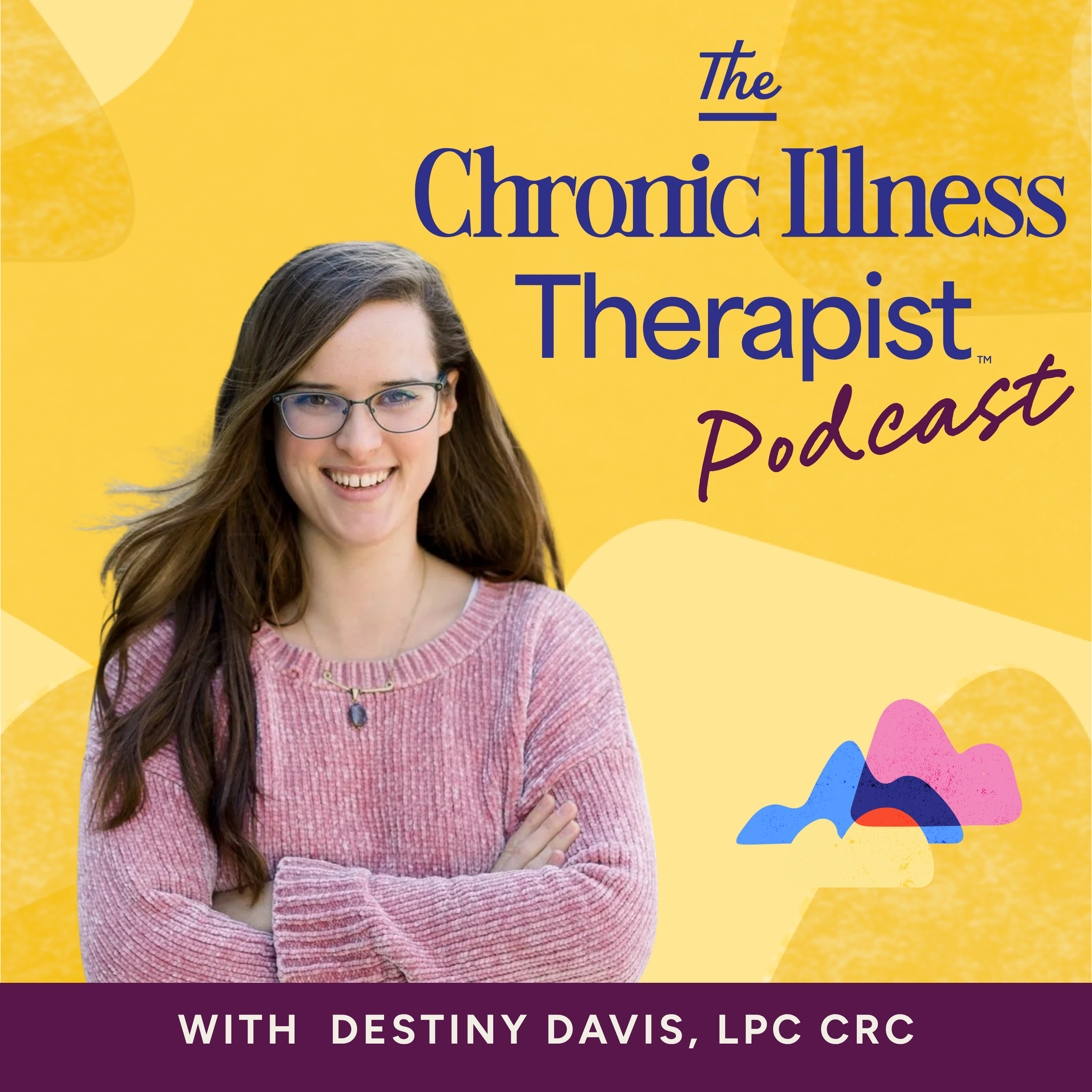
Listen to Grace’s interview with me, Destiny Davis, on Ep 73: The Wellness Trap: Rethinking Chronic Illness, Healing, and Accessibility
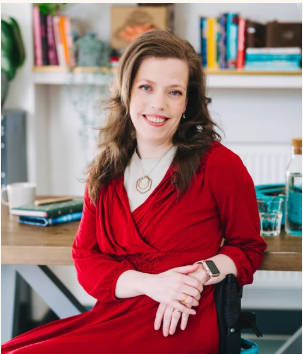
Grace Quantock is an award-winning anti-oppressive psychotherapeutic counsellor, writer, and advocate known for her work with marginalized individuals living with pain, illness, and trauma. She is the author of Living Well with Chronic Illness: Write your own road map to healing in tough times (Orion Spring, 2024).
Over the past 15 years, Grace has supported thousands through her therapeutic sessions, workshops, and writings, aimed at dismantling oppressive health narratives.
Featured in publications like The Guardian and The Times, and a recipient of The Curtis Brown Breakthrough Award,
Grace’s work continues to foster significant societal shifts. She is committed to helping her clients live well personally and collectively, advocating for a fairer world.
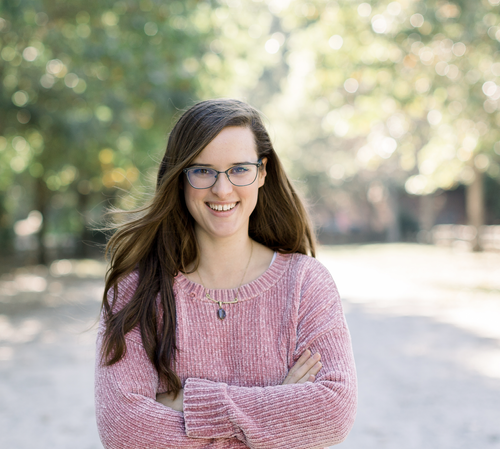
Meet Destiny - The host of The Chronic Illness Therapist Podcast and a licensed mental health therapist in the states of Georgia and Florida. Destiny offers traditional 50-minute therapy sessions as well as therapy intensives and monthly online workshops for the chronic illness community.