
Responding From Trauma and Our Relationship with Chronic Pain and Disability with Rachelle Friedman LCSW
Early Onset of MCAS Symptoms
Rachelle also mentioned that she couldn't recall a time when she was nauseous due to MCAS. Her chronic nausea led to multiple medical tests that all returned normal results. It wasn't until she underwent specific tests for MCAS that the diagnosis was confirmed, which was a surprise to her as she didn't experience the more common allergic reactions associated with MCAS. Rachelle explained that MCAS can be challenging to diagnose because it presents with a variety of symptoms and often mimics other conditions. Diagnosis typically involves specific blood tests and consultations with specialists who are knowledgeable about MCAS.
Understanding MCAS Testing
MCAS testing typically involves both urine and blood tests, although the specific tests may vary. Rachelle acknowledges her privilege in not having to advocate for these tests, as some patients often must insist on them due to the condition's lack of recognition.
The Role of Acceptance and Grief
Rachelle emphasizes the importance of practicing acceptance, radical acceptance, and allowing oneself to grieve the limitations and frustrations that come with chronic conditions. She also encourages acknowledging and expressing anger toward a medical system that often fails to provide clear answers or effective treatments.
Distinguishing Trauma Responses from Present Emotions
Rachelle touches on the concept of distinguishing between trauma responses and genuine emotional reactions to the current environment. It's essential to understand whether emotional responses are rooted in past trauma or are natural reactions to the challenges of living with chronic conditions.
Recognizing the Trauma Response
Rachelle acknowledges that their interactions with the medical system in the past, filled with gaslighting and dismissiveness, had left them wary and defensive. This experience in urgent care was a clear example of how past trauma can influence present interactions. The heightened emotional energy and the urge to present all the medical facts immediately stemmed from these past experiences.
Strategies for Effective Communication
In the ER later that day, Rachelle made a conscious effort to respond differently. She recognized that approaching the provider with understanding and calmness would be more effective. She explained her medical history and current situation, and although they still encountered some lack of familiarity with MCAS, the interaction was more productive.
The Importance of Humanizing Oneself
Rachelle underscores the importance of humanizing oneself when dealing with healthcare professionals. By sharing personal details like watching a popular TV show, she created a connection and reminded the provider that she was more than just her medical condition. This approach allowed for a more empathetic and productive conversation.
Systemic Challenges
The healthcare system itself is recognized as a source of frustration and difficulty for both patients and doctors. The pressures of insurance, limited appointment times, and bureaucratic obstacles can hinder effective care delivery.
Acknowledging Limitations
Rachelle expresses the importance of doctors acknowledging their limitations and being transparent with patients about uncertainties. Patients appreciate honesty and understanding, even when a clear diagnosis or treatment plan is not immediately available.
Empowering Patients to Gradually Discharge from Therapy
Rachelle shares her goal as a therapist to empower clients to advocate for themselves effectively, ultimately working themselves out of therapy when they feel confident and ready.
Conclusion
This conversation sheds light on the multifaceted challenges faced by both patients and healthcare providers within the healthcare system. It emphasizes the importance of empathy, understanding, and collaboration in improving the patient experience. While acknowledging the systemic issues, it also highlights the agency patients have in advocating for their health and seeking care that aligns with their needs.
Disclaimer: Everything we discuss here is just meant to be general education and information. It's not intended as personal mental health or medical advice. If you have any questions related to your unique circumstances, please contact a licensed therapist or medical professional in your state of residence.
Destiny Davis, LPC CRC, is solely responsible for the content of this article. The views expressed herein may or may not necessarily reflect the opinions of the guest.
The content in this blog post comes directly from a real, human interview between Destiny and her guest on The Chronic Illness Therapist Podcast. This written version was formatted using AI. Listen to the full episode to hear the actual conversation.
Listen to my full conversation with Rachelle Friedman on Ep 3: Responding From Trauma and Our Relationship with Chronic Pain and Disability with Rachelle Friedman LCSW
-
Episode transcribed with AI and may contain errors that are not representative of the actual word or meaning of the sentence.
I can like trace my pots symptoms back to like my early life.
Yeah. Yeah. I'm sure once you learn how to trace those things and what to look for, most of us can see those things early on. Yeah,
I know. Right. And that we just blew off as like normal
or that's weird, but no one gives a two thoughts because they don't know how to handle it.
Yeah. I know my sister, my husband always used to say like so weird that you break out into hives in the cold water because that's where people notice it because of pools and swimming and stuff. And I was like, yeah, I don't know. It's just like always happened. And I like no one ever said anything or did anything about it.
So I was just like, all right, well, I guess this is normal.
It's a weird space to be in where you actually know it's not normal, but in order to not break down, You kind of have to convince yourself this is normal and no one else around you is taking it seriously. So yeah, when you're a kid, look to the adults around you, who to tell you what's important and what's not.
And in some sense, so
absolutely no one ever said that it was like, it wasn't caused for any concern because it, it would go away once I warmed up. But like, I can remember going into the ocean as a kid, like in San Diego, everybody from Arizona goes to San Diego in the summers. That's like a theme. We used to run into our friends all the time from school in San Diego..
And so I would like go boogie boarding, and then I would come out and my body would just be covered in hives. And it was so itchy. And when I was really little, I would try to warm up as quickly as possible because my body was so itchy , so I would like lay in the sand and my dad would be like. Oh, no, you're going to have to take a shower before we go back into the room.
And because you can't bring all the sand into the room and I was like nooo,
no.
Ah, so you figured out, do you think that was like super conscious or was it something you just kind of like figure it out? Um, but didn't have a whole lot of thought behind
it didn't really have a lot of thought behind it. I knew that it felt really good to come out of the water and then like roll around in the sand.
You know, it was, I was like that. I was really young, so it was more instinctual. Cause even my sister who doesn't have cold water urticaria. I don't remember how to pronounce it. But, um, she would roll around in the sand with me cause like she's my younger sister and we were playing and like, she'd be like, oh, you're rolling her in the sand.
Let's be sand monsters together. So. I don't know that there was a ton of thought into it, but now that I look back, I'm like, I remember how good that warm sand felt on my itchy body.
Yep. That makes a lot of sense. Yep. Yeah. Um, what, so you were saying how you can kind of look back and see all these symptoms.
Do you have an idea of like how long or how early they started?
I don't know that I remember a time without the nausea of the MCAS. I was always a very nauseous kid. I, I threw up more than your average kid, but it like no one could ever find anything. Like they would do all of these gastro tests. They would take me to a gastroenterologist and no one ever found anything.
They would do scopes and like blood tests and all sorts of stuff. Everything came back normal. So it was like, all right, I guess this is just my stomach. And I just started describing myself as like a chronically nauseous, human. Um, and then when they liked did all the tests for MCAS and they came up positive, I was shocked because I was like, but I don't have all of these allergic reactions.
And they explained to me like, well, your nausea is part of that. And I was like, oh my gosh.
Wow. Yeah. How did you get that diagnosis? How would somebody get that if they were looking to figure that out?
Yeah, so there's, I think it's like a hundred it's under 150 physicians in the country that are like certified and able to treat.
Um, the trifecta like EDS, POTS, MCAS, or like EDS, POTS gastro-paresis I think is the other one that they refer to as the trifecta. So I, I had, um, I had an orthopedist, my, my hands started to go bad a couple of years ago. And, um, I had an orthopedist who did some tests on me and he was like, I think you probably have EDS and POTS.
And I was like, oh, okay. And I have clients with EDS and POTS. And I was like, how do I, I like, hear them talk about their bodies. And I just never put two and two together, which, I mean, I guess it's good. Cause I'm not thinking about my body and sessions. Um, and so he said that and then, um, it was right after I got my LCSW, so I wanted to get pregnant.
And so he supported me like through pregnancy. Um, and then after I had our kiddo, that's when I was like, all right, I'm going to go see a specialist. And we're, we're lucky, I guess in Arizona, we've got like three places where you can go, you can go to Mayo hospital, you can go to Dr. Levine in Scottsdale, or you can go to Dr.
Safferstein and he's like very well known for treating EDS and POTS. So I went to him and they did all the tests and they came back positive. So
what does the testing like for MCAS? Do you know, or is it kind of all jumbled together?
It's so they did a urine test and a blood test, but the urine test.
Gosh, there's like a, I think it's like a TripCase test. I'm not really sure. And I think. So th I feel like there's a lot of privilege in me not knowing what the tests are, because I see online. So many people have to like really insist that these tests be done and they have to learn about the test and ask for the test.
And I am so lucky and privileged that I never had to really learn about that piece. So I think that that's something to call out too. Um, it makes sense, but yeah, it was like a weird urine test and blood test that when I went to like snore, but they were like, oh, this is an odd test that they're asking for.
And I was like, I don't know what to tell you when this is what my doctor wants..
So, okay. What was it like for you once you got your diagnosis?
I was really surprised because I didn't expect the MCAS diagnosis and I felt a lot of fear and sadness and frustration. Just like, I've been nauseous, like my whole life and no one caught it.
And I like, after doing a lot of like trauma reprocessing, I get it. Like, it's not a well-known thing. It's not something that's, well-researched, it's not something that's like out there and available. It's not like, it's not like, you know, it's not strep throat. It's not that common, you know? Or "it's not that common."
It's probably more common yeah. Than we know of. But yeah, it's still, it's still new to the medical literature.
Exactly. So, um, I was also really scared cause I know that some people with MCAS, um, have really severe allergic reactions and I was scared that like, is this going to evolve into that? And um, my doctor was able to really help calm me down.
Like, it really seems like yours is like on your skin or in your stomach. So I think that it's okay. It's been this way, like your whole life. So I don't think that it's going to evolve or change and to, you know, like anaphylactic responses. Cause that that's what I was really freaked out about.
Right, right.
So yeah, the diagnosis was new, but it was, you haven't noticed a progression throughout your life. It's been the same. Yeah.
Yeah. It's always been temperature, water and nausea.
Yeah. Yeah. It is. I think a big part of this process is just figuring out patterns and symptoms, which is so hard. Cause there's so many different variables at any given moment then.
Yeah. Yeah. You throw diet in their environment like trauma, all of that and it's, it's hard.
Yeah. I mean, I'm sure like with Lyme (Disease), like there's, I feel like people look at the symptoms of whatever it is that they're diagnosed with this. And they're like all of a sudden, like things fall into place and the puzzle comes together and it's like, oh my gosh.
Yeah. Yeah, it is. It's, it's so interesting with Lyme because it's literally a tick bite. It's like literally, uh, just some, some bacterial infection that if it goes untreated turns, it really does attack your nervous system. And that I think is the hard part because once the nervous system gets involved, that can show up in so many different ways and it makes everything so confusing.
And then yeah, you start the diets and the, you know, the elimination diets and the supplements and. Um, now people are, you know, there, there are some really, in my opinion, extreme things, um, like even just making sure, I don't know, people are selling these $3,000 water units, Kagan water or whatever ... maybe that's not, if that might not be the right name, so sorry to anyone listening, that's the wrong name and you sell these things. But I just, I think there's so much, there's so many treatment options that are, are not, we don't even know if they work or if they work for everyone, like there's so much unknown and that's hard because you're spending your money ...or we're willing to spend our money for our health. Right? That's I think a lot of us go down that pathway. Okay. This is where my money is going towards and that's fine because it helps me live a life that I love and a life that feels better when I spend money on it. It's hard when you don't actually know if those things are working or not.
Yeah, absolutely.
I think that's, that's one of the biggest things it's like, is this even gonna work? I have clients all the time that are like, but I don't know if it's going to work. And I'm like, we all, I mean, medical debt is like, I think I read that it's, it's the number one reason that people file bankruptcy in the United States.
Like how fucked up is that? And it's crazy. Like, I remember, I remember before just feeling like, well, if this is going to help, I guess it's just another, you know, however much on the credit card debt, because I was so afraid of hospitals, like coming after me, I would just be like, here's my credit. Yeah.
Yeah.
Oh gosh. Yeah, it does. It adds up real quick. Yeah. I think a
lot of people are there. Which is really hard and sad. Cause it's like, you're just banging your head up against a brick wall. Like what's going to work. Yeah.
Yeah. And then you leave with like limited or no answers and it feels a bit hopeless.
Yeah. Yeah. What do you, what do you do for, for yourself or for clients who are kind of coming to you with these things? What, um, how do you process through that? What are some of the things that you talk about, or some of the techniques that you kind of lean towards when you're doing this work with people?
I'll use like some ACT (Acceptance and Commitment Therapy) and some like radical acceptance of like right now we live in a world where there isn't a ton of research on the majority of the conditions that my clients have.
Um, whether it be like Crohn's or lupus or Lyme or EDS, like whatever it is, they use quote, like rare conditions that are not that rare. Um, yeah, there's not a ton of research on treatments. And so we have to practice some acceptance and allow ourselves to go to grief and feel that sadness and feel that anger we're allowed to be angry at the medical system.
It's really let us down in so many ways and it's okay to feel those things and express those things. It's just how we do them. That is it. My biggest thing is, is it a trauma response or is it you responding to the current environment that's happening right now? If that makes sense.
Yeah. Can you, I, I think I know what you're saying.
Can you elaborate, elaborate more for just people listening what that means?
Yeah. So I actually had, um, I had an example happened to me a couple of weeks ago. Um, so I ended up in the urgent care. Um, we ha we had COVID. I told you, um, we were asymptomatic, but like my pots and MCAS with like, did you know that you have COVID in this body?
And so it got like very riled up. And, um, we ended up in urgent care where my heart rate was like resting at like 130 for like a couple of days. And it's so uncomfortable when that happens. So, um, the provider walked in and my husband and I were both like, but we have that medical history. I do know all this medical stuff.
And like, we have, this is something that you need to pay attention to with me right now. And after the provider left, I was like, oh my gosh, we're not responding. We're not current. This is trauma. This is like from all of the gas lighting. This is from all of the people that, you know, he's heard. And that I've heard, that have said, like, there's nothing that we can do for you.
We don't know what's wrong. That's from all of those situations, we were not responding from a current place right then. And now we are responding from trauma. Yeah. You were
already amped up because you had all these other experiences that, so instead of slowly ramping up to an argument, you kind of started right there with that same level of energy of like, no, no, we're not even going to argue.
You need to know all the points right now. And this is exactly like,
yeah,
yeah, yeah, yeah. And that happens. I mean, that happens in so many different ways, our relationships with doctors. Um, and sometimes, sometimes it gets us somewhere. Like sometimes when we come and then other times of course it doesn't.
Um, yeah, it's interesting.
Yeah. I. You know, arguing is really normal and it's a part of being a human. And I do think once we process through a lot of our trauma and we're able to respond from a current place, our arguments look a lot different. Like we ended up in the ER later that day. And, um, and I had noticed that and sort of talked it out with my husband and he he's not therapist, but he was like, oh, that's really interesting that you say that.
So when the provider walked into the room that I was in, in the ER, I took a deep breath and I was like, here's what's happening. And here's my medical history, what can we do? And she was like, oh, okay. I haven't worked with that before. She was able to tell me and because I wasn't like yelling and screaming, like I was urgent care.
Um, I think that she actually heard me a little bit more effectively. I'm not saying like, it was a great experience. They still were like, MCAS what's that? Um, but like they, they weren't, they weren't completely rude about it. Yeah, yeah.
Yeah. People get rude when they feel insecure or they get defensive. And when you're going to a doctor and they don't know how to fix it or how to help, I think it does bring up a lot of insecurity for them.
Um, and it turns into, especially after a while of being in their field, it turns into just being jaded and not believing people and being like, I don't have time for this. I only have time for the people that I can fix .
Absolutely. I think that that's exactly what happens. And I tell my clients all the time, like norm, like humanize yourself, like I told the provider that I have a two year old, I told the provider that I'm a therapist that I'm a social worker, give them other stuff to take in to about your life.
You don't just want to be the patient that's sitting there. You want to be the human that's sitting there. And I know that that's really hard because we shouldn't have to do that. We shouldn't have to go in and be like, okay, I'm going to use psychology to like help this person understand, um, you know, we do that.
It is helpful.
Yeah. I mean, I actually though, it's that point, like I don't even see it as using psychology. I think, I think it's when we go through school, you know, to become a therapist, we learn how to relate to people that that's what we're learning. And so I can see how it feels like we're using what we've learned.
But if we grew up in a society that did a lot better of a job at teaching people, how to relate to one another. Yeah. I mean, wow. How things would be different.
Oh yeah. And I do, I mean, we wouldn't have to do that. Yeah.
Yeah. It would just be normal and natural. And I think before managed care before insurance, I think the family physician, he or she, they were the one, they one for the whole town, right.
There was a family physician for the whole town. And even if they weren't practicing like naturopathy, like naturopathic doctors are really good at, you know, getting your whole history, even if they were still kind of Western medical model, like all of that, they knew their families from birth to adults.
And so. The human, that human part was already there. And they knew your history because they, they were around you all the time. Um, so we just don't, we don't have that anymore. I think one, obviously our population, like, especially when you live in big cities, it's just a lot harder to find that. But two, I think insurance it's like in and out, in and out, and you're just trying to 10 minute appointments.
That really are like five.
Yeah. Cause they have paperwork to do. Yeah,
it's crazy. Yeah. So I think that's a really, really good piece of advice though. Like to say something like I have a daughter or I have I'm a therapist or, um, just something about your life. Like you're not trying to give them your whole, like who you are as a person, but just something that lets them know.
I'm a, remember I'm a human sitting in front of you. Um, yeah, I think that connection is really important. That's a really great tip.
Yeah. Even if it's like the show that you were watching, like, you know, they were, they were putting the IV in my arm and I have really rolly veins because I have EDS. And I was like, I have really rolly veins.
So I like gave them plenty of warning, but they were still like, they had a hard time doing it or whatever. And I was like, Hey, have you been watching this show? And it's just whatever. I just like named a really popular show that everybody had been watching that I was of course watching as well. I'm a person sitting there in the ER and, um, and he was like, oh yeah, I have.
And we like went back and forth for maybe 30 seconds about the show. And I told him, I I'm doing this to distract myself from you putting the IV in my arm, but I'm really doing it to humanize myself so that, so that this nurse knows that I'm a person. And thinks of me as a person, not just, not just an MCAS or POTS or EDS patient who, you know, has a high heart rate, but like she has POTS, so duh, but I'm a person too.
Yeah. And also not sitting there thinking like, I don't know what to do. I don't know what to do with this, with this patient in front of me instead. It's like, Hey, I might not know what to do, but here's, here's a little reprieve from like the, I need to fix by just having the little conversation of oh my God.
Yeah. That show's so great. I love that.
Yeah. I think it's so helpful. And I've actually used it many times and I feel like it, it does help me. Um, get better care because they don't think of me as just a confusing, you know, quote, difficult patient I'm, I'm a person who is kind. And, um, there's another piece that I, I think is I have, I have a couple of doctors that are in my immediate family.
So I also hear about how difficult being a doctor is and how nobody goes to medical school to spend 15 minutes with a patient, you know, that's a long time to go to school to then be a paper pusher. Right. And, um, so I also want them to see, like I have other interests and I understand that being a doctor is hard in this world and I understand how they can get really jaded and, and why they, they, you know, Gaslight the way that they do go.
Um, I know that's like a really weird line to walk as a disabled person. Yeah. There's so much trauma in the medical system
and the way you're saying it, I, I see the trauma for the patient and the doctor. It's moral injury,
right? Yeah. Yep.
You go in to do a moral good. And at every turn you're, you're beaten down by the system and eventually you just, you don't have it in you to keep up those morals because it's proven fruitless.
Yeah.
Yeah. I mean, I I've, you know, of course I've experienced medical gaslighting and all of that crap, and I'm really lucky that it's, I don't know if it's been enough time or whatever that I've been in the system, but I feel like I've found like a good, um, a good medical team for me, but even some of the doctors.
W one of the doctors was talking about like insurance and costs. And then I was like, yeah, I mean, my brother's a doctor and I hear about how difficult this is and how challenging it is to navigate the system. And he was like, it's so hard. I didn't go to medical school to do paperwork and to argue with insurance companies.
And I was like, yeah, I get that. Yeah. And we shouldn't have to validate that as the patient, but, but it's there, but you know what,
going back to your point about being human. If we just look at it as we are all human, then it is on us. Right. It's on us to be mutual. And bi-directional, if we are always putting, putting in what we can, which some days more than others and that's totally fair and totally okay then.
Yeah, I think because I think that there's a huge mindset around. Yeah, doctors being just evil people who don't care about us in the chronic illness community. And I, I don't think that's true. I think they're just beaten down. And if I have the capacity to bring just a little bit of light to your day, not only will it probably work in my benefit, you'll remember me more.
You might work harder when you're looking at my labs. Yep. But also I'm being a part that is my way of infiltrating the system. Yeah. Instead of coming in and being the patients that's like fix me, but I have stuff that you and no one else knows how to fix, but you must fix me. Otherwise you are a shit person then, you know, we're just as much a part of that system.
Absolutely.
And I, I do really, I think that a lot of it's not on the patients. I mean, I think like for us, it's like I've had people respond to me from a traumatic, you know, they're not responding to me. They're responding from trauma and, and. I have to understand that because that's my job. And so I do think that there's an element of that, but doctors are not trained in, in what we're trained in.
They don't have like a psych background unless they're like a psychiatrist. Um,
in fact, they're taught how to not attach. Right. And to be very, yeah, here are the numbers. Here are the facts period the end.
Yeah. I, I was actually, um, I was seeing a doctor a long time ago before I was married, obviously. Um, and he texted me one time and he was like, how am I supposed to tell a patient's family that they're not going to make it?
And I was like, oh, wow. That's like a really big thing. They didn't teach you that nobody goes over that with them. And I certainly don't want to come off. Like I'm, you know, oh, these poor doctors, you know, I mean, absolutely not, but, but they also don't have all of the information that they need to do their jobs effectively.
And they've been really broken down by a broken medical system. Right. Exactly.
Yeah. I think it's completely fair to have empathy and compassion for the incredibly difficult job that they have, and also feel very upset and frustrated that we don't get what we need from them. It is a systemic issue is new when we put it this way.
It's really not from them. It's from the system.
Yeah. I mean, I, I really, and this, I feel like this is a lot of privilege because I see inside the doctor's brains, like. Like my best friend is a physician. She's been my best friend since I was seven years old. I've grown up with her and she just sent me a picture of like her new dog that, that her family adopted.
And it's like, so cute. And I see this human that I've known since I was seven years old. I don't see the doctor. Yeah. I see my best friend. And I think that, that, it's, it's a different way of viewing doctors and nurse practitioners or PAs or whoever nurses even
yeah. If we can look at every single negative interaction we have with someone as like that's their trauma showing up, it might sound extreme.
That might sound extreme. But the more that I practice that in my own life, which really just comes down to having compassion, even when someone is being. Rude. If you can give them a reason why they're being rude, even if it's in your own head, it's a lot easier to move on with your day and not hold on to that anger and resentment and just the ruminating that can so quickly happen when you're leaving a doctor's office.
Yeah, absolutely. And I, like, I have told clients it is okay to, to go to another doctor. If a doctor is not giving you appropriate treatment, if they are not listening to you, absolutely find another doctor, ask, ask one of your providers that you really trust. I mean, usually over, over many years of living within the medical system, we find, you know, maybe one, two doctors that we really trust ask them, who do they like, who would they refer to?
Um, they're probably going to give you a really good referral. I would never give somebody or a referral to a therapist who I really didn't know. And I didn't know how they work as a therapist. Um, I think that's also really, really important. I
think, I do think like in the, yeah, I wonder how it works with doctors.
Cause I feel like in certain systems, there's probably just like you refer to the people next door for osteo and you refer, you know, so maybe there is a little bit of like, they don't know them as a person, but again, if you're willing to be human and be vulnerable and say, I'm not just looking for a referral, I'm asking if you know anyone personally, maybe you're even friends with that, you know, would be a good personality match for me.
Do you have anyone in mind? Can you keep it, keep that on the lookout? And again, they, we all go into the health field because we want to help. So when you humanize yourself, I think even if your doctor gives you like. Kind of makes you kind of feel stupid by their response and in asking something like that, I bet you, they're going to go home and think about it.
You've just planted seed and it's hard to not think about, someone when they have asked you for help, or maybe that's just that maybe that's just me. I don't know.
I mean, I think that it's, I mean, humans are meant to interact with other humans. We were not supposed to push away.
We're supposed to lean into each other and that's how we're built. And so I, I really, I hate to put it on the patient to lean in first, but as a therapist, I feel like a lot of the time I'm, I'm able to lean in first and if you're not that's okay. And it doesn't change the fact that you should still be getting good care.
It doesn't change that at all. Um, again, I think it's just that little shift of that. My best friend in the whole world that I've known since I was seven, happens to be a doctor. And, and my brother is a doctor. And so these are humans in my life that I love. Um, and it's important to know, like nobody goes in and spends that much money on an education and does that much work to not help other people?
Yeah.
Yeah, absolutely. Yeah. And you know, I know this, this feels like a, you know, it's maybe turned into it in defense of doctor's episode and I've been in it and it's, you know, it's not so much, uh, yeah, it's not to say here's the defense for doctors. So patients, you must put the first foot forward. That's, that's not the message, but on the same level, I also feel like putting the first step forward can be really empowering.
It can be really empowering to, you know, turn the, like, to be the better person when someone's being mean to you or to, um, to say, you know, this was a hard challenge and I still showed up for it. I think that's not always possible. And so what we have to, it's not that we shouldn't, I think it's not that we shouldn't preach to people about, um, putting the first step forward or to fight for what they need.
I think all of that is really empowering. It's just making sure that that doesn't come with and if you fail, it's your fault,
right? Exactly, exactly.
Fail. There's so much systemic things at play here. You were never really set up to succeed in that anyway. No, but what did you learn from that experience?
And did it feel empowering? If we look at it in a certain way? If we do some work around that, I think narrative work is really great here. Probably even, you
might be able to explain how EMDR...
I do EMDR all the time with this... all the time.
And i, I tell like if somebody is responding from a place of trauma as a patient, like we should be training doctors on how to respond to that and we're not, and that's okay if you're the patient and you're responding from a place of trauma, there is nothing wrong with that.
And that's horrible. I mean, the medical system is completely broken, um, and navigating it is like, you know, being blind in a dark room, like how in the world do you even navigate the medical system in the United States? It's it's so it's so incredibly fucked up. Um, yeah.
And on purpose.
Yeah, exactly, exactly.
And you know, it's, it's also okay. If you want to distract, like with my neurologist is I'm getting Botox. I started talking about my best friend's dog. Cause she she's had this dog for a few months and I was just trying to think of something that would make me smile. And I was like, oh, my best friend just got a dog.
And he started talking about his dog and um, and then I started saying, oh, well, yeah, she she's a doctor. And I, I forgot like how it evolved into that. And, and he was like, yeah, it's so hard to be like a paper pusher when I went to school to help people. And I was like, yeah, I'm sure. And so just even in me trying to bring a smile to my face as he's like injecting my neck and face, um, it evolved into, into that.
Yeah. It can be something that's so small.
Right. Yeah. And of course, you know, not everyone is going to find joy or good distraction or, you know, in this particular technique. But, um, do you think that a lot of people could, if they, if they tried it to see what will, like, if it's trial and error, you know, just try it and be willing to say that that doesn't work.
But I think a lot of times we get really caught up in like, I'm going to try this thing so that it does work. And then once again, when it doesn't, we have heard the narrative so much of it being our fault, that it's really hard not to go there yourself too. You beat yourself up and that's where the anger comes from, I
think
think.
Yeah. Oh my gosh, absolutely anger. I feel like an anger in general is like our emotion that taps us on the shoulder and says, Hey, there's a yellow light here. And I tell my clients that all of the time and like big, loud anger, like even when my husband and I displayed in the urgent. Is from anger that hasn't been acknowledged and it's anger that has been invalidated for so long.
And it's okay if that's where you're responding from that that's trauma and that's hard and give yourself space and room for that. And if you can't like use, you know, these little, like, things about something that makes you smile when you're getting an IV or when you're getting whatever procedure you're getting, that doesn't feel good.
That's okay. And give yourself some space to, to feel that and be valid in that.
Yep, exactly. Yeah. It's not about turning every negative experience into a positive one. It's not that at all, but it's about what works for you in that moment. And I know that when I lash out at anyone that never works with me, it might have this, they might have this like immediate nervous system relief, but it event, it, it, it almost immediately tightens the nervous system right back up.
And we're worse off than where we started. And. Um, I think it's, for me, I've learned to go inward a lot. So I actually get like kind of Stoney and, you know, that comes across as cold and, and, um, but that is the way that I protect myself in situations like what you're describing and that's okay. And that's valid too.
Um, yeah, protecting yourself is another way to empower yourself as well. A lot of us didn't grow up, being taught how to protect ourselves. So it's okay to do what you need to do to protect yourself. But lashing out at someone is almost never an act of protecting. It's a, it's an act of, you might be trying to protect yourself, but that's never the end result.
Right. Right. So it's
just, you know, and, and, and lashing out is different than sticking up for yourself and sticking up for yourself and speaking up for yourself can be incredibly helpful. Um, yeah. But yeah.
It is. I know, I think PCPs are the ones that I hear about most and the ones that like I've experienced that are just like, okay, well, I have no idea what to do with you.
Goodbye. And I'll, I'll tell clients, like, ask them to document that they're not ordering the tests that you've asked for, or they're not providing the referral that you've asked for, ask them to document it so that they're more likely to do it because now it's in their notes that they denied you, that you requested this.
Yeah, absolutely.
There are things that we can do to advocate for ourselves, but again, we can't be coming from a place of trauma when we're doing that. Cause we have to be able to think of it like, oh, this is that situation that my therapist was talking about. And here's how I change it. Yeah.
Yes. And if you're in that hyper aroused state, you can't think about what your brain is not in logic mode.
It's in emotion mode really? Um,
Yeah. I mean, you're in fight flight freeze or fun. Exactly. Whichever one, whichever one your brain goes to.
Yeah. It's important. There's a lot, of course each piece we've talked about so far could easily be in an episode in and of itself. There's so many layers to what we're saying and yeah, it's complex.
So I think that's why therapy is so helpful. It's when you come in and you feel seen and you feel heard, it's not just about validating, although that in and of itself can be incredibly healing. It's it's also about once I process this out loud with someone who's not going to Gaslight me, not going to make me feel like I, you know, am crazy for what I'm thinking and what I'm experiencing.
Then I can actually process through this and think more rationally and, you know, um, and of course, things like EMDR and specific techniques can help, help in a different way, too. That can just as an added benefit to, to therapy sessions.
Yeah, absolutely. I, I really find that once, once I'm able to go through and process a lot of these experiences with people, they are able to ask for something to be documented or ask for a referral to be documented, or they're able to say, Hey, you're not listening to me.
And I need you to hear these symptoms. I can understand where you may be frustrated, but please understand that I'm frustrated too to whichever provider is coming at them. Um, and those are all things that, again, I'm, I'm not saying that we should have to do because doctors should be trained or providers should be trained to do this for themselves, but they're not. And when we're able to respond from that place, we're going to get a lot more done with, with an at least decent doctor. Who's not completely burnt the fuck out because I mean, if the doctor is burnt out, like I've heard those stories where like nothing works with some, with some providers and then it's time to evaluate if you're going to stay with them.
Yeah, yeah,
absolutely. Um, yeah, there should be, uh, there should be a system kind of like, you know, with in therapy. We, not, all of us are good at this and that's fair too, but you know, we refer out when we're not getting anywhere with a client and that can be a really hard thing to do for both the client and the therapist.
It can feel like a lot of rejection and a lot of there's a lot that comes up there. But if you have a colleague that, you know, works really well. Say more depression and you work really well. Anxiety. Then why not give one and say, you know, I haven't had my chiropractor, I love her, my old chiropractor. She, when I got pregnant, she was like, I actually, you know what you need might be different than what I can give you.
And she referred me to, um, to someone else who I am getting equally good care from now. Um, yeah, maybe even better simply because she specializes in pregnancy. Um, yeah. So yeah, that, it's not, it shouldn't be so such seen as such a failure to have to move things around and change things. But I think it often is seen that way.
Yeah. Yeah. I think there's a lot of shame with not knowing in our culture. Like if you don't know something, it's like, oh, you didn't know, like you're stupid.
That's not true.
We were not born knowing everything and we're. No, I know I don't want to bring up politics or anything, but like, I don't want my dentist to do heart surgery on me.
I don't know if people can like, find where I'm implying there. Um,
some will get it and some won't haha.
Right. And that's totally fine cause that, you know, but I don't want my, my dentists doing heart surgery because my dentist doesn't know how to do cardiovascular surgery. And it's okay for one doctor to say, I don't know. I would much rather a doctor tell me, you know, I don't know where to go from here, but I'm going to ask, or I'm gonna reach out to my colleague who I think may be more helpful for you and you can go see them.
That's something that I think is so important and taking away the shame of not knowing. Yeah, you don't have to know it all. You shouldn't know.
Exactly. No one can know it all. Yeah. And going back, you know, before managed care before insurance, when there was just one doctor for the whole town, I think, um, you didn't see, you didn't see all of these different things and feel like you, you might have actually known what to do with everyone that came to you because there was a maximum of maybe 150 people in the town that you would see and common colds, and you saw the fevers and you saw, and you didn't know what to do, but our world is a lot bigger now.
And yeah, we really have to reduce the shame around not knowing because there's, it's impossible to know everything that you're, that you would want to know.
Yeah. I mean, I think a lot of the time too, and when our population was that small, like folks like you and I, and like our clients, we'd pop up every once in a while and they'd be like, I don't know what to do with you.
I guess you got to suck it up and get through it.
Yeah, yeah, exactly. Or like they labeled it something that they thought it was because they didn't have EDS as a word or
right.
But when you look at it from a perspective of, um, symptoms and this actually a little bit out of my scope here, but I'll say it anyway, when you look at your symptoms sometimes, like for example, we all still live with our symptoms anyway. Even as we see these, these specialists who actually know, um, and so if someone doesn't know, but they can direct you towards community or they can direct you towards taking more rest for yourself or, or maybe working a little bit harder if that's what your body's needing or if they can do some of that, then to me is just as good as getting a diagnosis and then saying, you know, here's, here's a medication that may take some, some may alleviate a little bit, but it's not going to get rid of it. Yeah, yeah. it's interesting.
I think that I would love for any, any medical provider, you know, like CNAs nurses, like have a little bit of a psychology background with, with disease and mental health or chronic illness and mental health, because it would be really wonderful if when we're going through this process, the doctors were able to say, and this, this takes no time.
I know this is really hard.
I know. And
that's so validating.
Yeah. And it probably would be even helpful for them too. What a load of pressure would be taken off. If you just could say, I don't know, and this is really difficult. Yeah.
I mean something that I'll say to my clients, because it's hard. I mean, like when is therapy going to end?
Like, I don't know. It really depends on when, when you start to feel confident in your ability to advocate for yourself and when you feel like you're done with me and I, I want that. I want people to, to, to graduate and discharge out of therapy. My, I tell people like my goal is to work myself out of a job.
Um, and I don't know when that's going to happen and I'll get really real with people and be like, I'm so sorry that this is happening because I can completely understand where this is so hard. And I want you to know that I'm here with you, for whatever, for whatever that looks like, and for whatever you need in that,
I do think our training, you know, um, we eventually learn that it's not our job to fix our clients.
And unfortunately with doctors, That is their job. So I could imagine it's incredibly more difficult to come at it from a place of, I don't know, but I do think with, yeah, just some, some training, some additional training, it could be really helpful. Um, even just using motivational interviewing techniques and learning how to validate, understanding that validating doesn't mean you're condoning, um, things like that.
It, it could change a lot. I also think we're probably missing a huge part of the conversation around insurance companies and what, you know, you're, you know, cause you were mentioning earlier, like refer to this person or that person. And then I'm thinking of, of situations where the doctor already knows that the person, the patient can't get that covered by their insurance.
And so they don't even mention it, which is, which is also unhelpful because maybe that patient will be. And let them make their own choices. Don't make choices for, um, you know, help them advocate for themselves. But advocating within the insurance companies is like, I mean, it's, it's a living hell and it's made that way on purpose.
Yeah. So it's a lot of, a lot of layers here.
Yeah. I mean, insurance companies are the ones that I blame for like all of this shit. If I'm honest, like they're the ones who have made doctors into paper pushers and put, put these limitations on times that providers can spend with patients. And I got a call a couple of weeks ago that my insurance isn't going to cover my Botox for my migraines until like, you know, two weeks from the original appointment.
And I was like, well, shit, I know. And I hear from my loved ones who are doctors, that it drives them crazy too, because they want to be able to say, this is what my patient needs, and they want it to be able to be an attainable goal for the patient. And like, you know, when it's, when it's thousands and thousands of dollars, it's not attainable anymore.
Yep. Insurance companies are the, I fucking, they are the worst. Yes.
I am there with you. I am.
Yeah. I don't know that we can find somebody in, in the disabled world that is not like yep. They're the pro they're huge problem. Yeah. Yeah, exactly.
Yeah. I would love for someone to sit down with me and just try, just try to tell me how that perspective is wrong.
Like give me examples, change my mind. I would love that. Then we can work with the system to come across someone that I think can do that.
Right. Right. Yeah. I I've heard, I've heard, you know, my loved ones who are doctors. They like, they have to argue with insurance companies and that's exhausting for them to go back and forth and then do what a doc to doc and, and, you know, the other doctor who's never seen the patient before in their life has to make this determination and is encouraged to deny it.
And, and it, I would imagine that that's so frustrating.
Yeah, it has to be. Yeah. I think, I think this was an important conversation because, um, much of the time we are talking about we, as in those, in the chronic illness community, we are talking about how awful the whole system is, including doctors. And I think it is really important that we bring to light.
The person themselves. They're not, they're not horrible. Yes. Some people are assholes, but I mean, when a who's ever not ever an asshole in their lives, like we're all an asshole sometimes. Um, and when you have a moral injury day after day after day after day, it's really hard to step out of that. So I think the biggest takeaway here is like, the more that we can see through other people's trauma responses and respond from a place of like, how do I want to show up on a daily basis, regardless of what happens around me?
Um, there's a lot of caveats I'm like thinking of there, but yeah, regardless of you know, that doesn't, so if I want to show up kind as a kind person that doesn't mean I'm not allowed to be angry and it doesn't mean that I'm never allowed to say something rude. It just means. Like sometimes your anger is a part of your kindness.
It's, I'm standing up for myself. I'm, you know, so I want that to be kind of, I want that to be clear that it's not about like, oh, you, you choose your mindset no matter what's going on around, you know, if there's a shit storm going on around you, it's, it's hard. And you have every right to be angry, sad, all of those things.
But don't you want to show up still as somebody who one stands up to challenges or, or can, can be kind to a human who is not actually the one who is doing something deliberately wrong to you right now. If there's a doctor or somebody who is doing something deliberately, like they're just, I, I had a friend who had an issue with a pharmacist, not giving her her medication.
And, um, it's a long story. It's very complicated, but yeah, essentially she. I ended up getting his manager and once she got the manager involved, then he was like, okay, fine. It was clear. That was a him thing, not a system problem. So again, just to make this all clear is it's not about putting the blame or the responsibility on the patient to, to show up positive in a fucked up system.
What it is about. Can you show up the way that you want to show up? How do you want to show up as a person? And can you do that?
Yeah, I think I, I try to even broaden that for myself and like show up authentically. Like if I'm angry, I'm allowed to be angry in that thoughts sentic or if I'm sad, then that's authentic for me.
Or if I'm scared, that's authentic. You know, like when I show up in my neurologist, you know, I, I really appreciate the Botox and the nerve blocks that he does, but like, it doesn't feel good and I'm anxious in there and like I tell him, like, I'm really anxious. So I'm going to talk to you about this cute dog.
Exactly. Yeah. Yeah.
And that's authentic. And I think that's, that's all we can do is show up how we. Like how you're saying, like how, how we want to be perceived. And we, it's so hard when we haven't processed through trauma, because we're not able to do that with all, all the cloudy shit over our eyes. Yeah.
Yeah. That is a good way to put it. And, um, it sounds like I don't have much experience in EMDR, um, other than just knowing what it is, but it sounds like EMDR helps you break through the fog. Yes.
Yeah. And that's, that's one of my favorite things about EMDR is, and, and brainspotting and accelerated resolution therapy. I, I feel like I should add those because they are very helpful and I use both of those as well.
Um, but it really helps somebody, somebody to see this is not currently happening to me right now. And that's a big part of EMDR is going, going into these memories, going into these neural networks and working with that part of you that is still stuck in that doctor's office, or that's still stuck in that hospital, or that's still stuck in your parent's home from when you were five and you know, your parent ignored some symptom or whatever it is.
It may have nothing to do with your illness at all. But to be able to time orient your entire self is so important in, in how we respond to our world. Yeah.
This is why things like mindfulness are helpful. I know that there can be a really negative message about mindfulness in the chronic illness world, because it's been touted as some kind of like miracle thing.
So be clear, clear here that that's not, it it's actually exactly what you're talking about. Mindfulness helps me orient to right here, right now, and that allows me to just also break through the fog, gain some clarity and respond and show up how I want to rather than from trauma.
Yes. Yeah. I know. My dad is like a big mindfulness person and he was always like, yeah, it's really important that you like clear your mind, you know, like that's important.
And I love my dad, my dad, you know, he does the best that he can with what he knows. He's not a therapist. He's not a mental health professional. So I know he's just doing the best that he can. Um, and, and then I start, I, I was studying neuroscience and I was like, oh my gosh. But mindfulness like actually does a lot for people's brains.
And then I really started learning about mindfulness. And now he'll like, he'll like try to check in with me about mindfulness. And I'm like, you do know that I teach people how to be mindful dad?. Like take a step back. But mindfulness is not about clearing your mind at all. And I think like, that's the shit that people are fed is like, mindfulness is about clearing your head or it's about like, I think curable uses a lot of mindfulness.
And I have had clients who have used that app and they just come to me devastated because all they wanted was to cure themselves.
And I think curable when you read. I really was so angry when they first came out and it's really the name it's been like, it's interesting how popular it's become, because the name is something we all hate.
Like, don't try to tell me you're going to cure me when this is chronic and yeah. Yeah. You're not going to cure me with your, with your breathing, but I know that they, they really put a lot behind like the research and science. And, but when you, again, it's lacking humanity when you're just going to an app and it's telling you, I mean, literally it's like, I think it's called panic mode.
It's been a while since I've actually been on the app, but it's like, are you in panic mode? Okay. Do these things. And it's like, this is just a machine in front of me. We really need to be seen and heard in our, in our trauma responses and only a human can do that. Yeah. With that with really like, if you've had enough human experiences help you through that, then maybe the app can be this extra tool, this extra resource in your pocket.
But if you're going to it as like a first line defense, I don't, I don't know that I can, it can actually be helpful.
No, I, I think that it can pro I was actually talking to my husband about this because I saw an Instagram account that was like, cure yourself of your auto-immune disease. And I was like, this is predatory.
This is predatory. And I don't like this. And what do I do with this information? And I, I want to advocate for, for our population and say, you shouldn't be saying this stuff because it, it harms people. Um, Hmm. That's sort of lost. Thank you, brain fog. It's sort of lost where I was going with that, but oh, it
is, it is predatory.
It's it's marketing. It's capitalism. It's this is how we, I think we, we don't want to go down too many rabbit holes here.
Right? I know. I feel like we could do capitalism talking about capitalism. I hate that,
but I have, I've actually been through several different marketing and business coaching programs, myself, and it always talks about speaking to pain points and it actually feels when you're doing it, one, it makes a lot of sense.
Like, you want to know why, if you're in pain, you want to know why you're coming to me. And so if I can speak to your pain, it means I understand it. And that that's a good thing because then, you know, you want to choose me over other therapists be, but. It is really cringy when you start to see it on social media, which again, no human to human it's, it's just me behind a, my social media account.
How can I make money? Speak to pain points. Okay. Rather than like in a consultation call with me, you're telling me your pain points and I'm like, I'm in my head. I'm like, I can hear your tone of voice. I can, I can get a sense of who you are as a person. And I know whether I can work with what you're telling me or not.
Right. And then I can say to you, I work well with those pain points or I actually don't work too well with those pain points. Let me, but when someone comes across your Instagram page and they have an auto-immune disease, which is so broad, there's so many of them and it's like, yeah, I can cure you really like, and it's sad because it pulls on your hope as the client or as the patient.
And that's why it's so hurtful and. Yeah, you pull you're pulling on their hearts and their, their hopefulness and their desire to have a cure, but also knowing that there is no cure and that this isn't, this isn't about a cure. This is about
you wanting to make money.
Yeah. Yeah. That's I feel like I could go down like the, the route, like when I feel like it's really predatory, especially to those people who are experiencing like a newer onset of a disease.
Like when, when we first. Encounter our chronic illness that's that is becoming chronic. I feel like we're all like chickens with our heads cut off, just trying to find any type of relief that we can. And that's, I feel like that's really where people fall in. And I mean, I, I, I do find even my clients who understand that like EDS is genetic and they fall in sometimes because, because they want relief and a cure would be great.
That would be so wonderful. It, it, it is it's that like ultimate hope and, and you're just harming them. Like I tell clients all the time you're gonna leave therapy, still being disabled. You're not going to leave therapy, not disabled.
Yeah. And we might just be able to, might be able to give you some increased hope for a meaningful life rather than you losing hope and so many things, because somebody told you they could cure you and it was bullshit.
Yeah. Yeah. I, the way that I frame it, as I want to help you clear the fog so that you can live a life where you can communicate effectively with your providers and know your rights. And I want you to go out into the world and I want you to recognize ableism.
And I want you to be able to say that doesn't belong to me and put it back. And I want you to be able to build boundaries with people so that you can, you can have quality of life.
Yep. Which is where the responding from trauma working on that part really comes in.
Yeah. Yeah. You
You
can learn how to no longer respond from trauma, then we can do exactly that.
Yeah, exactly. And I see people do really well after that. Does it, are, are they still chronically ill or just yes, they are, but like they function and they advocate and they are able to walk into target and say, I don't see any, any advertisements that, that, that are me. I don't, I don't associate with any of this, but that doesn't belong to me.
That ableism doesn't belong to me. I'm putting it back. Yeah.
Yeah. So you can walk through a store and maybe actually find a shirt that you love. Right. Rather than if the second you walk in, you're filled with anger because of that ableism that you see everywhere, you can't even find what you're looking for.
Right. And you're just pushing through because you didn't want to use the scooter because you're not that sick. You're not that sick. Why would you do that? But you know what, if you are and what if it's okay, that you are.
Yeah, it is that, that last piece. And it's also okay.
Yeah. That's the piece that I think people get so uncomfortable with.
It was like, but it's not okay, but it's not okay to live chronically ill. It's not okay to be disabled. What if it is? What if there's actually nothing that's bad about it? I don't want to say nothing wrong. I never say that there's nothing wrong with it because there is something wrong with our bodies.
Right. But it's not bad. Right,
right. Yeah, exactly. That makes perfect sense. Yeah. It's, it's okay to live. We're not all supposed to be the pinnacle of health, all walking around. I mean, you start to think about it. It looks like, you know, Stepford wives, like everyone just walking around the same way. It's like, we think that this is the ideal, but that's not the ideal.
There's a different role for everyone in society. And. I always go back to ancient times because maybe I just, maybe I fantasize a little, maybe I think that it's, it's, it's better than it was maybe, but I just, I, you know, there's, there's definitely issues with growing up in a community where if you, you know, if you don't agree, you're kind of ostracized from everything, you know, but yeah.
When your community works for you, then I think, you know, like, like in the old days, if you lived in this community, you had the resources that you needed because everybody pulled together.
Right. Well, and even like with the example that you're using, the doctor had a full bio, psycho social assessment, Right at their fingertips because they know your family, they know your grandparents, they have that full assessment, right.
At the tip of their fingers are doctors with 15 minutes. They don't get a full bio-psycho-social. No,
they, these you're exactly. The doctors run the past. They had the bio-psycho-social without even having to give the assessment because they just knew, which is so much, like you said, at your fingertips, it's so much more tangible than maybe my doctor does ask my bio-psychosocial, but you're not going to remember it after our initial session.
Like, i doubt, you're going back every time and reading it before you meet with me.
Right. Yeah. Right. Yeah.
Yeah. Well, there's a lot, there's a lot that could stand to change. I think doctors could do a much better job at learning how to communicate, although they're navigating their own trauma and responding from their own trauma a lot,
especially with COVID.
Like I, I hear from my loved ones, that's really, I, I really think it's, it's my privilege that they're humanized to me, these doctors that I don't interact with my family members on a medical level. But like, I know that a doctor has a family. I know that they have brothers and sisters. I know that they have their they're human.
And I hear how difficult and how frustrating it is that the ER is full and that people don't even know what to use the ER for. I saw somebody post on Facebook earlier in, in Gilbert, Arizona, that they went to the ER to get like some non-emergent medical tests and the person was upset that they were going to be charged.
And it's like, yeah, you're going to be charged. Cause you know, the medical system's broken, but it's not their fault that they didn't know to not go to the ER. But like there were all these comments that were like, it wasn't an emergency. Why are you going to the ER. Well, yeah,
I went to, um, I thought, so I had a C-section seven weeks ago and I thought that my incision was infected.
It was red and the wound had reopened and it was raised and inflamed. And I say all this so that people know, like there was a legitimate concern here and I went to urgent care. Cause it started Thursday night, Friday. I was still convincing myself. It was fine. Yeah. Saturday and Sunday, the doctors are closed, but by Sunday I was so scared.
And then I was like, if this is an infection, like this could cause like overnight I went into fear-based mode. I'm like I could die. Which obviously not that much, but I mean, an infection can quickly turn badly. So anyway, yeah, I went to urgent care and I, as soon as I mentioned C-section, she was like, oh no, you have to go to ER, for that, if this isn't.
Um, not like I didn't just break something like, this is a infection. Why can't I see a doctor here who can just give me some antibiotics and send me on my way? And I'm sure it, maybe someone in the medical field could school me on why that is the case, but I have a feeling it has more to do with liability than competency.
Um, and so luckily I was fine. I waited till the next day I was able to get an appointment right away at a larger medicine facility. But we are told a lot of people are told to go to the ER or if you're uninsured, you go to the ER. Yeah. So then it has just, it's just messed up.
It is. And even like on the Spacebook posts, they felt like, well, you know, you could be an illegal alien or whatever, like the racist fucking term and like just being assholes.
And then, and then you won't have to pay like, no, they like, do you know, creditors will hunt you the fuck down. No one gets out of this untraumatized. No one leaves a medical facility without at least minimal trauma. Yeah. Yeah. Because that's how the system works. Yep.
I completely agree. I think our system in and of itself is inherently traumatic.
Um, and that's why just going back to, so if you can learn to respond and not from your own. Yeah, I think once again, it's not about it being your responsibility to be the better person it's about what is going to make you walk out of there still feeling empowered because
this
level of, um, dysfunction can really break you down and we don't, we're already breaking down.
We don't want to live anymore broken down, then we have to no, no,
I mean the law. So when I got out of the ER, you know, a couple of weeks ago, I felt like I was walking away with, you know, I'm sure, you know, a very big bill coming my way. And, but I had also responded and I hadn't gotten my needs quite met, but like I got halfway there.
Like, they didn't know what to do with me because I have MCAS and POTS, and that was what was really riled up. And they didn't know what to do with me, but they weren't assholes about it. They, you know, like the, the NP that saw me, it was like, you know, I looked this up on the internet and I was like, thank you for doing that.
I positive reinforcement works negative reinforcement. Doesn't like, I gave her positive reinforcement. Thanks for doing that. I really appreciate that. It takes two seconds to say that. Right. Exactly. I completely understand where sometimes we're in so much pain that we can't say that, but if you can remember the positive reinforcement works negative reinforcement doesn't if somebody does something that you appreciate, tell them.
Yep.
Yeah, exactly. Yeah, I love it. Well, this has been a really great conversation. I hope that people , get a lot of, I think there were a lot of little tidbits throughout that people can kind of glean from to just feel a little bit more prepared or again, empowered walking into something that is already set up to not succeed.
Yeah, absolutely.
And you are on it. I know you're on Instagram and Tik TOK and I'll link those below, um, at brainy social worker, right? For both
of them. Yeah. Yeah. I'm just brand new social worker and I love
it. And you're in Arizona. Are you taking new clients?
I am taking new clients right now. I am working really hard on my boundary is, but it's, it's hard for me to turn our population away because.
I it's. I know that it's hard to find a therapist who really like we'll hear you out with chronic illnesses.
Yeah. That's my goal here is to, um, really kind of create a, almost a directory of like, whether it's just through this podcast or maybe it actually becomes a directory one day. I don't know. But just to let people know this, this is the bare minimum that you should be heard, you should be seen and your, your therapists, they may not, they might not specialize in chronic illness, but they definitely should not make you feel in any way, shape or form that it's your fault or that you're not doing.
Yes, absolutely. Absolutely. I appreciate that. You are doing that. I love that.
Yeah, absolutely. It's this, um, podcasting has been a fun project.
Listen to Rachelle’s interview with me, Destiny Davis, on Ep 3: Responding From Trauma and Our Relationship with Chronic Pain and Disability with Rachelle Friedman LCSW
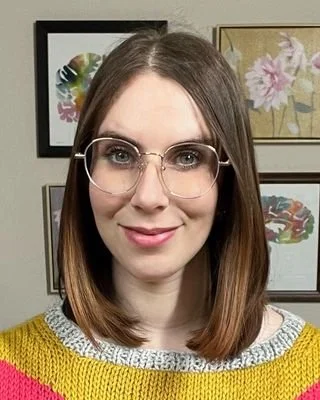
Rachelle Friedman is an Arizona-based therapist serving people with chronic pain and chronic illness. She shares her own experience with POTS, EDS, and MCAS in this episode, truly giving insight into what it's like to constantly feel like you have to fight to be heard. She talks about responding to trauma and how that impacts our relationships with our doctors. Her main goal is to help clients take charge of their lives in an ableist world - no easy task! She gives some really great, concrete examples of how to live with hope and calm instead of from a place of trauma.
Connect with Rachelle:

Meet Destiny - The host of The Chronic Illness Therapist Podcast and a licensed mental health therapist in the states of Georgia and Florida. Destiny offers traditional 50-minute therapy sessions as well as therapy intensives and monthly online workshops for the chronic illness community.