
Imperfectly Perfect: How Art Therapy Helps Chronic Pain and Perfectionism with Zara Drapkin LCSW
A Holistic Healing Approach
Zara begins by introducing herself and her background. Her work as an art therapist is rooted in mindfulness, narrative-based therapy, and social justice. She operates from an LGBTQ-affirming, trauma-informed, and strengths-based perspective. Zara's holistic approach to healing includes incorporating alternative modalities, such as art therapy and phototherapy, into her practice.
Phototherapy: Capturing Healing Moments
Zara shares her journey into phototherapy, a powerful tool that utilizes photography to explore and express emotions. Phototherapy is particularly effective for clients who may struggle with mindfulness or articulating their feelings. Zara encourages clients to go outside and capture what grabs their attention as a form of mindfulness practice. It provides a tangible way for clients to engage with their thoughts and emotions.
Unlocking the Power of Images
For clients who have a meaningful photo but are unsure of its significance, Zara guides them in exploring the emotions it evokes and the stories it may reveal. The beauty of phototherapy lies in its non-prescriptive approach, allowing clients to project their own stories onto their images. This process enables clients to see their experiences from different perspectives and expand their narratives.
Phototherapy and Identity Work
Phototherapy often leads to identity work, helping clients redefine their stories and experiences. By expanding their narratives beyond pain and trauma, clients discover new aspects of their identity and personal growth. Zara discusses the transformative potential of phototherapy, helping clients move beyond problem-saturated narratives.
The Group Dynamic
Zara briefly touches on the benefits of conducting phototherapy in a group setting. Sharing images and narratives with others not only expands the storytelling process but also fosters empathy and understanding among participants.
A Holistic Healing Journey
Zara’s holistic approach to healing, rooted in art therapy and phototherapy, offers clients a unique path to explore and express their experiences. Through these modalities, clients can tap into the mind-body connection and embark on a transformative journey towards healing.
A Non-Traditional Approach
Zara’s approach to therapy is far from traditional. She embraces her unique identity as a therapist, complete with tattoos, unconventional methods, and a holistic mindset. Her clients come to her because they seek something different—innovative, holistic, and creative ways to heal. Zara is drawn to clients who are open to exploring alternative modalities and are willing to embark on a journey of self-discovery and transformation.
Embracing the Wounded Healer
Zara believes in the concept of the "wounded healer." She views her role as a therapist not as an all-knowing expert but as a fellow traveler on a healing journey. This perspective allows her to connect with clients authentically and build relationships rooted in trust and mutual growth.
Leading Art Therapy Groups for Chronic Pain
Zara has extensive experience leading art therapy groups for individuals with chronic pain. These groups focus on themes related to acceptance and commitment therapy for chronic pain. Participants engage in art-making, mindfulness exercises, and open discussions. The creative process provides a safe space for clients to explore their experiences, share insights, and find solace in the collective wisdom of the group.
The Healing Power of Mindfulness
Zara emphasizes the importance of mindfulness in her work, which aligns well with her background in art therapy. Mindfulness practices help clients reconnect with their bodies and emotions, a crucial step in healing from both trauma and chronic pain.
The Synergy of Modalities
Zara describes the synergy between art therapy, mindfulness, and yoga therapy. These modalities work harmoniously to facilitate healing and personal growth. The collaboration between therapists specializing in these areas can offer clients a holistic approach to well-being.
Conclusion
In this conversation, we've delved into the transformative power of therapy and support for individuals living with chronic pain and complex identities. Zara Drapkin, a licensed clinical social worker. Using techniques such as art therapy, she creates a safe space for clients to explore their pain and emotions. This therapeutic approach is a departure from the traditional view of therapy, which often focuses on achieving specific outcomes or goals.
Disclaimer: Everything we discuss here is just meant to be general education and information. It's not intended as personal mental health or medical advice. If you have any questions related to your unique circumstances, please contact a licensed therapist or medical professional in your state of residence.
Destiny Davis, LPC CRC, is solely responsible for the content of this article. The views expressed herein may or may not necessarily reflect the opinions of the guest.
The content in this blog post comes directly from a real, human interview between Destiny and her guest on The Chronic Illness Therapist Podcast. This written version was formatted using AI. Listen to the full episode to hear the actual conversation.
Listen to my full conversation with Zara Drapkin on Ep 2: Imperfectly Perfect: How Art Therapy Helps Chronic Pain and Perfectionism with Zara Drapkin LCSW
-
Episode transcribed with AI and may contain errors that are not representative of the actual word or meaning of the sentence.
So in this episode, Zara Drapkin, licensed clinical social worker with a Master's in art therapy will be helping us take a holistic look at the mind body connection between chronic illness and trauma. She'll be sharing her experience as an art therapist and how this type of therapy alongside other mind, body modalities can be a critical part of the healing.
Zara's has experience working is with working with folks with dementia, older adults, veterans folks, with serious mental illnesses, trauma, and chronic pain, as well as her own experience with chronic health issues. And trauma has greatly informed her work as a therapist, her clients predominantly come to her seeking help with alleviating symptoms of trauma, chronic pain and issues around identity.
And self-esteem. Her work is rooted in mindfulness narrative-based work and social justice and her framework as an LGBTQ affirming trauma informed and strengths-based perspective. In addition to her private practice work, she partners with nonprofits and local schools has led groups at a chronic pain clinic.
And now co-leads a chronic pain support group or the yoga therapist when she's not working. She's spending time with her dog, exploring the trails, close to her home, spending time with community and creating art and shooting. Zara has received the excellence in social work award in 2015, has guests lectured at UC Berkeley and has spoken at national conferences on themes of caregiver, burnout, radical self-care micro and macro aggressions in mental health and on the use of phototherapy as a means of art therapy.
Is there a welcome to the chronic illness therapist podcast? Thank you for having me such an impressive bio. I'm really excited to have this conversation with you of everything I just highlighted. What feels, what were you kind of thinking of as you were listening to your intro? Like, Hmm. I might want to talk more about that or, oh yeah.
That's, that's something that's. It's really interesting to me or something I want to bring forward.
Yeah. I mean, I think the use of art therapy, especially in working with like chronic pain population and just alternative means of healing and wellness and creating, um, empowerment for folks. I think that's been so much of like the path that I have taken to get here.
And also what has helped me heal and my process, um, Yeah, I, I was, uh, there was something that you said that brought something to mind and now I'm not remembering it. So there that
happens. I was curious about photo therapy. Um, can you tell me more about.
Yeah. Yeah. Yeah. So, I mean, I actually always knew I wanted to go into art therapy pretty young.
Um, when I was in high school, I was, you know, an angsty teen grappling with regular high school age stuff. And I like photography was my therapy. The dark room was the most therapeutic place in the world. For me. It taught me mindfulness skills before I knew I, they existed or that I needed that. Um, and then.
Being able to capture what I captured during those years in my life, looking back at it. Now I realized that I was putting, I was capturing everything I was grappling with internally. Um, so the themes that I was focusing on, the types of images I was creating, what they meant to me, all of that was such a profound expression of what was going on for me.
Um, and images speak louder than words, right? And like, it's also this beautiful way to like, Project your stories outside of yourself, see them outside of yourself, engage with them outside of yourself. Um, so that was before I even knew art therapy existed or phototherapy existed. And then once I was starting college, I had, I heard about art therapy and I was like, I need to do this.
Um, learned a lot more about it. And then as I was getting deeper into it found out about phototherapy, which is creative by Judy wiser. And yet it's been around forever. Um, and, and it cares really well to my orientation, which is all rooted in like narrative based work. Um, and so really being able to understand our stories, see them outside of ourselves to.
Which the lens and perspective to practice patience, like radical acceptance, all of that stuff. Um, and photo therapy can be used with your own images that you create images that you're looking at in like magazines and yearbooks and, um, galleries, or like personal photos of like family albums, things like that.
Yeah. Thank you so much for that explanation. I'm thinking about if I'm a client who just never has maybe even struggles with mindfulness, right? Like it's really hard to sit there and I'm like, okay, cool. I have this photo. I know it means a lot to me. Don't really know, you know how to use that now. What's next?
What do you do with that? With that?
Yeah. Well, and I think, you know, if there's someone who doesn't know how to use mindfulness and that's something I'm trying to bring in the first invitation would be like, go outside and capture what, like stop and capture what. Grabs your attention. Right? So now you're being mindful as you are walking outside in nature.
You're thinking about what do I want to remember? Um, and what do I want to hold on to you see this, like plant coming out of the cement that you walk by everyday, but never actually noticed you stop. You take that picture. That's mindfulness, right? You're mindful of your environment. Um, so that's one thing.
If they were like, I've got this picture, I have no idea why it feels meaningful to me then. What can the picture and we talk about, like, we talk about it, we start to explore it. How do you feel when you look at it, does that feeling remind you of something? Is there something about the light or the, you know, and you get to just dialogue with the image and also people, project stories onto their images.
And so hearing, even those stories, even if it's not like, okay, it has a specific memory for you, but what does it elicit in you? Yeah,
Ryan's me up, you know, the Rorschach inkblots, like anything goes, there's no right or wrong, you know, this picture could literally just be like the beam of light that, you know, how it comes across the photo.
And maybe just one more piece of like, what's next after that? Like where do you kind of, it might be hard to answer this one and there's not an actual client in front of you, but where's the closure. Where, when does closure happen? What does that.
Yeah. Yeah. Yeah. So, I mean, I think, you know, it depends on what the person's coming in for, with like, I've done stuff where.
Been working with folks and creating photo books around the themes of, um, whether it be like hope recovery pain. And, and so each day is kind of being able to try to capture an element of it and create narratives around it, whether they actually are writing or talking about it. Um, and then, you know, if the goal is some sort of transformation, then that gets kind of brought into the.
The space. So if it's kind of focusing on like a more problem, saturated narrative, like my pain story, and it's all the pictures that really depict what pain feels like for them, then we're thinking about like, what are the unique outcomes? What are the images look like when, um, that isn't the only thing that's there for you?
Not to say gone, but like, what else can you hold on to? And so then they start to show like also a lot more images of, um, their dog or their feeding, the beach and different things like that, where you start to kind of expand the story, um, and see it, see more to.
Yeah. I could see how this would quickly go into identity work.
Yes. Yeah, yeah. All blends. Yeah, for sure. It feels like a really good jumping in point.
And now we all have our little smartphones for the most part. And so, you know, people are able to, you don't have to carry around a big camera. You just are able to pick up your phone and use that.
Yeah, it feels like it's a, um, a way to, to kind of be in your story without, um, maybe being bogged down by it or kind of held down by that, that narrative.
It's a way to expand the story so that you're not just on like, well, this means this and that's, that's
it. Right? Right. Yeah. So how does, oops, sorry. And then also having. Other people see your image and be like, you know, oh, I see this. Right. And so that also kind of reinforces this like, oh, there's different ways to look at it.
There's different ways to hold on to this.
Yeah. Yeah. I do. You do this in a group setting or.
I've done both individual and group. I, um, when I used to work at the VA, um, I did that pretty consistently with veterans. I did a, um, a group for veterans with PTSD using photo.
Okay. What's like, um, a client, you know, their story or their demographic, or what is something that just like lights you up as a therapist, you know, that you do really good work in that realm.
Um, so complex trauma and chronic pain is really what has come in to be a big area of focus for me. And then my clients, um, I am really luckily. And I guess this is like the benefit of being my own boss. I really enjoy working with all my clients. Part of it is because they chose me. Um, and I chose that.
Right. And so I am not your standard therapist. Like I cuss, I have tattoos. I am an art therapist. I do EMDR like all these things that are just not the run of the mill. Um, I'm my office is in Berkeley. I live in Oakland. Filled with therapists here. Um, and what I offer is slightly different. And so my, the folks that are coming to me just are, first of all, willing to try something different.
They have been through a lot and, and there's, um, this desire for something more and also like, because oftentimes they're seeking me for. Art therapy and EMDR there. Um, there's a lot of creative folks and there's also a lot of folks that are willing to kind of, um, engage or already are engaging in like more holistic, um, Treatments.
And so, you know, I think coming in with that, um, a lot of young professionals, a lot of students and a lot of artists, um, and I'm constantly inspired by all of them.
I love that. Yeah. Our clients, um, they, they are what keeps us going. They do. They inspire me as well. It's um, it's definitely a mutual relationship.
Um, I know we come into the room and it's. You know, as a client's like help me, but, um, it truly is a relationship and
yeah, well, and I'm like, I'm a big believer in like wounded healers and healing in collaboration. Um, and that like, you know, it, and I also take a perspective of like, as an equal, rather than there being any hierarchical kind of relationship.
Since, so I am, I am healing alongside with them. I am learning with them. I am growing with them, albeit looking differently.
Yeah. There's a common metaphor and acceptance and commitment therapy, you know, of a rock climber. Um, and so, you know, I'm with you, I'm on the same mountain and we're both climbing the same rocks, but I can actually see a different perspective simply because I'm farther away from you.
I can see that you're just missing that little. The rock to put your foot on, or so I'm not the expert there. I'm just, I have a different perspective and my own life experience and my own, what I do decide to get trained in and the teachings that I, that I learned from, um, these all helped me gain those perspectives, but I'm not the, I'm not the expert in your life.
You
are. Yeah, that is so crucial. Um, To be bringing as a clinician, because I think there's so many places that are, especially if we're going back to this idea of working with folks with chronic illness, like. They are constantly left to question themselves and their own experiences and their bodies. And I will speak for myself as well in that.
And so having a provider, that's able to be like, you know yourself better than me, I believe what you're saying. Um, all of that in itself has so much healing capacity. Yes. Yeah.
That's a really good point and such a tricky balance because. Um, I think we're often looking outside of ourselves for the answer.
So we go from doctor to doctor, to doctor, to therapist, to therapist, to therapist. And, you know, you might find someone, I think I've found this a couple of times where they come in with that hope and I want to be like, wait, no, here's the tool. So you can do it. And that actually is not where they're at.
They're not ready yet. And so. That's okay, too. That's just a part of your journey and I can see that and maybe I can help you navigate that. And maybe also it's just not a right fit at this time and that's okay. This is just one more stepping stone on your journey,
right? Right. Yeah, yeah. Yeah. I mean, it's that, um, yeah, that, that is, this part is just figuring out where the person is meeting them, where they're at, and also seeing if you're the right fit in that work at that point.
Yeah, definitely. It's, it's a leap of faith. Um, whenever you're, whenever you're going to a new doctor or a therapist or medical professional, because I think it's, you know, we just, we have a, um, I wish there was a better way. We have frequency consultations and things like that, but not all barely any doctors do.
Um, and so a lot of times too, we don't even know what we're looking for. Like, what are we, are we looking for you to tell me I, I have this or here's a medication? Or are we looking for you to say like, no, here's. We just, we don't know a lot of the time, so you're going in and you just don't know what you want or what you need, but you do know when someone doesn't give you what you want, what you need.
And they also think, you know, there's something. And again, this goes back to like, you know, my experience with chronic pain. Also something that I hear from everyone I work with with chronic pain. The rollercoaster ride that that can take you on of people giving you these promises of change, being better, like fixing you.
And that has quotes around, um, different things like that. And, and so also being really careful in that space as even the clinician offering to offer support in this, like not being the magic sex and that that really needing to be understood, even though that can feel really disappointed. Yeah,
no, it's such a good point.
Um, so tell me a little bit more about, you know, your experience, what drew you to this population, whatever you're comfortable sharing and what you feel is important. Um, and even like what you share with clients versus. You know what your boundaries are around
that. Yeah. Yeah. You know, it's interesting. Um, it's only been more recently that I've actually been bringing all of that to my work in a more transparent way.
I had been bringing in the fact that yeah, I have some chronic pain issues for a very long time, but never sharing too much more and more recently. Um, That has felt really important, um, because it absolutely shapes everything about who I am as a clinician. And it's this interesting chain of events in that, like I said, from high school, I knew I wanted to go into the mental health field and I knew I wanted to do it in a more, um, out of the box way, kind of non-traditional ways of working with clients and.
Um, it was then between college and grad school. I endured a pretty big trauma and had to have, um, spinal surgery, had a lot of kind of health issues. And this was right before I was about to start grad school to become a social worker. So it was this weird kind of thing in that. All of a sudden I'm starting this career that I had envisioned in this very specific way.
And I was dealing with this whole new piece. Um, and there was this time of just the acute after surgery healing, and then kind of coming to the becoming more chronic. And, um, in that I spent the first few years of my career really completely being like this isn't part of me, I'm fine. You know, trying to push it away.
And then. As pain does, it would knock you out and then you get back up and you try to run away from it. And, um, and I was really kind of focused on not even thinking about bringing that in as a focus as a clinician. Cause I wasn't, I didn't know how to live with it. And at that time, I started bringing in more things that I was like, oh, this would be helpful with clients.
Oh, this would be helpful with clients as I was doing for myself. So I did a mindfulness based stress reduction class. And I was like, oh yeah, this is very helpful. Like, this is something I need to do. And it'll benefit everyone of my clients. I went to EMDR and like, that was really, really helpful. And so it was like, oh, well this is something that I want to bring in with my clients.
And it works well with trauma. It works well with chronic pain. Um, so it was slowly starting to just lend a little bit of what I was, um, experiencing. And then I would go and get even further trained in because I was like, this is an important skill. Um, So then, you know, it was just drifting more and more towards getting more folks with chronic pain.
And then since I started working much more specifically with trauma, there's such the overlap between trauma and chronic pain. And so it just started becoming more and more at the forefront. And especially because, you know, We are so aware that the mind, the body is deeply connected healing trauma. You have to work with the body healing, chronic pain, you know, all of that stuff.
And so everything I was doing was just pointing more and more towards it. Um, and then I started in 2019 leading art therapy groups for chronic pain. Folks at a chronic pain clinic. And that was the most meaningful work I had ever done. Um, it was actually my most enjoyable thing up until then at my, um, in my work.
And I was like, I don't want to stop this. And so. Since then it's become bringing in more and more opportunity and space to work with folks with chronic pain, um, lead groups, leading art therapy groups for the chronic pain population is, is just a profoundly meaningful, um, things for me because it's something that I connect to on such a deep level.
Yeah. Yeah. It all goes back to that wounded healer, which we can define for the audience, you know, just as somebody who's healing from a place of they've been there, they've been wounded as well. They've been hurt as well. And they've worked through that process. I do think, you know, there's a lot of, um, We have to be really, really careful that we are, we have done the work here.
So I love that you talk about, you know, you did compartmentalize it. You weren't ready to go there because you weren't, you weren't at that point yet where you were feeling healed or on that enough on that healing journey to start to bring that to someone else and say here's a perspective that can be helpful to you, right?
Yeah. So, um, Yeah. Tell me more about, uh, the groups that you run and whether it's the group you just mentioned, or the ones you're currently running, what modalities, obviously art therapy, but what, what does a typical group look like for?
Yeah. Um, so a, when I was first leading them up this chronic pain clinic, it was working for.
Folks who were injured on the job. So workers' comp claims. Um, so really working with this diverse population, I'm half Spanish speaking, half English speaking, um, from all over the bay. And, and that was this integrative pain management clinic. So they would have all these different classes that it would be there all day, um, where they would do, you know, yoga, they would do psychology.
They would meet with their doctor. Physical therapy. And then I would come as the art therapy. And so each week there was a theme themes on, um, around like essentially acceptance and commitment therapy for chronic pain. Um, and so I would make an art directive around each of those weak themes. Um, and so we would have two hour sessions.
We would make art, we would share, um, groups like that. Start with just kind of coming into the room, landing some sort of like mindfulness exercise to kind of bring them into the body and then bringing in the group a quick kind of discussion or. The theme, offering an invitation to do the art. Um, and while the art making is happening, we have music playing and there's this informal dialoguing that happens.
That is amazing because they're kind of talking about what they're creating, but they're also talking about their lives and it's where like the group starts to come in and hold each other. Um, And then we process the art. Um, and that becomes this open discussion where one of the group rules is always like ask before giving feedback.
But in that process, there can be this feedback given back and forth around how one person's art piece elicit something for them or sharing kind of what the art means for that person, different things like that. Um, and then closing kind of coming back into our bodies right now, the group I'm leading. Um, in conjunction with the yoga therapists that I used to work with at the chronic pain clinic.
Um, and we had our groups one after the other, and it was just like, there was this way we could see the impact of each other's work so beautifully, um, and how they blended so well. Um, because I am so much rooted in mindfulness and. Yoga obviously is bringing in so much of mindfulness practices. And so, um, you know, I started during the pandemic spending a lot more time with this yoga therapists going for walks, having talks about all of this and we envisioned this group.
And so, um, we're in. We're a little over halfway through the first group of it. Um, and it has just been fantastic it's for women and gender expansive folks. So coming in with these intersectional identities of living in a body with chronic pain, um, so we start our group every week with a song. And as the song is playing there, you have their art supplies out, and they're just kind of connecting to the music through images and that's the landing spot to come to this space.
And then we go into the group. Um, my friend Dina who's, the yoga therapist offers some kind of mindfulness practice, some body movement practice. We go in to kind of the week discussion before each week, we have invitations of either a journal prompt, a mind body practice, or an art therapy invitation. So everyone gets a chance to share it.
And then we talk a little bit about the theme for the next week, have a little bit of process space around it and art therapy exercise. So they'll have time to do some art, come back together, share the art process that, and then ending with some mindfulness or body movement, yoga poses. And then, yeah, that's our group and it's this really lovely kind of like blend through all of the, um, Parts that I think are really helpful.
And being able to externalize connect, um, bring into your body, turn towards your body.
Yeah. I'm hearing. What I'm hearing underneath. All of it is pure connection with one another with your own body and the art therapy piece and the movement piece, I think really gives us a good amount of healthy distraction.
Yes. So that you're not like going in. Okay. How do I connect to this person? You know, you think. Yeah. How do I connect to this person who I don't know, and you kind of have the same experience of me as me, but there's also a lot of differences here. And so, you know, you can get really caught up in your head, I think.
And it sounds like everything you're doing just gives a really, really solid foundation for connecting rather than like that awkward kind of like, what do we do?
Yeah. Yeah. And, and it's interesting. Cause like one of our first questions and kind of starting the group is like connect. Like what was your last moment of connection?
Whether it be. Tati to something in nature to a plant or an animal to a person. Um, and you know, living in chronic pain, there's so much just association and disconnect that happens from the body and just from being present. And so finding safe ways to like turn towards yourself to, to be more present.
How
do you help someone who is like you ask these kinds of open-ended MINDBODY questions. And they're kind of like, I don't even know how to answer that. Like how be our last connect to someone. I don't know what that means. How do you, what do you do now?
Yeah. So, um, what we normally, what I would do in a situation like that is kind of talk about it in this very expensive way.
So I can say, you know what, um, an example I might have was this morning, I woke up and my dog had her head on my chest. Right. And I looked down and I like, she looked at me and her eyes and we had this moment of like connection. Right. And so it was this brief moment, but like there was some connection and maybe it's.
When you get in the shower and you feel the warm water on your toes, right? Like there's a moment of connection. And so just giving some examples and making it feel maybe a little bit less threatening, because we all have these moments, even if so much of your time is disassociated. If we can break it down into like a.
A taste that is familiar, then they can be like, oh, look like these, this is what I'm actually doing it. Or if it's like still, no, then maybe it's like, okay, let's try something here right now. And they're like, I'll hand them some clay. Right. And it's like just molded in your hands. And what are you noticing with the texture?
What are you noticing on the like, um, smell and look, there's a moment of connection.
Yeah. Yeah. You're bringing in the normal mundane, really the pieces of life that really, um, this is what makes life up. And I think social media kind of does a really bad job at making us think that moments of connection needs to look like jumping into your partner's arms on the mountain top it doesn't.
Yeah, it does not have to be that big. It really is these tiny moments that just allow you to feel I'm alive right here. Right now in this. And, and I think that also helps you find moments when you're not in pain as well, which is really important when you live with chronic pain, it feels like you're always in pain every moment of every day.
And we really want to find moments where that, that isn't true in a really, um, genuine way, like a way that feels good to.
Yes. Yeah. Yeah. And that doesn't feel like it's like saying well, and your pain doesn't exist. Right? Like that's something that can feel so threatening in that space. Um, and you know, one of the things that has been so radical for me and like a shift in perspective came from like a really horrible pain flare where I was just seeking.
Pulling out every stop I've ever learned from every therapist and every body worker and everything. And I listened to this one meditation and it was talking about, you know, like the space between the breath. And I was like, holy crap, like that small, small, small space is when I have a relief from pain.
Um, even if the pain still there, it's so much less. So that's been in this amazing anchor for my own body of like right there, no matter what I can find, like those small moments of connection and, and it being okay.
Yeah. Can you describe a little bit more of the space between.
Yeah. Um, I loved it in this meditation and I feel awful that I do not know the name.
It was on insight timer. It was one like in the middle of the night, you can't sleep meditation.
If you find it, email me and I'll put it in the show now.
Um, but she was talking about the space between the breath, like the branches in the tree. Um, and so really that visualization helped me so much in understanding this.
So. Being able to kind of think about like that in breath and then that space between the in breath and the out-breath of that, like, just, and for me, there's like an expansiveness that happens right there. And then the out-breath like, then I might feel more of the constriction and more of the pain. And so that imagery of being able to kind of see like the in breath as a branch, the space between like the branch.
And then the out-breath the
branch. Yeah. And is it kind of like a pause for you? It's a pause for me. Okay. I was wondering if it's the same experience there. It's like this pause that is so subtle. And until someone pointed out to you and says, there's a space in between your in breath and your out breath, you literally just will not see it or
feel it totally.
And that space between might actually be more painful for someone else. Right. And so like this being like one thing that I have found for my body, and that's something that like, especially in our group that we're leading right now, We'll bring in all these practices, but not all of them will work for everyone.
Maybe only one will work for you, but like, Hey, then you have one tool that offers you some sort of, kind of support in these hard moments.
Yes. Yeah. And just defining what work means, you know, we're now talking about getting rid of your pain. We're just looking for ways to support you when you are in an immense amount of pain.
Sometimes that support does reduce the pain. Other times it doesn't. For me, how I define work is when you're able to feel the pain, provide support for yourself or get support in your life and then do what's important to you. So that's so different than pushing through. Like, I'm just going to push through my pants.
It's a subtle difference that can you speak to that? Yeah.
Yeah. I mean, it's really interesting because, um, this is something that I've personally grappled with for quite some time. And I talk a lot about with my clients is like, there is a very tight rope and walking around, um, you know, Honoring your pain as it is.
And like, does that mean like resting and taking care of yourself and not doing anything and also staying connected to the things that are really meaningful for you? And so that balance of like, when do I, like, when are the pain messages, messages that I need to slow down and they rest, what are the pain messages, messages that are there, but don't need to necessarily close doors for me.
Um, and so that is the. Dance that I think takes a lot of awareness, a lot of like practice and error, um, or trial and error, and then, and, and coming back and really reflectively, um, you know, processing it. And so I think, you know, in terms of offering that with clients and even in my own work, I think it's, it's a constant dialogue and it's a constant kind of continuing to.
Tune into what are certain cues and what a certain cues mean for me versus just like the normal noise that exists.
Yeah. Yeah, absolutely. The noise, I think is huge. When you learn to pause, sometimes the noise increases most of the time. It increases when you're first learning because you haven't given yourself time and space before to, um, to have these, this inner drive.
And so in your body, when you finally say here, you're allowed to have some space, of course it's like every part of you is just yelling, saying, hear me, hear me, you haven't been listening. And so that's, again, you know, the pain can increase sometimes and a lot of times emotional and physical pain. And I love, I love that art therapy, uh, you know, maybe you can speak to this, but art therapy sounds like it just provides the space for all of that.
You can draw whatever you want. You can take pictures or whatever you want. You can sing, you can dance, you can do all these modalities and no matter what to express what's happening, not this like positive only thing at the end that you think should
have. Right. And so our therapy is like super process-based.
So I'm a big fan of CR, right? Like it's not even about making this beautiful product, but it's really about like putting it outside of you and being able to see it in that way and to engage with the materials and, and, um, I mean, it helps with the externalization. It helps with being able to see it outside of yourself, which sometimes also offers space for compassion.
Um, you know, like. Two weeks ago, I had folks like really sculpt their pain if they were to hold it in their hands and to be able to see their pain in their hands and dialogue within that way. Hey, is, is something that's really powerful or, you know, this past week we were talking about our pain stories, right.
And then negative. Dominant narratives that we hold about ourselves sometimes such as like I'm broken. Um, I, we, uh, my body's like, does it matter? Whatever these things that we can internalize are and being able to. But the essence of that. And so with art therapy, it's oftentimes color, shape, form, not even needing to make these like specific images, but just connecting to it in this more fluid way.
Um, so we put that on the paper and then we ripped it up and we cut it up and we deconstructed it to create a new image. So there's just this process that can happen in art therapy. Um, and. Or chronic pain is, and chronic illnesses are invisible. Oftentimes, um, being able to like show it is actually really, really powerful.
Yeah,
I love so many different aspects of that. But what, what kept coming up for me is like how many of us were raised as children and not just by our parents, but also in the school system. Everything's about doing it right. Getting it right. If you're reworking something like, think about a math problem.
Like maybe you even have great teachers who help you with that process. But the goal is always the end goal of getting.
Yes. Yes.
So I would imagine a lot of people really do you see that struggle a lot in your work and you know, how
do you work? Yeah. Yeah. I mean, most folks, you know, stop making art after elementary school, right?
Like so many fields. And so, and then the inner critic comes in and the inner critic can be Savage. Right? Like the inner critic is telling you really awful things about what you're trying to create or that you can't create. Um, First of all, it's always starting with like my mantra that stick people are people too.
Um, and so it really has no need to look a certain way. And then also in the initial invitations, I will make it in intentionally something that you cannot do perfectly. So it'll be like drawing with your eyes closed and then. Yeah, the page and creating an image with all the scribbles, um, you know, different things like that, that start to kind of lower the expectations or pressure where it's like, here's something I'm inviting you to do, and I want it to not be good.
And, um, and, and you can't be right. Like, you actually can not create a beautiful, perfect image because that doesn't exist. But also, um, with your. So, so that's kind of the way I'll start to bridge that with folks or, you know, it might mean that, like we do a little bit of parts, work of understanding what is this, um, inner critic and, and are there ways that we can kind of get the inner critic to step aside to let us try.
Yeah, you have blown my mind with the last part of it, where it's like take now what you ripped up or what you deemed, you know, that beginner piece and create something new with it. I'm like that is I'm going to hold that piece with me and take it with
me. Yeah, no, it's great. I mean, that's the lovely thing about art therapy is you get to, you get.
Change it right before your eyes, which helps plant those seeds for these changes that we're trying to make, um, for ourselves when you're seeking therapy in these different ways. The other thing I think, as like a therapist is, um, and as a client, right? You can say the things to the client, but it's never actually, like, it's not going to do it unless the client feels it and believes it, right.
Like that that's where the real healing happens. It's when there's that internal kind of knowing and connecting. Um, and I think sometimes art therapy and definitely EMDR, like both really help in that. Well lending like emotion and logic and integrating in a way that feels genuine.
Yeah. Can you speak more to an MBR?
Um, I know some people have a great experience and other people have a not so great experience with it. Can you speak to maybe your experience, how it helped so much and then how you, how, what the mechanism is that helps people here? Yeah. Yeah.
So, um, The MDR eye movement, desensitization and reprocessing.
Um, you know, it is something that I had known nothing about until I tried it. Um, they don't really teach you about it too much in school. Um, and, and I didn't really understand too much about it. I, but I had been told. It'll really help with your trauma. And, um, and so I was seeking it initially for just kind of being able to, um, deal with some of the trauma symptoms I was dealing with and my experience with them.
Deeply visual. Like I had a lot of images come to mind and the process of doing the EMDR and it inspired so much artwork for me that really helped me in just my reoffering of my pain story and my moving through a lot of the things for myself. Um, art therapy, my own art therapy through everything has been.
Probably the most helpful part in my healing. Um, and so I was finding these ways that like the EMDR in addition to art therapy was tapping into like the mind and body stuff in a much deeper level. Um, and I think, you know, there's specific protocols with EMDR for chronic pain, but also EMDR. Is like part of it is just where's the trauma held in your body and it's working through those stories and the body holdings.
And so for folks who are coming in with, you know, their chronic pain or chronic illness as a result of trauma, That's this really beautiful way to move through that. Um, I think the thing that I love the most about EMDR is like as a clinician, to be able to step back and just hold this space for the client to tap into their innate healing or their innate capacity for healing is phenomenal.
And it's so empowering for the individual. And that's what, like my. Goal as a therapist is, is to help empower my clients to, um, you know, connect with themselves, communicate for themselves and, and feel good as themselves.
Yeah, I think it, I love that you talk about just holding the space for the client.
Um, in somatic, experiencing the founder, Peter Levine, he talks a lot about, um, and one of his books, especially he talks about just being seen and also doing this work in the presence of someone else, because, and it's not just about. So we're communal, we're communal species. We thrive in community, but it's, it's about safety.
If your body is, uh, if you're going to try to attempt to go into a place that is harmful or hurtful your body, not even your mind, but your body just needs to know that it's safe. And if someone else is there, your body's like, oh, okay. If something happens, you'll take care of. Yeah. And that that in and of itself is so we don't even have to do a whole lot of work to feel that it can just be as simple as I have the capacity to heal.
And when we say heal, we just mean. Uh, moving through trauma or moving through painful emotions and physical pain, but it doesn't mean cure necessarily. So I just wanna put that out there. Um,
it is an important, um, kind of thing to, yeah.
Yeah. Yeah, we, we, we need to be seen. And I think a lot of us struggle with being seen because growing up being seen meant criticism.
It meant you're not doing it right. Or it meant, um, I want to be seen, but maybe you're not looking at me. And so that's what we're used to. And so that's where some, you know, some of the childhood trauma and, and emotional neglect comes in for me as a therapist.
Yeah. And so working with the, um, childhood emotional and like black, just childhood trauma, uh, in general, I would say a big part of my work is also, um, very much attachment based.
Um, and so, you know, there's just the, first of all, creating that relational space for healing, um, of letting an individual feel really safe to have their feelings really. Safe to tell their stories, being able to feel held, being able to feel honored and appreciated, um, that in itself has a lot of healing.
And then there's this specific kind of ways of engaging with that. And I've been really lucky. And as a clinician I've had in my previous jobs exposure, So lots of different modalities. So then it kind of is dependent on the person I'm working with, what modality to bring in. But if you're working with childhood emotional, like black, I would, um, oftentimes explore narrative-based approaches.
I would explore bringing in EMDR, um, and, and use those kind of tools to help in. Helping offer space to reparent and, um, you know, to also let the individual do their own reparenting work. And then also the relational kind of, um, attachment healing that can happen with the therapist.
Yeah. Which, yeah, it definitely helps us then go out into the world and, and re um, repair.
Our relationships or, or find new and healthy relationships with others, which is at the end of the day with any of us.
Yeah. And it's really, I mean, that's the hard part that oftentimes comes in. This is then there's this recognition of like, oh crap. Like not only did I have this horrible kind of like upbringing where I was mistreated, but then I kind of expected that that's how I was to be in relation to others.
And so then kind of. Styling that it's like, do I re do I have space to repair those relationships? Or does this mean I'm pulling back and I'm creating more space for relationships that really do honor me. And that could be part of in that
process. You said that can be a painful part. Yeah, absolutely.
There's lost there. Even when you're moving towards something better or something better for you, there's still the loss of whatever it is you're moving away from. And I think that's a really hard concept for people to grasp. Right, right.
Yeah, yeah, yeah. That a lot with folks who set the boundaries for the first.
Yes. Yeah. Last comes with setting boundaries too, for sure. And it is, it's really hard. It's like, wait, I thought this was supposed to make me feel better, but that's not that. I hesitate to say it, but that's not the goal of therapy at the end of the day. I mean, I think many of us do end up feeling better when we go through all these different layers and processes and we found our tribe, we found our people, we found the things that are meaningful to us.
We do end up feeling better, but if you look at that as the goal feeling better, It tends to hinder progress.
Yeah. It's about living fully is what I, um, really kind of come back to it's it's about being able to have space for more joy and different things like
that. As we're talking about trauma, um, there is this concept of ma maybe you have.
Uh, I find it, find it hard to believe that people with chronic pain have not had any other type of trauma in their life, but let's just say you didn't have any other trauma. Um, you know, it could happen. Um, there is the trauma of them living in your body with chronic pain, feeling like your body's attacking you or feeling like you can't move the way you want.
So you're kind of stifled or stuck. Can you speak a little bit to that. And does that come up in your groups or in your individual work at,
yeah. Yeah. And I think, um, you know, even if folks with chronic illness, chronic pain have not had prior trauma, which I can set is oftentimes quite uncommon, but not non-existent.
Um, There is the trauma of living in a body with chronic pain. And there's also the trauma of navigating healthcare systems as a chronically ill person, um, that is deeply traumatic. Um, and I know a person that I work with has, has experienced that trauma. Absolutely. Um, and so there, there's already an access point and so there's a stress response and he was interesting in our group the other day.
I said, I just want you to bring to mind going to the doctors. And everyone experienced the stress response. Um, and so that's trauma. Um, and so, you know, it's starting to be able to understand kind of our associations with our body when it's starting to get its pain cues and, and how that kind of creates a pull into the cycle and maybe like deepens you into the cycle a little bit.
And so are there ways to. They, we are going to fix the pain, but if we can adapt the ways that we respond to the pain, if we can kind of bring a calming to work system in that space, does that mean it's going to be able to help just kind of disrupt the cycle a little bit and, and that has been something that has a lot of power for folks.
Yes. Yeah. Disrupting that cycle is important. An object in motion stays in motion. So when we're on that, on that ball of everything is hard. You know, the health care system is hard to navigate. My relationships are hard to navigate it. It really does snowball into like everything around me is hard. And again, this goes back into like making sure we're not invalidating and there are several ways to do this through somatic experiencing act as well as I'm sure EMDR and art therapy, but making sure that we're, we're inviting those moments where something is not.
Without saying that means your pain isn't hard or let's just focus on the positive. Nope. That's not what we're doing. It's it's just inviting some respite because this is so.
Well, Amber also explain it as like inviting an ant, right. It actually is not even necessarily to say like, um, instead of, or whatever, it's just say like, can you be in a body that's with pain and feel the peacefulness of sitting outside on a sunny day.
Um, and so even just that, that am space is important
work. Yeah. And I know within my own work, it can be hard sometimes for our clients to even sit with that, getting there to the end, it's like waiting. I mean, as soon as you start to invite that, that good feeling, it's like, whoa, wait the pain here. Uh, it doesn't want to be overshadowed, so we, yeah, we don't even have to, you know, go all into that.
But I do think that it's, um, just an experience that I've noticed a lot and working with. Lots of validation and lots of like your pain is it's one. It's welcome here. You can talk about it. You can talk about it as much as it feels helpful to you at a certain point, it may stop feeling helpful. And can we be open and willing to, to allow for that, knowing that I'm not going to say, okay, well, You realize your pain is, is not helpful or something's unhelpful here.
That means you should always feel this way now is just one moment of respite. And can we just honor that?
Yeah. And I think, you know, you're speaking to. Very understandable and true part is like that to get to that place takes time and trust with a clinician because otherwise it feels like I'm gaslighting, right?
Like much of being in medical systems can feel like gaslighting when you're trying to figure it out. What's going on with me. Can I get help, whatever that might be. And so if that's what's coming up for the person, then it's really just taking a step back. And, and that's where kind of finding more ways to dialogue with the pain, to see the pain, to work with it.
And through maybe some more art therapy stuff is, is where we need to be. And when it's right to move towards this, like, and peace, um, I that's, when we go there,
Yeah. Yeah. Well, as we come to a close I'm, I feel like I could talk to you about all of these topics where a whole podcast episode, but as we come to a close, I'm wondering if you have any kind of like short little go-to confidence boosters for people who, um, maybe have a really strong inner critic or have a really strong, um, block to, to sitting in some of this work.
Yeah. So one of the things that I have really been leaning on specifically more recently, but, um, there's different variations of. Um, when I'm really feeling struggling with my own inner critic or when I'm just feeling really down, um, I will, most recently I've been playing with like alcoholic drinks, um, which is this amazing process where you really are giving up all control and you're just dropping these inks and then you're dropping in the alcohol solution and there's making all of these.
Universal movements and the colors are blending and these forms are shaping and you just completely release control into it. And it's beautiful. Right? And so there's like this soothing aspect of it. There's this letting go of control. And, and then you actually create something out of like messiness that is.
Beautiful. And so that really me and just kind of like letting that inner critic that perfectionist know, like, Hey, there's other ways. Um, it allows me to stay kind of present in something I'm doing and, and that is enjoyable. Um, so that's one variation of it. Other ones I like, I love blind contour drawings that helps me just kind of in a similar way, like go, um, Expectations perfectionism and then create something that's kind of silly.
Um, and so that just feels good to connect to myself in that way. I think when I'm feeling really down in something, or really the inner critic is really loud, I just connect in the playfulness. That's pretty inherent in me. And so finding little ways to reconnect to that helps. And then lastly, Outside. I am the biggest believer in like ecotherapy nature as therapy.
And so finding little spots to like connect, to be. The way that nature is beautiful, despite its differences. And despite its kind of, I mean actually with its differences and even more so because of them. So like these funky Oaks or um, you know, these wrangled trees and being able to like sit with them and be like in awe by um, and like their whole process, I think helps always me feel more grounded in like whatever state I'm in.
Yeah, absolutely. Thank you for explaining that. So beautifully. You know, I think a lot of people hear certain pieces of advice sometimes, and it's like, that's not going to work, but the way that you just explained it all, it makes perfect sense. It's like, this is about letting go of perfectionism. This is about letting go of what you think is supposed to be.
And as you see that on the outside of yourself, whether it's through alcohol inks or standing outside and watching the tree, what have you, you can then connect back to that in your own body. It's okay. If things aren't as I want them to be, or as I think they should be exactly.
It's really about like, how do I just connect my thoughts?
Right. And like, and these are ways to disconnect from my thoughts that kind of consumed me and, and settle me. Um, and so I think that's the best way to kind of get out of those places is like, how do we move away from these stories? We're holding. Yeah.
Oh, thank you so much. Sorry. I think people are really going to get a lot out of this episode.
You gave a lot of really tangible things that people can go and try. And I hope that if it resonates, then they'll find an art therapist who, um, has yeah. And cares as much as you do. It's clear that you love your work and it was great talking to you. It's great
talking to you. Thank you so much.

Listen to Zara’s interview with me, Destiny Davis, on Ep 2: Imperfectly Perfect: How Art Therapy Helps Chronic Pain and Perfectionism with Zara Drapkin LCSW
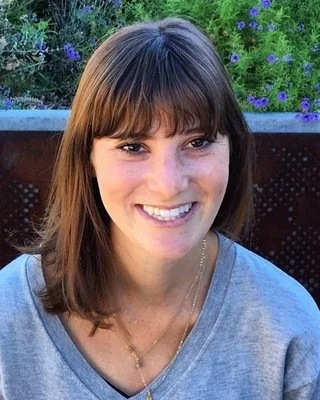
Zara Drapkin a licensed clinical social worker and art therapist, who provides a unique perspective on the mind-body connection in the context of chronic illness and trauma. Zara's extensive experience in working with diverse populations and her journey with chronic health issues and trauma make her a valuable resource in the world of therapy and healing.
Connect with Zara:

Meet Destiny - The host of The Chronic Illness Therapist Podcast and a licensed mental health therapist in the states of Georgia and Florida. Destiny offers traditional 50-minute therapy sessions as well as therapy intensives and monthly online workshops for the chronic illness community.