
When Your Doctor Believes You: Finding Care For EDS, POTS, MCAS
I'm a licensed professional counselor who specializes in chronic illness, and I can't tell you how many times I've watched the relief wash over someone's face when they finally find a doctor who believes them. Not just someone who nods politely and orders another round of normal labs, but someone who genuinely gets it.
That's why I was so excited to sit down with Dr. Kara Pepper, a board-certified internist in Atlanta who specializes in eating disorders and complex medical conditions like MCAS, EDS, and POTS. She's spent the last few years building a practice where she can actually spend time with patients—an hour, not ten minutes—and dig into what's really going on.

The First Thing That Helps: Someone Believing You
Dr. Pepper told me something that made me want to stand up and cheer: "If I stopped there and did nothing else, I think that's probably hugely therapeutic for patients just to feel like someone's listening."
She's talking about real, genuine validation.
By the time most people get to her, they've seen dozens of doctors. They've been told their labs are normal, maybe that they should try yoga, or to go see a therapist (not because therapy could help them process medical trauma, but because the implication is that it's all in their head). They're frustrated, exhausted, and often questioning their own reality.
Dr. Pepper's approach starts every new patient relationship with a talk: “Most people who get to me have seen multiple doctors, are frustrated with our healthcare system—if not overtly traumatized—and they're looking for someone who can help them feel like they're in charge of their health.”
And then she says the words so many people have been waiting to hear: "I believe you. This is real. I know you're not faking it."
Why Your Tests Keep Coming Back Normal
Dr. Pepper explained something that I think every person with chronic illness needs to hear: modern medicine is miraculous when you fit in the box. She says, “we can do organ transplants and genetic modifications and all kinds of amazing things.” But if you don't fit in that box —and most of her patients don't—it's really hard to get answers.
These particular diagnoses don't always have reliable testing. You can have batteries of labs, scopes, and scans, and they're all looking for structural diseases. Things you can see with your eyes or detect in the labs. But conditions like POTS, MCAS, and EDS are often functional problems, and we just don't have great tests to pick them up consistently.
That doesn't mean you're making it up. It means the tests aren't looking for what you actually have.
These are clinical diagnoses. That means a doctor who understands these conditions needs to listen to your story, put the pieces together, and validate what your body has been telling you all along.

The Eating Disorder Connection Nobody Talks About
One of the most interesting parts of my conversation with Dr. Pepper was about the overlap between eating disorders and this triad of conditions—EDS, POTS, and MCAS. And it might be what you think.
Dr. Pepper started her practice focusing on adults with eating disorders. But as she puts it, no one "just" has an eating disorder. The more she started digging with patients, the more these other invisible illnesses came to the surface.
Here's what that actually looks like: Someone comes in with what looks like a classic eating disorder. But when you really listen to their story, they tell you that as a kid, they just didn't feel good before or after they ate. Maybe vegetables made their mouth tingle. Maybe certain meats upset their stomach. Maybe leftovers always made them feel terrible.
So they stopped eating those foods. And they got labeled as a "picky eater." Or they started losing weight and got rewarded for it, and then restriction took on a life of its own. Or they kept throwing up after meals—not because they were trying to be thin, but because they genuinely didn't feel good—and someone diagnosed them with bulimia. It can be hard to distinguish, because even when their primary reason is physical discomfort, the words they say might be related to weight stigma messages that are so pervasive in our society.
Dr. Pepper explained it this way: "Sometimes the eating disorder itself is the trauma that provokes the MCAS. Sometimes it's that people had medical-based food reactions (that they did or didn’t have the language for) that led to restrictive behaviors."
It's bidirectional. And it matters which came first because it changes how you approach treatment.
If the primary issue is anxiety with OCD that's showing up around food, Dr. Pepper explains, you need to treat the anxiety and OCD. But if someone has been having real physical reactions to food since childhood, you need to understand what those reactions are about. Otherwise, they're still going to have feelings about the food they're eating, no matter how much exposure therapy or trauma work they do.
What Actually Helps (And Why It's Not Just "Drink More Electrolytes")
If you’re somehow not yet convince she understands, here’s another quote from our episode: "Nothing is more infuriating to patients than when I'm like, you know what? You should try to drink some water with some electrolytes in it and also sleep more and be less stressed out."
She gets it. Most people have tried the basics by the time they show up. Her job is to offer a selection of things they might not have tried yet.
For people with POTS, one of the most profound interventions she's found is actually looking at blood vessels. She says, “if you have a connective tissue disorder like EDS, your joints and muscles are stretchy—so it makes sense that your blood vessels might be too. When the blood vessels in your legs are too stretchy, blood isn't getting back up to your heart efficiently. And no amount of salt, water, compression socks, or physical therapy is going to fix that if you literally have a mechanical problem.”
She sends people to vascular specialists who can actually look at their blood vessels with an ultrasound. Some people end up getting stented in their pelvis or having procedures to close up veins that aren't working well. And about 80% of people get better.
It's not magic. It's just understanding what's actually happening in someone's body and addressing the root cause instead of throwing generic advice at them.

The Medication Conversation Nobody Wants to Have (But We Did)
Dr. Pepper and I talked about something I see all the time in therapy: people who are terrified of medication but don't always know why.
Sometimes it's philosophical. There's a growing belief that if you can't fix something naturally, then you're not really fixing it. That if you need to take something to manage your condition, you've somehow failed.
Dr. Pepper's take? That's pretty black-and-white thinking. We wouldn't look at any other condition so rigidly. We need a diversity of approaches.
She also acknowledged something important: some people with MCAS do have genuine reactions to medications—sometimes to the active ingredient, sometimes to fillers or dyes. When that's the case, working with a doctor who understands compounding or microdosing can be really helpful.
But she was also clear that medication fear isn't always about physical reactions. Sometimes it's about past medical trauma, or messages we've internalized about what "counts" as real healing. And that's worth examining too.
Her approach is to start low and go slow. Compound medications when needed to remove reactive ingredients. Listen to what patients are experiencing. And recognize that for most people, medications are tools that can be used safely and effectively—especially when you're working with a provider who takes time to understand your full picture.
And most importantly, believe patients when they say they're sensitive to medicines, because in this population, it's typical.
Finding Doctors Who Get It
This is the question I get asked constantly: How do I find a provider who understands these conditions?
Dr. Pepper's answer: community.
Not just for emotional support, though that's important too. But for practical help. Facebook groups and organizations like the Ehlers-Danlos Society can tell you about providers they’ve had luck with in your area. The people in these communities have already vetted the pelvic floor physical therapists who understand hypermobility, the doctors who won't dismiss you, and the therapists who get it. In fact, about 20% of my referrals come from our local Ehlers-Danlos facebook group.
Nobody wants to waste time and money going from doctor to doctor. Community helps you skip that painful trial and error.
And here's something else I loved: Dr. Pepper herself learns from her patients. Her first MCAS patient came in years ago saying, "I've done all this research, I've talked to people all over the country, this is what I think I have." And Dr. Pepper had never even heard of it. We don't learn about MCAS in med school—the research wasn't really out until 2010-2012, so there's a whole gap in knowledge for mid-career physicians.
Instead of dismissing the patient, she got curious. She learned. And now it's a huge part of her practice.
Why There's Reason for Hope
Dr. Pepper ended our conversation with something I want every person reading this to hear: "Don't give up. Medical knowledge is rapidly evolving. We used to leech people for a living—we thought that was a really great idea to get rid of bad humors. We decided that's not a great idea anymore."
She's seen huge advancements even just in the course of her career, especially in this disease subset. Things are moving forward. Technology is helping. There's a growing community of physicians who are publishing research, talking daily about how to better treat these conditions, and actually moving the science forward.
Yes, we're still in the early stages compared to more well-known diseases. But it's getting better.
Even on the days where it feels pretty hopeless, hang in there. Find your community. Keep advocating for yourself. And know that there are providers out there who will believe you, who will sit with you in the mess, and who will partner with you to find answers—even when those answers don't fit neatly in a box.
Disclaimer: Everything we discuss here is just meant to be general education and information. It's not intended as personal mental health or medical advice. If you have any questions related to your unique circumstances, please contact a licensed therapist or medical professional in your state of residence.
Destiny Davis, LPC CRC, is solely responsible for the content of this article. The views expressed herein may or may not necessarily reflect the opinions of the guest.
The content in this blog post comes directly from a real, human interview between Destiny and her guest on The Chronic Illness Therapist Podcast. This written version was formatted using AI. Listen to the full episode to hear the actual conversation.
Listen to my full conversation with Dr. Kara Pepper on Ep 108: When Your Doctor Believes You: Finding Care For EDS, POTS, MCAS
-
Episode transcribed with AI and may contain errors that are not representative of the actual word or meaning of the sentence.
Kara Pepper
Kara Pepper, MD (she/her): [00:00:00] don't give up. Medical knowledge is rapidly involving. I joke that we used to leach people for a living.
We thought that leaches were a really great idea to like get rid of bad humors, and we decided that that's not a great idea anymore. And similarly, what we're seeing is this rapid advancement, especially now with technology. That things are moving forward, which is really amazing. So definitely in the course of my career, I've seen huge advancements, even in this disease subset.
So hang in there. It's getting better even on those days where it feels pretty hopeless.
Therapists join us at the Chronic Illness Therapist Conference this March 6th and seventh, 2026 in Atlanta, Georgia, or virtually. This will be an interdisciplinary CE based conference that's bringing together mental health professionals, physical therapists, registered dieticians, and allied health professionals who wanna deepen their skills in chronic illness informed care.
Which goes way beyond just trauma-informed care. Earn continuing education credits while connecting with colleagues who truly [00:01:00] get it, and your early bird special pricing is open right now until November 15th, 2025. Registration is open now and you can visit chronic illness therapists, plural chronic illness therapists.com to sign up and also read all about the accommodations that we've built into this conference to make your in-person experience as comfortable as it can be.
The chronic illness therapist conference is where clinical excellence meets community, and we are so excited to have you.
The Chronic Illness Therapist Podcast is meant to be a place where people with chronic illnesses can come to feel, heard, seen, and safe. While listening to mental health therapists and other medical professionals talk about the realities of treating difficult conditions, this might be a new concept for you, one in which you never have to worry about someone inferring that it's all in your head.
We dive deep into the human side of treating complex medical conditions and help you find professionals that leave you feeling hopeful for the future. I hope you love what you learned here, and please consider leaving a review or sharing this podcast with someone you love. This podcast is meant for educational purposes only.
For specific questions [00:02:00] related to your unique circumstances, please contact a licensed medical professional in your state of resident.
Destiny Davis LPC CRC: Dr. Kara Pepper is a board certified internist in Midtown Atlanta, specializing in eating disorders and complex medical conditions, including M-C-A-S-E-D-S, and pots. With 20 years of experience, she offers trauma-informed inclusive care, grounded in health at every size philosophy licensed in 17 states. Dr.
Pepper provides both in-person and visits and she's known for partnering closely with patients and care teams to craft individualized plans that honor each person's goals, values, and lived experiences. Her practice is especially welcoming to those marginalized or harmed by the healthcare system, offering a safe space for whole person patient-led healing.
[00:03:00] Thank you Dr. Pepper for being here. I'm really excited to talk to you today. as I was just explaining off air our, this audience, you know, struggles a lot with finding a doctor that understands their conditions. Mostly what I'm hearing these days is a little bit, step in the right direction. It's like, oh, okay. I. know of the condition you have, but like I can't treat it, so then they're still kind of left without treatment. I would love to hear a little bit first about how you started your clinic and some of your background experience, and then maybe we can start talking about how you approach care with patients.
Kara Pepper, MD (she/her): Sure. Thanks for having me. Um, well, I'm Kara Pepper. Uh, I got into this work kind of by accident and this work, I mean, being a doctor and then finding my kind of niche in medicine. Specifically I was a ballet dancer and had an undiagnosed eating disorder, which ended my career ultimately. Um, and found my way into medicine 'cause dancers and doctors are the same people.
Um, that's [00:04:00] a whole conversation. But anyway, um, found my way into this and after training joined. Typical, um, big practice, uh, that was eventually bought by a hospital system, and it's exactly what you think of with a big hospital owned practice, commercial model. We take all insurances, et cetera, and. Um, as your listeners are well aware, I'm sure that our healthcare system is designed to make money for insurance companies, not really to take great care patients.
And so the clinicians in the system and the patients trying to receive care are all getting compressed by those, uh, objectives. So I, like every colleague I have, was really frustrated with our healthcare system and wanted to practice differently. So in the wake of the pandemic, um, set out and opened my own solo practice so that I could spend more time with patients and really dig in.
And I've long joked that I'm spending the second half of my career making up for the first half of my career. And that when you actually have time to think and to listen and to be with patients, patients tell you what their diagnosis is. [00:05:00] And I don't mean. TikTok told them and they're telling you.
Although that is absolutely true sometimes, um, but if you listen well enough, like the patients can tell you exactly what is going on, even if they don't know what's going on. And so it gave me a chance to really reexamine the way I was practicing. Um, and so the practice started as an eating disorder practice for adults.
But no one quote just has an eating disorder. No one ever does. And so the more I started digging, the more these other invisible illnesses really came to the surface. And we can talk about why pots MCA and EDS tends to run in circles with eating disorders. But in any case, it kind of opened this whole like realm of really interesting engaging medicine.
And I found my way to a community of physicians who are. Similarly treating, um, these illnesses and it's like the most fun I've ever had in medicine. It's like the nerd in me is like digging deeper and deeper and, um, the patients I'm taking care of are brilliant, amazing humans. And so it's actually fun to show up at work [00:06:00] again.
Um, so the practice is great, but also it feels really good to do what I set out to do, which is take good care of patients. So that's the short version. Yeah.
Destiny Davis LPC CRC: no, that's amazing. Um. Yeah, I'm sure we could even talk, do a whole episode on what it's like to have fun in the place that you work and, and how that impacts your health. Um, I, I think my experience is on the other side of. MCA kind of stuff leading to what would look like disordered eating, but not because I
Kara Pepper, MD (she/her): Mm-hmm.
Destiny Davis LPC CRC: trying to, trying to, it's
Kara Pepper, MD (she/her): Mm-hmm.
Destiny Davis LPC CRC: yeah, I was scared of vegetables and meat and textures and things like that for a long time.
So I'm curious if we can talk a little bit about the bidirectional nature of, of maybe MCAS and POTS and what you're seeing right now in clinic and, uh, both anecdotally and within the research.
Kara Pepper, MD (she/her): You mean in terms of relationship with food or relationship in
Destiny Davis LPC CRC: Yeah,
Kara Pepper, MD (she/her): clinician patient? Like there's, there's lots of directions.
Destiny Davis LPC CRC: you can take that in any, like, in any direction too. Like maybe you wanna talk a little bit about the, you [00:07:00] know, how disordered eating can lead to additional problems, but then I, you know,
Kara Pepper, MD (she/her): Sure.
Destiny Davis LPC CRC: bring that bi-directional piece back in knowing that it's not just one cause.
Kara Pepper, MD (she/her): Yes, absolutely it is. It is really complex as to why folks end up with dysfunctional relationships with food. Um, you know, I think it's a misnomer. It's not a never, but it's rarely just. Anti-fat bias in society and the need for control, and therefore people decide to restrict food and then they have the classic anorexia nervosa diagnosis.
That certainly can happen, but I think in this, this Venn diagram, I keep referring to the EDS pots, MCAS, and then overlapping with eating disorders. You know, if you really dig into someone's history, they'll tell you like, listen, when I was a kid, I just didn't feel good when I ate, as you said, like vegetables or certain meats or leftovers or pickled foods, or once I got to college, you know, alcohol or whatever, I realized [00:08:00] that like my mouth tingled or I didn't feel good, or my stomach was upset, and then I didn't eat those, and then I got labeled as a picky eater.
Or I didn't eat those foods and I started to lose weight and I got rewarded for weight loss. And then it was like off to the races with restriction, or I was told that I had bulimia because I kept throwing up everything that I ate. But I didn't do it for the purpose of being thin. I did it because I didn't feel good.
So I think there's a lot of different food and medical symptom overlaps that people have. And yes, it can lead to a true diagnosis of an eating disorder, particularly arf, ID. But not always. And sometimes the eating disorder itself is the trauma that provokes the MCAS itself. So it's, which came first? The chicken or the egg?
Sometimes it's hard to tell, but if you listen hard enough and, and get curious enough, sometimes you can figure out which came first. But they are definitely bidirectional, but.
Destiny Davis LPC CRC: Yeah. Thank you for explaining that. When you're treating people, do you try really hard to figure out what that first cause is, or is it kind [00:09:00] of irrelevant in how you're going to, like, is the treatment looking the same?
Kara Pepper, MD (she/her): Yeah, no, it, it does matter. So if the primary diagnosis, for example, is anxiety with OCD and the OCD starts showing up around food behaviors, fear of food, food rituals, you know, rigidity. You can talk to people about body or MCAS all you want, but you gotta treat the anxiety and OCD, you know, anxiety and OCD is primary.
So we are looking for what the primary thing is. If it is that people had food reactions that led to. Restrictive behaviors. Until you really understand what the food reactions are all about, people are still gonna have some feelings about the food they're eating. Um, so it does matter which came first.
So I spent a lot of time saying, let's, let's step back. Like, I know you don't feel good now, but like from a 10,000 foot view, when did all this stuff get started for you? When was the last time you felt? Well, um, and, and going back to the beginning of the story really helps.
Destiny Davis LPC CRC: What happens when somebody maybe has, like you said, um, you know, these kind of small adverse [00:10:00] reactions to eating and from a small, as a small child even so they didn't have the language for it. They might not still have the language for it. They don't even know to tell you. Like, yeah, every time I eat my stomach hurts and maybe it's just so normal but then now it's showing up as, as it's OCD, health, anxiety, um, all of these things which is still present, like the anxiety is still there, but that underlying cause is actually that physical reaction.
Kara Pepper, MD (she/her): It's both. And you know, I know in the therapy world y'all are familiar with that, but you know, the, my job on the team and, and medicine is a team sport, particularly in the eating disorder and. Triad world. You know, I work very closely with therapists and dietitians, and my job on the team, I will argue is the easiest because the patient is either medically stable or they're not.
And so if someone is medically unstable, we can do all the trauma work, we can do all the investigative work that we want, but I. That is secondary. And, and the initial part, we gotta get people stable. So sometimes we just gotta feed people and [00:11:00] then, uh, start unwinding, um, once their brain is fed. Um, that being said, how to go about feeding people who have significant food reactions is, is the challenging part.
So that's where the team dynamic is very helpful. So.
Destiny Davis LPC CRC: actually where my next question would lead me into is, um, from a medical lens. I, I know from a therapy lens and, and through. Attachment work and, and exposure work and like a mix of all of that is how we kind of work through the
Kara Pepper, MD (she/her): Yeah.
Destiny Davis LPC CRC: But I'm curious the medical lens of how do you help somebody? you, is your goal to help somebody start eating foods that they're maybe having very small reactions to? So it's nothing like a large body rash or anything like that, but it's like a little bit of tingling, but it goes away or a little bit of what do you do in those cases?
Kara Pepper, MD (she/her): Yeah, so Fed is best, right? Like if someone is profoundly malnourished. Exposure therapy is not appropriate at that point. You know, we're not trying to provoke the MCAS, we're not trying to provoke OCD. We, like, we [00:12:00] truly just need people to be fed. Um, and there's a lot of ways to go about doing that. I'm sure your listeners are very well aware that there's, uh, power dynamic in healthcare.
There's carceral systems, particularly in the eating disorder world, and I think. This is finally wide widely being recognized, and so looking at how do we get someone medically stable and nourished through a trauma-informed lens like that is a whole conversation in and of itself, but making sure that people have medical stability through nourishment and then go through.
The things that are also a big player in this, you know, I, I only take care of adults, 18 and up. So by the time it's pretty rare, honestly, that people come to me with a brand new diagnosis of an eating disorder. Like most people have been through treatment. They've been in and out and so, you know, they've had years, if not decades of eating disorder behaviors by the time they show up and see.
So my approach often is like, what? What are we missing here? Like, this is not a knowledge issue. This is not, you don't need to [00:13:00] do any more vision boards to figure this out. Like what are we missing? Is this unprocessed trauma? Is this gender and sexuality issues? But MCAS and this undiagnosed, you know, invisible illness triad often is a big player.
I mean, I would estimate at least half my patients have some degree of that. Um, so looking in, in the, in the white space, as I say, like what, what has really not been captured as part of this that's keeping people from, from, uh, being able to move forward.
Destiny Davis LPC CRC: Yeah, I think that sounds like a very difficult task. Is that.
Kara Pepper, MD (she/her): It is fun. I mean, it's literally what I'm trained to do as an internist, right? Is like put together the pieces of the puzzle. If you are seeing a doctor who only has 10 minutes of time with you, that is a really challenging undertaking for you and, and the clinician. But I built a practice where I can spend an hour with patients so I have time to actually dig and, and that is.
The beauty and the fun of being able to do this kind of work with patients is to actually give them hope. Um, my, I received the biggest [00:14:00] compliment. This is not about me, but three patients this week. So I finally feel like I have hope again. And that is what it's all about, is trying to get people to feel like they can actually not shoulder this marathon by themselves anymore.
Destiny Davis LPC CRC: I think it's when I, when one of my clients finally finds a doctor that like listens or at least you know, says, I don't know what's going on, but I'm gonna help you find it.
Kara Pepper, MD (she/her): Mm.
Destiny Davis LPC CRC: That is invaluable.
Kara Pepper, MD (she/her): Yes, absolutely. I absolutely do not have all the answers, but to say, I, I know how to get you there. Or I, even if we can't figure it out, I will sit with you in this mess. Or there are some things that we can do to even give you some partial relief. Any of that is better than feeling overwhelmed and hopeless.
Either one thinking clearly, I'm crazy, my labs are normal, and all the doctors keep telling me everything's fine. I know I don't feel fine, but maybe they're right. That's a really lonely place to be and it's, and no one needs to feel like that, so.
Destiny Davis LPC CRC: Can we talk about what some of [00:15:00] those, um, like, let's, like some of those immediate relief solutions, and of course that does not apply to everybody, and this is not medical advice by any means, but what are some of the things that your, your go-tos, depending on what you're seeing in their labs and all of the personal unique, um, things that come along with their story, what are some of those quicker, um, that you, you tend to use?
Kara Pepper, MD (she/her): Um, it depends on what we're treating is a short answer, but I would say, you know, this practice has been around for about three and a half years and probably 90% of the new referrals coming in were folks, adults struggling with eating disorders. And I, it has really evolved. Certainly I still see those folks, but, um, probably 90% of the folks I'm seeing now are this triad, the EDS pots and, and cast triad.
Um. So one, I think that the, one of the fastest relief things is just being like, I believe you, like this is real. Um, and I liken it [00:16:00] to, you know, if you came to me and said, Hey, I've got breast cancer. I need you to prescribe my chemotherapy. It's not what I do. And in fact, I'd be like, I, I don't even know what to tell you, but I know who treats that and let me get you to that person.
Unfortunately, there's not a lot of doctors who treat this triad of illnesses, although there is a growing community. Um, and so often doctors don't even know who to send folks to, um, for this, which is always the first barrier. But by the time they get to me, I mean, there's like a little speech that I give in the beginning, which is like most people by the time they get to me, have seen mul.
Dozens of doctors are really frustrated with our healthcare system, if not overtly traumatized. And they're looking for someone who can help them feel like they're in charge of their health. And that is my job. And if I stopped there and did nothing else, I think that's probably hugely therapeutic for patients just to feel like someone's listening.
Um, and then the second part is, yes, I believe you. This is real. You're not faking it. And to explain we, modern medicine is nothing short of miraculous. I mean, we can crack people's chest open and put in new organs and we can, [00:17:00] you know, treat all kinds of diseases and do genetic modifications. There's new research coming out in HIV, which is like absolutely mind boggling.
Anyway, but if you don't fit in that box, which virtually my patients do, um, it is really hard. And so trying to find answers in that gray space, there's a lot of people who are just not comfortable.
Destiny Davis LPC CRC: Yeah.
Kara Pepper, MD (she/her): Um, doctors, meaning in that space, we want to be certain, we want to be accurate. You know, with the misinformation that's going on right now in our world, we want to have credible information for patients.
Unfortunately, not everyone falls into that box, so I'm very comfortable in that gray space being like, let's try some stuff. And this is. This is what I think is going on. These particular diagnoses don't always have reliable testing. Um, so patients have had batteries of labs, they've been scoped, they've been scanned, and those are looking for structural diseases.
Things you can see with your eyes or detect in the labs. But none of this stuff is really gonna show up reliably in labs. So great. [00:18:00] We've ruled things out, but you have a functional problem, not because you're making it up, but because the tests are not actually looking. We just don't have the great greatest test to pick up these diseases.
It's a clinical diagnosis and you have to understand it. So walking people through that I think is very helpful. And then providing them the plethora of resources that are out there. Whether it's here are some reliable people to follow on social media, listen to them. They know what they're talking about.
Here are podcasts, here are books. Here are. I mean, I've started a YouTube channel for this reason to be like, just listen to me explain this stuff. There's no way I could explain this even in an hour. Here's information for you to internalize when you get home. And I think when people realize that there are names for what they have or.
They knew what it was coming into the appointment, they wanted me to validate that. I think it's, it's very helpful. So that's a long way of saying like, just validating the lived experience is huge. And then after that, I mean, there's all kinds of things we can do to get people feeling better from medications to therapies, um, to physical therapy and pelvic floor, physical therapy.
There's [00:19:00] all kinds of stuff that's out there to really help people getting, uh, get them feeling better. So
Destiny Davis LPC CRC: An interdisciplinary, yeah, it's an
Kara Pepper, MD (she/her): Yes, absolutely.
Destiny Davis LPC CRC: which is, you
Kara Pepper, MD (she/her): Yes.
Destiny Davis LPC CRC: we could spend 10 episodes talking about how
Kara Pepper, MD (she/her): Yeah. Yes.
Destiny Davis LPC CRC: like interdisciplinary and trying to find all these different doctors. But I think what you're saying is. You help people find those, those people, and it is a journey
Kara Pepper, MD (she/her): Yeah.
Destiny Davis LPC CRC: their hand through that with medical knowledge.
It's not just like a, a coach, like a health coach along the way. It's, you have the medical knowledge that's guiding and, and that I think is really important. 'cause I think there's a
Kara Pepper, MD (she/her): Yeah.
Destiny Davis LPC CRC: out there claiming to help in this population. it's a little bit of a wild west and a wild goose chase sometimes.
Kara Pepper, MD (she/her): Yeah, I would say one of the biggest things, and for any of your listeners who have pots, you know, his um, pots is postural orthostatic tachycardia syndrome. So when you stand up or sit up, you get dizzy and heart rate has variability. Um. Historically, we thought that that [00:20:00] was due to, uh, nervous system dysregulation, um, dis autonomic pots.
And that is true, that is the case. But in the spectrum of fe people who have, um, connective tissue disorder like Aler Danlos or hypermobility spectrum disorders, um, you know, if you're, if your joints and your muscles are made of silly string and they're super stretchy, it, it's not a stretch to think that your blood vessels may also be more stretchy than average.
And what we're finding more and more is that the blood vessels in the legs are stretchy and blood's not getting back up to the ab abdomen in your chest cavity. And then blood vessels can be compressed in your pelvis iliac vein compression or, and or they can be compressed in your upper abdomen. Um. Uh, and so it's like pinching off a garden hose, so no matter how much salt or how much water you're drinking, all the compression socks or all the physical therapy or medications, if you literally mechanically cannot get blood back up to your heart, you're still gonna have symptoms.
And so one of the easiest and most. [00:21:00] Symptom managing things that I've offered patients is, let's look at your blood vessels. There's reliable people who know what they're doing. I send them to vascular, they get ultrasounded, then they can actually get stented in their pelvis or stented in the or, um, have, um, venous procedures to close up the veins that are not working well on their legs, and like 80% of people are getting better.
And it's like, I'm. A hero, and it's not about me. It's just like, I just know how to get them to the care that they actually need because I've got this community of people who are taking care of these folks and it's like all of a sudden they don't have to suffer anymore. It's, it's really, really profound and I think that's been the journey for me as a primary care doc is.
I'm equally frustrated. I'm so sick of sending my patients to doctors who don't believe them, or I have to like do all this legwork, like, please believe my patient, please, please, I just need you to do this test for me. Like, don't weigh them. You know, like I, I'm doing a lot of like navigating on the behalf of my patients and so to really be able to have a community of people be like, they understand this.
Just see them, they get it, has been huge, huge for patients and huge for me [00:22:00] to be able to navigate on their rehab. So anyway, it's really fun.
Destiny Davis LPC CRC: that more and more practitioners are not only doing this work, but also doing podcasts and YouTube channels because this is how not only clients and patients learn, but also your peers who. Maybe are still in the system and maybe there's not much that they can do to change the system that they're in, but slowly, little by little finding ways where maybe they can advocate a little bit harder even within the system.
Kara Pepper, MD (she/her): That's right.
Destiny Davis LPC CRC: one, thank you. And two, you mentioned the ultrasounds for, for kind of the venous issues. those foolproof? Or do people still sometimes get missed when they get an ultrasound done and maybe they do have a vein issue, but it's missed?
Kara Pepper, MD (she/her): It's always possible, right? Like no test we offer in medicine is a hundred percent accurate. I'm finding. Especially because I'm sending them to people who really know what to look for. I'm finding the opposite to be true. Like yes, they're finding that the veins are [00:23:00] dilated or the pelvic veins are being compressed, or I'm actually finding a number of people getting diagnosed with mouths.
But when I talk to patients, they're like, no, my belly doesn't hurt that much. Like. And, and my response is like, you may have something structural that they're finding, but we don't actually have to act on that if you're not having symptoms that go along with that. Like, why would I send someone to surgery, a big surgery at, at that, um, if you're not having symptoms.
So yes, it can be missed. Yes, it can be overdiagnosed. Yes, that is true. But like I tell everyone, as it turns out, you have to talk to your patients and listen and figure out what's going on with them, and then figure out what the right treatment modality is for them. And it's still very much a trial and error process.
I mean, unlike coronary artery disease where there's decades of research and billions of dollars worth of scientific trials, like we just don't have that in this corner of medicine. So, um. The good news for me is that I'm in a huge community of people who take care of, um, folks with these illnesses. And we're on a daily basis talking about it.
We're publishing research, we're doing all those things, trying to move the science forward, but [00:24:00] it's, um, in the art, in in the dark ages compared to some of the other more, more common diseases that we see.
Destiny Davis LPC CRC: What are some of the, maybe are there any public facing kind of research or organizations that you could name currently that again, everyday person could go and read?
Kara Pepper, MD (she/her): Yeah, I mean, I will love the Ehlers Danlos Society all day long. It's aler danlos.com. I think they have. So such incredible resources for patients. They've got videos, they've got diagnostic criteria, they've got research papers. They have so much stuff. So whether you're a clinician or a patient, I mean, there's, there's a list of clinicians that you could go see if you're looking for a clinician to see.
Um, anyway, so they are doing a bang up job of really trying to like, provide resources, um. And patients often say to me like, oh no, I bet you don't like it when people Google. I'm like, listen, like if you're not getting the answers that you need, you need to find the answers, um, to help you. [00:25:00] And so I do think that Facebook groups, um, and TikTok for, um, some folks and Instagram for that matter, there are communities of people who are really pushing the message forward.
Yes, there's plenty of misinformation, but I think, uh, we as humans are designed to be. Skin community and to have people around us. And so to have those shared experiences, especially with these head to toe diseases where you're like, I had no idea that my dizziness was related to, um, the skin issue, for example.
And so for people to be able to say, oh, now you're helping me put all the pieces of the puzzle together. Um, 'cause I'll tell you, I mean my, uh, first patient I ever saw with MCAS. Oh, it was a while back, but probably I don't estimate like seven to eight years in practice. Or the first one I recognize, I'll put it that way.
Um, and the patient had said like, listen, I've done all this research, I've talked to all these people all over the country. This is what I think I have. And I was like, I've never even heard of that disease. We don't learn about that in med school, which is true. Like the research wasn't even really out until around [00:26:00] 2010, 2012, and so.
You know, people like me, mid-career, we didn't learn about this stuff. So there's a whole gap in, in that knowledge anyway, so patients are coming saying, this is what I think I have. And when you're in a busy practice and you don't have time to just sit and read, it's hard for patients to, to feel validated.
But, um, I learn a lot from my patients 'cause they really, they've been doing the research too, so that's been very helpful.
Destiny Davis LPC CRC: Yes. Um, I'm curious, this is making me think about the MCA criteria and how it's like it's changed a little bit and how some. are still requiring, you know, tryptase level to be a certain certain, I'm curious
Kara Pepper, MD (she/her): Sure.
Destiny Davis LPC CRC: the newest updated research is on that. And do you diagnose it or do you not di like how, what is your, uh, role in the diagnosis of MCAS?
Kara Pepper, MD (she/her): I diagnose it every day. Um, so there's the consensus. One criteria, and I'm forgetting, I think it's maybe 2 20 12 that came out where people had very strict criteria [00:27:00] on purpose. Like if you got diagnosed with cri, with the consensus one criteria, like you clearly haven't guessed, it's very strict. And if you need it, you definitely have it.
So then. Recognizing that a lot of these diseases, especially mast cell activation, is a spectrum. Not everyone has the same symptoms. Not everyone has the same severity of symptoms. Um, the consensus two criteria came out, which is effectively two organ systems involved, plus abnormal data, which is abnormal labs, but not necessarily the absolute level of, of tryptase, just an increase in trip days.
Um, or for example, like a biopsy, if the CD one 17 stain was abnormal on like a. GI biopsy or whatever, anyway. Um, so abnormal data plus two organ systems, but it allowed a little bit of leeway to be like, this is not exactly what the criteria says, but it's like, if you, if you think the patient has MCAS and you treat them for MCAS and they get better, they probably have them a s and that's really what I ascribe to like, listen, I [00:28:00] love the data.
It's super validating for patients. When it's abnormal, it's, you know, I would like to be able to say, yes, I'm on the right track. I'm not missing something. The way I approach it is, let's rule out all the other things that this could be specifically things in the autoimmune family and other infectious causes, et cetera.
Absolutely look for the triggers that may be driving some of your symptoms, but just like hunger, if you are acting hangry and you eat something and you feel better. We were like, yep, you probably had low sugar. That's kind of my approach with MCAS if I can't prove it with data, but I've proved it with the treatment modalities.
Like you at least have something in that spectrum and I'm comfortable telling people like, this is what you have and this is what we do need to do to make you feel better.
Destiny Davis LPC CRC: Thank you for that. What do you say to people who, I don't know if you tell me if you come across this or not, but what do you say to people who maybe get anxious about medicine in general? Like, they don't wanna take any medicine, they only wanna do it. The quote, holistic or [00:29:00] natural way. we can even define what that means and
Kara Pepper, MD (she/her): Mm-hmm.
Destiny Davis LPC CRC: yeah, what do you, how do you work through that with, with patients?
Kara Pepper, MD (she/her): What's it's real like, um, the, a lot of folks who have mast cell activation syndrome have real significant reactions to medications specifically, either because of the dyes that are in, in the medications or the excipients, like the fillers. And interestingly, there's gluten, dairy, and corn and many, many prescription drugs.
And so if you're having food sensitivities and reacting to meds like. Shocker. It's probably because of what's in there. Interestingly, a lot of folks tend to respond to much lower doses than are even commercially available. So, you know, for example, like, um, naltrexone is probably one of the more common meds that we use.
You know, we've long used it in the addiction space in the order of like 50 to a hundred milligrams. But mast cell activation, we'll use it as a, a mast cell stabilizer in the, like, the one to five milligram [00:30:00] range. Um, but I have patients who are on like a quarter of a milligram. Why does that work for them?
I don't understand it, but like it works for them. And so when patients tell me, listen, I'm really sensitive to medicines, I believe them because that is pretty typical in this. Um, so being able to try the, not only the lowest dose, but sometimes compounding something that my science brain would be like, I can't even believe this is working.
It probably is gonna work for this population of patients 'cause of the way their body responds. Um, so it's interesting, um, when we. Um, look for quote natural causes. The way I think about mast cell disease is one, what is driving the irritation of the mast cells? Is it environmental? Is it, um, food related?
Is it stress? Is it trauma? Is it, um, chemicals that are in your air? Is it that. The generic manufacturer of the medication you've been taking for 10 years has changed and now there's an excipient in there. So we get to get really detective [00:31:00] e about that. Um, that can be feel a little obsessive for patients, but it is absolutely a big part of it.
I saw a patient just this week who's been struggling with this for a long time, and she could not figure out what went wrong, like why her? Symptoms just fell off a bridge this year. And, uh, we found out that she like started a new job and there's like a chemical plant right next door that was the same chemical that bothered her years before when she moved into a new house.
And so, you know, adjusting her work, like work from home for like two weeks to try to figure this out. And she was like, my symptoms are gone. Like, yep, there you go. It's like, it's wild. Anyway, so. If that is considered the natural route, yes, I'm all, I'm all about that. We've gotta figure out what the triggers are.
Um, there are a lot of supplements that are particularly helpful for the spectrum of illness. Um, and sometimes that's an easier sell for patients, but they can similarly react to supplements just like prescription meds. But being willing to start low and go slow with meds, I find to be really helpful. Um, so there's lots of.
I don't know how you [00:32:00] define natural, but I think, I think there's a lot, a broad way that we can define that as natural.
Destiny Davis LPC CRC: Yes, that went in a really good direction. Uh, was different than what I was originally asking, but. very, very important and on par with this conversation, so it was great. Um, I'm, I think that might even tie into the question that I was asking because. Maybe people are scared of medication, but they don't even know why, because of, just like we said with the food as children, they didn't know how to explain that.
They were kind of getting a reaction. But you know, if you're taking, uh, over the counter generic medication that seems so benign and you're kind of getting this reaction, you might not attribute it to that first because you think that this medication is safe and generally speaking it's safe, but, um, maybe you are having a reaction to it.
So this might tie into that fear of medicine. I'm. I just know there's also a growing population of all medicine is bad. It's more of a philosophical, theoretical belief. Um, and that if I [00:33:00] can't do it naturally, then I'm not really fixing the problem and then therefore this isn't really good or fixed. And I'm always like, I'm always gonna be sick.
This is kind of the language that is used that if it's not. Cured and you need to take nothing to manage it. That like that's the only way that we can feel good about this is if we're able to do that. I'm curious.
Kara Pepper, MD (she/her): I mean, I, I respect patients who feel that way. They, they didn't come up with that belief on accident. It's lived experience, it's environmental factors. And to be honest, like there's never been less trust in our. Healthcare system than there is now. Right. And I think it's frankly earned by a lot of my colleagues, not intentionally, but because of what we represent with this healthcare system.
So the real suspicion over doctors who will prescribe medicines, I think is well-founded. Also, I would argue that's pretty black and white thinking to be like, it can only be by prescription or it can only be without prescription. You know, like there, there's no other kind of treatment illness that we would look at.
[00:34:00] So black and white, you know, we'd say like, we need. We need a diversity of things like, yes, of course I would love to drink this without medication, but nothing is more infuriating to patients than when I'm like, you know what? You should try to drink some water with some electrolytes in it and also sleep more and be less stressed out.
Like how obtuse, right? So like, most people have tried those things by the time they come to see me. So my job is to offer a selection of things that maybe they've not tried. So anyway, I, I think honoring their, um, their journey is really helpful and. And I have patients who will not take a single drug that I prescribe.
Okay, great. Then I'll do my best to do that without that tool in the toolkit and we'll use the other tools. Yeah.
Destiny Davis LPC CRC: That makes sense. Um, it's a journey with everyone and I think that's, you know, speaking to why your practice is the way it is, and you get to take that journey with people. What else comes up with people? What's kind of some of the common questions that people ask either like in a initial consultation or, [00:35:00] um, you know, as people are even just deciding if they wanna work with you or if you're the right doctor for them.
Like, what are some of the questions that you field.
Kara Pepper, MD (she/her): Uh, yeah, I get those emails, uh, multiple times a week. Like, Hey, can we just chat? Or what's your treatment philosophy, et cetera. I recognize, I mean, for those who are just listening and not looking at me like I'm a thin white woman, I represent every metric of power that there is short of being a man. Um.
And I will never be safe for some patients. I recognize that. So my job is to at least own that and recognize that's gonna show up in the exam room whether I want it to or not, um, implicitly or explicitly. And, you know, recognizing that everyone's gotta find the right doctor where they feel safe. And I hope that I create that for patients, but I, I simply may not for some folks.
And that's okay. Um. So that, and so I, that's why I am so chatty on social media and started the YouTube channel. 'cause people need to be able to see who I [00:36:00] am and see what my treatment philosophy is. So people will ask like that. Secondly, I really do believe that patients should be the drivers in the healthcare world.
Um, I really do not ascribe to. This kind of, uh, patriarchal, um, uh, form of medicine where I have answers like that, that your Google search search is not the equivalent of my medical degree is like pretty infuriating to me. Like, yeah, well why do you think patients are Google searching is 'cause we're not giving them the answers, right?
So allowing patients to feel like they're in charge. Um, you know, as it turns out, I'm not always right. I try to be, um, as accurate as possible, but sometimes I'm wrong. So I, I want patients to feel like they are driving the conversation and getting what they need. So often I will just simply ask at every visit, what do you want to get out of today?
What is your objective? Like, you're in charge. Um, and, um, you know, if I'm worried about people, I will tell them that directly. I'm worried about you. I'm worried this is not heading in the right direction. I'm worried that your eating disorder [00:37:00] is so loud that you are not. Um. Using that nurturing, loving part of your brain that's helping you show up here and try to get better.
Um, I love working with teams, like I mentioned earlier, so I spend a lot of time talking to therapists, dietitians, psychiatrists, other medical providers who are on the team because I think it just makes better care for patients. Um, and when I feel like I can't help people, I will tell 'em that directly too, like.
I think you deserve to have someone that you trust. I think you deserve to have someone that you connect with. And I don't know that I'm that person. I want you to find the doctor that that is right for you. So I try to at least approach this with some humility. Um, and that being said, you know, I think I have some skills that not a lot of other doctors have in town, and so I'm glad to be able to share those with patients.
Destiny Davis LPC CRC: Is that, um, the therapeutic side of things and the kind of understanding or. Is it also a medical skill that you're referring to? Yeah.
Kara Pepper, MD (she/her): All thanks. I think all of that. Um, as you know, the other [00:38:00] half of what I do is coach. I've been an executive coach for physicians for seven years, which really helps people build their own solo practices and kind of liberate from our traditional healthcare model. Um, and that coaching absolutely shows up in my role as a physician with patients, um, to help people through behavioral change.
And so I'll, I'll. What is required of coaches is to really approach everything with a beginner's mind, to be curious to, to allow people to have their own decisions. Um, and it's somewhat irrelevant if I disagree with them. Um, so to be able to bring that coaching into the medical exam room I think is really fun.
Destiny Davis LPC CRC: Yeah. Yeah. I, I. I think we all appreciate the, you know, the humility in, you know, the beginner's mind, and I think that allows the patient to then feel comfortable enough to come in and you more to work with. But then at the same time, like I mentioned earlier, still so important to know that isn't just a. You guide and I, it's like I'm, I'm [00:39:00] here to also be a guardrail for you, and I have the expertise and the, um, without being the p and the power seat. I hear the difference there. Um, but at the same time, I know we're, we're also looking, some of us, you know Yeah. We, we've, we're not looking for someone to be the boss of us, but we are looking for. tell me you have an answer that I don't have because I've researched this for so long and, um, now I need
Kara Pepper, MD (she/her): Yeah.
Destiny Davis LPC CRC: the medical literature to also know as much as me and more, um,
Kara Pepper, MD (she/her): Yeah. So I'll just ask patients like, honestly some, most people are pretty traumatized by the time they show up, so my approach is a little backseat, and when we feel like we're getting to this. Not impasse, but I'm, the vibe is not quite right. I will just ask them like, do you want me to just tell you what I think you should do?
Like, 'cause some, so many people don't want me to tell them what to do, right? So that's part of the communication and relationship building is like, do you just need me to tell you what to do? Uh, and they're like, yes. I'm like, okay, this is what I need you to do, X, Y, and Z. Um, so anyway, [00:40:00] that's
Destiny Davis LPC CRC: so,
Kara Pepper, MD (she/her): of building those relationships.
Destiny Davis LPC CRC: One more question that I think, um. I'm curious about, especially 'cause you work on the eating disorder side of things, so there's a lot of, uh, overlap in this question, but GLP ones for MCAS, what is your opinion? What is happening in the research right now? Can we go there?
Kara Pepper, MD (she/her): LOL, uh, yeah, it's a tricky wicket. I love nuanced medicine. Um, especially with the overlap of hormonal therapy. I'm a certified menopause practitioner, so that's like another monkey region in the system. Um, GLP one's been around for 20 years. They are tools and I think the real. Um, expertise is knowing how and when to use a tool.
And unfortunately, we are not screening for eating disorder world, um, eating disorder behaviors in, in traditional medicine, so. It is a tool that's like a hammer that's used very commonly and people are creating harm. So there's that. The flip side [00:41:00] is that we know that GLP ones can be mast cell stabilizing medications, and I absolutely have patients who feel like it's really improved their mast cell disease.
So knowing when and how to use these medications, um, I absolutely have had patients come to me and be like, yeah. I wanna go on a GLP one, and I'm like, I'm sorry, I can't prescribe it. It would be malpractice because of your eating disorder. They're not happy to hear that. And they'll say, you know, oh, it's because you don't believe me in my MCAS.
I'm like, that's not what I'm talking about. So I think sometimes it's, and my job is to be. Um, realistic about that and recognize like what is the most acute thing that's gonna kill someone. And sometimes that's the eating disorder and the GLP one is absolutely inappropriate. Um, but yeah, in this community of docs that I keep referring to, like we talk about this and you know, there's a small cohort of us who primarily manage, um, eating disorder behavior.
So the non eating disorder folks, they love the GLP ones guess. Um, they [00:42:00] definitely can be helpful. Um, nothing is a one size fits all. No drug that I use is one size fits all. There's definitely, um, limitations to the GLP ones. You know, 15% of people have to stop 'cause of severe GI side effects. 15% of people, it doesn't work for weight loss at all.
So, um, it's not a perfect drug, but sometimes they can be helpful.
Destiny Davis LPC CRC: definitely. I have been listening to a couple of doctors who, um, are definitely more like in the traditional, conventional side and, um, are sounding like they're pretty against compounded medication. I've, I've been on compounded medication for like five years, so I'm just, I'm curious like what are the risks and benefits?
Um, do you prescribe compounded medication? yeah. Is that something you can share A little bit of insight on?
Kara Pepper, MD (she/her): Of course I would love to know, like this is back to the precision. I would love to be able to tell patients to, like, I call it predicting the future. I'm gonna give you this drug. This is exactly what's gonna happen. Is gonna be your [00:43:00] outcome of your solution. As it turns out, we're taking care of humans, not robots.
So that's not always predictable. Um, but one of the variables is making sure you know exactly what you're getting in, uh, a medication that you're prescribing as a tool. Um, so. Uh, the, I'll, I'll use GLP ones as an example, but it's not limited to GLP ones. I prescribe a ton of compounded meds that are not, that, um, you know, cost is a huge issue.
Uh, GLP ones were absolutely cost prohibitive, still continue to be in many ways. Um, and that's a whole conversation in of itself. So sometimes cost is a big factor in getting access to these medications. Like I mentioned, microdosing is a big thing in the community of folks I take care of. So sometimes you need something that's lower than what you know is available.
Um, so that's an advantage. Lastly, getting all the excipients or other filler, um, reactive. Um, compounds out. So compounding can be very helpful for people who are reactive to [00:44:00] medications, so I like them. What happened in the pandemic in particular was the use of compounding medications, particularly for the GLP ones as a moneymaking endeavor.
I definitely have had patients be like. I think they just sent me saline, like I don't even think they, like, sent me a compounded, I don't think there's any medicine in this thing that they sent me. There are definitely unreliable compounding pharmacies out there. So having a nonprofit, um, 5 0 6, 5 0 3 C um, compound is important.
Having a reputable one that's been around for a while, not just one that. Opened up last year to try to make money off of this, um, new medication market. Um, so I use them, but I vet them very carefully. Um, so I like compounded meds, uh, in case you can't tell, 'cause I think it could be a really great adjunct, even less medicine, um, being a better, um, outcome for patients.
So I like them.
Destiny Davis LPC CRC: great. Yeah, I think that's the problem with black and white thinking is there's so much nuance and they're safeguards there, there are things to look for [00:45:00] when you're getting a compounded medication and you just named them. Um, and to say that they could be dangerous so we shouldn't use them, is not helpful, especially to this population. Great. Any other topic or any other words of, of wisdom that you want to leave people with, um, regarding. This journey of figuring out who and when and how to get help for this triad of usually MAS pot, CDS.
Kara Pepper, MD (she/her): Yeah, I can't say enough about community, not just in shouldering the load, um, and understanding that you're not alone. You know, we're designed to be in community as humans, so I think just validation and support is huge. But in terms of finding a clinician who can be helpful, not just physicians, but physical therapists and dietitians and therapists, et cetera.
Being in community of folks to say, Hey, I live in Atlanta, Georgia, who's a great pelvic floor physical therapist that understands hypermobility, be able [00:46:00] to ask that question in these groups, which is frankly, I think where Facebook groups actually have an advantage, um, is, is huge because no one wants to waste their time and money going from doctor to doctor to doctor or therapist.
Therapist trying to find the right person. So having communities vet people has. Really great. Um, professional organizations like the EDS Society, um, has been really great in helping patients get directly to people who understand these diseases. So don't give up. Medical knowledge is rapidly involving. Um, I joke that we used to leach people for a living.
We thought that leaches were a really great idea to like get rid of bad humors, and we decided that that's not a great idea anymore. And similarly, what we're seeing is this rapid advancement, especially now with technology. Um. That things are moving forward, which is really amazing. So definitely in the course of my career, I've seen huge advancements, even in this disease subset.
So hang in there. It's getting better even on those days where it feels pretty hopeless.
Destiny Davis LPC CRC: [00:47:00] Amazing. Well, thank you so much for your time today.
Kara Pepper, MD (she/her): Thank you for having me.
Thanks for listening. If you learned something new today, consider writing it down in your phone notes or journal and make that new neural pathway light up. Better yet, I'd love to hear from you. Send me a DM on Instagram, email me or leave a voice memo for us to play on the next show. The way you summarize your takeaways can be the perfect little soundbite that someone else might need.
And lastly, leaving a review really helps others find this podcast, so please do. If you found this episode helpful, NPS clicking subscribe ensures you'll be here for the next episode. See you [00:48:00] then.
Thanks for listening. If you learned something new today, consider writing it down in your phone notes or journal and make that new neural pathway light up. Better yet, I'd love to hear from you. Send me a DM on Instagram, email me or leave a voice memo for us to play on the next show. The way you summarize your takeaways can be the perfect little soundbite that someone else might need.
And lastly, leaving a review really helps others find this podcast, so please do. If you found this episode helpful, NPS clicking subscribe ensures you'll be here for the next episode. See you then.

Listen to Kara’s interview with me, Destiny Davis, on Ep 108: When Your Doctor Believes You: Finding Care For EDS, POTS, MCAS
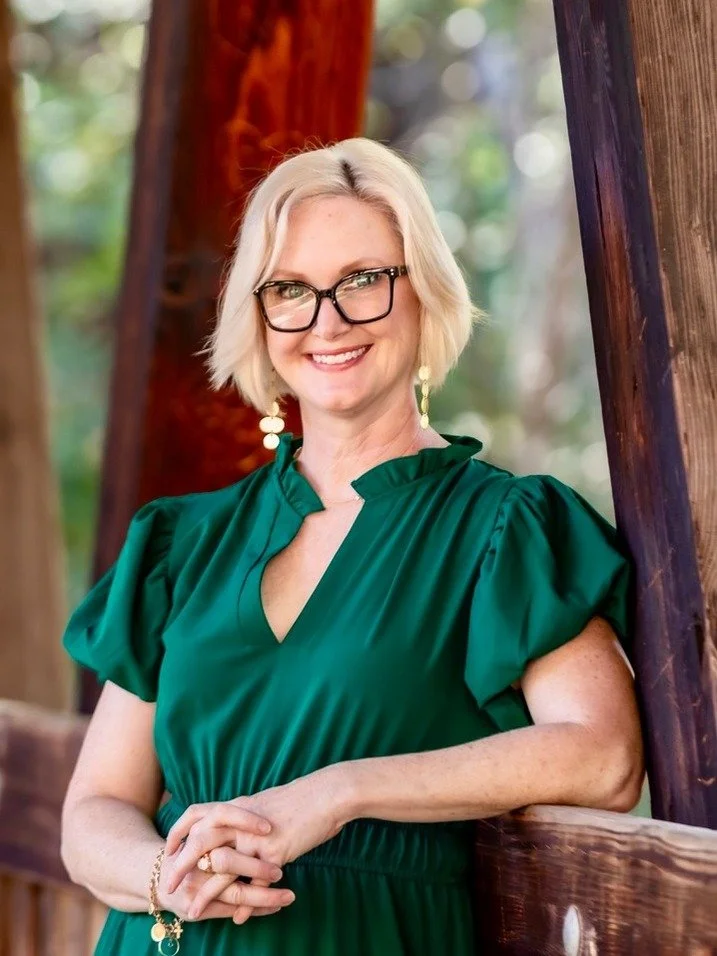
Kara Pepper, MD brings a patient-centered approach to her work with individuals who've faced challenges navigating the healthcare system. She specializes in treating eating disorders, Mast Cell Activation Syndrome (MCAS), Ehlers-Danlos Syndrome (EDS), Postural Orthostatic Tachycardia Syndrome (POTS), and menopause. Dr. Pepper's practice philosophy centers on empowering patients to define their own health goals and values, then collaboratively developing treatment plans tailored to each person's unique circumstances. She's particularly attuned to the needs of patients who may have experienced marginalization in medical settings. Her approach considers the full picture—physical symptoms, emotional wellbeing, and social context—recognizing that health looks different for everyone. Dr. Pepper values collaborative care and, with patient consent, maintains communication with other providers to ensure coordinated support.
Her website: karapeppermd.com
Her YouTube Channel: https://www.youtube.com/@KaraPepperMD

Meet Destiny - The host of The Chronic Illness Therapist Podcast and a licensed mental health therapist in the states of Georgia and Florida. Destiny offers traditional 50-minute therapy sessions as well as therapy intensives and monthly online workshops for the chronic illness community.
Destiny Davis, LPC CRC, is solely responsible for the content of this article. The views expressed herein may or may not necessarily reflect the opinions of Sarah Stasica.