
Dr. Hannah Khoddam: Bridging the Gap Between Mind and Body
A Unique Background in Medical and Health Psychology
Dr. Khoddam's journey into the world of clinical psychology took a distinctive path, shaped by her fascination with the integration of mind and body. Her academic background includes a master's degree in psychodynamic developmental neuroscience, a program that sought to harmonize two distinct perspectives on understanding human nature. Her experiences during this program, which spanned renowned institutions like the Anna Freud Centre in London and Yale University, ignited her passion for exploring the connections between psychological and physiological well-being.
A Focus on Chronic Illness
Dr. Khoddam's journey into the world of chronic illness began during her internship. Her role in consultation-liaison psychology exposed her to a wide array of patients dealing with chronic health conditions. These patients faced the emotional turmoil of adapting to life-altering diagnoses, surgeries, and long hospital stays. In particular, she worked closely with transplant patients awaiting life-saving procedures, some of whom endured extended hospitalizations lasting for months or even years. Building on this experience, Dr. Khoddam refined her expertise in helping individuals navigate the complexities of chronic illness. Her approach incorporates evidence-based treatments, mindfulness, and a deep understanding of the psychological and emotional challenges that accompany long-term health issues. Her empathetic and compassionate guidance empowers her clients to not only accept themselves in their current state but also envision a path toward becoming the best version of themselves.
A Journey Rooted in Curiosity
Dr. Khoddam's academic journey initially led her towards a pre-medical path, but she soon realized that merely studying the body didn't satisfy her quest for understanding human nature. Her desire to explore how people think, feel, and relate to the world about their bodies led her to a master's program in psychodynamic developmental neuroscience, a program that strived to bridge the gap between psychological and physiological perspectives. Her research in this field further fueled her passion for understanding the intricate relationship between mind and body. Although the specifics of her research are too vast to cover here, it's clear that her academic background laid the foundation for her distinctive approach to clinical psychology.
The Transition to Clinical Work
Dr. Khoddam's transition to clinical work was motivated by her interest in medicine. She began working in primary care, where she discovered the profound impact psychology could have on medical treatment. Her experience highlighted the crucial role that effective communication plays in the context of physical health difficulties—a role that psychologists like her could fulfill by bridging the gap between mental and physical health. In primary care, she started working with patients facing various challenges, including insomnia, chronic pain, chronic illness, and anxiety. Here, she explored modalities that integrated both the body and the mind, such as biofeedback, which we'll delve into shortly.
Biofeedback: Exploring the Mind-Body Connection
Biofeedback is a fascinating modality that Dr. Khoddam has incorporated into her therapeutic toolkit. It involves using techniques commonly employed in psychotherapy, such as deep breathing, mindfulness, and grounding exercises, while simultaneously measuring physiological responses in the body. These measurements provide individuals with real-time feedback on what's happening inside their bodies as they engage in these exercises. Biofeedback can include monitoring skin conductance, temperature, and other physiological markers. For instance, an increase in skin temperature might indicate relaxation. While biofeedback can be valuable, Dr. Khoddam recognizes that not everyone resonates with data-driven feedback. She encourages clients to tap into their bodily sensations and feelings as a means of understanding their progress.
Valuing the Human Experience
Dr. Khoddam's experiences in both research and clinical practice have reinforced her belief in the importance of genuine human connection and understanding. She shared a compelling example from her research, where asking individuals about their thoughts and feelings provided more meaningful insights than complex biological measurements. This perspective reminds us that while scientific data can be valuable, it's equally important to honor our innate ability to self-reflect and express our experiences in words.
Current Role: Private Practice and Training
Dr. Khoddam's current role is in private practice, where she works alongside her husband in their group practice, COPE Psychological Center, based in California. Their virtual clinic offers general mental health services, and Dr. Khoddam specializes in working with clients facing chronic health difficulties. From insomnia to migraines, chronic pain to end-of-life challenges, her expertise covers a wide range of conditions. Furthermore, their practice serves as a training site, where they supervise externs from clinical psychology programs. This commitment to training future psychologists ensures that the principles of compassionate, patient-centered care are passed on to the next generation.
Conclusion
Dr. Hannah Khoddam's journey from a pre-medical path to becoming a prominent clinical psychologist with a focus on health psychology and mind-body integration is both fascinating and inspiring. Her dedication to understanding the human experience, both from a psychological and physiological standpoint, makes her a compassionate and effective therapist. Through her work in private practice and training future clinicians, she continues to make a significant impact on the lives of individuals dealing with complex health challenges. Her story serves as a reminder of the importance of holistic care that values the individual's unique journey and experiences.
Disclaimer: Everything we discuss here is just meant to be general education and information. It's not intended as personal mental health or medical advice. If you have any questions related to your unique circumstances, please contact a licensed therapist or medical professional in your state of residence.
Destiny Davis, LPC CRC, is solely responsible for the content of this article. The views expressed herein may or may not necessarily reflect the opinions of the guest.
The content in this blog post comes directly from a real, human interview between Destiny and her guest on The Chronic Illness Therapist Podcast. This written version was formatted using AI. Listen to the full episode to hear the actual conversation.
Listen to my full conversation with Dr. Hannah Khoddam on Ep 23: Neuroscience and the questions it leaves us with as folks with chronic illnesses w/ Dr. Hannah Khoddam
-
Episode transcribed with AI and may contain errors that are not representative of the actual word or meaning of the sentence.
Dr. Hannah Khoddam is a licensed clinical psychologist with years of experience working with individuals, families, and couples. Who are struggling with mental and physical health issues.
Her specialty is in treating individuals with physical health difficulties, like chronic pain, insomnia, migraines, tinnitus, sexual dysfunction, new or chronic medical illnesses. End of life difficulties, and more that have often had a large influence on one's emotional wellbeing. She sees therapy as an exploration of whatever may be keeping you stuck in the habits, patterns, or situations that are no longer serving you and finding ways to be in the driver's seat of your own life.
She specializes in evidence-based treatments and has extensive training in cognitive behavioral therapy, acceptance and commitment therapy, and mindfulness based approaches with a specific focus on issues related to the interplay between mental and physical health. She has experienced treating diverse individuals with anxiety, depression, and difficulties with life transitions.
And she believes that change cannot happen without compassion for the person that you are right now. And her goal as a therapist is to help you fully accept who you are while simultaneously gaining insight into the ways in which you can become the best person you want to be in the future.
All right. So hi. Um, yeah, maybe you can start by telling us a little bit about your background and who you work with currently. Okay. So, um, my, I'm Doc Dr. Hannah Coem and my background is really in medical and health psychology, um, both from a research perspective and a clinical perspective. Um, so I, uh, currently work with.
Uh, many different types of patients. Um, my training was mostly in health and medical psychology, but right now I see all types of presenting difficulties. Um, I guess my specialization really is in, um, chronic pain, chronic illness, and specifically I think, , what my background has that might be a little bit unique is, um, my work in cl it's consultation liaison psychology.
So I worked in the hospital with people who were hospitalized with a variety of different medical and mental health difficulties and worked a lot with, um, past difficulties, mostly being in the hospital, dealing with being in the hospital, um, which I think is a very particular setting and particular set of difficult.
Yeah. And you said it's consultation? Liaison. Liaison. Mm-hmm. . Yeah. Okay. What do you do as a co? Psychologist. So, um, I don't do that anymore. That was, I did that, um, on internship and base what I did. I think different sites have different setups. What I did is I worked with the CL psychiatry team. So, um, they saw anyone, any medical patients who were hospitalized and had a psychiatric issue come up, or somebody who was hospitalized for a psychiatric difficulty.
So what I did is I would see anybody who wanted or needed therapy while they were hospitalized, mostly medical. Um, and that was literally everything. So someone who had an accident and was dealing with a loss of limb or loss of bodily function or a new cancer diagnosis or ongoing cancer diagnosis. Um, I worked a lot with transplant patients and specifically patients who were waiting for transplant in the hospital.
Um, and they were there for a month, sometimes years. Mm. . Yeah. Is that where you got your start in chronic illness work? Yeah. Yeah. Well, actually a little bit before that. So I, um, I wanted to be a researcher. When I went into grad school, I was not planning on going the clinical route. Um, but I was always interested in the integration of the mind and the body.
So my, I actually have a master's in, uh, psychodynamic developmental neuroscience. So I spent one year at the Aide Center in London and one year at Yale, and the whole goal of the program was how do we take these two really different ways of looking at a person and make them fit together? . Yeah. Um, so even from there, I, that's what kind of made me interested in, uh, well, even before that, I was interested in medicine.
I, I was pre-med and I just wasn't satisfied with just that level of inquiry, like that, just looking at the body wasn't what I wanted to. . And so when I found that program, I was like, this is great. This is a way to learn about how people think and feel and relate to the world that has to do with, with their body.
And how can we look at the body and look at, um, psychology and, and make this work together. Um, and I think I, so that's what my, my research was all about. Um, , that is a whole nother podcast. We don't have to go into what I did with that, but I didn't know what I was gonna do clinically because I wasn't interested in like, just the, nor what most people do I think in when they go into counseling or clinical psychology.
Um, I was really interested in medicine, so then I started working in primary care, um, while I was doing my training and I was like, ah, this is great. This is a way to work with, uh, in medicine with um, physicians, which I think. It's also piece of this is really important because I think so much of how we communicate about physical difficulties isn't great.
And so I think having a psychologist in a medical setting can be really helpful purely for communication. Um, but I started working with people with insomnia, chronic pain, chronic illness. Um, uh, Anxiety and, and then also using modalities that kind of integrated the body and the mind, things like, uh, biofeedback.
So that's when I really realized there was this world of health psychology that started my trajectory. And then I, then I got up to see all work, which really solidified my love of health psychology, . Yeah. Wow. Fascinating, fascinating background. Um, we have not talked about biofeedback on the podcast yet.
Can you give just a little bit of an explanation about what that is? Sure. And I. Put a caveat that, well, I have a very specific, uh, take on all of this. So, so basically what biofeedback is, is it's using. modalities that we would use in psychotherapy anyway. Things like, um, deep breathing or mindfulness or, uh, uh, grounding exercises.
And then using some sort of measurement from your body to give you a sense of what is actually happening in your body while you're doing these things. Um, so things like, um, I actually don't know if skin conductants is part of the protocol temp. Um, temperature is like finger tempera. and basically, I'm gonna mix this up.
I think it's, when you get warmer, it means you're more relaxed. I hope I'm saying that right. So you, you use the temperature of a way to check in, like, while I'm doing this, um, relaxation exercises, am I getting warmer? That means that my body is actually downregulating, it's doing what it's supposed to do.
I think that that is because as in our society, we value physical and medical. Stuff more than psychological. So it's not okay to be like, oh, I'm just more relaxed. Like having an actual physical reading of that is, is almost more valid. Um, so I have difficulty with that idea and even needing that, but it, it's just kind of where we're at right now.
I think. I'm really glad you mentioned that caveat. Yeah. You have ways that you try to encourage clients to tap into. , maybe less, um, data-driven person, like, um, personal biofeedback, like I can feel when my muscles relax. Mm-hmm. , or I can mm-hmm. . Mm-hmm. , you know. Can you maybe explain some of that a little? I, well, one way I think I do talk about this is giving more explanation about the research part of it, because my background also, so I did a lot of neuroscience backgrounds.
My, um, all of my grad school work was in f m. So I think that, actually, I don't think this, I know this. There are studies that show if you put a picture of a brain on a psychological study, people will believe it way more than if there's no brain. . But what I learned being in the F M R I world is statistics are actually much less sophisticated than psych psychological statistics.
Psychology has some great ways of looking at data that is more, I think, valid than neuroscience. Neuroscience is wonderful and amazing and it, but it's still young. It's a still younger. Um, area, and we're still kind of learning what the, which was the whole point of my master's. Like, what does it actually mean that you see these areas of your brain light up?
And how does it map on to, to what we know about psychology? And we're still getting that. Like, I, we don't really have great answers. And what does it even mean when areas of the brain light up? Does that mean they're overcompensating? Does that mean it's under, um, working? Does that. , whereas it should be, do we compare it to the right things?
Do we look at the right people? Like, there's just so many questions that aren't answered in, um, F M R I. So what I actually, my dissertation. So anyway, going back to clinical work, , I think it's important to, to let people know that like, just because this shows that, I mean, it can be really valuable to talk about that.
Like, this is what's actually happening in your brain. Cause I think that's very validating to people sometimes. Right? And we don't wanna rely too much on what that is telling us because we know, like you ask somebody. So actually this does relate to my dissertation. My dissertation was looking at, um, soon to be Dads . Yeah. We put them in the F M R I machine and had them listen to infant cry. And we actually looked at their skin conductants, their brain scan, and we a, we had them rate what they thought about the baby, um, outside of the scanner. And what I found is that like really nothing happened in the brain.
Like some things happened, but not much skin. Conductants, the data was even too messy to even look at. I couldn't get anything. Um, but if you ask the dads, what do you think about? Baby. The more hostile they rated the child, the more likely they were to have a difficult parenting relationship postpartum.
So just asking was actually mu, you got so much better data than all this money and time spent on getting these biological markers. Um, That didn't really tell us that much as . Yeah, I thought so. That was not what I was expecting. Um, but I think it really showed me that we need to, we need to lean into just talking to people and asking people and trusting what we feel and what we think because it's, it does tell us a lot about, about who we are and, and.
what we feel. Yeah. Wow. Thank you so much for explaining all that nuance. I think that's so important. Yeah. Um, so what do you do now? Are you working in private practice? Are you, yeah. What do you do? Yeah, yeah. So I'm currently working in private practice. Um, my husband and I actually own a group practice together, so, um, our, what?
It's a general mental health. Completely virtual clinic, um, called COPE Psychological Center, and we're based in California, so we only see people. We're only licensed to see people in California. But, um, uh, I have a specific specialty in chronic health, uh, illness difficulties. So anything from insomnia, tinnitus, migraine, um, chronic illness, new acute illnesses, uh, end of life difficulties.
Um, but again, I, I see many more. Uh, presentations than just that. Um, and I, we also, um, are a training site. So we do supervise externs, uh, from clinical psychology programs in the area who are learning to be psychologists. Awesome. Mm-hmm. . Um, so you see people with chronic illness and your husband, he is a therapist as.
He's a psychologist too, and his specialty is an addiction, um, addiction and trauma. So, um, it's the chronic pain, addiction, crossover, I think is a great, um, interaction. Yeah. Good place. Yeah. . Yeah. And do you, do your patients tend to be, your clients tend to be, um, come to you for the crossover as well, or do you see a lot of clients with no addiction, but yeah, I see a lot of patients with no chronic illness or addiction difficulties.
Um, anxiety, depression, a lot of, um, not a lot, but a few, you know, postpartum prenatal difficulties. Um, I also do a little bit of disordered eating. I wouldn't say eating disorders, but people struggle with disordered eating. Um, you know, breaking down diet culture. rules, that sort of thing. Um, yeah. Yeah. Yeah.
And do you see chronic illness clients also who also struggle with that? Like diets and, yes. Yeah. Uhhuh, , I find that I have actually had a lot of crossover between those two. Mm-hmm. . Yeah. Would you be willing to talk about that for a little bit? I don't know if I have. I wouldn't say that's like my, um, yeah, that's specialty in any way.
But I think what I have, uh, Noticed. I mean, I think it's similar to the, the way that we just talk about health in general, that we have, we put a lot of stock in weight. Um, and I mean, of course I'm, I'm not a weight stigma expert. I'm not a, um, Eating disorders expert. But I do know how harmful weight stigma is, and especially in the medical system, so much is put on weight and I have so many patients who have said, you know, my chronic illness wasn't found for years because every time I went to the doctor, they just told me to lose weight and then, but I had knee pain and so how can I.
Lose weight if I can't run. And then it's just, it's awful. It's terrible. Um, and not to mention the internalized weight stigma and feelings of self-consciousness and, and all of that that comes with, um, being in the world in a larger body. So, yeah. Um, that's definitely stuff that comes up a lot. Yeah. And you mentioned having some stuff written down that you, you did wanna talk through.
What are some of the points that you wanted to bring up? What I love about, um, what I have done with C B T for chronic pain is really.
Well, two things I think. Um, helping people figure out what you can control and what you can't, and really focusing on the parts that you can. And I think that so much of medicine is like, this is happening in my body. Take this pill and then see what happens.
And then you're not given any. Strategies or ideas or help. But so much of what we deal with in our bodies is not our bodies. . It's our brains and it's our minds, and it's how we feel and how we think. And so having no guidance on that is, is, is just a detriment to the, to the person who's dealing with these illnesses.
So I think that's what I love about chronic pain treatment is it just gives you so many more things that you can do with to make you feel better to, to make your life more meaningful. . Yeah. And I think a huge caveat to that is that the first step that I have seen a lot, and this is across all you know, medical difficulties, is grief.
Because so much of what you had your life was like before is different. And I think if you skip right to problem solving and to like giving people skills and goals and it doesn't work if you are grieving the loss of the person that you were before. And so I would say a huge part of, um, chronic.
treatment is grief. Yes. Yes. I think it's, I think when you start to, um, especially when you market yourself as like, I help with this. Uh, even like I think EMDR therapists or brain sweating therapists re this all the time, like mm-hmm. , I have trauma. Give me EMDR and let's fix this. And it does take, so, , it can take a while, uh, to build that trust and to unpack that grief and mm-hmm.
therapy really is, uh, as much as I am all for some solution focused. I think therapy is a long term commitment. Um, yeah, because there's just, you have, you have to build trust mm-hmm. , and you can't build trust. I mean, you can build a, a certain semblance of trust enough to. Do certain things, you know, here and there, but, um, to really get into that, to the grief of it all, you really have to have layers and layers of trust with person talking to a hundred percent, yeah.
Especially if you have been dealing with a medical system who maybe has been telling you that it's all in your head or you making it up or it's not real. Then of course I think that, I think one of the questions was like, what's your dream? What this world would look, would look like. And I think having a health psychologist in every medical building, every medical office, every setting, because I think that when you're told, oh, you should go see a psychologist, people think, oh, this means I'm making it up.
And that's when a hundred percent not. What the message should be. I think that actually is the message that they're given sometimes, and I think that that's wrong because I think what psychologists offer is it's, let's look at your whole life, not just your physical body, not just the pain, but your whole life and help you reengage in your life.
Get back into your life. Do the things that make your life meaningful so that you can manage what you're dealing with in a different way. Yeah. Yeah. What are some of the things that you feel like we can do to. Doctors and clinics, uh, recognize this need and, and understand too that, um, because I, I think you're right.
The message sometimes is given in that way. Yeah. It's like, go to a therapist. This is in your head. Yeah. . And that, how can we do better at educating our doctors? And I think that's such a hard question because. . I mean, I don't blame doctors or physicians either because the whole system is set up for insurance and so they, they have to be doing a specific thing for 15 minutes and that's it.
And so I understand that there's not oftentimes for questions or thinking about, okay, this person is struggling with this. Maybe I need to approach them in a different way or talk about this in a different way. Um, so I honestly feel. Getting insurance companies to reimburse psychologists to be a part of the clinic, to see the patient themselves, to assess what they might need to give them strategies to deal with the grief in the appointment or in the clinic, um, might be.
And again, this is a pipe dream. I feel like one of the best ways to do it, because I don't think it should be on physicians to do that piece of it. I mean, there's lots of psychologists who, not, not enough, but there are psychologists who can do this. And so I think utilizing what we do, um, in that setting I think is, is hopefully would be better than it is now.
Yeah. Mm-hmm. in your, um questionnaire that, that had you fill out? We mm-hmm. we mentioned, um, like evidence-based therapy for people who have chronic pain. Mm-hmm. , chronic medical conditions, fibromyalgia. I think that's a big one. Um, yeah. Maybe we can talk almost like, uh, about a, um, a made up plant.
Who has fibromyalgia comes in to see you? Um, what is, what is typically that first session? Like what is the client generally asking of you, and then is that what you begin working on or does it, do you help them shift and navigate and figure out their Yeah. That's interesting. I think fibromyalgia is a specific one that, again, they, the patients I've worked with have come in really feeling like maybe, maybe if they're not saying this outright, there is this message of.
are they making it up or is there something that's going on that is not, that hasn't been recognized by their physicians? And so on top of really feeling like a lot of should statements, like, I should be able to just keep going. I should be able to just do this stuff and I can't. And so I think that the first session is oftentimes uncovering a lot of.
Messages that they have about themselves, um, that they might not even be aware of, and messages that maybe they've gotten from other people and really recognizing where they're starting. Um, because a lot of chronic pain treatment is, is kind of assessing, okay, where, where are you at? Like, what can you do at this point?
And again, that's I think where a lot of the grief comes in, is there's a disconnect between what you want to do and what you can do. And. Allowing yourself to do what you can do can be really tough because you have these other expectations of yourself. So just coming to accept that your life might look different in order to do the things that you wanna do, I think is the, the hardest part.
And no matter, you know, we have these great evidence-based treatments with these skills and, you know, walking programs and, um, Cognitive restructuring and, and all of it. None of it is gonna work. None of it is going to help unless you can really accept where you're at, feel validated in where you're at, and be ready to make the changes that you can make in order to make your life meaningful, even if it's tiny things.
And then also be okay with those tiny things that it's just as productive, just as good as the things you maybe you were doing before that you want to. So it sounds like the thing that people come in, uh, that you're working with first and most often with is the shoulds. Yeah. Getting them to kind of drop, drop those shoulds and.
what do you feel like is you see most often affected, the most relationship work? Um, you know, what domain of life do you feel like you are doing most of your work around? My initial thought when you said that is really all of it, but mostly it's the self-concept. I feel like, you know, the relationships and work are affected because they feel like they're not being, or.
The things that they want to. And so I think the biggest thing that I work on is how they feel about themselves. And also I, I know we have the, all this stuff in society about self-care and what that is and what it looks like. And I honestly feel like that, I talk about that probably more than anything because I don't think that even if we talk about it all the time, even if you know, you're.
Struggling with the physical difficulty and you're going to physical therapy. Sometimes it's not what you're doing, but it's the intention behind it. Like if you're intending to. Go back to where you were and you're feeling like all the things that you're doing are almost like a punishment to your body for what you're going through.
Like, that's going to feel very differently. Your, your, your immune system and your cortisol levels are still gonna be really high, or your cortisol's gonna be high. Your immune system's not gonna work, , um, because you're just beating yourself up. And so I think that, is also what I like to think about is what is your intention behind doing these things?
Do you, are you truly caring for your body, for yourself in engaging in all these treatments? Um, and it, can we change that intention before moving forward? I think that's a really good, um, way to talk about the mind body connection and how it, you know, it's not, um, it's not that we are. stress isn't so much causing our chronic illness, and it's not even that stress itself is bad.
Right? Yeah. It's kinda that secondary. Well, I shouldn't feel stressed. Mm-hmm. . Mm-hmm. be able, yeah. Yeah. A hundred percent. Yeah. It's like the difference between pain and suffering. Like the, the pain is the, the thoughts or the emotions that don't feel good and the suffering is all the things we tell ourselves about ourselves when we have those.
that those emotions or those thoughts and those sorts of things can, can really impact how you feel. Yeah. And I think a lot of people just grew up so much hearing, um, like. , just think positively or you know, just don't think that way, . So it feels like going to see a therapist is just gonna be them telling you the same thing.
Yeah. Uh, and then even what we're saying right now is like, you know, how you think about your pain and how you think about the things you have to do, it can affect your cortisol levels and, and things of that nature. . But when you're in therapy and you're building a relationship with a therapist, it definitely shouldn't feel, it shouldn't be like that.
Like no, no. And that's what I say all the time because I think people do have this idea about C B T is, it's like a positive thinking treatment, and that is 100% not what it is like sometimes. Am I allowed to cuss on this appointment? Okay. Sometimes life is just shitty. Sometimes circumstances are shitty.
And so getting up in the morning and saying like, oh no, my life is wonderful, is not gonna work. You're never gonna believe it and it's not gonna do anything, and it's invalidating to yourself. And so think what C B T is, is not necessarily only thinking positive, it's just opening up your mind to all possible things, all possible considerations.
Something that I, um, worked on one of my patients with, with chronic fatigue is she would wake up and be like, oh, what's the fatigue gonna be like today? Like, what is this gonna make me not be able to do? And so what we worked on is focusing on what, what mantra that really worked for her is, my job right now is to take care of myself.
So she took the, the productivity and the um, drive and everything that she had for her work life and her family life into healing her body. And then that shifted everything we just talked about, her intentions, what she was doing, her ability to rest when she needed it, her ability to keep going when it was really important to her.
So that I think, is way different than life is wonderful . And yeah, just thinking positive doesn't, doesn't. . Yeah, absolutely. I mean, it sounds, so I practice from acceptance and commitment therapy. Mm-hmm. . Mm-hmm. . Mm-hmm. . Yeah. That's really, values is at the heart of everything we talk about. Right. Why are you doing what you're doing?
Yeah. And are you willing to feel shitty while you do it? Just cause it brings your life meaning? Yeah. Yes. I think that's the hardest thing to explain and to understand because, um, people. , it's kinda like, well, I'm gonna feel shitty anyway. Why put the extra effort in? Mm-hmm. . Mm-hmm.
And it's kinda that long term, that long game and Yeah. You know, a lot of times we just don't have the proof or the evidence to like to know that if I put this energy and effort into this task that everyone is telling me to do mm-hmm. , and I'll feel better if I do it, but I don't actually know or trust that.
Going to work. Yeah. And I find that a lot of times, really what that comes down to is I don't trust myself to stay consistent enough. Mm-hmm. . beating myself down before I even, yeah, a hundred percent. Yeah. And I think oftentimes that happens too. It's cuz someone's envisioning like the end of the line with that.
Like, eventually am I gonna have to be going back to where I was energy-wise or, or productivity-wise, instead of just taking it literally one step at a time. Yeah. . Yeah. It's hard when you want everything all at once. I think we, we don't do a good enough job in this society of kind of talking about the different life stages.
Mm-hmm. and what's actually expected of you as what life stage and then how to Yeah. You know, define, it's not just what's expected of you, but then to also define, okay, what's kind of, what is like the kind of normal expectation? And then do I want that, like mm-hmm. . Mm-hmm. , do I wanna ate from that Instead?
It just feels. . You know, we're just supposed to have it all together by 25, and it's like . So true. Yeah. Yep. No, a hundred percent. Yeah. Yeah. So it really does come back down to the shoulds. It sounds so simple, uh, right. the most simple advice. But again, it, it's not as, it's not as simple as just saying, okay, well, like, I'm not gonna say I should do this anymore.
Mm-hmm. . Mm-hmm. , with that comes grief and mm-hmm. . Mm-hmm. frustration and, um, you know, in a, a sense of hopelessness sometimes of like, I don't know how to move forward. Right. All I know is I'm just not supposed to think this way. . Right, right. Exactly. . Yeah. And dealing with other people's reaction to you deciding you're not gonna do that anymore, because that also can affect relationships.
Mm-hmm. , yes. Yes. That, I think, I think that is probably the biggest thing that I work with, is the, the relationship. It's always, it always comes down to the relationship with yourself, but Yeah. Um, it also comes down to expectations that, that you. from your family. Totally. Yeah. Yeah, and, and it's like, you know, figuring out what your needs are and then who's actually able to.
Give you those needs. Yeah. Yeah. I think there's also a lot of cognitive dissonance that comes when, from other people when they're interacting or have a family member, somebody who has a chronic medical illness. Cuz I think we, we all want, you know, we have these beliefs about the world. Like good things happen to good people, bad things happen to bad people.
And so I think it's easier to think, well this person can just change whatever they're doing, or. I don't know the worst case, like they're making it up or they're just doing this for, I'm saying this in huge air quotes, attention. Um, instead of recognizing that maybe life is difficult and there are challenges and sometimes people, even if they look fine, have, are struggling.
And so I think that it's, it's d sometimes it's difficult for people to accept that of their loved ones and family members. Yeah, I think we hear that so much that need for attention that we've. Then think that needing attention is a bad thing. Bad thing. Yeah. So true. Yeah. It's so true. Mm-hmm. , I mean, you just replace it with connection.
Yeah. We all need connection. Yep. A hundred percent. Mm-hmm. , how do you connect with others and Yeah. And is that resonating for them as much as it. It's resonating for you and you know, relationships are difficult because each person has an individual need and their own individual expectations and unspoken expectations, so, right.
Exactly. Yeah. Mm-hmm. . Yeah, I think I, that's what I want so badly is for people to hear, like, need for attention and just not even think anything negative about it. Yeah. Yeah. Yeah. I need some attention right now. Yeah. Please give me a hug. like, can you give it to me? Cause Yeah. I'm sure you need it at some point too.
Exactly. Yeah. We don't have to, we're not robots all siloed into our own lives. Mm-hmm. . And I'm finding more and more, uh, as I keep doing this work, that when we don't get the attention that we need and the connection that we. , it can make, it can not only make your symptoms worse, but sometimes it can just make your.
Much more extreme to the symptom than it would've been if you had gotten what you needed. Yeah. I think that's really confusing for people. Mm-hmm. , that's really true. I, I think something, it's very similar that I talk a lot with my, to my patients, especially patients who have health anxiety, not necessarily chronic medical illness or, or both, is that you, they have this like very, and oftentimes it actually starts off with, Trauma, and I don't necessarily mean like big T trauma, but, but feeling like their needs aren't met or feeling like there's no space for them in their attachment relationships.
And so they developed this really strong radar for, for. The outside world, like, okay, I'm gonna notice everything so that if something goes wrong, I can fix it, I can change it, I can do something about it. And I think sometimes that radar gets turned inside and so they're just hyper aware of any change in their body at all because they need to preempt anything bad.
from happening. And so I think validating that that radar was necessary at some point, that it was helpful for them, that they needed it to stay safe, and then recognizing that it's not working anymore and that what are the costs to being so focused on your symptoms at all times, um, is also something that I work a lot with to, um, to one, have compassion for, for where that comes from, and then also recognize when, when you should use that radar and when you can just kind of turn it off.
Yes. I think that's a such a good explanation. Um mm-hmm. . Yeah. Because we talk about, and there's a, there's a lot right now in the pain world about like false alarms. Mm-hmm. , . And I actually think the narrative around that is also becoming like a see, like you just don't understand your body and it's like, yeah.
No, no, no. We understand perfectly well. It's just the problem is like this response to my pain or this response to the world around me was necessary at one point. Exactly. A hundred percent. I love to say that no behavior is irrational. Nothing we do is irrational. It's for a reason. It might not be a helpful reason now, it might be harming your life, but you're that there's nothing that we do that's just from nowhere.
It's, it comes from somewhere, and I think finding that compassion for that origin. reason can be hugely transformative. Yeah. I agree. I think I am getting more and more clients recently where, , and maybe we just need to do better at finding a new word in, in our field, but, um, just feel like they don't have any trauma and this can't possibly be connected to trauma. Mm-hmm. . Mm-hmm. . But as we've already kind of mentioned, it's that daily chronic emotional needs not being met.
Your body does see that as like, this is, this is a threat to my wellbeing. Mm-hmm. . Mm-hmm. every single day over and over and over and over again. Of course, your fire alarms now are. at a 10, always ringing and Right, right. Anything around you, uh, smells and light and things of that nature. They do, they trigger this response inside of you.
Mm-hmm. . Mm-hmm. , which is very real. Yeah. And we can also use what we know to help calm those things down. And I think too, what people don't realize is if you learn to calm down, triggered responses. Mm-hmm. and your body can actually differentiate real danger better. Totally. Yeah. Yeah. Yeah. , definitely. And I think that, you know, talk, thinking about that, the fight or flight response, you know, we have so many stressors in our lives right now that turn on that, that response.
So not just any, you know, again, we need, I agree, we need a better word than trauma, but the ways that your body was set up in your early life to detect danger. Now, everything about our world is like so hyper arousing, , you know? beeps going off all the time, deadlines constantly. We are can and should and are available to our phones and people all the time, and I don't think we spend enough time thinking about the parasympathetic nervous system, you know, the nervous system that turns on to help heal the body and to calm down into.
Down regulate. And I think this is where the idea of self-care kind of gets confusing because you know, if you're thinking, oh, I'm just gonna, you know, lie on the couch and watch TV and relax, but if your brain is like still going through your day or you're watching a TV show that's about murder, , then you know, your parasympathetic nurses is not gonna get turned on and you're not gonna get that rest and digest and,
healing that you can get if you do, you know, things that we teach in, in therapy, things like deep breathing and progressive muscle relaxation and meditation, things like that. Yeah. Um, so I think that, um, I had a supervisor who was really intentional about not using the word relaxation, but self-regulation when describing those things.
Because sometimes when we think we're relaxing, we're not actually down Regulat. . Yeah. Yeah. Like when you're talking about sitting in your feelings and clients are like, oh, I, I do that all the time. Yeah. , . Like, I think about my pain all the time. Yeah. So you mean I'm not doing that? And Yeah. It's like, yes, but you're, let's do it in a way that is self-regulating, right?
Yes. Yeah. Yeah. Bringing up the emotions so that you're not stuffing it, but also taking care of your body and yourself at the same time. Mm-hmm. . Yeah. Yeah. Ruminating is usually. A way for you to try to like fix or solve or like if I keep thinking about, I'll pull it out. Yeah, yeah, yeah. Which I think with chronic pain is actually a symptom of the whole system.
You know, from a super young age, from like the first bruise or cut or illness, we get the message is take this medicine, do this thing and you'll be fine. And I think that that taking all. You know, presenting illnesses from that lens is where actually some of the difficulties with chronic illness comes from.
Because we don't have, we're not great at managing things. We're not great at living with things. We just wanna fix it. We wanna find a cure. And I think some of the strategies that we have for acute pain are acute illness actually, and, and acute insomnia actually. Make the problems worse. Um, and so when you go see a physician for, and again, this is nothing against that, that the physician, that's, that's like the prescribed thing, you know, you get the medication, you, you do the thing that you need to do, but then when you're left to your own devices and that's the only strategies that you have, and you keep doing that, that can actually lead to worse pain and worse sleeping and worse, um, illness.
Yeah. Yeah, I think, yeah, the, the topic of pain medicine is probably a, a whole other episode. Um, yeah. , but, uh, yeah, no, uh, you're right. And, and just to go back to like self-regulating and, and mm-hmm. , we don't, I mean, our culture. , we, we have completely stripped anything that is for leisure or pleasure. Mm-hmm.
Yeah. It's just, I mean, in other, and indigenous cultures in particular, there's, there's always a component of dance. Mm-hmm. and celebration and rituals and mm-hmm. , you know, um, honoring the land that you're on and just, just things like that are so, To us. So foreign. Yeah. That shouldn't be. Mm-hmm. . Mm-hmm.
these things are what help you connect to yourself. To right yourself. Totally. Yeah. Which I, going back to values, I mean, that's what I think is hugely important about assessing, you know, what are the things that bring your life? Meaning what are the things that you want to tap into, and how can we do that in a way that you can physically do that now?
And it might not look like what you think it'll look like, but there you can be so creative in engaging in your life in ways that bring you meaning that maybe you. thinking through, and that's, that's the grief of it too. Yeah. Mm-hmm. , I used to really struggle when I was first kind of, um, practicing act, the whole concept.
like, you know, okay. If you ca if you can't do what you wanna do, like let's figure out how to Yeah. Do something that kind of, you know, it's similar. Yeah. Right. And it would feel so invalidating to me and then I realize it's cuz I was missing that grief component. Mm-hmm. . Mm-hmm. a hundred percent. Yeah.
Yeah. because of people were like, well, I don't wanna do that. I wanna do this other thing, . And yeah, I mean, I get it. I think some, um, I think a lot of us understood that with Covid. I think I was really struck with that, with my work in the hospital. You know, so much of what I would work with is, okay, you're stuck.
You're literally in these four walls. You don't have access to the things that you used to have outside you family members, food that you like, um, media, like nothing. And so what can we do? Moment to help you not even maybe feel better, but get through it. And I think that Covid was kind of like that for everybody.
Everyone didn't have access to the things that, their go-to coping strategies or things that they enjoyed or connection that they had. And so I, I saw that a lot with, um, patients at the time that that was really what they were struggling with. Yeah. And I feel like there was so much downtime people had won where they were.
really feel grief and so mm-hmm. , a lot of people ended up going to therapy. Yeah. Yeah. And now I'm finding there's, there's still just an influx of people coming into therapy. We don't wanna go back to working. Yeah. Yeah. 60 hour weeks and it's true on all the time. Yeah. Yeah. Talk about down regulating your, your autonomic nervous system.
I think, yeah. Waking up at five and going to the gym and then having breakfast and going to work and working all day. And then it just, it was, it's too much . It's really too much. . Yeah. It feels exhausting just listening to that . I know, I know. I have some people come in and like, oh, I just don't have any energy.
Like I don't have I, there's too much to get done, and then they wanna fix their energy and I'm like, no, your energy is great. It's not the energy, it's that you're trying to fit in way too much into your life. Mm-hmm. . Yeah, I think that's a really good point. Um, Yeah. That I'm, I'm thinking of a couple clients that I'm navigating that with too.
It's like, yeah, your energy is actually okay. Mm-hmm. , it's your team list that is just killing you and, and it's of no fault of your own. Yeah. I mean, there's things to get done. Right. Um, but then let's also figure out how we can just prioritize and deprioritize mm-hmm. in a way Exactly. Feels good to you.
We ended this podcast kind of off air. So I just wanted to add a little ending here. Remind everybody that if you are a therapist who works with people with chronic illness, I do have a free consultation group every single month. On the third, Friday of every month. Um, At 1:00 PM Eastern time.
Uh, and if you are not a therapist, but you're a person living with a chronic illness and you're looking for more conversations like this and education about pain. And all of that and how it affects our mental health. Um, I am putting together a library of videos. So be on the lookout for that. If you'd like to sign up for a wait list to know when that comes out, then just sign up in the show notes below. Thank you.
Listen to Dr. Hannah’s interview with me, Destiny Davis, on Ep 23: Neuroscience and the questions it leaves us with as folks with chronic illnesses w/ Dr. Hannah Khoddam
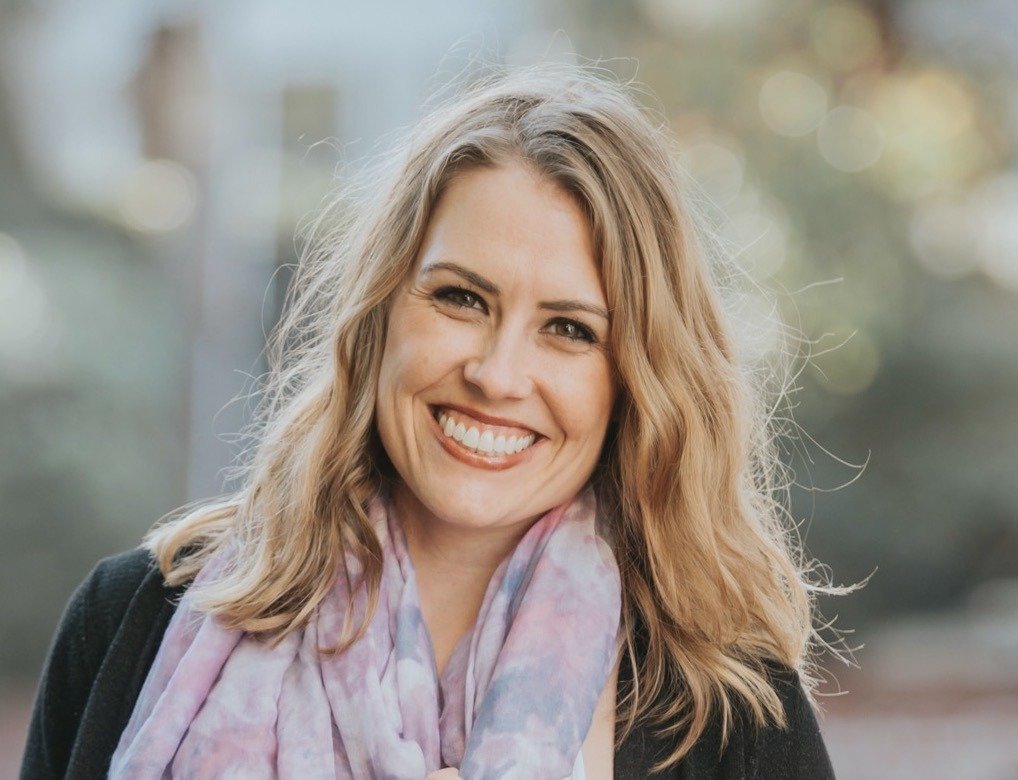
Meet Dr. Hannah Khoddam with a rich background in medical and health psychology, she has spent years working with individuals and families facing various mental and physical health challenges. Dr. Khoddam's specialty lies in helping individuals cope with physical health difficulties such as chronic pain, insomnia, migraines, tinnitus, sexual dysfunction, new or chronic medical illnesses, end-of-life challenges, and more—issues that often significantly impact emotional well-being. She believes that therapy is an exploration of what might be holding one back from personal growth and fulfillment, with the ultimate goal of empowering clients to take control of their lives. Dr. Khoddam is well-versed in evidence-based treatments, drawing from her extensive training in cognitive-behavioral therapy (CBT), acceptance and commitment therapy (ACT), and mindfulness-based approaches. Her unique focus lies in understanding the intricate interplay between mental and physical health. She has a remarkable track record of helping diverse individuals overcome anxiety, depression, and difficulties associated with life transitions. What sets her apart is her unwavering belief in the transformative power of self-compassion, as she strives to assist her clients in embracing their present selves while envisioning a brighter future.
Connect with Dr. Hannah:

Meet Destiny - The host of The Chronic Illness Therapist Podcast and a licensed mental health therapist in the states of Georgia and Florida. Destiny offers traditional 50-minute therapy sessions as well as therapy intensives and monthly online workshops for the chronic illness community.