Freeze Frame: A Somatic Trauma Tool for Prepping Clients Before Surgery or a Scary Appointment
This was the first SKILLS class inside the Collective, so it felt right to start with something I use often in my own caseload: Freeze Frame. If you’d like to watch the video replay and join us in our monthly clinical and business consultation groups with other mental health therapists, physical therapists, occupational therapists, and registered dietitians, join us here!
Freeze Frame comes out of trauma and somatic trainings, though you'll see versions of it across other trauma modalities too. I use it with clients who have a specific, dated event coming up like a surgery, procedure, or appointment they're dreading. I don’t use it as a tool for the daily, ambient weight of living with chronic illness.
If you work with clients who can’t visualize, scroll to section “Working with clients who aren't visual” for some tips. And keep in mind that not every tool is for every client. Some just won’t land, and that’s ok.
What it's for, and what it isn't
This isn't about making anxiety disappear before a procedure. It's about building the client's capacity to be with the anxiety once they're in it. This is really important, because if the client thinks that this is supposed to eradicate their anxiety, they’ll be taken off guard when they’re in the moment and the anxiety spikes, as it will. Clients who've had past therapy experiences that treated persistent anxiety as a sign they were "doing it wrong" need to hear, explicitly, that a lowered heart rate isn't the end goal here. The finish line is a client who can meet their own activation and stay oriented to their environment and their self, meaning their nervous system can take in what's actually happening around them (where they are, who's there, what's safe) instead of getting stuck scanning for threat.
You only want to reach for this skill when the client needs calm for a functional reason, like walking into an OR. If they're activated about something that just needs to be witnessed and validated, this isn't the moment for it. We're not trying to eliminate activation across the board, and if you try to lower that activation too quickly, you run the risk of leaving them feeling invalidated.
The core idea: slow down the frame rate
Most clients experience the lead-up to a scary event as one continuous blur. Freeze Frame asks them to stop the footage and look at a single image. And you serve as a grounding presence for them while they practice this in session.
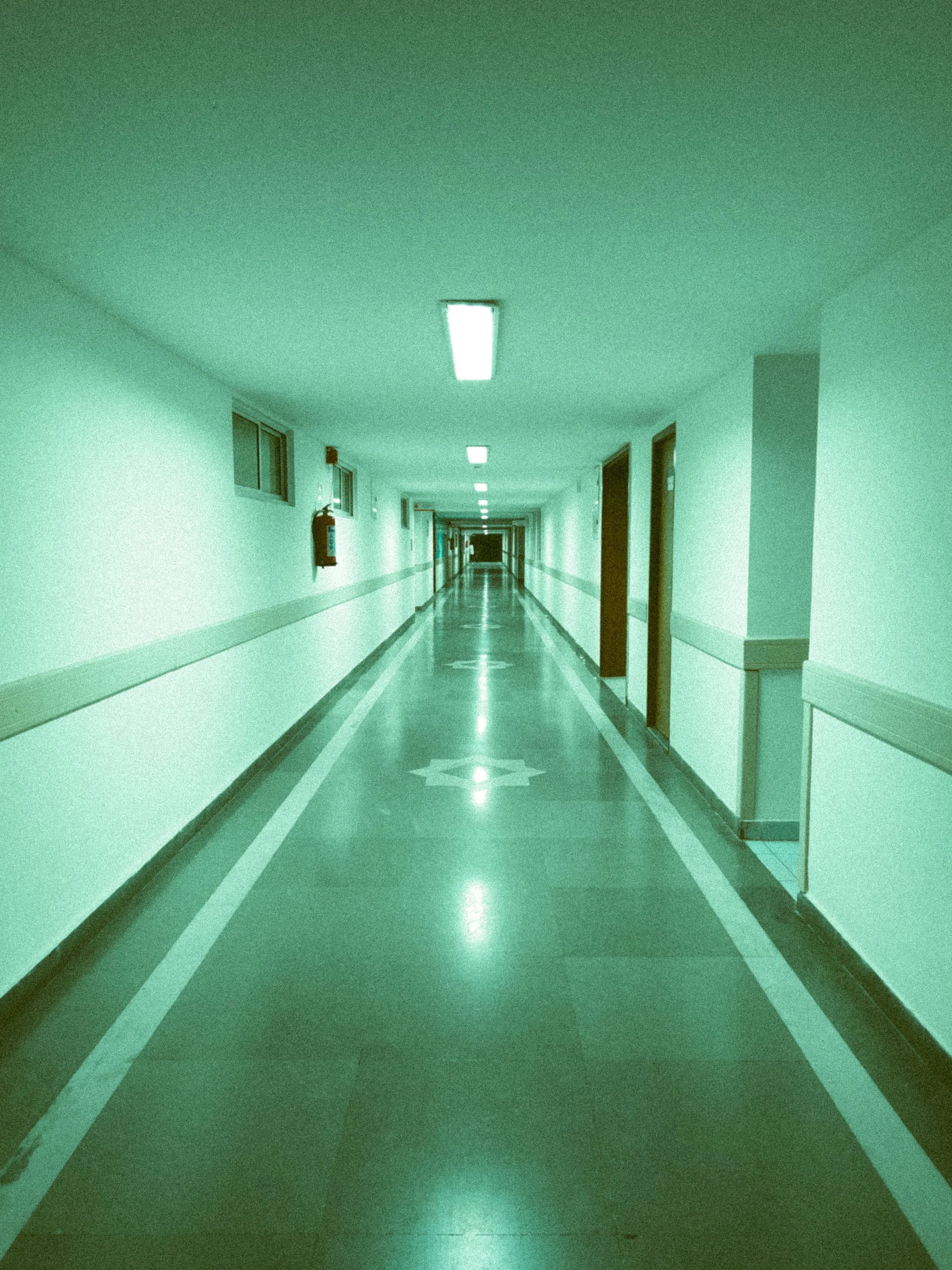
Start by asking the client to picture the very beginning of the timeline, and go as far back as needed to find a point that isn't already activating. For a surgery, that might mean starting at the parking lot, or backing up further to getting out of bed that morning. If the parking lot already spikes their anxiety, go back further still, like to the morning or day before when they’re packing their bag. You're hunting for the lowest-activation entry point on the timeline, and that’s where you start once you find it.
From there, build forward one detail at a time. What's in their hospital bag? Who's driving them? What does the building look like? Each of these is also useful data. If a client can't name a single comfort item for their hospital bag, that's information for you as the therapist to work with. Pause the visualization and do concrete prep instead: a favorite blanket, headphones, a long phone charger so they're not stuck six feet from the outlet. Small, practical friction points are worth solving even though you can't solve the whole hospital environment.
The freeze itself
When the client reaches the point in the visualization where things speed up (crowded hallways, bright lights, too much visual noise), that might be a cue to freeze the frame. During this entire exercise, you should be tracking their non-verbal cues (more on that below). Ask them to picture everything in the entire scene stopping. Nobody moving. Even the person accompanying them is frozen. Everything is frozen in this image except for their own body. Give them enough time here, which can sometimes be thirty seconds, sometimes several minutes, to just notice what's happening in their body.
Next, from inside that frozen image, they get to make changes. If someone in their scene carries relational tension, the client can move that person across the room, or remove them entirely. Then check back with the client to see what shifts in their mind or body. Sometimes distance brings relief. Sometimes it brings more discomfort, which just means you dial it back and try a different distance. Either result is useful because it’s all data to help you and the client figure out exactly what’s needed.
Another thing they can do in this frozen scene is slow-scan the room itself: brightness, crowd density, facial expressions. Because the frame is frozen, their nervous system gets to look instead of scan-and-flee. That's really the whole mechanism behind this exercise. A moving scene keeps the threat-detection system online. A frozen one lets a client actually orient to the environment.
Something I particularly love is when this exercise leads clients to develop their own ideas for appropriate and effective accommodations. In this example, a client who’s picturing a chaotic hospital entrance might end up deciding they want a wheelchair, not because you suggested it, but because the visualization made the friction point visible enough for them to solve.

What you're tracking as the practitioner
While the client is building and moving through the imagery, you're not just listening to the words. In fact, the words are sometimes the least important part. You should be watching their breath, where their eyes go, for any shakiness, or any other movement changes that might occur. These are the cues that tell you whether to slow down further, pause and regulate, or keep moving. A client can say "I'm fine" while their body is telling you something different, and that gap is often data that can tell you where the next useful pause should be.
This tracking is also what tells you how much to build out at any given moment. If a client's activation is rising as they picture the parking lot, that's your signal to slow down and/or back the timeline up further rather than pushing forward to see if it resolves on its own. It’s important that you’re reading their nervous system in real time and letting that set the pace for your work together. They are in control the entire time.
Consent is woven into every part
At every transition, ask before moving forward. Do you want to keep going, or stay here? Do you want to unfreeze, or keep pushing this piece further away? If a client hesitates, that hesitation is the next material to work with; ask what's coming up rather than pushing past it. Be slow and gentle, but also make sure you’re (at least somewhat) matching the client’s energy. Some clients will want to keep the coping strategy they already have (getting through it fast, without slowing down) and that's a valid answer. You can name that directly: this is how you've always gotten through things, and it's still what feels safest, so let's keep going with that for now.
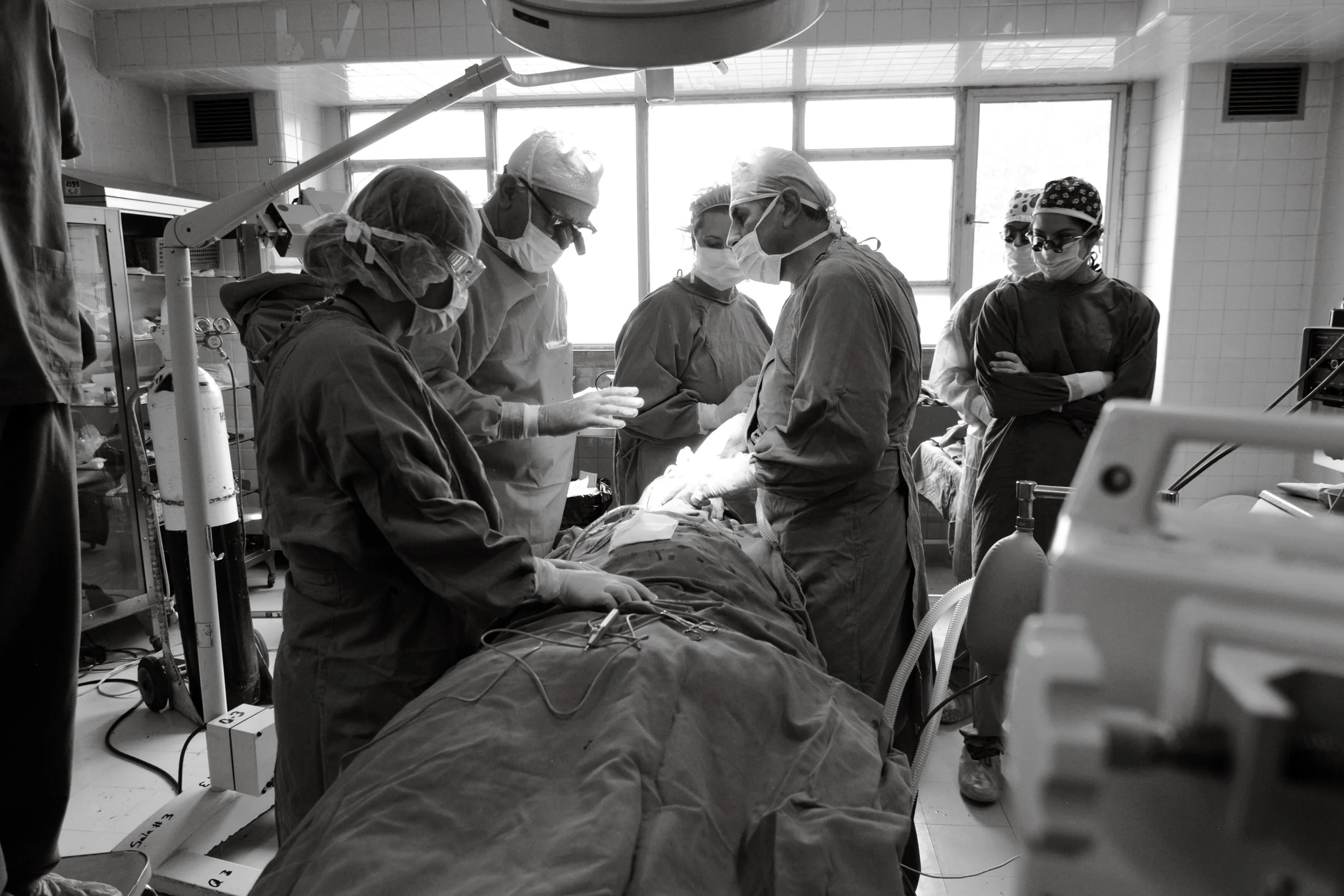
If they choose the route of not slowing down and continuing to use the “push hard and fast to get through,” skill, I would then use this technique with imagery that you ask them to create about the scene after the pushing through is over. Ex: They’re preparing for surgery, and they see the imagery of the Operating Room (OR). In the visualization exercise, they might fast-forward quickly to the operation or after the operation is done. Depending on your relationship with this client, you might gently pause them to go slower or you can let them move quickly past it and then invite them to visualize the end. What does it look like when all is said and done? They might choose to visualize the end of the operation in the OR or they might want to visualize when they’re back in the comfort of their own home. Either way, you’ll be looking for some element of safety. They might not be able to verbalize that safety to you, so it’s often not fruitful to just ask “what makes you feel safe.” It’s better to treat yourself like a detective who’s looking for the small, tiny, seemingly benign but very important clues that the client gives you.
Working with clients who aren't visual
Not every client can build a mental image on demand, and that’s ok. If they still want to do the exercise, slow down further and normalize how imagery actually forms: piece by piece, not as a complete picture on command. A client might only be able to see the pavement of the parking lot at first. That's a starting point, not a failure of visualization.
For clients who don't visualize well at all, sound can replace visuals in the exercise. What do they hear moving through the space? Do they have a preference for low voices over high ones, fast speech over slow? These are questions most people have never been asked, and "I don't know" is a normal, workable answer. It usually means the question needs more time, not a different client.
Pacing: the client will try to rush, and that's expected
Clients will often try to skip ahead, jumping from "they called my name" straight to "then the doctor came in." That's not resistance to slow down for its own sake; it's how most people are used to telling this kind of story, especially the first or second time through. Whether you interrupt to slow it down or let them finish the version they need to tell first is completely up to you based on the therapeutic relationship and how the client tends to respond to being paused. Either way, naming what you're noticing (you moved through that really fast, I'm curious what it would be like to slow down here) keeps consent intact.
Regulation skills like breathing can be woven in at any point if the client already uses them, or practiced right there in the moment if they don't. Other regulation skills might include squeezing something, noticing their external environment, a mantra, among other things. The visualization isn't the end goal. Slowing down and being with discomfort is the goal. If a client can only tolerate slowing down for one frame of the whole sequence in a single session, then that's a complete session.
Carrying it through to the other side
The same frame-by-frame approach extends past the procedure itself: what does the client want to notice right before anesthesia, who or what comes to mind as they go under, what they'd want to notice as they wake up, and what they need in that first hour afterward. A favorite meal waiting. A phone call lined up. These details, worked out in advance, become anchors that the client's nervous system can locate mid-event, because they've already rehearsed finding them with you.
That's the throughline of this technique: not talking a client out of fear, but giving their body a rehearsed, embodied answer for what to do when the fear shows up anyway.
Watch the video training here! (for paid members only)
Want to know more about The Chronic Illness Therapist Collective?
The Chronic Illness Therapist Collective is a community space for mental health therapists, physical therapists, registered dietitians, and occupational therapists to learn, grow, and hone the necessary skills for working through medical trauma and chronic illness.